
10 facts about Fucoxanthin (FX): A promising natural supplement 🙌

1. Fucoxanthin (FX), a brown pigment, is derived from various seaweeds and algae. It helps in algae photosynthesis and photo-protection in the aquatic environment. Several studies have shown that this phytochemical can be a potential source of nutritional and health benefits against various diseases like diabetes, obesity, cancer and many infectious diseases. Recent findings have shown that it has various properties like antimicrobial, antioxidant, anti-inflammatory, anti-obesity, anti-diabetic, and hepato-protective effects. Therefore, because of its highly potent effects of prevention of obesity related diseases, anti-cardiovascular, tumour inhibition and health benefits to bones, skin, eyes and liver, this pigment has been a promising pharmaceutical asset.

2.Molecular Structure: The unique molecular structure of FX is similar to that of Beta carotene and has the allenic bond. Out of 700 naturally occurring carotenoids, only 43 of them belong to the allelic group, and FX is one of them. Therefore, there is growing interest in the pharmacological activity of this carotenoid, which can be a great potential source towards the prevention of various physical illnesses. FX is mainly found in micro-algae rather than macro-algae. Among the three kinds of micro-algae, that is green, red and brown algae, FX is in higher concentration in brown algae.

3. Multi-functional: Research has already shown that FX has a tremendous amount of health benefits because of its unusual molecular structure. The multi-functional benefits are namely, anti-oxidant, anti-microbial, anti-inflammatory, anti-allergic, anti-malarial and anti-helminthic. Apart from these activities, FX helps to correct the imbalance of lipid metabolism, which is created by a fatty, unhealthy diet. It has a positive impact on fatty acid oxidation, lipolysis, and bile acid synthesis and lowers the level of free fatty acids.

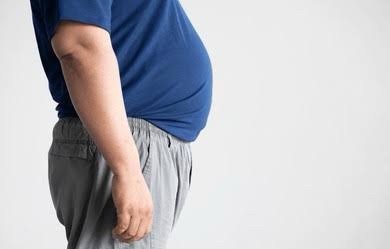
4. Anti-obesity effects: This brown pigment is a promising asset for lowering weight naturally. Obesity has been one of the main risk factors of many chronic and serious health issues like diabetes, heart diseases, high blood pressure, atherosclerosis, fatty liver, high cholesterol, infertility and many cancers. FX lowers the free fatty acids, inhibits lipogenesis, promotes beta-oxidation, bile synthesis, and influences enzymes which are essential for lipid metabolism. As a result, fat accumulation in the liver and adipose tissues is lowered, reducing cholesterol and triglyceride concentration.

5. Liver: Studies have shown that FX has hepato-protective effects. In case of fatty liver diseases, it can help in reducing the accumulation of lipid in liver cells, stimulate Beta-oxidation of hepatic fatty acids and lower the hepatic enzyme activity for fatty acid synthesis. Several animal studies have shown promising results of reducing lipid and triglyceride concentrations in the liver.

6. Inhibitory effect on cancers: Several studies on different cancers have shown that FX can scavenge free radicals and make it a potential modulator of carcinogenesis. FX has shown promising outcomes in different animal studies of inhibiting apoptosis and hindering the tumorigenesis in different types of cancers like lung cancer, colon cancer, breast cancer, liver cancer, gastric cancer, lymphoma and leukaemia. They behave as angio-modulators in cancer therapy.

7. Metabolism of FX: Because of its wide range of health benefits and potential role in the prevention of chronic illnesses, it has been a promising compound in pharmacological uses both individually and in synergy with other compounds. FX is a carotenoid which is mainly absorbed in the small intestine, similar to fats and fat-soluble vitamins. Studies have shown that consumption of this brown pigment orally does not show abnormal changes in organ tissues; therefore, it is safe for human use.

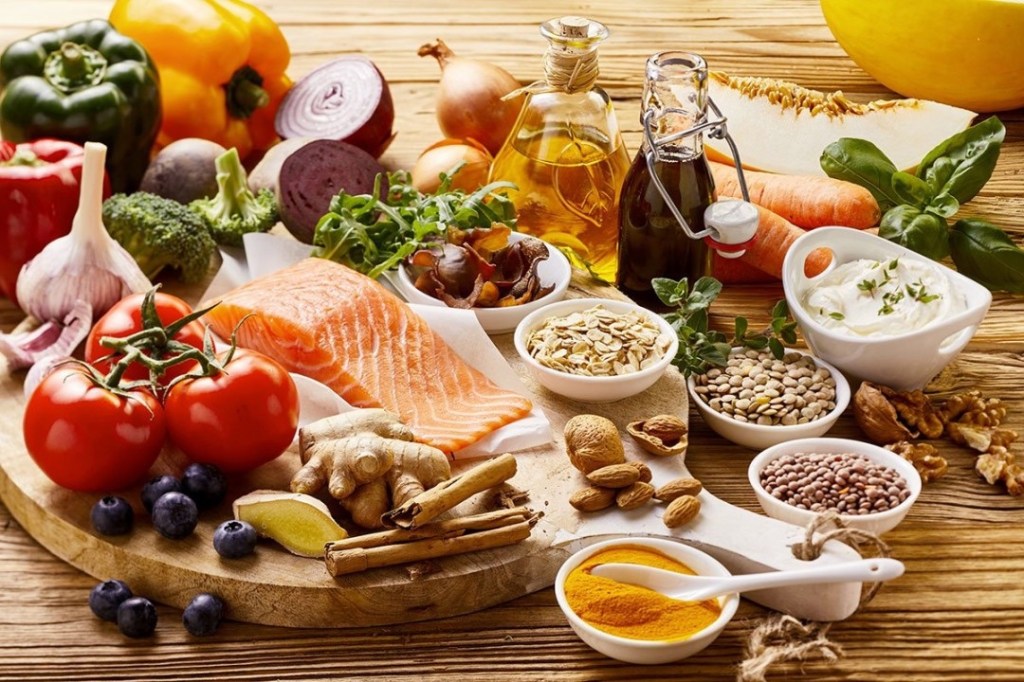
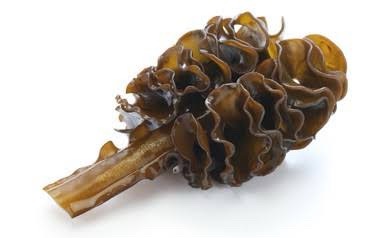
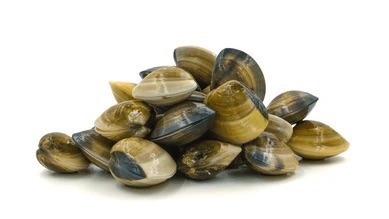
8. Food sources of FX are various species of seaweeds like Wakame, Arame, Kombu, Hizika and Laminaria digitata. Some other natural sources are microalgae like diatoms. Marine invertebrates like mussels, oysters, and clams also contain a small amount of FX. Predominantly, FX is present as a rich source in brown seaweed compared to other pigments like chlorophyll and xanthophylls.

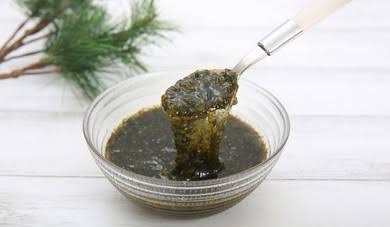
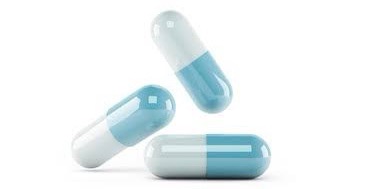
9. As a supplement: Animal studies have shown the safe use of FX and that it has no adverse effect on the body. Therefore, it has been widely used as a supplement for its wide range of health benefits. It is used as tablets, capsules and soft gels usually labelled as Fucoxanthin or “brown seaweed pigment” While the bioavailability can be low in case of human consumption, its absorption can be increased when consumed with lipids and edible oils. Dosage can vary from 3-5 mg per day.

10. Side effects: FX has no adverse effects and no toxic accumulation in the vital organs of the body in case of animals when consumed in higher doses. Therefore, it is considered safe for human consumption. It is considered safe for vital organs like the liver, kidney, spleen and gonads when consumed moderately in humans. Further research on humans is still required for more clarification. It is always advisable to consult a Physician before introducing FX as a supplement when there is a pre-existing medical condition.

Thanks for reading.

Peace and love 🙏

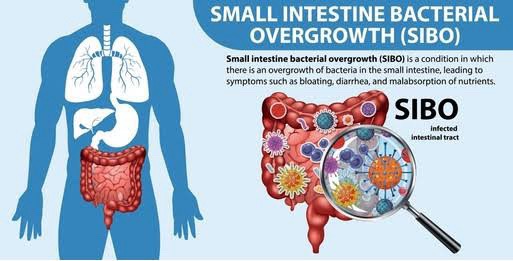
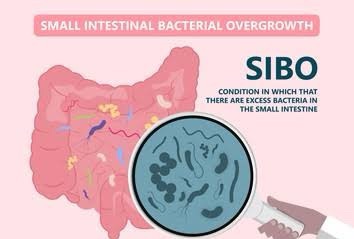
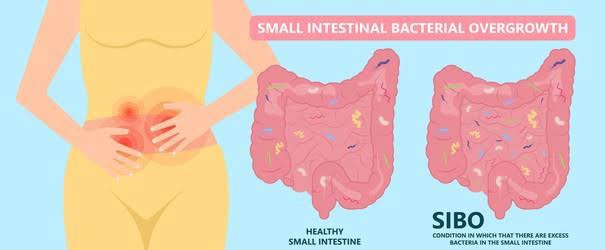
10 facts : What is SIBO or blind loop syndrome ?

1. SIBO, abbreviated as small intestinal bacterial overgrowth, is a condition where there is an overgrowth of bacteria that are not supposed to be present in the normal scenario in that part of the digestive tract. This occurs particularly following a disease or abdominal surgery, when the passage of food and waste becomes slower, creating a breeding ground for bacterial overgrowth.

2. When the wrong types of bacteria overgrow in the small intestine, they feed on the nutrients and food for the otherwise beneficial bacteria, which can lead to abnormal symptoms in gut health. These wrong types of bacteria can feed on the protein and vitamin B12, bile salts which are supposed to support the digestion of fats. In normal circumstances, the small intestinal bacteria digest the carbohydrate and convert it to short-chain fatty acids and gas. Therefore, when there is overgrowth of bacteria, more gas and toxins are produced in the gut leading to many GI symptoms and malnutrition in the long run.

3.The prevalence of SIBO is about 80-90% in cases of irritable bowel disorder, intestinal dysmotility , pancreatitis and chronic systemic conditions. It is more prevalent in the elderly and female population. Usually, the incidence increases with age and the presence of chronic intestinal disorders and dysmotility. SIBO is considered by clinicians as a differential diagnosis of other gastrointestinal non-specific disorders as the actual aetiology is still unknown.

4. The GI symptoms following SIBO are many:

• Gas, bloating, nausea

• Abdominal pain, distention

• Constipation

• Indigestion

• Weight loss, fatigue

• Watery or mucus in poop.

• Hard or lumpy poop.

5.Unexpected and systemic signs may appear due to excess toxins released in bloodstream

(endotoxemia) in SIBO:

• Food intolerence

• Fatty liver

• Fibromyalgia

• Irritable bowel syndrome

• Anxiety, depression, suicidal thoughts

• Endometriasis

• Disruption of mentrual cycle.

• Prostate diseases.

• Atrial fibrillation

• Siezure

6.Though the actual cause of SIBO is unknown, hence, there are several underlying conditions which can be the risk factors:

• Ageing: As age progresses, there may be changes in microflora, degeneration of acid-producing gastric cells, intestinal dysmotility which may lead to bacterial overgrowth.

• Irritable bowel syndrome leads to dysmotility, delayed transition of food, wastage.

• Chonic metabolic diseases like uncontrolled diabetes,

• Celiac disease,

• Lupus,

• Scleroderma,

• Pancreatitis,

• Chronic kidney diseases

• Fatty liver,

• Structural problems in the intestine due to gastric surgery, partial blockage, antibiotics or narcotic drugs overuse.

7. Several complications of SIBO can eventually worsen gut health if left untreated:

• Inadequate digestion and absorption of fat, protein, carbohydrate: Since, overgrowth of bacteria in the small intestine damages the bile salts so the fat remains undigested. The mucous lining of the intestines is damaged too by the excess bacteria causing poor absorption of carbohydrate, fat and protein. Therefore, there is malnutrition, diarrhoea, and weight loss.

• Vitamin B12 deficiency: As the fat remains undigested, the fat-soluble vitamins A, D, E, and K remain unabsorbed. Vitamin B12 which is synthesised in the small intestine is completely affected So, the individual may suffer from vitamin B12 deficiency. Therefore, due to B12 deficiency, nervous system functioning is affected, and blood cell production is lowered. There can be irreversible damage to the nervous system in the long run.

• Calcium absorption: Bacterial overgrowth damages the intestine slowly, resulting in poor absorption of calcium thereby affecting bone health. Weakened bones, prone to fractures, and osteoporosis are common. Kidney stones are also common in cases of poor calcium absorption.

8.There are no standard diagnostic tests for SIBO. The clinical symptoms of SIBO can be nonspecific. Usually, a carbohydrate breath test is considered which is inexpensive and non-invasive. A bacterial culture of jejunal aspirate of more than 1000 units/ml can support the diagnosis. Upper endoscopy is invasive but is done in patients to further support the diagnosis. Laboratory findings like vitamin levels, malnutrition markers are considered to support the diagnosis. Only, in rare cases is, biopsy of the small intestine done. Imaging tests like CT, MRI are done to rule out intestinal abnormalities.

9.Since the condition of SIBO is complex and can be involved with multiple underlying conditions, it is very difficult to manage and treat such cases. The treatment is mainly symptomatic like changing diet, lifestyle, and antibiotics to reduce the bacterial colonies. The recurrence of SIBO is also common so repeated courses of antibiotics are necessary. Supplementation of vitamins in certain cases is required. Surgery is only necessary in case of small intestinal abnormality, diverticula, bowel obstruction, or Crohn’s disease.

10.Again there is no standard diet for every individual who suffers from SIBO. It is individual-specific depending on symptoms and underlying conditions. The goal of diet change is to assist in the treatment and lower the symptoms. The diet should be low in carbohydrates, low in fat, and moderate to low in fibre. Processed sugar items, dairy, whole grains, deep-fried items, and raw vegetables should be avoided. Generally, probiotic-rich food, meat or fish, rice, cooked vegetables, plenty of fluid/water/soups and vitamin supplementation are recommended by the experts.

Thanks for reading.

Peace and love 🙏
10 facts: Are Psyllium husks gut-friendly?

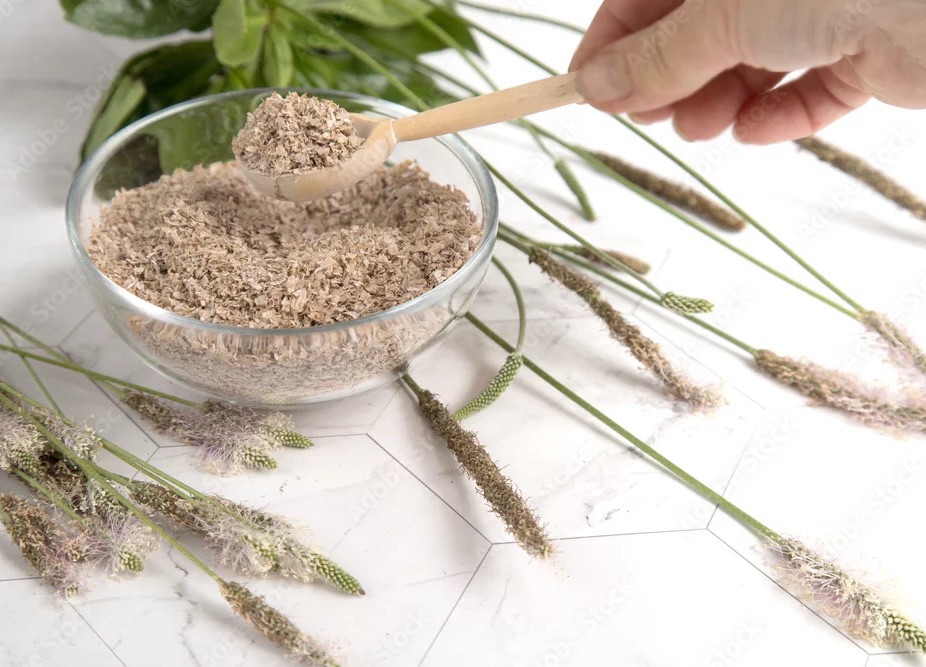
1. Psyllium husk is derived from seeds of the plant genus Plantago ovata. It is rich in water-soluble and unfermentable dietary fibres. It is used in food and nutraceutical industries. It has become popular due to its various health benefits. Psyllium is used as a fibre supplement because of its mucilage content. The mucilage is obtained by grinding the seeds of the Plantago group. These plantago seeds are often referred to as psyllium husks.

Gut- friendly

2. Psyllium husk has been used as a food thickener, fibre supplement, binding agent, gelling agent, and so on. Research studies have shown that it is rich in soluble fibres. So, it has been used as a laxative, which eases bowel movements, making it gut-friendly. Studies have shown that since it eases constipation, it helps to prevent complications like bloating, gas, haemorrhoids, and anal fissures.

Heart friendly

3. Some research shows that it benefits heart health too. Adding psyllium to a daily diet can lower the level of LDL ( bad cholesterol) and can help to maintain cholesterol levels. As we know high cholesterol can lead to conditions like chronic heart diseases, hypertension, diabetes, stroke and heart attack. So, adding psyllium in diet can help to prevent such conditions by maintaning the blood cholesterol levels.

4. Since psyllium is rich in fibres, adding them to a daily diet can even help to maintain the glycemic balance. Therefore, having a diet rich in fibre can be an important step in maintaining the balance of insulin and blood sugar. Psyllium can be a healthy prebiotic too, which can help to produce healthy bacteria and probiotics in the gut.

Weight management

5. A 2023 review study has shown that adding a moderate amount of psyllium fibers to the diet can help reduce weight in people who are overweight and obese. Managing weight can help to reduce the risk of chronic conditions like heart diseases, high blood pressure, gallstones, and breathing issues. Therefore, using of psyllium husk can be used for weight management but, off course under guidance of trained dietary experts.

Constipation

6. Studies have been carried out with the use of psyllium husk in the treatment of irritable bowel syndrome (IBS). The symptoms of gas, bloating, and constipation of IBS have been reduced or the frequency of symptoms can be minimized by the use of psyllium in the daily diet of such patients. This significant change has been reviewed in various research on IBS treatment. Hence, the use of psyllium is found to be suitable in the treatment of IBS.

7. Psyllium is also referred as ispaghula for its mucilaginous compound. It has been used in a variety of herbal medicine to treat various ailments in Asian countries like India and China. It is used to treat skin irritations, bladder problems, wound healing, high blood pressure and digestive problems. Studies do show that psyllium has gelatinous properties, and natural polymers for wound healing and scar reduction.

8. Regarding its uses in various functional food products, for its tremendous health benefits. It has many metabolic effects, lipid-decreasing effects, anti-diabetic, anti-hypertensive, delayed gastric emptying and lower glycemic index. Clinical studies have shown that it decreases the rate of glucose absorption, lowers the post-prandial insulin, and lowers LDL cholesterol by reducing bowel absorption. For its rich source of dietary fibre, it eases bowel movements and relieves constipation.

9. Psyllium is an important source of water-soluble fibre, hydrocolloid in nature due to its solubility and viscosity. The gum extracted from psyllium husk is used in various food items like gluten free bread, pasta, pizza, cookies, ice-creams, jams and myonnaise. It is used as a gluten replacement and also added with the various nutritional benefits to the food products. Due to its prebiotic benefits, it has been very popular as a gut-friendly ingredient in food items.

Bakery items

10. Commercially, psyllium is available as in powder or particle form derived from the seeds of the Plantago plants. It is conventionally used as a laxative agent, and as dietary fibre supplements, in various functional food products, nutraceutical industries, and food industries in breakfast cereals, bakery products, desserts and snacks. Psyllium has no known serious side effects except sometimes may have allergic reactions. The dosage of psyllium is around 5-10 gm with a meal or with water as a supplement. The dosage can be increased gradually if it is tolerable. As I always mention, it is important to follow instructions from experts or Physicians while using.

Thanks for reading.

Peace and love 🙏