10 important facts about tocotrienols 🙌

Tocotrienol complex

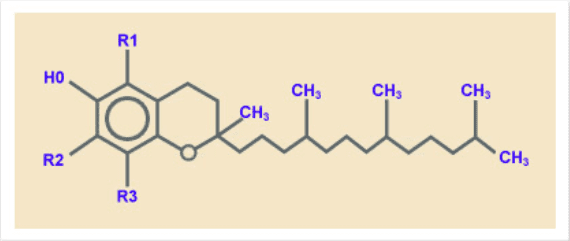
1. Vitamin E is actually a complex of 8 different compounds, which include 4 tocopherols and 4 tocotrienols , each of which can be further divided into alpha, beta, gamma, and delta forms. While tocopherols have been the focus of most research, tocotrienols have not received as much attention. Consequently, many vitamin E supplements available in the market predominantly feature tocopherols, leaving the full potential benefits of tocotrienols yet to be explored.

2.Many Vitamin E supplements on the market primarily contain tocopherol as their main ingredient, which means that their full benefits for the body are not realized. Recent research has shown that tocotrienols are powerful antioxidants with various health benefits. They possess neuroprotective properties, help reduce cholesterol levels, promote skin and hair growth, protect the liver, prevent strokes, and may even help prevent sterility. Additionally, tocotrienols are known to combat inflammation.

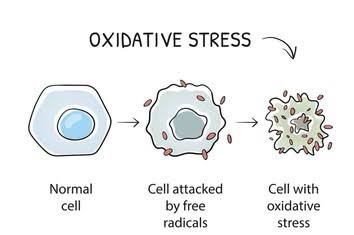
3.Actually, tocotrienols help significantly in the body to lower inflammation. Studies have shown that tocotrienols are five times more potent than tocopherols in reducing inflammation. Research has shown that tocotrienols are available in different forms: Delta tocotrienols and gamma tocotrienols, of which delta tocotrienols have five times more potency than tocopherols to fight inflammation in the body. In fact, tocotrienols are far more potent than tocopherols in the prevention of oxidative stress.

4. The widespread benefits of tocotrienols can be summed up as :

• Powerful antioxidant.

• Powerful antimicrobial

• Neuro-protective.

• Anti-cholesterol effect.

• Anti-tumour, anti-cancer,

• Prevents stroke

• Anti-inflammatory, prevents autoimmune diseases.

• Protective to the cardiovascular system, hepato-protective, and promotes hair growth.

• Promotes bone health, especially for menopausal women.

Palm fruits

5. Extensive studies have been carried out on the neuroprotective role of tocotrienols, which have shown very positive results on people with stroke, nerve disorders and neurodegenerative diseases. Studies have revealed that astrocytes play an important role in restoring neuronal cells and protect neurons against oxidative stress. Tocotrienols help in preventing glutamate-induced injury and prevent the death of astrocytes. Therefore, tocotrienols are crucial in minimizing neurodegenerative diseases and stroke.

Annatto

6. There are several studies and clinical trials showing evidence of anti-inflammatory effects of tocotrienols by controlling the inflammatory mediators. Research suggested that tocotrienols block the activation of nuclear factor kappa-light-chain-enhancer of activated B cells (NF-kB), one of the main regulators of inflammatory response. Supplementation of tocotrienols is found to reduce tumour necrosis factor alpha (TNF-alpha), interleukin-1 and phorbol ester. It is a potential agent with significant anti-inflammatory effects in atherosclerosis, thyroid diseases, and autoimmune diseases.

7. Research shows that tocotrienols are usually safe for healthy individuals at a minimum dosage. But they do have anti-coagulant properties, so people with blood disorders should avoid taking them. Some contraindications:

• Individuals allergic to any compound of Vitamin E should strictly avoid it.

• As mentioned already, people with bleeding disorders, or anyone who will undergo surgery, should avoid it as it may slow blood clotting.

• Tocotrienols may interact with medicines like anticoagulants and antiplatelets and increase the risk of bleeding.

• Overdosing should be avoided as it may cause physical symptoms like headache, fatigue and GI symptoms.

•High doses of tocopherol can interfere with the efficacy and absorption of tocotrienols.

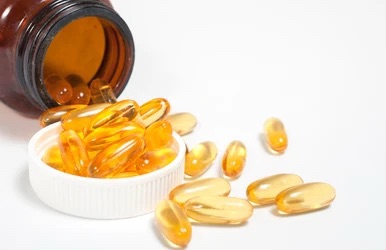
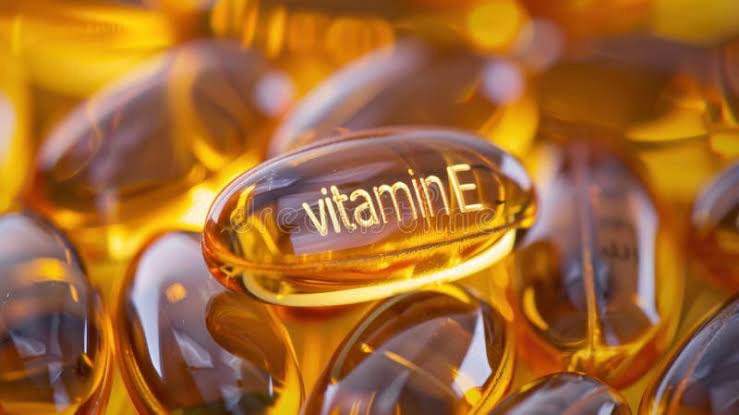
8.Tocotrienols are generally safe when taken by mouth. There is no standard medical recommendation for dosage. However, under medical supervision, the typical dose of tocotrienols in adults is 100mg – 200mg per day. Dosage can vary depending on the specific health requirement. Supplements are mainly derived from palm and annatto derivatives. They are fat- soluble and best absorbed along with a meal.

Edible oils

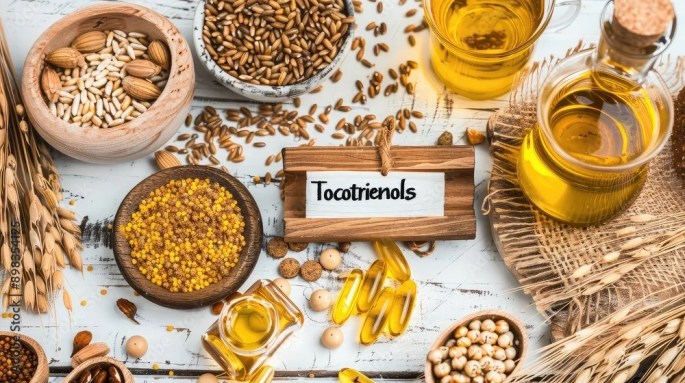
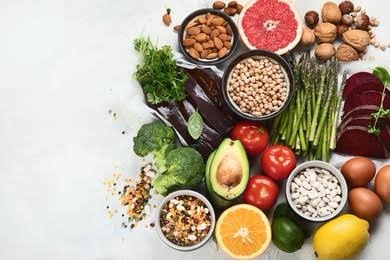
9. Food sources: Generally, tocotrienols are rarely found in nature. Even if some food sources are available, they are available in very low quantities. Palm oil has the most concentrated and natural source of tocotrienols, but at a very low level, which is not sufficient for potential health benefits. Other food sources are annatto ,edible oils like rice bran oil, grape seed oil, castor oil, coconut oil, peanut oil, linseed oil, cod liver oil, hazelnuts, oats, olive oil, maize, wheat germ, nuts and barley. Fish like salmon, trout, fruit like avocado, mango, vegetables like red pepper, greens, turnip, and squash are rich in vitamin E and its compounds.

10. Takeaway is that tocotrienols are the least known compound of the Vitamin E family, yet they are the most potent antioxidant and have strong evidence of widespread health benefits. Newest studies show that this compound has senolytic properties, a strong immune response, and apoptosis. They can slow down the process of ageing, reduce oxidative stress, and lower malignant potential. Though in small quantities, regular intake of natural sources of tocotrienols is sufficient for a healthy individual. Supplementation is required when medically prescribed.

Thanks for reading.

Peace and love 🙏
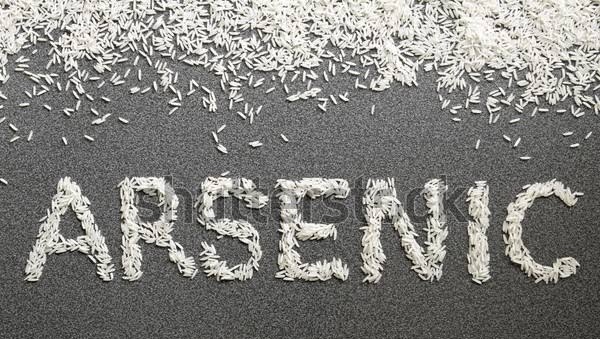
10 facts : Is arsenic in rice, a health issue?

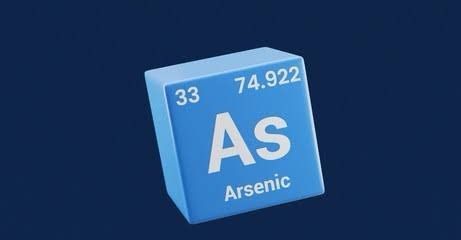
In general, we are exposed to arsenic daily. Not only through food, but also through air pollution, smoking, contaminated drinking water and so on. Rice is the most common dietary source of arsenic, along with fruits, vegetables and grains. Rice and rice-based products are vulnerable to arsenic contamination because of the method of cultivation, especially from the soil and irrigation water in paddy fields. Therefore, white rice, brown rice, rice snacks, rice milk, infant food and rice cereals are all found to have arsenic.

1.Yes, rice eating can give arsenic exposure, depending on the contamination levels, which can be a health concern in the long run. Arsenic contamination levels in rice can vary based on sources, brands, farming methods, and the use of fertilizers and pesticides.Therefore, it is a potential health hazard, especially for rice-eating countries, mainly in Asia. Consistent arsenic exposure can affect different organs, the nervous system, gastrointestinal system and can even cause cancer. Not many studies have been done so far, but research has confirmed that rice contains a relatively high level of inorganic arsenic, which can be toxic and carcinogenic.

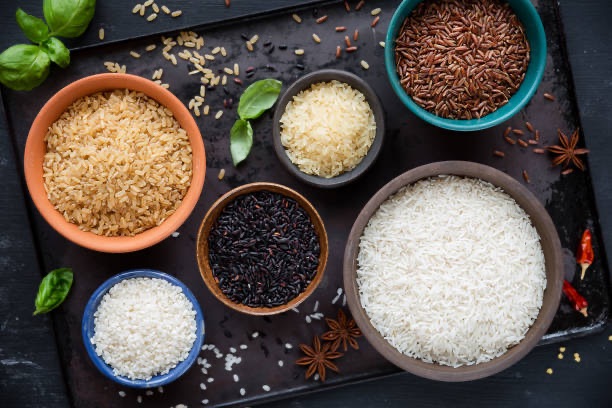
2. Rice has been a staple diet for centuries in Asia, unlike in Europe and America. There are different varieties of rice in which the arsenic levels can differ. According to research studies, different varieties of rice can have different levels of inorganic arsenic, such as:

•White long-grain rice (regular type) contains a higher level of mean arsenic concentration (ppb) as compared to medium or short varieties of regular white rice.

• Pigmented rice, like red rice or black rice, may have a slightly lower level of arsenic than regular white rice in many regions.

•Usually, brown rice, which has a bran and germ covered, is found to have higher levels of arsenic than regular white rice.

3.Research has found that brown rice, red and black rice have around 154 ppb of arsenic concentration, though the quantity varies depending on where they have been sourced. The white rice relatively has a lower quantity of 90 ppm of mean arsenic concentration. Arsenic is a heavy metal which is water-soluble, so the sources are many. It can be contaminated through soil originating from volcanic eruption, mining, power production and other geothermal activities, from irrigated water sources, pesticides, fertilisers and environmental pollution.

4.Different varieties of rice with mean arsenic levels, but the quantities may vary from region to region:

• Arsenic levels are higher in rice grown in the United States and some regions of Europe than in Asian countries like India, Pakistan or China.

• Aromatic rice, like Basmati and Jasmine rice, has a level of around 50-80 ppm, less than regular long-grain rice.

• Medium and short grain white rice contain 80-90 ppm as compared to long grain rice.

• Coloured grain rice, like brown and black rice, contains around 90 ppm.

5.Sources: Organic arsenic can be found in some seafood, seaweed is less toxic than inorganic arsenic, which is found in rice, grains and vegetables. Heath risk of having inorganic arsenic- contaminated rice and other food items can cause heart diseases, stroke, diabetes, cancers, skin and nerve diseases. Arsenic-contaminated infant food and cereals are very toxic to infants and growing children as they can interfere with the growth and development of the brain and nervous system, leading to autistic spectrum disorders, kidney diseases, and gastrointestinal system disorders.

6.Arsenic is odourless and tasteless, water-soluble, and easily absorbed in various food items. Besides, rice, vegetables, grains, arsenic can also be contaminated in poultry, such as chicken meat and eggs. When arsenic-contaminated feed is given to poultry, the arsenic is absorbed by the chicken meat and eggs. Additionally, arsenic-containing drugs administered to poultry and farm animals can lead to contamination, posing a hazard to human consumption.

7.Cutting down rice and grains, and vegetables from the diet is not a solution, as these items are very much part of the staple diet because of nutritional value in a major part of the population around the world. So, the different methods by which arsenic contamination can be reduced in the diet are:

•Sourcing the rice from less contaminated regions, also known brands, where the manufacturer mentions on the package.

• Using the type of rice, such as white regular, short and medium-grain white rice. Cooking brown rice with appropriate method.

• Correct method of cooking.

• Alternative use of whole grains like millet, quinoa, oats, and barley.

8.Typical way of cooking rice, where the water dries out, does not change the arsenic level in rice. Instead, an appropriate method of cooking the rice can reduce the arsenic contamination by 50-60 per cent:

• Overnight, soak the rice and drain the excess water.

• Using a larger quantity of water, like a 6:1 to 10:1 ratio, to cook the rice rather than the regular water level.

• Boil the rice and discard the excess water.

• Cook the rice in a pot slowly rather than in a pressure cooker.

9. Unpolished brown rice naturally contains nutrients and vitamins. Many white rice brands fortify the rice with different nutrients and vitamins, too. Rinsing and draining the excess water after boiling causes a lot of water-soluble vitamins and nutrients to be lost. For instance, rinsing white rice thoroughly causes a considerable amount of folate, niacin and vitamins to be removed from the rice. But in the case of unpolished brown rice, the nutrients and vitamins remain inside the bran covering. So, rinsing the brown rice does not affect the nutrients. Hence, brown rice is still healthier than white rice.

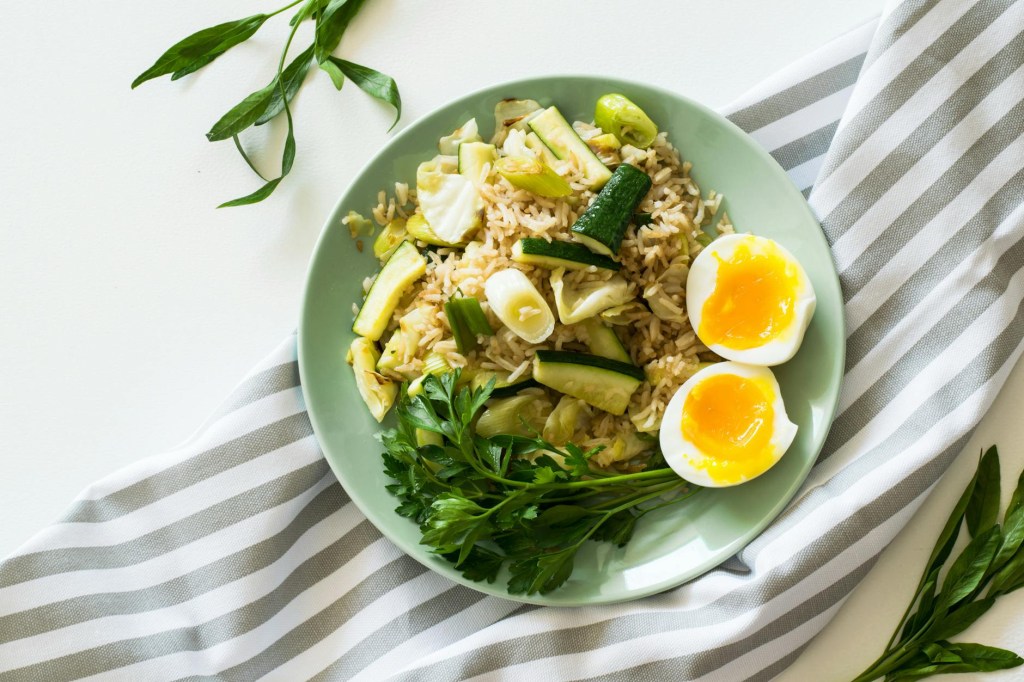
10. Therefore, raw, unpolished brown rice can be thoroughly rinsed, cooked in a pot slowly with a large amount of excess water, like pasta in the ratio of 10:1, which can reduce arsenic concentration by 50-40 per cent. At the same time, the quantity of folate, vitamins and minerals in the boiled brown rice remains intact. In this way, the baseline risk of cancer and health hazard reduces by about 60% which is suitable too. So, eating unpolished brown rice, pigmented rice and aromatic white rice can be suitable with the appropriate method of cooking. Also, using alternative grains like quinoa, millet, and barley is considered a healthy option to be included in the diet routine.

Thanks for reading.

Peace and love 🙏
10 facts: Are Psyllium husks gut-friendly?

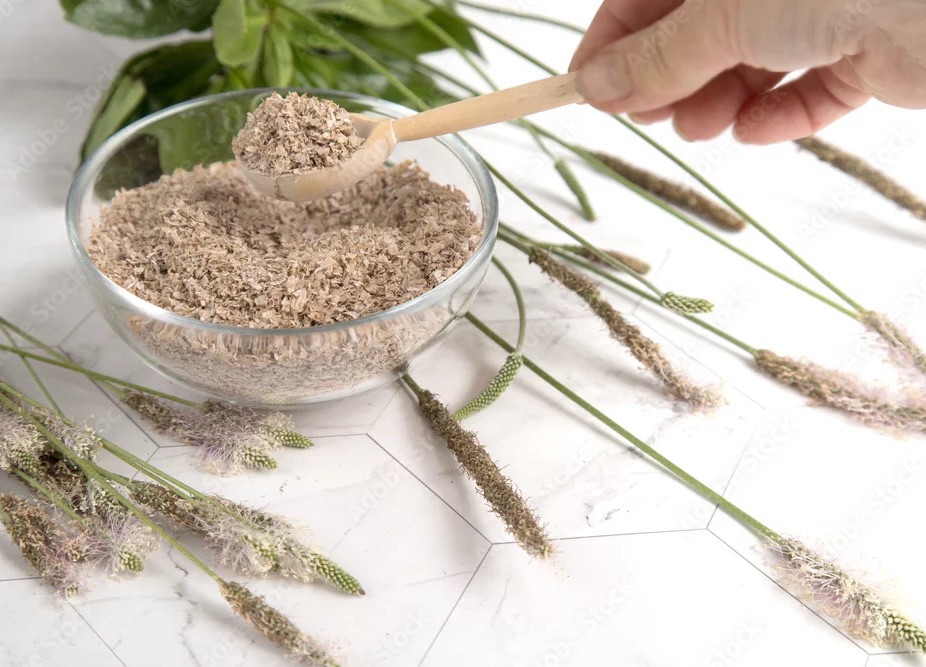
1. Psyllium husk is derived from seeds of the plant genus Plantago ovata. It is rich in water-soluble and unfermentable dietary fibres. It is used in food and nutraceutical industries. It has become popular due to its various health benefits. Psyllium is used as a fibre supplement because of its mucilage content. The mucilage is obtained by grinding the seeds of the Plantago group. These plantago seeds are often referred to as psyllium husks.

Gut- friendly

2. Psyllium husk has been used as a food thickener, fibre supplement, binding agent, gelling agent, and so on. Research studies have shown that it is rich in soluble fibres. So, it has been used as a laxative, which eases bowel movements, making it gut-friendly. Studies have shown that since it eases constipation, it helps to prevent complications like bloating, gas, haemorrhoids, and anal fissures.

Heart friendly

3. Some research shows that it benefits heart health too. Adding psyllium to a daily diet can lower the level of LDL ( bad cholesterol) and can help to maintain cholesterol levels. As we know high cholesterol can lead to conditions like chronic heart diseases, hypertension, diabetes, stroke and heart attack. So, adding psyllium in diet can help to prevent such conditions by maintaning the blood cholesterol levels.

4. Since psyllium is rich in fibres, adding them to a daily diet can even help to maintain the glycemic balance. Therefore, having a diet rich in fibre can be an important step in maintaining the balance of insulin and blood sugar. Psyllium can be a healthy prebiotic too, which can help to produce healthy bacteria and probiotics in the gut.

Weight management

5. A 2023 review study has shown that adding a moderate amount of psyllium fibers to the diet can help reduce weight in people who are overweight and obese. Managing weight can help to reduce the risk of chronic conditions like heart diseases, high blood pressure, gallstones, and breathing issues. Therefore, using of psyllium husk can be used for weight management but, off course under guidance of trained dietary experts.

Constipation

6. Studies have been carried out with the use of psyllium husk in the treatment of irritable bowel syndrome (IBS). The symptoms of gas, bloating, and constipation of IBS have been reduced or the frequency of symptoms can be minimized by the use of psyllium in the daily diet of such patients. This significant change has been reviewed in various research on IBS treatment. Hence, the use of psyllium is found to be suitable in the treatment of IBS.

7. Psyllium is also referred as ispaghula for its mucilaginous compound. It has been used in a variety of herbal medicine to treat various ailments in Asian countries like India and China. It is used to treat skin irritations, bladder problems, wound healing, high blood pressure and digestive problems. Studies do show that psyllium has gelatinous properties, and natural polymers for wound healing and scar reduction.

8. Regarding its uses in various functional food products, for its tremendous health benefits. It has many metabolic effects, lipid-decreasing effects, anti-diabetic, anti-hypertensive, delayed gastric emptying and lower glycemic index. Clinical studies have shown that it decreases the rate of glucose absorption, lowers the post-prandial insulin, and lowers LDL cholesterol by reducing bowel absorption. For its rich source of dietary fibre, it eases bowel movements and relieves constipation.

9. Psyllium is an important source of water-soluble fibre, hydrocolloid in nature due to its solubility and viscosity. The gum extracted from psyllium husk is used in various food items like gluten free bread, pasta, pizza, cookies, ice-creams, jams and myonnaise. It is used as a gluten replacement and also added with the various nutritional benefits to the food products. Due to its prebiotic benefits, it has been very popular as a gut-friendly ingredient in food items.

Bakery items

10. Commercially, psyllium is available as in powder or particle form derived from the seeds of the Plantago plants. It is conventionally used as a laxative agent, and as dietary fibre supplements, in various functional food products, nutraceutical industries, and food industries in breakfast cereals, bakery products, desserts and snacks. Psyllium has no known serious side effects except sometimes may have allergic reactions. The dosage of psyllium is around 5-10 gm with a meal or with water as a supplement. The dosage can be increased gradually if it is tolerable. As I always mention, it is important to follow instructions from experts or Physicians while using.

Thanks for reading.

Peace and love 🙏

10 facts to know about Vitamin D linking to mental health🧠

Vitamin D deficiency is critical for both physical and mental health. Here are some facts to understand the impact of vitamin D on mental health.

1.Several research studies have concluded that low vitamin D levels are directly linked to anxiety, mood changes, depression and cognitive dysfunction such as impaired memory, sadness, weight loss and loss of appetite. Studies have not shown that vitamin D deficiency causes depression but people who suffer from depression do show low levels of vitamin D.

2. Vitamin D mainly maintains the body’s calcium homeostasis. It is also crucial as a neurosteroid hormone and plays a significant role in maintaining normal brain functions and helping in brain development. Therefore, numerous studies have shown that hypovitaminosis D is linked to depression and neurocognitive disorders.

3.Some studies have shown that seasonal affective disorder (SAD) is more prevalent in winter as there is a lowering of Vitamin D levels in the cold season. Lack of exposure to sunlight in winter months is shown to increase the incidences of depression, mood changes and anxiety issues.

4. Rising cases of suicide have been a common risk factor for low vitamin D levels (psychiatric times.com).A research study in 2023 found a correlation between low vitamin D levels with cases of suicidal behaviour. Therefore, vitamin D supplementation is mandatory for all those who have low levels can help to address mental health issues and prevent cases of suicide thereby saving lives.

5.As mentioned earlier, Vitamin D is required for normal brain development. Vitamin D supplementation is essential in childhood for overall brain and cognitive development. Low levels of vitamin D have been found in many cases of ADHD (attention deficit hyperactive disorder). Improved levels of vitamin D by supplementation have shown marked improvement in symptoms of ADHD children.

6. Vitamin D deficiency has been found to have a direct correlation with adult schizophrenia. Studies show that it is quite common to have in individuals with poor nutrition, elderly persons, people living in regions with insufficient sunlight, or during pregnancy. So, it is important to routinely check the levels of Vitamin D to reduce such risk factors. Correction of the levels of vitamin D shows marked improvements in symptoms of such mental illness.

7. Vitamin D acts as a neuroprotective neurotransmitter and helps to maintain the functions of neurons and glial cells of the central nervous system. So, administrating Vitamin D helps to reduce the oxidative stress and neurotoxicity on the cortical neurons. Therefore, controlling the neuronal inflammations helps to reduce many psychiatric illnesses.

8.Strong evidence shows that low levels of Vitamin D are related to neurodegenerative diseases like Alzheimer’s disease, dementia, and Parkinson’s disease. Vitamin D supplementation can improve or even prevent the neurodegenerative process by reducing the deposition of beta-amyloid plaques, intra-neuronal tangles of tau-protein and loss of cholinergic neurons and synapses.

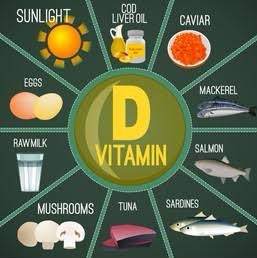
9. Vitamin D levels ranging from 50nmol/L or above are sufficient to maintain overall physical and mental health well-being. Blood levels below 20 ng/mL are treated as insufficient and require immediate vitamin D administration. Normal levels can be maintained by exposure to sunlight, vitamin D supplementation and food sources like oily fishes, eggs, meat, liver, veggies like broccoli, pumpkin, green leafy veggies, green peas, avocados and many more.

10. Though vitamin D is not the only cause of mental health issues, essentially, it is an important nutrient to maintain normal brain function and neurochemistry. In the general population, many people do suffer from vitamin D deficiency, unknowingly. Supplementation of vitamin D can improve the blood levels in individuals and can at least help address the challenges of mental health issues.

Thanks for reading.

Peace and love 🙏

8 facts: Burning mouth syndrome or Glossodynia 👅

1.Glossodynia, also known as Burning Mouth Syndrome (BMS), is a fairly common condition. It’s an intermittent burning sensation in the mouth, especially in the tongue, lips, or other areas of the mouth, that is not accompanied by a specific reason. It feels as though the tongue is injured by a very hot liquid. The syndrome may be gradual or sudden in onset. There is no observable physical sign seen either in the tongue or in the mouth while having an episode. The specific cause of BMS is difficult to determine.

2. Most causes of burning mouth syndrome are unknown or idiopathic. Research suggests that it can be related to nerves which carry sensations of taste and pain. The causes are broadly divided into primary and secondary. Primary burning mouth syndrome is uncommon and mainly idiopathic.

3, Secondary burning mouth syndrome is quite common and causes can be related to :

* Vitamin deficiency like Vitamin B complex, lack of iron, zinc ,folate.

* Oral infections like oral thrush, oral lichen planus.

* Allergies following food additives, flavouring substances, mouth care products.

* Acidic drinks, extreme hot liquids, irritating foods like highly spiced foods.

* Dental materials, ill-fitted dentures.

* Dry mouth due to some medicines like anti hypertensives, anti cancer treatments.

* Reflux or Gastro esophageal reflux.

* Endocrine issues like diabetes, hypothyroidism.

* Anxiety, stress, depression.

Hot spicy food

4. Burning mouth syndrome, (BMS) can occur in any individual irrespective of age and gender. But the common risk factors are seen mostly:

* Females.

* More common over the age of 50.

* Post menopausal or perimenopausal women leading to low estrogen levels affecting taste buds.

* Smoking.

5. When a person experience BMS, there is no visible symptoms like discolouration of tongue or bumps. The symptoms found are :

* Altered taste, or metallic taste or loss of taste.

* Tongue and mouth feels like scalding, burning or tingling.

* Dryness of tongue, lips, gums.

* Numbness in the mouth.

Sipping cold water

6. BMS treatment and diagnosis are individual specific depending upon the symptoms. Diagnosis can be done by a saliva or oral swab tests. As far as treatment are concerned, there is no approved drugs. Remedies are there to ease the symptoms like :

* Mild mouth rinses.

* Saliva substitue like Biotene.

* Getting enough vitamin B complex, iron and folate.

* Pain relievers if necessary.

* Sipping cold water or ice chips.

* Sugar free gums chewing to encourage saliva production.

Hot beverages

7. Though it is not always possible to prevent BMS. But,if we are prone to BMS or have been affected in the past, it is important to avoids certain things :

* Very hot liquids, hot bevereges or drinks like highly acidic ones.

* Hot or spicy food.

* Alcohol

* Mouthwash containing alcohol.

* Smoking.

8.Feeling fire, irritations, and a burning sensation in the mouth, you can be sure to have Burning Mouth Syndrome, which is frustrating and irritating. But, once you have acquired it, it takes a while to go away. You can take the above-mentioned remedies and precautions till it heals. But, if there are flare-ups or hasn’t gone for long, you should surely visit your Physician or Dentist.

Thanks for reading.

Peace and love 🙏

8 facts: Are CoQ10 supplements actually necessary ? 🙌

CoQ10 supplement

1.We have often encountered a supplement named CoQ10, commonly seen in the drug aisle of a supermarket. Let’s know, what exactly CoQ10 is. Well, it is Coenzyme Q10, a fat-soluble, vitamin-like molecule, which is naturally present in every human cell. It is a powerful antioxidant that converts food into energy. Like all other antioxidants, it can neutralize the free radicals and prevent oxidative stress. Therefore, it can prevent us from many chronic health problems and slow down the ageing process.


2.Clinical studies have suggested that CoQ10 plays a significant role in:
It may help in preventing heart-related problems.
Improving the overall immunity.
Improve physical endurance.
Improves male fertility.
Prevent migraine.
Improves blood sugar level in diabetes.
Supports treatment of neuro-degenerative disease like Parkinson’s disease.


3.Evidence-based studies show that people who have a history of heart failure show reduced incidence of heart attack when they take CoQ10 supplements daily along with conventional medications. But then, it has to be prescribed or taken under expert guidance. Several studies have shown similar preventive or improvement levels in cases of heart issues like high cholesterol, high blood pressure, congestive heart diseases and heart damage caused by chemotherapy.


4.CoQ10 supplements have no approval from the FDA or other Drug Regulatory Authorities for the treatment of any medical conditions. However, yet it is easily accessible and available as the over the counter supplements and has been quite popular. It is often recommended as a dietary supplement by many Physicians and Specialists as a supportive therapy to conventional
treatments.

Food sources

5.Naturally dietary sources of CoQ10 intake are enough for overall well-being. Dietary sources are wide variety of whole grains and oily fishes. CoQ10 supplements are not necessary for a healthy individual who has a balanced diet. Supplements of CoQ10 is only necessary for those who suffer from CoQ10 deffeciency, or have health issues like heart disease, migraine, neuro-degenerative
disease or other chronic health conditions. It is not advisable to pick a supplement bottle from the supermarket aisle and start popping unless clinically recommended.

Nuts and seeds

6.As already mentioned, the human body makes enough of CoQ10 as much as it needs. The body content is about 500 to 1500mg and it declines with ageing. The food sources are organ meats, fatty fishes like salmon, sardines, trout, mackerel. As for vegetarians, soya products like tofu, soy milk, and soy yogurt are good food sources. Nuts and seeds, lots of vegetables including broccoli are rich sources of CoQ10.


7.Though CoQ10 supplements do not have major risk or side effects, it is still not advisable to take unless necessary for specific health issues. Some side effects of supplementation can be diarrhea, nausea, heartburn. It may interact with medications like blood thinners with further lowering of blood pressure, or in case of diabetes, subsequent lowering of blood sugar along with hypoglycemic drugs.


8.Due to certain chronic health issues like heart problems, migraine, fertility issues or
neurogenerative conditions, Physicians do recommend CoQ10 supplements. There is no standard dose as such. Depending on the individual’s requirement, dosage varies from 60-500 mg daily. The highest dose recommended daily is about 1200 mg. As it is a fat-soluble substance, it is best absorbed with a fatty meal and better if taken at night.

Thanks for reading.

Peace and love 🙏

10 compelling reasons to consume Flavanoids to combat oxidative stress 🙌

  1. Flavonoids are naturally occurring polyphenolic compounds in various deep-coloured fruits and vegetables. There are 6 different varieties of flavonoids, all of which have antioxidant properties and can help the human body to get rid of different toxins and stress. Therefore, including flavonoids in your routine diet can help to get rid of many chronic health conditions.
  2. Dietary Flavonoids are of 6 subtypes :
    Flavanols , Flavones, Flavan-3-ols, Flavanones, Isoflavones, Anthocyanins.
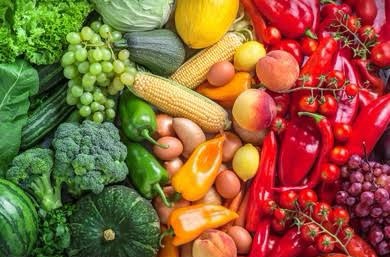
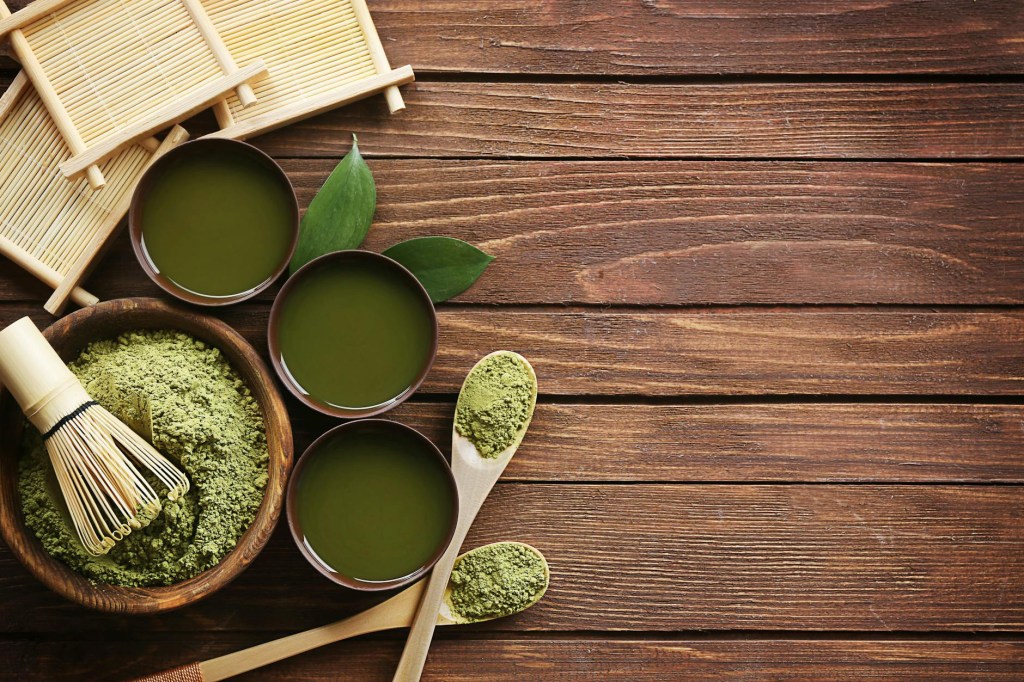
    Coloured fruits, vegetables, and plants are all rich in flavonoids. Naturally, they are found in apples,purple and red grapes, berries, peaches, oranges, cocoa, chocolate, green tea, black tea, chamomile tea, vegetables like broccoli, lettuce, tomatoes, scallions, red peppers and onions. Flavonoids are dark-coloured pigments so they act as natural pesticides and protect the plants from harmful UV rays, bacteria, viruses and harmful insects.

3. Main functions of flavonoids:
•Powerful antioxidants
•Fights inflammation
•Free radical damage and prevent oxidative stress.

•Anti-haemorrhagic and vasodilatory effects.
•Certain flavonoids, due to their anti-inflammatory and antioxidant properties prevent cancer cells from multiplying and decrease the risk of some cancers.

4.Research shows that oxidative stress can lead to cellular damage and disease development. So, oxidative stress can cause many disease conditions like cancers, diabetes, cardiovascular diseases like hypertension, atherosclerosis, chronic inflammatory diseases, and neurodegenerative diseases. Flavonoids play an important role in reducing this oxidative stress and free radical damage, thereby preventing cellular damage.

Cocoa (Dark Chocolate)

5.Numerous studies have shown that cancers develop due to oxidative stress, genetic mutations,hypoxia and reduced apoptotic function. Apoptosis, in simple terms, is a normal cellular activity whereby the body tries to eliminate unwanted cells. Flavonoids play an integral part in promoting apoptotic cellular pathways and preventing cancer cells from proliferating and multiplying.

6.Research shows that flavonoids protect the different organs including the liver and brain from free radical damage. Studies show that flavonoids have protective effects of various liver injuries caused by drug and alcohol usage. Since, they are anti-inflammatory, and antitumor, they protect the hepatocytes from inflammation and fibrosis.

7.Flavonoids are a polyphenol group of compounds that can improve and reduce the symptoms of depression and anxiety. Clinical studies in the past have shown that dietary intake of flavonoids can lower the risk of depression. However, further studies are still anticipated to make substantial proof.

8.Flavonoids are best when naturally consumed as all dark-coloured fruits, vegetables, and green tea contain abundant polyphenolic compounds. It should be included in the routine diet for overall
well-being. However, many flavonoid supplements are out in the market. The best supplements are Cucurmin (Tumeric), Green tea, grape seed extract, Resveratrol, Quercetin, hesperidin and Rutin.

9. Toxicity: Intake of natural flavonoids on a daily diet is usually enough. Sometimes, flavonoids supplements are clinically recommended. However, the risk of flavanoid toxicity exists, if someone takes a huge amount of highly potent supplements. It may affect anaemic and elderly patients as flavonoids may bind with non-heme iron. Flavanoid toxicity may cause liver failure, hemolytic anaemia and male reproductive issues. Recommended daily dose of consumption should be around 400-600mg/day.

10.A healthy routine diet rich in flavonoids will provide all the necessary support to the human body to maintain biological activity, provide anti-oxidant effects, reduce oxidative stress and prevent chronic diseases, maintain cardiovascular health and prevent infectious diseases. The key point is that the food readily available to us contains the most effective flavonoids and antioxidants that fortify our health and immune system, making expensive supplements unnecessary

Thanks for reading.

Peace and love 🙏

10 facts to know about the MTHFR gene 🙌

  1. MTHFR, Methylenetetrahydrofolate reductase, is an enzyme found in human chromosome 1,located exactly in the short arm. It plays a significant role in folate and homocysteine (amino acid) metabolism. Studies have shown that individuals with MTHFR deficiencies can have hyperhomocysteinemia
    with homocystinuria.
  2. Research in the past decades has shown that this enzyme plays a key role in homocysteine metabolism. The deficiency of this enzyme is an inborn error of folate metabolism, which is quite
    rare. Yet, several studies have identified this variant as the most common cause of
    hyperhomocysteinemia and a risk factor for many disorders connected to defective homocysteine
    metabolism.

3.Genetic deficiency of MTHFR is rare, but around 50 cases have already been identified worldwide. Symptoms in such individuals are seizures, developmental delay, neurological impairment, gait dysfunction, and a very high level of homocysteine in urine and plasma. Genetic testing of the gene mutation can be done on a saliva swab and blood sample.

4.Genetic mutations are inherited and acquired from the parents. There are 2 forms of mutations that can occur on the MTHFR gene – C677T and A1298C. If one such variant is present, one is less likely to have health issues but if both variants are present, then the individual is likely to have serious health problems.

Depression

5.Health issues associated with people who have two variants of the MTHFR gene are :
Homocystinuria
Alopecia areata
Spina bifida
High blood pressure
Depression or bipolar disorder
certain cancers
Miscarriages

Pregnancy

6.MTHFR affects pregnancy: Research has shown a link between MTHFR gene variants related to repeated miscarriages. It is important to test for MTHFR gene mutation in women who have suffered unexplained recurrent miscarriages or delivered babies with neural tube defects. Extra folate supplementation and blood thinning administration can be useful to prevent such miscarriages.

7.Diagnosis of MTHFR variant cases is done by testing blood samples and saliva swabs in individuals with a very high level of homocysteine in urine and plasma and vitamin deficiencies of folate, choline, vitamin B12, B6 and riboflavin. MTHFR mutation variant people may not have health issues and can be treated by preventive measures of supplementation of folate and vitamin B and lifestyle changes like a nutritious balanced diet, sleep, exercise and avoiding smoking.

Down’s syndrome

8.Babies and children born with MTHFR mutation variants may present with symptoms within the first year of birth. Such children may have ADHD (attention deficit hyperactivity disorder), autism, impairment of sleep, mood disorder, hyperhomocysteinemia, vitamin, folate deficiency, pediatric stroke, spina bifida and Down’s syndrome.

9.Having gene variants is common in the human population. This particular MTHFR variant gene is common in some ethnicities like in Hispanic individuals. Hispanic races have commonly the MTHFR C677T variant. People with such variants are able to process all types of folate. Research shows that 400mcg of folic acid daily can raise the blood folate level irrespective of whether you are MTHFR genotype.

10.Folate and vitamin B are naturally found in many food sources which should definitely be part of the daily diet. Legumes, leafy greens, citrus fruits, broccoli, Brussels sprouts, bananas, avocados and nuts are rich in folate and should be consumed regularly to have normal levels of folate and promote healthy cell division irrespective of gene mutations.

Thanks for reading.

Peace and love 🙏

Are popcorns 🍿 healthy ? 9 facts 🙌

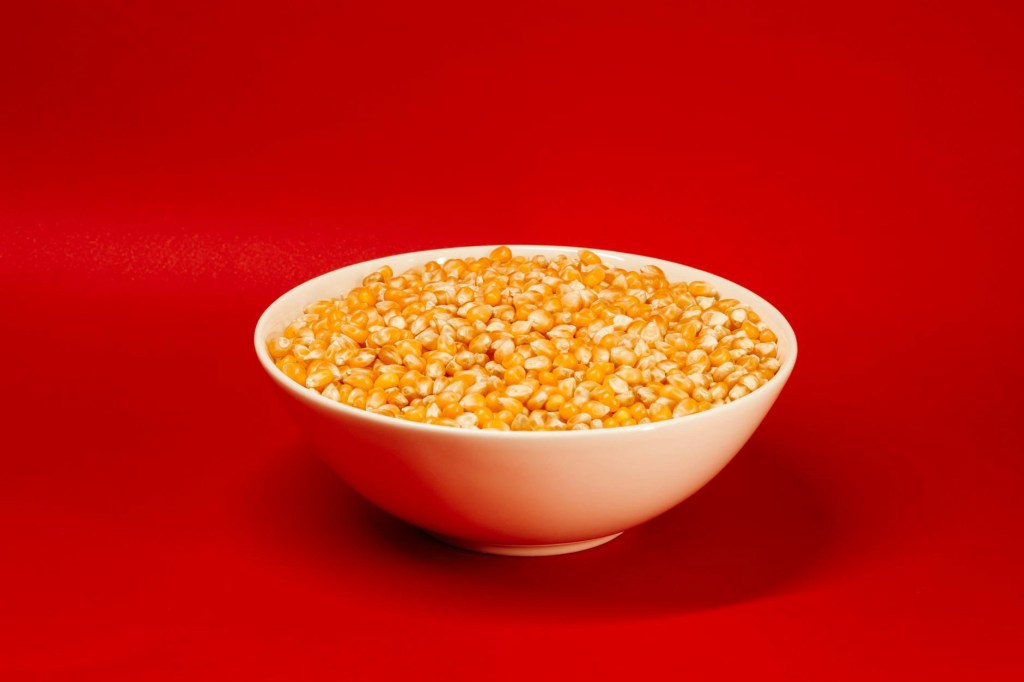
  1. Popcorns are corn kernels which get popped when heated. Today, across the world, this has become the most popular snack amongst all age groups. Corn is the oldest grain which has been consumed for over 5000 years. It has been popular due to its easy availability and low cost. As far as health point of view is considered, it is a whole grain food, rich in fibre, low in calories and dense in nutrients.
  2. Studies show that popcorn is high in fibre and contains many vitamins and minerals. Important nutrients in popcorn are vitamins B1, B3, B6, iron, potassium, manganese, zinc, copper and phosphorus. Many studies also show that it is rich in polyphenols which are potent antioxidants. Polyphenols reduce the risk of damage by free radicals, diabetes, and heart disease and improve gut health. Popcorn is gluten-free so it can be a healthy option for people with gut issues.

3.Since, it is high in fibre and low in calories, it can help in weight loss. Eating a cup of popcorn which is around 30 calories can relatively be more beneficial in terms of fibre and nutrient content than any other popular snack. Also, it can give the feeling of fullness and curb your hunger for quite some time. Therefore, eating in moderation of popcorn can be very useful in the process of weight loss in an overweight individual.

4.Popcorn contains antioxidants Zeaxanthin, beta carotene and lutein which are very essential to eye health. These antioxidants can slow the age-related macular degeneration of the eyes, lower the damage caused by blue light and overall improve the eyesight.


5.Other health benefits of yellow popcorn are :
*Boost the metabolism and energy production due to the presence of vitamins B, B3, B6 and folate.
*Popcorn contains niacin which helps to reduce depression naturally.
*Phosphorus, and manganese present in popcorn help to support bone health.
*Popcorn can combat tumour cells due to the presence of ferulic acid.
*It can reduce the level of bad cholesterol and prevent the risk of heart disease.
*It can slow down the process of ageing as it helps in free radical damage.
*It can add iron (28 gm of popcorn containing 0.9mg of iron) to the diet and reduce anaemia. *It can control blood sugar as it has a low glycaemic index and helps in diabetics.

6.Air-popped popcorn is healthiest. Unsalted popcorn, unflavoured is healthier than those with an excess of oil, butter, sugar, caramel, and salt. Microwave popcorn bags which are pre-packed contain the chemical perfluorooctanoic acid (PFOA) and sometimes, trans fat which are harmful to health.


7.Popcorn added to diet in moderation can prove to be safe and beneficial to health. But it may have side effects on certain individuals. Some individuals can have allergic reactions to popcorn like swollen face, and breathing difficulty which may require urgent medical attention. People with digestive diseases and inflammatory bowel disorders can have flaring-up symptoms when consuming popcorn.


8.Popcorn is the ideal choice for adding to your diet in moderation. You can definitely enjoy popcorn daily, as long as you stick to one cup per day without any butter, salt, sugar, or artificial flavors. This will provide a healthy dose of whole fiber content, making it the most nutritious snack option for your diet.

9. Yellow corn which is organically grown, non-GMO, is best for regular consumption. Popcorn which is popped from such type of high-quality corn, air popped with no added flavours is ideal and provides immense health benefits. Rich in phytonutrients, vitamins, and minerals, whole grain fibres can help to reduce the risk of chronic illnesses, obesity, diabetes and many malignancies.

Thanks for reading.

Peace and love 🙏

Are canned food healthy? 10 facts 🙌


1.Canning is a method of packing food in air tight containers to last longer period of time. It can last from 1-5 years depending upon the kind of food preserved. 3 steps which include canning are processing the food by cleaning, peeling and slicing. Next step is packing them in air tight containers and lastly, heating or thermal sterilization of those containers to kill harmful bacteria and germs.


2.We often hear that canned food and vegetables are not good enough. Though the fact is true that having freshly picked or buying fresh produce vegetables from the farmer’s market is best. While canned food and vegetables are fine as long as it is not used daily. Canning restores nutrients and is easy and handy to use. They can be kept in the freezer for days when the availability of fresh produce is low.


3.Some studies show that canning restores the high nutrients of the food. Since canning involves heating, heat releases more antioxidants from food like tomatoes and corn. So, certain nutrient levels like antioxidants are increased. However, some water-soluble vitamins like C and B can get damaged due to the heating process. In general, canned food is good enough as comparable to fresh and frozen food.


4.Commercial canning and food packaging involves a chemical named BPA (bisphenol-A). Studies do show that the BPA in cans do get mixed with the food that has been preserved. Certain studies show that BPA can be linked to heart disease and type 2 diabetes. But, more studies are required to prove the hypothesis. Sometimes, bad and unhygienic canning can lead to contamination by harmful bacteria like botulism. So, it is important to avoid canned food which is damaged, leaked or cracked.


5.Preservatives, salt, and sugar can be used to enhance the flavours of the canned food. The high salt content can risk to people with high blood pressure while sugar preservatives can be an issue in the case of diabetic people. Therefore, it is very important to read the labels and ingredients list before buying a canned product. Before using canned food, draining and rinsing the food is necessary so that the excess salt or sugar is released.

6.Canned meat, chicken, and seafood are handy sources of protein with vitamins and minerals. Usually, the shelf life is 2-5 years depending upon the product. They might contain extra sodium or salt while canning. So, the food needs to be drained completely to remove the excess salt before consuming. Depending upon the brand to brand, reading the label and the ingredients lists before purchasing, the canned meat and seafood can be used as a healthy and filling source of protein and vitamins as when necessary.


7.The most important aspects of using canned food in our diet are knowing the brand, a reputed brand, buying the product from a known store and the ingredient lists. The most crucial risk factors can be spoilage, damaged or leaked cans, BPA exposure, the potential for quality variation, environmental impacts, high sodium content, lack of freshness and nutrient loss.

8. In spite of some of the risk factors, there are still a lot of advantages of canned food and are widely being used worldwide. They are concentrated food, handy to use, safe and can be stored for a long time at a room temperature. They are usually protected from contamination of micro- organisms, insects, pests and pollutants. They are available throughout the year and can be consumed instantly.

9.The disadvantages are important to note too. Nowadays, apart from BPA, several preservatives are used in canned food like nitrites, sulfites, potassium, sodium benzoate, and BHA (Butylated Hydroxyanisole 320) which can be hazardous to health. So, it is very essential to read the labels and ingredients list while buying a canned product. Already mentioned about the risk of botulism if the canned food container is leaked or damaged.

10. Yes, canned food is easy, quick, handy and affordable. Not all canned products are bad and can provide the necessary nutrients for health when consumed. When food availability is low, or when you are travelling, canned food is convenient to use. Having canned food, only whenever is required and never using it regularly is recommended. Eating fresh produce or frozen vegetables is a far better option than having a canned product which might prove detrimental to health in the long run as harmful preservatives do often get mixed with the canned food.

Thanks for reading.

Peace and love 🙏