10 facts: Gut-brain impact on sleep-wake cycle šŸ˜“

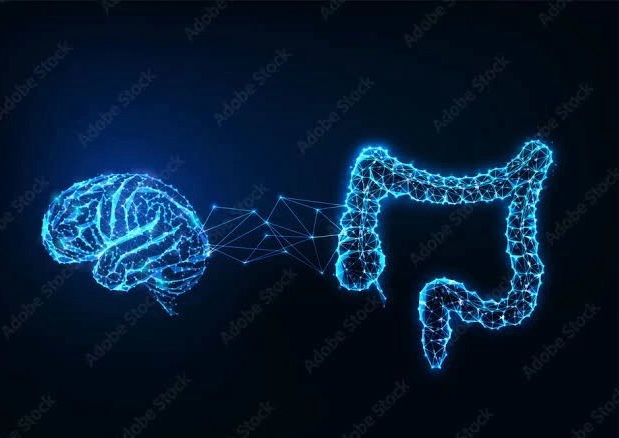
1. The gut is known as the ā€œsecond brainā€ as there is a 2 way connection between the brain and the gut via the vagus nerve. The gut microbiome produces neurotransmitters that can travel and send signals through the nervous system, affecting our mood, behaviour, emotions, and sleep. The gut and brain also send signals through hormonal pathways and the immune system.Therefore, the gut-brain axis plays a crucial role in overall well-being, and any disruption to this axis can lead to issues such as disturbances in gut health, neurological disorders, inflammation, and sleep disturbances.

2. Through the gut-brain axis, there is a mutual continuous communication between the brain and the gut. The gut microbiome produces a considerable amount of neurotransmitters and hormones like melatonin, which influence the circadian rhythm and mood. Both the sleep cycle and gut microbiota are influenced by factors like daylight, stress and diet. Hence, if there is unhealthy gut microbiome, there will be disruption in the sleep-wake cycle, while poor sleep will lead to disturbances in the gut microbiota.
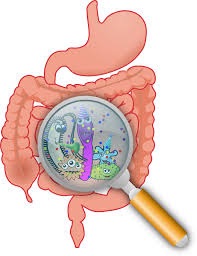
Gut microbes

3. Inflammation: Poor sleep can cause disturbances in gut health, which will lead to a pro-inflammatory state in the body. The gut microbiome composition and diversity are disrupted, creating an imbalance. Gut health issues like irritable bowel disorders, leaky gut, and hormonal issues can worsen in the body. Lack of sleep can also affect gut permeability and lead to nutritional absorption interference. Not only gut health, but poor sleep can also affect the metabolic pathways, immune state and neural pathways.
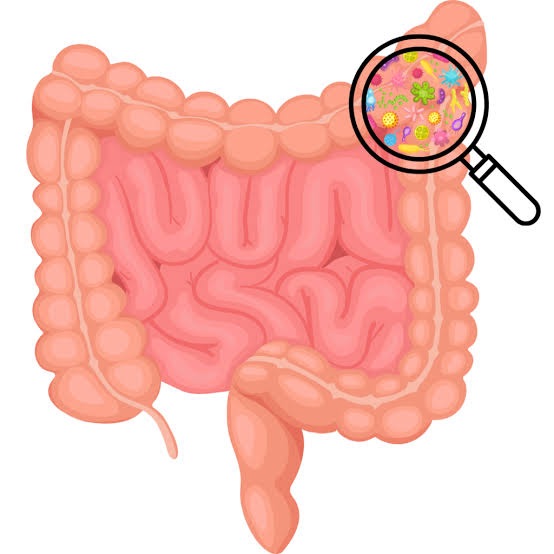
Gut microbiota

4. Research has shown that through the gut-brain axis, there is a bidirectional communication between the gut microbiota and the central nervous system. Beneficial bacteria like Lactobacillus and Bifidobacterium, which increase serotonin and gamma-aminobutyric acid production, help in the quality and lengthening of sleep. On the other hand, lack of sleep can lead to a reduction of beneficial bacterial flora, an imbalance in the microbiota, which includes probiotics, prebiotics, and postbiotics.

5. Studies have revealed that sleep, a natural physiological process, is important in maintaining a healthy gut microbiota and vice versa. Poor sleep patterns, insomnia, and sleep deprivation not only influence the emotional and cognitive well-being but also cause an imbalance in gut bacteria and gut flora. Therefore, there is a direct connection between sleep disorders and gut health, and resolving gut issues has a therapeutic effect.

6. The equilibrium of the sleep-wake cycle with the well-being of gut microbiota is very delicate and needs to be maintained by external factors. The balance can be easily disturbed by factors like stress, poor diet, lack of exercise, and poor sleep habits. Studies have shown that this reciprocal correlation shows sleep as the primary modulator between gut health issues and sleep length and quality.

7. Growing research has shown that the gut-brain axis plays a crucial role both directly and indirectly in the shift of composition of gut-microbiota with the development of sleep disorders like insomnia, sleep fragmentation, sleep deprivation and sleep apnea. Human studies have shown that 60-70% of the composition of gut microbiota depends on the oscillatory rhythm of the circadian rhythm.

8. Though Melatonin, a sleep hormone, is known to be produced by the pineal gland, it is actually the gut which is the primary source of it. This hormone is integral in modulating the sleep-wake cycle, immune-regulatory effect and antioxidant activity. The gut microbiota produces melatonin from tryptophan. This hormone has a favourable effect on microbial population and gut barrier functions. Therefore, any imbalance of gut microbiota directly influences melatonin production and disrupts the circadian rhythm.

9. Evidence from several studies has shown that a significant level of melatonin has been produced by bacteria in the intestinal flora, has a beneficial impact on intestinal barrier functions and a preventive effect in the human brain against neurodegenerative diseases like Multiple sclerosis, Alzheimer’s disease and Parkinson’s disease. Gut microbiota dysbiosis has been linked to the development of sleep disorders, autoimmune diseases, metabolic diseases like type 2 diabetes, pro inflammatory responses and neurological disorders.

10. Therefore, there is enough evidence to show that consequences in digestive health have a direct impact on the sleep-wake cycle and vice versa. Research has clearly shown that sleep deprivation can directly impact digestive disorders like gastric esophageal reflux, irritable bowel disorders and many gut health issues. Maintaining a consistent sleep schedule of 7-8 hours can help greatly in reducing the potential risk of many diseases as well as in maintaining a sound gut health. Not to forget that stress management is equally important for maintaining the equilibrium of gut health and sleep patterns. So, an early fiber rich dinner, less screen time, routine exercise, meditation and early sleep habits are essential components to maintain this balance.

Thanks for reading.

Peace and love šŸ™

Butyrate is the latest buzzword! Is it just a hype or the reality? 10 facts šŸ™Œ

Butter is a rich source of butyrate

1.Butyrate is a short-chain fatty acid (SFCA) released during the fermentation of dietary fibres by the gut microbiome. It plays an integral part in supporting gut health and overall well-being. It is an energy source for colonocytes which meet about 70% of their needs. Evidence has shown that this SFCA has tremendous health benefits ranging from immunity support, lowering inflammation, preventing cancers and fighting ageing. Hence, it is the latest buzzword, doing rounds in social media and among advertisers.

2.Recent studies have clearly shown that butyrate plays an important role in both the host and microbial functions in gastrointestinal health. It is a crucial energy source for colonocytes. An optimal level of butyrate promotes and maintains a healthy microbiome level, reduces inflammation, and supports colonocyte functions. It has protective actions against certain intestinal diseases like inflammatory bowel diseases and colon cancer.

3.Butyrate has been shown to prevent the process of inflammation in the gut which can be caused by pathogens, the body’s overreaction (allergic reactions) and oxidative stress. Chronic inflammation in the gut occurs when the gut’s immune system is constantly fighting against these pathogens and free radicals causing the immune health to be weakened. Eating a considerable amount of fibres causes to production of an optimal level of butyrate which helps in protecting against this inflammatory process.

Dietary fiber is a good source of butyrate

4.Studies have shown a great impact of butyrate on obesity. Butyrate is found to lower body weight and decrease lipogenesis in the liver and adipose tissues. It increases fatty acid oxidation and prevents fat accumulation in the body thereby reducing obesity. Butyrate is produced by the fermentation of dietary fibres, so it suppresses the food intake and reduces body weight and fat mass.

5.Animal and cell studies have shown that butyrate increases insulin sensitivity, helps in reducing weight gain, and obesity and promotes weight loss. It helps in maintaining blood sugar levels.

Dairy products

6.Another significant property of butyrate has been shown in research that it promotes cell differentiation. Normally, our cells have the ability to change into any specific type of body cells required like liver cells, heart cells, intestinal cells or blood cells. If the cells are not properly differentiated, then, abnormal growth or tumour appears. Butyrate is found to promote cell differentiation.

7.Studies have shown that butyrate plays an important role in the brain-gut connection. It helps in increasing Brain-Derived Neurotrophic Factor (BDNF), removes toxic byproducts from the brain and prevents brain fog. It promotes neuroplasticity and improves rapid eye movement sleep by 70%.

8.Butyrate helps to regulate the blood pressure level. Studies show that the level of butyrate inversely corresponds to the blood pressure level. A higher butyrate level gives a lower blood pressure level while low butyrate may lead to the rise of high blood pressure.

Leafy veggies

9.Sources of butyrate are :
Dietary fibres like vegetables like garlic, onion, tomatoes, beans, peas, leafy vegetables, broccoli. Fruits like bananas, apples, pears, kiwis.
Whole grains like brown rice, oats, wheat, barley, rye and pulses, legumes.
Dairy sources like milk, cheese, butter, and ghee.
Others like dark chocolate, seeds, nuts, and seawood.
Butyrate supplements are available in the form of sodium, calcium/magnesium butyrate but need to be used as per supervision as they may interfere with other medication.

10.It is important to know that consuming full-fat dairy products like butter, Ghee, cheese, and milk are rich sources of butyrate. However, consuming these products can cause the risk of elevating the level of cholesterol in the body as they are rich in saturated fatty acids too. Therefore, the risk of cardiovascular diseases and obesity may rise. So, the key point to be noted while consuming these products is having them in moderation along with lots of dietary fibre and plenty of water can benefit and maintain the balance.

Thanks for reading.

Peace and love šŸ™

10 facts to know about stomach bloating šŸ™Œ

  1. Stomach bloating is usually feeling fullness, swelling or tightness around the abdominal region. The most common thought that comes to mind when you feel bloated is eaten too much, too heavy a meal or your stomach is filled with gas or air. Abdominal bloating is common both in adults, children and also in babies. The common symptoms of bloating can be pain, distention, belching, excessive gas causing flatulence and abdominal gurgles.
  2. Why do we feel bloated? Bloating commonly happens due to excessive gas or air. Sometimes, gas accumulates in the digestive tract due to the slow breaking down of the undigested food due to delayed emptying. This can give rise to bloating. Another common cause is air getting swallowed while eating or drinking too fast which gives the feeling of bloating.
Fizzy drinks

3.Gas is a very common cause of bloating. Drinking fizzy drinks or carbonated beverages causes swallowing of air which may give rise to bloating and disturb digestion causing pain and discomfort. Eating a heavy carbohydrate-rich meal causes difficulty in digesting tougher carbs like sugars such as fructose, lactose, sorbitol or wheat and beans. A considerable quantity of carbs remain undigested causing slow fermentation resulting in gas. The fermentation is caused by gut bacteria while digesting the carbohydrate.

4.Other causes can be constipation, heartburn, malabsorption of food, menstrual symptoms, impaired gut motility, and overgrowth of gut bacteria. There are many medical causes like irritable bowel disorder, parasitic infection, food intolerance, inflammatory bowel disorders like ulcerative colitis and Crohn’s disease, Celiac disease, anorexia or bulimia nervosa, stress, anxiety, depression, hormonal imbalance in case of women.
Some life-threatening causes of abdominal bloating can be ascites in liver diseases, kidney failure, ovarian cancer, and perforation of the GI tract causing the gas to escape giving the symptom of bloating.

5.Bloating is a common symptom in a healthy individual every now and then. Usually, the symptoms of pain, fullness, and discomfort are moderate to severe. It can ease off within hours to 1-2 days normally. Mobility, mild exercise, and having water or herbal teas can slowly ease the symptom. In case of gas, flatulence and constipation, pooping can relieve the symptoms. But, if the condition worsens within days, medical attention is required for evaluation of underlying cause.

6.If the abdominal bloating has a specific cause like food intolerance or food sensitivity, avoiding the particular food or eliminating it from the diet is necessary. Certain food items like sugar food rich in high lactose, and fructose are difficult to digest and can result in intestinal gas and bloating. Food items like wheat, beans, dairy, cauliflower, cabbage, fatty food, fizzy drinks, processed food, beverages can lead to stomach bloating.

7.Bloating is a common problem in many women due to hormonal fluctuations. The female hormone estrogen can cause fluid retention in the body. During phases of estrogen high and progesterone drop, bloating is very common. Moreover, during menstruation, the uterus is already heavy due to fluid can cause stomach bloating. Therefore, in women, during perimenopausal phase and before or during monthly periods, stomach bloating is common. Hormonal birth control pills and oestrogen supplementation can relieve the symptoms with advice from medical experts.

8.Bloating is serious and requires medical attention when the symptoms worsen, continuous pain, bloody stools, fever, and vomiting occurs. Stomach bloating, when associated with physical injury, surgery, ascites in the liver or kidney failure requires medical help immediately. When the abdominal bloating and gas retention becomes chronic, the underlying cause needs to be investigated. As already mentioned before, when hollow organs like the stomach, intestines, gall bladder, uterus, and bladder are distended, they can be palpable and felt on physical examination. Causes like undigested items, fluid, intestinal gas, poop, urine, and internal bleeding in case of injury can be the probable reasons. Inflammation and bacterial overgrowth can also lead to enlargement of the hollow organs. The underlying problem needs to be thoroughly investigated.

9.However, prevention of abdominal bloating can be done if the individual does have this history of bloating quite often. In case of food sensitivity, or food intolerance, avoiding the particular food item is required. Taking long intervals between meals is helpful.
*Having fibres in diet to prevent constipation and easy passage of wastes.
*Drinking water to prevent dehydration,
*Reducing salt intake to prevent water retention,
*Regular exercise and walking.
*Taking probiotic supplements is also quite helpful.
*Some home remedies like apple cider vinegar and applying a warm pad on the stomach may sometimes work too.
*OTC medication like antacids to relieve gas, laxatives to relieve constipation or enema to have bowel motility can be useful too.

Carb rich foods
Beverages

10.Bloating is quite common in a normal individual. If you have an episode of bloating, it is wise to identify and avoid the particular food item that leads to bloating. Normally, avoiding certain situations like having…
*Salty food
*Fizzy drinks,
*Eating too fast should be avoided as it leads to swallowing air.
*Avoiding processed, carb-rich food,
*Fatty food,
*Avoiding alcohol, and smoking as they can create digestive issues .
Having a balanced meal with a bigger portion of fibre in the diet, intervals between meals, drinking plenty of water, and eating slowly can be helpful. Bloating is serious and needs medical attention when the symptom persists, accompanied by other symptoms like bloody stool, weight loss, loss of appetite and persistent pain abdomen. Once the cause is evaluated, treatment can be done accordingly.

Thanks for reading.

Peace and love šŸ™

10 facts to know about your gut flora šŸ™Œ

Hello everyone šŸ¤—

  1. The gut flora is mainly composed of trillions of gut microbiomes which are mainly bacteria, fungi, viruses and archaea. This is unique to every individual and develops in his/her lifetime, as distinctive as the fingerprint. Initially, the intestinal tract of a newborn at birth is sterile. The newborn’s gut is first colonised by the mother’s bacteria during the process of vaginal delivery. Environmental bacteria also start colonising in the baby’s gut as soon as it is exposed after birth. Then, slowly the child’s gut starts developing into a unique microbiome flora depending upon the different food intake and environmental exposures with time.
  2. The gut starts having both good and bad bacteria with different kinds of food and environmental exposures. Good bacteria mainly help in the digestion and absorption of the food and nutrients. They strengthen the immune system and produce several beneficial amino acids and vitamins. The more, the good bacteria population, the healthier the person and the stronger the immunity, in his lifetime. They are simply the protectors of our health and well-being.

3. There are bad bacteria also in our intestinal gut flora. As long as they are low in level, they remain harmless. But then, when we take antibiotics or develop unhealthy food choices and habits, smoking, drinking alcohol and so on, the good bacterial flora is at risk and starts eliminating. In such cases, bad bacterial flora starts flourishing causing havoc in the immune system leading to various diseased states. Chronic inflammation starts progressing leading to autoimmune diseases, cancers, and inflammatory bowel diseases.

4. As research has progressed, studies have found links between bacterial species in the gut to certain types of diseases. Metabolic diseases like obesity and type 2 diabetes are found to be linked with the presence of certain bacterial species of Lactobacillus.
New studies have shown strong evidence of gut kidney connection. Certain species of bacteria in the gut microbiome result in uremic toxins while digesting protein which may be a factor in developing chronic kidney diseases. Several studies have shown a link of depression to the gut microbiome. Various bacterial species like Eggerthella and Sellimonas are found at high levels in individuals with depressive symptoms.

5.The gut-brain connection plays an important role in a person’s well-being. That is why the gut is known as the ā€œsecond brainā€. The gut nervous system can be called the Enteric Nervous System, which has around 100 million nerve cells from the oesophagus to the anal opening. The main functions of this system are digestion, absorption of nutrients, and release of enzymes for food breakdown. Studies show that irritation in the GI tract may trigger the central nervous system to change moods. The gut microbiome also produces hormones like serotonin, and norepinephrine which are important for mood changes. Therefore, there is a strong connection between depression and anxiety in people who deal with gut issues like irritable bowel diseases, stomach upset, pain, and constipation.

6.The signs of a healthy gut are the regular pooping habit, which may be 2-3 times a day to 3-4 times a week, the range can vary with every individual. There is no pain, no bloating after eating, and no discomfort during bowel movement. Symptoms like bloating, diarrhoea, stomach pain, feeling of fullness after eating or malnutrition can be the signs of an unhealthy gut or tigger for slowly increase in bad bacteria. In such cases, clinical attention is required to investigate and diagnose any bowel issues.

Sugar rich foods

7.The common triggers which may lead to an unhealthy gut can be too much stress, constant fatigue, sleep disturbances, ultra-processed food, a sugar-rich diet, and too little intake of fluids. The frequent use of antibiotics has a link to an unhealthy gut. Therefore, these lifestyle habits need to be avoided as practically as possible. Skin conditions like psoriasis do have a link to an unhealthy gut too.

Natural foods

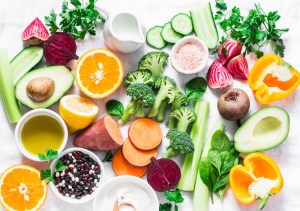
8. The common ways that we can take care of our gut health and improve the good bacteria count are by having a fibre-rich diet with plenty of vegetables and fresh fruits. A diet rich in whole grains, legumes, pulses, nuts and sea fishes. Lowering the sugar-rich foods, limiting the everyday stress, and remaining hydrated as possible. Intermittent fasting is beneficial too for gut health and flora.

Fermented foods

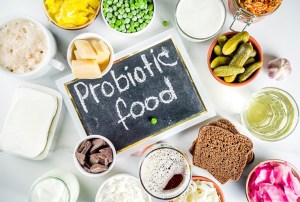
9. Another important food for our gut health is fermented food as they are rich in probiotics. Plain yogurt, buttermilk, kimchi, sauerkraut and kombucha to name in the list. There can be other varieties of fermented food too which can be local or region-specific around the globe. Any food which is fermented or sprouting can be excellent for gut health as it increases the lactobacilli and keeps the growth of bad bacteria checked.

Walking in nature
Gratitude journal

10. So, the simple tips to take care of gut health are to have more and more fibres and probiotics daily, curtail sugar as much as possible, stay hydrated, keep out of stress, meditate to calming mind like walking in nature or listening to music, exercising, mild to moderate ways, practising gratitude journal every day increases happy hormones and trying to maintain a sleep routine. Ultimately, the best way to live a longer and healthier life is to live in harmony with nature.

Thanks for reading.

Peace and love šŸ™

10 hard facts about Taurine šŸ™Œ

Hello everyone ,

1. Amino Acid :Taurine is found naturally in our body. Chemically, it’s an amino acid or more precisely amino sulphonic acid. Since it is naturally available in the body, it plays a significant part in different bodily functions like metabolism, immunity, nervous system, electrolyte balance, biliary system.

2. Nervous system :Taurine as an abundant amino acid support building up the nervous system, helps in storing memory. As ageing progresses, it’s bodily reserve reduces with age. Due to its decreased levels can be responsible for neurodegenerative diseases like Alzheimers’ or memory deficits.

3. Liver :The liver is supported by taurine mainly to break down cholesterol into bile salts. Bile salts play a crucial role in the digestion and metabolism of fat in the body.

4. Lifespan: Researches show that high taurine levels do have anti-aging effects. From its lower levels contribute to inflammation, diabetes, obesity, hypertension, so, with improved levels of taurine, these risk factors are significantly reduced. Food supplementation of taurine and exercise do contribute to the lifespan.

5. Cell protective agent: Taurine plays a vital role in regulating cell volume, calcium homeostasis, sweeping free radicals and stabilizing the cell membrane.

6. Heart : Studies show that taurine reduces the risk of heart failure by lowering the progression of atherosclerosis. It has a potential vasodilating effect. Taurine supplement in people who have a history of heart failure shows lower levels of cholesterol. Low Taurine levels may be a significant factor in the development of cardiomyopathy.

7. Eye :Studies have shown that taurine is abundant in the retina of the eye. Reduced levels of taurine is linked to eye disorders like glaucoma, retinal degeneration like diabetic retinopathy.

8. Muscle :Studies show that taurine helps to improve muscle power and strength. Taurine appears to help restore muscle injuries, damage, pain and reduce progress in people with muscular dystrophy.

9. Food : Taurine is found in dairy and high sources are mainly meat, chicken and fishes. As for plant based diet, seaweed is a good source of taurine.

10. Dosage : Taurine supplementation is not usually recommended as it is naturally available in the body and in our diet. If prescribed clinically, evidence shows that consumption of 3 gms per day works well without the risk of side effects. Taurine has also been an essential component in energy drinks in case of physical performance. Some infant formulas contain taurine because it is not naturally found in babies as it is in adults.

Thanks for reading.

Peace and love šŸ™

6 important facts: Probiotics and SBO supplements šŸ™Œ

Hello everyone! Have a wonderful and safe day šŸ™‹šŸ»


We know by now that our gut flora is full of the microbiome. It is this microbiome flora which maintains our health and wellbeing. Previously, nobody ever worried about this microbiome flora which is natural and responsible for our good health. But in today’s time, due to consuming highly processed, refined food, heavy toxins and pesticides in food, unhealthy lifestyle, artificial farming and hybrid products, environmental toxins, this gut microbiome flora is greatly affected. The overall health and immunity status of people have suffered much. As a result, many chronic health issues like chronic inflammation, inflammatory bowel diseases, autoimmune conditions, and cancers have increased.

In the past, food used to come directly from the soil. People lived closer to nature. Nowadays, whatever food is available in the Supermarket, are all cleaned, bleached grains, vegetables, fruits, and processed refined, packaged foods. Therefore, the gut microbiome flora is shrinking slowly. This is why more and more people are suffering from gut health issues and other chronic severe conditions.

6 Important facts about Probiotics and SBO supplements:

1. Probiotics are live organisms which are found in some natural foods. They are also available in the form of supplements. There are mainly two types: Lactobacillus acidophilus and Bifidobacteria. They have become very popular in recent times because they provide the gut microbiome flora with good bacteria, improve digestion, increase immunity, and improve overall health and wellbeing.


Probiotics are found naturally in fermented foods like:
Kefir
Saurkraut
Kombucha
Natto
Yoghurt
Apple cider vinegar
Miso
Gherkins
Kimchi

3. Dairy-based probiotics are naturally found in yoghurt, especially in goat milk yoghurt and raw cheese. But, in processed cheese and poorly storage dairy products, probiotic bacteria get denatured. Sometimes, acidic ph in the stomach also can harm the good probiotic bacteria found in dairy. So, having dairy products may not provide enough probiotic in our body.

4. SBOs are soil-based organisms found in the soil, about 6 inches below the topsoil. They are found to be very beneficial to overall good health. To name a few, like Anthrobacter Simplex, Bacillus brevis and many more. Commercially grown plants and crops lack SBOs as they are no longer grown on the natural organic environment. So, SBO supplements are very much in demand.

5. SBO supplements are useful in improving overall immunity status, improving inflammation and digestion. Patients affected by chronic issues, or who undergo chemotherapy, SBOs supplements help improve gut functions and immunity status significantly.

6. While taking Probiotics and SBO supplements, one should start slowly and in consultation with a Physician. About 70%-80% of people can show marked improvement after taking supplements like improving digestion, reducing inflammation, and improving immunity. While some may show slow progress like the symptoms can slowly reduce. While there may not be any improvement or sometimes some people, there may have a negative impact. So the response is quite variable. The decision of using such supplements depends on the individual and his or her requirement. Otherwise, regular intake of natural sources of Probiotics can be very beneficial too.

Thanks for reading.

Blessings and much love to all šŸ’

Collagen Benefits šŸ™Œ


Hello everyone ! Have a wonderful and safe day šŸ™‹šŸ»

Collagen is the most abundant protein found in our body. Most of the tissues including muscles, bones, joints, tendons, ligaments, fascia, arteries, cartilage, gut lining which constitute the immune system, skin, hair, nails in the body are all collagen.Ā So,collagen is the important factor, which makes us look younger and maintain the overall physical beauty. Tissues mostly comprise of the extracellular matrix, a diverse mesh of protein and sugar. This matrix is consisting of the fibrous proteins, which is the collagen. As we age, the body produces less and less collagen. Nutritional deficiencies, eating junk foods, sedentary lifestyle all contribute to premature losing of collagens.

Structurally in the human body, there are at least 28 types of collagen, out of them, five types are the most prominent. Each of them functions differently and form building blocks of different tissues in the body.

Eating collagen-rich foods and supplements can slow down the degradation of collagen process in a significant way and protect the body from premature ageing, wrinkles, weak joints, organ damage and hair loss. Collagen is absorbed in the body in a hydrolyzed form, which can be easily assimilated and utilized by our body.

Significant benefits of consuming collagen-rich foods:

1.Supports the gut health, which mainly constitutes the immune system: The gut lining consists mostly of collagen. When the gut lining is weak or damaged, like in leaky gut syndrome, which is the root cause of many autoimmune conditions, collagen can be of great help. Consuming collagen-rich food can help in the repair and regeneration of the gut lining and supports the immune system and help to resolve many autoimmune conditions.

2. Supports Connective tissues: Mainly type 1 and 2 comprises of collagen which supports bones, joints, tendons, ligaments.

3. Benefits in overall beauty; Consuming collagen-rich food benefits skin, hair, nail as they are all made of collagen.

Important natural sources of collagen :


1.Berries: Out of all the berries, the blackberries are the richest source of anthocyanin, a compound, which helps to boost the production of collagen in the body. Ellagic acid found in berries prevents degradation of collagen: Another important compound, vitamin C found in berries is essential in collagen production.


2.Eggs: Egg white contains mainly amino acids Glycine and Proline, which mostly help to boost collagen production. The yolk contains fats and vitamin D, which also support the collagen in skin, bones and muscles.
3.Bone Broth: Broth is rich in hydrolyzed collagen from animal sources like chicken or beef, which boost the collagen production in the body.


4. Seafood: Oysters is rich in Zinc and copper, which helps and support in the formation of collagen. Wild fishes, like Salmon, is rich in Vitamin A, which trigger collagen production.
5.Saturated fats: Collagen production requires saturated fats from cheese, butter, olive oil, coconut oil and oily fishes.
6.Garlic: It is rich in sulfur which prevents the breakdown of collagen.


7.Citrus fruits: Vitamin C is vital in the production of procollagen, which is a precursor in collagen production.
8. Other critical sources are broccoli, fruits like mango, guava, pineapple, kiwi, nuts, seeds, leafy greens, beans are rich in amino acids and vitamin C, which promotes collagen production.

Thanks for reading.

Blessings and much love to all šŸ’


Gut Health šŸ™Œ

Hello everyone ! Have a wonderful and safe day šŸ™‹šŸ»

img_1010

Why is gut health so relevant these days ? Because, in the majority of the diseases, researches have shown that the underlying cause is due to an unhealthy gut.

img_1011

Most of us are not aware of the fact that within the twist and turn of the internal coils, that is the intestines, there is often a war between the good and bad bacteria. This struggle results in gut imbalance and thereby cause several health issues like autoimmune diseases, hormonal imbalances, mental health issues, metabolic diseases and even skin problems like acne, depigmentation and psoriasis.

0912-AppleWatch

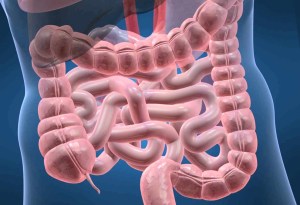
As we must have already known, the digestive tract carries millions of colonies of bacteria. The right bacterial flora within the coiling of the intestines is bestowed upon many functions to perform to maintain a healthy body. They are responsible for breaking down food into energy, eliminate waste and toxins, and most important is to support the immune system. So, our gut health is under immense pressure to perform well.

img_1012
The gut, when encountered with a burst of harmful bacteria from any food sources, there is a war between the good and the harmful bacteria, and a sudden state of imbalance arises. Therefore, this gut imbalance may lead to different health issues, as mentioned above.

Common symptoms and diseases of improper functioning of the gut are:

img_1019

1. Slowing of metabolism: This may result in decreased energy production, less absorption of nutrients and deposition of toxins in the different parts of the body. So, there is a lack of energy, tiredness and fatiguability. We may suffer from vitamin and mineral deficiencies as absorption of nutrients is poor.

img_1020

2. Digestive issues like gas bloating, diarrhoea as the good bacteria are continuously struggling to restore the balance. Irritable bowel syndrome, acid reflux, colitis are some symptoms of invasion of harmful bacteria.

Man having problems/ insomnia, laying in bed

3. Mental health issues like depression, anxiety, mood fluctuation may occur. As toxins get deposited in different parts of the body due to the harmful bacteria, they may interfere with the production of happy hormones like serotonin and other neurotransmitters that can elevate the mood.
4.Lack of sleep: The gut imbalance causes hormonal imbalance, and the serotonin cycle, which regulates the sleep cycle gets wholly disrupted. So, the person with gut issues may suffer from sleep disturbances.

img_1022
5. Autoimmune diseases like Lupus, Crohn’s diseases, rheumatoid arthritis appear where the underlying issue can be an unhealthy gut.
6.Skin issues: When gut inflammation start spreading to other areas of the body, including the skin, there are issues of acne, eczema, psoriasis, complexion disorders, especially on the face.
7. Metabolic problems like diabetes type 2, stubborn weight gain, and obesity are common with gut issues.

Some useful ways to keep a healthy gut:

img_1014

1. Eating less or no sugar at all as the sugar becomes the medium of growth of harmful bacteria.
2. Drinking lots of water dramatically helps to eliminate the toxins and also facilitate the digestive process.
3. Chewing food with each bite, about 30- 50 times. Though it may sound tedious, this mastication process may help the food to digest and absorb the nutrients properly.
4. Consuming more fibrous food help to form the stool bulk and help eliminate waste and toxins.

img_1017
5. Mono meals as preparing a single meal with combining many food ingredients which allows the body to digest food better.

img_1016
6. Consuming fermented food (pickled vegetables) and probiotics help to flourish and restore the good bacterial flora.

img_1018
7. Effective foods are bone broth (contain collagen which cleanses the gut), ginger, blueberries, peppermint oil, healthy fats like omega-three fatty acids, all benefit the gut.

img_1023

8. Low impact exercises: Low intensity exercises like rebounding, stretching, walking, yoga and low impact cardiac workout can be helpful for gut health.

Thanks for reading.

Blessings and much love šŸ’

8 truths of Leaky gut syndrome šŸ™Œ

Hello everyone !Ā Have a wonderful and safe day šŸ™‹šŸ»

img_0790

Time and again, it has been proved by extensive Medical researches that most of the chronic illnesses, including autoimmune disorders, type 1diabetes, irritable bowel disorders, migraine are all associated with gastrointestinal disorders. A patient who suffers from chronic symptoms’, the history should be thoroughly investigated for an underlying food or lifestyle habits that may be co-related.
Our body is not a single entity, nor each of its organs works independently of each other. Every structure, including the skin, tissues, mucosal lining, organ, system including a huge colony of microbiota are all interconnected and work together as a biological system. Not only this, the immune system, biochemical processes, endocrine and the autonomic nervous system, are all very much interdependent. Therefore, while considering any chronic disorder, the entire system has to be taken into account, including food habits and lifestyle in the process of management of such illnesses.

img_0791

1. The food, we eat reaches the intestines where they are bind to enzymes where filtration and absorption take place. Then, the nutrition of the food is absorbed in the bloodstream through the intestinal barrier. Without digestion, the food cannot escape directly through the intestinal/gut wall. The intestinal lining is typically intact and tight. It doesn’t let food, bacteria or toxins to escape directly to the bloodstream. Nutrients of food also absorbed through small villi on the intestinal wall. Usually, there are tiny holes of 1-7 microns in the gut lining through which the nutrition permeates into the bloodstream. When there is Leaky gut, the holes become bigger about 200-300 microns, and the intestinal villi are damaged too because of which the intestinal integrity is lost. That is the reason leaky gut is also called intestinal permeability. There is directly permeability on the gut lining through which the food material, bacteria, toxins escape into the bloodstream. The immune system comes into play and starts reacting. There is extensive inflammation of the intestinal lining and its structures. There is swelling and slowly scarring of the intestinal walls.

2. Evidence has proved that genetic predisposition is one of the leading causes of leaky gut. But, emerging researches have shown the not only DNA is to be blamed alone. Lifestyle conditions like high gluten diet, fat, sugar-rich diet, smoking, alcohol, stress, pain killers (non-steroidal anti-inflammatory drugs) and food intolerance are some of the common conditions predisposing leaky gut. Therefore, leaky gut commonly found in chronic conditions like Celiac disease, irritable bowel syndrome, Crohn’s disease, HIV/AIDS, cystic fibrosis, chemotherapy and radiotherapy patients. Leaky gut not only creates symptoms in bowel disorders but also linked to most conditions of autoimmune origin. It may be associated with autoimmune diseases like Lupus, Type 1diabetes, multiple sclerosis, rheumatoid arthritis, psoriasis, Chronic fatigue syndrome, asthma, allergies and mental illness. Autoimmune disorders are difficult to diagnose and treat. They can be managed and controlled but has no permanent cure.

3. Trigger factors of leaky gut are like a gluten-rich diet, dairy-rich, soy food or drugs like antibiotics or over the counter pain killers like aspirin, acetaminophen which may disturb the intestinal lining and cause leaky gut. Such triggers lead the immune system to be activated, causing an immune response in the body to produce antibodies against our own body’s intestinal tissue lining, causing inflammation. This inflammation can increase the intestinal permeability that is the escape of food and toxins directly into the bloodstream leading to symptoms like pain, diarrhoea, joint pain, fatigue, headache and depression. As Leaky gut is associated with a number of symptoms, so, it is called Leaky Gut syndrome.Ā 

img_0795

4. Common symptoms are
Diarrhoea, Constipation
Pain abdomen, bloating
Skin rashes like acne, eczema, rosacea
Brain fog, memory loss
Depression
Chronic Fatigue
Joint pain.

5. Though strong evidence shows that many chronic conditions are associated with an underlying cause of leaky gut. Leaky gut is still not considered an official medical diagnosis, nor it has a standard protocol of treatment. A proper detailed history of the patient can detect the leaky gut condition. Therefore the management also differs from individual to individual depending on the full range of trigger factors.

img_0796

img_0792

6. Diet and lifestyle changes do help a great deal in such conditions. Drugs that suppress the immune response and also to control the inflammation are required in some cases. The most important message is that we know our body better than anybody else. Even if we go to the best of the specialist physician, we should do what works best for us. Never stop self investigating and self-analysing yourself about why and what may trigger or lead to such symptoms. Be your observer, and make changes accordingly, which may be very helpful.

7. Hold on to basics. As, from my own experience, the best thing is leading a simple life; more fundamental is food and lifestyle, less is the list of complications or symptoms of chronic illnesses. Stick to the essential food habits that you may have inherited from your ancestral lineage because that’s how your genetic makeup and your body is comfortable. Follow work, exercise and sleep balance. Always maintain calmness of mind by using techniques of meditation and mindfulness because a healthy mind has a high impact on the physical body.

img_0793

img_0794
Other measures that can be beneficial are:
To limit the amount of carbohydrate from the diet.
To eat more of fermented food (Kombucha, sauerkraut, kimchi, yoghurt)
Limiting dairy products and using more probiotics in the diet.
Eating more of soluble fibres in the diet.
Limiting the use of antibiotics and pain killers and using them only when necessary.

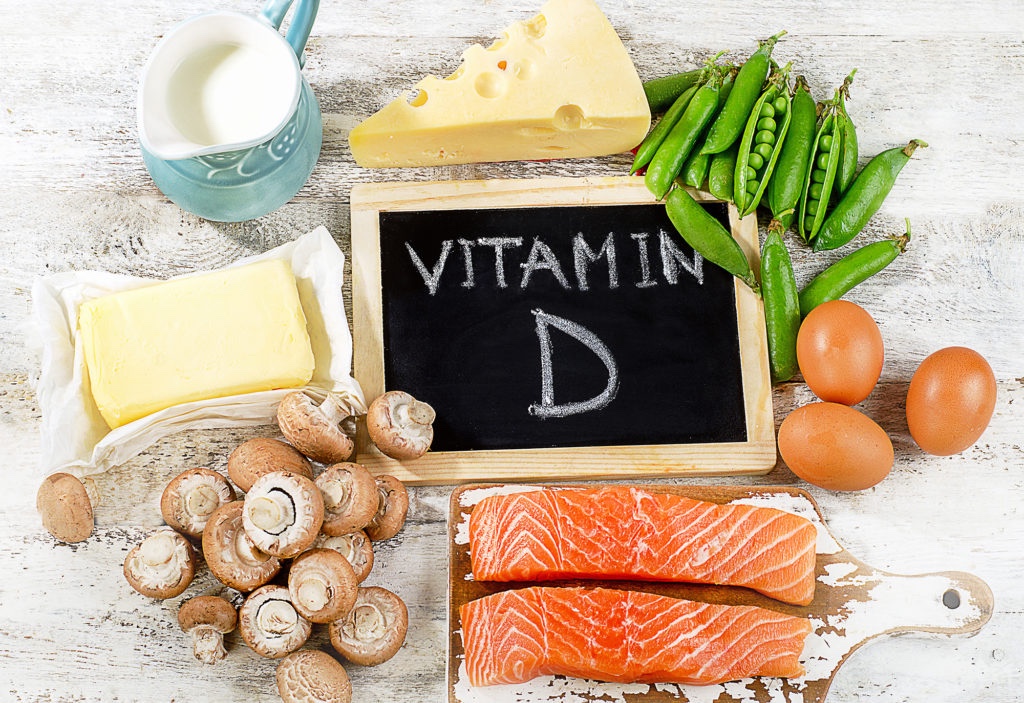
8. Vitamin deficiency of D, A, C, Zinc are related to increased intestinal permeability. So, dietary sources and vitamin supplements can be helpful to some extent. Vitamin D also suppresses inflammation in the gut. Certain supplements like Curcumin, L glutamine, collagen peptides, Zinc and probiotics are also helpful in some instances.

Thanks for reading.

Much love and blessings for all šŸ’


Vagus Nerve: The wellbeing stimulator šŸ™Œ

Hello everyone! Have a wonderful day and stay safe šŸ™‹šŸ»

img_0679

Vagus Nerve, is the body’s unique nerve which is by far the most important nerve to be stimulated in today’s time of crisis, threat, anxiety, innumerable stress, pain, tensions. Especially in times of crisis like this Coronavirus Pandemic where people are continuously under the anxiety and fear of falling sick, hospitalization, death.

img_0678

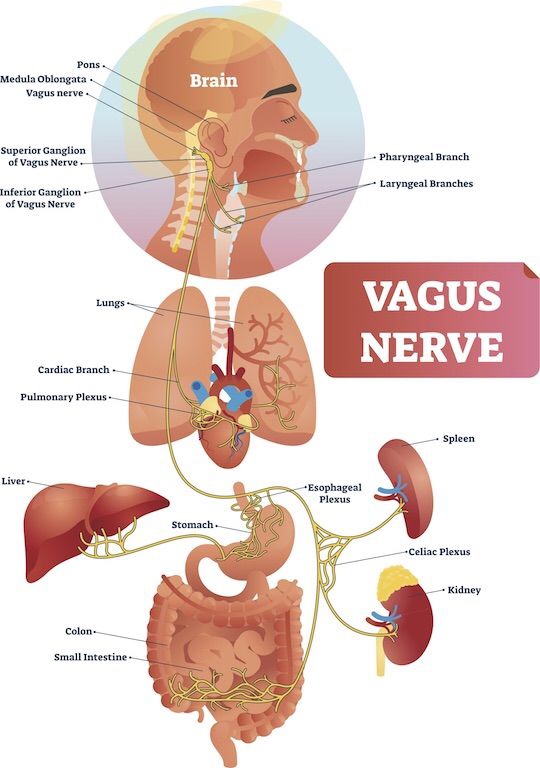
Anatomically, this is the 10th cranial nerve which starts in the brain and runs entirely throughout the body till the reproductive organs. Therefore the name ‘Vagus’ comes which means a wanderer which wander through every organ of the body. It is also the longest and most complex nerve. Just to simplify, it runs from the brain and branch as dorsal and ventral branches with numerous sub-branches running through both front and back of our body touching almost every organ.
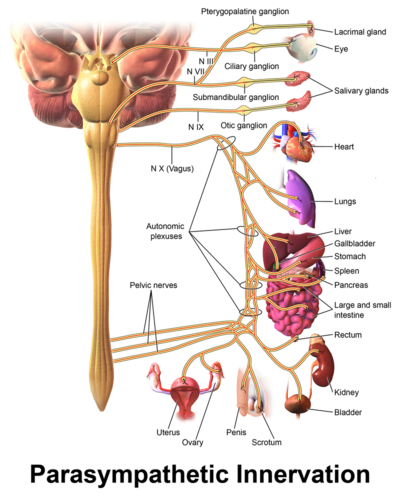
But, why is this nerve so important when it comes to wellbeing ? The reason is that this particular nerve is the cynosure of Parasympathetic Nervous system, the ‘rest and digest’ stimulation or the relaxation of the body. It is this nerve which helps the body to self regulate and maintain the homeostasis. It is this nerve which maintains the brain-gut communication. The immune system is rejuvenated and work efficiently. There are the body’s recovery and healing.

img_0676

The Autonomic nervous system has 2 main areas:
Sympathetic Nervous system: This system is mainly responsible for mobilization, high energy state, vigilant state. So, the heart rate, blood pressure, alertness, breathing rate are increased. In such state, there is no energy left for growth, repair and regeneration.

Parasympathetic Nervous system: The vagus nerve is mainly responsible for this system. This is the ‘rest and digest’ state where the metabolism is optimized, heart rate lowers, breathing slows down, blood pressure lowers and the body is relaxed. There is a restoration of growth. repair and the immune system is regulated to it’s highest potential. The body is in recovery and the healing state from any damage that it went through.

Ideally, there is a balance of harmony between the sympathetic and parasympathetic nervous system. Whenever, there is an alert state, a threat, there is an automatic switch-on of the sympathetic system. Once, the threat is gone, there is a switch-off of the sympathetic and parasympathetic system takes the centre-stage. But in today’s time, we, people are so caught up with the day to day stress, anxiety, fear, that throughout the day, the sympathetic system remains in action. There is hardly the switch off. As a result, there is less potential for growth, repair, regeneration, rejuvenation of the body. The immune system is compromised and we become susceptible to disease. Most of the time, or even during an entire lifetime, we remain stuck in the high tone state which is not good for the body at all. We, end up, suffering from various chronic conditions and diseases. Therefore, it’s high time that we realise this default habit in our system and start taking measures to activate the Vagus Nerve (parasympathetic) tone daily for our overall wellbeing.

There are various ways by which the Vagus Nerve get stimulated to maintain the calm relaxed state:

img_0683

1.Social connection: The ventral vagus branch is mainly stimulated by social connection and engagement. By keeping ourselves connected to loved ones, people around with positive emotions like love, gratitude, joy, empathy and compassion, there is the self-regulation of the body-mind connection and the homeostasis is maintained.

img_0680
2.Deep breathing: Baroreceptors present in the heart and upper body around the neck get stimulated by slow deep breathing. Therefore, regulating the breath with slow deep cycles of breaths can instantly stimulate the vagus and lowers the heart rate and blood pressure bringing the vitals to a relaxed state. There are different breathing exercises like the Pranayama in yoga, Win Hoff method and other helpful breathing techniques.If you want to learn more about diaphargmatic breathing, you can listen and understand from audio CD of Dr Andrew Weil

3.Meditation: Meditation and deep relaxation can naturally put our body in the parasympathetic tone. Chanting or humming words, mantras can directly stimulate the Vagus nerve. The singing and chanting in the chorus (like the choir in Church), can increase the heart variability rate and naturally causes relaxation waves in the body. Prayers are highly effective in increasing heart variability rate and maintaining calmness.

beverage-blur-caffeine-coffee-374860
4. Cold exposure: Exposing the body to cold like cold water shower, splashing cold water in the face, drinking ice cold water, sudden cold exposure can naturally stimulate the Vagus Nerve.
5.Message: Having messages like a foot, hand, neck messages along the carotid arteries can naturally stimulate the Vagus Nerve. It also lowers heart and blood pressure.
6.Gargling: This is a simple technique where the muscles of the pallet are stimulated by gargling which inturn stimulates Vagus nerve instantly.

form-523785-unsplash

7.Exercises: Usually mild low-intensity exercises like stretching, Yoga, Tai Chi stimulate and improves the brain-gut axis and helps in relaxation. High intense training should always be done in short intervals followed by relaxation so that the body learns to fluctuate from sympathetic to parasympathetic tone in a quick recovery state.

img_0684
8. Food rich in omega 3 fatty acids and probiotics, fermented food can naturally stimulate the gut which in turn stimulate the gut-brain axis.

woman-wearing-black-sleeveless-dress-holding-white-headphone-1001850
9. Music: Relaxation and listening to the music of your choice can naturally increase the heart variability rate, gives your pleasure, joy which enhances immunity and stimulate the Vagus Nerve.
10. Intermittent Fasting: Intermittent fasting provide the much-needed break, the rest to the digestive process. The metabolism slows down and improves the vagus nerve activity.

Thanks for reading.

Blessings and much love to all šŸ’