
10 facts: Sleep wake cycle linked to cortisol πŸ‘

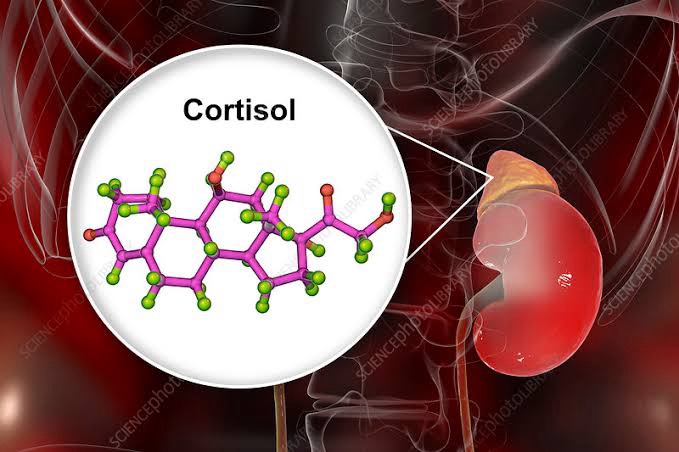
1.Cortisol is a stress hormone released from the adrenal glands, which is ideally secreted during a fight-or-flight response. However, in today’s world, our daily lives are filled with stressful situations, such as competition, comparisons, peer pressure at work, negative people, and relationships stress. As a result, cortisol is released not just in short bursts but remains chronically elevated. This persistent high level of cortisol keeps the body in a constant state of stress, leading to chronic inflammation, sleep problems, and various diseases.
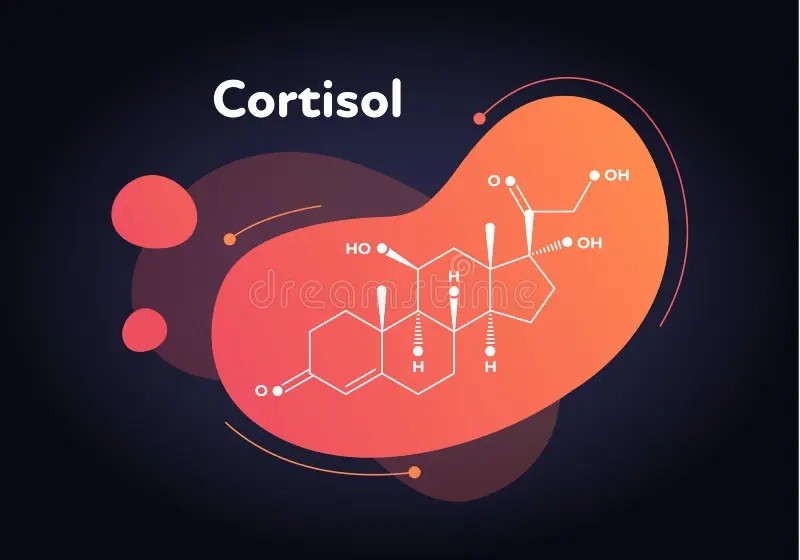
2.Cortisol plays essential role in the body for survival. But when cortisol is elevated for a longer period of time can lead to health issues like weakened immunity, metabolic syndrome and mental health issues. The functions of cortisol are :

– Maintaining blood pressure

– Elevating blood sugar levels

– Regulating the circadian rhythm

– Facilitating the utilisation of energy from carbohydrates, proteins, and fats

– Reducing inflammation

3. Sleep-wake cycle follows a synchronised rhythm with the night and daytime. During the sleep phase, the body goes through different stages, such as:

β€’ Non-REM stage: The phase where the body and mind, being awake, slowly move to a calmer state before falling asleep. Followed by a stage where the body’s core temperature drops, brain waves slow down. After this, a stage emerges where the heartbeat, breathing, and brainwaves slow down, entering a deep state of relaxation.

β€’ REM state: This stage occurs normally after the deep sleep phase. In this phase, people have vivid dreams, and intense dreaming appears. There is weakened muscle activity similar to temporary paralysis. This stage is important as the brain is cleaning out the buildup of waste and toxins.

4. HPA axis: The hypothalamic-pituitary-adrenal axis is responsible for the neuroendocrine regulation. Hormones like melatonin and cortisol from the HPA axis modulate the sleep-wake cycle. When there is disruption of this axis disturb the sleep cycle. Studies show that there are reciprocal interactions between sleep regulation and the HPA axis. Stressful situations like PTSD, emotional trauma, and chronic workload can lead to long-standing sleep issues like insomnia, sleep deprivation, and lack of restorative sleep, which in turn lead to disruption of the HPA axis and vice versa.

Insomnia

5. The HPA axis and sleep have a significant interconnection. Good quality sleep, deep sleep causes an inhibitory effect on the HPA axis, whereas hyperactivation of the HPA axis leads to overload of glucocorticoids, wakefulness, and loss of sleep. Sleep disorders related to HPA dysfunction are:

β€’Insomnia is a common sleep disorder which is found to have a connection with an increase in ACTH and consistent cortisol levels and arousal of the central nervous system.

β€’Obstructive sleep apnea or daytime sleepiness has been associated with elevated pro- inflammatory cytokines, IL-6 and TNF.

Weight gain

6. Elevated cortisol level: Studies show that sleep deprivation has a direct connection to elevated cortisol levels, long hours of wakefulness in the daytime, glucocorticoid overload, and disruption in the HPA axis. These directly affect the well-being of the individual and increase the risk of obesity and type 2 diabetes. Other symptoms of elevated cortisol levels are:

β€’ Weight gain

β€’ High blood pressure

β€’ Weakness of bones

β€’ Muscle weakness

Stressed

7. Cortisol level: Normally, there is a spike of cortisol level in the morning, known as the awakening response, and it continues for about 60 minutes thereafter. Then, gradually the level-starts dropping and reaches the lowest level towards the evening/midnight. The factors which can affect the cortisol levels are:

β€’ Stress

β€’ Disturbed routine sleep schedule

β€’ Morning light may cause the surge

β€’ Cushing’s syndrome

Overworked/ stressed

8. Stress and cortisol level: Cortisol is a steroid hormone which is released from the adrenal glands in the body’s response to stress. Cortisol also releases sugar from the liver to combat stress. In addition to this, sleep and stress are also closely linked. Prolonged stress can lead to sleep disorders like acute insomnia. The types of stress when cortisol is secreted are:

β€’Short-term stress

β€’Long-term stress

β€’Trauma, both psychological and physical.

Dark chocolate

9. Food and cortisol: Certain foods can support gut health, reduce stress and lower the cortisol level naturally:

β€’ Whole grains and natural fibres – Whole grains are rich in polyphenols, which can support gut health and reduce stress and cortisol. Fibrous foods like vegetables, fruits, and berries contain both polyphenols and antioxidants that help reduce cortisol levels.

β€’ Dark chocolate (70 – 80%) – Flavonoids in dark chocolate can lower the stress response and cortisol from the adrenal glands.

β€’ Green tea contains polyphenols, catechins, and L-theanine, which can lower stress reactivity.

β€’ Probiotics/Prebiotics are linked to healthy gut health, reduce stress and cortisols.

β€’ Healthy fats in nuts, fatty fish, and seeds rich in omega3-fatty acids reduce stress and support mental health.

β€’ Water – Consuming water throughout the day prevents dehydration and controls the cortisol level.

Meditation
Community/ kindness/ volunteer work

10. Natural habits that can keep the cortisol level under control:

β€’ Good sleep routine – Firstly, keep away from cell phone or any kind of distraction at least 1 hour before bedtime, avoiding alcohol, caffeine intake and nicotine 5-6 hours before bedtime, maintain a bedtime schedule; going to bed and waking up the same time every day is important for sleep hygiene.

β€’ Daily routine exercise, nature bathing, walking or any kind of physical activity.

β€’ Practise deep breathing techniques like Pranayama, mindfulness breathing, Meditation, yoga, tai-chi.

β€’ Maintaining your mental health by managing your personal relationships, staying away from negative people and a negative environment, cultivating hobbies, laughing, and listening to music.

β€’ Spirituality – believing in spiritual faith, attending spiritual workshops, meditation, community spirit, kindness /charity /voluntary works, helps maintain cortisol levels.

Thanks for reading.

Peace and love πŸ™

10 facts about Sixth Sense : Is it real ?

  1. In a normal individual, perception occurs through the five physical senses. Extrasensory perception (ESP) or sixth sense is a perception of the mind, perceived an event, circumstances, or prediction, through telepathy, clairvoyance or precognition. This is independent of the normal five sensory senses so it is regarded a paranormal ability. Through the centuries, from primeval times, many people, including sages, yogis and spiritual practitioners are believed to have mystical powers who have strong sixth sense.
  2. But then, is this real science? As far as science is concerned, there is no evidence of such extra senses in human. Many research projects in the past have been carried out to study if some people actually possess such extra sensory power. Some psychologists and philosophise are still undergoing studies to know more about this concept of extrasensory phenomena.

3. Several researches and authors like Rosalind Heywood, H. Osmond and many more have written several books on this subject with their own understanding of the perception. It is very hard to find scientific validity and physical explanation of such phenomena of extra sensory perception such as telepathy or clairvoyance or even precognition.

4. Sometimes intuition and extra sensory perceptions (ESP) or sixth sense are referred the same meaning. It is the psychological ability to sense something independently of sight, smell, hearing, touch and taste. Maybe, it is the ability of the individual based on deep understanding of the situation, the knowledge stored in the subconscious mind and the past experience.

5. Contrastive of today’s world, the primitive men were more instinctive and tuned with nature. Their level of awareness were as par with other living creatures and animals. It is this intuitive power which is slowly fading away from us. Because, our minds are caught up in this materialistic complexity.

Keeping science aside, most of us, do at sometime or someplace, get an inner sense of knowing of some event or information even before the actual occurrence. This is perhaps the kind of intuitive feeling that we still possess.

6. Different types of ESP experiences have been studied like telepathy, precognition, clairvoyance, psychokinesis, out of the body experiences and hauntings. Parapsychologists have been studying these psychic abilities through different experimental research.


7. The exact definition of each of the term may differ according to the understanding and apprehensions of individual.

Telepathy is sending information through one’s mind to another person.

Clairvoyance is an awareness without the physical presence of what’s going on somewhere.

Precognition is like predicting or foreseeing of a future information.

Out of body experience is traveling of the mind to a greater distance without actual movement of the physical self.

8. Though the presence of sixth sense in human has no scientific validation but other living beings like animals, fishes, birds, creatures like sharks, whales, or tiny ants do have sixth sense. Some animals like elephants or even dogs do get a sense in advance before a natural calamity.


9.Perhaps, unlike our ancestors , today human civilisation is more about technological advancement, modernization, stressful lifestyle, that we have moved very far from nature or simple natural occurrences. We hardly have time to observe in nature or the environment around us. Therefore, extrasensory perceptions or inner intuitive power are all vanishing from us slowly.

10. Sixth sense is a real ability or not, is yet to be proved in the scientific world. But as an individual, we all have been gifted with some natural abilities. It’s upto us to be more aware as individual and restore the very essence of being a human being. It’s time for us to let go once a while from this routine hustle bustle and be more calm, meditative to understand our inner self.

Thanks for reading.

Peace and love πŸ™

Wordless Wednesday πŸƒ

10 facts of Chicory roots πŸͺ΅

Hello everyone βœ‹


1. Chicory is a tuberous herbeceous root, usually grown in winter. Though it is a native herb from Europe and Asia, but nowadays it widely grown in many areas for its health benefits and as a herbal remedy.

2. Chicory roots are a good source of carbs, minerals, and phytochemicals, including flavonoids. It has been utilized as herbal medicine for generations due to its high nutritional value. Research have shown that it has anti-inflammatory, antibacterial, and antioxidant properties.

3. In modern days, many of its benefits has been scientifically proven. Chicory root is rich in inulin which is a fructose rich fiber and acts as a prebiotic. It promotes growth of healthy bacteria in the gut. Since, it is undigested in the gut when consumed, so it can act as a laxative and relieves constipation.

4. Studies have shown that chicory can contribute to lower blood sugar and helps in insulin resistance. Therefore, it can be an aid in the treatment of diabetes.

5. Other list of benefits of chicory roots are it can promote the weight loss process, improves liver health, boost kidney function by its diuretic properties and may help in treating candida and eczema.

Chicory coffee

6. Since chicory roots are naturally caffeine free, so they have widely been used as a coffee alternative to reduce the intake of caffeine. Repeated consumption of coffee may lead to excess caffeine intake which in turn can cause issues like increasing the level of cortisol and stress.

7. Extensively used method of including chicory in diet is by blending with coffee as chicory coffee, or as herbal tea. It is also integrated in cereals, protein bars and other food items.

8. Like any other food, Chicory roots also have it’s share of side effects like over consumption can lead to allergic reactions, skin rashes, GI symptoms like discomfort, diarrhoea and gall stone.It is contraindicated during pregnancy and lactation.

9. As there is no specific doses of daily consumption of chicory, generally having around 5 gram of inulin in 500ml of chicory coffee in regular diet may not lead to any adverse effects. However, a Physician’s or an expert advice is recommended.

10. Chicory roots have been in ancient cultures for ages as a herbal medicine. History says that it has been in use as a healthy beverage for many centuries for its health benefits.

Thanks for reading.

Peace and love πŸ™

Tuesday musings 🌻

‘Don’t think what went wrong in the past, don’t plan too much for the future, just think and act at present’ ….

Thanks for reading πŸ™

Peace and love πŸƒ

Trapped emotions: Time to let go! πŸ™Œ

Hello everyone ! Have a wonderful and safe day πŸ™‹πŸ»

As a human being…

Everybody in this world has a deep longing for love and affection. From the new born to the older adult, everybody yearns the sense of belonging, love and compassion. Social acceptance, being valued, and recognition is longed for by one and all in the human community. Infact, we all deserve our inherent birthright of being loved, happiness, vitality, freedom, fearless and growth. So, then, from where does the negativity arise? A child being born is always happy and cheerful. It is the environment, caregivers, parents, teachers, elders, peers, and the competetive nature of this material world that pushes the child towards negativity, egoistic, pain, fear and unhappiness. These growing years, his interaction with the people around him, the environment that slowly programmed his subconscious mind with doubts, anxiety, worries, sadness, lacks and unhappiness. So, like you and me, every individual has grown up with our share of fear, limitations, and inadequacy.

Trapped emotions impact on physical health…
Within this paradigm of limitation and inadequacy in our subconscious mind, we move forward with the life journey. We are then, bombarded with challenges of day-to-day stress, relationship stress, work pressure, financial strain, and other constraints that affect our emotional health even more. Maybe, bad experiences, conflict with parents, loss of a closed one, heartbreak, deep trauma due to a failure, a toxic boss, rejection, and anger can all be overwhelming and add to our emotional baggage. We may think that emotions come and go. We can get over it, quickly or healed after some time. But, the truth is, certain emotions are’nt so superficial. Infact, it has a lasting impact on both our physical and mental health. Studies have shown that certain intense emotions get trapped in particular organs of our body. Like, anger gets trapped in the liver, while hurt, fear get trapped in the heart and so on. Ancient Ayurvedic science which is 5000 years old has rightly pointed out that too much of trapped emotions like anger, worry, chronic stress can create too much heat (Pitta) in the body which may affect the hameostasis and start creating physical illness. So, the emotional component is critical in the overall wellbeing. In reality, it is the emotional health and wellbeing that transcend physical health. Hence, the term disease means (dis-ease, absence of ease).

Evid Based Complement Alternat Med. 2017; 2017: 7618419.

Published online 2017 Aug 22. doi: 10.1155/2017/7618419

Emotional health is crucial…

Fundamentally, our mind and body are designed to be in a state of growth, restore, repair and relax. Yes, in times of potential threat and danger, the body reacts to the survival mode of fight and flight response. But, then as evolutionary, the body naturally comes back to its state of homeostasis when the threat is gone. The parasympathetic mode’s natural restoration mechanism is greatly affected by the daily’s state of chronic stress, being on the run, and always being overwhelmed. Moreover, this everyday struggle within our emotional health of mental barriers, mindset, limitations, fears, and worries added to day-to-day stress. So, leading a healthy lifestyle and caring about physical fitness has not stopped people from falling sick. People follow the best possible diet, take their best supplements, and follow an exercise routine, yet they fall into various illnesses like chronic diseases, mental issues and autoimmune diseases. Now, it has become very crucial to consider emotional health, a priority before everthing else. Maybe, this is the most critical component in our path of mental, physical, spiritual wellbeing and being a successful person we all longed to be.

It is vital to slow down...
It is essential to annalyse our emotional and mental state daily, introspect at times, and slow down to understand what affects us the most. It is crucial to change the way we think, elevate our vibration, be in the positive mind space and overcome the mental barrier if we want to take charge of our mental and physical heath and wellbeing. As, for all of us, it is much easier said than done. But, indeed, we have to put some efforts on our own to make our life the way we want it to be. To take control of our physical and mental wellbeing and be in a happy, comfortable space that we all longed for.

Some ways that we can work towards for self-improvement:
1. Self-acceptance: Being aware and acceptance is an essential and fundamental change. Any circumstances, any issue or conflict that we are facing, in terms of physical or mental health, needs self-acceptance. Self-resisting, self-denial, result in more stress, conflict, and high cortisol release, which makes us unfavourable to heal or change. So, self-acceptance and being self-aware is an essential step towards change. It is necessary to accept, share with a closed one or a therapist and let go the emotional baggage. Sharing with somebody or writing down the emotions and thoughts helps us acknowledge them better and give ourselves time and space to change. Meditation and mindfullness practices also helps us in emotional growth.


2. Victimhood: Instead of living in victimhood mentality, or self-blaming, starting to explore ways and methods to be part of the healing process. Suppose, somebody is being affected by a physical or mental issue must be an integral part of the healing process. Taking responsibility and works towards healing instead of surrendering yourself fully in caregivers’ hands. It is crucial to actively partcipate in the healing process.


3. Self-compassion and patience: It is vital to approach onself with self-compassion. Being compassionate towards self, putting oneself in the right frame of mind dramatically counts. Because failing or falling is the very essence of human nature. Having faith in the Higher Power and a lot of patience is beneficial in the healing process. Because, like good times, adverse times, doesn’t last long too.

Thanks for reading.

Blessings and much love to all πŸ’


Overthinking: 10 ways to stop πŸ™Œ

Hello everyone ! Have a wonderful and safe day πŸ™‹πŸ»

Thinking is what makes us the most intelligent species on this planet. It is this thinking what drives us to learn, study, analyze. Thinking makes us competent and innovative and help us to perform a task or job. But, when thinking becomes out of control, nagging and overtime, then, we start creating problems for us. As a habit, overthinking is not uncommon. We all may have it to some degree, more or less. Some realize it and correct it while others may be so drawn to it, which may lead to toxic consequences like anxiety, depression, suicidal tendencies and insomnia.

Ten simple ways to stop overthinking on a day to day basis:

1.Awareness: Before you can change the habit or develop a strategy, it is essential first to be aware of this habit of your mind. Whenever a thought lingers you, there is also some emotion attached to the thought. You start imagining worst possible scenario because the mind tends to think about the negative first. Maybe, this is from the time of evolution of our species, to foresee a potential danger first. So, imagination causes the mind to be strained and anxious. An anxious mind keeps brooding again and again. So, being aware of this state of mind is a fundamental key to change.

2.Reshaping your thought process: Instead of avoiding the thought or running away from it, start to reshape your thinking to a positive one. Instead of imagining the worst scenario, imagine the best scene. Instead of brooding onto the fear, create a strategy and achievable goals.

3.Change your Perspective: This is important because overthinking is ground to fear of losing or failure. So, instead of thinking on the negative terms, start thinking on the time frameβ€”prioritize the perspective. Whether the thought or emotion do hold any value in your future, maybe five years from now or perhaps just next month.

4.Distracting the mind constructively: Many people tend to overthink when they are alone or lonely. So, it is essential to do things or develop hobbies to keep your mind occupied and let out the emotions like painting, dancing, photography, gardening, playing an instrument or even jolting down the thoughts.

5.Perfection: Aiming to be perfect is just not done. This will lead to unnecessary anxiety or stress. Instead, focussing on your progress and growing day by day is the more practical approach.

6.Overcome fear: Fear comes with failure in the past or with a bad experience in the past. But, having a past loss, doesn’t mean you will have the same outcome every time.
7.Realize the truth: The truth is that we cannot predict the future. Future is associated with an element of uncertainty. So, instead of thinking and worrying about the end, it is wiser to focus on the present moment. Focus on all the positive aspects of your life, which makes you joy and cheerful.


8.Accept your worthiness: Overthinking is usually associated with fear of failure, that you are not good enough, not worthy of success. Keep yourself reminding that you are good enough; you are capable enough to accomplish all your goals.
9.Be grateful: Living in gratitude is the most important view in life. We should never forget to be thankful for the life we lead, being able to breathe and for the things and loved ones we have around.


10 Last but not least, the physical body affects the mind and vice versa. So, regular exercise, meditation, walking in nature all help profoundly to keep a healthy mind with a healthy body.

Thanks for reading.

Blessings and much love to all πŸ’


Letting go πŸ™Œ

Hello everyone! Have a wonderful and safe weekend πŸ™‹πŸ»β€β™€οΈ

Thanks for reading.

Blessings and much love to all πŸ’

Price of fear πŸ˜’

Hello everyone! Have a wonderful weekend πŸ™‹πŸ»β€β™€οΈ

Fear quotes …..

img_1363

img_1365
img_1366

Thanks for reading.

Blessings and much love to allπŸ’

https://9713bwro7r5r4w1bnlp3reun3c.hop.clickbank.net/?tid=140519

Adequate Immune status πŸ™Œ

Hello everyone ! Have a wonderful Sunday πŸ™‹πŸ»

img_0893

We, all know and read enough about our body’s defence mechanism and network called the immune system. It is a system comprising of tissues, cells, proteins and biological processes that defend our body from any outside invaders like microorganisms and pathogens.

Though we have such an efficient immune system, yet we fall into sickness, disease several times during our lifetime. The reasons for a weak immune system are plenty. In today’s time, stress is the most dominance cause to have a weakened immune system. Then, lifestyle trends like the sedentary way of living, obesity, smoking, alcoholism and poor nutrition being some of the common causes.

img_0894

But, at the same time, there have been drastic changes in the societies and communities to bring awareness about healthy way of living, healthy eating. More and more people have started to transform their lives in a healthy way of living and dining.

But, despite gradual changes in lifestyle and eating habits, yet many people still fall sick and suffer from a weak immune system. The reason is our mental state which is too much drown in our daily stress, anxiety and tension. Not just exercising and eating healthy meals packed with vitamins and minerals help, but also a sound and stable mind is more necessary for a body’s perfect cognitive, hormonal and immune system to function at an optimum level.

healthy man sport food concept elements vector illustration eps 10

So, to maximize the immune status of the immune system ,we require a healthy physical state and a healthy state of mind.

To keep a healthy mind : 3 ways of improved thinking process….

img_0897

1. Homeostasis: When we self-inquired within us, we will always observe that we have an awareness that works through this body, mind complex. This awareness is very much in sync with the universal field of consciousness. We understand that everything is happening around us are experiences that we experience through the mind-body complex.

img_0896

Therefore, it is essential to realize that every experience we have is enabled through the field of awareness. In every experience, it is necessary to shift towards awareness. Then, in that case, both good or bad experiences, we have, cannot affect this body and mind complex so intensely. Say, during fear, or stress, when we shift our awareness to the universal field of consciousness, we become more like an observer to the experience of fear and anxiety. The biological system remains unaffected, and we stay calmer and in homeostasis.

img_0898
2. Healthy Emotions: Shifting attention to the universal field of awareness is quite difficult initially. As we identify ourselves too much with our body and mind, so we feel we are separate entities. So, it’s essential to cultivate divine emotions of compassion, love, empathy, which helps us to connect more and more to the universal field of awareness. It helps us to connect more with the web of life and healing.

img_0899
3.Metacognition: Develop our innate capacity of metacognition. That is to understand and start thinking about our thinking process. Being aware and more focused on every present moment, instead of being preoccupied in the past or future. Concentrating on every present moment prevents the mind from scattered thinking process, which can be the reasons for unnecessary stress, anxiety, fear and negative thoughts. This is the reason mindful thinking and practices are very useful.

Thanks for reading.

Blessings and much love πŸ’