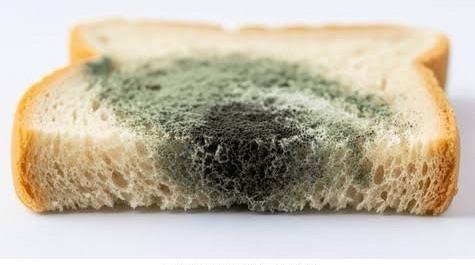
10 facts to know about mouldy food ✋

1. Moulds are microscopic fungi found in the natural environment, mostly living both indoors and outdoors. They play a crucial role in breaking down organic waste in the environment. Moulds multiply through spores and are carried from one place to another or indoors as air-borne particles. Once they land in a wet, damp spot, they start multiplying rapidly. In the process of growing and multiplying, they digest whatever food, plant, animal or organic material they have been growing.

2. Moulds are multicellular and can be seen with the naked eye, unlike bacteria. They have roots and thin branches and invade the food on which they live. It produces spores which can be transmitted by air and water. It’s the spores that give the distinctive colour we see when a food item is mould-contaminated. Not all moulds are harmful, but some can cause poisoning, allergic reactions, and stomach upsets when ingested.

3.Generally, moulds are of different types and colors. Moulds can grow on food, plants, animals, damaged, rotten wood, damp building walls, and furnishings. Potential effects of moulds can be problematic to people with weakened immune systems, chronic lung disease, allergic history and metabolic diseases. Not all moulds are toxic. Species like mould Stachybotrys chartarum, which produces mycotoxins, are known as toxigenic moulds.

4. Food moulds appear as fluffy, dusty growths in various colours and can develop on different food items. They thrive on nutrients and moisture content. Mouldy food often looks green, grey, or black due to the overgrowth of spores. Moulds can damage the food, making it softer and giving it a distinctive taste and smell. Some moulds can be harmful to human health as they may produce toxic substances. However, certain foods, such as cheeses, are intentionally kept in dark environments to promote the growth of harmless moulds, which contribute to their unique flavor and texture.

5.All types of food are vulnerable to mould. Food with high moisture content are more prone to mould growth than others. Moulds need oxygen and moisture to grow and thrive, so fresh food are more vulnerable. When food items are opened in an airtight container, there too, mould can grow as air has already entered. Some mould can grow even in a dry environment. More vulnerable food items are:

• Bread

• Vegetables

• Fruits

• Meat

• Milk, cheese

• Nuts.

• Chocolate.

• Processed food.

6.Mycotoxins: It’s a type of mould produced by fungi like Aspergillus and Penicillium, which contaminate grains like rice, wheat, barley, nuts like almonds, peanuts, grapes, coffee, and meat. Mycotoxins are a potential hazard to human health, causing acute poisoning to various diseases which can affect the liver, kidneys and even cancers. Some common mycotoxins are aflatoxins (commonly in corns, peanuts), ochratoxins and fumonisins. Research shows that aflatoxins are the most commonly infested moulds grown on both food items and feeds of livestock. It is a cancer-causing toxicogenic mould, which can cause various diseases in both human and domestic animals, and grows in peanuts and corn.

Cheese making mould

7.Mould can be harmless and useful. Some moulds have been used in the cheese-making process for centuries. Some cheeses, like Brie and Camembert, have white moulds on the surface which are safe for human consumption. Penicillium roqueforti spores are used in the cheese-making process of Stilton, Gorgonzola, and blue cheeses for their taste, texture and flavour. Mould play crucial role in the process of fermentation. Other than cheese, they are used in the process of making some food products, beer, wine and in some medicines. Most popular moulds are Penicillium, Aspergillus, Rhizomes, Lactobacillus.

8.Mould growth: Mould usually grows in warm and humid conditions. Mould can grow in fresh food items, salty, sugary items, and meat items like salami, ham, and bacon. Mould can also grow in refrigerated items like fresh vegetables, fruits, high-acid-containing items like jams, jelly, pickles, sweets, meat and bread. Mould growth can be controlled at home by maintaining:

• Humidity below 40%.

• Cleaning and mopping using surface disinfectants.

• Cleaning the refrigerator using baking soda, every month.

• Using clean kitchen towels, sponges and mop

• Minimising the growth of mould in food can be done by :

a.Perishable food items outside or inside the refrigerator should be thrown immediately.

b. Canned food items should be stored in clean storage containers and refrigerate immediately.

c.Any leftovers in the fridge should be used within 3-4 days.

d.Cooked food should be covered before serving to prevent air-borne spores and mould.

9. Dealing with mouldy food: Mouldy food should be thrown away, packed in a plastic bag in the trash can, out of the reach of children and even animals. Certain food items, like bell pepper and carrot, when infested with mould, should be thrown out. If a product is not completely spoiled by mould, the affected part can be cut off 1 inch below and above the part and re-wrapped with fresh storage bags. Any area or surface, or kitchen items affected by mould, should be cleaned promptly to prevent cross-contamination.

10. In general, mould contamination of food items is a common issue in every household. Mouldy food should always be discarded immediately. To minimise mould growth, food should be stored inside the refrigerator in clean storage bags, containers and on the outside too, in an air-tight and dry container, away from humidity. Not only in the food items, mould growth in houses or buildings is common on any damp, moist surfaces or walls, kitchens, bathrooms, basement, under carpet, furniture and also in potted plants. So, cleaning and mopping are required daily to minimise the growth of moulds. Any leakage of water seepage in walls, pipes, cabinets and beneath surfaces should be repaired and cleaned as soon as possible.

Thanks for reading.

Peace and love 🙏

10 facts: Are Psyllium husks gut-friendly?

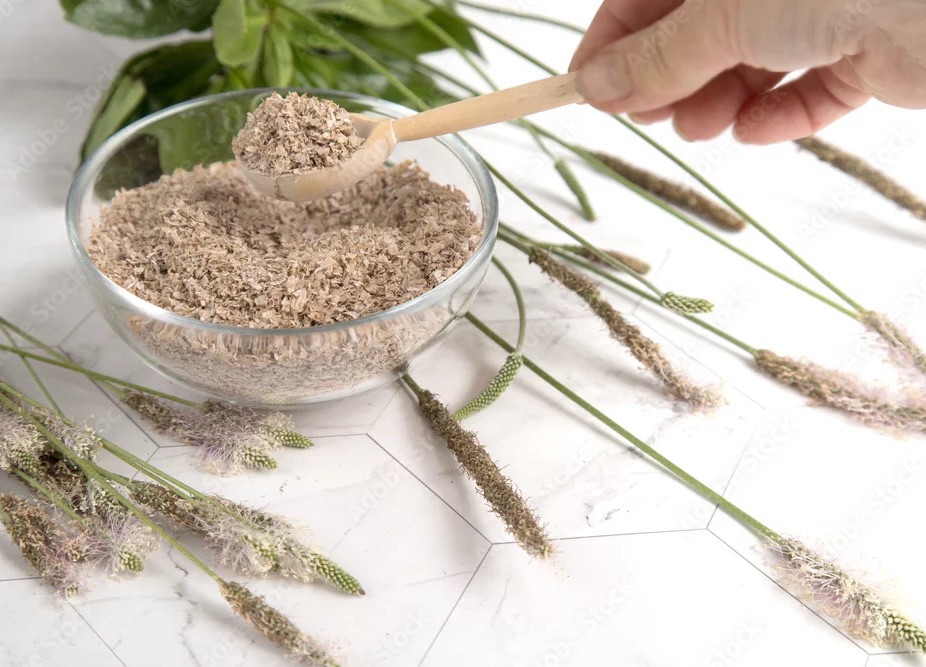
1. Psyllium husk is derived from seeds of the plant genus Plantago ovata. It is rich in water-soluble and unfermentable dietary fibres. It is used in food and nutraceutical industries. It has become popular due to its various health benefits. Psyllium is used as a fibre supplement because of its mucilage content. The mucilage is obtained by grinding the seeds of the Plantago group. These plantago seeds are often referred to as psyllium husks.

Gut- friendly

2. Psyllium husk has been used as a food thickener, fibre supplement, binding agent, gelling agent, and so on. Research studies have shown that it is rich in soluble fibres. So, it has been used as a laxative, which eases bowel movements, making it gut-friendly. Studies have shown that since it eases constipation, it helps to prevent complications like bloating, gas, haemorrhoids, and anal fissures.

Heart friendly

3. Some research shows that it benefits heart health too. Adding psyllium to a daily diet can lower the level of LDL ( bad cholesterol) and can help to maintain cholesterol levels. As we know high cholesterol can lead to conditions like chronic heart diseases, hypertension, diabetes, stroke and heart attack. So, adding psyllium in diet can help to prevent such conditions by maintaning the blood cholesterol levels.

4. Since psyllium is rich in fibres, adding them to a daily diet can even help to maintain the glycemic balance. Therefore, having a diet rich in fibre can be an important step in maintaining the balance of insulin and blood sugar. Psyllium can be a healthy prebiotic too, which can help to produce healthy bacteria and probiotics in the gut.

Weight management

5. A 2023 review study has shown that adding a moderate amount of psyllium fibers to the diet can help reduce weight in people who are overweight and obese. Managing weight can help to reduce the risk of chronic conditions like heart diseases, high blood pressure, gallstones, and breathing issues. Therefore, using of psyllium husk can be used for weight management but, off course under guidance of trained dietary experts.

Constipation

6. Studies have been carried out with the use of psyllium husk in the treatment of irritable bowel syndrome (IBS). The symptoms of gas, bloating, and constipation of IBS have been reduced or the frequency of symptoms can be minimized by the use of psyllium in the daily diet of such patients. This significant change has been reviewed in various research on IBS treatment. Hence, the use of psyllium is found to be suitable in the treatment of IBS.

7. Psyllium is also referred as ispaghula for its mucilaginous compound. It has been used in a variety of herbal medicine to treat various ailments in Asian countries like India and China. It is used to treat skin irritations, bladder problems, wound healing, high blood pressure and digestive problems. Studies do show that psyllium has gelatinous properties, and natural polymers for wound healing and scar reduction.

8. Regarding its uses in various functional food products, for its tremendous health benefits. It has many metabolic effects, lipid-decreasing effects, anti-diabetic, anti-hypertensive, delayed gastric emptying and lower glycemic index. Clinical studies have shown that it decreases the rate of glucose absorption, lowers the post-prandial insulin, and lowers LDL cholesterol by reducing bowel absorption. For its rich source of dietary fibre, it eases bowel movements and relieves constipation.

9. Psyllium is an important source of water-soluble fibre, hydrocolloid in nature due to its solubility and viscosity. The gum extracted from psyllium husk is used in various food items like gluten free bread, pasta, pizza, cookies, ice-creams, jams and myonnaise. It is used as a gluten replacement and also added with the various nutritional benefits to the food products. Due to its prebiotic benefits, it has been very popular as a gut-friendly ingredient in food items.

Bakery items

10. Commercially, psyllium is available as in powder or particle form derived from the seeds of the Plantago plants. It is conventionally used as a laxative agent, and as dietary fibre supplements, in various functional food products, nutraceutical industries, and food industries in breakfast cereals, bakery products, desserts and snacks. Psyllium has no known serious side effects except sometimes may have allergic reactions. The dosage of psyllium is around 5-10 gm with a meal or with water as a supplement. The dosage can be increased gradually if it is tolerable. As I always mention, it is important to follow instructions from experts or Physicians while using.

Thanks for reading.

Peace and love 🙏

Are popcorns 🍿 healthy ? 9 facts 🙌

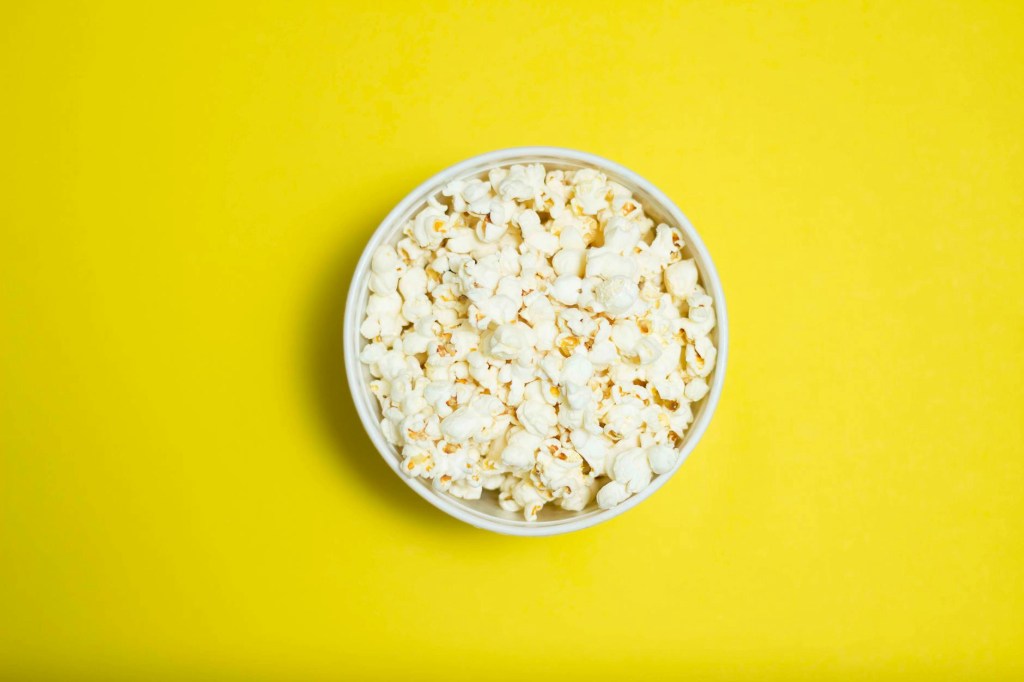
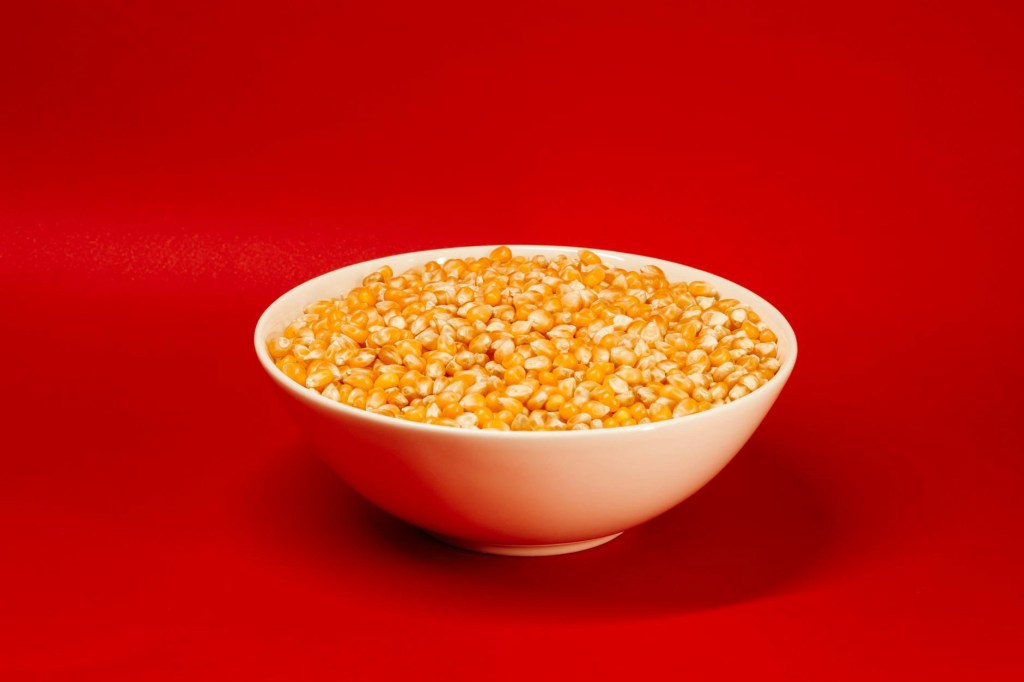
  1. Popcorns are corn kernels which get popped when heated. Today, across the world, this has become the most popular snack amongst all age groups. Corn is the oldest grain which has been consumed for over 5000 years. It has been popular due to its easy availability and low cost. As far as health point of view is considered, it is a whole grain food, rich in fibre, low in calories and dense in nutrients.
  2. Studies show that popcorn is high in fibre and contains many vitamins and minerals. Important nutrients in popcorn are vitamins B1, B3, B6, iron, potassium, manganese, zinc, copper and phosphorus. Many studies also show that it is rich in polyphenols which are potent antioxidants. Polyphenols reduce the risk of damage by free radicals, diabetes, and heart disease and improve gut health. Popcorn is gluten-free so it can be a healthy option for people with gut issues.

3.Since, it is high in fibre and low in calories, it can help in weight loss. Eating a cup of popcorn which is around 30 calories can relatively be more beneficial in terms of fibre and nutrient content than any other popular snack. Also, it can give the feeling of fullness and curb your hunger for quite some time. Therefore, eating in moderation of popcorn can be very useful in the process of weight loss in an overweight individual.

4.Popcorn contains antioxidants Zeaxanthin, beta carotene and lutein which are very essential to eye health. These antioxidants can slow the age-related macular degeneration of the eyes, lower the damage caused by blue light and overall improve the eyesight.


5.Other health benefits of yellow popcorn are :
*Boost the metabolism and energy production due to the presence of vitamins B, B3, B6 and folate.
*Popcorn contains niacin which helps to reduce depression naturally.
*Phosphorus, and manganese present in popcorn help to support bone health.
*Popcorn can combat tumour cells due to the presence of ferulic acid.
*It can reduce the level of bad cholesterol and prevent the risk of heart disease.
*It can slow down the process of ageing as it helps in free radical damage.
*It can add iron (28 gm of popcorn containing 0.9mg of iron) to the diet and reduce anaemia. *It can control blood sugar as it has a low glycaemic index and helps in diabetics.

6.Air-popped popcorn is healthiest. Unsalted popcorn, unflavoured is healthier than those with an excess of oil, butter, sugar, caramel, and salt. Microwave popcorn bags which are pre-packed contain the chemical perfluorooctanoic acid (PFOA) and sometimes, trans fat which are harmful to health.


7.Popcorn added to diet in moderation can prove to be safe and beneficial to health. But it may have side effects on certain individuals. Some individuals can have allergic reactions to popcorn like swollen face, and breathing difficulty which may require urgent medical attention. People with digestive diseases and inflammatory bowel disorders can have flaring-up symptoms when consuming popcorn.


8.Popcorn is the ideal choice for adding to your diet in moderation. You can definitely enjoy popcorn daily, as long as you stick to one cup per day without any butter, salt, sugar, or artificial flavors. This will provide a healthy dose of whole fiber content, making it the most nutritious snack option for your diet.

9. Yellow corn which is organically grown, non-GMO, is best for regular consumption. Popcorn which is popped from such type of high-quality corn, air popped with no added flavours is ideal and provides immense health benefits. Rich in phytonutrients, vitamins, and minerals, whole grain fibres can help to reduce the risk of chronic illnesses, obesity, diabetes and many malignancies.

Thanks for reading.

Peace and love 🙏

10 facts to know about your gut flora 🙌

Hello everyone 🤗

  1. The gut flora is mainly composed of trillions of gut microbiomes which are mainly bacteria, fungi, viruses and archaea. This is unique to every individual and develops in his/her lifetime, as distinctive as the fingerprint. Initially, the intestinal tract of a newborn at birth is sterile. The newborn’s gut is first colonised by the mother’s bacteria during the process of vaginal delivery. Environmental bacteria also start colonising in the baby’s gut as soon as it is exposed after birth. Then, slowly the child’s gut starts developing into a unique microbiome flora depending upon the different food intake and environmental exposures with time.
  2. The gut starts having both good and bad bacteria with different kinds of food and environmental exposures. Good bacteria mainly help in the digestion and absorption of the food and nutrients. They strengthen the immune system and produce several beneficial amino acids and vitamins. The more, the good bacteria population, the healthier the person and the stronger the immunity, in his lifetime. They are simply the protectors of our health and well-being.

3. There are bad bacteria also in our intestinal gut flora. As long as they are low in level, they remain harmless. But then, when we take antibiotics or develop unhealthy food choices and habits, smoking, drinking alcohol and so on, the good bacterial flora is at risk and starts eliminating. In such cases, bad bacterial flora starts flourishing causing havoc in the immune system leading to various diseased states. Chronic inflammation starts progressing leading to autoimmune diseases, cancers, and inflammatory bowel diseases.

4. As research has progressed, studies have found links between bacterial species in the gut to certain types of diseases. Metabolic diseases like obesity and type 2 diabetes are found to be linked with the presence of certain bacterial species of Lactobacillus.
New studies have shown strong evidence of gut kidney connection. Certain species of bacteria in the gut microbiome result in uremic toxins while digesting protein which may be a factor in developing chronic kidney diseases. Several studies have shown a link of depression to the gut microbiome. Various bacterial species like Eggerthella and Sellimonas are found at high levels in individuals with depressive symptoms.

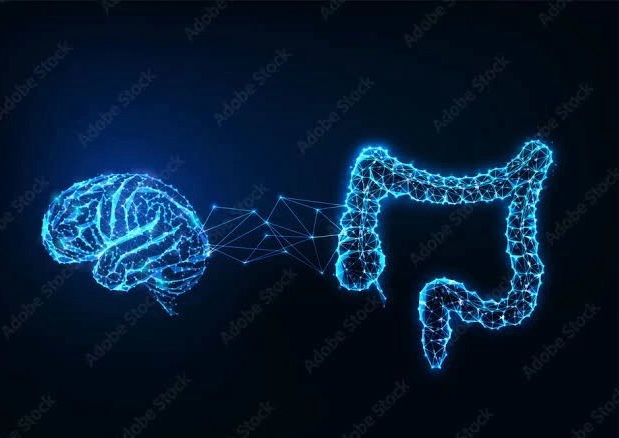
5.The gut-brain connection plays an important role in a person’s well-being. That is why the gut is known as the “second brain”. The gut nervous system can be called the Enteric Nervous System, which has around 100 million nerve cells from the oesophagus to the anal opening. The main functions of this system are digestion, absorption of nutrients, and release of enzymes for food breakdown. Studies show that irritation in the GI tract may trigger the central nervous system to change moods. The gut microbiome also produces hormones like serotonin, and norepinephrine which are important for mood changes. Therefore, there is a strong connection between depression and anxiety in people who deal with gut issues like irritable bowel diseases, stomach upset, pain, and constipation.

6.The signs of a healthy gut are the regular pooping habit, which may be 2-3 times a day to 3-4 times a week, the range can vary with every individual. There is no pain, no bloating after eating, and no discomfort during bowel movement. Symptoms like bloating, diarrhoea, stomach pain, feeling of fullness after eating or malnutrition can be the signs of an unhealthy gut or tigger for slowly increase in bad bacteria. In such cases, clinical attention is required to investigate and diagnose any bowel issues.

Sugar rich foods

7.The common triggers which may lead to an unhealthy gut can be too much stress, constant fatigue, sleep disturbances, ultra-processed food, a sugar-rich diet, and too little intake of fluids. The frequent use of antibiotics has a link to an unhealthy gut. Therefore, these lifestyle habits need to be avoided as practically as possible. Skin conditions like psoriasis do have a link to an unhealthy gut too.

Natural foods

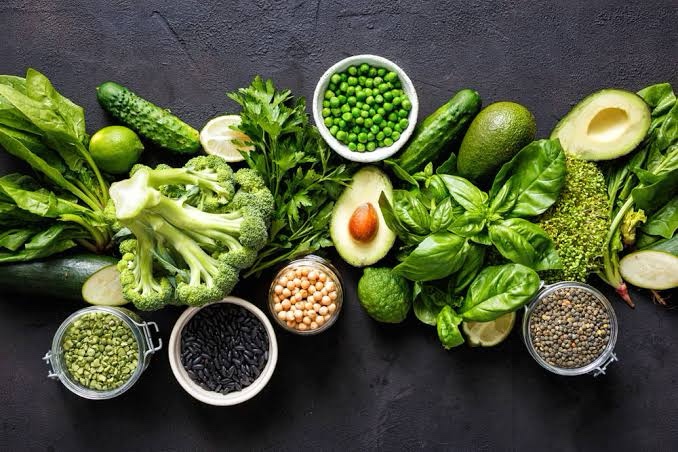
8. The common ways that we can take care of our gut health and improve the good bacteria count are by having a fibre-rich diet with plenty of vegetables and fresh fruits. A diet rich in whole grains, legumes, pulses, nuts and sea fishes. Lowering the sugar-rich foods, limiting the everyday stress, and remaining hydrated as possible. Intermittent fasting is beneficial too for gut health and flora.

Fermented foods

9. Another important food for our gut health is fermented food as they are rich in probiotics. Plain yogurt, buttermilk, kimchi, sauerkraut and kombucha to name in the list. There can be other varieties of fermented food too which can be local or region-specific around the globe. Any food which is fermented or sprouting can be excellent for gut health as it increases the lactobacilli and keeps the growth of bad bacteria checked.

Walking in nature
Gratitude journal

10. So, the simple tips to take care of gut health are to have more and more fibres and probiotics daily, curtail sugar as much as possible, stay hydrated, keep out of stress, meditate to calming mind like walking in nature or listening to music, exercising, mild to moderate ways, practising gratitude journal every day increases happy hormones and trying to maintain a sleep routine. Ultimately, the best way to live a longer and healthier life is to live in harmony with nature.

Thanks for reading.

Peace and love 🙏

‘New Year’ wishes 🙌

First of all, I am incredibly appreciative that I get to celebrate another new year with the Supreme and all of my beautiful bloggers.

Let us hope that this new year, with its 365 fresh days, will bring us growth, positivity, action, hope, and the drive to achieve our objectives. Not to mention to make time for our loved ones and family.

Both failure and success are fleeting. The capacity to continue going forward is most important.

I’m wishing everyone a wonderful and prosperous 2024 New Year !

Thanks for reading.

Peace and love 🙏

10 facts to know about fatty liver 🙌

1. What is fatty liver? As the name rightly suggests, is a state when there is a build-up of fat in the liver. It can happen in 2 ways – Nonalcoholic and Alcoholic fatty liver types.
Nonalcoholic fatty liver is a common type where the cause is not exactly known but may be due to obesity, belly fat or chronic conditions like diabetes. Simple fatty liver is the condition, where there is fat in the liver but there is no inflammation, damage to liver cells or other complications. Alcoholic fatty liver is a serious type which is related to drinking alcohol.

  1. Simple fatty liver remains most of the time undiagnosed unless you end up doing a liver enzyme test and liver function test. When the liver enzymes Serum alanine aminotransferase (ALT) and Serum aspartate aminotransferase are mildly elevated are indicative of simple fatty liver. When liver enzymes SGPT (Serum glutamic pyruvic transaminase) and SGOT(Serum glutamic oxaloacetic transaminase) show increased levels are indicative of liver cell damage and liver inflammation.

3.To deal with a fatty liver, first and foremost , reducing belly fat and losing weight is essential. To start incorporating organic food in diet like cruciferous vegetables broccoli, cabbages, cauliflower, spinach, sulphur rich vegetables like onion, garlic which are also loaded with glutathione. Organic food is primarily good for the liver because they are free from pesticides, fungicides and GMOs (genetically modified organism) which are harmful to the liver’s health. GMO food like soya bean, canola or some breeds of corn are unhealthy for the body.

4.Fasting :Intermittent fasting and prolonged fasting, not only help in losing weight but also stimulate autophagy in the body. Autophagy is the body’s renewal mechanism of cleaning the debris of damaged cells and recycling some parts of them towards cell repair. Usually, 12-16 hour long fasting is beneficial but the most effective is 16 hours long which will also facilitate fat burning. Other methods to stimulate autophagy are drinking coffee or a cold bath. Fasting helps to reduce inflammation and level of the liver enzymes.

5.Lifestyle changes: Dietary changes like avoiding sugar, and saturated fat, reducing salt intake and switching to organic food are beneficial. Portion control while eating helps the quantity intake during meals. Moderate to high intense exercises and increase in physical activity during daytime, permanently eliminating alcohol, maintaining sleep routine and remaining stress-free as far as possible contribute to liver health.

6.Detoxification: Cleaning toxins from the body routinely not only benefits the liver but the overall body from harmful abuse. Some food items which naturally detox the liver are high fibre-rich oatmeal, green tea which is rich in antioxidants, avacado rich in healthy fat and fibre, olive oil rich in antioxidants and helps to reduce LDL cholesterol and free radical damage.
Fatty fishes like salmon, and sardines which are high in Omega 3 fatty acid, is a healthy fat that promotes liver health and prevent damage to liver cells. Liver friendly nuts are almonds and walnuts. Tofu, which is high in protein helps to prevent the accumulation of fat in liver cells.
Whole grains and unprocessed cereals help to break down the fat in the liver cells by preventing them from accumulating in the cells.

7.Herbs: A natural herb called milk thistle has been used for centuries to improve liver diseases. Research studies have been carried out to study its evidence on liver health. Some reports do suggest that it has a beneficial effect on liver diseases like cirrhosis and hepatitis. Studies have shown Milk thistles do show improvement in cholesterol levels and insulin resistance to type 2 diabetes. Some studies show that it is a natural antioxidant and increases the level of Glutathione. But, the most important advise is before trying a herb, we need to consult our Physician.
Other herbs which are beneficial for the liver are green tea, cucurmin, licorice and ginseng.

8.Tocotrienols primarily are the unsaturated form of vitamin E which are naturally found in rice, wheat, vegetable oils and cereals like barley. Tocotrienols are strong antioxidants and anti- inflammatory which prevent damage to liver cells. Studies show that tocotrienols can lower cholesterol, and lower the risk of stroke, and cancer. In the liver, it can help to prevent damage to liver cells by maintaining the liver cell integrety.

9.TUDGA: Tauroursodeoxycholic acid (TUDGA) is a bile acid found naturally in humans. Medical practitioners use it to treat conditions like liver cirrhosis, reduce cholesterol levels, some cancers, and cystic fibrosis. Studies have shown that TUDGA used as a supplements do benefit liver health, heart, liver diseases, stroke and cancer. Due to possible side effects, and daily dosage, a physician needs to be strictly consulted before using such supplement.

10.Drinking plenty of water: Last but not least, the easiest way to promote liver health is by drinking plenty of water. Water consumption helps to knock down the harmful toxins from liver cells. Dehydration of bile ducts can increase the risk of gallstones. So,drinking water is very vital.
Not all drinks, sodas and soft drinks are liver-friendly. So, clear water is the most beneficial drink for releasing toxins from the liver. Adding a piece of ginger or a few lemon drops in the water can be helpful.

Thanks for reading.

Peace and love 🙏
Diwali wishes to all 🙌

Today’s world is full of negativity and uncertainty where change is inevitable. Not all changes are comfortable. But faster, we accept, the sooner is the liberation and reconciliation process. Never lose the sight of hope and faith in the Supreme because it is this light which will lead us through the journey, no matter how hard it may be.

On this auspicious occasion, may the Supreme enlighten our hearts and fill our minds with happiness and positivity by strengthening the human bonds within family, friends and community.

Happy Diwali to all my dear readers with lots of love and luck. God Bless 🙌

10 truthful facts for widely consumed French fries 🍟

  1. French fries have been the most popular and widespread available fast food around the globe. Unlike its name, it was originated in Belgium. Regardless of its popularity, it has been proven time and again as one of the unhealthiest foods on the planet. Deep-fried potatoes are not only rich in starch content but also fatty due to being heavily fried in oil. They are instant sources of starch so are easily available for a quick bite. Frequent eating of this junk food is a potential risk of cardiovascular and metabolic diseases due to their high glycemic index.
  2. According to The American Journal of Clinical Nutrition, consuming french fries not only multiplies the health risk but also increases the risk of early death. Adding to that, you start gaining weight and weaken the immune system by destroying your healthy gut microbiome with unhealthy flora.

3. Nutritionally stated, potatoes are a good source of antioxidants, carotenoids, flavonoids and phenolic acid. Also, it is loaded with fibre content, vitamin B6, and minerals and is gluten-free. But, what makes fries calorie-dense is due to the deep frying technique to make them crispy. As a result, the nutritional content is damaged. Due to high calories, obesity is directly linked to consuming fries and junk food.

4. Studies show that fries are prepared with saturated fat which is metabolized at a much slower rate than protein and carbohydrate in the body. So, people are most likely to get stomach issues. The saturated fat further increases the bad cholesterol in the body which elevates the risk of atherosclerosis, heart disease and stroke.

5. To pile up the adverse effects of consuming fries regularly can weaken the immune system, and gut health making us vulnerable to diseases and inflammatory conditions including cancers. The hydrogenated fats used in fries can likely lead to foggy brain, dementia and Alzheimer’s disease.

6.Research studies have found that when potatoes are deep-fried, a compound named acrylamide is formed which can be directly linked to mental health issues like depression and anxiety. In today’s time, fries are consumed more by the younger generation compared to older ones, making them more vulnerable to mental health issues like depression and anxiety.

7.Moreover, fries contain a high amount of salt which makes them even worse. The high salt content can lead to a high risk of hypertension, heart disease, stroke and kidney disease. In addition to that, tomato ketchup, different varieties of sauces, and mayonnaise make them even more unhealthy due to artificial flavouring agents and other processed ingredients.

8.According to some studies, are french fries can be label as ‘death food’? No not exactly because most meals in restaurants are still served with fries as a meal accompaniment. Eating them for once a while or once a month in a small portion is not harmful or the effect on health is negligible. But, having them 2-3 times a week in large quantities will most likely lead to chronic diseases like diabetes type 2, heart disease, stroke, and inflammatory conditions which may cause death risk.

Sweet potato fries

9.To make them healthier and still have the experience of having french fries, opt for a healthier version like the baked ones. A thicker version of fries can be opted to reduce the fat content, fried in olive or cannula oil. More over, having them with a healthier meal mate like salad, chicken or soup is another good idea. Sweet potato fries are healthy too.

10. Actually, not just french fries, but all deep-frying foods which are available and widespread have a high risk of developing chronic diseases like heart disease and stroke. Frying damages the nutrients, antioxidants and protein naturally available in the food item. Moreover, the frying medium of oil adds to the trans fat, acrylamide which further multiply the health hazard. The best thing to do is to avoid them completely or have them rarely. Once in a while is quite okay.

Thanks for reading.

Peace and love 🙏

Wordless Wednesday 🍃

10 hard facts about Taurine 🙌

Hello everyone ,

1. Amino Acid :Taurine is found naturally in our body. Chemically, it’s an amino acid or more precisely amino sulphonic acid. Since it is naturally available in the body, it plays a significant part in different bodily functions like metabolism, immunity, nervous system, electrolyte balance, biliary system.

2. Nervous system :Taurine as an abundant amino acid support building up the nervous system, helps in storing memory. As ageing progresses, it’s bodily reserve reduces with age. Due to its decreased levels can be responsible for neurodegenerative diseases like Alzheimers’ or memory deficits.

3. Liver :The liver is supported by taurine mainly to break down cholesterol into bile salts. Bile salts play a crucial role in the digestion and metabolism of fat in the body.

4. Lifespan: Researches show that high taurine levels do have anti-aging effects. From its lower levels contribute to inflammation, diabetes, obesity, hypertension, so, with improved levels of taurine, these risk factors are significantly reduced. Food supplementation of taurine and exercise do contribute to the lifespan.

5. Cell protective agent: Taurine plays a vital role in regulating cell volume, calcium homeostasis, sweeping free radicals and stabilizing the cell membrane.

6. Heart : Studies show that taurine reduces the risk of heart failure by lowering the progression of atherosclerosis. It has a potential vasodilating effect. Taurine supplement in people who have a history of heart failure shows lower levels of cholesterol. Low Taurine levels may be a significant factor in the development of cardiomyopathy.

7. Eye :Studies have shown that taurine is abundant in the retina of the eye. Reduced levels of taurine is linked to eye disorders like glaucoma, retinal degeneration like diabetic retinopathy.

8. Muscle :Studies show that taurine helps to improve muscle power and strength. Taurine appears to help restore muscle injuries, damage, pain and reduce progress in people with muscular dystrophy.

9. Food : Taurine is found in dairy and high sources are mainly meat, chicken and fishes. As for plant based diet, seaweed is a good source of taurine.

10. Dosage : Taurine supplementation is not usually recommended as it is naturally available in the body and in our diet. If prescribed clinically, evidence shows that consumption of 3 gms per day works well without the risk of side effects. Taurine has also been an essential component in energy drinks in case of physical performance. Some infant formulas contain taurine because it is not naturally found in babies as it is in adults.

Thanks for reading.

Peace and love 🙏