10 facts about Nigella seeds πŸ™Œ


1.Throughout history, Nigella seeds, known scientifically as ‘Nigella Sativa’, have been utilized in a variety of culinary dishes in South Asian and Middle Eastern regions. These seeds grow from a flowering plant. The taste of these tiny black seeds is similar to that of onion and oregano, but they are slightly bitter. They are known for centuries for their immense medicinal and health benefits. They can be utilized in various forms, such as whole, oil, capsules, or powdered form.
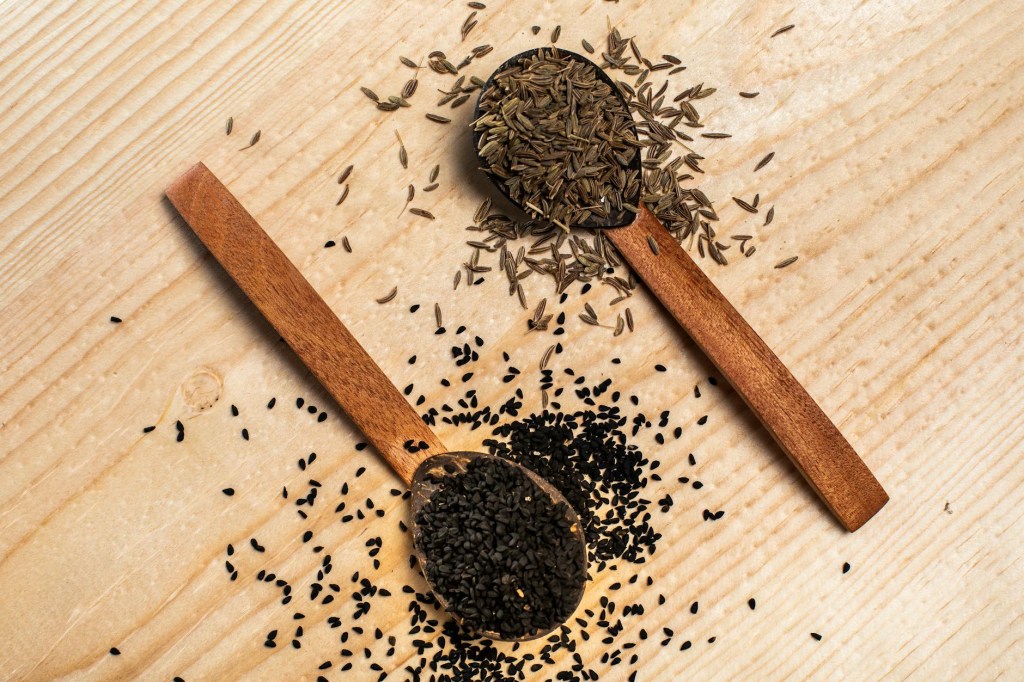
2.Nutrition: Packed full of minerals and vitamins, including iron, calcium, zinc, copper, thiamine, phosphorus, folic acid, and many more, it’s a power meal. Useful fatty acids including linoleic, oleic, palmitic, and arachidonic acids make up the seed oil. Thymoquinone, its primary active ingredient, is extremely beneficial to health.

3.Antioxidants: Nigella seeds are full of antioxidants, which can fight free radicals and prevent oxidative stress. Studies show that nigella seeds contain several amino acids like carvacrol, thymoquinone, and 4-terpineol, which are powerful antioxidants. Hence, regular intake of nigella seeds can help protect against a wide variety of diseases, like heart disease, diabetes, cancer, and obesity.

4.Cholesterol: Many studies have shown that taking nigella seeds powder can help to lower LDL cholesterol and increase HDL cholesterol levels. This powerful effect can help the body prevent atherosclerotic diseases and ischaemic heart disease.

5.Brain: Nigella seeds have been shown to have the ability to slow down or prevent the progression of certain neurological inflammation in the brain, including Alzheimer’s disease, epilepsy, encephalomyelitis, depression, and Parkinson’s disease. Some research have also shown that nigella seeds can slow down the progression of dementia and age related memory loss.

6.Anti-cancer: Research has shown that the antioxidant thymoquinone has strong anti-cancer properties. Lung, cervical, pancreatic, prostate, skin, and colon cancers can all be prevented with the use of nigella seeds and their constituents. However, further data and investigation are needed to validate these effects.

7.Anti-bacterial: Studies have demonstrated the anti-bacterial properties of nigella seeds on germs that cause everything from ear infections to pneumonia. Their antibacterial and antibiotic qualities aid in the treatment of skin infections. They can aid in the management of chronic obstructive lung disorders and asthma because of their anti-inflammatory qualities. To manage such problems, people take the oil in capsules. However, further investigation is needed to fully understand these impacts.

8.Skin: Studies have shown that black seed oil can be used routinely to moisturize and skin cleansing. It can help to manage certain skin issues like psoriasis, eczema, vitiligo, pigmentation and wound healing. It can fasten wound healing, repair tissue damage, reduce skin irritation, heal minor burns, scar tissues. It can also help to moisturize hair, reduce hair loss.


9.Dosage: Nigella seeds have been found to have many health and healing properties and is widely been used. It’s available in capsule, powder, tablets, creams, oil, soaps, shampoos and many more forms. It is safe in small doses , about 1-2.5 gm by mouth on daily basis. But, it is recommended to inform your Primary Physician before using it.

10.Side-effects:
*Bleeding disorder: It slows blood clotting, so it is contraindicated in people with bleeding disorders. *

*Since nigella seeds may interfere with metabolism, it is important to inform the treating physician while using them.

*It can slow down uterine contraction so nigella seeds supplementation should not be used during pregnancy.
*Usually it protects the kidneys but excess consumption like 2000-2500mg daily may affect kidney health.
*The best way to minimize the potential side effects is by incorporating nigella seeds paste or oil in very small quantity in meals to enjoy the immense health benefits, these seeds provide.

Thanks for reading.

Peace and love πŸ™

10 facts to know about warts πŸ™Œ

  1. Warts are painless growths that are bumpy in nature and can grow on various parts of the body, such as the hands, knees, face, extremities, and even genitals. They are caused by various strains of the Human Papilloma Virus (HPV). Warts are contagious and can spread from one part of the body to another through contact, and person-to-person transmission is possible through skin contact and sexual contact.
  2. Different types of warts can occur depending on the location of the body: – Common warts can appear on the fingers, feet, and toes. They are usually not serious and not painful. Plantar warts appear on the sole of the feet. Filiform warts grow on the face, chin, around the mouth, or nose. Genital warts grow in and around the genitals and are caused by specific strains of HPV. They are usually serious, and warts in the cervix can potentially lead to cervical cancer.
  3. Warts are usually not dangerous and are quite common. Common warts that grow on the face, hands, and feet are painless and harmless. If they become uncomfortable, they can be treated by using salicylic acid cream, cryotherapy, laser therapy, or surgical removal. Home remedies such as using apple cider vinegar and duct tape can also be effective. Recurrence is common, so treatment should only be done if necessary.

4.Warts can be dangerous and require medical attention if they appear on the genital regions, inside the mouth, or nostrils. Warning signs for needing medical consultation include bleeding, a change in the color of the warts, or if they become painful. Individuals with immunodeficiency conditions such as HIV infection, AIDS, or diabetes should seek medical attention if they develop warts.

5.Genital warts are commonly sexually transmitted infections. Some particular strains of HPV are responsible for genital warts. They are skin-coloured bumps usually grown on moist areas of genital regions. They are common in both males and females. It can also be transmitted in the mouth and throat regions through oral sex with an infected person. Such conditions require immediate medical attention.

6.Around 40 strains of HPV causes genital warts. People who are at risk to get infected are those who have a weak immune system, people with diabetes, people who are sexually active with a partner who have a past history of infection, not getting HPV vaccine, unprotected sex and multiple sexual partners.
Genital warts can lead to complications like cervical cancer, or cancer of other genital region. PAP smear tests in females are important to those who are at higher risk of HPV infection.

7.Difference between common warts and genital warts are common warts are harmless, benign, painless and self limiting. Whereas genital warts are a type of STD, sexually transmitted disease and are potentially dangerous. Genital warts require medical attention. Both types of warts resolve spontaneously but can reoccur mostly. Both of them are caused by different strains of HPV. Treatment are topical cream, cryotherapy, electrocautery and laser therapy.

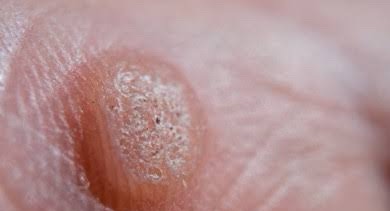
8.It is important to know the symptoms of warts so as to indentify whenever appear in the body. Normally, they appear as bumpy small swelling on the hands, fingers, toes, knees, face and eyelid. Rough to touch, usually painless, and can bleed while friction with clothes or while scratching. Warts might have black dots beneath the top layers as these are clotted blood vessels.

9.Recurrence of common warts as well as genital warts require the attention of Dermatologist. Persistence of common warts in face, eyelid, fingers, toes may make require special treatment like laser therapy, cryotherapy or surgical removal. In case of genital warts’ recurrence, biopsy may be necessary to rule out cancer.

10.Understanding preventive measures can help to prevent and get rid of warts. Some ways:

*Prevent sharing of towels, clothing and personal items like nail cutter, razors of another person who has warts.
*Prevent touching of another person’s warts.
*HPV can enter through cut or broken skin. So, preventing dry, cracked skin by using moisturizer.

*Taking precautions like using condoms to prevent genital warts.
*Always wearing shoes, sandels, flip flops while using public toilet, locker room, pool area and showers.

Thanks for reading πŸ™

Peace and love πŸ’

10 facts to understand why glutathione is necessary πŸ™Œ

Hello everyone βœ‹

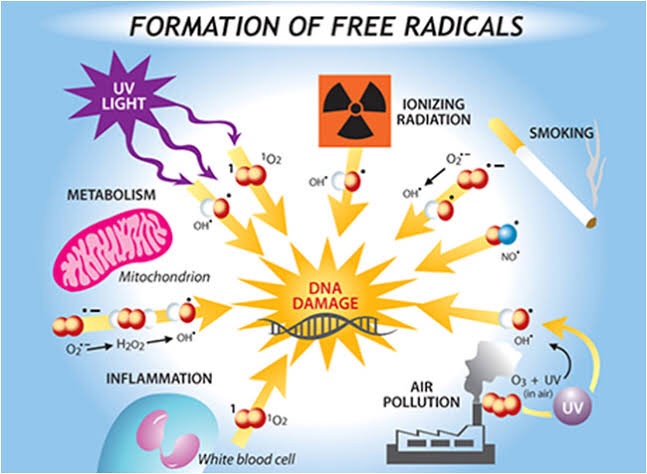
1.Glutathione is a naturally found antioxidant in our body. It is important to know about this powerful antioxidant because it has a host of many benefits. Its primary function is to fight free radical that damages body cells. It’s vital for the body because it helps to protect from many diseases like autoimmune diseases, liver damage, heart diseases, respiratory diseases and neurological disorders. As we grow older, the glutathione level slowly declines and the body marches towards poor health.


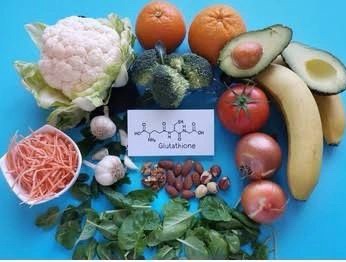
2.It is essential to maintain the level of glutathione in the body. If the level drops, certain symptoms may appear, such as anemia, fatigue, increased frequency of infections, low immunity status, sleep problems, and brain fog. To boost glutathione levels, it is recommended to consume sulfur-rich foods such as cruciferous vegetables, avocados, broccoli, spinach, garlic, and unprocessed meat. Several studies have indicated that consuming vitamin C can increase glutathione levels in the body. Therefore, it is important to consume citrus fruits, bell peppers, kiwis, and papayas regularly. Additionally, it is recommended to consume foods rich in selenium such as chicken, fish, eggs, Brazil nuts, and brown rice to maintain glutathione levels in the body.

Aging

3.Glutathione is a compound that is mainly composed of three amino acids: glutamine, glycine, and cysteine. Our body naturally produces this compound, but its level decreases with age. In addition, chronic diseases, poor diet, stress, anxiety, and frequent infections can also contribute to the reduction of glutathione levels. Low levels of glutathione are commonly found in individuals suffering from chronic diseases such as heart and liver diseases, sepsis, trauma, HIV/AIDS, and cancers. The role of glutathione in the body is crucial because it helps to prevent free radical damage, repair cells, and facilitate protein synthesis. Moreover, glutathione can bind with toxic metals like arsenic, silver, lead, chromium, mercury, and copper, and help to reduce their toxicity.


4.Glutathione is a powerful antioxidant that offers several health benefits. It can reduce oxidative stress caused by free radicals and prevent the development of various diseases such as diabetes, cancer, autoimmune disorders, and rheumatoid arthritis. Glutathione can also help to reduce cell death and improve blood levels of protein, bilirubin, and enzymes in fatty liver diseases like alcoholic and non-alcoholic types. Additionally, it plays a significant role in maintaining mitochondrial DNA, which is necessary for building proteins and cells. Several studies have shown that glutathione can improve blood circulation and prevent plaque buildup, thereby improving peripheral arterial disease. It may also help to improve symptoms of tremors and rigidity in Parkinson’s disease, respiratory diseases, uncontrolled diabetes, autism in children, and psoriasis.

Glowing skin
Gut health

5.Various studies have demonstrated that glutathione has a significant role in preventing skin problems such as acne, eczema, wrinkles, and aging. It also helps in maintaining healthy and glowing skin. When the balance between good and bad microbiome in the gut is harmonized, the overall health of the body is improved, and the skin appears healthy and radiant. However, if the balance is disrupted, it leads to skin problems and other health issues, including bowel disturbances. Glutathione is instrumental in detoxifying the body, repairing cell damage, and maintaining a balanced gut health. Therefore, by improving the level of glutathione in the body, it is possible to resolve skin problems and many gut issues.

Supplements


6.Low levels of glutathione can lead to a variety of health issues. While natural food sources are the best way to improve glutathione production in the body, supplements like vitamin C and E, curcumin, N-acetylcysteine, and selenium can also help. However, injectable supplements can be toxic and oral supplements are not very effective as they break down in the stomach. In cases of low immunity, glutathione is sometimes medically prescribed. In such cases, oral or injectable supplements may be recommended under medical supervision.

Alcohol

7.Certain lifestyle changes are essential to improve the glutathione levels in the body. Avoiding smoking, alcohol, too much dairy, caffeine and processed food is required to boost the levels in the body. Having a balanced diet, with good quality natural food sources, exercise and good sleep can improve the glutathione production in the body.


8.Glutathione levels are not typically measured in the body like essential nutrients, so research is still insufficient to understand the effects of low levels and supplement requirements. Studies do show that low levels can result from poor diet, stress, environmental toxins, and increasing age. Low levels of glutathione are associated with an increased risk of chronic diseases like cancer, diabetes, liver diseases, and Parkinson’s disease. However, supplementing with glutathione does not decrease the risk, so more studies are required to determine the optimal intake and its effects.

Milk thistle


9.Supplements of glutathione that are commercially available include Selenium, Vitamin C and E, milk thistle, and N-acetylcysteine. The dose of glutathione depends upon an individual’s age, sex, past medical history, and drug allergies. Studies have shown that glutathione is given at a range of 250 to 1000 mg/day in either injectable or inhalant forms. However, it is strictly advised to seek medical guidance before taking glutathione supplements since it can cause possible side effects. Some side effects like skin rashes, cramping, bloating can appear and inhalant glutathione might cause breathing problems too.

10.In brief, glutathione is a vital antioxidant that is naturally produced in the body and offers numerous benefits. A deficiency of glutathione can lead to the development of various chronic diseases, including cancer. As we age, the level of glutathione in our bodies naturally decreases. Therefore, it is crucial to be aware of dietary sources that can help boost the natural production of glutathione in the body. If advised by a medical professional, supplements can also be taken to improve the levels of glutathione in the body.

Thanks for reading.

Peace and love πŸ™

10 facts to know about stomach bloating πŸ™Œ

  1. Stomach bloating is usually feeling fullness, swelling or tightness around the abdominal region. The most common thought that comes to mind when you feel bloated is eaten too much, too heavy a meal or your stomach is filled with gas or air. Abdominal bloating is common both in adults, children and also in babies. The common symptoms of bloating can be pain, distention, belching, excessive gas causing flatulence and abdominal gurgles.
  2. Why do we feel bloated? Bloating commonly happens due to excessive gas or air. Sometimes, gas accumulates in the digestive tract due to the slow breaking down of the undigested food due to delayed emptying. This can give rise to bloating. Another common cause is air getting swallowed while eating or drinking too fast which gives the feeling of bloating.
Fizzy drinks

3.Gas is a very common cause of bloating. Drinking fizzy drinks or carbonated beverages causes swallowing of air which may give rise to bloating and disturb digestion causing pain and discomfort. Eating a heavy carbohydrate-rich meal causes difficulty in digesting tougher carbs like sugars such as fructose, lactose, sorbitol or wheat and beans. A considerable quantity of carbs remain undigested causing slow fermentation resulting in gas. The fermentation is caused by gut bacteria while digesting the carbohydrate.

4.Other causes can be constipation, heartburn, malabsorption of food, menstrual symptoms, impaired gut motility, and overgrowth of gut bacteria. There are many medical causes like irritable bowel disorder, parasitic infection, food intolerance, inflammatory bowel disorders like ulcerative colitis and Crohn’s disease, Celiac disease, anorexia or bulimia nervosa, stress, anxiety, depression, hormonal imbalance in case of women.
Some life-threatening causes of abdominal bloating can be ascites in liver diseases, kidney failure, ovarian cancer, and perforation of the GI tract causing the gas to escape giving the symptom of bloating.

5.Bloating is a common symptom in a healthy individual every now and then. Usually, the symptoms of pain, fullness, and discomfort are moderate to severe. It can ease off within hours to 1-2 days normally. Mobility, mild exercise, and having water or herbal teas can slowly ease the symptom. In case of gas, flatulence and constipation, pooping can relieve the symptoms. But, if the condition worsens within days, medical attention is required for evaluation of underlying cause.

6.If the abdominal bloating has a specific cause like food intolerance or food sensitivity, avoiding the particular food or eliminating it from the diet is necessary. Certain food items like sugar food rich in high lactose, and fructose are difficult to digest and can result in intestinal gas and bloating. Food items like wheat, beans, dairy, cauliflower, cabbage, fatty food, fizzy drinks, processed food, beverages can lead to stomach bloating.

7.Bloating is a common problem in many women due to hormonal fluctuations. The female hormone estrogen can cause fluid retention in the body. During phases of estrogen high and progesterone drop, bloating is very common. Moreover, during menstruation, the uterus is already heavy due to fluid can cause stomach bloating. Therefore, in women, during perimenopausal phase and before or during monthly periods, stomach bloating is common. Hormonal birth control pills and oestrogen supplementation can relieve the symptoms with advice from medical experts.

8.Bloating is serious and requires medical attention when the symptoms worsen, continuous pain, bloody stools, fever, and vomiting occurs. Stomach bloating, when associated with physical injury, surgery, ascites in the liver or kidney failure requires medical help immediately. When the abdominal bloating and gas retention becomes chronic, the underlying cause needs to be investigated. As already mentioned before, when hollow organs like the stomach, intestines, gall bladder, uterus, and bladder are distended, they can be palpable and felt on physical examination. Causes like undigested items, fluid, intestinal gas, poop, urine, and internal bleeding in case of injury can be the probable reasons. Inflammation and bacterial overgrowth can also lead to enlargement of the hollow organs. The underlying problem needs to be thoroughly investigated.

9.However, prevention of abdominal bloating can be done if the individual does have this history of bloating quite often. In case of food sensitivity, or food intolerance, avoiding the particular food item is required. Taking long intervals between meals is helpful.
*Having fibres in diet to prevent constipation and easy passage of wastes.
*Drinking water to prevent dehydration,
*Reducing salt intake to prevent water retention,
*Regular exercise and walking.
*Taking probiotic supplements is also quite helpful.
*Some home remedies like apple cider vinegar and applying a warm pad on the stomach may sometimes work too.
*OTC medication like antacids to relieve gas, laxatives to relieve constipation or enema to have bowel motility can be useful too.

Carb rich foods
Beverages

10.Bloating is quite common in a normal individual. If you have an episode of bloating, it is wise to identify and avoid the particular food item that leads to bloating. Normally, avoiding certain situations like having…
*Salty food
*Fizzy drinks,
*Eating too fast should be avoided as it leads to swallowing air.
*Avoiding processed, carb-rich food,
*Fatty food,
*Avoiding alcohol, and smoking as they can create digestive issues .
Having a balanced meal with a bigger portion of fibre in the diet, intervals between meals, drinking plenty of water, and eating slowly can be helpful. Bloating is serious and needs medical attention when the symptom persists, accompanied by other symptoms like bloody stool, weight loss, loss of appetite and persistent pain abdomen. Once the cause is evaluated, treatment can be done accordingly.

Thanks for reading.

Peace and love πŸ™

10 facts to know about chia seeds πŸ™Œ

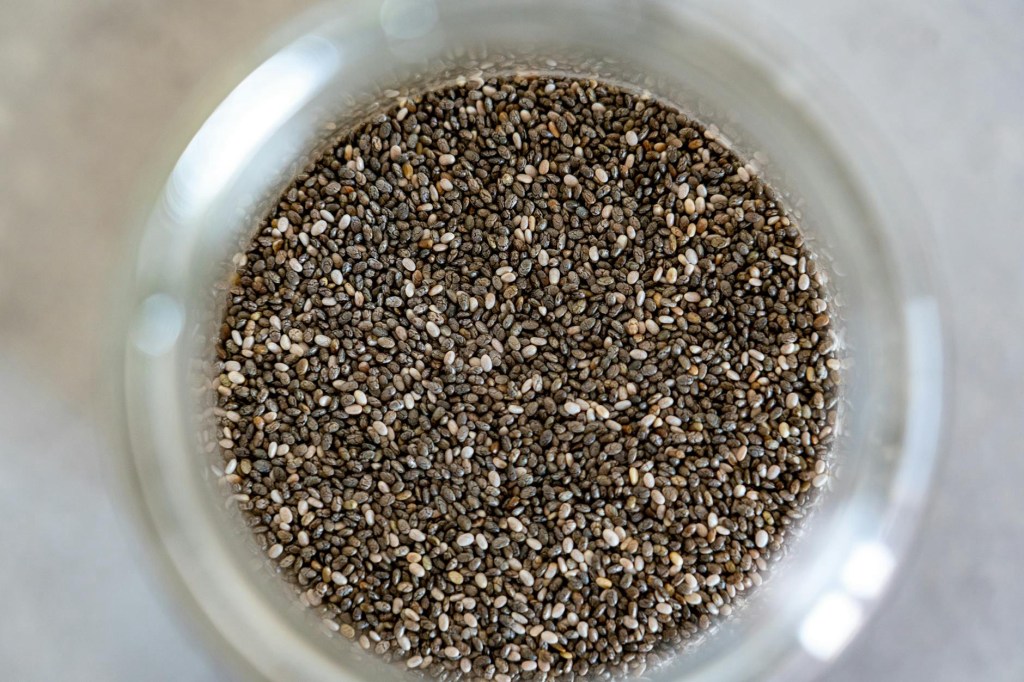
1.Originally from Guatemala and Mexico, Chia seeds also called Salba seeds are grown from a flowering plant. Its known widely for its medicinal benefits. These seeds are rich sources of antioxidants and polyphenols like quercetin, chlorogenic, kaempferol and caffeic acid. They are plant-based sources of omega-3 fatty acids, mostly alpha-linoleic acid (ALA) and nutrients rich in calcium, magnesium, iron and phosphorus that support the immune system. Because of its immense health benefits, it has been commercially grown across the globe to meet the demands.


2.Antioxidant-rich chia seeds can remove oxidative stress by destroying the free radicals in the body. Having it regularly can reduce the risk of developing heart disease, lower the risk of diabetes by improving blood sugar, reduce inflammatory diseases and lower blood pressure. Due to its high calcium content, it helps to maintain bone health, and nerve and muscle function.


3.Though it is a rich source of plant-based omega-3 fatty acids, but eating only chia seeds may not be enough. Other sources of Omega-3 fatty acids like flax seeds, hemp seeds, walnuts etc need to be taken to complete the body’s requirement to prevent developing chronic diseases. Research has shown that having regular Omega-3 fatty acids can maintain heart health, lower cholesterol, lower blood pressure, prevent blood clots and reduce the risk of inflammation like rheumatoid arthritis, lupus, and eczema.


4.Chia seeds are used mainly for healthy weight management. Since the seeds are rich in fibres, they absorb plenty of water, and expand in the stomach. They give a sensation of fullness in the stomach making you eat less. Therefore, it is good for weight management and reduces bloating and belly fat. The rich fibres in the seeds are also good for gut health by providing food for the gut microbiome.


5.Medications: People who have already known cases of diabetes and hypertension and have been using medication for the lowering of blood pressure and blood sugar can use chia seeds but with precautions. Having a teaspoon of the seeds with the physician’s supervision can cause no harm. However, having in big amount can further lower the blood pressure and blood sugar leading to complications.


6.In spite of it’s great health benefits, chia seeds can sometimes cause some issues. Eating in big quantities can further complicate certain conditions like inflammatory bowel disease, in some cases, they can cause diarrhoea, constipation and bloating. Due to it’s fibre content, the seeds are difficult to digest when having in large quantities. Like other seeds, it can be allergic to some individuals. So, having 1-2 teaspoonfuls is recommended normally rather than having a big quantity to prevent complications.


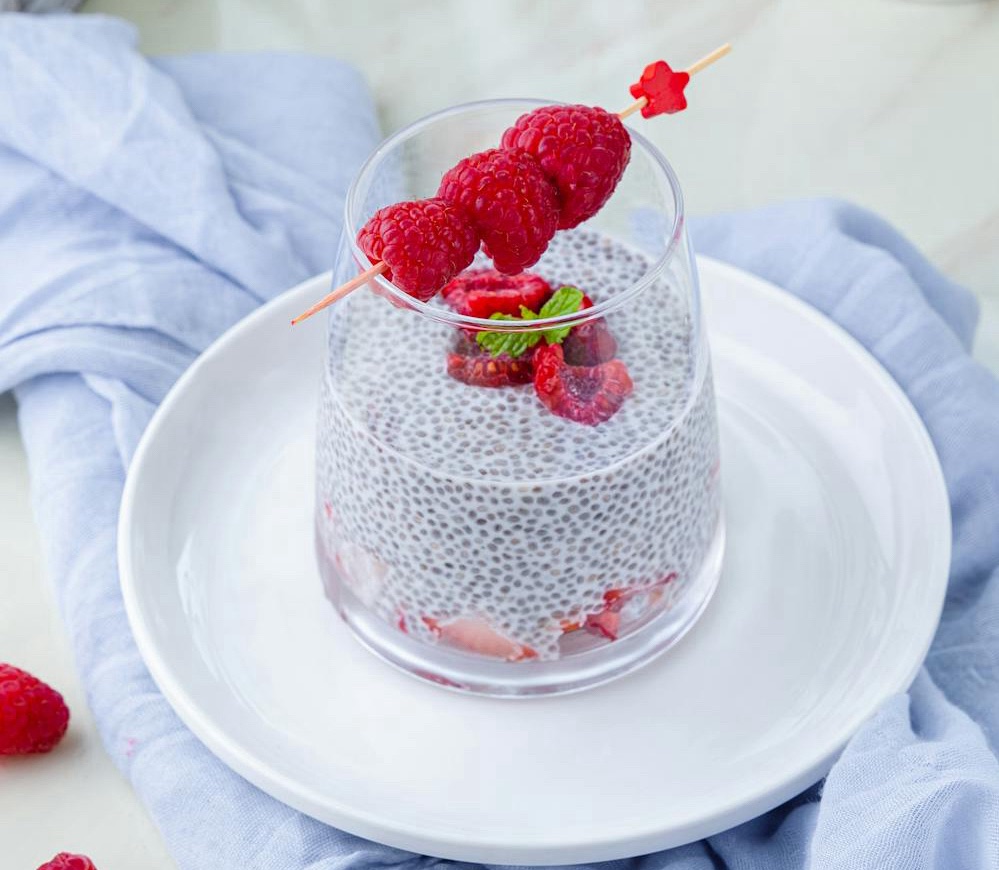
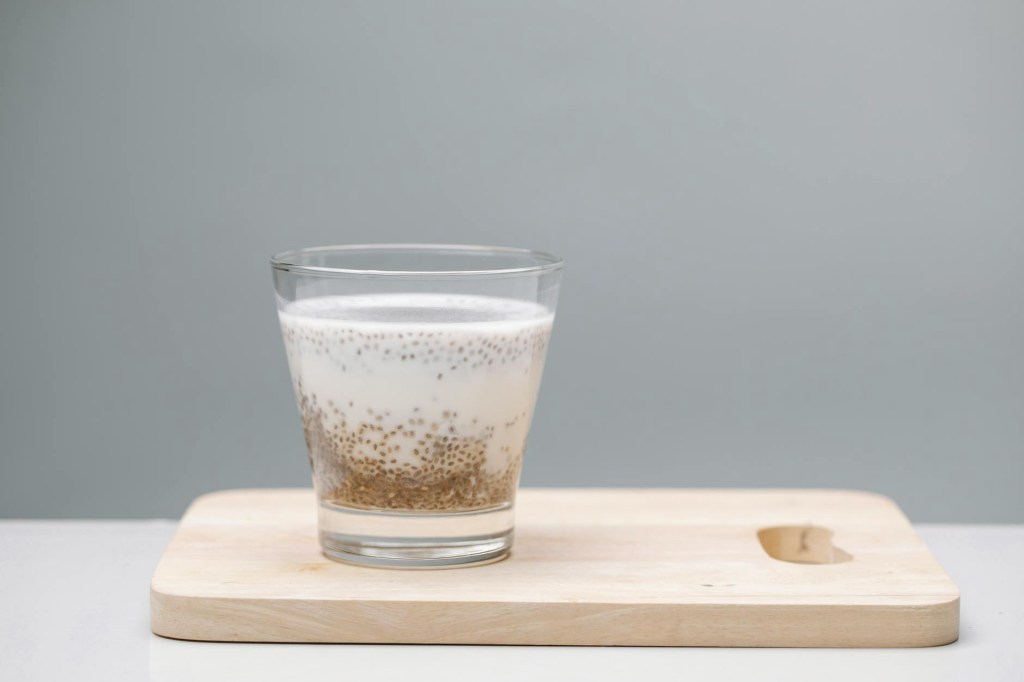
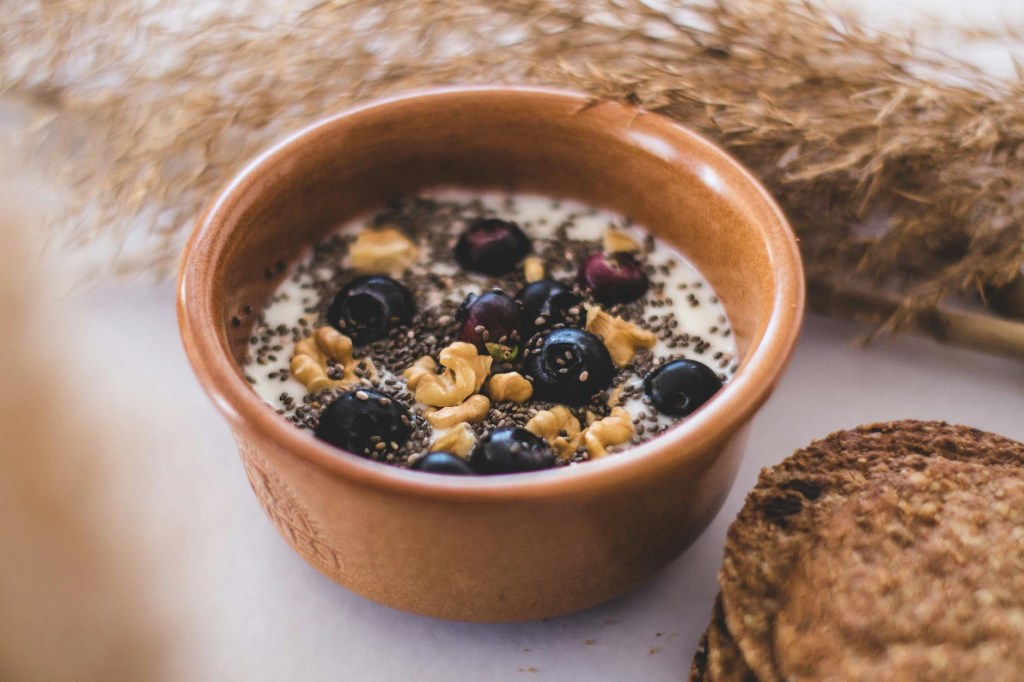
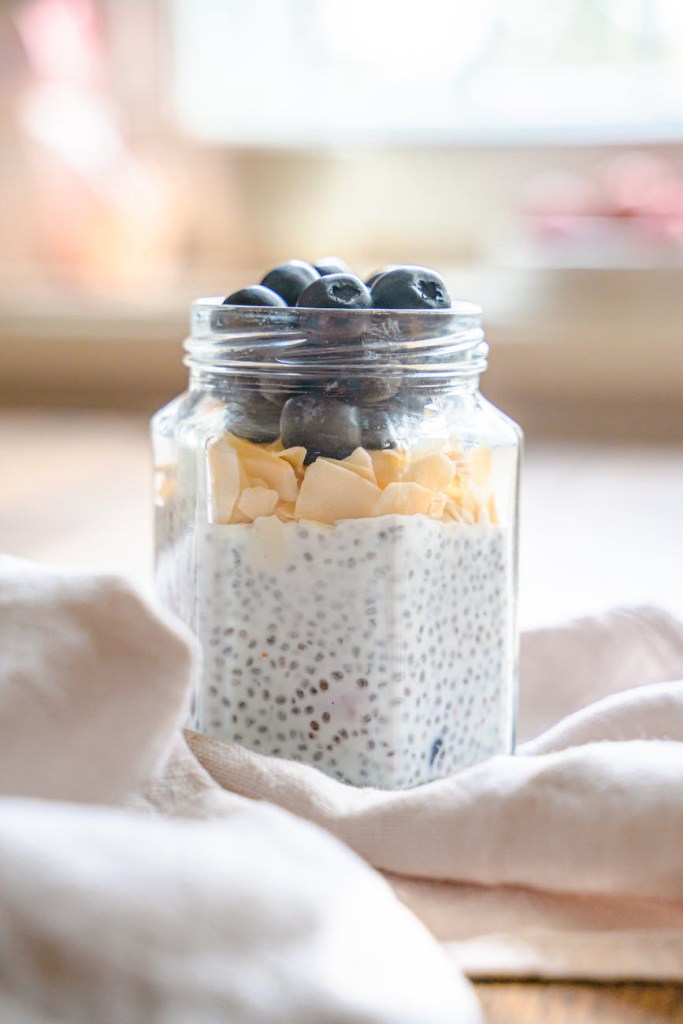
7.Chia seeds are tiny seeds which break easily. Many people use them in either whole form or in powdered form. Sprinkling a teaspoon full of chia seeds in your breakfast bowl of oatmeal, smoothies, and soups are common. Soaking them overnight and using them as chia sprouts is very beneficial. Chia pudding is commonly used as well by mixing them with milk or juice. Ideally, chia seeds are soaked in liquid or sprinkled over meal so that the seeds expand before eating is useful rather than having them directly.


8.The consumption of a high-fibre diet which is a healthy requirement of the body can cause dehydration due to the pulling of water from the tissues. So, chia seeds can be added to your drinking water which can help you remain hydrated throughout the day and also along with meals, this way, the nutrient-dense of the seeds can also be received.


9.Another cosmetic benefit of chia seeds that needed to be mention is that these seeds are good for skin maintainence, reducing skin pigmentation and dark spots. Due to the presence of omega-3-fatty acids, polyphenols and other nutrients, it can prevent or lessen the UV damage to skin. They are good for hair as well and can be used as hair mask.

10.Like all other superfoods, chia seeds should be consumed daily, not more than 25-30 grams per day, or 1-2 teaspoonful daily. They are cooling agents as they retain water in the body and keep you hydrated. Ideally, they should be consumed after soaking them overnight in water to get the maximum benefits.

Thanks for reading.

Peace and love πŸ™

10 facts to know why cold pressed oil is a healthier option πŸ™Œ

Hi everyone !

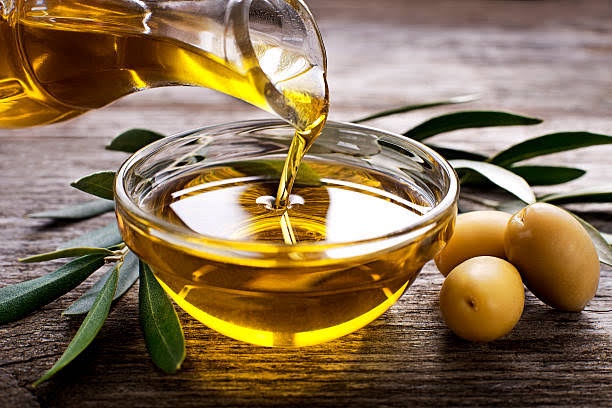
  1. Any edible oil is cold-pressed oil when it is produced by precipitation, by pressing the seeds at room temperature without using heat for extraction. Unlike refined oil, the process of extraction of cold-pressed oil and filtration is done without using any harmful chemicals and heat. It is produced by the natural method of extraction from seeds by pressing at room temperature so found to be more natural and nutrient-dense.
  2. How the cold-pressed oil is different from other oils? Refined oil extraction involves machinery with different steps of refining, by using chemicals, heat and sometimes bleaching agents so the oil has a high smoking point. Hot-pressed oil involves applying heat during extraction but no chemicals. Vegetable oils are usually hot-pressed oil. Virgin oil involves the extraction of oil from fresh fruits or seeds like virgin olive oil or virgin coconut oil. In some cases, it may differ from cold- pressed oil as the oil is extracted from the fruits or seeds from drying them earlier so the oil retains its nutrients and antioxidants.

3.From a health point of view, out of all cooking oils, cold-pressed oil and virgin oil have the maximum benefits. Both the oil extraction and filtration processes have been made to preserve the maximum nutrients, antioxidants and healthy fats. Even after extraction, these oils are rich in healthy fats like omega 3 and 6, vitamins, and minerals like zinc, magnesium and potassium. These nutrients are very essential for health as anti-inflammatory, and anti-cancer properties and are good for the cardiovascular system.

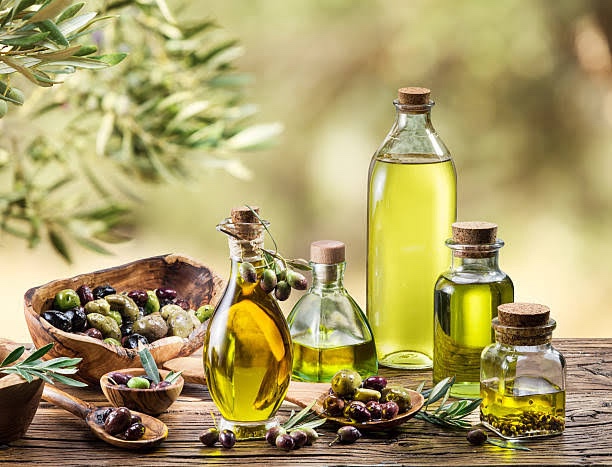
4.The cold-pressed oil of any variety, restores the natural flavour and physical characteristics of the oil like colour, taste and smell. Apart from having immense health benefits, the oil is light and good for cooking depending on the variety of oil used as per taste buds. Extra virgin olive oil is considered the healthiest as it is extracted from the freshest olives by cold pressed method.

5.Depending on the cooking culture and taste buds, there are a wide variety of cold pressed oil types in the Supermarket like olive oil, soybean, canola, cottonseed, palm, peanut, coconut, sesame, mustard, sunflower and avocado oil. Out of them all, olive oil and coconut oil are among the healthiest varieties as a cooking medium. Extra virgin olive oil, avocado oil and walnut oil varieties have been used as dressing for salads.

6.The reason of the disadvantage of cold-pressed oil is due to its low yielding while extraction and short shelf life of 3-4 months. To increase the volume of the cold-pressed oil, the raw material has to be crushed several times. The method of extraction is usually manual or simple mechanical tool of crushings used at room temperature. Then, the oil is filtered to remove precipitates or any toxins. Due to low production, the cost is usually high.

7.Nowadays, cold-pressed oil is preferred for its environmentally friendly method of extraction. Moreover, the oil is nutrient-rich with tremendous health benefit properties of lowering the risk of heart disease by reducing bad cholesterol, anti-cancer properties and anti-ageing benefits. These oils are rich in polyunsaturated fatty acids which are necessary for brain function and heart health.

8.Another important benefit of cold-pressed oil is that it can aid in the weight loss process. Since it has a high metabolic rate it can facilitate in burning of fat. It is also easier to digest due to its low cholesterol content. But, using excess oil while cooking may overshadow these benefits.

9.Some variety of cold-pressed oil has some special benefits in particular. Like groundnut oil, olive oil improves insulin sensitivity and helps in better control of blood sugar. Lignan is a powerful antioxidant found in cold-pressed sesame oil which helps in lipid peroxidation and thereby lowers blood pressure. There is strong evidence that shows that consumption of olive oil lowers the risk of cancers like breast and GI tracts cancers.

10.It is very essential to switch to a healthy type of cooking medium like cold pressed oil and use them in moderate quantities for cooking daily to lower the health risk. Nutrient-dense, high-calorie- rich oil helps make you feel fuller after eating and reduce your hunger. Together with everyday exercise and considerable hours of fasting between meals can help to maintain overall well-being.

Thanks for reading.

Peace and love πŸ™

10 facts to know about your gut flora πŸ™Œ

Hello everyone πŸ€—

  1. The gut flora is mainly composed of trillions of gut microbiomes which are mainly bacteria, fungi, viruses and archaea. This is unique to every individual and develops in his/her lifetime, as distinctive as the fingerprint. Initially, the intestinal tract of a newborn at birth is sterile. The newborn’s gut is first colonised by the mother’s bacteria during the process of vaginal delivery. Environmental bacteria also start colonising in the baby’s gut as soon as it is exposed after birth. Then, slowly the child’s gut starts developing into a unique microbiome flora depending upon the different food intake and environmental exposures with time.
  2. The gut starts having both good and bad bacteria with different kinds of food and environmental exposures. Good bacteria mainly help in the digestion and absorption of the food and nutrients. They strengthen the immune system and produce several beneficial amino acids and vitamins. The more, the good bacteria population, the healthier the person and the stronger the immunity, in his lifetime. They are simply the protectors of our health and well-being.

3. There are bad bacteria also in our intestinal gut flora. As long as they are low in level, they remain harmless. But then, when we take antibiotics or develop unhealthy food choices and habits, smoking, drinking alcohol and so on, the good bacterial flora is at risk and starts eliminating. In such cases, bad bacterial flora starts flourishing causing havoc in the immune system leading to various diseased states. Chronic inflammation starts progressing leading to autoimmune diseases, cancers, and inflammatory bowel diseases.

4. As research has progressed, studies have found links between bacterial species in the gut to certain types of diseases. Metabolic diseases like obesity and type 2 diabetes are found to be linked with the presence of certain bacterial species of Lactobacillus.
New studies have shown strong evidence of gut kidney connection. Certain species of bacteria in the gut microbiome result in uremic toxins while digesting protein which may be a factor in developing chronic kidney diseases. Several studies have shown a link of depression to the gut microbiome. Various bacterial species like Eggerthella and Sellimonas are found at high levels in individuals with depressive symptoms.

5.The gut-brain connection plays an important role in a person’s well-being. That is why the gut is known as the β€œsecond brain”. The gut nervous system can be called the Enteric Nervous System, which has around 100 million nerve cells from the oesophagus to the anal opening. The main functions of this system are digestion, absorption of nutrients, and release of enzymes for food breakdown. Studies show that irritation in the GI tract may trigger the central nervous system to change moods. The gut microbiome also produces hormones like serotonin, and norepinephrine which are important for mood changes. Therefore, there is a strong connection between depression and anxiety in people who deal with gut issues like irritable bowel diseases, stomach upset, pain, and constipation.

6.The signs of a healthy gut are the regular pooping habit, which may be 2-3 times a day to 3-4 times a week, the range can vary with every individual. There is no pain, no bloating after eating, and no discomfort during bowel movement. Symptoms like bloating, diarrhoea, stomach pain, feeling of fullness after eating or malnutrition can be the signs of an unhealthy gut or tigger for slowly increase in bad bacteria. In such cases, clinical attention is required to investigate and diagnose any bowel issues.

Sugar rich foods

7.The common triggers which may lead to an unhealthy gut can be too much stress, constant fatigue, sleep disturbances, ultra-processed food, a sugar-rich diet, and too little intake of fluids. The frequent use of antibiotics has a link to an unhealthy gut. Therefore, these lifestyle habits need to be avoided as practically as possible. Skin conditions like psoriasis do have a link to an unhealthy gut too.

Natural foods

8. The common ways that we can take care of our gut health and improve the good bacteria count are by having a fibre-rich diet with plenty of vegetables and fresh fruits. A diet rich in whole grains, legumes, pulses, nuts and sea fishes. Lowering the sugar-rich foods, limiting the everyday stress, and remaining hydrated as possible. Intermittent fasting is beneficial too for gut health and flora.

Fermented foods

9. Another important food for our gut health is fermented food as they are rich in probiotics. Plain yogurt, buttermilk, kimchi, sauerkraut and kombucha to name in the list. There can be other varieties of fermented food too which can be local or region-specific around the globe. Any food which is fermented or sprouting can be excellent for gut health as it increases the lactobacilli and keeps the growth of bad bacteria checked.

Walking in nature
Gratitude journal

10. So, the simple tips to take care of gut health are to have more and more fibres and probiotics daily, curtail sugar as much as possible, stay hydrated, keep out of stress, meditate to calming mind like walking in nature or listening to music, exercising, mild to moderate ways, practising gratitude journal every day increases happy hormones and trying to maintain a sleep routine. Ultimately, the best way to live a longer and healthier life is to live in harmony with nature.

Thanks for reading.

Peace and love πŸ™

10 facts to know about Matcha πŸ΅

Hello everyone! Have a wonderful day βœ‹

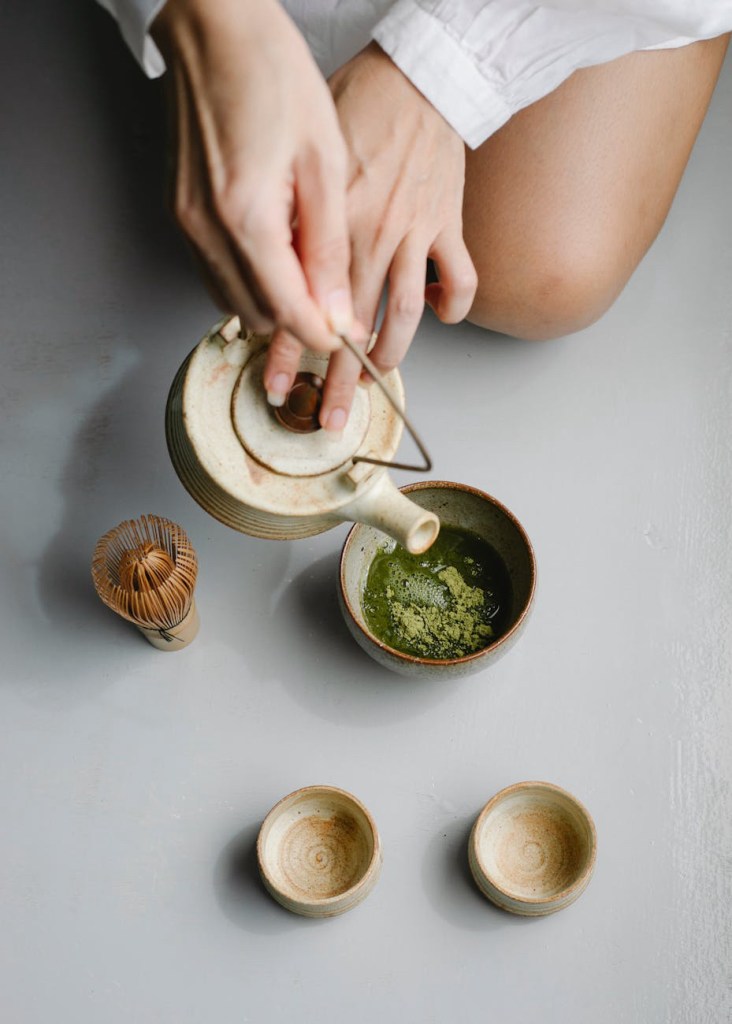
1. Matcha is powdered from processed green tea leaves which originated in East Asia, now widely produced in Japan. Back in the 16th century, the method of preparing matcha tea and serving became a ritual among Zen Buddhists. From then onwards, the Japanese Tea Ceremony has become widely popular, not only in Buddhist monasteries but also among the common people.

  1. The scientific name of the plant Camellia Sinensis from which matcha is derived, is a shade- grown green tea plant usually covered from direct sunlight to ensure slow growth. The slow growth results in a darker shade of green, which is a high level of chlorophyll. This type of harvest technique causes more production of amino acids threonine and caffeine.
  2. Matcha is highly rich in antioxidants due to its high amino acid content. So, regular intake can prevent free radical damage in the body and can prevent the occurrence of chronic diseases. The tea flavonoids have anti-inflammatory properties too.
  3. Studies have shown that since matcha contains high levels of caffeine and L-threonine, it is highly beneficial for brain functions. Regular consumption can improve the memory, alertness and focus of the mind.

5.Some research studies have shown that regular intake of matcha helps in the prevention of cancer. But, further studies are still required to have concrete proof. As matcha is rich in catechin, more precisely Epigallocatechin-3-gallate (EGCG), is found to have high anti-cancer properties. It also improves the efficacy of certain chemotherapeutic drugs.

6.Matcha tea has great skin health benefits. Regular intake or adding topically as a skin care mask can give healthy glowing skin. It can also be used for its therapeutic benefits for skin conditions like psoriasis, keratosis, rosacea and wound healing.

7.Matcha is good for the prevention of cardiovascular diseases. Studies have indicated that the presence of EGCG, which is rich in catechin has many therapeutic properties such as anti- atherosclerotic, anti-myocardial infarction, anti-cardiac hypertrophy, anti-inflammatory and also anti-diabetic. It aids in weight loss too.

8.Matcha tea which is organically grown is safest. Sometimes, inferior or poor-quality matcha tea may contain excess of pesticides and lead which may cause harmful effects on the body. So, the reputed quality of matcha tea is only recommended.

9.According to the US Food Drug Administration, a daily intake of not more than 400mg is recommended. Excess intake may lead to caffeine overdose which causes side effects like anxiety, fast heart rate, insomnia, headache and nausea.

10.Matcha tea is usually taken as a warm beverage. But, because of its immense popularity, matcha is served as a Latte, in ice-cream, cocktails, sodas, cookies, pancakes and so on.

Thanks for reading.

Peace and love πŸ™

10 truthful facts for widely consumed French fries πŸŸ

  1. French fries have been the most popular and widespread available fast food around the globe. Unlike its name, it was originated in Belgium. Regardless of its popularity, it has been proven time and again as one of the unhealthiest foods on the planet. Deep-fried potatoes are not only rich in starch content but also fatty due to being heavily fried in oil. They are instant sources of starch so are easily available for a quick bite. Frequent eating of this junk food is a potential risk of cardiovascular and metabolic diseases due to their high glycemic index.
  2. According to The American Journal of Clinical Nutrition, consuming french fries not only multiplies the health risk but also increases the risk of early death. Adding to that, you start gaining weight and weaken the immune system by destroying your healthy gut microbiome with unhealthy flora.

3. Nutritionally stated, potatoes are a good source of antioxidants, carotenoids, flavonoids and phenolic acid. Also, it is loaded with fibre content, vitamin B6, and minerals and is gluten-free. But, what makes fries calorie-dense is due to the deep frying technique to make them crispy. As a result, the nutritional content is damaged. Due to high calories, obesity is directly linked to consuming fries and junk food.

4. Studies show that fries are prepared with saturated fat which is metabolized at a much slower rate than protein and carbohydrate in the body. So, people are most likely to get stomach issues. The saturated fat further increases the bad cholesterol in the body which elevates the risk of atherosclerosis, heart disease and stroke.

5. To pile up the adverse effects of consuming fries regularly can weaken the immune system, and gut health making us vulnerable to diseases and inflammatory conditions including cancers. The hydrogenated fats used in fries can likely lead to foggy brain, dementia and Alzheimer’s disease.

6.Research studies have found that when potatoes are deep-fried, a compound named acrylamide is formed which can be directly linked to mental health issues like depression and anxiety. In today’s time, fries are consumed more by the younger generation compared to older ones, making them more vulnerable to mental health issues like depression and anxiety.

7.Moreover, fries contain a high amount of salt which makes them even worse. The high salt content can lead to a high risk of hypertension, heart disease, stroke and kidney disease. In addition to that, tomato ketchup, different varieties of sauces, and mayonnaise make them even more unhealthy due to artificial flavouring agents and other processed ingredients.

8.According to some studies, are french fries can be label as β€˜death food’? No not exactly because most meals in restaurants are still served with fries as a meal accompaniment. Eating them for once a while or once a month in a small portion is not harmful or the effect on health is negligible. But, having them 2-3 times a week in large quantities will most likely lead to chronic diseases like diabetes type 2, heart disease, stroke, and inflammatory conditions which may cause death risk.

Sweet potato fries

9.To make them healthier and still have the experience of having french fries, opt for a healthier version like the baked ones. A thicker version of fries can be opted to reduce the fat content, fried in olive or cannula oil. More over, having them with a healthier meal mate like salad, chicken or soup is another good idea. Sweet potato fries are healthy too.

10. Actually, not just french fries, but all deep-frying foods which are available and widespread have a high risk of developing chronic diseases like heart disease and stroke. Frying damages the nutrients, antioxidants and protein naturally available in the food item. Moreover, the frying medium of oil adds to the trans fat, acrylamide which further multiply the health hazard. The best thing to do is to avoid them completely or have them rarely. Once in a while is quite okay.

Thanks for reading.

Peace and love πŸ™

10 facts about nutty Nutmeg πŸ™Œ

Hello everyone βœ‹


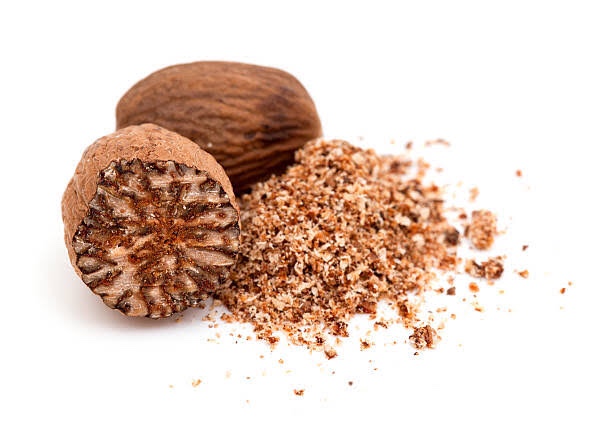
1.Nutmeg is an oval shaped spice seed commonly found in our kitchen. A native spice of Indonesia but is now popular in many cuisines used in both sweet and savoury dishes. It is available as a whole spice and as well as powdered.

2.Anti inflammatory: Studies have shown that nutmeg is rich in anti-inflammatory compounds which help by inhibiting the enzymes that promotes the inflammation process.

3.Antioxidants: It contains powerful antioxidants which reduces oxidative stress and keep the free radical damage under control. Therefore, it’s consumption can help in controlling the progress of certain chronic conditions like neuro degerative diseases, some cancers and heart ailments.

4.Indigestion: Nutmeg has been found to be beneficial when consumed during indigestion, abdominal discomfort and flatulence.

5.Antibacterial: Because of it’s antibacterial properties, it is effective against acne when applied in powdered form along with cinnamon and honey. It is also very helpful in cases of dental cavities, bad breath and gum inflammation.

6.Insomnia: Studies have shown that this spice helps in aiding sleep by improving both the duration and quality. Adding a pinch of nutmeg in a glass of milk before bedtime can do the trick. Research have shown that it can boost libido in men and is also a potential anti-depressant. But further studies are needed in these aspects.


7.Common cold: Since it is rich in anti bacterial properties, it is useful in cases of rhinitis and common cold.

8.Nutrition: It is a source of wide variety of vitamins and minerals like Vitamin A,C,E and minerals like maganese, magnesium, zinc and iron.

9.Toxicity: Small amount of consumption as less than 2 grams is quite safe. But consumption of larger quantity can lead to serious toxicity or even death. Cases of nutmeg toxicity has been reported in the past when used in larger quantity for recreational purposes or due to ignorance.

10.Uses: Nutmeg is a common ingredient used in various European, Indian, Asian cooking, baking dishes, curries etc. Also, we can sprinkle it in our breakfast cereal, coffee, milk, or fruit salad to add the nutty flavor.

Thanks for reading.

Peace and love πŸ™