8 facts: Broken Heart Syndrome 💔

1.Broken heart Syndrome is a temporary heart condition known as Takotsubo cardiomyopathy, as it was first described in Japan in 1990. This condition of the heart weakens the left ventricular muscles, making blood pumping difficult. The condition is associated with a severe emotional episode, extreme physical stress, loss of a loved one, sudden illness, or a serious accident.

2.Broken heart syndrome symptoms may mimic the classic symptoms of a heart attack like pain in the chest, severe pressure or heaviness in the chest, shortness of breath, fatigue and cold sweats. Pathologically, there is no actual blockage in the coronary arteries. Research shows that extreme emotional, and traumatic stress, the rise of catecholamines and stress hormones like adrenaline causes the heart muscles or the coronary arteries to stun the heart temporarily, preventing the left ventricle from pumping blood effectively.

Ballooning of left ventricle

3. Studies show about 90% of the cases are women and many of them recover without any long-term damage. The exact cause is still not known. But the common causes which are found to be:

• Sudden loss of a loved one.

• Severe physical pain.

• Sudden illness.

• Domestic violence.

• Serious accident.

• Huge financial loss.

• Intense fear.

4. Though physical symptoms and ECG changes like ST segment elevation can misdiagnose a heart attack, other imaging studies are required to rule out a heart attack. The most common diagnosis of Broken heart syndrome is no evidence of blockages in coronary arteries which on the other hand, is a classical sign of a heart attack. In the echocardiogram, there is a bulging of the lower part of the left ventricle seen in Broken heart syndrome, which resembles a tako-tsubo (a Japanese octopus trap pot), hence the name is derived. This is quite a confirmatory sign of Broken heart syndrome or Takotsubo cardiomyopathy.

5. To sum up the differences between Broken heart syndrome and heart attack are:

• The angiogram shows no signs of blockage of coronary arteries.

• Blood work, especially enzyme levels shows no sign of heart damage.

• An echocardiogram shows abnormal bulging or ballooning of the lower part of the left venticle so, also known as Balloning heart syndrome.

• Recovery is faster within days to a couple of weeks.

6. Broken heart syndrome is not usually fatal, and under treatment and observation, the individual recovers within weeks to a month. The prognosis is good and there is also less risk of such episodes in future. But in rare cases, it may become fatal causing severe short-term heart muscle failure. Research continues to learn more about the diagnosis and treatment of cases of Broken heart syndrome.

7. There is no standard treatment for Broken heart syndrome and is mainly individual-specific. Medication is required to reduce the stress on the heart muscles. Medications like Angiotensin-converting enzyme inhibitors (ACE), Beta-blockers, diuretics, and blood thinners are used to heal the heart muscles and prevent further episodes. Complete recovery is likely within a month or so.In addition to this, management of stress is also required to prevent such episodes in future.Regular follow-ups are required for the individual.

8. Broken heart syndrome or Takotsubo syndrome has been researched to have certain general pre-disposing risk factors like smoking, hypertension, obesity, diabetes, pulmonary diseases, malignancies, neurological diseases and psychological disorders. Evidence also shows higher prevalences in females compared to males. Although routine checkups, ECG, blood work and echocardiograms are necessary at regular intervals, it is important to work on stress factors like meditation, yoga, deep breathing and mindfulness techniques.

Thanks for reading.

Peace and love 🙏

10 facts to know about Vitamin D linking to mental health🧠

Vitamin D deficiency is critical for both physical and mental health. Here are some facts to understand the impact of vitamin D on mental health.

1.Several research studies have concluded that low vitamin D levels are directly linked to anxiety, mood changes, depression and cognitive dysfunction such as impaired memory, sadness, weight loss and loss of appetite. Studies have not shown that vitamin D deficiency causes depression but people who suffer from depression do show low levels of vitamin D.

2. Vitamin D mainly maintains the body’s calcium homeostasis. It is also crucial as a neurosteroid hormone and plays a significant role in maintaining normal brain functions and helping in brain development. Therefore, numerous studies have shown that hypovitaminosis D is linked to depression and neurocognitive disorders.

3.Some studies have shown that seasonal affective disorder (SAD) is more prevalent in winter as there is a lowering of Vitamin D levels in the cold season. Lack of exposure to sunlight in winter months is shown to increase the incidences of depression, mood changes and anxiety issues.

4. Rising cases of suicide have been a common risk factor for low vitamin D levels (psychiatric times.com).A research study in 2023 found a correlation between low vitamin D levels with cases of suicidal behaviour. Therefore, vitamin D supplementation is mandatory for all those who have low levels can help to address mental health issues and prevent cases of suicide thereby saving lives.

5.As mentioned earlier, Vitamin D is required for normal brain development. Vitamin D supplementation is essential in childhood for overall brain and cognitive development. Low levels of vitamin D have been found in many cases of ADHD (attention deficit hyperactive disorder). Improved levels of vitamin D by supplementation have shown marked improvement in symptoms of ADHD children.

6. Vitamin D deficiency has been found to have a direct correlation with adult schizophrenia. Studies show that it is quite common to have in individuals with poor nutrition, elderly persons, people living in regions with insufficient sunlight, or during pregnancy. So, it is important to routinely check the levels of Vitamin D to reduce such risk factors. Correction of the levels of vitamin D shows marked improvements in symptoms of such mental illness.

7. Vitamin D acts as a neuroprotective neurotransmitter and helps to maintain the functions of neurons and glial cells of the central nervous system. So, administrating Vitamin D helps to reduce the oxidative stress and neurotoxicity on the cortical neurons. Therefore, controlling the neuronal inflammations helps to reduce many psychiatric illnesses.

8.Strong evidence shows that low levels of Vitamin D are related to neurodegenerative diseases like Alzheimer’s disease, dementia, and Parkinson’s disease. Vitamin D supplementation can improve or even prevent the neurodegenerative process by reducing the deposition of beta-amyloid plaques, intra-neuronal tangles of tau-protein and loss of cholinergic neurons and synapses.

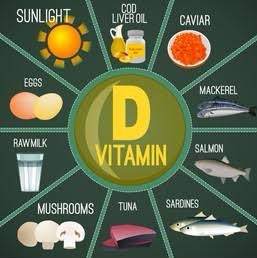
9. Vitamin D levels ranging from 50nmol/L or above are sufficient to maintain overall physical and mental health well-being. Blood levels below 20 ng/mL are treated as insufficient and require immediate vitamin D administration. Normal levels can be maintained by exposure to sunlight, vitamin D supplementation and food sources like oily fishes, eggs, meat, liver, veggies like broccoli, pumpkin, green leafy veggies, green peas, avocados and many more.

10. Though vitamin D is not the only cause of mental health issues, essentially, it is an important nutrient to maintain normal brain function and neurochemistry. In the general population, many people do suffer from vitamin D deficiency, unknowingly. Supplementation of vitamin D can improve the blood levels in individuals and can at least help address the challenges of mental health issues.

Thanks for reading.

Peace and love 🙏

Silent Sunday 🍂

Peace and love 🙏

Silent Sunday🪻

Peace and love 🙏

New Year wishes, 2025 🙌

‘ Let your hopes, not your hurts shape your future’ Martin Luther King, Jr

It’s time to letting go of whatever that give us pain, hurt, sadness, anger, regrets and guilt as the year comes to an end. 

Grateful that another 365 days are approaching to renew ourselves with positive energy, change, optimism and peace which may uplift us in this life’s journey. 

Wishing to all my lovely, fellow bloggers, may this New Year 2025 bring immense happiness, peace and favorableness to all of us.

Have a wonderful and blessed year ahead.

Peace and love 🙏

Taming the monkey mind….5 facts 🙌

‘Monkey mind’, yes, that’s what the Buddhists called our wondering mind. The more you try to control, the more it wanders. This is the nature of the human mind. It can never remain still. During the day, whenever, we try to be still, the mind races ahead to the future or returns to the past in some old memories. Our mind is always thinking of something or another. Distractions like tasks, jobs, people around, day-to-day stress, entertainment, and social media, all add up to the flickering nature of the mind. Therefore, let’s explore why our mind behaves this way and how we can try to control it, if at all, it’s possible:


1.A wandering mind is quite a normal behaviour and characteristic in nature. The attention shift of the mind from one thought to another is involuntary before even we notice it. In a monotonous daily activity of a boring nature, like studying, in the classroom in case of a student, or doing daily chores, it can happen voluntarily.

2.Studies show that the mind wonders mainly for two reasons: Either the work or activity, we have been doing is not engaging and monotonous and another reason can be that facing obstacles or hard task causes worry and anxiousness.
Sometimes, Scientists, link the wandering nature to creativity, explorative and intuitive mind. However, this becomes problematic. In those times, when we are supposed to be working, we lose focus and attention or think in bed when we are supposed to sleep. Oftentimes, the mind is either daydreaming, imagining things, anxious thoughts worrying about the future or replaying some old memories, stuck in some emotional thoughts.

3.What can be the possible causes of a wondering mind?
*Anxiousness and worrying mind.
*Boring and repetitive activities.
*External distractions like our mobile phones and other gadgets, people around, noises, social media.
*Internal distractions like stress, anger, hurt, sadness. Physical discomfort like fatigue, pain, hunger.
*People with attention deficit disorder have a hyperactive mind.

4.Self-awareness: How can I realise that I have a wondering mind?
Firstly, being aware of your own mental state. Most of the time, if you find yourself, overthinking, worrying, and ruminating thoughts.

Your mind is often, exhausted, being engaged in unproductive thoughts, unable to find solutions to problems or losing your spontaneous problem-solving ability.

Being self-aware, in such a state of mind, can help us to bring about change in our mental state.


5.Taming a wondering mind can be a very difficult task. But, with practice and consistency, everything is possible.

a)Meditation is an effective tool. Again, meditation is’nt easy. Perhaps, sitting still in a quiet place, trying to focus the mind is a hardest task. Focusing on breathing is a commonest method. Other methods can be, focusing or imagining an object like sun, moon, or the ocean. Using a guided mediation or listening to nature sounds, chanting of mantras can be effective.


b)Journaling is a powerful tool to clear the mind. Noting down daily thoughts, thoughts related to job, loved ones, family, future goals, holiday plans, emotional pain, feelings of old memories can be very useful to clear the mind clutter. Writing down can self-help to acknowledge the bothering thoughts and refocus the mind to concentrate on the task at hand.


c)Physical activity like going for a walk, physical movement of the body, legs and hands, watering your balcony plants, spending time in nature, light exercises can be very helpful to reset the mind. Playing an instrument, or listening to a music piece can be rejuvenating to refocus the mind too.

d)Sleep and adequate rest are necessary to clear the mind clutter. Getting a proper goodnight sleep and following a daily sleep routine is mandatory. Making a conscious effort to keep away from our mobile phones, social media distractions, caffeine free, emotional disturbing thoughts, 2-3 hours prior going to bed, can give an adequate sleep.

Thanks for reading.

Peace and love 🙏

Butyrate is the latest buzzword! Is it just a hype or the reality? 10 facts 🙌

Butter is a rich source of butyrate

1.Butyrate is a short-chain fatty acid (SFCA) released during the fermentation of dietary fibres by the gut microbiome. It plays an integral part in supporting gut health and overall well-being. It is an energy source for colonocytes which meet about 70% of their needs. Evidence has shown that this SFCA has tremendous health benefits ranging from immunity support, lowering inflammation, preventing cancers and fighting ageing. Hence, it is the latest buzzword, doing rounds in social media and among advertisers.

2.Recent studies have clearly shown that butyrate plays an important role in both the host and microbial functions in gastrointestinal health. It is a crucial energy source for colonocytes. An optimal level of butyrate promotes and maintains a healthy microbiome level, reduces inflammation, and supports colonocyte functions. It has protective actions against certain intestinal diseases like inflammatory bowel diseases and colon cancer.

3.Butyrate has been shown to prevent the process of inflammation in the gut which can be caused by pathogens, the body’s overreaction (allergic reactions) and oxidative stress. Chronic inflammation in the gut occurs when the gut’s immune system is constantly fighting against these pathogens and free radicals causing the immune health to be weakened. Eating a considerable amount of fibres causes to production of an optimal level of butyrate which helps in protecting against this inflammatory process.

Dietary fiber is a good source of butyrate

4.Studies have shown a great impact of butyrate on obesity. Butyrate is found to lower body weight and decrease lipogenesis in the liver and adipose tissues. It increases fatty acid oxidation and prevents fat accumulation in the body thereby reducing obesity. Butyrate is produced by the fermentation of dietary fibres, so it suppresses the food intake and reduces body weight and fat mass.

5.Animal and cell studies have shown that butyrate increases insulin sensitivity, helps in reducing weight gain, and obesity and promotes weight loss. It helps in maintaining blood sugar levels.

Dairy products

6.Another significant property of butyrate has been shown in research that it promotes cell differentiation. Normally, our cells have the ability to change into any specific type of body cells required like liver cells, heart cells, intestinal cells or blood cells. If the cells are not properly differentiated, then, abnormal growth or tumour appears. Butyrate is found to promote cell differentiation.

7.Studies have shown that butyrate plays an important role in the brain-gut connection. It helps in increasing Brain-Derived Neurotrophic Factor (BDNF), removes toxic byproducts from the brain and prevents brain fog. It promotes neuroplasticity and improves rapid eye movement sleep by 70%.

8.Butyrate helps to regulate the blood pressure level. Studies show that the level of butyrate inversely corresponds to the blood pressure level. A higher butyrate level gives a lower blood pressure level while low butyrate may lead to the rise of high blood pressure.

Leafy veggies

9.Sources of butyrate are :
Dietary fibres like vegetables like garlic, onion, tomatoes, beans, peas, leafy vegetables, broccoli. Fruits like bananas, apples, pears, kiwis.
Whole grains like brown rice, oats, wheat, barley, rye and pulses, legumes.
Dairy sources like milk, cheese, butter, and ghee.
Others like dark chocolate, seeds, nuts, and seawood.
Butyrate supplements are available in the form of sodium, calcium/magnesium butyrate but need to be used as per supervision as they may interfere with other medication.

10.It is important to know that consuming full-fat dairy products like butter, Ghee, cheese, and milk are rich sources of butyrate. However, consuming these products can cause the risk of elevating the level of cholesterol in the body as they are rich in saturated fatty acids too. Therefore, the risk of cardiovascular diseases and obesity may rise. So, the key point to be noted while consuming these products is having them in moderation along with lots of dietary fibre and plenty of water can benefit and maintain the balance.

Thanks for reading.

Peace and love 🙏

10 facts about Cheilitis or chapped lips 👄

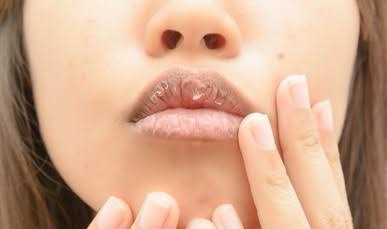
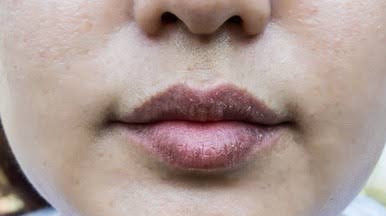
  1. Chapped lips are common and can happen any time of the year irrespective of season. When lips are dried, cracked and feel tight, they are called chapped lips or Cheilitis. As the skin on the lips contains no oil glands, they are thinner and more sensitive, hence chapped lips are common. Most of the time, it is common in dry winter, or excessive sun exposure, dehydration or excessive licking.
  2. Cheilitis or chapped lips is inflammation of the lips and can be of different types depending on the sources.
    Due to allergic reaction called contact cheilitis.
    For sun exposure called actinic chelitis.
    Reaction to certain drugs like retinoids causes drug induced cheilitis. Fungal infection of the mouth causes angular cheilitis.
    Herpes infection causes infective cheilitis.
    Persistent painless swelling of the lips causes granulomatous cheilitis. Frequent licking of the lips causes exfoliative cheilitis.

3.Certain risk factors which can cause cheilitis are nutritional deficiency of vitamin B12 and iron, certain medical conditions like thyroid disease, autoimmune conditions like Lupus erythematosus, Sarcoidosis, Crohn’s disease, dermatitis and allergic reaction to cosmetics. Metabolic diseases like diabetes, certain irritants, climatic effects and oral candidiasis can cause cheilitis.

4.Diagnosis: Chapped lips are common and temporary. When lips are cracked, swollen, or tight, then, they are called chapped lips or cheilitis which can be easily diagnosed visually. A long-term occurrence of chapped lips may be required for medical attention. Usually, an allergy test, blood work and sometimes a biopsy are required for a proper diagnosis. Bleeding is common from cracked lips which can be easily managed by a lip balm or ointment. If bleeding is frequent, then medical attention is necessary for the diagnosis of the underlying cause.

5.Treatment:Whenever chapped lips appear, it is important to apply lip balm immediately, so that it will heal faster and leave no scope for infection. Wearing lip balm regularly will heal the lips faster within a week. When bleeding occurs from cracks, cuts, or sores from the lips, there is pain and irritation. In that case too, continuously applying lip balm, ointments like petroleum jelly, glycerin or mineral oils like castor oil can be used for healing which may take longer. Lip balm needs to be hypoallergenic, moisturizing and with sunscreen SPF preferably.

6.Crevices: People with more skin creases, either anatomically or due to ageing, are more prone to developing cheilitis. This is because saliva from the mouth can accumulate in the lip crevices, leading to inflammation and cheilitis. Elderly individuals, smokers, those with sensitive skin, and ill- fitted dentures, and people who drool during sleep are also prone to cheilitis. Additionally, individuals with Down syndrome have a higher likelihood of developing cheilitis.

7.Symptoms of cheilitis of any type can have common characteristics like: *Dryness
*Cracked or fissures
*Peeling
*Itching *Redness *Bleeding
*Pain or irritation

8.Medication: Apart from lip balm, vaseline, petroleum jelly and glycerine, there are certain medication options for different types of cheilitis.
*For contact cheilitis, topical corticosteroids and emollients like Vaseline can be used.
*For angular cheilitis, topical antifungal and antiseptic ointments are used. *For Drug induced cheilitis, firstly discontinuing the use of the drug and applying emollients can be useful.
*For actinic cheilitis, applying topical corticosteroids is useful.

9.Prevention:
Preventing frequent licking of lips.
The routine habit of applying either petroleum jelly, lip balm, beeswax, or lip products with SPF (zinc oxide).
Staying hydrated in hot summer and using a humidifier in cold dry climates.
Avoid irritants like fragrance, allergens, and food that can irritate.
Breathing through the nose rather than the mouth.
Covering face and lips in dry windy weather.

10.Products: Since the market is flooded with various lip products, many people are allergic or sensitive to certain products. While trying a new lip balm, if there is burning or tingling, it is important to stop using the product immediately. Common irritants used in lip products are flavouring agents, fragrances, menthol, camphor, lanolin and many more. The best product for chapped lips has been the age-old petroleum jelly or the glycerine.

Thanks for reading 😊

Peace and love 🙏

10 facts about Nigella seeds 🙌


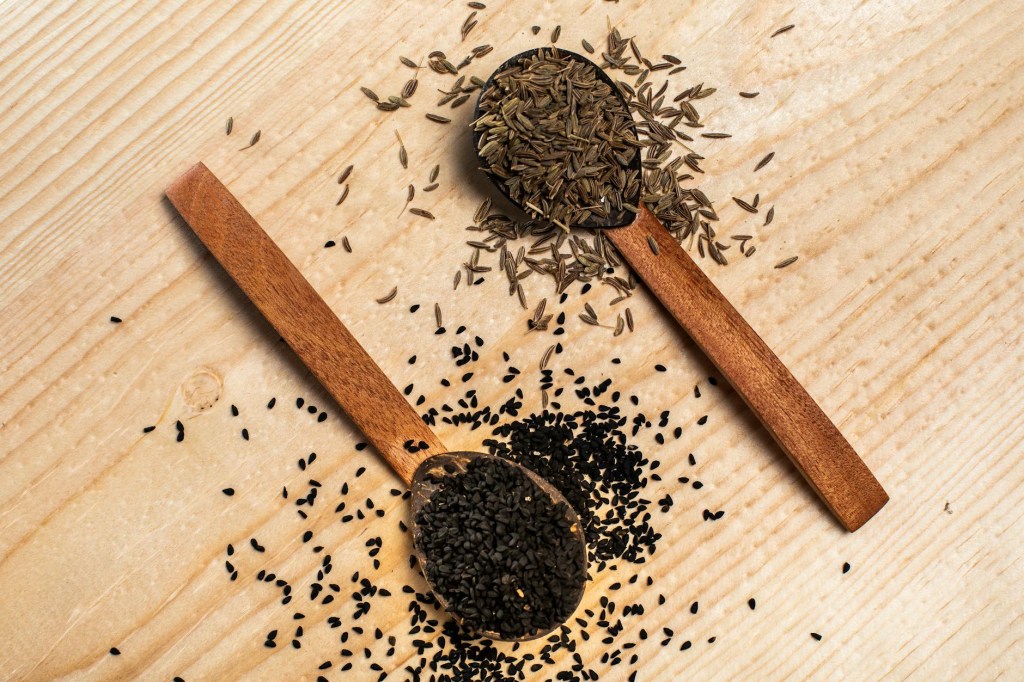
1.Throughout history, Nigella seeds, known scientifically as ‘Nigella Sativa’, have been utilized in a variety of culinary dishes in South Asian and Middle Eastern regions. These seeds grow from a flowering plant. The taste of these tiny black seeds is similar to that of onion and oregano, but they are slightly bitter. They are known for centuries for their immense medicinal and health benefits. They can be utilized in various forms, such as whole, oil, capsules, or powdered form.

2.Nutrition: Packed full of minerals and vitamins, including iron, calcium, zinc, copper, thiamine, phosphorus, folic acid, and many more, it’s a power meal. Useful fatty acids including linoleic, oleic, palmitic, and arachidonic acids make up the seed oil. Thymoquinone, its primary active ingredient, is extremely beneficial to health.

3.Antioxidants: Nigella seeds are full of antioxidants, which can fight free radicals and prevent oxidative stress. Studies show that nigella seeds contain several amino acids like carvacrol, thymoquinone, and 4-terpineol, which are powerful antioxidants. Hence, regular intake of nigella seeds can help protect against a wide variety of diseases, like heart disease, diabetes, cancer, and obesity.

4.Cholesterol: Many studies have shown that taking nigella seeds powder can help to lower LDL cholesterol and increase HDL cholesterol levels. This powerful effect can help the body prevent atherosclerotic diseases and ischaemic heart disease.

5.Brain: Nigella seeds have been shown to have the ability to slow down or prevent the progression of certain neurological inflammation in the brain, including Alzheimer’s disease, epilepsy, encephalomyelitis, depression, and Parkinson’s disease. Some research have also shown that nigella seeds can slow down the progression of dementia and age related memory loss.

6.Anti-cancer: Research has shown that the antioxidant thymoquinone has strong anti-cancer properties. Lung, cervical, pancreatic, prostate, skin, and colon cancers can all be prevented with the use of nigella seeds and their constituents. However, further data and investigation are needed to validate these effects.

7.Anti-bacterial: Studies have demonstrated the anti-bacterial properties of nigella seeds on germs that cause everything from ear infections to pneumonia. Their antibacterial and antibiotic qualities aid in the treatment of skin infections. They can aid in the management of chronic obstructive lung disorders and asthma because of their anti-inflammatory qualities. To manage such problems, people take the oil in capsules. However, further investigation is needed to fully understand these impacts.

8.Skin: Studies have shown that black seed oil can be used routinely to moisturize and skin cleansing. It can help to manage certain skin issues like psoriasis, eczema, vitiligo, pigmentation and wound healing. It can fasten wound healing, repair tissue damage, reduce skin irritation, heal minor burns, scar tissues. It can also help to moisturize hair, reduce hair loss.


9.Dosage: Nigella seeds have been found to have many health and healing properties and is widely been used. It’s available in capsule, powder, tablets, creams, oil, soaps, shampoos and many more forms. It is safe in small doses , about 1-2.5 gm by mouth on daily basis. But, it is recommended to inform your Primary Physician before using it.

10.Side-effects:
*Bleeding disorder: It slows blood clotting, so it is contraindicated in people with bleeding disorders. *

*Since nigella seeds may interfere with metabolism, it is important to inform the treating physician while using them.

*It can slow down uterine contraction so nigella seeds supplementation should not be used during pregnancy.
*Usually it protects the kidneys but excess consumption like 2000-2500mg daily may affect kidney health.
*The best way to minimize the potential side effects is by incorporating nigella seeds paste or oil in very small quantity in meals to enjoy the immense health benefits, these seeds provide.

Thanks for reading.

Peace and love 🙏

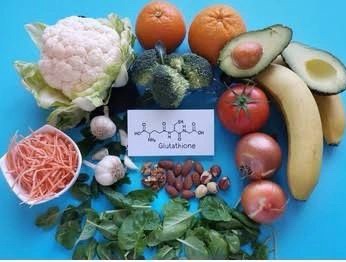
10 facts to understand why glutathione is necessary 🙌

Hello everyone ✋

1.Glutathione is a naturally found antioxidant in our body. It is important to know about this powerful antioxidant because it has a host of many benefits. Its primary function is to fight free radical that damages body cells. It’s vital for the body because it helps to protect from many diseases like autoimmune diseases, liver damage, heart diseases, respiratory diseases and neurological disorders. As we grow older, the glutathione level slowly declines and the body marches towards poor health.


2.It is essential to maintain the level of glutathione in the body. If the level drops, certain symptoms may appear, such as anemia, fatigue, increased frequency of infections, low immunity status, sleep problems, and brain fog. To boost glutathione levels, it is recommended to consume sulfur-rich foods such as cruciferous vegetables, avocados, broccoli, spinach, garlic, and unprocessed meat. Several studies have indicated that consuming vitamin C can increase glutathione levels in the body. Therefore, it is important to consume citrus fruits, bell peppers, kiwis, and papayas regularly. Additionally, it is recommended to consume foods rich in selenium such as chicken, fish, eggs, Brazil nuts, and brown rice to maintain glutathione levels in the body.

Aging

3.Glutathione is a compound that is mainly composed of three amino acids: glutamine, glycine, and cysteine. Our body naturally produces this compound, but its level decreases with age. In addition, chronic diseases, poor diet, stress, anxiety, and frequent infections can also contribute to the reduction of glutathione levels. Low levels of glutathione are commonly found in individuals suffering from chronic diseases such as heart and liver diseases, sepsis, trauma, HIV/AIDS, and cancers. The role of glutathione in the body is crucial because it helps to prevent free radical damage, repair cells, and facilitate protein synthesis. Moreover, glutathione can bind with toxic metals like arsenic, silver, lead, chromium, mercury, and copper, and help to reduce their toxicity.


4.Glutathione is a powerful antioxidant that offers several health benefits. It can reduce oxidative stress caused by free radicals and prevent the development of various diseases such as diabetes, cancer, autoimmune disorders, and rheumatoid arthritis. Glutathione can also help to reduce cell death and improve blood levels of protein, bilirubin, and enzymes in fatty liver diseases like alcoholic and non-alcoholic types. Additionally, it plays a significant role in maintaining mitochondrial DNA, which is necessary for building proteins and cells. Several studies have shown that glutathione can improve blood circulation and prevent plaque buildup, thereby improving peripheral arterial disease. It may also help to improve symptoms of tremors and rigidity in Parkinson’s disease, respiratory diseases, uncontrolled diabetes, autism in children, and psoriasis.

Glowing skin
Gut health

5.Various studies have demonstrated that glutathione has a significant role in preventing skin problems such as acne, eczema, wrinkles, and aging. It also helps in maintaining healthy and glowing skin. When the balance between good and bad microbiome in the gut is harmonized, the overall health of the body is improved, and the skin appears healthy and radiant. However, if the balance is disrupted, it leads to skin problems and other health issues, including bowel disturbances. Glutathione is instrumental in detoxifying the body, repairing cell damage, and maintaining a balanced gut health. Therefore, by improving the level of glutathione in the body, it is possible to resolve skin problems and many gut issues.

Supplements


6.Low levels of glutathione can lead to a variety of health issues. While natural food sources are the best way to improve glutathione production in the body, supplements like vitamin C and E, curcumin, N-acetylcysteine, and selenium can also help. However, injectable supplements can be toxic and oral supplements are not very effective as they break down in the stomach. In cases of low immunity, glutathione is sometimes medically prescribed. In such cases, oral or injectable supplements may be recommended under medical supervision.

Alcohol

7.Certain lifestyle changes are essential to improve the glutathione levels in the body. Avoiding smoking, alcohol, too much dairy, caffeine and processed food is required to boost the levels in the body. Having a balanced diet, with good quality natural food sources, exercise and good sleep can improve the glutathione production in the body.


8.Glutathione levels are not typically measured in the body like essential nutrients, so research is still insufficient to understand the effects of low levels and supplement requirements. Studies do show that low levels can result from poor diet, stress, environmental toxins, and increasing age. Low levels of glutathione are associated with an increased risk of chronic diseases like cancer, diabetes, liver diseases, and Parkinson’s disease. However, supplementing with glutathione does not decrease the risk, so more studies are required to determine the optimal intake and its effects.

Milk thistle


9.Supplements of glutathione that are commercially available include Selenium, Vitamin C and E, milk thistle, and N-acetylcysteine. The dose of glutathione depends upon an individual’s age, sex, past medical history, and drug allergies. Studies have shown that glutathione is given at a range of 250 to 1000 mg/day in either injectable or inhalant forms. However, it is strictly advised to seek medical guidance before taking glutathione supplements since it can cause possible side effects. Some side effects like skin rashes, cramping, bloating can appear and inhalant glutathione might cause breathing problems too.

10.In brief, glutathione is a vital antioxidant that is naturally produced in the body and offers numerous benefits. A deficiency of glutathione can lead to the development of various chronic diseases, including cancer. As we age, the level of glutathione in our bodies naturally decreases. Therefore, it is crucial to be aware of dietary sources that can help boost the natural production of glutathione in the body. If advised by a medical professional, supplements can also be taken to improve the levels of glutathione in the body.

Thanks for reading.

Peace and love 🙏