New Year wishes, 2025 ๐Ÿ™Œ

โ€˜ Let your hopes, not your hurts shape your futureโ€™ Martin Luther King, Jr

Itโ€™s time to letting go of whatever that give us pain, hurt, sadness, anger, regrets and guilt as the year comes to an end. 

Grateful that another 365 days are approaching to renew ourselves with positive energy, change, optimism and peace which may uplift us in this lifeโ€™s journey. 

Wishing to all my lovely, fellow bloggers, may this New Year 2025 bring immense happiness, peace and favorableness to all of us.

Have a wonderful and blessed year ahead.

Peace and love ๐Ÿ™

8 facts: Giloy, an understated herb ๐Ÿชด

Hello everyone ๐Ÿ™Œ

  1. Giloy is a herbaceous plant, a climbing shrub, where every part of the plant including the stems has various medicinal benefits. It is mainly grown in the Indian subcontinent, many Asian countries including China, Thailand, Philippines, Myanmar, tropical regions of Australia, and North and South Africa. It prefers a warm tropical climate to grow. Despite its holistic health benefits, it is still not known to many. Scientifically, it is called Tinospora cordifolia.
  2. Giloy is considered an essential herb in Ayurvedic medicine. For centuries, people have been using this herb to treat a long list of health ailments, including infections, fever, asthma, diabetes, gout, diarrhoea, jaundice, urinary problems, and skin conditions.

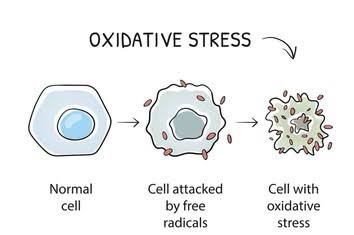
3.Research studies have found that giloy has many potential compounds like alkaloids, terpenoids, lignans, and steroids which have therapeutic benefits. Studies have also found that the herb contains anti-inflammatory and antioxidant properties which can fight oxidative stress and prevent microbial growth of viruses, bacteria and fungi.

4.Studies show that the entire herbaceous plant including roots, stems, and leaves have medicinal properties. The stems of the plants, especially are potent anti-stress, antioxidant, anti-diabetic, anti-arthritic, anti-allergic, anti-inflammatory, immunomodulatory and anti-cancer properties. Giloy also aids in digestion and gut health.

5.Some studies have shown that the alkaloids found in giloy called berberine work like the medicine metformin and help to reduce blood sugar. It can be effective in controlling blood pressure and reducing the level of LDL( bad cholesterol), hence lowering the risk of heart disease.

6.Lab studies have shown that Giloy can be effective in treating seasonal allergies, and skin conditions like scabies and hay fever. It is effective in controlling asthma. Studies show that it can strengthen the immune system and fight against many pathogens like Klebsiella pneumonia, Pseudomonas, Ecoli and many more.


7.Though Giloy doesn’t have harmful side effects, it is important to use it under expert guidance. The herb can interfere with medications like diabetic medicines, anti-hypertensives, and autoimmune medications. It should be avoided during pregnancy and breastfeeding. Commercially, it is available in capsule form, powder form and tincture. The dosage can be different in different forms depending upon the manufacturerโ€™s preparation. So, it is important to read the label and dosage before buying and using the product.


8.Depending upon the recommended dose on the label of the package and under expert guidance, giloy can be consumed safely with the best outcome. However, in the case of auto-immune diseases like Crohnโ€™s disease, and lupus, the immune system can be overstimulated. Side effects like hypoglycaemia, dizziness or stomach irritation might appear in some individuals. The recommended dosage is about 2-6 gm in the case of adults and less than 500mg in the case of children in either powder or capsule form. Giloy juice can be taken in 2-3 teaspoonfuls with water on an empty stomach in the morning.

Thanks for reading.

Peace and love ๐Ÿ™

10 tips of eating healthy๐Ÿ™Œ

Eating healthy is easier and cheaperโ€ฆ Eating healthy isnโ€™t complicated or fussy. In fact , it is the easiest option if we make it a way of life, a โ€ฆ

10 tips of eating healthy๐Ÿ™Œ

Butyrate is the latest buzzword! Is it just a hype or the reality? 10 facts ๐Ÿ™Œ

Butter is a rich source of butyrate

1.Butyrate is a short-chain fatty acid (SFCA) released during the fermentation of dietary fibres by the gut microbiome. It plays an integral part in supporting gut health and overall well-being. It is an energy source for colonocytes which meet about 70% of their needs. Evidence has shown that this SFCA has tremendous health benefits ranging from immunity support, lowering inflammation, preventing cancers and fighting ageing. Hence, it is the latest buzzword, doing rounds in social media and among advertisers.

2.Recent studies have clearly shown that butyrate plays an important role in both the host and microbial functions in gastrointestinal health. It is a crucial energy source for colonocytes. An optimal level of butyrate promotes and maintains a healthy microbiome level, reduces inflammation, and supports colonocyte functions. It has protective actions against certain intestinal diseases like inflammatory bowel diseases and colon cancer.

3.Butyrate has been shown to prevent the process of inflammation in the gut which can be caused by pathogens, the bodyโ€™s overreaction (allergic reactions) and oxidative stress. Chronic inflammation in the gut occurs when the gutโ€™s immune system is constantly fighting against these pathogens and free radicals causing the immune health to be weakened. Eating a considerable amount of fibres causes to production of an optimal level of butyrate which helps in protecting against this inflammatory process.

Dietary fiber is a good source of butyrate

4.Studies have shown a great impact of butyrate on obesity. Butyrate is found to lower body weight and decrease lipogenesis in the liver and adipose tissues. It increases fatty acid oxidation and prevents fat accumulation in the body thereby reducing obesity. Butyrate is produced by the fermentation of dietary fibres, so it suppresses the food intake and reduces body weight and fat mass.

5.Animal and cell studies have shown that butyrate increases insulin sensitivity, helps in reducing weight gain, and obesity and promotes weight loss. It helps in maintaining blood sugar levels.

Dairy products

6.Another significant property of butyrate has been shown in research that it promotes cell differentiation. Normally, our cells have the ability to change into any specific type of body cells required like liver cells, heart cells, intestinal cells or blood cells. If the cells are not properly differentiated, then, abnormal growth or tumour appears. Butyrate is found to promote cell differentiation.

7.Studies have shown that butyrate plays an important role in the brain-gut connection. It helps in increasing Brain-Derived Neurotrophic Factor (BDNF), removes toxic byproducts from the brain and prevents brain fog. It promotes neuroplasticity and improves rapid eye movement sleep by 70%.

8.Butyrate helps to regulate the blood pressure level. Studies show that the level of butyrate inversely corresponds to the blood pressure level. A higher butyrate level gives a lower blood pressure level while low butyrate may lead to the rise of high blood pressure.

Leafy veggies

9.Sources of butyrate are :
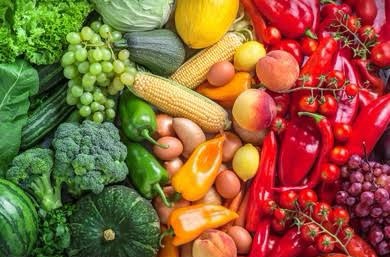
Dietary fibres like vegetables like garlic, onion, tomatoes, beans, peas, leafy vegetables, broccoli. Fruits like bananas, apples, pears, kiwis.
Whole grains like brown rice, oats, wheat, barley, rye and pulses, legumes.
Dairy sources like milk, cheese, butter, and ghee.
Others like dark chocolate, seeds, nuts, and seawood.
Butyrate supplements are available in the form of sodium, calcium/magnesium butyrate but need to be used as per supervision as they may interfere with other medication.

10.It is important to know that consuming full-fat dairy products like butter, Ghee, cheese, and milk are rich sources of butyrate. However, consuming these products can cause the risk of elevating the level of cholesterol in the body as they are rich in saturated fatty acids too. Therefore, the risk of cardiovascular diseases and obesity may rise. So, the key point to be noted while consuming these products is having them in moderation along with lots of dietary fibre and plenty of water can benefit and maintain the balance.

Thanks for reading.

Peace and love ๐Ÿ™

10 facts to know about constipation ๐Ÿ‘

  1. According to medical terminology, constipation is when a person has irregular bowel movements, usually less than three times a week. Normally, a person with regular bowel movements has stool elimination three times a day to three times, a week. Constipation has been the most common gastrointestinal issue affecting millions of people daily.
  2. Normally, the food passes through the large intestine, and the water is absorbed in the colon while forming the faecal matter or stool. Then, the stool formed in the colon is pushed down to the rectum by muscle contraction. If the muscle contraction in the colon is prolonged, by the time, stool reaches the rectum, more water is absorbed making the stool too hard to pass. Passage of the dry hard stool becomes very difficult causing constipation.
  3. The most common causes of constipation are: Lack of movement, lack of exercise, stress. Lack of fibre in the diet.
    Not drinking enough fluids.
    Changes in dietary habits, pregnancy, traveling, ageing. Medications.
    Irritable bowel syndrome.
    Anal fissure.

4.Common symptoms of constipation:

Pain abdomen.
Painful bowel movements.
Feels uncomfortable or bloated.
Bowel movement less than 3 times a week.

5.Generally, constipation is relieved by switching the diet to more fibrous food, more intake of fluid, and exercise. However, if the person is not relieved of the symptoms despite these above- mentioned measures and maybe, there is a history of blood in stool, episodes are more frequent, then, it is necessary to seek medical attention.
Diagnosing constipation is based on medical history, a physical examination which covers an anorectal examination, barium enema, and colonoscopy.

6.Constipation is usually treated by diet and lifestyle changes.
Lifestyle changes include regular exercise, more intake of fluids in the daytime, giving enough time for daily bowel movements.
Dietary intake of at least 20-30 grams of fiber daily, including whole grains, fruits like bananas, pineapple, papaya, oranges, apples, kiwis, berries and vegetables, is recommended.
Changing the existing medication if any.
If the above measures donโ€™t work, then laxatives are prescribed.

7.Certain risk factors which may lead to constipation:
*Mental health issues: Due to depression and stress-related issues leading to unhealthy diet, irregular meal timing, anti-depression medication, lack of exercise, and eating disorders.
*Old age causes weakening of the muscle lining so sluggish bowel movements.
*Pregnancy causes the bulky uterus to press against the intestinal wall making it harder to defecate.
*Eating lots of refined food, junk food and not eating enough fibre causes hard stool. *Medications like iron pills, antacids, blood pressure medicines, allergy medicines, anti- depressants.
*Diseases: Stroke, paralysis, Parkinsonโ€™s disease, diverticulitis, multiple sclerosis, irritable bowel disease, colon cancer.

8.Constipation commonly occurs in most cases due to dietary changes or lack of physical activity. The condition is resolved usually by changes in diet and lifestyle. But, it can be a warning sign and may require immediate medical attention when:
there is severe cramping pain with sudden onset of constipation.
Blood in stool.
Loss of weight.
Severe pain with bowel movements. Constipation is for a prolonged period.

9.Generally, dietary and lifestyle changes can prevent constipation : Drinking 3-4 glasses of water every day.
Adding vegetables and fruits to your diet every day.
Routine physical activity and exercise is a must.
Eating Probiotics such as curd, yoghurt or kefir daily. Avoiding processed food, processed meat, and fried food. Drinking less alcohol and caffeinated drinks.
Not ignoring the urge to poop.

10.There are several different laxatives available, just for your information.
Osmatic laxatives like milk of magnesia cause softening of stool.
Stimulant laxatives increase the speed of bowel movements to help the stool to move through. Lubricant laxatives like mineral oil lubricate the intestine and help to slide the stool along the colon.
Saline laxatives are used as enemas to empty the bowel.

Thanks for reading.

Peace and love ๐Ÿ™

Are popcorns ๐Ÿฟ healthy ? 9 facts ๐Ÿ™Œ

  1. Popcorns are corn kernels which get popped when heated. Today, across the world, this has become the most popular snack amongst all age groups. Corn is the oldest grain which has been consumed for over 5000 years. It has been popular due to its easy availability and low cost. As far as health point of view is considered, it is a whole grain food, rich in fibre, low in calories and dense in nutrients.
  2. Studies show that popcorn is high in fibre and contains many vitamins and minerals. Important nutrients in popcorn are vitamins B1, B3, B6, iron, potassium, manganese, zinc, copper and phosphorus. Many studies also show that it is rich in polyphenols which are potent antioxidants. Polyphenols reduce the risk of damage by free radicals, diabetes, and heart disease and improve gut health. Popcorn is gluten-free so it can be a healthy option for people with gut issues.

3.Since, it is high in fibre and low in calories, it can help in weight loss. Eating a cup of popcorn which is around 30 calories can relatively be more beneficial in terms of fibre and nutrient content than any other popular snack. Also, it can give the feeling of fullness and curb your hunger for quite some time. Therefore, eating in moderation of popcorn can be very useful in the process of weight loss in an overweight individual.

4.Popcorn contains antioxidants Zeaxanthin, beta carotene and lutein which are very essential to eye health. These antioxidants can slow the age-related macular degeneration of the eyes, lower the damage caused by blue light and overall improve the eyesight.


5.Other health benefits of yellow popcorn are :
*Boost the metabolism and energy production due to the presence of vitamins B, B3, B6 and folate.
*Popcorn contains niacin which helps to reduce depression naturally.
*Phosphorus, and manganese present in popcorn help to support bone health.
*Popcorn can combat tumour cells due to the presence of ferulic acid.
*It can reduce the level of bad cholesterol and prevent the risk of heart disease.
*It can slow down the process of ageing as it helps in free radical damage.
*It can add iron (28 gm of popcorn containing 0.9mg of iron) to the diet and reduce anaemia. *It can control blood sugar as it has a low glycaemic index and helps in diabetics.

6.Air-popped popcorn is healthiest. Unsalted popcorn, unflavoured is healthier than those with an excess of oil, butter, sugar, caramel, and salt. Microwave popcorn bags which are pre-packed contain the chemical perfluorooctanoic acid (PFOA) and sometimes, trans fat which are harmful to health.


7.Popcorn added to diet in moderation can prove to be safe and beneficial to health. But it may have side effects on certain individuals. Some individuals can have allergic reactions to popcorn like swollen face, and breathing difficulty which may require urgent medical attention. People with digestive diseases and inflammatory bowel disorders can have flaring-up symptoms when consuming popcorn.


8.Popcorn is the ideal choice for adding to your diet in moderation. You can definitely enjoy popcorn daily, as long as you stick to one cup per day without any butter, salt, sugar, or artificial flavors. This will provide a healthy dose of whole fiber content, making it the most nutritious snack option for your diet.

9. Yellow corn which is organically grown, non-GMO, is best for regular consumption. Popcorn which is popped from such type of high-quality corn, air popped with no added flavours is ideal and provides immense health benefits. Rich in phytonutrients, vitamins, and minerals, whole grain fibres can help to reduce the risk of chronic illnesses, obesity, diabetes and many malignancies.

Thanks for reading.

Peace and love ๐Ÿ™

Are canned food healthy? 10 facts ๐Ÿ™Œ


1.Canning is a method of packing food in air tight containers to last longer period of time. It can last from 1-5 years depending upon the kind of food preserved. 3 steps which include canning are processing the food by cleaning, peeling and slicing. Next step is packing them in air tight containers and lastly, heating or thermal sterilization of those containers to kill harmful bacteria and germs.


2.We often hear that canned food and vegetables are not good enough. Though the fact is true that having freshly picked or buying fresh produce vegetables from the farmerโ€™s market is best. While canned food and vegetables are fine as long as it is not used daily. Canning restores nutrients and is easy and handy to use. They can be kept in the freezer for days when the availability of fresh produce is low.


3.Some studies show that canning restores the high nutrients of the food. Since canning involves heating, heat releases more antioxidants from food like tomatoes and corn. So, certain nutrient levels like antioxidants are increased. However, some water-soluble vitamins like C and B can get damaged due to the heating process. In general, canned food is good enough as comparable to fresh and frozen food.


4.Commercial canning and food packaging involves a chemical named BPA (bisphenol-A). Studies do show that the BPA in cans do get mixed with the food that has been preserved. Certain studies show that BPA can be linked to heart disease and type 2 diabetes. But, more studies are required to prove the hypothesis. Sometimes, bad and unhygienic canning can lead to contamination by harmful bacteria like botulism. So, it is important to avoid canned food which is damaged, leaked or cracked.


5.Preservatives, salt, and sugar can be used to enhance the flavours of the canned food. The high salt content can risk to people with high blood pressure while sugar preservatives can be an issue in the case of diabetic people. Therefore, it is very important to read the labels and ingredients list before buying a canned product. Before using canned food, draining and rinsing the food is necessary so that the excess salt or sugar is released.

6.Canned meat, chicken, and seafood are handy sources of protein with vitamins and minerals. Usually, the shelf life is 2-5 years depending upon the product. They might contain extra sodium or salt while canning. So, the food needs to be drained completely to remove the excess salt before consuming. Depending upon the brand to brand, reading the label and the ingredients lists before purchasing, the canned meat and seafood can be used as a healthy and filling source of protein and vitamins as when necessary.


7.The most important aspects of using canned food in our diet are knowing the brand, a reputed brand, buying the product from a known store and the ingredient lists. The most crucial risk factors can be spoilage, damaged or leaked cans, BPA exposure, the potential for quality variation, environmental impacts, high sodium content, lack of freshness and nutrient loss.

8. In spite of some of the risk factors, there are still a lot of advantages of canned food and are widely being used worldwide. They are concentrated food, handy to use, safe and can be stored for a long time at a room temperature. They are usually protected from contamination of micro- organisms, insects, pests and pollutants. They are available throughout the year and can be consumed instantly.

9.The disadvantages are important to note too. Nowadays, apart from BPA, several preservatives are used in canned food like nitrites, sulfites, potassium, sodium benzoate, and BHA (Butylated Hydroxyanisole 320) which can be hazardous to health. So, it is very essential to read the labels and ingredients list while buying a canned product. Already mentioned about the risk of botulism if the canned food container is leaked or damaged.

10. Yes, canned food is easy, quick, handy and affordable. Not all canned products are bad and can provide the necessary nutrients for health when consumed. When food availability is low, or when you are travelling, canned food is convenient to use. Having canned food, only whenever is required and never using it regularly is recommended. Eating fresh produce or frozen vegetables is a far better option than having a canned product which might prove detrimental to health in the long run as harmful preservatives do often get mixed with the canned food.

Thanks for reading.

Peace and love ๐Ÿ™

10 facts about Cheilitis or chapped lips ๐Ÿ‘„

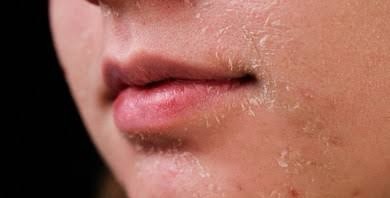
  1. Chapped lips are common and can happen any time of the year irrespective of season. When lips are dried, cracked and feel tight, they are called chapped lips or Cheilitis. As the skin on the lips contains no oil glands, they are thinner and more sensitive, hence chapped lips are common. Most of the time, it is common in dry winter, or excessive sun exposure, dehydration or excessive licking.
  2. Cheilitis or chapped lips is inflammation of the lips and can be of different types depending on the sources.
    Due to allergic reaction called contact cheilitis.
    For sun exposure called actinic chelitis.
    Reaction to certain drugs like retinoids causes drug induced cheilitis. Fungal infection of the mouth causes angular cheilitis.
    Herpes infection causes infective cheilitis.
    Persistent painless swelling of the lips causes granulomatous cheilitis. Frequent licking of the lips causes exfoliative cheilitis.

3.Certain risk factors which can cause cheilitis are nutritional deficiency of vitamin B12 and iron, certain medical conditions like thyroid disease, autoimmune conditions like Lupus erythematosus, Sarcoidosis, Crohn’s disease, dermatitis and allergic reaction to cosmetics. Metabolic diseases like diabetes, certain irritants, climatic effects and oral candidiasis can cause cheilitis.

4.Diagnosis: Chapped lips are common and temporary. When lips are cracked, swollen, or tight, then, they are called chapped lips or cheilitis which can be easily diagnosed visually. A long-term occurrence of chapped lips may be required for medical attention. Usually, an allergy test, blood work and sometimes a biopsy are required for a proper diagnosis. Bleeding is common from cracked lips which can be easily managed by a lip balm or ointment. If bleeding is frequent, then medical attention is necessary for the diagnosis of the underlying cause.

5.Treatment:Whenever chapped lips appear, it is important to apply lip balm immediately, so that it will heal faster and leave no scope for infection. Wearing lip balm regularly will heal the lips faster within a week. When bleeding occurs from cracks, cuts, or sores from the lips, there is pain and irritation. In that case too, continuously applying lip balm, ointments like petroleum jelly, glycerin or mineral oils like castor oil can be used for healing which may take longer. Lip balm needs to be hypoallergenic, moisturizing and with sunscreen SPF preferably.

6.Crevices: People with more skin creases, either anatomically or due to ageing, are more prone to developing cheilitis. This is because saliva from the mouth can accumulate in the lip crevices, leading to inflammation and cheilitis. Elderly individuals, smokers, those with sensitive skin, and ill- fitted dentures, and people who drool during sleep are also prone to cheilitis. Additionally, individuals with Down syndrome have a higher likelihood of developing cheilitis.

7.Symptoms of cheilitis of any type can have common characteristics like: *Dryness
*Cracked or fissures
*Peeling
*Itching *Redness *Bleeding
*Pain or irritation

8.Medication: Apart from lip balm, vaseline, petroleum jelly and glycerine, there are certain medication options for different types of cheilitis.
*For contact cheilitis, topical corticosteroids and emollients like Vaseline can be used.
*For angular cheilitis, topical antifungal and antiseptic ointments are used. *For Drug induced cheilitis, firstly discontinuing the use of the drug and applying emollients can be useful.
*For actinic cheilitis, applying topical corticosteroids is useful.

9.Prevention:
Preventing frequent licking of lips.
The routine habit of applying either petroleum jelly, lip balm, beeswax, or lip products with SPF (zinc oxide).
Staying hydrated in hot summer and using a humidifier in cold dry climates.
Avoid irritants like fragrance, allergens, and food that can irritate.
Breathing through the nose rather than the mouth.
Covering face and lips in dry windy weather.

10.Products: Since the market is flooded with various lip products, many people are allergic or sensitive to certain products. While trying a new lip balm, if there is burning or tingling, it is important to stop using the product immediately. Common irritants used in lip products are flavouring agents, fragrances, menthol, camphor, lanolin and many more. The best product for chapped lips has been the age-old petroleum jelly or the glycerine.

Thanks for reading ๐Ÿ˜Š

Peace and love ๐Ÿ™

10 facts about Nigella seeds ๐Ÿ™Œ


1.Throughout history, Nigella seeds, known scientifically as ‘Nigella Sativa’, have been utilized in a variety of culinary dishes in South Asian and Middle Eastern regions. These seeds grow from a flowering plant. The taste of these tiny black seeds is similar to that of onion and oregano, but they are slightly bitter. They are known for centuries for their immense medicinal and health benefits. They can be utilized in various forms, such as whole, oil, capsules, or powdered form.

2.Nutrition: Packed full of minerals and vitamins, including iron, calcium, zinc, copper, thiamine, phosphorus, folic acid, and many more, it’s a power meal. Useful fatty acids including linoleic, oleic, palmitic, and arachidonic acids make up the seed oil. Thymoquinone, its primary active ingredient, is extremely beneficial to health.

3.Antioxidants: Nigella seeds are full of antioxidants, which can fight free radicals and prevent oxidative stress. Studies show that nigella seeds contain several amino acids like carvacrol, thymoquinone, and 4-terpineol, which are powerful antioxidants. Hence, regular intake of nigella seeds can help protect against a wide variety of diseases, like heart disease, diabetes, cancer, and obesity.

4.Cholesterol: Many studies have shown that taking nigella seeds powder can help to lower LDL cholesterol and increase HDL cholesterol levels. This powerful effect can help the body prevent atherosclerotic diseases and ischaemic heart disease.

5.Brain: Nigella seeds have been shown to have the ability to slow down or prevent the progression of certain neurological inflammation in the brain, including Alzheimer’s disease, epilepsy, encephalomyelitis, depression, and Parkinson’s disease. Some research have also shown that nigella seeds can slow down the progression of dementia and age related memory loss.

6.Anti-cancer: Research has shown that the antioxidant thymoquinone has strong anti-cancer properties. Lung, cervical, pancreatic, prostate, skin, and colon cancers can all be prevented with the use of nigella seeds and their constituents. However, further data and investigation are needed to validate these effects.

7.Anti-bacterial: Studies have demonstrated the anti-bacterial properties of nigella seeds on germs that cause everything from ear infections to pneumonia. Their antibacterial and antibiotic qualities aid in the treatment of skin infections. They can aid in the management of chronic obstructive lung disorders and asthma because of their anti-inflammatory qualities. To manage such problems, people take the oil in capsules. However, further investigation is needed to fully understand these impacts.

8.Skin: Studies have shown that black seed oil can be used routinely to moisturize and skin cleansing. It can help to manage certain skin issues like psoriasis, eczema, vitiligo, pigmentation and wound healing. It can fasten wound healing, repair tissue damage, reduce skin irritation, heal minor burns, scar tissues. It can also help to moisturize hair, reduce hair loss.


9.Dosage: Nigella seeds have been found to have many health and healing properties and is widely been used. Itโ€™s available in capsule, powder, tablets, creams, oil, soaps, shampoos and many more forms. It is safe in small doses , about 1-2.5 gm by mouth on daily basis. But, it is recommended to inform your Primary Physician before using it.

10.Side-effects:
*Bleeding disorder: It slows blood clotting, so it is contraindicated in people with bleeding disorders. *

*Since nigella seeds may interfere with metabolism, it is important to inform the treating physician while using them.

*It can slow down uterine contraction so nigella seeds supplementation should not be used during pregnancy.
*Usually it protects the kidneys but excess consumption like 2000-2500mg daily may affect kidney health.
*The best way to minimize the potential side effects is by incorporating nigella seeds paste or oil in very small quantity in meals to enjoy the immense health benefits, these seeds provide.

Thanks for reading.

Peace and love ๐Ÿ™

10 facts to know about warts ๐Ÿ™Œ

  1. Warts are painless growths that are bumpy in nature and can grow on various parts of the body, such as the hands, knees, face, extremities, and even genitals. They are caused by various strains of the Human Papilloma Virus (HPV). Warts are contagious and can spread from one part of the body to another through contact, and person-to-person transmission is possible through skin contact and sexual contact.
  2. Different types of warts can occur depending on the location of the body: – Common warts can appear on the fingers, feet, and toes. They are usually not serious and not painful. Plantar warts appear on the sole of the feet. Filiform warts grow on the face, chin, around the mouth, or nose. Genital warts grow in and around the genitals and are caused by specific strains of HPV. They are usually serious, and warts in the cervix can potentially lead to cervical cancer.
  3. Warts are usually not dangerous and are quite common. Common warts that grow on the face, hands, and feet are painless and harmless. If they become uncomfortable, they can be treated by using salicylic acid cream, cryotherapy, laser therapy, or surgical removal. Home remedies such as using apple cider vinegar and duct tape can also be effective. Recurrence is common, so treatment should only be done if necessary.

4.Warts can be dangerous and require medical attention if they appear on the genital regions, inside the mouth, or nostrils. Warning signs for needing medical consultation include bleeding, a change in the color of the warts, or if they become painful. Individuals with immunodeficiency conditions such as HIV infection, AIDS, or diabetes should seek medical attention if they develop warts.

5.Genital warts are commonly sexually transmitted infections. Some particular strains of HPV are responsible for genital warts. They are skin-coloured bumps usually grown on moist areas of genital regions. They are common in both males and females. It can also be transmitted in the mouth and throat regions through oral sex with an infected person. Such conditions require immediate medical attention.

6.Around 40 strains of HPV causes genital warts. People who are at risk to get infected are those who have a weak immune system, people with diabetes, people who are sexually active with a partner who have a past history of infection, not getting HPV vaccine, unprotected sex and multiple sexual partners.
Genital warts can lead to complications like cervical cancer, or cancer of other genital region. PAP smear tests in females are important to those who are at higher risk of HPV infection.

7.Difference between common warts and genital warts are common warts are harmless, benign, painless and self limiting. Whereas genital warts are a type of STD, sexually transmitted disease and are potentially dangerous. Genital warts require medical attention. Both types of warts resolve spontaneously but can reoccur mostly. Both of them are caused by different strains of HPV. Treatment are topical cream, cryotherapy, electrocautery and laser therapy.

8.It is important to know the symptoms of warts so as to indentify whenever appear in the body. Normally, they appear as bumpy small swelling on the hands, fingers, toes, knees, face and eyelid. Rough to touch, usually painless, and can bleed while friction with clothes or while scratching. Warts might have black dots beneath the top layers as these are clotted blood vessels.

9.Recurrence of common warts as well as genital warts require the attention of Dermatologist. Persistence of common warts in face, eyelid, fingers, toes may make require special treatment like laser therapy, cryotherapy or surgical removal. In case of genital wartsโ€™ recurrence, biopsy may be necessary to rule out cancer.

10.Understanding preventive measures can help to prevent and get rid of warts. Some ways:

*Prevent sharing of towels, clothing and personal items like nail cutter, razors of another person who has warts.
*Prevent touching of another personโ€™s warts.
*HPV can enter through cut or broken skin. So, preventing dry, cracked skin by using moisturizer.

*Taking precautions like using condoms to prevent genital warts.
*Always wearing shoes, sandels, flip flops while using public toilet, locker room, pool area and showers.

Thanks for reading ๐Ÿ™

Peace and love ๐Ÿ’