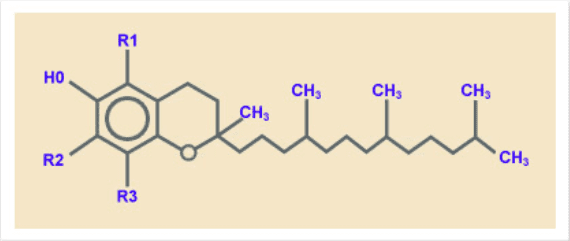
10 important facts about tocotrienols 🙌

Tocotrienol complex

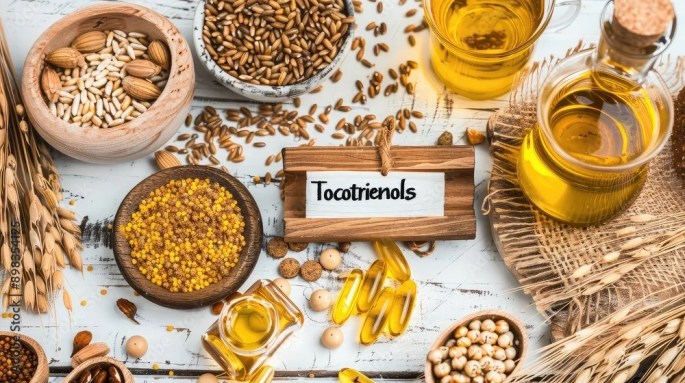
1. Vitamin E is actually a complex of 8 different compounds, which include 4 tocopherols and 4 tocotrienols , each of which can be further divided into alpha, beta, gamma, and delta forms. While tocopherols have been the focus of most research, tocotrienols have not received as much attention. Consequently, many vitamin E supplements available in the market predominantly feature tocopherols, leaving the full potential benefits of tocotrienols yet to be explored.
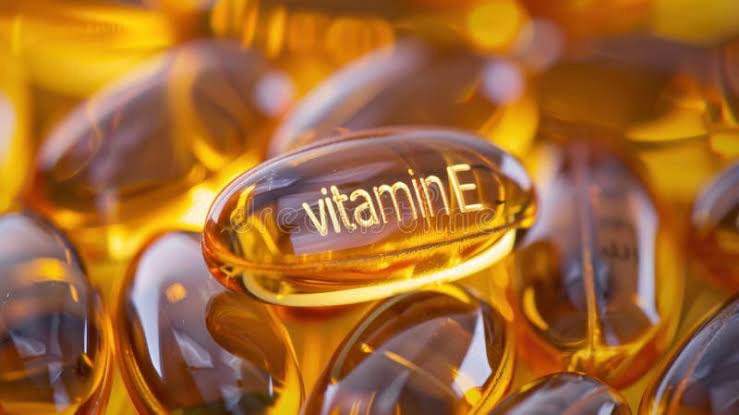
2.Many Vitamin E supplements on the market primarily contain tocopherol as their main ingredient, which means that their full benefits for the body are not realized. Recent research has shown that tocotrienols are powerful antioxidants with various health benefits. They possess neuroprotective properties, help reduce cholesterol levels, promote skin and hair growth, protect the liver, prevent strokes, and may even help prevent sterility. Additionally, tocotrienols are known to combat inflammation.

3.Actually, tocotrienols help significantly in the body to lower inflammation. Studies have shown that tocotrienols are five times more potent than tocopherols in reducing inflammation. Research has shown that tocotrienols are available in different forms: Delta tocotrienols and gamma tocotrienols, of which delta tocotrienols have five times more potency than tocopherols to fight inflammation in the body. In fact, tocotrienols are far more potent than tocopherols in the prevention of oxidative stress.

4. The widespread benefits of tocotrienols can be summed up as :

• Powerful antioxidant.

• Powerful antimicrobial

• Neuro-protective.

• Anti-cholesterol effect.

• Anti-tumour, anti-cancer,

• Prevents stroke

• Anti-inflammatory, prevents autoimmune diseases.

• Protective to the cardiovascular system, hepato-protective, and promotes hair growth.

• Promotes bone health, especially for menopausal women.

Palm fruits

5. Extensive studies have been carried out on the neuroprotective role of tocotrienols, which have shown very positive results on people with stroke, nerve disorders and neurodegenerative diseases. Studies have revealed that astrocytes play an important role in restoring neuronal cells and protect neurons against oxidative stress. Tocotrienols help in preventing glutamate-induced injury and prevent the death of astrocytes. Therefore, tocotrienols are crucial in minimizing neurodegenerative diseases and stroke.

Annatto

6. There are several studies and clinical trials showing evidence of anti-inflammatory effects of tocotrienols by controlling the inflammatory mediators. Research suggested that tocotrienols block the activation of nuclear factor kappa-light-chain-enhancer of activated B cells (NF-kB), one of the main regulators of inflammatory response. Supplementation of tocotrienols is found to reduce tumour necrosis factor alpha (TNF-alpha), interleukin-1 and phorbol ester. It is a potential agent with significant anti-inflammatory effects in atherosclerosis, thyroid diseases, and autoimmune diseases.

7. Research shows that tocotrienols are usually safe for healthy individuals at a minimum dosage. But they do have anti-coagulant properties, so people with blood disorders should avoid taking them. Some contraindications:

• Individuals allergic to any compound of Vitamin E should strictly avoid it.

• As mentioned already, people with bleeding disorders, or anyone who will undergo surgery, should avoid it as it may slow blood clotting.

• Tocotrienols may interact with medicines like anticoagulants and antiplatelets and increase the risk of bleeding.

• Overdosing should be avoided as it may cause physical symptoms like headache, fatigue and GI symptoms.

•High doses of tocopherol can interfere with the efficacy and absorption of tocotrienols.

8.Tocotrienols are generally safe when taken by mouth. There is no standard medical recommendation for dosage. However, under medical supervision, the typical dose of tocotrienols in adults is 100mg – 200mg per day. Dosage can vary depending on the specific health requirement. Supplements are mainly derived from palm and annatto derivatives. They are fat- soluble and best absorbed along with a meal.

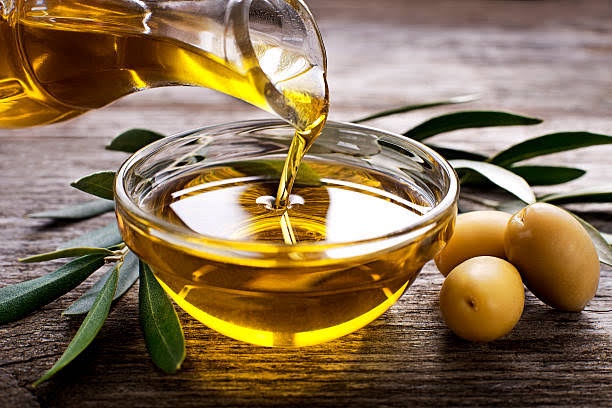
Edible oils

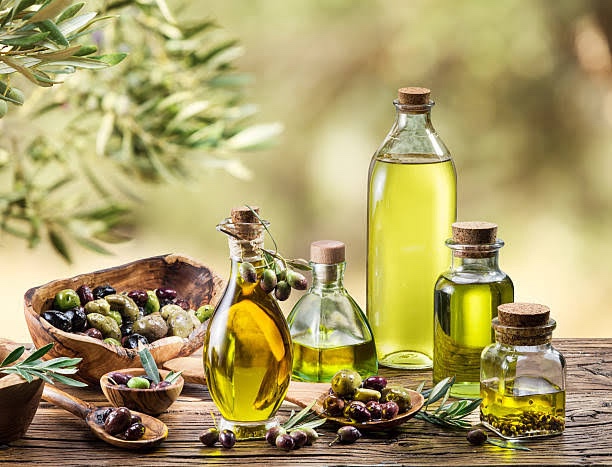
9. Food sources: Generally, tocotrienols are rarely found in nature. Even if some food sources are available, they are available in very low quantities. Palm oil has the most concentrated and natural source of tocotrienols, but at a very low level, which is not sufficient for potential health benefits. Other food sources are annatto ,edible oils like rice bran oil, grape seed oil, castor oil, coconut oil, peanut oil, linseed oil, cod liver oil, hazelnuts, oats, olive oil, maize, wheat germ, nuts and barley. Fish like salmon, trout, fruit like avocado, mango, vegetables like red pepper, greens, turnip, and squash are rich in vitamin E and its compounds.
10. Takeaway is that tocotrienols are the least known compound of the Vitamin E family, yet they are the most potent antioxidant and have strong evidence of widespread health benefits. Newest studies show that this compound has senolytic properties, a strong immune response, and apoptosis. They can slow down the process of ageing, reduce oxidative stress, and lower malignant potential. Though in small quantities, regular intake of natural sources of tocotrienols is sufficient for a healthy individual. Supplementation is required when medically prescribed.

Thanks for reading.

Peace and love 🙏

8 facts: Broken Heart Syndrome 💔

1.Broken heart Syndrome is a temporary heart condition known as Takotsubo cardiomyopathy, as it was first described in Japan in 1990. This condition of the heart weakens the left ventricular muscles, making blood pumping difficult. The condition is associated with a severe emotional episode, extreme physical stress, loss of a loved one, sudden illness, or a serious accident.

2.Broken heart syndrome symptoms may mimic the classic symptoms of a heart attack like pain in the chest, severe pressure or heaviness in the chest, shortness of breath, fatigue and cold sweats. Pathologically, there is no actual blockage in the coronary arteries. Research shows that extreme emotional, and traumatic stress, the rise of catecholamines and stress hormones like adrenaline causes the heart muscles or the coronary arteries to stun the heart temporarily, preventing the left ventricle from pumping blood effectively.

Ballooning of left ventricle

3. Studies show about 90% of the cases are women and many of them recover without any long-term damage. The exact cause is still not known. But the common causes which are found to be:

• Sudden loss of a loved one.

• Severe physical pain.

• Sudden illness.

• Domestic violence.

• Serious accident.

• Huge financial loss.

• Intense fear.

4. Though physical symptoms and ECG changes like ST segment elevation can misdiagnose a heart attack, other imaging studies are required to rule out a heart attack. The most common diagnosis of Broken heart syndrome is no evidence of blockages in coronary arteries which on the other hand, is a classical sign of a heart attack. In the echocardiogram, there is a bulging of the lower part of the left ventricle seen in Broken heart syndrome, which resembles a tako-tsubo (a Japanese octopus trap pot), hence the name is derived. This is quite a confirmatory sign of Broken heart syndrome or Takotsubo cardiomyopathy.

5. To sum up the differences between Broken heart syndrome and heart attack are:

• The angiogram shows no signs of blockage of coronary arteries.

• Blood work, especially enzyme levels shows no sign of heart damage.

• An echocardiogram shows abnormal bulging or ballooning of the lower part of the left venticle so, also known as Balloning heart syndrome.

• Recovery is faster within days to a couple of weeks.

6. Broken heart syndrome is not usually fatal, and under treatment and observation, the individual recovers within weeks to a month. The prognosis is good and there is also less risk of such episodes in future. But in rare cases, it may become fatal causing severe short-term heart muscle failure. Research continues to learn more about the diagnosis and treatment of cases of Broken heart syndrome.

7. There is no standard treatment for Broken heart syndrome and is mainly individual-specific. Medication is required to reduce the stress on the heart muscles. Medications like Angiotensin-converting enzyme inhibitors (ACE), Beta-blockers, diuretics, and blood thinners are used to heal the heart muscles and prevent further episodes. Complete recovery is likely within a month or so.In addition to this, management of stress is also required to prevent such episodes in future.Regular follow-ups are required for the individual.

8. Broken heart syndrome or Takotsubo syndrome has been researched to have certain general pre-disposing risk factors like smoking, hypertension, obesity, diabetes, pulmonary diseases, malignancies, neurological diseases and psychological disorders. Evidence also shows higher prevalences in females compared to males. Although routine checkups, ECG, blood work and echocardiograms are necessary at regular intervals, it is important to work on stress factors like meditation, yoga, deep breathing and mindfulness techniques.

Thanks for reading.

Peace and love 🙏

10 facts to know why cold pressed oil is a healthier option 🙌

Hi everyone !

  1. Any edible oil is cold-pressed oil when it is produced by precipitation, by pressing the seeds at room temperature without using heat for extraction. Unlike refined oil, the process of extraction of cold-pressed oil and filtration is done without using any harmful chemicals and heat. It is produced by the natural method of extraction from seeds by pressing at room temperature so found to be more natural and nutrient-dense.
  2. How the cold-pressed oil is different from other oils? Refined oil extraction involves machinery with different steps of refining, by using chemicals, heat and sometimes bleaching agents so the oil has a high smoking point. Hot-pressed oil involves applying heat during extraction but no chemicals. Vegetable oils are usually hot-pressed oil. Virgin oil involves the extraction of oil from fresh fruits or seeds like virgin olive oil or virgin coconut oil. In some cases, it may differ from cold- pressed oil as the oil is extracted from the fruits or seeds from drying them earlier so the oil retains its nutrients and antioxidants.

3.From a health point of view, out of all cooking oils, cold-pressed oil and virgin oil have the maximum benefits. Both the oil extraction and filtration processes have been made to preserve the maximum nutrients, antioxidants and healthy fats. Even after extraction, these oils are rich in healthy fats like omega 3 and 6, vitamins, and minerals like zinc, magnesium and potassium. These nutrients are very essential for health as anti-inflammatory, and anti-cancer properties and are good for the cardiovascular system.

4.The cold-pressed oil of any variety, restores the natural flavour and physical characteristics of the oil like colour, taste and smell. Apart from having immense health benefits, the oil is light and good for cooking depending on the variety of oil used as per taste buds. Extra virgin olive oil is considered the healthiest as it is extracted from the freshest olives by cold pressed method.

5.Depending on the cooking culture and taste buds, there are a wide variety of cold pressed oil types in the Supermarket like olive oil, soybean, canola, cottonseed, palm, peanut, coconut, sesame, mustard, sunflower and avocado oil. Out of them all, olive oil and coconut oil are among the healthiest varieties as a cooking medium. Extra virgin olive oil, avocado oil and walnut oil varieties have been used as dressing for salads.

6.The reason of the disadvantage of cold-pressed oil is due to its low yielding while extraction and short shelf life of 3-4 months. To increase the volume of the cold-pressed oil, the raw material has to be crushed several times. The method of extraction is usually manual or simple mechanical tool of crushings used at room temperature. Then, the oil is filtered to remove precipitates or any toxins. Due to low production, the cost is usually high.

7.Nowadays, cold-pressed oil is preferred for its environmentally friendly method of extraction. Moreover, the oil is nutrient-rich with tremendous health benefit properties of lowering the risk of heart disease by reducing bad cholesterol, anti-cancer properties and anti-ageing benefits. These oils are rich in polyunsaturated fatty acids which are necessary for brain function and heart health.

8.Another important benefit of cold-pressed oil is that it can aid in the weight loss process. Since it has a high metabolic rate it can facilitate in burning of fat. It is also easier to digest due to its low cholesterol content. But, using excess oil while cooking may overshadow these benefits.

9.Some variety of cold-pressed oil has some special benefits in particular. Like groundnut oil, olive oil improves insulin sensitivity and helps in better control of blood sugar. Lignan is a powerful antioxidant found in cold-pressed sesame oil which helps in lipid peroxidation and thereby lowers blood pressure. There is strong evidence that shows that consumption of olive oil lowers the risk of cancers like breast and GI tracts cancers.

10.It is very essential to switch to a healthy type of cooking medium like cold pressed oil and use them in moderate quantities for cooking daily to lower the health risk. Nutrient-dense, high-calorie- rich oil helps make you feel fuller after eating and reduce your hunger. Together with everyday exercise and considerable hours of fasting between meals can help to maintain overall well-being.

Thanks for reading.

Peace and love 🙏

10 facts to know about your gut flora 🙌

Hello everyone 🤗

  1. The gut flora is mainly composed of trillions of gut microbiomes which are mainly bacteria, fungi, viruses and archaea. This is unique to every individual and develops in his/her lifetime, as distinctive as the fingerprint. Initially, the intestinal tract of a newborn at birth is sterile. The newborn’s gut is first colonised by the mother’s bacteria during the process of vaginal delivery. Environmental bacteria also start colonising in the baby’s gut as soon as it is exposed after birth. Then, slowly the child’s gut starts developing into a unique microbiome flora depending upon the different food intake and environmental exposures with time.
  2. The gut starts having both good and bad bacteria with different kinds of food and environmental exposures. Good bacteria mainly help in the digestion and absorption of the food and nutrients. They strengthen the immune system and produce several beneficial amino acids and vitamins. The more, the good bacteria population, the healthier the person and the stronger the immunity, in his lifetime. They are simply the protectors of our health and well-being.

3. There are bad bacteria also in our intestinal gut flora. As long as they are low in level, they remain harmless. But then, when we take antibiotics or develop unhealthy food choices and habits, smoking, drinking alcohol and so on, the good bacterial flora is at risk and starts eliminating. In such cases, bad bacterial flora starts flourishing causing havoc in the immune system leading to various diseased states. Chronic inflammation starts progressing leading to autoimmune diseases, cancers, and inflammatory bowel diseases.

4. As research has progressed, studies have found links between bacterial species in the gut to certain types of diseases. Metabolic diseases like obesity and type 2 diabetes are found to be linked with the presence of certain bacterial species of Lactobacillus.
New studies have shown strong evidence of gut kidney connection. Certain species of bacteria in the gut microbiome result in uremic toxins while digesting protein which may be a factor in developing chronic kidney diseases. Several studies have shown a link of depression to the gut microbiome. Various bacterial species like Eggerthella and Sellimonas are found at high levels in individuals with depressive symptoms.

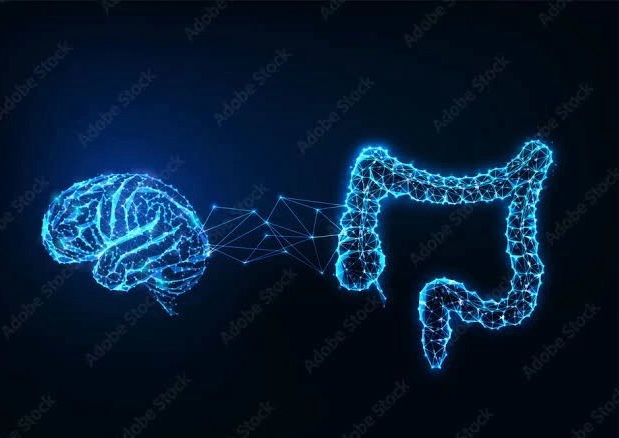
5.The gut-brain connection plays an important role in a person’s well-being. That is why the gut is known as the “second brain”. The gut nervous system can be called the Enteric Nervous System, which has around 100 million nerve cells from the oesophagus to the anal opening. The main functions of this system are digestion, absorption of nutrients, and release of enzymes for food breakdown. Studies show that irritation in the GI tract may trigger the central nervous system to change moods. The gut microbiome also produces hormones like serotonin, and norepinephrine which are important for mood changes. Therefore, there is a strong connection between depression and anxiety in people who deal with gut issues like irritable bowel diseases, stomach upset, pain, and constipation.

6.The signs of a healthy gut are the regular pooping habit, which may be 2-3 times a day to 3-4 times a week, the range can vary with every individual. There is no pain, no bloating after eating, and no discomfort during bowel movement. Symptoms like bloating, diarrhoea, stomach pain, feeling of fullness after eating or malnutrition can be the signs of an unhealthy gut or tigger for slowly increase in bad bacteria. In such cases, clinical attention is required to investigate and diagnose any bowel issues.

Sugar rich foods

7.The common triggers which may lead to an unhealthy gut can be too much stress, constant fatigue, sleep disturbances, ultra-processed food, a sugar-rich diet, and too little intake of fluids. The frequent use of antibiotics has a link to an unhealthy gut. Therefore, these lifestyle habits need to be avoided as practically as possible. Skin conditions like psoriasis do have a link to an unhealthy gut too.

Natural foods

8. The common ways that we can take care of our gut health and improve the good bacteria count are by having a fibre-rich diet with plenty of vegetables and fresh fruits. A diet rich in whole grains, legumes, pulses, nuts and sea fishes. Lowering the sugar-rich foods, limiting the everyday stress, and remaining hydrated as possible. Intermittent fasting is beneficial too for gut health and flora.

Fermented foods

9. Another important food for our gut health is fermented food as they are rich in probiotics. Plain yogurt, buttermilk, kimchi, sauerkraut and kombucha to name in the list. There can be other varieties of fermented food too which can be local or region-specific around the globe. Any food which is fermented or sprouting can be excellent for gut health as it increases the lactobacilli and keeps the growth of bad bacteria checked.

Walking in nature
Gratitude journal

10. So, the simple tips to take care of gut health are to have more and more fibres and probiotics daily, curtail sugar as much as possible, stay hydrated, keep out of stress, meditate to calming mind like walking in nature or listening to music, exercising, mild to moderate ways, practising gratitude journal every day increases happy hormones and trying to maintain a sleep routine. Ultimately, the best way to live a longer and healthier life is to live in harmony with nature.

Thanks for reading.

Peace and love 🙏

Tuesday musings 🌻

‘Don’t think what went wrong in the past, don’t plan too much for the future, just think and act at present’ ….

Thanks for reading 🙏

Peace and love 🍃

10 hard facts about Taurine 🙌

Hello everyone ,

1. Amino Acid :Taurine is found naturally in our body. Chemically, it’s an amino acid or more precisely amino sulphonic acid. Since it is naturally available in the body, it plays a significant part in different bodily functions like metabolism, immunity, nervous system, electrolyte balance, biliary system.

2. Nervous system :Taurine as an abundant amino acid support building up the nervous system, helps in storing memory. As ageing progresses, it’s bodily reserve reduces with age. Due to its decreased levels can be responsible for neurodegenerative diseases like Alzheimers’ or memory deficits.

3. Liver :The liver is supported by taurine mainly to break down cholesterol into bile salts. Bile salts play a crucial role in the digestion and metabolism of fat in the body.

4. Lifespan: Researches show that high taurine levels do have anti-aging effects. From its lower levels contribute to inflammation, diabetes, obesity, hypertension, so, with improved levels of taurine, these risk factors are significantly reduced. Food supplementation of taurine and exercise do contribute to the lifespan.

5. Cell protective agent: Taurine plays a vital role in regulating cell volume, calcium homeostasis, sweeping free radicals and stabilizing the cell membrane.

6. Heart : Studies show that taurine reduces the risk of heart failure by lowering the progression of atherosclerosis. It has a potential vasodilating effect. Taurine supplement in people who have a history of heart failure shows lower levels of cholesterol. Low Taurine levels may be a significant factor in the development of cardiomyopathy.

7. Eye :Studies have shown that taurine is abundant in the retina of the eye. Reduced levels of taurine is linked to eye disorders like glaucoma, retinal degeneration like diabetic retinopathy.

8. Muscle :Studies show that taurine helps to improve muscle power and strength. Taurine appears to help restore muscle injuries, damage, pain and reduce progress in people with muscular dystrophy.

9. Food : Taurine is found in dairy and high sources are mainly meat, chicken and fishes. As for plant based diet, seaweed is a good source of taurine.

10. Dosage : Taurine supplementation is not usually recommended as it is naturally available in the body and in our diet. If prescribed clinically, evidence shows that consumption of 3 gms per day works well without the risk of side effects. Taurine has also been an essential component in energy drinks in case of physical performance. Some infant formulas contain taurine because it is not naturally found in babies as it is in adults.

Thanks for reading.

Peace and love 🙏

10 quick facts of ginger🫚

Ginger is an ingredient common to our cuisine for centuries. It is widely used in most of the culinary dishes. Besides adding the zing in our taste buds, it has immense medicinal and health benefits.

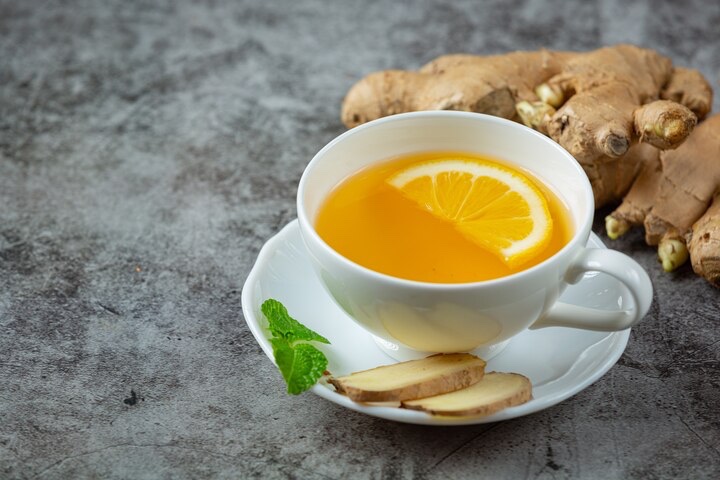
  1. Ginger contains gingerol that imparts its unique taste and flavour to cooking. This compound gingerol is a natural antioxidant and anti-inflammatory. Hence, ginger helps to cure common cold, flu, seasonal rhinitis and fungal infections.
  2. Previous studies have shown that ginger has played an important role in controlling blood sugar levels in people with type 2 diabetes. Researches also show that regular intake of ginger helps to reduce the levels of LDL cholesterol and triglycerides, thereby reducing the risk factors of cardiovascular diseases. It is also effective in weight loss.
  3. Ginger is highly effective against swelling, itchiness and minor skin allergies such as hives. Having ginger juice along with jaggary powder can be consumed to reduce skin allergies and itching.
  4. Ginger is an effective pain reliever. Consuming ginger slices or ginger juice can help to reduce joint pain, body ache and earache.
  5. Consuming ginger or raw ginger juice has helped in improving many digestive issues. Eating raw ginger slices before a meal will help to stimulate digestion and improves the appetite. A person having indigestion, belching, bloating will be relieved after having ginger juice along with lemon juice or ginger slices. Problems like nausea, vomiting, diarrhea can all be relieved after consuming ginger. So, it can be used during Morning sickness. People taking chemotherapy may use ginger to alleviate post-drug side effects.
  6. Ginger is very effective when used freshly, but also beneficial when consumed as a powder for juices or tea. A common spice used in various cuisines.
  7. Ginger is effective against degenerative diseases like multiple sclerosis, Parkinson’s disease, Alzheimer’s disease due to the presence of compounds like 6-gingerol and 6- shogoal.
  8. Ginger is grown especially in tropical areas. Ginger roots are mainly used for cooking and healing purpose. It can be stored in dried or powdered form for a long time. Ginger supplements are available in capsules or liquid extracts. Ginger oil as essential oil is used in beauty products.
  9. Ginger is rich in dietary fibre and in vitamins like B3, B6 and C. It is rich in folate, magnesium, phosphorus and zinc.
  10. Ginger is usually safe, but it must be used in moderation as part of a healthy diet. Too much consumption or concentrated higher doses may lead to heartburn, stomach upset or loose motion.

Thanks for reading.

Peace and love 🙏
All about Ashwagandha 🌱

Hello everyone ! Have a wonderful and safe day 🙋🏻

Ashwagandha: This is a herb, initially grown in India, also in the Middle East and some parts of Africa. As the name signifies, ‘Ashwa’ meaning ‘horse’ and ‘gandha’ means ‘smell’. So the herb smells like horse and doesn’t taste good either. But, this herb is well known for its exceptional medicinal properties. It is used in Ayurvedic Medicine from an ancient time. Its botanical name is “Withania Somnifera”. Since it has some fantastic health benefits, various researches have been carried out across the world to prove it’s efficacy. Well yes, this herb has been considered safe and now widely been used as a supplement for various health issues and overall good health.

Scientifically, this herb is an adaptogen, meaning that it adapts the requirement of the body. It balances the body’s homeostasis depending upon the emotional and physiological stresses by strengthening the nervous, endocrine and immune system. The main medicinal compound found in this herb is called ‘Withanolides’. It is found beneficial for both men and women’s health and can be used in case of children too.

The top benefits of Ashwagandha:

1.Ashwagandha helps to boost the overall health, enhances the immune system, increases muscle growth and power. It increases stamina and endurance power.
2. Reduces stress and anxiety: Ashwagandha reduces the level of cortisol and empowers the adrenal health. It can improve the mood by acting as a natural antidepressant. It improves sleep quality by reducing stress and anxiety and calming the mind.
3.Aswagandha benefits the thyroid health. It helps to keep a balance of the different thyroid hormones. As it is an adaptogen, it can benefit in overall balance of thyroid hormones so it helpful in thyroid issues. But studies shows that it is more effective in hypothyroidism than hyperthyroidism.
3. It is highly beneficial for brain health. It can reduce inflammation in the brain, improves neuronal health and memory. It is used successfully to improve conditions like Parkinsonism, Alzheimer’s disease. It can help to improve focus and concentration, so it is used in cases of ADHD too.
4. It can be beneficial in both males and females by improving the reproductive health and endocrine system. So, it has been used successfully in case of males to improve the level of testosterone.
5. Studies suggest that it has anti-cancer properties and prevent the growth of new cancer cells. More shreds of evidence are required in this regard.
6. It can lower the blood sugar level as it improves the insulin secretion and increases insulin sensitivity. It can also lower cholesterol level and so is heart-friendly.


Since it is a natural herb from a green shrub, its root, leaves and different parts of the plant are used in Ayurvedic medicine. But the most widely used is the root powder extract. It is available in capsules and powder form. The ideal dose as a supplement is 500mg once or twice daily depending upon the individual body types and body weight. The best way to take the dose is at a convenient timing after a meal. A healthy diet is advisable along with the herb to get the best possible result. Since it has a robust medicinal compound, it has to be always used under Expert advice.

Though considered safe, like all herbs, overdosing can lead to toxicity.
Some of the side effects are important to note before using this herb.

1.Drug interaction: People using medicines for thyroid, blood pressure, diabetes, autoimmune diseases should never carelessly use this herb. Because, using this herb, can interfere with the efficacy of the other medicines used. So, this herb should be used only before advice by the treating Physician.
2.Large doses of Ashwagandha can cause gastrointestinal irritations like vomiting, stomach upset and diarrhoea. People should not use it if one suffers from a stomach ulcer.
3.Pregnancy and breastfeeding women should avoid using this herb as it can cause a harmful effect.
4.It can cause sedation when taken in excess or along with antidepressant pills.
5. It is better to avoid using this herb in individual who are opting for surgery as it can slows down the central nervous system.

Thanks for reading.

Blessings and much love to all 💐

(The intent of this post is mainly informational)

Phosphorus: 6 important facts 🙌

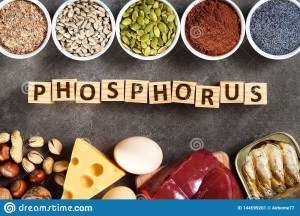
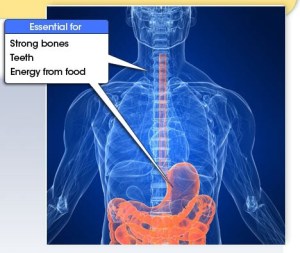
1. Phosphorus is an abundant mineral present in the body. It is found mostly intracellular and in bones and teeth. We get ample amount of Phosphorus from dietary sources. The kidneys remove the excess Phosphorus. Though mostly ignored, this mineral is essential for many vital functions in the body.


2. Functions are primarily :
– Strengthen bones along with Calcium
– Detoxifies the body by helping the kidneys to eliminate the wastes.
– Maintain the ph balance
– Improves digestion
– Assists in the production of energy molecules ATP and releases the energy by breaking the phosphate bonds
– RNA and DNA synthesis
– Needed for growth and development (especially children)
– For Cognitive health
– For dental health

3. Phosphorus level is essential in the body with a standard range of 2.5 to 4.5 mg/dl. Usually, excess Phosphorus gets eliminated by the kidneys. But when the kidneys are weak like in chronic kidney diseases, the extra level in the body can cause damage to organs. High level of Phosphorus can pull the Calcium from the bones, making them weaker and brittle. High level of Calcium and Phosphorus can cause calcium deposits in the heart, blood vessels, eyes and lungs. Such an individual has a higher risk of stroke and heart attack.

4. Sources: Plant sources are mainly in the form of phytates. Other sources are dairy, cereals, meat and fishes.
Familiar sources available: Lentils, cheese, yoghurt, almonds, halibut, turkey, chicken and beef.
A healthy adult requires about 700mg/day.
Growing children, pregnant and breastfeeding women require more of Phosphorus for proper growth and development.

5. Hypophosphatemia: When the serum level is below 2.5mg/dl.
Causes: Usually, the deficiency is rare as enough of Phosphorus is available from food sources.
Certain Conditions where Hypophosphatemia occurs:
Reduced intake in the diet,
Alcoholism,
Vitamin D deficiency, alkalosis,
Diabetic ketoacidosis,
Hyperparathyroidism
People who have renal insufficiency (acute tubular necrosis)
People on renal therapies.
People on parenteral nutrition
Hypomagnesemia/ Hypokalemia
Anabolic steroids
Diuretics
The symptoms are Fragile bones, bone pain, stiff joints, irregular breathing (arrhythmia), anxiety, fatigue, loss of appetite, irritability, tingling and numbness.
Usually, dietary sources are advised for deficiency. If severe, clinically treated with parenteral supplementation.

6. Hyperphosphatemia: When the serum level is more than 4.5mg/dl.
The causes are:
Excess oral sources,
Renal insufficiency like in Chronic kidney diseases
Cellular necrosis,
Excess use of laxatives,
Diabetic ketoacidosis
Hypoparathyroidism
Cell lysis like in tumour lysis syndrome,
The symptoms are Anorexia, neuromuscular cramps, tingling, calcification of soft tissues, joints, cornea, blood vessels (like in ESRD end-stage renal disease), Arterioslecrosis,
It is usually recommended by Physician to limit the dietary sources, use of phosphate binders, renal replacement therapies like Haemodialysis depending on the actual cause.
This post gives general information about understanding the importance of Phosphorus in our body. It’s not for clinical purpose or recommendation.

Thanks for reading.

Blessings and much love to all 💐


Potassium: Facts to know 🙌

Hello everyone ! Have a great and safe day 🙋🏻

img_1449

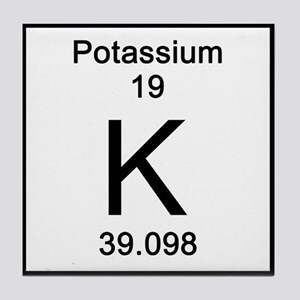
Potassium is an essential mineral which is used as an electrolyte by our body to conduct electrical impulses throughout our body to carry out many vital functions like blood pressure regulation. Since our body doesn’t produce Potassium on its own, it has to be sourced from the food items, we eat.

img_1448-1

Other vital functions of Potassium include
fluid balance,
muscle contractions,
nerve impulses,
Heart rythm
aid in digestion
Maintain the ph balance

img_1451

People get enough necessary Potassium by eating a healthy balanced diet. Too little Potassium state is called Hypokalaemia may cause health problems. The Hypokalaemic condition is diagnosed by a blood level of less than 3.5 mmol/lit. Similarly, high potassium state is called Hyperkalaemia when blood level is more than 5.0 mmol/lit, which also causes health issues. So, the right balance is required. Daily Potassium requirement for the body is 3500 – 4700 mg per day. So, that is quite a massive amount of quantity for daily consumption.

img_1454

Naturally, the kidneys maintain the level of Potassium in the body with the excess being eliminated in the urine. Majority of the Potassium in the body that is almost 98% is stored inside each bodily cell and the rest in liver, RBCs and bone.

img_1450
1056649588

Hypokalaemia: Symptoms can be muscular cramps, spasms, fatigue, constipation and irregular heartbeats. Health problems that cause this state can be:

Diuretics (water pills for high BP)
Excessive fluid loss (diarrhoea, vomiting, sweating)
Kidney diseases
Magnesium deficiency

img_1452

The sources of Potassium-rich food are Avocado, Potatoes, sweet potatoes, all greens, most of the varieties of beans, Salmon, bananas.

img_1456

Hyperkalaemia: In a healthy individual, the condition of Hyperkalaemia usually is not seen. So, there is no adverse effect on consuming potassium-rich food daily. However, such a state is seen in people with compromised kidney functions like in chronic kidney diseases, and those who take medications that affect kidney functions like blood pressure medication (ACE inhibitors). The most common symptom of Hyperkalaemia is abnormal heartbeat called Arrhythmia. Calcium gluconate is usually used to stabilize such cases.

img_1453
In such an individual, food that is known to be rich sources of Potassium should be avoided.

Potassium is crucial for the body’s vital functions. To maintain the correct blood potassium level, consuming varieties of food items are good enough, to add up to a group of 4700 mg per day. Over the counter, Potassium supplements can provide only a small fraction of it, which is hardly useful. So, it is not recommended to use Potassium supplements unless specifically prescribed by your Physician.

Thanks for reading.

Blessings and much love to all 💐