Are canned food healthy? 10 facts πŸ™Œ


1.Canning is a method of packing food in air tight containers to last longer period of time. It can last from 1-5 years depending upon the kind of food preserved. 3 steps which include canning are processing the food by cleaning, peeling and slicing. Next step is packing them in air tight containers and lastly, heating or thermal sterilization of those containers to kill harmful bacteria and germs.


2.We often hear that canned food and vegetables are not good enough. Though the fact is true that having freshly picked or buying fresh produce vegetables from the farmer’s market is best. While canned food and vegetables are fine as long as it is not used daily. Canning restores nutrients and is easy and handy to use. They can be kept in the freezer for days when the availability of fresh produce is low.


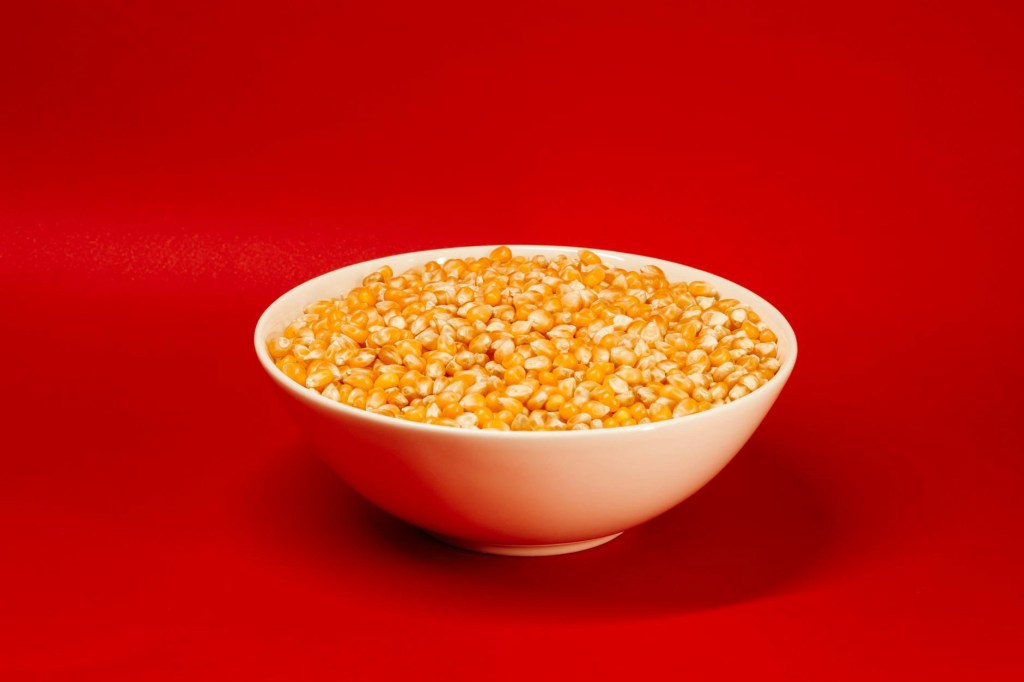
3.Some studies show that canning restores the high nutrients of the food. Since canning involves heating, heat releases more antioxidants from food like tomatoes and corn. So, certain nutrient levels like antioxidants are increased. However, some water-soluble vitamins like C and B can get damaged due to the heating process. In general, canned food is good enough as comparable to fresh and frozen food.


4.Commercial canning and food packaging involves a chemical named BPA (bisphenol-A). Studies do show that the BPA in cans do get mixed with the food that has been preserved. Certain studies show that BPA can be linked to heart disease and type 2 diabetes. But, more studies are required to prove the hypothesis. Sometimes, bad and unhygienic canning can lead to contamination by harmful bacteria like botulism. So, it is important to avoid canned food which is damaged, leaked or cracked.


5.Preservatives, salt, and sugar can be used to enhance the flavours of the canned food. The high salt content can risk to people with high blood pressure while sugar preservatives can be an issue in the case of diabetic people. Therefore, it is very important to read the labels and ingredients list before buying a canned product. Before using canned food, draining and rinsing the food is necessary so that the excess salt or sugar is released.

6.Canned meat, chicken, and seafood are handy sources of protein with vitamins and minerals. Usually, the shelf life is 2-5 years depending upon the product. They might contain extra sodium or salt while canning. So, the food needs to be drained completely to remove the excess salt before consuming. Depending upon the brand to brand, reading the label and the ingredients lists before purchasing, the canned meat and seafood can be used as a healthy and filling source of protein and vitamins as when necessary.


7.The most important aspects of using canned food in our diet are knowing the brand, a reputed brand, buying the product from a known store and the ingredient lists. The most crucial risk factors can be spoilage, damaged or leaked cans, BPA exposure, the potential for quality variation, environmental impacts, high sodium content, lack of freshness and nutrient loss.

8. In spite of some of the risk factors, there are still a lot of advantages of canned food and are widely being used worldwide. They are concentrated food, handy to use, safe and can be stored for a long time at a room temperature. They are usually protected from contamination of micro- organisms, insects, pests and pollutants. They are available throughout the year and can be consumed instantly.

9.The disadvantages are important to note too. Nowadays, apart from BPA, several preservatives are used in canned food like nitrites, sulfites, potassium, sodium benzoate, and BHA (Butylated Hydroxyanisole 320) which can be hazardous to health. So, it is very essential to read the labels and ingredients list while buying a canned product. Already mentioned about the risk of botulism if the canned food container is leaked or damaged.

10. Yes, canned food is easy, quick, handy and affordable. Not all canned products are bad and can provide the necessary nutrients for health when consumed. When food availability is low, or when you are travelling, canned food is convenient to use. Having canned food, only whenever is required and never using it regularly is recommended. Eating fresh produce or frozen vegetables is a far better option than having a canned product which might prove detrimental to health in the long run as harmful preservatives do often get mixed with the canned food.

Thanks for reading.

Peace and love πŸ™

10 facts about Nigella seeds πŸ™Œ


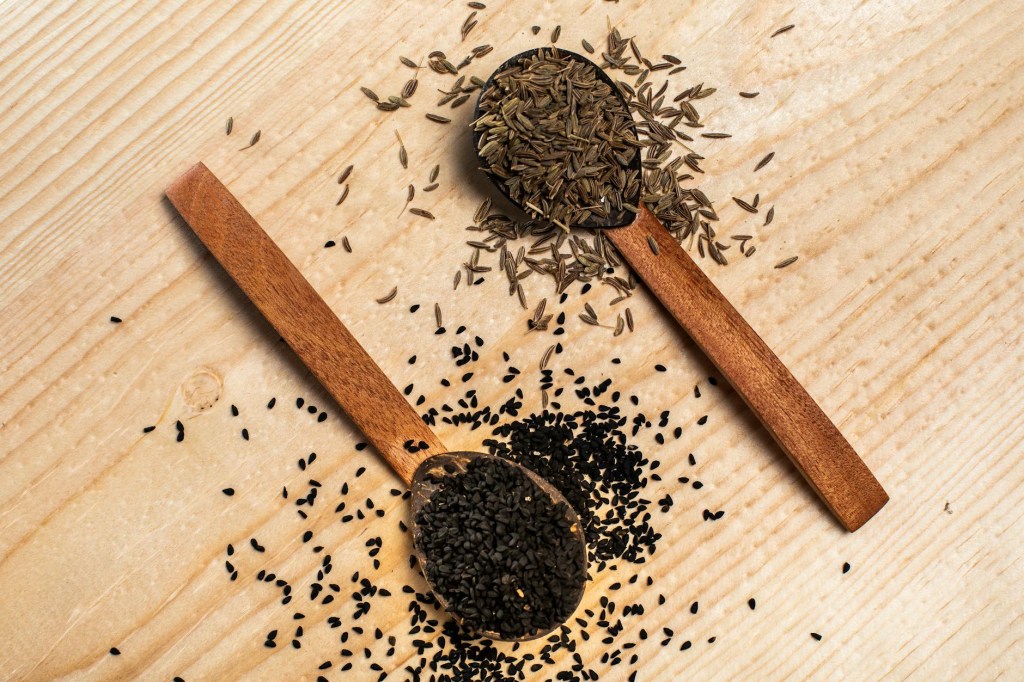
1.Throughout history, Nigella seeds, known scientifically as ‘Nigella Sativa’, have been utilized in a variety of culinary dishes in South Asian and Middle Eastern regions. These seeds grow from a flowering plant. The taste of these tiny black seeds is similar to that of onion and oregano, but they are slightly bitter. They are known for centuries for their immense medicinal and health benefits. They can be utilized in various forms, such as whole, oil, capsules, or powdered form.

2.Nutrition: Packed full of minerals and vitamins, including iron, calcium, zinc, copper, thiamine, phosphorus, folic acid, and many more, it’s a power meal. Useful fatty acids including linoleic, oleic, palmitic, and arachidonic acids make up the seed oil. Thymoquinone, its primary active ingredient, is extremely beneficial to health.

3.Antioxidants: Nigella seeds are full of antioxidants, which can fight free radicals and prevent oxidative stress. Studies show that nigella seeds contain several amino acids like carvacrol, thymoquinone, and 4-terpineol, which are powerful antioxidants. Hence, regular intake of nigella seeds can help protect against a wide variety of diseases, like heart disease, diabetes, cancer, and obesity.

4.Cholesterol: Many studies have shown that taking nigella seeds powder can help to lower LDL cholesterol and increase HDL cholesterol levels. This powerful effect can help the body prevent atherosclerotic diseases and ischaemic heart disease.

5.Brain: Nigella seeds have been shown to have the ability to slow down or prevent the progression of certain neurological inflammation in the brain, including Alzheimer’s disease, epilepsy, encephalomyelitis, depression, and Parkinson’s disease. Some research have also shown that nigella seeds can slow down the progression of dementia and age related memory loss.

6.Anti-cancer: Research has shown that the antioxidant thymoquinone has strong anti-cancer properties. Lung, cervical, pancreatic, prostate, skin, and colon cancers can all be prevented with the use of nigella seeds and their constituents. However, further data and investigation are needed to validate these effects.

7.Anti-bacterial: Studies have demonstrated the anti-bacterial properties of nigella seeds on germs that cause everything from ear infections to pneumonia. Their antibacterial and antibiotic qualities aid in the treatment of skin infections. They can aid in the management of chronic obstructive lung disorders and asthma because of their anti-inflammatory qualities. To manage such problems, people take the oil in capsules. However, further investigation is needed to fully understand these impacts.

8.Skin: Studies have shown that black seed oil can be used routinely to moisturize and skin cleansing. It can help to manage certain skin issues like psoriasis, eczema, vitiligo, pigmentation and wound healing. It can fasten wound healing, repair tissue damage, reduce skin irritation, heal minor burns, scar tissues. It can also help to moisturize hair, reduce hair loss.


9.Dosage: Nigella seeds have been found to have many health and healing properties and is widely been used. It’s available in capsule, powder, tablets, creams, oil, soaps, shampoos and many more forms. It is safe in small doses , about 1-2.5 gm by mouth on daily basis. But, it is recommended to inform your Primary Physician before using it.

10.Side-effects:
*Bleeding disorder: It slows blood clotting, so it is contraindicated in people with bleeding disorders. *

*Since nigella seeds may interfere with metabolism, it is important to inform the treating physician while using them.

*It can slow down uterine contraction so nigella seeds supplementation should not be used during pregnancy.
*Usually it protects the kidneys but excess consumption like 2000-2500mg daily may affect kidney health.
*The best way to minimize the potential side effects is by incorporating nigella seeds paste or oil in very small quantity in meals to enjoy the immense health benefits, these seeds provide.

Thanks for reading.

Peace and love πŸ™

5 differences to know between Yoghurt and curd πŸ™Œ

Hello everyone βœ‹

Yogurt
Curd


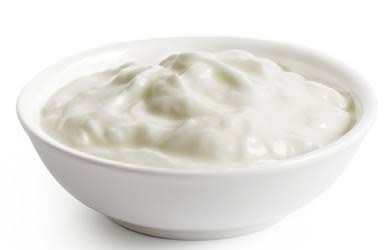
1.Though both are dairy products, widely used and might taste and look similar, but yet yoghurt and curd have clear differences. Many people even mistake curd for the Western name of yoghurt. The first basic difference is the method of preparation. Curd is prepared by milk fermentation from Lactic Acid bacteria. The lactic acid forms a reaction with the globular protein of milk and produces a thick consistency called curd. Curd can be prepared at home. Unlike, curd, yogurt cannot be made at home as it is made by milk fermentation with live strains of Lactobacillus bulgaricus and Streptococcus thermophilus. These bacterial strains react with the sugar present in the milk which produces lactic acid. The lactic acid, now reacts with milk protein, producing yoghurt.

2.As far as nutritional value is concerned, yoghurt is a rich source of protein, calcium, iron, potassium, and vitamins B5 and B6. Compared to curd, yoghurt contains less lactose so people with lactose intolerance preferred them more.
On the other hand, curd contains more lactose as it is prepared from fresh milk. It is also a rich source of protein, calcium, phosphorus, iron and vitamin B6. It helps to regulate digestion.

Yoghurt


3.As far as health is concerned, both have their respective preferences.
Yoghurt contains high probiotics so it helps maintain gut health for its beneficial bacteria content and is also preferred for weight loss. Since it contains high potassium, it is useful for people with high blood pressure.
Curd is a storehouse of good bacteria too so it helps to maintain a strong immune system. Its nutrients are absorbed quickly in the system so it is beneficial for the digestive system and can resolve digestive issues. Because of its rich source of calcium, it is healthy for bone health and has beauty benefits for hair and skin.


4.Yoghurt is a fermented dairy product, produced by standardised bacterial live strains at a controlled temperature so available in different flavours and different textures. It cannot be made at home. Since it is commercially produced, it can be fortified with vitamins and has high probiotics. It has usually a mild tangy taste.
Curd is made from fresh milk, by adding an acidic substance like lemon or vinegar or adding a spoonful of curd from the previous batch. So, it can be easily prepared at home. Homemade curd can retain more amount of lactose due to slow fermentation. Depending upon the length of fermentation, it can taste either mild soreness or may have a strong tang.

Curd


5.The debate of which is better is irrelevant as both of them are dairy products with great health benefits. The key difference between curd and yoghurt is the method of preparation. Depending upon the preferences in taste, texture and flavours, people may prefer either of them. For individuals with lactose intolerance, yoghurt is preferred as it contains less lactose. For people who prefer thicker consistency and texture, yoghurt is strained from the liquid to make it thicker after fermentation. Greek yoghurt is a thicker and creamier version as it is strained multiple times. On the other hand, curd is low in calories and preferred for people with cholesterol, obesity and hypertension.

Thanks for reading πŸ™

Peace and love πŸ’

10 interesting facts about creatine πŸ™Œ

Hello everyone!


1.Creatine is a natural chemical found in the body, specially in the skeletal muscle. It is found in the form of creatine phosphate, around 95% in muscles cells and 5% in brain and testes. It’s main fuction is to provide energy for the muscles. Creatine helps to increase the reservoir of adenosine triphosphate (ATP) which store energy in cells. Basically, creatine helps to increase muscle mass, muscle strength and helps healing due to any injury of muscles.


2.The main way that creatine works in muscles is by giving them energy, which alters how cells operate and promotes muscle growth. It promotes muscular growth throughout the long and short terms. Research has indicated that creatine can enhance muscular growth, mass, and strength in people of all ages, including athletes.

3.A number of studies have demonstrated that creatine can boost muscle growth and strength as much as three times faster than exercise training. It can also increase muscle endurance. Thus, athletes have used it extensively. Sports athletes who use creatinine to improve their performance include runners, bikers, soccer players, and swimmers.


4.In addition to muscles, creatine supports the brain’s optimal function by replenishing ATP and phosphocreatine storage. Studies reveal that taking supplements of creatinine can help individuals with injuries to the brain, and neurodegenerative conditions like Alzheimer’s disease, epilepsy, and amyotrophic lateral sclerosis.

5.There is evidence from clinical trials that creatine may help lower blood sugar, treat fatty liver disease, strengthen the heart, and lessen the risk of stroke. Confirmation requires a great deal of additional study. Among women who have passed experienced menopause, creatine can improve bone and muscular density.


6.Supplementation is often used by older persons, young adults, and athletes, as well as in certain situations under medical supervision. Creatine monohydrate supplements are the most often utilized. According to research, this is the most extensively used, reasonably priced supplement. Generally, under supervision, 20 grams per day for 5-7 days is advised based on each individual’s unique body type and needs. Lowering the dosage gradually in order to keep the ideal levels in the body intact.


7.Regarding safety, there is no proof that creatine damages the kidneys or liver or has any adverse effects on healthy people. People who use creatine supplements during really intensive workouts do report experiencing cramps and dehydration.


8.Animal-based sources of protein such as meat, poultry, and seafood are the primary natural sources of creatine.
For vegetarians, milk and cheese contain very little creatine. Regarding vegans, there isn’t any specific food source for creatine.

9.Since the words “creatine” and “creatinine” sound identical, individuals sometimes confuse them. To be clear, creatine is the energy source for building and strengthening muscle, whereas creatinine is a waste product that the kidneys filter after the muscle produces it. To determine the kidneys’ ideal performance, blood creatinine levels are measured; these levels tend to rise in chronic renal failure.

10.To ensure that we consume enough creatine in our diet, it’s critical to incorporate food sources of the protein so that muscle build in the body is adequate. Creatine helps in recovery of post- trauma muscle fibres, exercise- induced injury recovery, muscle soreness and inflammation.

Thanks for reading.

Peace and love πŸ™

10 facts to understand why glutathione is necessary πŸ™Œ

Hello everyone βœ‹

1.Glutathione is a naturally found antioxidant in our body. It is important to know about this powerful antioxidant because it has a host of many benefits. Its primary function is to fight free radical that damages body cells. It’s vital for the body because it helps to protect from many diseases like autoimmune diseases, liver damage, heart diseases, respiratory diseases and neurological disorders. As we grow older, the glutathione level slowly declines and the body marches towards poor health.


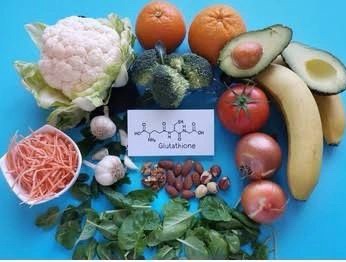
2.It is essential to maintain the level of glutathione in the body. If the level drops, certain symptoms may appear, such as anemia, fatigue, increased frequency of infections, low immunity status, sleep problems, and brain fog. To boost glutathione levels, it is recommended to consume sulfur-rich foods such as cruciferous vegetables, avocados, broccoli, spinach, garlic, and unprocessed meat. Several studies have indicated that consuming vitamin C can increase glutathione levels in the body. Therefore, it is important to consume citrus fruits, bell peppers, kiwis, and papayas regularly. Additionally, it is recommended to consume foods rich in selenium such as chicken, fish, eggs, Brazil nuts, and brown rice to maintain glutathione levels in the body.

Aging

3.Glutathione is a compound that is mainly composed of three amino acids: glutamine, glycine, and cysteine. Our body naturally produces this compound, but its level decreases with age. In addition, chronic diseases, poor diet, stress, anxiety, and frequent infections can also contribute to the reduction of glutathione levels. Low levels of glutathione are commonly found in individuals suffering from chronic diseases such as heart and liver diseases, sepsis, trauma, HIV/AIDS, and cancers. The role of glutathione in the body is crucial because it helps to prevent free radical damage, repair cells, and facilitate protein synthesis. Moreover, glutathione can bind with toxic metals like arsenic, silver, lead, chromium, mercury, and copper, and help to reduce their toxicity.


4.Glutathione is a powerful antioxidant that offers several health benefits. It can reduce oxidative stress caused by free radicals and prevent the development of various diseases such as diabetes, cancer, autoimmune disorders, and rheumatoid arthritis. Glutathione can also help to reduce cell death and improve blood levels of protein, bilirubin, and enzymes in fatty liver diseases like alcoholic and non-alcoholic types. Additionally, it plays a significant role in maintaining mitochondrial DNA, which is necessary for building proteins and cells. Several studies have shown that glutathione can improve blood circulation and prevent plaque buildup, thereby improving peripheral arterial disease. It may also help to improve symptoms of tremors and rigidity in Parkinson’s disease, respiratory diseases, uncontrolled diabetes, autism in children, and psoriasis.

Glowing skin
Gut health

5.Various studies have demonstrated that glutathione has a significant role in preventing skin problems such as acne, eczema, wrinkles, and aging. It also helps in maintaining healthy and glowing skin. When the balance between good and bad microbiome in the gut is harmonized, the overall health of the body is improved, and the skin appears healthy and radiant. However, if the balance is disrupted, it leads to skin problems and other health issues, including bowel disturbances. Glutathione is instrumental in detoxifying the body, repairing cell damage, and maintaining a balanced gut health. Therefore, by improving the level of glutathione in the body, it is possible to resolve skin problems and many gut issues.

Supplements


6.Low levels of glutathione can lead to a variety of health issues. While natural food sources are the best way to improve glutathione production in the body, supplements like vitamin C and E, curcumin, N-acetylcysteine, and selenium can also help. However, injectable supplements can be toxic and oral supplements are not very effective as they break down in the stomach. In cases of low immunity, glutathione is sometimes medically prescribed. In such cases, oral or injectable supplements may be recommended under medical supervision.

Alcohol

7.Certain lifestyle changes are essential to improve the glutathione levels in the body. Avoiding smoking, alcohol, too much dairy, caffeine and processed food is required to boost the levels in the body. Having a balanced diet, with good quality natural food sources, exercise and good sleep can improve the glutathione production in the body.


8.Glutathione levels are not typically measured in the body like essential nutrients, so research is still insufficient to understand the effects of low levels and supplement requirements. Studies do show that low levels can result from poor diet, stress, environmental toxins, and increasing age. Low levels of glutathione are associated with an increased risk of chronic diseases like cancer, diabetes, liver diseases, and Parkinson’s disease. However, supplementing with glutathione does not decrease the risk, so more studies are required to determine the optimal intake and its effects.

Milk thistle


9.Supplements of glutathione that are commercially available include Selenium, Vitamin C and E, milk thistle, and N-acetylcysteine. The dose of glutathione depends upon an individual’s age, sex, past medical history, and drug allergies. Studies have shown that glutathione is given at a range of 250 to 1000 mg/day in either injectable or inhalant forms. However, it is strictly advised to seek medical guidance before taking glutathione supplements since it can cause possible side effects. Some side effects like skin rashes, cramping, bloating can appear and inhalant glutathione might cause breathing problems too.

10.In brief, glutathione is a vital antioxidant that is naturally produced in the body and offers numerous benefits. A deficiency of glutathione can lead to the development of various chronic diseases, including cancer. As we age, the level of glutathione in our bodies naturally decreases. Therefore, it is crucial to be aware of dietary sources that can help boost the natural production of glutathione in the body. If advised by a medical professional, supplements can also be taken to improve the levels of glutathione in the body.

Thanks for reading.

Peace and love πŸ™

10 facts to know about chia seeds πŸ™Œ

1.Originally from Guatemala and Mexico, Chia seeds also called Salba seeds are grown from a flowering plant. Its known widely for its medicinal benefits. These seeds are rich sources of antioxidants and polyphenols like quercetin, chlorogenic, kaempferol and caffeic acid. They are plant-based sources of omega-3 fatty acids, mostly alpha-linoleic acid (ALA) and nutrients rich in calcium, magnesium, iron and phosphorus that support the immune system. Because of its immense health benefits, it has been commercially grown across the globe to meet the demands.


2.Antioxidant-rich chia seeds can remove oxidative stress by destroying the free radicals in the body. Having it regularly can reduce the risk of developing heart disease, lower the risk of diabetes by improving blood sugar, reduce inflammatory diseases and lower blood pressure. Due to its high calcium content, it helps to maintain bone health, and nerve and muscle function.


3.Though it is a rich source of plant-based omega-3 fatty acids, but eating only chia seeds may not be enough. Other sources of Omega-3 fatty acids like flax seeds, hemp seeds, walnuts etc need to be taken to complete the body’s requirement to prevent developing chronic diseases. Research has shown that having regular Omega-3 fatty acids can maintain heart health, lower cholesterol, lower blood pressure, prevent blood clots and reduce the risk of inflammation like rheumatoid arthritis, lupus, and eczema.


4.Chia seeds are used mainly for healthy weight management. Since the seeds are rich in fibres, they absorb plenty of water, and expand in the stomach. They give a sensation of fullness in the stomach making you eat less. Therefore, it is good for weight management and reduces bloating and belly fat. The rich fibres in the seeds are also good for gut health by providing food for the gut microbiome.


5.Medications: People who have already known cases of diabetes and hypertension and have been using medication for the lowering of blood pressure and blood sugar can use chia seeds but with precautions. Having a teaspoon of the seeds with the physician’s supervision can cause no harm. However, having in big amount can further lower the blood pressure and blood sugar leading to complications.


6.In spite of it’s great health benefits, chia seeds can sometimes cause some issues. Eating in big quantities can further complicate certain conditions like inflammatory bowel disease, in some cases, they can cause diarrhoea, constipation and bloating. Due to it’s fibre content, the seeds are difficult to digest when having in large quantities. Like other seeds, it can be allergic to some individuals. So, having 1-2 teaspoonfuls is recommended normally rather than having a big quantity to prevent complications.


7.Chia seeds are tiny seeds which break easily. Many people use them in either whole form or in powdered form. Sprinkling a teaspoon full of chia seeds in your breakfast bowl of oatmeal, smoothies, and soups are common. Soaking them overnight and using them as chia sprouts is very beneficial. Chia pudding is commonly used as well by mixing them with milk or juice. Ideally, chia seeds are soaked in liquid or sprinkled over meal so that the seeds expand before eating is useful rather than having them directly.


8.The consumption of a high-fibre diet which is a healthy requirement of the body can cause dehydration due to the pulling of water from the tissues. So, chia seeds can be added to your drinking water which can help you remain hydrated throughout the day and also along with meals, this way, the nutrient-dense of the seeds can also be received.


9.Another cosmetic benefit of chia seeds that needed to be mention is that these seeds are good for skin maintainence, reducing skin pigmentation and dark spots. Due to the presence of omega-3-fatty acids, polyphenols and other nutrients, it can prevent or lessen the UV damage to skin. They are good for hair as well and can be used as hair mask.

10.Like all other superfoods, chia seeds should be consumed daily, not more than 25-30 grams per day, or 1-2 teaspoonful daily. They are cooling agents as they retain water in the body and keep you hydrated. Ideally, they should be consumed after soaking them overnight in water to get the maximum benefits.

Thanks for reading.

Peace and love πŸ™

10 facts to know why cold pressed oil is a healthier option πŸ™Œ

Hi everyone !

  1. Any edible oil is cold-pressed oil when it is produced by precipitation, by pressing the seeds at room temperature without using heat for extraction. Unlike refined oil, the process of extraction of cold-pressed oil and filtration is done without using any harmful chemicals and heat. It is produced by the natural method of extraction from seeds by pressing at room temperature so found to be more natural and nutrient-dense.
  2. How the cold-pressed oil is different from other oils? Refined oil extraction involves machinery with different steps of refining, by using chemicals, heat and sometimes bleaching agents so the oil has a high smoking point. Hot-pressed oil involves applying heat during extraction but no chemicals. Vegetable oils are usually hot-pressed oil. Virgin oil involves the extraction of oil from fresh fruits or seeds like virgin olive oil or virgin coconut oil. In some cases, it may differ from cold- pressed oil as the oil is extracted from the fruits or seeds from drying them earlier so the oil retains its nutrients and antioxidants.

3.From a health point of view, out of all cooking oils, cold-pressed oil and virgin oil have the maximum benefits. Both the oil extraction and filtration processes have been made to preserve the maximum nutrients, antioxidants and healthy fats. Even after extraction, these oils are rich in healthy fats like omega 3 and 6, vitamins, and minerals like zinc, magnesium and potassium. These nutrients are very essential for health as anti-inflammatory, and anti-cancer properties and are good for the cardiovascular system.

4.The cold-pressed oil of any variety, restores the natural flavour and physical characteristics of the oil like colour, taste and smell. Apart from having immense health benefits, the oil is light and good for cooking depending on the variety of oil used as per taste buds. Extra virgin olive oil is considered the healthiest as it is extracted from the freshest olives by cold pressed method.

5.Depending on the cooking culture and taste buds, there are a wide variety of cold pressed oil types in the Supermarket like olive oil, soybean, canola, cottonseed, palm, peanut, coconut, sesame, mustard, sunflower and avocado oil. Out of them all, olive oil and coconut oil are among the healthiest varieties as a cooking medium. Extra virgin olive oil, avocado oil and walnut oil varieties have been used as dressing for salads.

6.The reason of the disadvantage of cold-pressed oil is due to its low yielding while extraction and short shelf life of 3-4 months. To increase the volume of the cold-pressed oil, the raw material has to be crushed several times. The method of extraction is usually manual or simple mechanical tool of crushings used at room temperature. Then, the oil is filtered to remove precipitates or any toxins. Due to low production, the cost is usually high.

7.Nowadays, cold-pressed oil is preferred for its environmentally friendly method of extraction. Moreover, the oil is nutrient-rich with tremendous health benefit properties of lowering the risk of heart disease by reducing bad cholesterol, anti-cancer properties and anti-ageing benefits. These oils are rich in polyunsaturated fatty acids which are necessary for brain function and heart health.

8.Another important benefit of cold-pressed oil is that it can aid in the weight loss process. Since it has a high metabolic rate it can facilitate in burning of fat. It is also easier to digest due to its low cholesterol content. But, using excess oil while cooking may overshadow these benefits.

9.Some variety of cold-pressed oil has some special benefits in particular. Like groundnut oil, olive oil improves insulin sensitivity and helps in better control of blood sugar. Lignan is a powerful antioxidant found in cold-pressed sesame oil which helps in lipid peroxidation and thereby lowers blood pressure. There is strong evidence that shows that consumption of olive oil lowers the risk of cancers like breast and GI tracts cancers.

10.It is very essential to switch to a healthy type of cooking medium like cold pressed oil and use them in moderate quantities for cooking daily to lower the health risk. Nutrient-dense, high-calorie- rich oil helps make you feel fuller after eating and reduce your hunger. Together with everyday exercise and considerable hours of fasting between meals can help to maintain overall well-being.

Thanks for reading.

Peace and love πŸ™

10 facts to know about your gut flora πŸ™Œ

Hello everyone πŸ€—

  1. The gut flora is mainly composed of trillions of gut microbiomes which are mainly bacteria, fungi, viruses and archaea. This is unique to every individual and develops in his/her lifetime, as distinctive as the fingerprint. Initially, the intestinal tract of a newborn at birth is sterile. The newborn’s gut is first colonised by the mother’s bacteria during the process of vaginal delivery. Environmental bacteria also start colonising in the baby’s gut as soon as it is exposed after birth. Then, slowly the child’s gut starts developing into a unique microbiome flora depending upon the different food intake and environmental exposures with time.
  2. The gut starts having both good and bad bacteria with different kinds of food and environmental exposures. Good bacteria mainly help in the digestion and absorption of the food and nutrients. They strengthen the immune system and produce several beneficial amino acids and vitamins. The more, the good bacteria population, the healthier the person and the stronger the immunity, in his lifetime. They are simply the protectors of our health and well-being.

3. There are bad bacteria also in our intestinal gut flora. As long as they are low in level, they remain harmless. But then, when we take antibiotics or develop unhealthy food choices and habits, smoking, drinking alcohol and so on, the good bacterial flora is at risk and starts eliminating. In such cases, bad bacterial flora starts flourishing causing havoc in the immune system leading to various diseased states. Chronic inflammation starts progressing leading to autoimmune diseases, cancers, and inflammatory bowel diseases.

4. As research has progressed, studies have found links between bacterial species in the gut to certain types of diseases. Metabolic diseases like obesity and type 2 diabetes are found to be linked with the presence of certain bacterial species of Lactobacillus.
New studies have shown strong evidence of gut kidney connection. Certain species of bacteria in the gut microbiome result in uremic toxins while digesting protein which may be a factor in developing chronic kidney diseases. Several studies have shown a link of depression to the gut microbiome. Various bacterial species like Eggerthella and Sellimonas are found at high levels in individuals with depressive symptoms.

5.The gut-brain connection plays an important role in a person’s well-being. That is why the gut is known as the β€œsecond brain”. The gut nervous system can be called the Enteric Nervous System, which has around 100 million nerve cells from the oesophagus to the anal opening. The main functions of this system are digestion, absorption of nutrients, and release of enzymes for food breakdown. Studies show that irritation in the GI tract may trigger the central nervous system to change moods. The gut microbiome also produces hormones like serotonin, and norepinephrine which are important for mood changes. Therefore, there is a strong connection between depression and anxiety in people who deal with gut issues like irritable bowel diseases, stomach upset, pain, and constipation.

6.The signs of a healthy gut are the regular pooping habit, which may be 2-3 times a day to 3-4 times a week, the range can vary with every individual. There is no pain, no bloating after eating, and no discomfort during bowel movement. Symptoms like bloating, diarrhoea, stomach pain, feeling of fullness after eating or malnutrition can be the signs of an unhealthy gut or tigger for slowly increase in bad bacteria. In such cases, clinical attention is required to investigate and diagnose any bowel issues.

Sugar rich foods

7.The common triggers which may lead to an unhealthy gut can be too much stress, constant fatigue, sleep disturbances, ultra-processed food, a sugar-rich diet, and too little intake of fluids. The frequent use of antibiotics has a link to an unhealthy gut. Therefore, these lifestyle habits need to be avoided as practically as possible. Skin conditions like psoriasis do have a link to an unhealthy gut too.

Natural foods

8. The common ways that we can take care of our gut health and improve the good bacteria count are by having a fibre-rich diet with plenty of vegetables and fresh fruits. A diet rich in whole grains, legumes, pulses, nuts and sea fishes. Lowering the sugar-rich foods, limiting the everyday stress, and remaining hydrated as possible. Intermittent fasting is beneficial too for gut health and flora.

Fermented foods

9. Another important food for our gut health is fermented food as they are rich in probiotics. Plain yogurt, buttermilk, kimchi, sauerkraut and kombucha to name in the list. There can be other varieties of fermented food too which can be local or region-specific around the globe. Any food which is fermented or sprouting can be excellent for gut health as it increases the lactobacilli and keeps the growth of bad bacteria checked.

Walking in nature
Gratitude journal

10. So, the simple tips to take care of gut health are to have more and more fibres and probiotics daily, curtail sugar as much as possible, stay hydrated, keep out of stress, meditate to calming mind like walking in nature or listening to music, exercising, mild to moderate ways, practising gratitude journal every day increases happy hormones and trying to maintain a sleep routine. Ultimately, the best way to live a longer and healthier life is to live in harmony with nature.

Thanks for reading.

Peace and love πŸ™

10 facts to know about fatty liver πŸ™Œ

1. What is fatty liver? As the name rightly suggests, is a state when there is a build-up of fat in the liver. It can happen in 2 ways – Nonalcoholic and Alcoholic fatty liver types.
Nonalcoholic fatty liver is a common type where the cause is not exactly known but may be due to obesity, belly fat or chronic conditions like diabetes. Simple fatty liver is the condition, where there is fat in the liver but there is no inflammation, damage to liver cells or other complications. Alcoholic fatty liver is a serious type which is related to drinking alcohol.

  1. Simple fatty liver remains most of the time undiagnosed unless you end up doing a liver enzyme test and liver function test. When the liver enzymes Serum alanine aminotransferase (ALT) and Serum aspartate aminotransferase are mildly elevated are indicative of simple fatty liver. When liver enzymes SGPT (Serum glutamic pyruvic transaminase) and SGOT(Serum glutamic oxaloacetic transaminase) show increased levels are indicative of liver cell damage and liver inflammation.

3.To deal with a fatty liver, first and foremost , reducing belly fat and losing weight is essential. To start incorporating organic food in diet like cruciferous vegetables broccoli, cabbages, cauliflower, spinach, sulphur rich vegetables like onion, garlic which are also loaded with glutathione. Organic food is primarily good for the liver because they are free from pesticides, fungicides and GMOs (genetically modified organism) which are harmful to the liver’s health. GMO food like soya bean, canola or some breeds of corn are unhealthy for the body.

4.Fasting :Intermittent fasting and prolonged fasting, not only help in losing weight but also stimulate autophagy in the body. Autophagy is the body’s renewal mechanism of cleaning the debris of damaged cells and recycling some parts of them towards cell repair. Usually, 12-16 hour long fasting is beneficial but the most effective is 16 hours long which will also facilitate fat burning. Other methods to stimulate autophagy are drinking coffee or a cold bath. Fasting helps to reduce inflammation and level of the liver enzymes.

5.Lifestyle changes: Dietary changes like avoiding sugar, and saturated fat, reducing salt intake and switching to organic food are beneficial. Portion control while eating helps the quantity intake during meals. Moderate to high intense exercises and increase in physical activity during daytime, permanently eliminating alcohol, maintaining sleep routine and remaining stress-free as far as possible contribute to liver health.

6.Detoxification: Cleaning toxins from the body routinely not only benefits the liver but the overall body from harmful abuse. Some food items which naturally detox the liver are high fibre-rich oatmeal, green tea which is rich in antioxidants, avacado rich in healthy fat and fibre, olive oil rich in antioxidants and helps to reduce LDL cholesterol and free radical damage.
Fatty fishes like salmon, and sardines which are high in Omega 3 fatty acid, is a healthy fat that promotes liver health and prevent damage to liver cells. Liver friendly nuts are almonds and walnuts. Tofu, which is high in protein helps to prevent the accumulation of fat in liver cells.
Whole grains and unprocessed cereals help to break down the fat in the liver cells by preventing them from accumulating in the cells.

7.Herbs: A natural herb called milk thistle has been used for centuries to improve liver diseases. Research studies have been carried out to study its evidence on liver health. Some reports do suggest that it has a beneficial effect on liver diseases like cirrhosis and hepatitis. Studies have shown Milk thistles do show improvement in cholesterol levels and insulin resistance to type 2 diabetes. Some studies show that it is a natural antioxidant and increases the level of Glutathione. But, the most important advise is before trying a herb, we need to consult our Physician.
Other herbs which are beneficial for the liver are green tea, cucurmin, licorice and ginseng.

8.Tocotrienols primarily are the unsaturated form of vitamin E which are naturally found in rice, wheat, vegetable oils and cereals like barley. Tocotrienols are strong antioxidants and anti- inflammatory which prevent damage to liver cells. Studies show that tocotrienols can lower cholesterol, and lower the risk of stroke, and cancer. In the liver, it can help to prevent damage to liver cells by maintaining the liver cell integrety.

9.TUDGA: Tauroursodeoxycholic acid (TUDGA) is a bile acid found naturally in humans. Medical practitioners use it to treat conditions like liver cirrhosis, reduce cholesterol levels, some cancers, and cystic fibrosis. Studies have shown that TUDGA used as a supplements do benefit liver health, heart, liver diseases, stroke and cancer. Due to possible side effects, and daily dosage, a physician needs to be strictly consulted before using such supplement.

10.Drinking plenty of water: Last but not least, the easiest way to promote liver health is by drinking plenty of water. Water consumption helps to knock down the harmful toxins from liver cells. Dehydration of bile ducts can increase the risk of gallstones. So,drinking water is very vital.
Not all drinks, sodas and soft drinks are liver-friendly. So, clear water is the most beneficial drink for releasing toxins from the liver. Adding a piece of ginger or a few lemon drops in the water can be helpful.

Thanks for reading.

Peace and love πŸ™

10 facts to know about Matcha πŸ΅

Hello everyone! Have a wonderful day βœ‹

1. Matcha is powdered from processed green tea leaves which originated in East Asia, now widely produced in Japan. Back in the 16th century, the method of preparing matcha tea and serving became a ritual among Zen Buddhists. From then onwards, the Japanese Tea Ceremony has become widely popular, not only in Buddhist monasteries but also among the common people.

  1. The scientific name of the plant Camellia Sinensis from which matcha is derived, is a shade- grown green tea plant usually covered from direct sunlight to ensure slow growth. The slow growth results in a darker shade of green, which is a high level of chlorophyll. This type of harvest technique causes more production of amino acids threonine and caffeine.
  2. Matcha is highly rich in antioxidants due to its high amino acid content. So, regular intake can prevent free radical damage in the body and can prevent the occurrence of chronic diseases. The tea flavonoids have anti-inflammatory properties too.
  3. Studies have shown that since matcha contains high levels of caffeine and L-threonine, it is highly beneficial for brain functions. Regular consumption can improve the memory, alertness and focus of the mind.

5.Some research studies have shown that regular intake of matcha helps in the prevention of cancer. But, further studies are still required to have concrete proof. As matcha is rich in catechin, more precisely Epigallocatechin-3-gallate (EGCG), is found to have high anti-cancer properties. It also improves the efficacy of certain chemotherapeutic drugs.

6.Matcha tea has great skin health benefits. Regular intake or adding topically as a skin care mask can give healthy glowing skin. It can also be used for its therapeutic benefits for skin conditions like psoriasis, keratosis, rosacea and wound healing.

7.Matcha is good for the prevention of cardiovascular diseases. Studies have indicated that the presence of EGCG, which is rich in catechin has many therapeutic properties such as anti- atherosclerotic, anti-myocardial infarction, anti-cardiac hypertrophy, anti-inflammatory and also anti-diabetic. It aids in weight loss too.

8.Matcha tea which is organically grown is safest. Sometimes, inferior or poor-quality matcha tea may contain excess of pesticides and lead which may cause harmful effects on the body. So, the reputed quality of matcha tea is only recommended.

9.According to the US Food Drug Administration, a daily intake of not more than 400mg is recommended. Excess intake may lead to caffeine overdose which causes side effects like anxiety, fast heart rate, insomnia, headache and nausea.

10.Matcha tea is usually taken as a warm beverage. But, because of its immense popularity, matcha is served as a Latte, in ice-cream, cocktails, sodas, cookies, pancakes and so on.

Thanks for reading.

Peace and love πŸ™