

Peace and love 🙏

Peace and love 🙏


May the Divinity and miracle of Christmas bring abundance, peace and joy in every home and families.
Wishing all my lovely fellow bloggers, a wonderful and blessed Christmas to you and your loved ones 🎄❤️
Peace and blessings 🙏
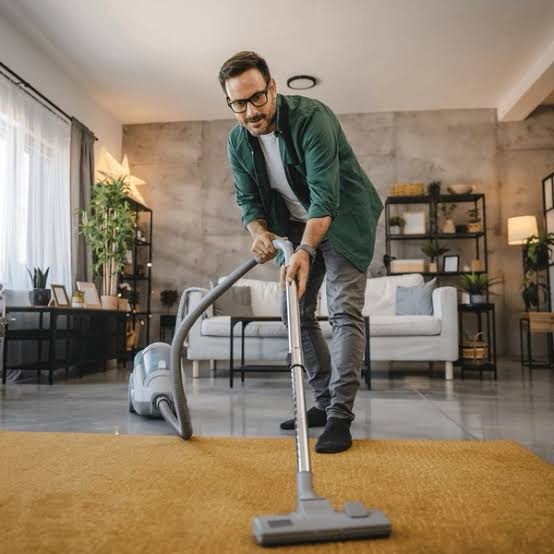

1. Organizing or cleaning your space, room, or home isn’t about tidiness, but being in control of a world that feels otherwise uncontrollable. It’s about a mental state with clarity, being organized and being at peace with oneself. Psychologically, the environment we live in reflects our mental state. In a world full of everyday stress, chaos, and overwhelming uncertainties, cleaning becomes a tool, a therapy to make ourselves feel organised, meaningful and at peace. Clearly, this act can help reduce stress hormones and release endorphins, which can lift the mood.

2. Many people, even after a stressful day, have a habit of cleaning and tidying their stuff after reaching home or their living space. Psychologically, when emotions are overwhelming and stressful, our brain tries to do things which are tangible, grounding, and clarifying, which makes us feel more in control. These actions give the brain a sense of relief and stability, an escape in an otherwise uncontrollable world.

3. In the brain, activities like reorganising the bookshelf, arranging the office table, cleaning and tidying the home, folding clothes in the closets, cleaning the kitchen, washing the dishes, vacuuming the floor stimulate the parasympathetic nervous system, the reward system, releasing dopamine, the happy hormone. These small acts instantly feel rewarding, light and happy. A tidy living space, home, or office gives the subconscious mind a feeling of security, stability, and organization.

4. Psychologically, on the flip side, a disorganised, messed-up space gives the mind a sense of cluttered thoughts, incoherence, ambiguity, confusion and anxiety. In an already stressful, loud world, you feel more overwhelmed, stressed, where things and people are unpredictable, uncertain and reactive. So, for a change, cleaning, organising, and rearranging makes people feel instantly happy, stable, predictable and certain.

5. Research shows that a cluttered, anxious, stressful mind raises the cortisol hormone. On the other hand, the environment we live in reflects our mental state. So, a messy, cluttered space clearly affects our mental state. The subconscious mind feels confused, lacks clarity, and is incoherent in a disorganised space. So, rearranging the room, furniture, things, clothes, books gives an instant emotional high, certainty and sense of control. The truth is, cleaning isn’t about habit, it’s about emotional regulation, choosing to change the emotional responses of stress, anxiety, chaos to stability, calmness and clarity.

6. Emotional regulation, by definition, is the ability to regulate our emotional responses from a state of uncontrolled, overwhelming situation by making behavioural changes with a healthy coping mechanism to a state of emotional grounding, stability and a sense of control. Examples of emotional regulation are deep breathing, going for a walk, journaling, light exercise and doing tasks like rearranging the books, furniture, cleaning the kitchen, doing the dishes and so on. It’s the ability to change a negative situation’s impact to a more productive and fulfilling one.

7. The strategies of emotional regulation can be summed up as :
• Recognise: Identifying the emotions like anger, anxiety, ambiguity and incoherence.
• Respond: instead of reacting negatively, changing the situation’s impact to a more productive, controlled and tangible behaviour like going for a short walk, rearranging the books on the shelf, cleaning the mess, folding clothes in the closet, cleaning or mopping the floor or any similar activity.
• Reappraisal, like changing the emotional response to more rewarding outcomes like stability, calmness, sense of control and certainty.
• Reflecting on the change of behaviour and situation gives deep satisfaction and happiness.

8. Activities like cleaning a room, realigning a corner, rearranging books, furniture, cleaning a countertop or mopping the floor are not just tidying or organising acts or behaviour but something more deeper as emotional relief or emotional satisfaction. It’s about reconnecting oneself, bringing a sense of control, stability in a world of external chaos, a stressful day or an overwhelming situation. So, for many people, organising and cleaning their home or their living space becomes a daily emotional ritual and therapeutic.
9. People who keep doing such activities, while they keep performing the acts, they also process their emotions, release the stressful thoughts, anxiety, ease the confusion, bringing more clarity and stability. In fact, by doing such activities, as the visual clutter slowly fades away by physical actions, internally, the mental clutter slowly subsides, emotions and thoughts become more under control, and thinking becomes clearer and regulated.

10. To sum it up, in a world full of uncertainties and unpredictability, organising, rearranging, and cleaning gives an instant outcome which the brain interprets as safety or being under control. When a book or a thing is placed exactly where it belongs, refolding a dress and placing it back in the closet, cleaning the otherwise dirty countertop, it’s like reconnecting with oneself, which gives the subconscious mind that instant boost or reward of comfort, safety and stability in an external world of chaos or an uncontrolled environment.
Thanks for reading.
Peace and love 🙏


Peace and love 🙏

Peace and blessings 🙏

Peace and blessings 🙏

1. The gut is known as the “second brain” as there is a 2 way connection between the brain and the gut via the vagus nerve. The gut microbiome produces neurotransmitters that can travel and send signals through the nervous system, affecting our mood, behaviour, emotions, and sleep. The gut and brain also send signals through hormonal pathways and the immune system.Therefore, the gut-brain axis plays a crucial role in overall well-being, and any disruption to this axis can lead to issues such as disturbances in gut health, neurological disorders, inflammation, and sleep disturbances.
2. Through the gut-brain axis, there is a mutual continuous communication between the brain and the gut. The gut microbiome produces a considerable amount of neurotransmitters and hormones like melatonin, which influence the circadian rhythm and mood. Both the sleep cycle and gut microbiota are influenced by factors like daylight, stress and diet. Hence, if there is unhealthy gut microbiome, there will be disruption in the sleep-wake cycle, while poor sleep will lead to disturbances in the gut microbiota.
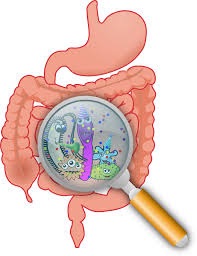
3. Inflammation: Poor sleep can cause disturbances in gut health, which will lead to a pro-inflammatory state in the body. The gut microbiome composition and diversity are disrupted, creating an imbalance. Gut health issues like irritable bowel disorders, leaky gut, and hormonal issues can worsen in the body. Lack of sleep can also affect gut permeability and lead to nutritional absorption interference. Not only gut health, but poor sleep can also affect the metabolic pathways, immune state and neural pathways.
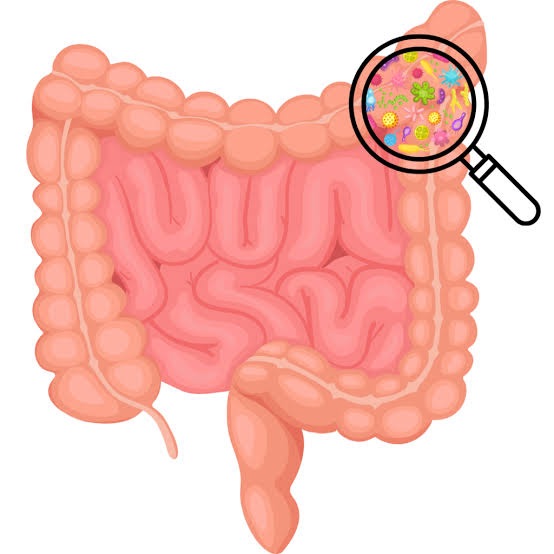
4. Research has shown that through the gut-brain axis, there is a bidirectional communication between the gut microbiota and the central nervous system. Beneficial bacteria like Lactobacillus and Bifidobacterium, which increase serotonin and gamma-aminobutyric acid production, help in the quality and lengthening of sleep. On the other hand, lack of sleep can lead to a reduction of beneficial bacterial flora, an imbalance in the microbiota, which includes probiotics, prebiotics, and postbiotics.
5. Studies have revealed that sleep, a natural physiological process, is important in maintaining a healthy gut microbiota and vice versa. Poor sleep patterns, insomnia, and sleep deprivation not only influence the emotional and cognitive well-being but also cause an imbalance in gut bacteria and gut flora. Therefore, there is a direct connection between sleep disorders and gut health, and resolving gut issues has a therapeutic effect.

6. The equilibrium of the sleep-wake cycle with the well-being of gut microbiota is very delicate and needs to be maintained by external factors. The balance can be easily disturbed by factors like stress, poor diet, lack of exercise, and poor sleep habits. Studies have shown that this reciprocal correlation shows sleep as the primary modulator between gut health issues and sleep length and quality.
7. Growing research has shown that the gut-brain axis plays a crucial role both directly and indirectly in the shift of composition of gut-microbiota with the development of sleep disorders like insomnia, sleep fragmentation, sleep deprivation and sleep apnea. Human studies have shown that 60-70% of the composition of gut microbiota depends on the oscillatory rhythm of the circadian rhythm.

8. Though Melatonin, a sleep hormone, is known to be produced by the pineal gland, it is actually the gut which is the primary source of it. This hormone is integral in modulating the sleep-wake cycle, immune-regulatory effect and antioxidant activity. The gut microbiota produces melatonin from tryptophan. This hormone has a favourable effect on microbial population and gut barrier functions. Therefore, any imbalance of gut microbiota directly influences melatonin production and disrupts the circadian rhythm.
9. Evidence from several studies has shown that a significant level of melatonin has been produced by bacteria in the intestinal flora, has a beneficial impact on intestinal barrier functions and a preventive effect in the human brain against neurodegenerative diseases like Multiple sclerosis, Alzheimer’s disease and Parkinson’s disease. Gut microbiota dysbiosis has been linked to the development of sleep disorders, autoimmune diseases, metabolic diseases like type 2 diabetes, pro inflammatory responses and neurological disorders.

10. Therefore, there is enough evidence to show that consequences in digestive health have a direct impact on the sleep-wake cycle and vice versa. Research has clearly shown that sleep deprivation can directly impact digestive disorders like gastric esophageal reflux, irritable bowel disorders and many gut health issues. Maintaining a consistent sleep schedule of 7-8 hours can help greatly in reducing the potential risk of many diseases as well as in maintaining a sound gut health. Not to forget that stress management is equally important for maintaining the equilibrium of gut health and sleep patterns. So, an early fiber rich dinner, less screen time, routine exercise, meditation and early sleep habits are essential components to maintain this balance.
Thanks for reading.
Peace and love 🙏

Peace and love 🙏

Everyday reminder, what Life is all about :
1.Focus on certainties and not on uncertainties.
2. Stay fearless, because death is inevitable. What matters most, is our soul which is immortal.
3. Stay away from greed, anger, lust. All these roads lead to disaster.
4. Be tolerant, because both pain and pleasure are temporary. Everything is temporary in this Universe, including our body.
5. Be stable like the wide ocean. Don’t let emotions control you.
“Our mind is a friend if we can conquer it, otherwise it is the worst enemy if we failed to do so”
“Detachment from worldly attachments help us focus more on inner peace and spiritual healing”
Thanks for reading.
Blessings and Peace 🙏
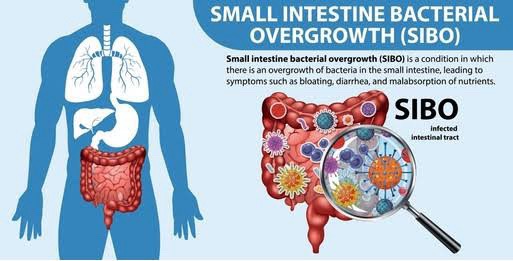
1. SIBO, abbreviated as small intestinal bacterial overgrowth, is a condition where there is an overgrowth of bacteria that are not supposed to be present in the normal scenario in that part of the digestive tract. This occurs particularly following a disease or abdominal surgery, when the passage of food and waste becomes slower, creating a breeding ground for bacterial overgrowth.
2. When the wrong types of bacteria overgrow in the small intestine, they feed on the nutrients and food for the otherwise beneficial bacteria, which can lead to abnormal symptoms in gut health. These wrong types of bacteria can feed on the protein and vitamin B12, bile salts which are supposed to support the digestion of fats. In normal circumstances, the small intestinal bacteria digest the carbohydrate and convert it to short-chain fatty acids and gas. Therefore, when there is overgrowth of bacteria, more gas and toxins are produced in the gut leading to many GI symptoms and malnutrition in the long run.
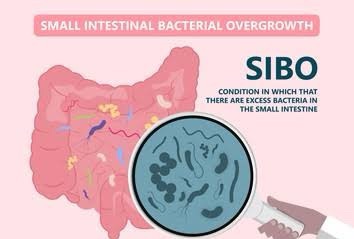
3.The prevalence of SIBO is about 80-90% in cases of irritable bowel disorder, intestinal dysmotility , pancreatitis and chronic systemic conditions. It is more prevalent in the elderly and female population. Usually, the incidence increases with age and the presence of chronic intestinal disorders and dysmotility. SIBO is considered by clinicians as a differential diagnosis of other gastrointestinal non-specific disorders as the actual aetiology is still unknown.
4. The GI symptoms following SIBO are many:
• Gas, bloating, nausea
• Abdominal pain, distention
• Constipation
• Indigestion
• Weight loss, fatigue
• Watery or mucus in poop.
• Hard or lumpy poop.

5.Unexpected and systemic signs may appear due to excess toxins released in bloodstream
(endotoxemia) in SIBO:
• Food intolerence
• Fatty liver
• Fibromyalgia
• Irritable bowel syndrome
• Anxiety, depression, suicidal thoughts
• Endometriasis
• Disruption of mentrual cycle.
• Prostate diseases.
• Atrial fibrillation
• Siezure
6.Though the actual cause of SIBO is unknown, hence, there are several underlying conditions which can be the risk factors:
• Ageing: As age progresses, there may be changes in microflora, degeneration of acid-producing gastric cells, intestinal dysmotility which may lead to bacterial overgrowth.
• Irritable bowel syndrome leads to dysmotility, delayed transition of food, wastage.
• Chonic metabolic diseases like uncontrolled diabetes,
• Celiac disease,
• Lupus,
• Scleroderma,
• Pancreatitis,
• Chronic kidney diseases
• Fatty liver,
• Structural problems in the intestine due to gastric surgery, partial blockage, antibiotics or narcotic drugs overuse.
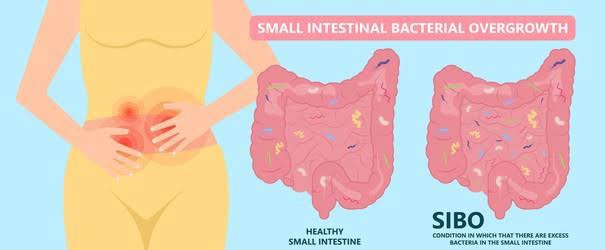
7. Several complications of SIBO can eventually worsen gut health if left untreated:
• Inadequate digestion and absorption of fat, protein, carbohydrate: Since, overgrowth of bacteria in the small intestine damages the bile salts so the fat remains undigested. The mucous lining of the intestines is damaged too by the excess bacteria causing poor absorption of carbohydrate, fat and protein. Therefore, there is malnutrition, diarrhoea, and weight loss.
• Vitamin B12 deficiency: As the fat remains undigested, the fat-soluble vitamins A, D, E, and K remain unabsorbed. Vitamin B12 which is synthesised in the small intestine is completely affected So, the individual may suffer from vitamin B12 deficiency. Therefore, due to B12 deficiency, nervous system functioning is affected, and blood cell production is lowered. There can be irreversible damage to the nervous system in the long run.
• Calcium absorption: Bacterial overgrowth damages the intestine slowly, resulting in poor absorption of calcium thereby affecting bone health. Weakened bones, prone to fractures, and osteoporosis are common. Kidney stones are also common in cases of poor calcium absorption.
8.There are no standard diagnostic tests for SIBO. The clinical symptoms of SIBO can be nonspecific. Usually, a carbohydrate breath test is considered which is inexpensive and non-invasive. A bacterial culture of jejunal aspirate of more than 1000 units/ml can support the diagnosis. Upper endoscopy is invasive but is done in patients to further support the diagnosis. Laboratory findings like vitamin levels, malnutrition markers are considered to support the diagnosis. Only, in rare cases is, biopsy of the small intestine done. Imaging tests like CT, MRI are done to rule out intestinal abnormalities.

9.Since the condition of SIBO is complex and can be involved with multiple underlying conditions, it is very difficult to manage and treat such cases. The treatment is mainly symptomatic like changing diet, lifestyle, and antibiotics to reduce the bacterial colonies. The recurrence of SIBO is also common so repeated courses of antibiotics are necessary. Supplementation of vitamins in certain cases is required. Surgery is only necessary in case of small intestinal abnormality, diverticula, bowel obstruction, or Crohn’s disease.

10.Again there is no standard diet for every individual who suffers from SIBO. It is individual-specific depending on symptoms and underlying conditions. The goal of diet change is to assist in the treatment and lower the symptoms. The diet should be low in carbohydrates, low in fat, and moderate to low in fibre. Processed sugar items, dairy, whole grains, deep-fried items, and raw vegetables should be avoided. Generally, probiotic-rich food, meat or fish, rice, cooked vegetables, plenty of fluid/water/soups and vitamin supplementation are recommended by the experts.
Thanks for reading.
Peace and love 🙏

