

Peace and love 🙏

Peace and love 🙏


Peace and love 🙏


1. In general, you can either have a good relationship with food or a challenging one. A positive or a good relationship with food means that you allow yourself to enjoy any food you love, regardless of whether it is labelled as ‘good’ or ‘bad’ based on its nutritional value or calorie content. Conversely, a challenging relationship with food involves restrictions, such as stressing over certain food items you’re uncomfortable with, tracking your calorie intake obsessively, ignoring your hunger cues, overeating, and experiencing feelings of guilt or shame related to your eating habits.
2.Before recognising your relationship with food, it is important to understand that humans have a deeper relationship with food rather than a simple fuel-providing medium. Unlike animals, human preferences for food depend on a variety of factors like cultural, traditional, regional, socialisation, pleasure, comfort, simplicity, childhood memories, and nutritional content. The food preferences and choices are transient and may change many times during a lifetime. Once an individual understands how the food is grown, sourced, and reaches the table, he/she learn to appreciate and develop a healthy relationship with the food.

3. A good relationship with food can be having a comfort level, not stressing out, eating in moderation, being open about all types of food and not allowing it to control your life. The signs of having a good relationship with food can be:
• You are enjoying while eating.
• You stop eating once you feel full and satiated.
• You respect your hunger cues.
• You don’t overeat but instead eat in moderation.
• You don’t count your calories while eating and are obsessed with the numbers on the weighing scale.
• You are open to all kinds of food as per your preferences.
• You don’t allow others to opine about your food choices.
• You understand that your food choices do not define you as a person.
• You love to eat food that you enjoy the most.

4. Having a bad or, rather, difficult relationship with food can be stressful. Some of the signs of a bad/ difficult relationship with food can be:
• You have a restricted and limiting approach towards food.
• You don’t respect natural hunger cues.
• You have a history of crash dieting, trying to follow all fad diet food trends.
• You are very concerned and stressed out about the list of foods that you can or cannot eat.
• You have a feeling of guilt or shame for eating.
• You feel stressed to eat in the social circuit as other people may notice you about your food choices.
• You either starve yourself or overeat. Either way, you are not comfortable and happy.

5. Learning to develop a good relationship with food is an ongoing process. It takes a lot of patience, time and self-empathy. Allowing yourself to welcome small changes, day by day, not being judgmental, learning to enjoy and taking pleasure while eating. The food choices are not just part of routine practices, but deep-rooted in our genes, following a certain culture, which is not wrong. A good and healthy relationship with food means being open to trying new food, seeing food beyond the caloric scale, and not always judging your value as a person through your food choices. Allowing yourself food freedom.

6. Eating when hungry: It is important to understand your body’s natural signals of hunger rather than eating unnecessarily. Our body has a natural ability to metabolise the food that has been eaten, starting the process of absorption of necessary nutrients, cleaning the dead cells and releasing the roughage. In other words, the body has a natural cleaning process called autophagy. Normally, in the daytime, the body takes around a 5-6 hour gap before you experience hunger again. It is important to avoid certain habits which can prove to be harmful to health and damage our relationship with food in the long run:
• Eating while stressing out about something as a distraction has become common.
•Binging while watching TV or watching a film.
• Gorging and overeating while attending a party or buffet.
• Eating while attending a meeting or taking a flight.
• Eating or having beverages throughout the day becomes very normal in today’s time, as food is available all the time and everywhere.


7. Stress and eating behaviour: Stress can be any kind of stimulus that is perceived by the individual as stressful. Several studies have shown that stress can result in irregular eating behavior, altered eating preferences, and even alter the perception of pleasure from food. Research has shown that 40-70% of people suffering from stress can result in overeating, which can prove to be a calming process, irrespective of their physiological hunger. Whereas some 60-30% people can result in a reduction of food intake or develop a repulsion towards food. In today’s time, some people are so concerned about caloric counting and weighing scales that they develop a restricted approach towards food, where eating becomes a difficult task. Some people follow a crash diet, keeping up the dieting trends; eating becomes a burden rather than a physiological need.


8. Mindfulness: When it comes to developing a good relationship with food, there are no right or wrong answers. Food is not just a source of fuel, but your culture, habit, individual taste, memories, joy, and health, on which you plan your meals and eating preferences. If you are cooking yourself, learn to ritualise the process, enjoying every step from selecting the food ingredients, cleaning, cutting, sizzling, bubbling, until the food finally comes to life. In fact, cooking is a routine activity where you can practise mindfulness and integrate meditation. According to Buddhism, an ordinary person can practise mindfulness in everyday activities like cooking, cleaning, eating, and doing dishes, which are powerful activities where you are aware of the present moment and completely engrossed in it, instead of doing some extraordinary activities or sitting hours on meditation.

9.Mindful Eating: Practicing mindful eating can be a powerful way to develop a healthy relationship with food. When you eat, focus completely on the activity, staying in the present moment without distractions from your phone, TV, or anything else. Chew slowly and thoroughly before swallowing to enhance the digestion process. By fully engaging with your meal, you can enjoy your food more, appreciate what you’re eating, and better understand your choices. This practice allows you to tune into your body’s natural hunger and fullness signals. Initially, it may be challenging since many of us are accustomed to mindless eating. However, over time, this approach can become a habit that contributes to your overall well-being.

10.Improving your relationship with food is an ongoing process and is essential for overall health and well-being. First and foremost, it is important to value yourself as an individual. Learn to practice self-compassion, respect your uniqueness, and separate your eating habits and choices from your self-worth. Here are some small steps and changes you can make to enhance your relationship with food:
• Listening to your body, identifying your natural physical hunger cues rather than emotional hunger.
• Avoid labelling food as “bad” or “good”. Instead, focus on eating in moderation and respecting your food preferences and choices. All food can fit in a healthy lifestyle if eaten in moderation and with routine physical activity.
• Avoid impulsive eating behaviour and focus on intuitive eating.
• Stop watching the social media food trends and diets, as well as the weighing scale.
• Focus on mindful eating and practice mindfulness.
• Never relate food to a stress buster or use food as a reward or punishment.
• Though food is a source of nourishment to our body, but it gives us moments of pleasure too, through our eating experience. So, food choices should be always our own and not looking at another’s plate.
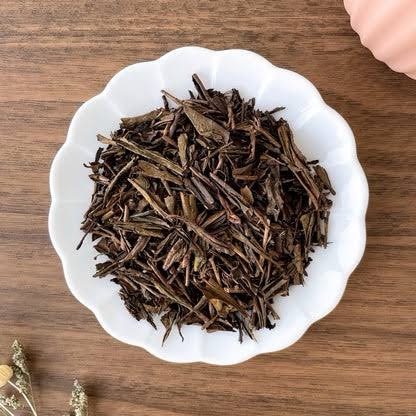

1. Hojicha tea has become a popular trend online, but what exactly is it? Hojicha is a type of Japanese green tea made from bancha, sencha, and kukicha leaves that are roasted at high temperatures and then ground into a fine powder. This roasting process gives hojicha its characteristic light brown colour and toasty flavour, although it also means that some of its antioxidant properties are diminished. Despite this, hojicha still contains beneficial compounds such as L-theanine, catechins, and polyphenols, which can help lower cholesterol levels, particularly LDL, and improve blood circulation. Additionally, the roasting method enhances the presence of pyrazines, which have a calming effect on the brain and nervous system.
2. Hojicha has become quite popular in recent times, mainly because of its low caffeine content, flavour, taste and calming effect on the nervous system. Hojicha tea is distinctive from other varieties of green teas as it is a mixture of leaves, twigs, and stems of the tea plant, which are roasted at a high temperature of 150 C. Due to roasting, it has a light brown colour, nutty taste and toasty flavour, unlike the vegetative tone of other green teas.

3. It has gained popularity in recent times due to its low caffeine content, which is milder than that of other green teas. So, it is quite safe for children as well as the elderly. In Japan, it is mostly an after-meal tea, in the evening, which has a calming effect on the nervous system, brain, reduces anxiety, stress and ensures a good night’s sleep. Hojicha infusion is quite popular as it is often used in smoothies and yoghurt.
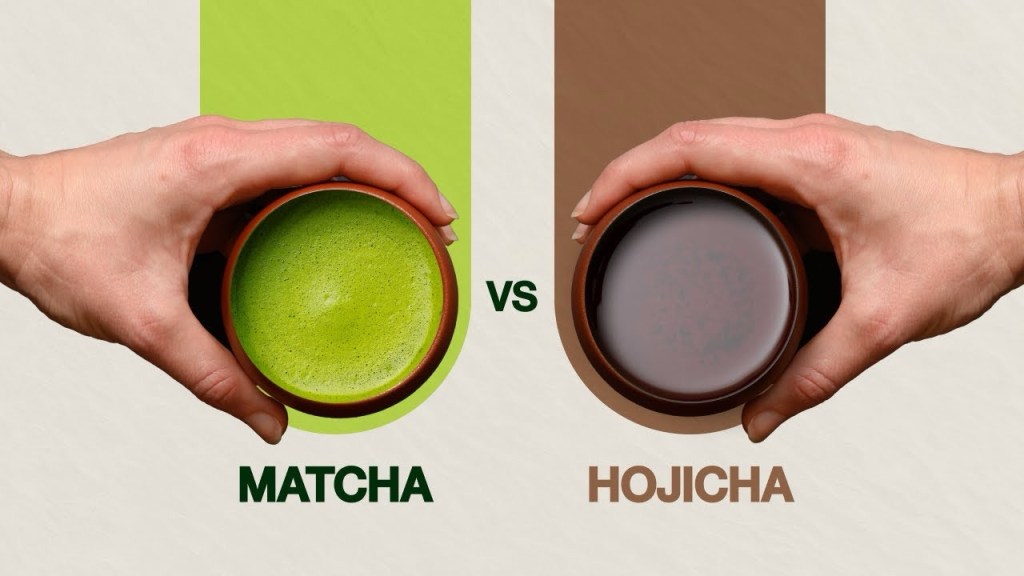
4. Though hojicha tea has a great taste and flavour, as far as health benefits are concerned, matcha is still healthier than hojicha because of its rich, concentrated properties of antioxidants. Matcha is a rich source of chlorophyll, L-theanine, polyphenols, catechins and natural caffeine. Compared to hojicha, matcha has a great amount of health benefits like preventing cellular damage, reducing inflammation, supporting brain health, heart health, liver health, improving brain function, help prevent cancer and promote weight loss.

5. Like matcha, hojicha does contain anti-oxidants and amino acids, but in significantly less quantity as compared to matcha, which is made from tencha raw leaves, not stems or twigs, which are ground into fine powder. On the other hand, matcha is rich in chlorophyll, which helps in liver detoxification and flushes out toxins from the body. Due to the presence of natural caffeine, which is quite high in matcha, it can be stimulating to the nervous system rather than calming. Too much drinking of matcha can lead to high caffeine intake, which can sometimes cause heart palpitations.
6. Hojicha contain a compound, Pyrazine, unlike matcha, which is formed due to the roasting process. Pyrazine gives a distinctive toasty flavour and scent to hojicha, which allows a pleasant aroma just like brewing coffee. Some of the health benefits of pyrazine:
• Calming and relaxation effect due to balance in the nervous system.
• Improving the quality of sleep due to low caffeine content.
• Improving blood flow in the body due to the vasodilator effect of pyrazine.
• GABA secretion is improved in the brain, which helps in reducing anxiety and depression.
• Promote skin health by improving skin hydration.

7. In addition to the above benefits, due to the presence of antioxidants, hojicha tea has other health benefits, such as:
• Improves digestion by promoting metabolism
• Reduces inflammation, especially in arthritis, by lowering pain and swelling
• Strengthen the immune system and prevent cold and cough
• Promote heart health by enhancing blood flow and lowering blood pressure
• Improves oral hygiene due to anti-bacterial properties

8. Unlike matcha, which has a raw, grassy and slightly bitter taste, hojicha has a nutty taste, toasty flavour and is not bitter. Therefore, it can be used in various ways:
• Extensive use as beverages, lattes, smoothies, and milk teas.
• Baking dishes like cake, cookies, macarons, and mochi
•Ice cream, frozen treats
• Savoury dishes, meat, pastas, roasted veggies.

9. Traditionally, in Japan, hojicha is used as evening tea as it has a low caffeine content and has a calming effect on the nervous system and aids in metabolism. It helps to improve good quality sleep. It also has a warming effect due to enhanced blood flow, and so it is ideal for nighttime. Since it has a sweet, nutty flavour, it has become very popular for its uses in a wide variety of desserts, puddings, cocktails, and beverages. Commercially, hojicha tea is available everywhere in supermarkets and malls due to its demand, taste and benefits.

10. Hojicha has received global recognition for its versatility and uniqueness in taste and flavour. Like brewing coffee, it has a distinctive toasty aroma which is very inviting. On top of it, hojicha has low caffeine content, a variety of uses, making it popular among all age groups, including children. It has a natural sweetness, so using it as an ingredient in dishes requires less sugar. It tastes great in savoury dishes too. Overall, it’s a hit among the masses.
Thanks for reading.
Peace and love 🙏


Peace and love 🙏

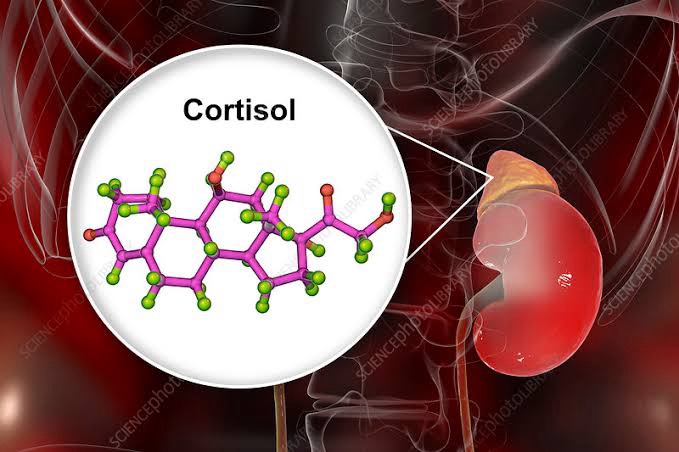
1.Cortisol is a stress hormone released from the adrenal glands, which is ideally secreted during a fight-or-flight response. However, in today’s world, our daily lives are filled with stressful situations, such as competition, comparisons, peer pressure at work, negative people, and relationships stress. As a result, cortisol is released not just in short bursts but remains chronically elevated. This persistent high level of cortisol keeps the body in a constant state of stress, leading to chronic inflammation, sleep problems, and various diseases.
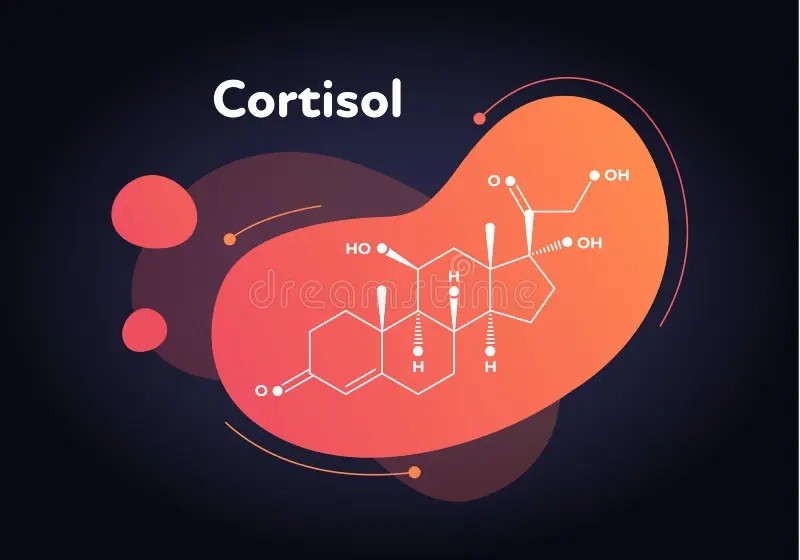
2.Cortisol plays essential role in the body for survival. But when cortisol is elevated for a longer period of time can lead to health issues like weakened immunity, metabolic syndrome and mental health issues. The functions of cortisol are :
– Maintaining blood pressure
– Elevating blood sugar levels
– Regulating the circadian rhythm
– Facilitating the utilisation of energy from carbohydrates, proteins, and fats
– Reducing inflammation

3. Sleep-wake cycle follows a synchronised rhythm with the night and daytime. During the sleep phase, the body goes through different stages, such as:
• Non-REM stage: The phase where the body and mind, being awake, slowly move to a calmer state before falling asleep. Followed by a stage where the body’s core temperature drops, brain waves slow down. After this, a stage emerges where the heartbeat, breathing, and brainwaves slow down, entering a deep state of relaxation.
• REM state: This stage occurs normally after the deep sleep phase. In this phase, people have vivid dreams, and intense dreaming appears. There is weakened muscle activity similar to temporary paralysis. This stage is important as the brain is cleaning out the buildup of waste and toxins.

4. HPA axis: The hypothalamic-pituitary-adrenal axis is responsible for the neuroendocrine regulation. Hormones like melatonin and cortisol from the HPA axis modulate the sleep-wake cycle. When there is disruption of this axis disturb the sleep cycle. Studies show that there are reciprocal interactions between sleep regulation and the HPA axis. Stressful situations like PTSD, emotional trauma, and chronic workload can lead to long-standing sleep issues like insomnia, sleep deprivation, and lack of restorative sleep, which in turn lead to disruption of the HPA axis and vice versa.

5. The HPA axis and sleep have a significant interconnection. Good quality sleep, deep sleep causes an inhibitory effect on the HPA axis, whereas hyperactivation of the HPA axis leads to overload of glucocorticoids, wakefulness, and loss of sleep. Sleep disorders related to HPA dysfunction are:
•Insomnia is a common sleep disorder which is found to have a connection with an increase in ACTH and consistent cortisol levels and arousal of the central nervous system.
•Obstructive sleep apnea or daytime sleepiness has been associated with elevated pro- inflammatory cytokines, IL-6 and TNF.

6. Elevated cortisol level: Studies show that sleep deprivation has a direct connection to elevated cortisol levels, long hours of wakefulness in the daytime, glucocorticoid overload, and disruption in the HPA axis. These directly affect the well-being of the individual and increase the risk of obesity and type 2 diabetes. Other symptoms of elevated cortisol levels are:
• Weight gain
• High blood pressure
• Weakness of bones
• Muscle weakness

7. Cortisol level: Normally, there is a spike of cortisol level in the morning, known as the awakening response, and it continues for about 60 minutes thereafter. Then, gradually the level-starts dropping and reaches the lowest level towards the evening/midnight. The factors which can affect the cortisol levels are:
• Stress
• Disturbed routine sleep schedule
• Morning light may cause the surge
• Cushing’s syndrome

8. Stress and cortisol level: Cortisol is a steroid hormone which is released from the adrenal glands in the body’s response to stress. Cortisol also releases sugar from the liver to combat stress. In addition to this, sleep and stress are also closely linked. Prolonged stress can lead to sleep disorders like acute insomnia. The types of stress when cortisol is secreted are:
•Short-term stress
•Long-term stress
•Trauma, both psychological and physical.


9. Food and cortisol: Certain foods can support gut health, reduce stress and lower the cortisol level naturally:
• Whole grains and natural fibres – Whole grains are rich in polyphenols, which can support gut health and reduce stress and cortisol. Fibrous foods like vegetables, fruits, and berries contain both polyphenols and antioxidants that help reduce cortisol levels.
• Dark chocolate (70 – 80%) – Flavonoids in dark chocolate can lower the stress response and cortisol from the adrenal glands.
• Green tea contains polyphenols, catechins, and L-theanine, which can lower stress reactivity.
• Probiotics/Prebiotics are linked to healthy gut health, reduce stress and cortisols.
• Healthy fats in nuts, fatty fish, and seeds rich in omega3-fatty acids reduce stress and support mental health.
• Water – Consuming water throughout the day prevents dehydration and controls the cortisol level.


10. Natural habits that can keep the cortisol level under control:
• Good sleep routine – Firstly, keep away from cell phone or any kind of distraction at least 1 hour before bedtime, avoiding alcohol, caffeine intake and nicotine 5-6 hours before bedtime, maintain a bedtime schedule; going to bed and waking up the same time every day is important for sleep hygiene.
• Daily routine exercise, nature bathing, walking or any kind of physical activity.
• Practise deep breathing techniques like Pranayama, mindfulness breathing, Meditation, yoga, tai-chi.
• Maintaining your mental health by managing your personal relationships, staying away from negative people and a negative environment, cultivating hobbies, laughing, and listening to music.
• Spirituality – believing in spiritual faith, attending spiritual workshops, meditation, community spirit, kindness /charity /voluntary works, helps maintain cortisol levels.
Thanks for reading.
Peace and love 🙏


Peace and love 🙏


Peace and love 🙏



1. Self-awareness is quite a commonly used term for mental health and well-being. While it has been discussed frequently, many people lack its actual understanding. Our everyday life is often caught up in autopilot mode, so our quality of awareness is very low. Our thoughts, emotions, reactions, habits, routines and impulses of day-to-day life are all on autopilot, so that instead of being aware of them, they keep us in control every day. So, it is important to understand Self- awareness and learn this ability of self-observation to improve our quality of awareness.
2. Many times in real life, we have gone through similar experiences, similar kinds of failures, attract similar people, have similar reactions, similar impulses, similar emotional meltdowns; the reason is not the outside world, but it is our inability to understand ourselves and our unwillingness to change. Most of the time, we are not self-aware of our emotional state, lack understanding of our strengths and weaknesses, so we end up in similar situations and experiences. As an individual, it is important to learn self-assessment, introspection and the ability to recognise our thoughts, feelings, emotions and actions.
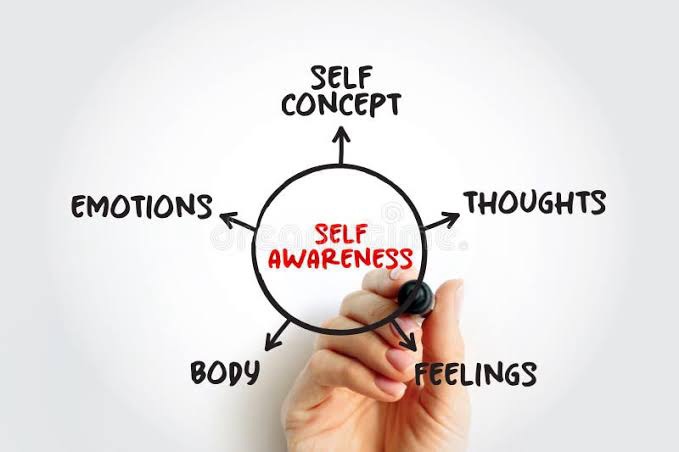
3. Self-awareness is a psychological skill of knowledge and understanding about one’s own emotional state. It’s about self-observation, self-assessment of one’s emotions, thoughts, feelings, reactions and actions. It’s a capability of recognising one’s own reactions, actions, and behaviour in interacting with the outside environment and other people. Self-awareness helps in identifying tendencies, understanding emotional states, strengths, weaknesses, limitations and personal goals. It’s a lifelong learning ability to develop confidence and optimism in this dynamic world.
4. Self-awareness can be beneficial in several ways:
• Helps in building self-esteem, self-control, creativity, and skills
• Benefits include self-acceptance, emotional growth, and self-development.
• Aids in decision-making.
• Understanding strengths, weaknesses, and limitations.
• Accurate self-reports.
5. For several decades, thousands of research studies have been carried out to understand the interconnectedness between self-awareness and important key attitudes of human behaviour like habits, feelings, emotions, happiness, stress parameters, empathy and job satisfaction. Broadly, two types of self-awareness studies are recorded as :
• Internal self-awareness: It’s the ability to observe and monitor our inner world, while some label it as a state of self-consciousness temporarily. It is found to be associated more with relationships and job satisfaction as we try to fit ourselves with our personal control and social control.
• External self-awareness: Some state it as the difference between how we see ourselves and how others perceive us. Studies show that people who understand how others see them can be more empathetic and understanding of others’ perspectives.

6. Extensive research has identified five layers of self-awareness:
• Physical: Awareness of your physical body as shape, size, gender, race, ethnicity and five senses.
• Energetic: The breath and energy levels, which include the life forces that help you to move, think, create and take action.
• Mental: The thoughts, feelings, emotions that help you to react and take actions for yourself, others and life.
• The Witness: When you learn to become your witness and become aware of the different layers of self-awareness without being judgmental. This is an essential part of the path of learning self- awareness because you can bring about changes, a better understanding of your flaws, unhelpful patterns of beliefs, and habits that need to change.
• Bliss: Deep connection with a Higher Self, the Truth. A spiritual interconnectedness with the Divine.

7. The skill of knowing yourself is the biggest deal. If we actively start employing this art of self- awareness, we see ourselves as in a mirror, no hidden veil, just inside out, the reality as it is. Then,we start to find acceptance within ourselves, develop resilience if changes are not possible, and consciously bring about changes in our reactions, habits, behaviour and actions in our day-to-day life whenever required. This makes our everyday life approach easier, better handling relationships with people around, self -efficacy in controlling our mind, emotions, impulses, feelings, reactions, dealing with the external environment, people and the world around as it is.

8. Being in a path of self-awareness asks us to understand:
• Clear knowledge of our basic nature, character, impulses, flaws and desires.
• Observe our own habits and behaviour in dealing with our inner world and external world.
• In alignment with our energy levels and breath, and how they are affected by our choices and lifestyle.
• Keep an eye on our thoughts, feelings, emotions, impulses and learn to respond rather than react to whatever life throws us.
• Being a witness to self (intuitive wisdom) so that self-acceptance is easier without being judgmental.
• Searching for our connectedness to something bigger than ourselves.

9. Practising and learning to seek self-awareness is far from being an easy task; it is a lifelong process. Our day-to-day life is so much attuned to working, earning money, parenting, paying the mortgage, bills, and routine hustles that we hardly get time for ourselves. Besides, many obstacles cause hindrance in this path :
• Fear – Knowing and understanding our vulnerability, uncomfortable emotions, and weaknesses.
• Attachment – attachment to people, desires, things can often lead to internal conflicts.
• Aversions – Conscious understanding and resurfacing of situations, people, we usually avoid, internal conflicts, unresolved emotions and discomforts.
• Ego- Instead of being the centre of the world around us, knowing that ego is that tool to distinguish us “I” from the outside world, learning to balance it with wisdom rather than controlling us.
• Ignorance – Learning and understanding about the larger picture of life, rather than being happy when life goes well and disliking it whenever life throws challenges.

10. Developing and seeking self-awareness is an ongoing process, a lifelong learning. In this process, as an individual, there is tremendous personal growth, control over emotions, decision- making and self-acceptance with limitations. Some of the basic strategies are:
• Daily practising mindfulness, calmness, and reflections upon thoughts without judgement.
• Journaling your thoughts, feelings, emotions, impulses on experiences and situations.
• Getting honest feedback from trusted friends, family members, siblings, and partners.
• Self-analysing the situations that can trigger strong emotional responses like anger, panic- attacks, pain, and fear.
• Self- assessment of limitations, weaknesses, strengths, and levels of resilience.
• Routinely reviewing the day-to-day reactions, actions, decisions and interactions.
Thanks for reading.
Peace and love 🙏


So grateful as 2026 is approaching ! Here’s a New Year for fresh start, new opportunities and abundant hope to build our dreams. A new chapter of growth, self discovery and unforgettable experiences and memories to celebrate.
Here’s wishing to all my lovely bloggers, a year filled with great opportunities, endless happiness, great health and beautiful moments to cherish. Have a wonderful and blessed New Year 2026 !
Peace and blessings 🙏

