
10 facts about Orexin 🧠

Hi everyone ✋

1.The lateral hypothalamus and prefrontal cortex produce a hormone called Orexin, also known as hypocretin. It is produced in two forms like Orexin A and Orexin B. It has various functions related to Central Nervous System. It helps in regulating important functions like sleep-wake cycle, arousal state, energy homeostasis, feeding behaviour, emotions, mood and cognition.


2.Sleep: Orexin is usually released in the daytime and keeps us awake. It stimulates those neurons which in turn help in the release of neurotransmitters like serotonin, dopamine and nor- epinephrine. In case of individuals with orexin deficiency, are usually diagnosed with narcolepsy, insomnia, sleep imbalance, daytime sleepiness and cataplexy.


3.Stress regulator: Orexin is highly responsive to environmental stimuli and our mood. When in stress situations ,the orexin neurons stimulate the body’s response to increase heart rate, blood pressure and disturb the resting state.


4.Obesity: It is a result of the influence of orexin-producing neurons on energy metabolism.Orexin deficiency in the body can lead to slowing down energy metabolism, physical inactivity, and excessive weight gain, even if the calorie intake is low.

5.Mood: Orexin has an influence on mood through its impact on the hippocampus. Abnormal orexin activity has been related to mental health conditions like depression, PTSD, anxiety and addiction. Deficits in orexin influence can result in hippocampus problems such as learning disability and memory deficits, as it also promotes the development of neurons in the hippocampus.


6.Narcolepsy: Orexin helps us stay awake during the day. So, people with orexin deficiency suffer from narcolepsy. They have daytime sleepiness and sleep paralysis. Mostly, these type of individuals can also suffer from cataplexy. The person is unable to move for a short time even if he is awake or about to fall asleep. It is usually occurs in a conscious state of mind and triggered by strong emotions like being angry, or laughing.

7.Alzheimer’s Disease: Several studies show that orexin has direct connection with sleep, cognition and as a stress regular. So it does play a significant impact on Alzheimer’s disease pathology. An increase level of orexin has been found in cerebrospinal fluid of people with Alzheimer’s. So, they usually have circadian cycle disorders, daytime sleepiness and cognition problems. However, researches are still going on for further prospectives of using orexin antagonist receptors as a potential treatment alternative.

8.Heart: Lack of sleep and insomnia have a direct impact on cardiovascular health and hypertension. Studies show that increased levels of orexin stimulation can elevate blood pressure and heart rate. Both orexin A and B receptors have a direct role in the regulation of sympathetic nervous system. Therefore orexin antagonist receptors might be a therapeutic option for hypertension.

9.Orexin levels: High levels of orexin may lead to sleep disorders, stress prone and eating disorders. But lack of orexin or loss of orexin in brain injury may lead to narcolepsy or other sleep disorders. The normal level of orexin found in cerebrospinal fluid in a healthy individual is around 250 – 500 pg/ml.

10.Food: Optimal level of orexin can be provided in a healthy individual by regular intake of fermented food like pickles or sauerkraut. Having excessive sugar or carbohydrate rich food can inhibit orexing production.

Thanks for reading.

Peace and love 🙏

10 quick facts of ginger🫚

Ginger is an ingredient common to our cuisine for centuries. It is widely used in most of the culinary dishes. Besides adding the zing in our taste buds, it has immense medicinal and health benefits.

  1. Ginger contains gingerol that imparts its unique taste and flavour to cooking. This compound gingerol is a natural antioxidant and anti-inflammatory. Hence, ginger helps to cure common cold, flu, seasonal rhinitis and fungal infections.
  2. Previous studies have shown that ginger has played an important role in controlling blood sugar levels in people with type 2 diabetes. Researches also show that regular intake of ginger helps to reduce the levels of LDL cholesterol and triglycerides, thereby reducing the risk factors of cardiovascular diseases. It is also effective in weight loss.
  3. Ginger is highly effective against swelling, itchiness and minor skin allergies such as hives. Having ginger juice along with jaggary powder can be consumed to reduce skin allergies and itching.
  4. Ginger is an effective pain reliever. Consuming ginger slices or ginger juice can help to reduce joint pain, body ache and earache.
  5. Consuming ginger or raw ginger juice has helped in improving many digestive issues. Eating raw ginger slices before a meal will help to stimulate digestion and improves the appetite. A person having indigestion, belching, bloating will be relieved after having ginger juice along with lemon juice or ginger slices. Problems like nausea, vomiting, diarrhea can all be relieved after consuming ginger. So, it can be used during Morning sickness. People taking chemotherapy may use ginger to alleviate post-drug side effects.
  6. Ginger is very effective when used freshly, but also beneficial when consumed as a powder for juices or tea. A common spice used in various cuisines.
  7. Ginger is effective against degenerative diseases like multiple sclerosis, Parkinson’s disease, Alzheimer’s disease due to the presence of compounds like 6-gingerol and 6- shogoal.
  8. Ginger is grown especially in tropical areas. Ginger roots are mainly used for cooking and healing purpose. It can be stored in dried or powdered form for a long time. Ginger supplements are available in capsules or liquid extracts. Ginger oil as essential oil is used in beauty products.
  9. Ginger is rich in dietary fibre and in vitamins like B3, B6 and C. It is rich in folate, magnesium, phosphorus and zinc.
  10. Ginger is usually safe, but it must be used in moderation as part of a healthy diet. Too much consumption or concentrated higher doses may lead to heartburn, stomach upset or loose motion.

Thanks for reading.

Peace and love 🙏

11 ways to get rid of Acid reflux 😠

Hello everyone ! Have a wonderful and safe day 🙋🏻

Reflux is the upward movement of the material from the stomach to the oesophagus through the lower oesophageal sphincter. The content of the material can be acid, food or air now and then. Usually, the sphincter remains tight, but when it becomes loose, stomach content migrates to the oesophagus.

Common causes of Acid reflux can be:

1.Overweight or obese.
2.Pregnancy
3.Hiatus Hernia (when part of the stomach bulges out into the chest through the diaphragm)
4.Eating a heavy meal and lying down on the right side or bending forward.


5.Drinking fizzy, carbonated drinks or alcohol.
6.Smoking.


7.Having too many beverages, like tea and coffee.
8.Intake of blood pressure medication or pain killers.

Commonly occurring symptoms are :

Burning sensation behind the sternum/breast bone. Also known as heartburn.
Belching/ Regurgitation of food.
Acidic taste in the mouth.
Atypical symptoms like coughing at night.

Acid reflux pain or heartburn can be very annoying and uncomfortable. If the episodes become frequent, the diagnosis is called gastroesophageal reflux disease (GERD). The condition is diagnosed based on physical symptoms. But in prolonged cases, or frequent episodes, or in case of hiatus hernia, oesophageal stricture, diagnosis is done by ultrasound and CT scan. The treatment recommended with medication proton pump inhibitors, Omeprazole. In severe cases, some may require surgery.

But, there are several Lifestyle measures which we can adapt to reduce Acid reflux:

1. Changing the eating pattern by avoiding eating late at night. Avoiding large, heavy meal.

2. Getting rid of trigger foods like spicy, fried, citrous or even tomato-based food items.

3. Eating small meals at regular intervals and eating slowly by chewing properly.

4. Avoiding carbonated and fizzy drinks, avoiding alcohol, too much tea and coffee.

5. Quitting Smoking.

6. Destressing yourself before meals like by taking 5-6 deep breaths before each meal.

7. Don’t eat 2-3 hours before going to bed.

8. Sleeping on the left side so that it decreases the pressure on the lower oesophageal sphincter and reduces gastric stress.

9. Using a pillow of sufficient height to support the head so that the abdomen and oesophagus are all in alignment.

10. Avoid tight clothing which may again cause gastric pressure and on the oesophageal sphincter.

11. Food preferred are


Green leafy vegetables
Non-citrous fruits
Oatmeal
Eggs
Lean meat and fish
Probiotics like yoghurt, buttermilk
Fennel seeds
Winter melon/Ash gourd
Ginger/turmeric


Aloe vera
Healthy fats like avocado, walnut.

Thanks for reading.

Blessings and much love to all 💐


Potassium: Facts to know 🙌

Hello everyone ! Have a great and safe day 🙋🏻

img_1449

Potassium is an essential mineral which is used as an electrolyte by our body to conduct electrical impulses throughout our body to carry out many vital functions like blood pressure regulation. Since our body doesn’t produce Potassium on its own, it has to be sourced from the food items, we eat.

img_1448-1

Other vital functions of Potassium include
fluid balance,
muscle contractions,
nerve impulses,
Heart rythm
aid in digestion
Maintain the ph balance

img_1451

People get enough necessary Potassium by eating a healthy balanced diet. Too little Potassium state is called Hypokalaemia may cause health problems. The Hypokalaemic condition is diagnosed by a blood level of less than 3.5 mmol/lit. Similarly, high potassium state is called Hyperkalaemia when blood level is more than 5.0 mmol/lit, which also causes health issues. So, the right balance is required. Daily Potassium requirement for the body is 3500 – 4700 mg per day. So, that is quite a massive amount of quantity for daily consumption.

img_1454

Naturally, the kidneys maintain the level of Potassium in the body with the excess being eliminated in the urine. Majority of the Potassium in the body that is almost 98% is stored inside each bodily cell and the rest in liver, RBCs and bone.

img_1450
1056649588

Hypokalaemia: Symptoms can be muscular cramps, spasms, fatigue, constipation and irregular heartbeats. Health problems that cause this state can be:

Diuretics (water pills for high BP)
Excessive fluid loss (diarrhoea, vomiting, sweating)
Kidney diseases
Magnesium deficiency

img_1452

The sources of Potassium-rich food are Avocado, Potatoes, sweet potatoes, all greens, most of the varieties of beans, Salmon, bananas.

img_1456

Hyperkalaemia: In a healthy individual, the condition of Hyperkalaemia usually is not seen. So, there is no adverse effect on consuming potassium-rich food daily. However, such a state is seen in people with compromised kidney functions like in chronic kidney diseases, and those who take medications that affect kidney functions like blood pressure medication (ACE inhibitors). The most common symptom of Hyperkalaemia is abnormal heartbeat called Arrhythmia. Calcium gluconate is usually used to stabilize such cases.

img_1453
In such an individual, food that is known to be rich sources of Potassium should be avoided.

Potassium is crucial for the body’s vital functions. To maintain the correct blood potassium level, consuming varieties of food items are good enough, to add up to a group of 4700 mg per day. Over the counter, Potassium supplements can provide only a small fraction of it, which is hardly useful. So, it is not recommended to use Potassium supplements unless specifically prescribed by your Physician.

Thanks for reading.

Blessings and much love to all 💐


Post : Cortisol cautious workout🚴 : 3 important reasons.

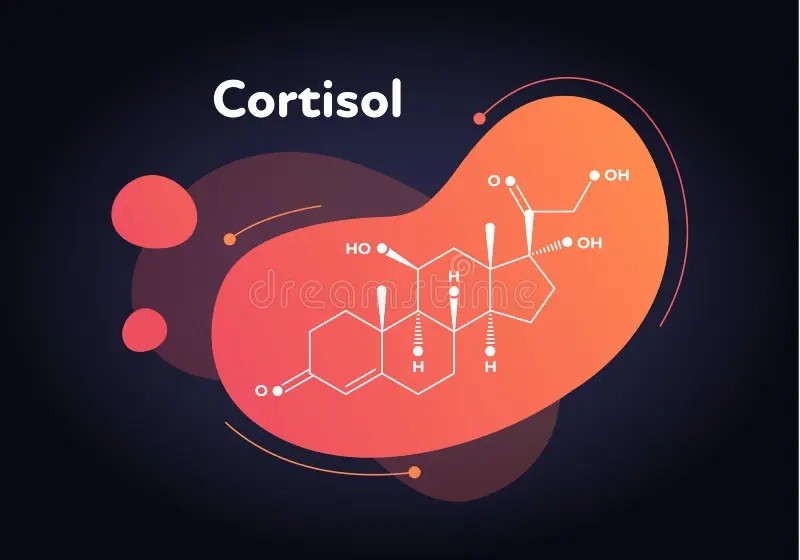
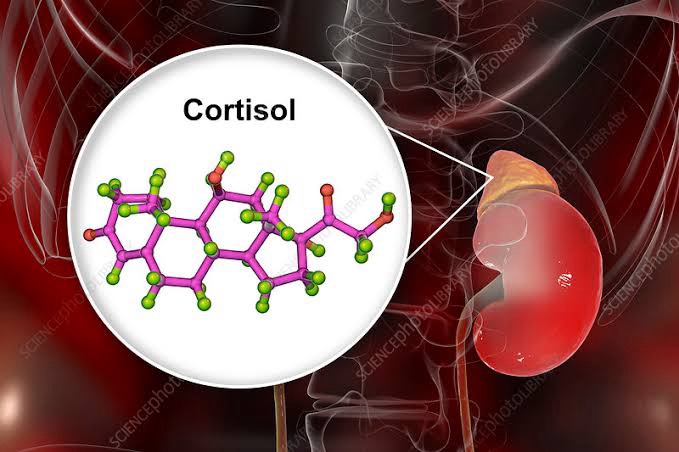
Cortisol or hydrocortisone is a naturally occurring stress hormone which is secreted by the adrenal gland. It is naturally produced during the fight and flight response to pumping up the extra energy to confront the situation. Under normal circumstances, the cortisol level fluctuates throughout the day as we are on the run through the day.

Since it is a hormone, it is circulated throughout the body by blood and affects all the organs of the body. Keeping aside the adrenal gland abnormalities where the cortisol level is very high (Cushing’s syndrome) and very low (Addison’s disease), the level should be appropriate for normal body functioning and well being. Irregularities in the cortisol level can affect the body’s metabolism and vital functions like blood pressure regulation. When cortisol is raised, the person may have weight gain, high blood pressure while a low level can lead to low blood pressure, weakness and weight loss.

Since most of the workout techniques involve a high level of stress and exertion, the cortisol level is pumped up. This is important to be regulated as high levels are harmful to the body. So, the choice of workout, how far you can push yourself or whether your body is ready to take up physical stress are some queries that should be considered.

So how can I be conscious about my workouts and also be quite vigilant about my cortisol level?

  1. Doing high-intensity workouts for long hours, not paying attention to the pain and injury to the body is no good to the body at all. Long hours of high cortisol level might slow down the body’s metabolism. High intensity workouts should normally be done for 30 -40 mins in a day. Going for low-intensity workouts like walking, swimming, yoga, skating, cycling are better options. Low intense training like resistance bands, gliders are also better choices. Following such workouts are more useful and restorative for the body and the cortisol level is also quite maintained.

2.Listening to the body’s need is important. Whether your body can perform a certain exercise is important. If you do have any injury, pain, skip the day with another form of physical activity. Scheduling the week with different forms of workouts and physical activity is wise and beneficial. Mix matching with Yoga, stretching, gliders and rest of the days with other forms like walking, swimming, cycling, aerobics are wise.

3.Help your body’s natural healing capacity. To maintain the cortisol level, prevent it from rising, some days rest your body, go for messages, physical therapy and other forms of relaxation techniques. Go for relaxation yoga poses like Balasana (child pose), Matsyendrasana (reclining fish pose) or savasana (corpse pose). Meditation with relaxing music is healing too. All these practises are restorative and bring out overall wellness.

Thanks for reading.

Happy workout ! Take care,

Much love to all 💐

Post: 10 magical facts to keep smiling 😊.

Hello everyone! Have a great day 🙋🏻

Who doesn’t like to see a smiling face as soon as you wake up in the morning? Seeing someone smiling at you at home, office, travel everywhere you go simply lift up your mood. In fact, it is the easiest way to boost your mood, health, longevity, coping up with success, setbacks, and challenges in the life journey.

10 magical facts of smiling :

1.Endorphins: Not just a genuine smile, even if it is not so genuine, a smile can help the release of endorphins which can relieve the body from stress and pain. The natural release of endorphins helps in reducing everyday stress and anxiety. Therefore, keep smiling throughout the day, it will keep you away from stress. It will help you to keep your mood elevated.

2.Social health: We are always attracted to smiling, happy people. It is a part of social health. With genuine smiling, we can build up trust while dealing with people. Building a relationship with trust is long lasting. Smiling helps you get motivated, work harder while performing tasks and increase productivity at work.

3.Open mind: Smiling keeps our mind open, relaxed. Often stress, limits our attention to people, perceptions, thinking. But with smiling, we are open up to a wider perspective, a wider view which helps in multitasking and help in facing the challenges easily.

4.Anti-ageing: Smile lift up your face and makes you look younger. A genuine smile uses all the facial muscles of your face. In fact its a good facial muscle exercise. A good smile helps you release stress, helps your heart to keep you live longer.

5.Heart-friendly: Smiling slow the workload of heart, relaxes your body. Therefore, it helps you to reduce blood pressure (though temporarily) and also keep you away from heart diseases.

6.Boost Immune system: When the body is out of stress, in a happy mood while smiling, the immune system works better, reacts quickly against invaders.

7.Pain killer: Studies have shown that endorphins or happy hormones released while smiling can ease the pain. So that is why endorphins are called natural pain killers. Smiling can help release endorphins from hypothalamus and pituitary quickly.

8.Successful: Studies have shown that people who smile often, appear more confident, approachable, motivated hence are likely to get promoted, successful at work.

9.Infectious: Yes smiling is infectious, not only it lifts our mood but also change other people’s mood around us make it easier and happier in whatever task performed or at home. The facial expression is an unconscious automatic response so when someone sees a smiling face, they smile you in return.

10.Improves relationship: Time and again, it has shown that people always get attracted to a smiling, humorous person. People who smile tend to be more attractive and trustworthy than people with other neural expressions.

Thanks for reading.

Blessings and much love to all 💐

Keep smiling 😊