Taming the monkey mind….5 facts 🙌

‘Monkey mind’, yes, that’s what the Buddhists called our wondering mind. The more you try to control, the more it wanders. This is the nature of the human mind. It can never remain still. During the day, whenever, we try to be still, the mind races ahead to the future or returns to the past in some old memories. Our mind is always thinking of something or another. Distractions like tasks, jobs, people around, day-to-day stress, entertainment, and social media, all add up to the flickering nature of the mind. Therefore, let’s explore why our mind behaves this way and how we can try to control it, if at all, it’s possible:


1.A wandering mind is quite a normal behaviour and characteristic in nature. The attention shift of the mind from one thought to another is involuntary before even we notice it. In a monotonous daily activity of a boring nature, like studying, in the classroom in case of a student, or doing daily chores, it can happen voluntarily.

2.Studies show that the mind wonders mainly for two reasons: Either the work or activity, we have been doing is not engaging and monotonous and another reason can be that facing obstacles or hard task causes worry and anxiousness.
Sometimes, Scientists, link the wandering nature to creativity, explorative and intuitive mind. However, this becomes problematic. In those times, when we are supposed to be working, we lose focus and attention or think in bed when we are supposed to sleep. Oftentimes, the mind is either daydreaming, imagining things, anxious thoughts worrying about the future or replaying some old memories, stuck in some emotional thoughts.

3.What can be the possible causes of a wondering mind?
*Anxiousness and worrying mind.
*Boring and repetitive activities.
*External distractions like our mobile phones and other gadgets, people around, noises, social media.
*Internal distractions like stress, anger, hurt, sadness. Physical discomfort like fatigue, pain, hunger.
*People with attention deficit disorder have a hyperactive mind.

4.Self-awareness: How can I realise that I have a wondering mind?
Firstly, being aware of your own mental state. Most of the time, if you find yourself, overthinking, worrying, and ruminating thoughts.

Your mind is often, exhausted, being engaged in unproductive thoughts, unable to find solutions to problems or losing your spontaneous problem-solving ability.

Being self-aware, in such a state of mind, can help us to bring about change in our mental state.


5.Taming a wondering mind can be a very difficult task. But, with practice and consistency, everything is possible.

a)Meditation is an effective tool. Again, meditation is’nt easy. Perhaps, sitting still in a quiet place, trying to focus the mind is a hardest task. Focusing on breathing is a commonest method. Other methods can be, focusing or imagining an object like sun, moon, or the ocean. Using a guided mediation or listening to nature sounds, chanting of mantras can be effective.


b)Journaling is a powerful tool to clear the mind. Noting down daily thoughts, thoughts related to job, loved ones, family, future goals, holiday plans, emotional pain, feelings of old memories can be very useful to clear the mind clutter. Writing down can self-help to acknowledge the bothering thoughts and refocus the mind to concentrate on the task at hand.


c)Physical activity like going for a walk, physical movement of the body, legs and hands, watering your balcony plants, spending time in nature, light exercises can be very helpful to reset the mind. Playing an instrument, or listening to a music piece can be rejuvenating to refocus the mind too.

d)Sleep and adequate rest are necessary to clear the mind clutter. Getting a proper goodnight sleep and following a daily sleep routine is mandatory. Making a conscious effort to keep away from our mobile phones, social media distractions, caffeine free, emotional disturbing thoughts, 2-3 hours prior going to bed, can give an adequate sleep.

Thanks for reading.

Peace and love 🙏

Butyrate is the latest buzzword! Is it just a hype or the reality? 10 facts 🙌

Butter is a rich source of butyrate

1.Butyrate is a short-chain fatty acid (SFCA) released during the fermentation of dietary fibres by the gut microbiome. It plays an integral part in supporting gut health and overall well-being. It is an energy source for colonocytes which meet about 70% of their needs. Evidence has shown that this SFCA has tremendous health benefits ranging from immunity support, lowering inflammation, preventing cancers and fighting ageing. Hence, it is the latest buzzword, doing rounds in social media and among advertisers.

2.Recent studies have clearly shown that butyrate plays an important role in both the host and microbial functions in gastrointestinal health. It is a crucial energy source for colonocytes. An optimal level of butyrate promotes and maintains a healthy microbiome level, reduces inflammation, and supports colonocyte functions. It has protective actions against certain intestinal diseases like inflammatory bowel diseases and colon cancer.

3.Butyrate has been shown to prevent the process of inflammation in the gut which can be caused by pathogens, the body’s overreaction (allergic reactions) and oxidative stress. Chronic inflammation in the gut occurs when the gut’s immune system is constantly fighting against these pathogens and free radicals causing the immune health to be weakened. Eating a considerable amount of fibres causes to production of an optimal level of butyrate which helps in protecting against this inflammatory process.

Dietary fiber is a good source of butyrate

4.Studies have shown a great impact of butyrate on obesity. Butyrate is found to lower body weight and decrease lipogenesis in the liver and adipose tissues. It increases fatty acid oxidation and prevents fat accumulation in the body thereby reducing obesity. Butyrate is produced by the fermentation of dietary fibres, so it suppresses the food intake and reduces body weight and fat mass.

5.Animal and cell studies have shown that butyrate increases insulin sensitivity, helps in reducing weight gain, and obesity and promotes weight loss. It helps in maintaining blood sugar levels.

Dairy products

6.Another significant property of butyrate has been shown in research that it promotes cell differentiation. Normally, our cells have the ability to change into any specific type of body cells required like liver cells, heart cells, intestinal cells or blood cells. If the cells are not properly differentiated, then, abnormal growth or tumour appears. Butyrate is found to promote cell differentiation.

7.Studies have shown that butyrate plays an important role in the brain-gut connection. It helps in increasing Brain-Derived Neurotrophic Factor (BDNF), removes toxic byproducts from the brain and prevents brain fog. It promotes neuroplasticity and improves rapid eye movement sleep by 70%.

8.Butyrate helps to regulate the blood pressure level. Studies show that the level of butyrate inversely corresponds to the blood pressure level. A higher butyrate level gives a lower blood pressure level while low butyrate may lead to the rise of high blood pressure.

Leafy veggies

9.Sources of butyrate are :
Dietary fibres like vegetables like garlic, onion, tomatoes, beans, peas, leafy vegetables, broccoli. Fruits like bananas, apples, pears, kiwis.
Whole grains like brown rice, oats, wheat, barley, rye and pulses, legumes.
Dairy sources like milk, cheese, butter, and ghee.
Others like dark chocolate, seeds, nuts, and seawood.
Butyrate supplements are available in the form of sodium, calcium/magnesium butyrate but need to be used as per supervision as they may interfere with other medication.

10.It is important to know that consuming full-fat dairy products like butter, Ghee, cheese, and milk are rich sources of butyrate. However, consuming these products can cause the risk of elevating the level of cholesterol in the body as they are rich in saturated fatty acids too. Therefore, the risk of cardiovascular diseases and obesity may rise. So, the key point to be noted while consuming these products is having them in moderation along with lots of dietary fibre and plenty of water can benefit and maintain the balance.

Thanks for reading.

Peace and love 🙏

Wordless Wednesday 🙌

Greens

Peace and love 🙏

Sunday musings 🙌

Happy Sunday everyone!

Thanks for reading.

Peace and love 🙏

Are canned food healthy? 10 facts 🙌


1.Canning is a method of packing food in air tight containers to last longer period of time. It can last from 1-5 years depending upon the kind of food preserved. 3 steps which include canning are processing the food by cleaning, peeling and slicing. Next step is packing them in air tight containers and lastly, heating or thermal sterilization of those containers to kill harmful bacteria and germs.


2.We often hear that canned food and vegetables are not good enough. Though the fact is true that having freshly picked or buying fresh produce vegetables from the farmer’s market is best. While canned food and vegetables are fine as long as it is not used daily. Canning restores nutrients and is easy and handy to use. They can be kept in the freezer for days when the availability of fresh produce is low.


3.Some studies show that canning restores the high nutrients of the food. Since canning involves heating, heat releases more antioxidants from food like tomatoes and corn. So, certain nutrient levels like antioxidants are increased. However, some water-soluble vitamins like C and B can get damaged due to the heating process. In general, canned food is good enough as comparable to fresh and frozen food.


4.Commercial canning and food packaging involves a chemical named BPA (bisphenol-A). Studies do show that the BPA in cans do get mixed with the food that has been preserved. Certain studies show that BPA can be linked to heart disease and type 2 diabetes. But, more studies are required to prove the hypothesis. Sometimes, bad and unhygienic canning can lead to contamination by harmful bacteria like botulism. So, it is important to avoid canned food which is damaged, leaked or cracked.


5.Preservatives, salt, and sugar can be used to enhance the flavours of the canned food. The high salt content can risk to people with high blood pressure while sugar preservatives can be an issue in the case of diabetic people. Therefore, it is very important to read the labels and ingredients list before buying a canned product. Before using canned food, draining and rinsing the food is necessary so that the excess salt or sugar is released.

6.Canned meat, chicken, and seafood are handy sources of protein with vitamins and minerals. Usually, the shelf life is 2-5 years depending upon the product. They might contain extra sodium or salt while canning. So, the food needs to be drained completely to remove the excess salt before consuming. Depending upon the brand to brand, reading the label and the ingredients lists before purchasing, the canned meat and seafood can be used as a healthy and filling source of protein and vitamins as when necessary.


7.The most important aspects of using canned food in our diet are knowing the brand, a reputed brand, buying the product from a known store and the ingredient lists. The most crucial risk factors can be spoilage, damaged or leaked cans, BPA exposure, the potential for quality variation, environmental impacts, high sodium content, lack of freshness and nutrient loss.

8. In spite of some of the risk factors, there are still a lot of advantages of canned food and are widely being used worldwide. They are concentrated food, handy to use, safe and can be stored for a long time at a room temperature. They are usually protected from contamination of micro- organisms, insects, pests and pollutants. They are available throughout the year and can be consumed instantly.

9.The disadvantages are important to note too. Nowadays, apart from BPA, several preservatives are used in canned food like nitrites, sulfites, potassium, sodium benzoate, and BHA (Butylated Hydroxyanisole 320) which can be hazardous to health. So, it is very essential to read the labels and ingredients list while buying a canned product. Already mentioned about the risk of botulism if the canned food container is leaked or damaged.

10. Yes, canned food is easy, quick, handy and affordable. Not all canned products are bad and can provide the necessary nutrients for health when consumed. When food availability is low, or when you are travelling, canned food is convenient to use. Having canned food, only whenever is required and never using it regularly is recommended. Eating fresh produce or frozen vegetables is a far better option than having a canned product which might prove detrimental to health in the long run as harmful preservatives do often get mixed with the canned food.

Thanks for reading.

Peace and love 🙏

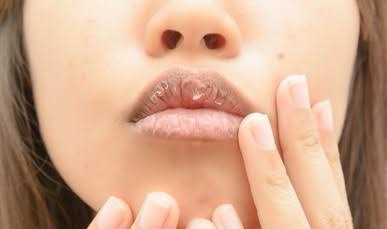
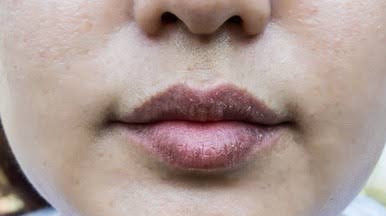
10 facts about Cheilitis or chapped lips 👄

  1. Chapped lips are common and can happen any time of the year irrespective of season. When lips are dried, cracked and feel tight, they are called chapped lips or Cheilitis. As the skin on the lips contains no oil glands, they are thinner and more sensitive, hence chapped lips are common. Most of the time, it is common in dry winter, or excessive sun exposure, dehydration or excessive licking.
  2. Cheilitis or chapped lips is inflammation of the lips and can be of different types depending on the sources.
    Due to allergic reaction called contact cheilitis.
    For sun exposure called actinic chelitis.
    Reaction to certain drugs like retinoids causes drug induced cheilitis. Fungal infection of the mouth causes angular cheilitis.
    Herpes infection causes infective cheilitis.
    Persistent painless swelling of the lips causes granulomatous cheilitis. Frequent licking of the lips causes exfoliative cheilitis.

3.Certain risk factors which can cause cheilitis are nutritional deficiency of vitamin B12 and iron, certain medical conditions like thyroid disease, autoimmune conditions like Lupus erythematosus, Sarcoidosis, Crohn’s disease, dermatitis and allergic reaction to cosmetics. Metabolic diseases like diabetes, certain irritants, climatic effects and oral candidiasis can cause cheilitis.

4.Diagnosis: Chapped lips are common and temporary. When lips are cracked, swollen, or tight, then, they are called chapped lips or cheilitis which can be easily diagnosed visually. A long-term occurrence of chapped lips may be required for medical attention. Usually, an allergy test, blood work and sometimes a biopsy are required for a proper diagnosis. Bleeding is common from cracked lips which can be easily managed by a lip balm or ointment. If bleeding is frequent, then medical attention is necessary for the diagnosis of the underlying cause.

5.Treatment:Whenever chapped lips appear, it is important to apply lip balm immediately, so that it will heal faster and leave no scope for infection. Wearing lip balm regularly will heal the lips faster within a week. When bleeding occurs from cracks, cuts, or sores from the lips, there is pain and irritation. In that case too, continuously applying lip balm, ointments like petroleum jelly, glycerin or mineral oils like castor oil can be used for healing which may take longer. Lip balm needs to be hypoallergenic, moisturizing and with sunscreen SPF preferably.

6.Crevices: People with more skin creases, either anatomically or due to ageing, are more prone to developing cheilitis. This is because saliva from the mouth can accumulate in the lip crevices, leading to inflammation and cheilitis. Elderly individuals, smokers, those with sensitive skin, and ill- fitted dentures, and people who drool during sleep are also prone to cheilitis. Additionally, individuals with Down syndrome have a higher likelihood of developing cheilitis.

7.Symptoms of cheilitis of any type can have common characteristics like: *Dryness
*Cracked or fissures
*Peeling
*Itching *Redness *Bleeding
*Pain or irritation

8.Medication: Apart from lip balm, vaseline, petroleum jelly and glycerine, there are certain medication options for different types of cheilitis.
*For contact cheilitis, topical corticosteroids and emollients like Vaseline can be used.
*For angular cheilitis, topical antifungal and antiseptic ointments are used. *For Drug induced cheilitis, firstly discontinuing the use of the drug and applying emollients can be useful.
*For actinic cheilitis, applying topical corticosteroids is useful.

9.Prevention:
Preventing frequent licking of lips.
The routine habit of applying either petroleum jelly, lip balm, beeswax, or lip products with SPF (zinc oxide).
Staying hydrated in hot summer and using a humidifier in cold dry climates.
Avoid irritants like fragrance, allergens, and food that can irritate.
Breathing through the nose rather than the mouth.
Covering face and lips in dry windy weather.

10.Products: Since the market is flooded with various lip products, many people are allergic or sensitive to certain products. While trying a new lip balm, if there is burning or tingling, it is important to stop using the product immediately. Common irritants used in lip products are flavouring agents, fragrances, menthol, camphor, lanolin and many more. The best product for chapped lips has been the age-old petroleum jelly or the glycerine.

Thanks for reading 😊

Peace and love 🙏

10 facts about Nigella seeds 🙌


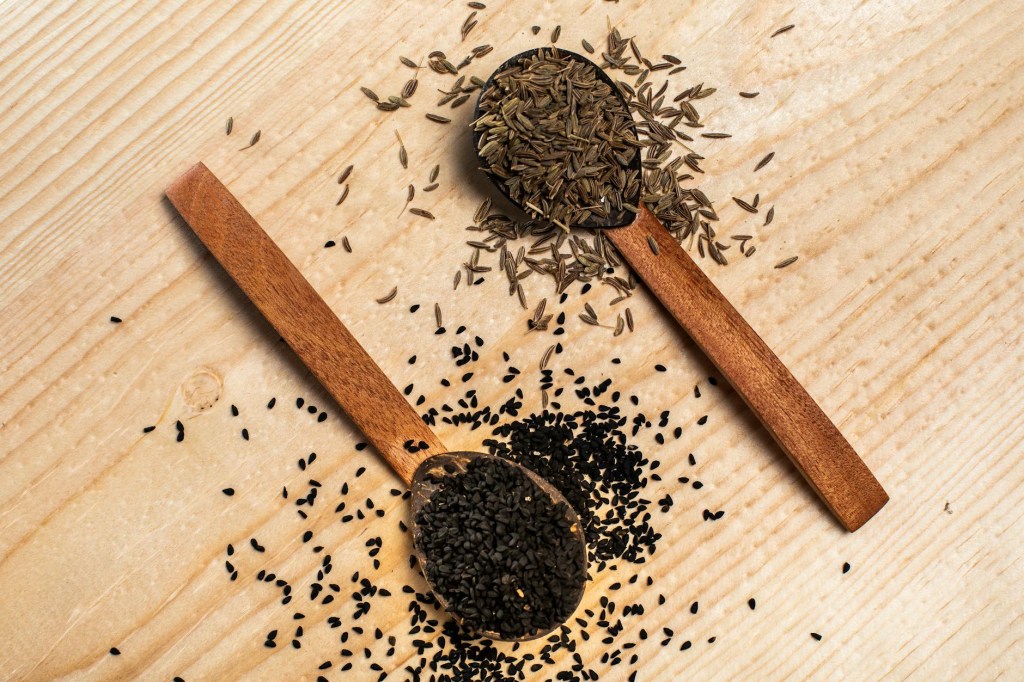
1.Throughout history, Nigella seeds, known scientifically as ‘Nigella Sativa’, have been utilized in a variety of culinary dishes in South Asian and Middle Eastern regions. These seeds grow from a flowering plant. The taste of these tiny black seeds is similar to that of onion and oregano, but they are slightly bitter. They are known for centuries for their immense medicinal and health benefits. They can be utilized in various forms, such as whole, oil, capsules, or powdered form.

2.Nutrition: Packed full of minerals and vitamins, including iron, calcium, zinc, copper, thiamine, phosphorus, folic acid, and many more, it’s a power meal. Useful fatty acids including linoleic, oleic, palmitic, and arachidonic acids make up the seed oil. Thymoquinone, its primary active ingredient, is extremely beneficial to health.

3.Antioxidants: Nigella seeds are full of antioxidants, which can fight free radicals and prevent oxidative stress. Studies show that nigella seeds contain several amino acids like carvacrol, thymoquinone, and 4-terpineol, which are powerful antioxidants. Hence, regular intake of nigella seeds can help protect against a wide variety of diseases, like heart disease, diabetes, cancer, and obesity.

4.Cholesterol: Many studies have shown that taking nigella seeds powder can help to lower LDL cholesterol and increase HDL cholesterol levels. This powerful effect can help the body prevent atherosclerotic diseases and ischaemic heart disease.

5.Brain: Nigella seeds have been shown to have the ability to slow down or prevent the progression of certain neurological inflammation in the brain, including Alzheimer’s disease, epilepsy, encephalomyelitis, depression, and Parkinson’s disease. Some research have also shown that nigella seeds can slow down the progression of dementia and age related memory loss.

6.Anti-cancer: Research has shown that the antioxidant thymoquinone has strong anti-cancer properties. Lung, cervical, pancreatic, prostate, skin, and colon cancers can all be prevented with the use of nigella seeds and their constituents. However, further data and investigation are needed to validate these effects.

7.Anti-bacterial: Studies have demonstrated the anti-bacterial properties of nigella seeds on germs that cause everything from ear infections to pneumonia. Their antibacterial and antibiotic qualities aid in the treatment of skin infections. They can aid in the management of chronic obstructive lung disorders and asthma because of their anti-inflammatory qualities. To manage such problems, people take the oil in capsules. However, further investigation is needed to fully understand these impacts.

8.Skin: Studies have shown that black seed oil can be used routinely to moisturize and skin cleansing. It can help to manage certain skin issues like psoriasis, eczema, vitiligo, pigmentation and wound healing. It can fasten wound healing, repair tissue damage, reduce skin irritation, heal minor burns, scar tissues. It can also help to moisturize hair, reduce hair loss.


9.Dosage: Nigella seeds have been found to have many health and healing properties and is widely been used. It’s available in capsule, powder, tablets, creams, oil, soaps, shampoos and many more forms. It is safe in small doses , about 1-2.5 gm by mouth on daily basis. But, it is recommended to inform your Primary Physician before using it.

10.Side-effects:
*Bleeding disorder: It slows blood clotting, so it is contraindicated in people with bleeding disorders. *

*Since nigella seeds may interfere with metabolism, it is important to inform the treating physician while using them.

*It can slow down uterine contraction so nigella seeds supplementation should not be used during pregnancy.
*Usually it protects the kidneys but excess consumption like 2000-2500mg daily may affect kidney health.
*The best way to minimize the potential side effects is by incorporating nigella seeds paste or oil in very small quantity in meals to enjoy the immense health benefits, these seeds provide.

Thanks for reading.

Peace and love 🙏

10 facts to know about warts 🙌

  1. Warts are painless growths that are bumpy in nature and can grow on various parts of the body, such as the hands, knees, face, extremities, and even genitals. They are caused by various strains of the Human Papilloma Virus (HPV). Warts are contagious and can spread from one part of the body to another through contact, and person-to-person transmission is possible through skin contact and sexual contact.
  2. Different types of warts can occur depending on the location of the body: – Common warts can appear on the fingers, feet, and toes. They are usually not serious and not painful. Plantar warts appear on the sole of the feet. Filiform warts grow on the face, chin, around the mouth, or nose. Genital warts grow in and around the genitals and are caused by specific strains of HPV. They are usually serious, and warts in the cervix can potentially lead to cervical cancer.
  3. Warts are usually not dangerous and are quite common. Common warts that grow on the face, hands, and feet are painless and harmless. If they become uncomfortable, they can be treated by using salicylic acid cream, cryotherapy, laser therapy, or surgical removal. Home remedies such as using apple cider vinegar and duct tape can also be effective. Recurrence is common, so treatment should only be done if necessary.

4.Warts can be dangerous and require medical attention if they appear on the genital regions, inside the mouth, or nostrils. Warning signs for needing medical consultation include bleeding, a change in the color of the warts, or if they become painful. Individuals with immunodeficiency conditions such as HIV infection, AIDS, or diabetes should seek medical attention if they develop warts.

5.Genital warts are commonly sexually transmitted infections. Some particular strains of HPV are responsible for genital warts. They are skin-coloured bumps usually grown on moist areas of genital regions. They are common in both males and females. It can also be transmitted in the mouth and throat regions through oral sex with an infected person. Such conditions require immediate medical attention.

6.Around 40 strains of HPV causes genital warts. People who are at risk to get infected are those who have a weak immune system, people with diabetes, people who are sexually active with a partner who have a past history of infection, not getting HPV vaccine, unprotected sex and multiple sexual partners.
Genital warts can lead to complications like cervical cancer, or cancer of other genital region. PAP smear tests in females are important to those who are at higher risk of HPV infection.

7.Difference between common warts and genital warts are common warts are harmless, benign, painless and self limiting. Whereas genital warts are a type of STD, sexually transmitted disease and are potentially dangerous. Genital warts require medical attention. Both types of warts resolve spontaneously but can reoccur mostly. Both of them are caused by different strains of HPV. Treatment are topical cream, cryotherapy, electrocautery and laser therapy.

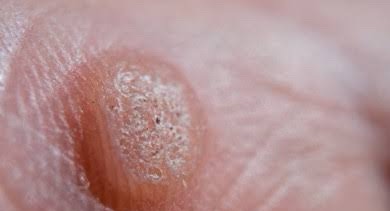
8.It is important to know the symptoms of warts so as to indentify whenever appear in the body. Normally, they appear as bumpy small swelling on the hands, fingers, toes, knees, face and eyelid. Rough to touch, usually painless, and can bleed while friction with clothes or while scratching. Warts might have black dots beneath the top layers as these are clotted blood vessels.

9.Recurrence of common warts as well as genital warts require the attention of Dermatologist. Persistence of common warts in face, eyelid, fingers, toes may make require special treatment like laser therapy, cryotherapy or surgical removal. In case of genital warts’ recurrence, biopsy may be necessary to rule out cancer.

10.Understanding preventive measures can help to prevent and get rid of warts. Some ways:

*Prevent sharing of towels, clothing and personal items like nail cutter, razors of another person who has warts.
*Prevent touching of another person’s warts.
*HPV can enter through cut or broken skin. So, preventing dry, cracked skin by using moisturizer.

*Taking precautions like using condoms to prevent genital warts.
*Always wearing shoes, sandels, flip flops while using public toilet, locker room, pool area and showers.

Thanks for reading 🙏

Peace and love 💐

5 differences to know between Yoghurt and curd 🙌

Hello everyone ✋

Yogurt
Curd


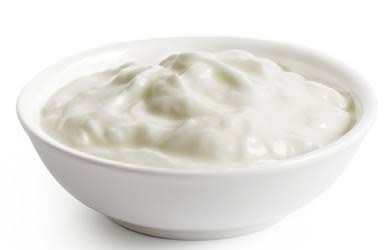
1.Though both are dairy products, widely used and might taste and look similar, but yet yoghurt and curd have clear differences. Many people even mistake curd for the Western name of yoghurt. The first basic difference is the method of preparation. Curd is prepared by milk fermentation from Lactic Acid bacteria. The lactic acid forms a reaction with the globular protein of milk and produces a thick consistency called curd. Curd can be prepared at home. Unlike, curd, yogurt cannot be made at home as it is made by milk fermentation with live strains of Lactobacillus bulgaricus and Streptococcus thermophilus. These bacterial strains react with the sugar present in the milk which produces lactic acid. The lactic acid, now reacts with milk protein, producing yoghurt.

2.As far as nutritional value is concerned, yoghurt is a rich source of protein, calcium, iron, potassium, and vitamins B5 and B6. Compared to curd, yoghurt contains less lactose so people with lactose intolerance preferred them more.
On the other hand, curd contains more lactose as it is prepared from fresh milk. It is also a rich source of protein, calcium, phosphorus, iron and vitamin B6. It helps to regulate digestion.

Yoghurt


3.As far as health is concerned, both have their respective preferences.
Yoghurt contains high probiotics so it helps maintain gut health for its beneficial bacteria content and is also preferred for weight loss. Since it contains high potassium, it is useful for people with high blood pressure.
Curd is a storehouse of good bacteria too so it helps to maintain a strong immune system. Its nutrients are absorbed quickly in the system so it is beneficial for the digestive system and can resolve digestive issues. Because of its rich source of calcium, it is healthy for bone health and has beauty benefits for hair and skin.


4.Yoghurt is a fermented dairy product, produced by standardised bacterial live strains at a controlled temperature so available in different flavours and different textures. It cannot be made at home. Since it is commercially produced, it can be fortified with vitamins and has high probiotics. It has usually a mild tangy taste.
Curd is made from fresh milk, by adding an acidic substance like lemon or vinegar or adding a spoonful of curd from the previous batch. So, it can be easily prepared at home. Homemade curd can retain more amount of lactose due to slow fermentation. Depending upon the length of fermentation, it can taste either mild soreness or may have a strong tang.

Curd


5.The debate of which is better is irrelevant as both of them are dairy products with great health benefits. The key difference between curd and yoghurt is the method of preparation. Depending upon the preferences in taste, texture and flavours, people may prefer either of them. For individuals with lactose intolerance, yoghurt is preferred as it contains less lactose. For people who prefer thicker consistency and texture, yoghurt is strained from the liquid to make it thicker after fermentation. Greek yoghurt is a thicker and creamier version as it is strained multiple times. On the other hand, curd is low in calories and preferred for people with cholesterol, obesity and hypertension.

Thanks for reading 🙏

Peace and love 💐

10 interesting facts about creatine 🙌

Hello everyone!


1.Creatine is a natural chemical found in the body, specially in the skeletal muscle. It is found in the form of creatine phosphate, around 95% in muscles cells and 5% in brain and testes. It’s main fuction is to provide energy for the muscles. Creatine helps to increase the reservoir of adenosine triphosphate (ATP) which store energy in cells. Basically, creatine helps to increase muscle mass, muscle strength and helps healing due to any injury of muscles.


2.The main way that creatine works in muscles is by giving them energy, which alters how cells operate and promotes muscle growth. It promotes muscular growth throughout the long and short terms. Research has indicated that creatine can enhance muscular growth, mass, and strength in people of all ages, including athletes.

3.A number of studies have demonstrated that creatine can boost muscle growth and strength as much as three times faster than exercise training. It can also increase muscle endurance. Thus, athletes have used it extensively. Sports athletes who use creatinine to improve their performance include runners, bikers, soccer players, and swimmers.


4.In addition to muscles, creatine supports the brain’s optimal function by replenishing ATP and phosphocreatine storage. Studies reveal that taking supplements of creatinine can help individuals with injuries to the brain, and neurodegenerative conditions like Alzheimer’s disease, epilepsy, and amyotrophic lateral sclerosis.

5.There is evidence from clinical trials that creatine may help lower blood sugar, treat fatty liver disease, strengthen the heart, and lessen the risk of stroke. Confirmation requires a great deal of additional study. Among women who have passed experienced menopause, creatine can improve bone and muscular density.


6.Supplementation is often used by older persons, young adults, and athletes, as well as in certain situations under medical supervision. Creatine monohydrate supplements are the most often utilized. According to research, this is the most extensively used, reasonably priced supplement. Generally, under supervision, 20 grams per day for 5-7 days is advised based on each individual’s unique body type and needs. Lowering the dosage gradually in order to keep the ideal levels in the body intact.


7.Regarding safety, there is no proof that creatine damages the kidneys or liver or has any adverse effects on healthy people. People who use creatine supplements during really intensive workouts do report experiencing cramps and dehydration.


8.Animal-based sources of protein such as meat, poultry, and seafood are the primary natural sources of creatine.
For vegetarians, milk and cheese contain very little creatine. Regarding vegans, there isn’t any specific food source for creatine.

9.Since the words “creatine” and “creatinine” sound identical, individuals sometimes confuse them. To be clear, creatine is the energy source for building and strengthening muscle, whereas creatinine is a waste product that the kidneys filter after the muscle produces it. To determine the kidneys’ ideal performance, blood creatinine levels are measured; these levels tend to rise in chronic renal failure.

10.To ensure that we consume enough creatine in our diet, it’s critical to incorporate food sources of the protein so that muscle build in the body is adequate. Creatine helps in recovery of post- trauma muscle fibres, exercise- induced injury recovery, muscle soreness and inflammation.

Thanks for reading.

Peace and love 🙏