We come here with nothing. Yet, throughout our entire lifetime, we keep chasing for everything. Then, finally, we go back with nothing. This is the biggest truth.
So, it’s important to pause awhile and be in the moment. Drop the regrets of the past, worries of the future and light up the present moment freely in true spirit.
May this festival of light, remove the darkness and spark the light of your inner self. May you merge with selfless love and blissfulness of the Divine.
Wishing all of you on this auspicious occasion of Diwali, let all your homes fill with abundance, warmth and joy and hearts filled with hope, love, peace and happiness.
To you and your loved ones, have a wonderful and blessed Diwali !
1. Moulds are microscopic fungi found in the natural environment, mostly living both indoors and outdoors. They play a crucial role in breaking down organic waste in the environment. Moulds multiply through spores and are carried from one place to another or indoors as air-borne particles. Once they land in a wet, damp spot, they start multiplying rapidly. In the process of growing and multiplying, they digest whatever food, plant, animal or organic material they have been growing.
2. Moulds are multicellular and can be seen with the naked eye, unlike bacteria. They have roots and thin branches and invade the food on which they live. It produces spores which can be transmitted by air and water. It’s the spores that give the distinctive colour we see when a food item is mould-contaminated. Not all moulds are harmful, but some can cause poisoning, allergic reactions, and stomach upsets when ingested.
3.Generally, moulds are of different types and colors. Moulds can grow on food, plants, animals, damaged, rotten wood, damp building walls, and furnishings. Potential effects of moulds can be problematic to people with weakened immune systems, chronic lung disease, allergic history and metabolic diseases. Not all moulds are toxic. Species like mould Stachybotrys chartarum, which produces mycotoxins, are known as toxigenic moulds.
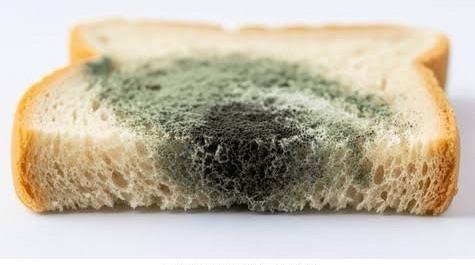
4. Food moulds appear as fluffy, dusty growths in various colours and can develop on different food items. They thrive on nutrients and moisture content. Mouldy food often looks green, grey, or black due to the overgrowth of spores. Moulds can damage the food, making it softer and giving it a distinctive taste and smell. Some moulds can be harmful to human health as they may produce toxic substances. However, certain foods, such as cheeses, are intentionally kept in dark environments to promote the growth of harmless moulds, which contribute to their unique flavor and texture.
5.All types of food are vulnerable to mould. Food with high moisture content are more prone to mould growth than others. Moulds need oxygen and moisture to grow and thrive, so fresh food are more vulnerable. When food items are opened in an airtight container, there too, mould can grow as air has already entered. Some mould can grow even in a dry environment. More vulnerable food items are:
• Bread
• Vegetables
• Fruits
• Meat
• Milk, cheese
• Nuts.
• Chocolate.
• Processed food.
6.Mycotoxins: It’s a type of mould produced by fungi like Aspergillus and Penicillium, which contaminate grains like rice, wheat, barley, nuts like almonds, peanuts, grapes, coffee, and meat. Mycotoxins are a potential hazard to human health, causing acute poisoning to various diseases which can affect the liver, kidneys and even cancers. Some common mycotoxins are aflatoxins (commonly in corns, peanuts), ochratoxins and fumonisins. Research shows that aflatoxins are the most commonly infested moulds grown on both food items and feeds of livestock. It is a cancer-causing toxicogenic mould, which can cause various diseases in both human and domestic animals, and grows in peanuts and corn.
Cheese making mould
7.Mould can be harmless and useful. Some moulds have been used in the cheese-making process for centuries. Some cheeses, like Brie and Camembert, have white moulds on the surface which are safe for human consumption. Penicillium roqueforti spores are used in the cheese-making process of Stilton, Gorgonzola, and blue cheeses for their taste, texture and flavour. Mould play crucial role in the process of fermentation. Other than cheese, they are used in the process of making some food products, beer, wine and in some medicines. Most popular moulds are Penicillium, Aspergillus, Rhizomes, Lactobacillus.
8.Mould growth: Mould usually grows in warm and humid conditions. Mould can grow in fresh food items, salty, sugary items, and meat items like salami, ham, and bacon. Mould can also grow in refrigerated items like fresh vegetables, fruits, high-acid-containing items like jams, jelly, pickles, sweets, meat and bread. Mould growth can be controlled at home by maintaining:
• Humidity below 40%.
• Cleaning and mopping using surface disinfectants.
• Cleaning the refrigerator using baking soda, every month.
• Using clean kitchen towels, sponges and mop
• Minimising the growth of mould in food can be done by :
a.Perishable food items outside or inside the refrigerator should be thrown immediately.
b. Canned food items should be stored in clean storage containers and refrigerate immediately.
c.Any leftovers in the fridge should be used within 3-4 days.
d.Cooked food should be covered before serving to prevent air-borne spores and mould.
9. Dealing with mouldy food: Mouldy food should be thrown away, packed in a plastic bag in the trash can, out of the reach of children and even animals. Certain food items, like bell pepper and carrot, when infested with mould, should be thrown out. If a product is not completely spoiled by mould, the affected part can be cut off 1 inch below and above the part and re-wrapped with fresh storage bags. Any area or surface, or kitchen items affected by mould, should be cleaned promptly to prevent cross-contamination.
10. In general, mould contamination of food items is a common issue in every household. Mouldy food should always be discarded immediately. To minimise mould growth, food should be stored inside the refrigerator in clean storage bags, containers and on the outside too, in an air-tight and dry container, away from humidity. Not only in the food items, mould growth in houses or buildings is common on any damp, moist surfaces or walls, kitchens, bathrooms, basement, under carpet, furniture and also in potted plants. So, cleaning and mopping are required daily to minimise the growth of moulds. Any leakage of water seepage in walls, pipes, cabinets and beneath surfaces should be repaired and cleaned as soon as possible.
1.Hydrogen water, also known as hydrogenated water, is simply regular water infused with hydrogen gas. The regular water is H2O with extra H2 gas added, which is what makes hydrogenated water. This hydrogen-rich water has become quite popular nowadays as it has been found to have health benefits. Manufacturers are now selling hydrogen water bottles across the globe for it’s health benefits. Extensive research has not been done so far, regarding the use of hydrogen water. Yet, it has been very popular in some countries, such as Japan.
2. As far as nutritional benefits are concerned, hydrogen water is the same as regular water in terms of calories, protein, fat, and carbohydrate which is nil. However, some manufacturers and providers do add trace amounts of vitamins A and C, magnesium, potassium and sodium sulfate to enhance the nutritional benefits. As already mentioned, not much research has been done in this context, but some experts do believe that drinking hydrogen water is beneficial for health.
3. Anti-inflammatory: Hydrogen water does contain anti-oxidants. Anti-oxidants fight inflammation and reduce oxidative stress. Every day, our body is inflicted with various types of physical and mental stress, which comes from external forces like pollution, sun exposure, toxins from the environment, food, day-to-day mental stress of various nature, also from normal body functioning, all these factors are sources of inflammation, diseases and cancers. Therefore, molecular hydrogen can help to some extent to combat oxidative stress and reduce inflammation.
4. Endurance and Mental health: Several studies have shown some positive results of increasing endurance and lowering fatiguability after drinking hydrogen water. It does show performance improvement, increasing energy, and endurance in the case of athletes, though scientifically, still not verified. It has been found to lower physical stress and reduce recovery time after heavy workouts.
Some studies on mental health have shown that drinking hydrogen water daily for 4 weeks showed marked improvement in mood disorders, panic disorders and anxiety.
5. COVID-19: More research is still needed to establish the fact, that hydrogen water consumption did slow down the immune response which is known as a “cytokine storm”. The use of hydrogen water was useful to reduce the cytokine response of Covid 19 virus which otherwise could lead to organ failure. But, as already mentioned, more studies are required to clarify that hydrogen water can potentially treat Covid 19.
6. Liver and kidney functions: Studies of cases of non-alcoholic liver diseases, cases of hepatitis –B virus, drinking hydrogen water has shown positive results in lowering fat storage in the liver, aiding the treatment process and improving the liver function. But then, research is limited in such cases too. A study on dialysis patients has shown, that intake of hydrogen-rich water caused improvement in renal function and BUN (blood urea nitrogen).
7. Cancer treatment: Hydrogen water does show positive results in aiding cancer treatment. Since hydrogen water contains anti-oxidants, and acts as an anti-inflammatory, an immune booster does give promising results during cancer treatment by improving both physical and oxidative stress. A study regarding colo-rectal cancer showed anti-cancer properties.
8. Metabolic syndrome: Metabolic syndrome is a condition which includes high blood pressure, high cholesterol, high triglycerides, obesity or excess belly fat. The risk factors of metabolic syndrome are oxidative stress and chronic inflammation. Some studies have shown that intake of hydrogen water around 1 litre daily, in individuals on a 10-week study marked a significant reduction of risk factors of metabolic syndrome and showed a favourable effect on the metabolic processes in the brain and even ageing.
9. Negative effects: As far as health experts are concerned, there are no known side effects of drinking hydrogen water. Research is still not enough to establish even the health benefits thathave been claimed so far. More studies are required to verify the health benefits. In the case of individuals with high-intensity workouts, athletes, and chronic kidney diseases, there can be a risk of hyponatremia in drinking excess hydrogen water.
10. Though several studies do show potential health benefits of drinking hydrogen water over regular water, but still, continuous trials and more studies are still required to establish the benefits. Many manufacturers are selling hydrogen water bottles which are quite expensive. Again, depending on the source of water, the authenticity of brands is important to avail the actual health benefits claimed. The bottom line is that there is still not 100% proof of the potential health benefits. If affordability is there, there is no harm in using hydrogen water for drinking, otherwise, regular drinking water is great as well.
Emotions are subjective yet universal among all humans. They significantly influence our daily lives, decision-making, behavior, relationships, psychological states, and physical health.
Our emotional thoughts arise from emotional reasoning in response to situations, people around us, events, and past experiences. Emotional responses trigger our thoughts, feelings, actions and behaviors in reaction to external events, situations, or circumstances. Thus, emotions play a crucial role in our everyday lives and the decisions, we make.
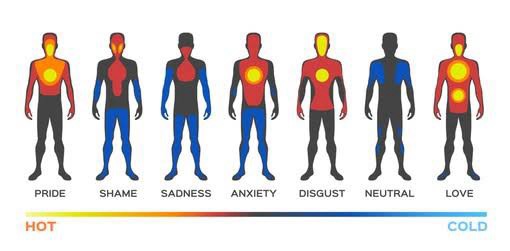
Research states that all things in the Universe are made of energy which has a vibrational frequency. Emotions too, have amplitude and frequencies. Positive emotions like peace, love, and joy are found to have higher frequencies as compared to negative emotions like anger, fear, guilt, and sadness. According to the frequency chart, emotions like guilt, and shame have as low a frequency of 30-20 Hz to emotions like love, peace have as high as 500-600 Hz. Studies often link low frequency to disease state, depression and stress. Negative thoughts and feelings can often create a low vibrational frequency state which can create anxiety, and stress and affect our physical health.
Studies have consistently shown that negative emotional thoughts and feelings can significantly affect our physical health and overall well-being. The importance of the mind-body connection and the gut-brain connection highlights how our physical body responds to our thoughts, feelings, and mental state.
While unwanted changes, negative experiences, and challenging situations are a part of life, learning to manage our emotional state and well-being is a significant challenge—but it is certainly not impossible. Events such as:
Death of a loved one
Suffering from an illness
Getting laid off from a job
Divorced
Getting married, having a baby
Financial issues
Dealing with a pandemic or war-like situations
Cheating partners
Domestic violence
Physical health often suffers when emotional health is struggling. During times of emotional crisis, many individuals may seek an escape through unhealthy coping mechanisms such as alcohol abuse, drug abuse, or binge eating, attempting to suppress their emotional turmoil. Unfortunately, this approach does not lead to healing and can result in disastrous consequences. The list of physical impacts and symptoms experienced in a state of emotional stress is extensive.
Physical symtoms frequently seen as:
Palpitation
Chest pain
Back pain, neck stiffness
Fatigue , tiredness
Poor sleep, insomnia
High blood pressure
weight loss / obesity
Stomach upset like bloating, acidity
Physical signs of our mental state can often be quite apparent. Additionally, there are mental symptoms that we or those around us may observe, even if we attempt to deny them. Here are several such signs:
*Resisting to acknowledge the thoughts instead of accepting
*Not self-realising and accepting the present situation
*Trying to control the situation or the people around
*Suppressing emotional thoughts and feelings instead of expressing
*Living in blame
*Focussing on lacks
*Forgetting gratitude
Dealing with emotional thoughts is not easy. It’s important to remember that while I cannot control external events or situations, I can influence my own mental state to cope and adapt positively. Here are five simple tools that can help bring about a positive shift in the mental state:
1.Self-Responsibility: Recognizing and taking responsibility for our mental state is crucial. Often, we create more pain and hurt from emotional thoughts and feelings by overthinking and getting caught in repetitive loops, rather than addressing the actual situation. It’s important to remember that 95 to 98 percent of our worries are self-created rather than based on reality. Only about 2 to 3 percent of our concerns are truly justified. Therefore, it’s essential to become aware of and take responsibility for our mental state, as this is the first step towards creating positive change.
2. Let go of control: We have to understand that we cannot control everything that happens in our lives. We have to let go and trust the Divine and timings of life. Letting go is important to heal and restore balance.
3.Journaling and practicing gratitude: Daily journaling can release deep thoughts that might otherwise feel heavy and hurtful. Practicing gratitude and maintaining a thankful mindset can elevate our vibrational frequency and promote healing.
4. Healing the Sacral Plexus Chakra: According to Yogic science, the sacral chakra is responsible for maintaining emotional balance, creativity, and a sense of vitality. To heal this chakra, engaging in yoga and physical activities such as dancing, swimming, and savoring life’s simple pleasures— like playing with a child, listening to birds chirping, or enjoying the sound of flowing water—can help release blockages.
5. Daily Affirmations: Choosing words and phrases that align with your life goals, such as mantras or sacred verses, can significantly enhance your positivity and resilience. Reciting these affirmations each morning can set a positive tone for the day. Some powerful examples include: “I trust the Universe,” “I am strong and powerful,” and “I let go” “My food nourishes my body and mind”.
Every day, we experience a wide range of emotions based on external events, past memories, current situations, and various circumstances. It is essential for us to recognize our emotional limitations and boundaries in order to protect our mental well-being. One of the most important things we can do is to let go and trust the Supreme, the Divine, as not everything is within our control.
Self-reflection is crucial for restoring our emotional balance. Engaging in daily activities such as meditation, yoga, chanting, and appreciating the small joys in life holds great significance in achieving mental equilibrium. Finally, staying grateful and expressing our thankfulness for this journey of life is truly fulfilling.
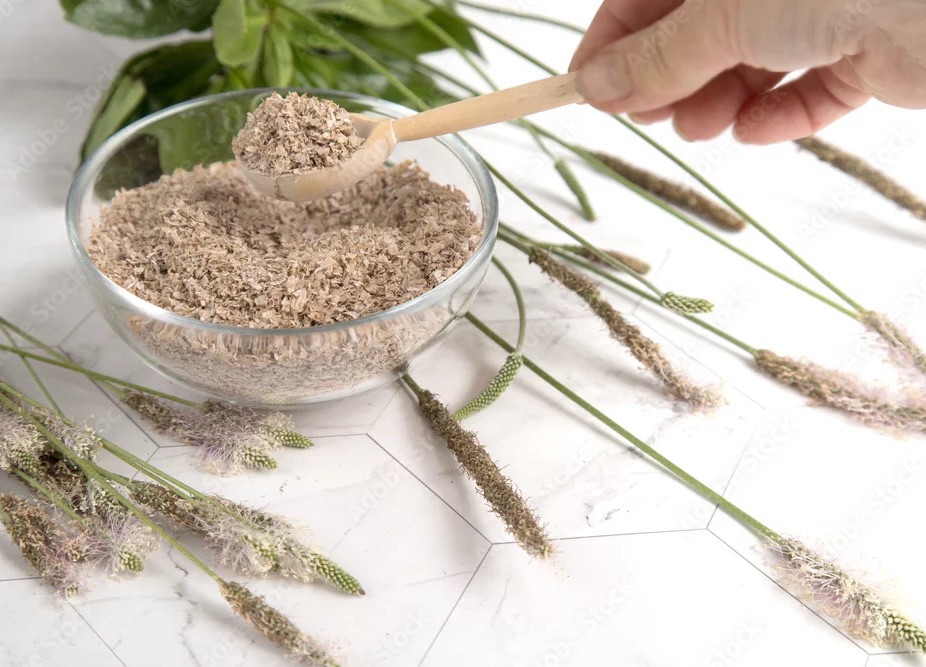
1. Psyllium husk is derived from seeds of the plant genus Plantago ovata. It is rich in water-soluble and unfermentable dietary fibres. It is used in food and nutraceutical industries. It has become popular due to its various health benefits. Psyllium is used as a fibre supplement because of its mucilage content. The mucilage is obtained by grinding the seeds of the Plantago group. These plantago seeds are often referred to as psyllium husks.
Gut- friendly
2. Psyllium husk has been used as a food thickener, fibre supplement, binding agent, gelling agent, and so on. Research studies have shown that it is rich in soluble fibres. So, it has been used as a laxative, which eases bowel movements, making it gut-friendly. Studies have shown that since it eases constipation, it helps to prevent complications like bloating, gas, haemorrhoids, and anal fissures.
Heart friendly
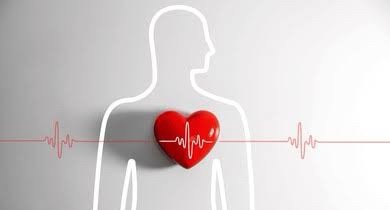
3. Some research shows that it benefits heart health too. Adding psyllium to a daily diet can lower the level of LDL ( bad cholesterol) and can help to maintain cholesterol levels. As we know high cholesterol can lead to conditions like chronic heart diseases, hypertension, diabetes, stroke and heart attack. So, adding psyllium in diet can help to prevent such conditions by maintaning the blood cholesterol levels.
4. Since psyllium is rich in fibres, adding them to a daily diet can even help to maintain the glycemic balance. Therefore, having a diet rich in fibre can be an important step in maintaining the balance of insulin and blood sugar. Psyllium can be a healthy prebiotic too, which can help to produce healthy bacteria and probiotics in the gut.
Weight management
5. A 2023 review study has shown that adding a moderate amount of psyllium fibers to the diet can help reduce weight in people who are overweight and obese. Managing weight can help to reduce the risk of chronic conditions like heart diseases, high blood pressure, gallstones, and breathing issues. Therefore, using of psyllium husk can be used for weight management but, off course under guidance of trained dietary experts.
Constipation
6. Studies have been carried out with the use of psyllium husk in the treatment of irritable bowel syndrome (IBS). The symptoms of gas, bloating, and constipation of IBS have been reduced or the frequency of symptoms can be minimized by the use of psyllium in the daily diet of such patients. This significant change has been reviewed in various research on IBS treatment. Hence, the use of psyllium is found to be suitable in the treatment of IBS.
7. Psyllium is also referred as ispaghula for its mucilaginous compound. It has been used in a variety of herbal medicine to treat various ailments in Asian countries like India and China. It is used to treat skin irritations, bladder problems, wound healing, high blood pressure and digestive problems. Studies do show that psyllium has gelatinous properties, and natural polymers for wound healing and scar reduction.
8. Regarding its uses in various functional food products, for its tremendous health benefits. It has many metabolic effects, lipid-decreasing effects, anti-diabetic, anti-hypertensive, delayed gastric emptying and lower glycemic index. Clinical studies have shown that it decreases the rate of glucose absorption, lowers the post-prandial insulin, and lowers LDL cholesterol by reducing bowel absorption. For its rich source of dietary fibre, it eases bowel movements and relieves constipation.
9. Psyllium is an important source of water-soluble fibre, hydrocolloid in nature due to its solubility and viscosity. The gum extracted from psyllium husk is used in various food items like gluten free bread, pasta, pizza, cookies, ice-creams, jams and myonnaise. It is used as a gluten replacement and also added with the various nutritional benefits to the food products. Due to its prebiotic benefits, it has been very popular as a gut-friendly ingredient in food items.
Bakery items
10. Commercially, psyllium is available as in powder or particle form derived from the seeds of the Plantago plants. It is conventionally used as a laxative agent, and as dietary fibre supplements, in various functional food products, nutraceutical industries, and food industries in breakfast cereals, bakery products, desserts and snacks. Psyllium has no known serious side effects except sometimes may have allergic reactions. The dosage of psyllium is around 5-10 gm with a meal or with water as a supplement. The dosage can be increased gradually if it is tolerable. As I always mention, it is important to follow instructions from experts or Physicians while using.
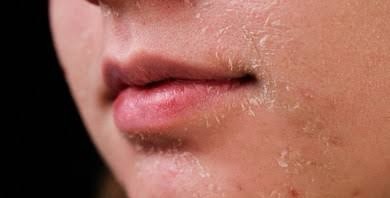
1. Skin peeling is the shedding of the outer layer of the skin called the epidermis. It is a natural process of the body to shed the outer skin that has been damaged due to various causes and replace it with new skin. Skin peeling is a healing process of the skin from damage caused by allergies, skin infections, environmental pollutants, diseases, and treatments like cancer therapy. The medical term for the same is desquamation.
2. As already mentioned, the outer layer of the skin is important as it protects the body from germs and external elements. This epidermis is the thinnest layer and is also responsible for the new skin cells that replace the older and peeled skin. Peeling skin appears scaly, inflamed, red, and even irritated and itching. So, picking may further irritate or infect the new skin that is about to grow.
3. Causes of skin peeling can be many:
• Sunburns
• Burn: A superficial burn causes the skin to peel as the epidermis is burnt and damaged.
• Allergies, rashes, contact dermatitis
• Psoriasis, eczema, Pemphigus
• Acne
• Anti-ageing treatments like chemical peeling, cosmetic creams with harsh chemicals, lotions
• Cancer treatments like chemotherapy and radiation therapy.
4. Some of the medical causes which can cause skin peeling that need to be known :
• Eczema is a skin condition whose common symptom is skin peeling. This condition can be treatable and controlled but cannot be cured.
• Scarlet fever can cause skin peeling and rashes which is contagious.
• Scalded Skin syndrome (SSS) or Ritter’s disease can cause skin peeling, rashes and large blisters in children under 5 years of age and also in adults with weak immunity. It is caused by a toxin produced by staphylococcal bacteria.
• Toxic shock syndrome is a rare and serious condition which might cause skin peeling too. It is usually associated with women due to tampon use.
• Kawasaki disease in children can cause skin peeling too along with other symptoms like fever and swollen lymph nodes.
5. Whenever skin peeling happens, the process is slow and should let it shed naturally without interference. However, we can take some steps which will facilitate the process naturally. *Having fluids to keep the skin hydrated. *Apply a hypoallergenic moisturizing cream or a lotion to keep the skin moist and hydrated. *Protect from sun damage by wearing protective clothing.
*Using a humidifier to keep the air hydrated.
6. There is not much concern about skin peeling than its complications which surely need medical attention. Skin peeling is slow and sloughing off takes time. Dehydration of the skin can cause irritation, itching and pain. If there is picking or any complications like bacterial infections, swelling, hives, fever, redness, headache, flu-like sensations, it has to be treated with urgency under medical supervision otherwise it will worsen.
7. Research indicates that the process of desquamation is both natural and essential for maintaining healthy skin. This process, which can be influenced by both natural and medical factors, occurs slowly and serves as a protective mechanism for the skin. It helps remove surface microorganisms, damaged skin cells (corneocytes), and potentially harmful agents, replacing them with fresh, healthy skin.
8.Treatment for skin peeling is generally unnecessary unless there are underlying conditions. The appropriate medication will depend on the specific causes, which may include:
-Antibiotics- Anti-inflammatory medications
– Allergy medications
– Corticosteroids
– Antifungals
– Antihistamines
In cases where no underlying condition is present, using a good petroleum jelly or a non-allergenic moisturizer, along with proper hydration, is usually sufficient to aid in the healing process.
9.Studies show that the process of epidermal desquamation is a healing process with therapeutic relevance. Non-inflammatory skin peeling is typically non-problematic and has a good prognosis. In contrast, inflammatory skin peeling can be associated with atopy and requires medical intervention. Epithelial desquamation involves the shedding of old, dead cells and their replacement with new skin, while keratinization refers to the maturation of skin cells. Both processes are interconnected and essential for maintaining skin integrity.
10. In a nutshell, desquamation is a common process and is not something to be overly concerned about, as it is a natural occurrence. Symptoms such as scaling, dryness, and itching are typical and gradually resolve as the skin is replaced with a new surface. However, it can become a concern in the presence of conditions such as contact dermatitis, eczema, psoriasis, sunburn, ichthyosis, or bacterial infections, which require medical attention.
1.Palm oil is used widely in tropical countries as an alternative to butter and other vegetable oil. It is used not just for cooking but also in various processed foods and snacks. But is it healthy to use palm oil as a cooking medium and processed food, just because of its easy availability and cheap? The answer is no. Palm oil contains almost 50% and palm kernel oil (derived from palm seeds)contains nearly 85% of saturated fat which is damaging to health.
2. The saturated fat in Palm oil is hazardous to health because it is a high risk for heart health and inflammation. Saturated fat is known to increase LDL cholesterol and triglycerides, which causes the risk of chronic ischaemic heart disease and chronic inflammation. WHO has indicated that regular use of a palm oil-rich diet can potentially increase the risk of cardiovascular disease, type 2 diabetes, cancer, and inflammatory diseases.
3.Palm oil contains 50% saturated fat, 40% mono-unsaturated fat and 10% polyunsaturated fat. Research says that daily palm oil consumption is associated with the deposition of atherosclerotic plaques in arteries in a higher percentage of people which is directly linked to heart disease. However, studies also show the unsaturated fat content in palm oil do have beneficial effect as it reduces the LDL cholesterol.
4.Another health risk is the presence of palmitic acid in palm oil which promotes inflammation. Studies have shown that chronic inflammation is the main source of cancers, autoimmune diseases and other chronic inflammatory diseases. Therefore, evidence shows that regular palm oil consumption can cause a high risk of certain cancers like colorectal, breast and prostate cancers. Further studies are still required on the occurrence of cancers.
5. Another health hazard linked to Palm oil is its method of cultivation. Palm oil cultivation requires huge areas of land so mass deforestation and soil degradation are involved. Slash-and-burn agriculture, also known as shifting cultivation involves cutting and burning of forests due to the clearing of land causes environmental issues like greenhouse emissions, water pollution and endangered species of animals, and birds. Therefore, such type of cultivation poses a high risk to animal species as well as mankind. Health issues like cardiovascular diseases, respiratory diseases, eye and skin issues and child mortality are likely to increase.
Deforestation
6.Palm oil is processed in two forms like liquid form is palmolein and the solid form is palm stearin. The liquid palm oil is used as cooking oil, used in the preparation of many processed foods and snacks. The solid form is used to prepare margarine and vegetable ghee. Common food items found in supermarkets which most likely contain palm oil are bakery items, chips, confectionary fats, crackers, chocolate, ice creams, instant noodles, candies and a lot of other snacks. Also present in consumer products like soaps, deodorants, toothpaste and lipsticks.
Processed foods Toiletries
7. Palm oil is cheap and widely used as an alternative to vegetable fat, dairy ghee and butter. Though it has less saturated fat compared to butter and coconut oil, it is not considered a healthier choice due to its high risk of boosting LDL, ischaemic heart disease, cancer and inflammation. People who have high cholesterol, diabetes, certain medications like anticoagulant/ anti platelet drugs, or beta-carotene/ vitamin A should avoid palm oil completely.
8.The public opinion on the use of palm oil and its products tends to differ among various groups. However, recent studies and evidence highlight its harmful impacts on health as well as environmental hazards. While the decision to use palm oil as a cooking medium and consume products containing it, is ultimately a personal choice, but the associated risks of health issues and deforestation raise significant concerns.
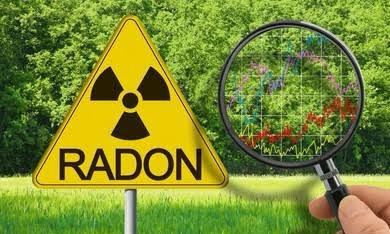
1. Radon is a naturally radioactive gas released from soil, water, and rocks. It is invisible, tasteless, and odourless. According to WHO, this gas is a potential health risk to the human population.Studies show that this gas is the second leading cause of lung cancer, next to smoking. When radon decays, it produces radioactive dust, which, when inhaled for a long time, can damage lung tissues, causing lung cancer. Therefore, it is considered a human carcinogen.
2. Research shows other potential health risks related to inhalation of radon gas exposure are Parkinson’s disease, Alzheimer’s disease, and dementia. Radon gas poisoning is considered hazardous to human health. There is no specific threshold up to which level it can be considered a health risk. Even a small concentration of long-term exposure can cause lung cancer.
3. In Nature, radon is everywhere. But in some areas, radon is present in higher levels like near coal mines, limestone caverns and near surface of bedrock. Soil with high permeability, soil of a slope or hill, soil close to bedrock, mining plant, oil refineries are found to have higher concentration of radon.
4. How does radon exposure affect human life on a day-to-day basis? Buildings which are homes, offices, and educational institutions like schools, colleges, and shopping malls, where we spend most of our hours cause the exposure to this harmful gas. Radon gas is trapped in cracks of walls, floors, in the basement, crawl spaces, in the drainage system like pipes, wires that are not sealed properly. Bulding materials like concrete, granite also emit radon but in low levels.
Cracks on walls
5. Radioactive particles are released when radon gas decays, which are inhaled in the lungs when breathed. The particles get deposited in the lung tissues over a period causing damage to lung tissues. The onset of the disease and the period of exposure can be many years. Many risk factors can influence like:
• Age and duration of exposure.
• Concentration of exposure.
• Climate-like exposure is higher in winter than in summer.
• Water sources.
• Smoking.
6. Children are more vulnerable to radon exposure as they breathe faster than an adult. Young children’s lungs are different in shape and size as compared to adult lungs. These factors make them at greater risk of high level of radon exposure than average adult. But there are not yet, any concrete studies to prove that children have higher risk of lung cancer than adult due to radon exposure.
Reservoir
7. Radon is present in water of the reservoirs, lakes, rivers and underground sources. So, home water supply coming from a treatment facility is much safer than coming directly from underground sources and wells. People working in underground work like coal mines, other metal mining businesses, fertilizer factories, oil refineries are more vulnerable to radon exposure.
Lake
8. Safety measures to reduce radon gas exposures at homes are like :
• Proper ventilation and airflow inside the house by opening windows, using fans and air conditioning.
• Using safe treatment water supply.
• Sealing cracks in floors, walls, and pipes with materials recommended for these purposes.
• Prevent smoking inside the house as well as outside.
• Using radon-resistant techniques while in the construction phase of the building rather than later.
9. Testing: If the radon level is never tested at your house, it is important to contact a Professional use a Test Kit or install a radon reduction system. However, every Country has their safety standards, but usually radon level of 4 pCi/L or above is not safe. Below 2pCi/L is considered safe.A radon reduction system is usually important to install in such homes. While buying a property, renovating, and repairing, the radon levels need to be measured before and after.
10. As already mentioned, radon present everywhere in the environment is not a health risk factor to the human population. Trouble occurs when radon exposure reaches inside homes or the buildings that people live or visit daily like schools and offices. So, it is important to have general awareness, using regular radon testing kits, installing radon reduction system if necessary, safety measures to reduce exposures and safe water supply. Homes and buildings below 2pCi/L is recommended and safe for human dwelling.






































 3H:health,happiness,healing