

10 facts : What is SIBO or blind loop syndrome ?

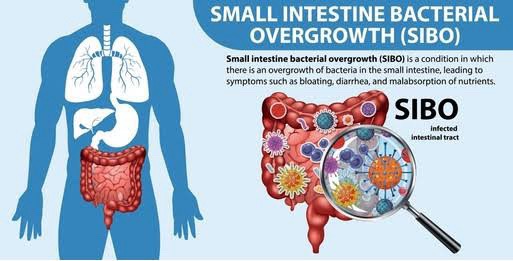
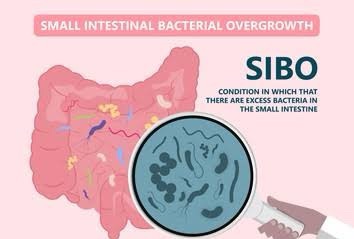
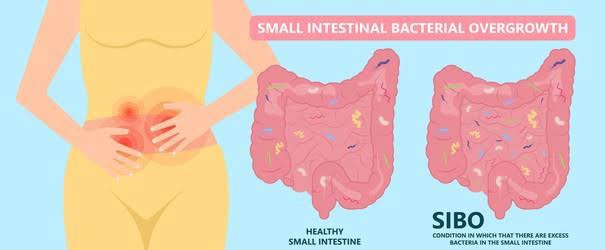
1. SIBO, abbreviated as small intestinal bacterial overgrowth, is a condition where there is an overgrowth of bacteria that are not supposed to be present in the normal scenario in that part of the digestive tract. This occurs particularly following a disease or abdominal surgery, when the passage of food and waste becomes slower, creating a breeding ground for bacterial overgrowth.

2. When the wrong types of bacteria overgrow in the small intestine, they feed on the nutrients and food for the otherwise beneficial bacteria, which can lead to abnormal symptoms in gut health. These wrong types of bacteria can feed on the protein and vitamin B12, bile salts which are supposed to support the digestion of fats. In normal circumstances, the small intestinal bacteria digest the carbohydrate and convert it to short-chain fatty acids and gas. Therefore, when there is overgrowth of bacteria, more gas and toxins are produced in the gut leading to many GI symptoms and malnutrition in the long run.

3.The prevalence of SIBO is about 80-90% in cases of irritable bowel disorder, intestinal dysmotility , pancreatitis and chronic systemic conditions. It is more prevalent in the elderly and female population. Usually, the incidence increases with age and the presence of chronic intestinal disorders and dysmotility. SIBO is considered by clinicians as a differential diagnosis of other gastrointestinal non-specific disorders as the actual aetiology is still unknown.

4. The GI symptoms following SIBO are many:

• Gas, bloating, nausea

• Abdominal pain, distention

• Constipation

• Indigestion

• Weight loss, fatigue

• Watery or mucus in poop.

• Hard or lumpy poop.

5.Unexpected and systemic signs may appear due to excess toxins released in bloodstream

(endotoxemia) in SIBO:

• Food intolerence

• Fatty liver

• Fibromyalgia

• Irritable bowel syndrome

• Anxiety, depression, suicidal thoughts

• Endometriasis

• Disruption of mentrual cycle.

• Prostate diseases.

• Atrial fibrillation

• Siezure

6.Though the actual cause of SIBO is unknown, hence, there are several underlying conditions which can be the risk factors:

• Ageing: As age progresses, there may be changes in microflora, degeneration of acid-producing gastric cells, intestinal dysmotility which may lead to bacterial overgrowth.

• Irritable bowel syndrome leads to dysmotility, delayed transition of food, wastage.

• Chonic metabolic diseases like uncontrolled diabetes,

• Celiac disease,

• Lupus,

• Scleroderma,

• Pancreatitis,

• Chronic kidney diseases

• Fatty liver,

• Structural problems in the intestine due to gastric surgery, partial blockage, antibiotics or narcotic drugs overuse.

7. Several complications of SIBO can eventually worsen gut health if left untreated:

• Inadequate digestion and absorption of fat, protein, carbohydrate: Since, overgrowth of bacteria in the small intestine damages the bile salts so the fat remains undigested. The mucous lining of the intestines is damaged too by the excess bacteria causing poor absorption of carbohydrate, fat and protein. Therefore, there is malnutrition, diarrhoea, and weight loss.

• Vitamin B12 deficiency: As the fat remains undigested, the fat-soluble vitamins A, D, E, and K remain unabsorbed. Vitamin B12 which is synthesised in the small intestine is completely affected So, the individual may suffer from vitamin B12 deficiency. Therefore, due to B12 deficiency, nervous system functioning is affected, and blood cell production is lowered. There can be irreversible damage to the nervous system in the long run.

• Calcium absorption: Bacterial overgrowth damages the intestine slowly, resulting in poor absorption of calcium thereby affecting bone health. Weakened bones, prone to fractures, and osteoporosis are common. Kidney stones are also common in cases of poor calcium absorption.

8.There are no standard diagnostic tests for SIBO. The clinical symptoms of SIBO can be nonspecific. Usually, a carbohydrate breath test is considered which is inexpensive and non-invasive. A bacterial culture of jejunal aspirate of more than 1000 units/ml can support the diagnosis. Upper endoscopy is invasive but is done in patients to further support the diagnosis. Laboratory findings like vitamin levels, malnutrition markers are considered to support the diagnosis. Only, in rare cases is, biopsy of the small intestine done. Imaging tests like CT, MRI are done to rule out intestinal abnormalities.

9.Since the condition of SIBO is complex and can be involved with multiple underlying conditions, it is very difficult to manage and treat such cases. The treatment is mainly symptomatic like changing diet, lifestyle, and antibiotics to reduce the bacterial colonies. The recurrence of SIBO is also common so repeated courses of antibiotics are necessary. Supplementation of vitamins in certain cases is required. Surgery is only necessary in case of small intestinal abnormality, diverticula, bowel obstruction, or Crohn’s disease.

10.Again there is no standard diet for every individual who suffers from SIBO. It is individual-specific depending on symptoms and underlying conditions. The goal of diet change is to assist in the treatment and lower the symptoms. The diet should be low in carbohydrates, low in fat, and moderate to low in fibre. Processed sugar items, dairy, whole grains, deep-fried items, and raw vegetables should be avoided. Generally, probiotic-rich food, meat or fish, rice, cooked vegetables, plenty of fluid/water/soups and vitamin supplementation are recommended by the experts.

Thanks for reading.

Peace and love 🙏

10 facts: Is hydrogen water a hoax or is it real?

1.Hydrogen water, also known as hydrogenated water, is simply regular water infused with hydrogen gas. The regular water is H2O with extra H2 gas added, which is what makes hydrogenated water. This hydrogen-rich water has become quite popular nowadays as it has been found to have health benefits. Manufacturers are now selling hydrogen water bottles across the globe for it’s health benefits. Extensive research has not been done so far, regarding the use of hydrogen water. Yet, it has been very popular in some countries, such as Japan.

2. As far as nutritional benefits are concerned, hydrogen water is the same as regular water in terms of calories, protein, fat, and carbohydrate which is nil. However, some manufacturers and providers do add trace amounts of vitamins A and C, magnesium, potassium and sodium sulfate to enhance the nutritional benefits. As already mentioned, not much research has been done in this context, but some experts do believe that drinking hydrogen water is beneficial for health.

3. Anti-inflammatory: Hydrogen water does contain anti-oxidants. Anti-oxidants fight inflammation and reduce oxidative stress. Every day, our body is inflicted with various types of physical and mental stress, which comes from external forces like pollution, sun exposure, toxins from the environment, food, day-to-day mental stress of various nature, also from normal body functioning, all these factors are sources of inflammation, diseases and cancers. Therefore, molecular hydrogen can help to some extent to combat oxidative stress and reduce inflammation.

4. Endurance and Mental health: Several studies have shown some positive results of increasing endurance and lowering fatiguability after drinking hydrogen water. It does show performance improvement, increasing energy, and endurance in the case of athletes, though scientifically, still not verified. It has been found to lower physical stress and reduce recovery time after heavy workouts.

Some studies on mental health have shown that drinking hydrogen water daily for 4 weeks showed marked improvement in mood disorders, panic disorders and anxiety.

5. COVID-19: More research is still needed to establish the fact, that hydrogen water consumption did slow down the immune response which is known as a “cytokine storm”. The use of hydrogen water was useful to reduce the cytokine response of Covid 19 virus which otherwise could lead to organ failure. But, as already mentioned, more studies are required to clarify that hydrogen water can potentially treat Covid 19.

6. Liver and kidney functions: Studies of cases of non-alcoholic liver diseases, cases of hepatitis –B virus, drinking hydrogen water has shown positive results in lowering fat storage in the liver, aiding the treatment process and improving the liver function. But then, research is limited in such cases too. A study on dialysis patients has shown, that intake of hydrogen-rich water caused improvement in renal function and BUN (blood urea nitrogen).

7. Cancer treatment: Hydrogen water does show positive results in aiding cancer treatment. Since hydrogen water contains anti-oxidants, and acts as an anti-inflammatory, an immune booster does give promising results during cancer treatment by improving both physical and oxidative stress. A study regarding colo-rectal cancer showed anti-cancer properties.

8. Metabolic syndrome: Metabolic syndrome is a condition which includes high blood pressure, high cholesterol, high triglycerides, obesity or excess belly fat. The risk factors of metabolic syndrome are oxidative stress and chronic inflammation. Some studies have shown that intake of hydrogen water around 1 litre daily, in individuals on a 10-week study marked a significant reduction of risk factors of metabolic syndrome and showed a favourable effect on the metabolic processes in the brain and even ageing.

9. Negative effects: As far as health experts are concerned, there are no known side effects of drinking hydrogen water. Research is still not enough to establish even the health benefits thathave been claimed so far. More studies are required to verify the health benefits. In the case of individuals with high-intensity workouts, athletes, and chronic kidney diseases, there can be a risk of hyponatremia in drinking excess hydrogen water.

10. Though several studies do show potential health benefits of drinking hydrogen water over regular water, but still, continuous trials and more studies are still required to establish the benefits. Many manufacturers are selling hydrogen water bottles which are quite expensive. Again, depending on the source of water, the authenticity of brands is important to avail the actual health benefits claimed. The bottom line is that there is still not 100% proof of the potential health benefits. If affordability is there, there is no harm in using hydrogen water for drinking, otherwise, regular drinking water is great as well.

Thanks for reading.

Peace and love 🙏

10 facts to know about our body’s ph equation 🙌

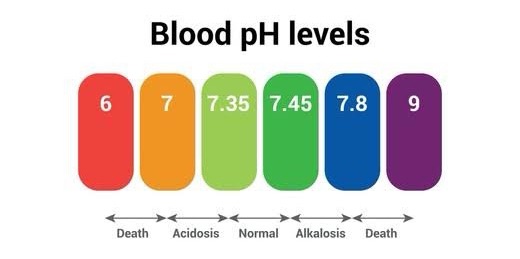
1.“ph” measures hydrogen ions in any solution. Generally, the ph scale range is between 0 -14, where 0 is highly acidic,14 is highly alkaline and neutral is 7. Our human body’s ph, usually maintained between the range of 6.8 to 7.4. The normal ph of blood is maintained around 7.4, being slightly alkaline as the blood has to nourish the entire organ system.

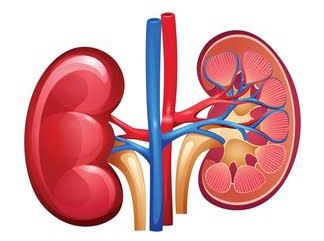
2. Amongst all the organs, the kidneys are the main ph balancer. Other organs like the lungs, lymphatic system, intestines, and liver help as a support system in the overall ph balance. The factors like the diet, liquid drinks, environment, exercises, stress levels, and breathing pattern can all have an impact on the ph levels. When the body’s ph becomes too acidic, all the tissues, including bones, muscles suffer. To restore the ph balance, the blood needs to pull out calcium, magnesium, potassium and water and neutralise the excess acid.

3. The body’s ph imbalance can lead to stored excess acid in tissue, which can cause inflammation and lead to many chronic diseases. Therefore, research has shown that an underlying ph imbalance is responsible for various diseases like:

• high blood pressure, high cholesterol, heart attacks, and cardiovascular diseases

• Arthritis, Osteoporosis

• Hormonal imbalance

• Respiratory ailments like sinusitis, bronchitis, breathing issues, and chronic infections

• Allergies

• Kidney diseases

• Autoimmune diseases

• Stroke

• Dementia, Parkinson’s disease, Alzheimer’s disease, depression

• Diabetes

• Cancers

• Tooth decays

Sugary and fried foods

4.Risk factors for the body’s ph imbalance are plenty. But the most important factors are:

• Acidic diet like sugary food, high trans fats, refined and processed food, fried food, alcohol, meat and dairy.

• Toxins that are consumed in food in the form of pesticides, chemicals in food additives, heavy metals, beauty products, cleaning agents, and environmental and industrial pollutants.

• Being in stress state causes the body to secrete stress hormones, which causes acidity and inflammation.

• Wrong breathing pattern like shallow and rapid breathing can cause inadequate intake of oxygen which leaves the blood ph to remain acidic instead of being alkaline.

Constant high stress can cause acidosis and inflammation.

5. The causes of ph balance can differ depending upon underlying conditions or simple factors like extreme heat, high stress, heavy exercise or high elevation. Some of the causes can be listed as:

• High altitude, lack of oxygen

• Heavy and excessive exercises

• Alcohol overuse

• Ceratin medication, aspirin poisoning, sedatives

• dehydration

• seizure

• low blood sugar

• lung diseases, chest injuries, abnormalities

• cancers

• sleep apnea

Dehydration can cause ph imbalance

6. Since food is the most important factor to maintain the body’s ph balance, it is necessary to avoid certain food items:• Sugary and acidic food when consumed creates a perfect flora in the gut for overgrowth of bad bacteria, yeast, fungi which causes diseases and infections.

• Food additives like artificial colours, preservatives, chemicals not only increases the acidity but also causes toxicity in the tissues.

• Unhealthy fats like trans fat, highly saturated fat cause an acidic medium.

• Animal products like meat, dairy, processed meat and dairy are highly acidic to the body. So, it is important to cut down the consumption or switch to organic and grass fed options.

• Alcohol and caffeine consumption also cause acidic ph, so the consumption of such food should be avoided or reduced to a minimum.

• Toxins such as chemicals, pesticides, preservatives, antibiotics in meat, vegetables, fruits should be avoided. Locally grown, organic food like meat, eggs, fish and grass-fed dairy, meat, should be used as much as possible.

Alkaline foods

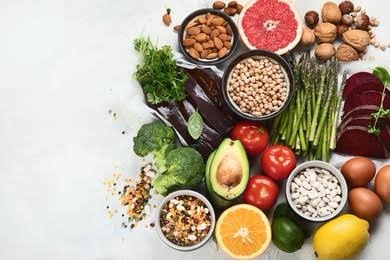
7. Intake of alkaline food in diet should be increased by about 70%. All vegetables like avocado, greens, sprouts, onion, beet, tomatoes, root veggies, coconut, lemon are alkalizing to the body. Legumes, olive oil, buckwheat, quinoa and using plant based milk like almond milk can reduce acidity in the body. Instead of fried or processed items, switching to raw or healthier option of cooking can reduce acidity in the body.

8. But having only alkalizing food is not healthier either. Acidic foods are also essential for the body. Fruits, when eaten raw and fresh, can be acidic to the body, but they are rich in fibres, vitamins and antioxidants, which are very essential for the body. Grains like brown rice, wild rice, millet, and oats are acidic but are rich in nutrients, so they should be consumed, but in moderation. Cold-pressed oils, nuts, seeds, honey, and maple syrup can be consumed in small quantities and can be included as part of a healthy diet.

Musculoskeletal spasms

9. The ph imbalance can be in the form of both acidosis and alkalosis.

Acidosis is when the body is unable to remove the excess acid through airway, blood, sweat or urine. Types of acidosis can be : Metabolic acidosis (diabetic acidosis), renal acidosis, respiratory acidosis, lactic acidosis.

Symptoms of acidosis are fatigue, confusion, vomiting, nausea, and sleepiness.

Alkalosis is mainly: Metabolic alkalosis, when bicarbonate is too much in the body.

Respiratory alkalosis occurs when carbon dioxide is deficient in the blood.

Symptoms of alkalosis are heart palpitations, fatigue, nausea, headache, and muscular spasms.

Medical assistance

10. It is important to visit a medical facility when there is a ph imbalance. It is diagnosed by metabolic panel analysis, blood gas, urine ph, urinalysis, and glucose test. Treatment is based on underlying conditions and is mainly symptomatic. Like in dehydration with electrolyte solutions, changing medication in case of diabetics, COPD, using a ventilator in breathing issues and so on. Often, treating the underlying condition, the ph is restored and maintained.

Thanks for reading.

Peace and love 🙏

10 compelling reasons to consume Flavanoids to combat oxidative stress 🙌

  1. Flavonoids are naturally occurring polyphenolic compounds in various deep-coloured fruits and vegetables. There are 6 different varieties of flavonoids, all of which have antioxidant properties and can help the human body to get rid of different toxins and stress. Therefore, including flavonoids in your routine diet can help to get rid of many chronic health conditions.
  2. Dietary Flavonoids are of 6 subtypes :
    Flavanols , Flavones, Flavan-3-ols, Flavanones, Isoflavones, Anthocyanins.
    Coloured fruits, vegetables, and plants are all rich in flavonoids. Naturally, they are found in apples,purple and red grapes, berries, peaches, oranges, cocoa, chocolate, green tea, black tea, chamomile tea, vegetables like broccoli, lettuce, tomatoes, scallions, red peppers and onions. Flavonoids are dark-coloured pigments so they act as natural pesticides and protect the plants from harmful UV rays, bacteria, viruses and harmful insects.

3. Main functions of flavonoids:
•Powerful antioxidants
•Fights inflammation
•Free radical damage and prevent oxidative stress.

•Anti-haemorrhagic and vasodilatory effects.
•Certain flavonoids, due to their anti-inflammatory and antioxidant properties prevent cancer cells from multiplying and decrease the risk of some cancers.

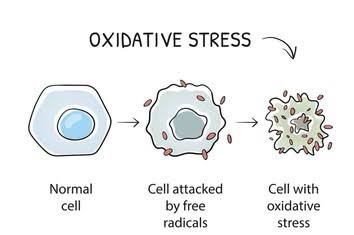
4.Research shows that oxidative stress can lead to cellular damage and disease development. So, oxidative stress can cause many disease conditions like cancers, diabetes, cardiovascular diseases like hypertension, atherosclerosis, chronic inflammatory diseases, and neurodegenerative diseases. Flavonoids play an important role in reducing this oxidative stress and free radical damage, thereby preventing cellular damage.

Cocoa (Dark Chocolate)

5.Numerous studies have shown that cancers develop due to oxidative stress, genetic mutations,hypoxia and reduced apoptotic function. Apoptosis, in simple terms, is a normal cellular activity whereby the body tries to eliminate unwanted cells. Flavonoids play an integral part in promoting apoptotic cellular pathways and preventing cancer cells from proliferating and multiplying.

6.Research shows that flavonoids protect the different organs including the liver and brain from free radical damage. Studies show that flavonoids have protective effects of various liver injuries caused by drug and alcohol usage. Since, they are anti-inflammatory, and antitumor, they protect the hepatocytes from inflammation and fibrosis.

7.Flavonoids are a polyphenol group of compounds that can improve and reduce the symptoms of depression and anxiety. Clinical studies in the past have shown that dietary intake of flavonoids can lower the risk of depression. However, further studies are still anticipated to make substantial proof.

8.Flavonoids are best when naturally consumed as all dark-coloured fruits, vegetables, and green tea contain abundant polyphenolic compounds. It should be included in the routine diet for overall
well-being. However, many flavonoid supplements are out in the market. The best supplements are Cucurmin (Tumeric), Green tea, grape seed extract, Resveratrol, Quercetin, hesperidin and Rutin.

9. Toxicity: Intake of natural flavonoids on a daily diet is usually enough. Sometimes, flavonoids supplements are clinically recommended. However, the risk of flavanoid toxicity exists, if someone takes a huge amount of highly potent supplements. It may affect anaemic and elderly patients as flavonoids may bind with non-heme iron. Flavanoid toxicity may cause liver failure, hemolytic anaemia and male reproductive issues. Recommended daily dose of consumption should be around 400-600mg/day.

10.A healthy routine diet rich in flavonoids will provide all the necessary support to the human body to maintain biological activity, provide anti-oxidant effects, reduce oxidative stress and prevent chronic diseases, maintain cardiovascular health and prevent infectious diseases. The key point is that the food readily available to us contains the most effective flavonoids and antioxidants that fortify our health and immune system, making expensive supplements unnecessary

Thanks for reading.

Peace and love 🙏

10 facts to know about the MTHFR gene 🙌

  1. MTHFR, Methylenetetrahydrofolate reductase, is an enzyme found in human chromosome 1,located exactly in the short arm. It plays a significant role in folate and homocysteine (amino acid) metabolism. Studies have shown that individuals with MTHFR deficiencies can have hyperhomocysteinemia
    with homocystinuria.
  2. Research in the past decades has shown that this enzyme plays a key role in homocysteine metabolism. The deficiency of this enzyme is an inborn error of folate metabolism, which is quite
    rare. Yet, several studies have identified this variant as the most common cause of
    hyperhomocysteinemia and a risk factor for many disorders connected to defective homocysteine
    metabolism.

3.Genetic deficiency of MTHFR is rare, but around 50 cases have already been identified worldwide. Symptoms in such individuals are seizures, developmental delay, neurological impairment, gait dysfunction, and a very high level of homocysteine in urine and plasma. Genetic testing of the gene mutation can be done on a saliva swab and blood sample.

4.Genetic mutations are inherited and acquired from the parents. There are 2 forms of mutations that can occur on the MTHFR gene – C677T and A1298C. If one such variant is present, one is less likely to have health issues but if both variants are present, then the individual is likely to have serious health problems.

Depression

5.Health issues associated with people who have two variants of the MTHFR gene are :
Homocystinuria
Alopecia areata
Spina bifida
High blood pressure
Depression or bipolar disorder
certain cancers
Miscarriages

Pregnancy

6.MTHFR affects pregnancy: Research has shown a link between MTHFR gene variants related to repeated miscarriages. It is important to test for MTHFR gene mutation in women who have suffered unexplained recurrent miscarriages or delivered babies with neural tube defects. Extra folate supplementation and blood thinning administration can be useful to prevent such miscarriages.

7.Diagnosis of MTHFR variant cases is done by testing blood samples and saliva swabs in individuals with a very high level of homocysteine in urine and plasma and vitamin deficiencies of folate, choline, vitamin B12, B6 and riboflavin. MTHFR mutation variant people may not have health issues and can be treated by preventive measures of supplementation of folate and vitamin B and lifestyle changes like a nutritious balanced diet, sleep, exercise and avoiding smoking.

Down’s syndrome

8.Babies and children born with MTHFR mutation variants may present with symptoms within the first year of birth. Such children may have ADHD (attention deficit hyperactivity disorder), autism, impairment of sleep, mood disorder, hyperhomocysteinemia, vitamin, folate deficiency, pediatric stroke, spina bifida and Down’s syndrome.

9.Having gene variants is common in the human population. This particular MTHFR variant gene is common in some ethnicities like in Hispanic individuals. Hispanic races have commonly the MTHFR C677T variant. People with such variants are able to process all types of folate. Research shows that 400mcg of folic acid daily can raise the blood folate level irrespective of whether you are MTHFR genotype.
10.Folate and vitamin B are naturally found in many food sources which should definitely be part of the daily diet. Legumes, leafy greens, citrus fruits, broccoli, Brussels sprouts, bananas, avocados and nuts are rich in folate and should be consumed regularly to have normal levels of folate and promote healthy cell division irrespective of gene mutations.

Thanks for reading.

Peace and love 🙏

New Year wishes, 2025 🙌

‘ Let your hopes, not your hurts shape your future’ Martin Luther King, Jr

It’s time to letting go of whatever that give us pain, hurt, sadness, anger, regrets and guilt as the year comes to an end. 

Grateful that another 365 days are approaching to renew ourselves with positive energy, change, optimism and peace which may uplift us in this life’s journey. 

Wishing to all my lovely, fellow bloggers, may this New Year 2025 bring immense happiness, peace and favorableness to all of us.

Have a wonderful and blessed year ahead.

Peace and love 🙏

10 tips of eating healthy🙌

Eating healthy is easier and cheaper… Eating healthy isn’t complicated or fussy. In fact , it is the easiest option if we make it a way of life, a …

10 tips of eating healthy🙌

Butyrate is the latest buzzword! Is it just a hype or the reality? 10 facts 🙌

Butter is a rich source of butyrate

1.Butyrate is a short-chain fatty acid (SFCA) released during the fermentation of dietary fibres by the gut microbiome. It plays an integral part in supporting gut health and overall well-being. It is an energy source for colonocytes which meet about 70% of their needs. Evidence has shown that this SFCA has tremendous health benefits ranging from immunity support, lowering inflammation, preventing cancers and fighting ageing. Hence, it is the latest buzzword, doing rounds in social media and among advertisers.

2.Recent studies have clearly shown that butyrate plays an important role in both the host and microbial functions in gastrointestinal health. It is a crucial energy source for colonocytes. An optimal level of butyrate promotes and maintains a healthy microbiome level, reduces inflammation, and supports colonocyte functions. It has protective actions against certain intestinal diseases like inflammatory bowel diseases and colon cancer.

3.Butyrate has been shown to prevent the process of inflammation in the gut which can be caused by pathogens, the body’s overreaction (allergic reactions) and oxidative stress. Chronic inflammation in the gut occurs when the gut’s immune system is constantly fighting against these pathogens and free radicals causing the immune health to be weakened. Eating a considerable amount of fibres causes to production of an optimal level of butyrate which helps in protecting against this inflammatory process.

Dietary fiber is a good source of butyrate

4.Studies have shown a great impact of butyrate on obesity. Butyrate is found to lower body weight and decrease lipogenesis in the liver and adipose tissues. It increases fatty acid oxidation and prevents fat accumulation in the body thereby reducing obesity. Butyrate is produced by the fermentation of dietary fibres, so it suppresses the food intake and reduces body weight and fat mass.

5.Animal and cell studies have shown that butyrate increases insulin sensitivity, helps in reducing weight gain, and obesity and promotes weight loss. It helps in maintaining blood sugar levels.

Dairy products

6.Another significant property of butyrate has been shown in research that it promotes cell differentiation. Normally, our cells have the ability to change into any specific type of body cells required like liver cells, heart cells, intestinal cells or blood cells. If the cells are not properly differentiated, then, abnormal growth or tumour appears. Butyrate is found to promote cell differentiation.

7.Studies have shown that butyrate plays an important role in the brain-gut connection. It helps in increasing Brain-Derived Neurotrophic Factor (BDNF), removes toxic byproducts from the brain and prevents brain fog. It promotes neuroplasticity and improves rapid eye movement sleep by 70%.

8.Butyrate helps to regulate the blood pressure level. Studies show that the level of butyrate inversely corresponds to the blood pressure level. A higher butyrate level gives a lower blood pressure level while low butyrate may lead to the rise of high blood pressure.

Leafy veggies

9.Sources of butyrate are :
Dietary fibres like vegetables like garlic, onion, tomatoes, beans, peas, leafy vegetables, broccoli. Fruits like bananas, apples, pears, kiwis.
Whole grains like brown rice, oats, wheat, barley, rye and pulses, legumes.
Dairy sources like milk, cheese, butter, and ghee.
Others like dark chocolate, seeds, nuts, and seawood.
Butyrate supplements are available in the form of sodium, calcium/magnesium butyrate but need to be used as per supervision as they may interfere with other medication.

10.It is important to know that consuming full-fat dairy products like butter, Ghee, cheese, and milk are rich sources of butyrate. However, consuming these products can cause the risk of elevating the level of cholesterol in the body as they are rich in saturated fatty acids too. Therefore, the risk of cardiovascular diseases and obesity may rise. So, the key point to be noted while consuming these products is having them in moderation along with lots of dietary fibre and plenty of water can benefit and maintain the balance.

Thanks for reading.

Peace and love 🙏

10 facts to know about constipation 👐

  1. According to medical terminology, constipation is when a person has irregular bowel movements, usually less than three times a week. Normally, a person with regular bowel movements has stool elimination three times a day to three times, a week. Constipation has been the most common gastrointestinal issue affecting millions of people daily.
  2. Normally, the food passes through the large intestine, and the water is absorbed in the colon while forming the faecal matter or stool. Then, the stool formed in the colon is pushed down to the rectum by muscle contraction. If the muscle contraction in the colon is prolonged, by the time, stool reaches the rectum, more water is absorbed making the stool too hard to pass. Passage of the dry hard stool becomes very difficult causing constipation.
  3. The most common causes of constipation are: Lack of movement, lack of exercise, stress. Lack of fibre in the diet.
    Not drinking enough fluids.
    Changes in dietary habits, pregnancy, traveling, ageing. Medications.
    Irritable bowel syndrome.
    Anal fissure.

4.Common symptoms of constipation:

Pain abdomen.
Painful bowel movements.
Feels uncomfortable or bloated.
Bowel movement less than 3 times a week.

5.Generally, constipation is relieved by switching the diet to more fibrous food, more intake of fluid, and exercise. However, if the person is not relieved of the symptoms despite these above- mentioned measures and maybe, there is a history of blood in stool, episodes are more frequent, then, it is necessary to seek medical attention.
Diagnosing constipation is based on medical history, a physical examination which covers an anorectal examination, barium enema, and colonoscopy.

6.Constipation is usually treated by diet and lifestyle changes.
Lifestyle changes include regular exercise, more intake of fluids in the daytime, giving enough time for daily bowel movements.
Dietary intake of at least 20-30 grams of fiber daily, including whole grains, fruits like bananas, pineapple, papaya, oranges, apples, kiwis, berries and vegetables, is recommended.
Changing the existing medication if any.
If the above measures don’t work, then laxatives are prescribed.

7.Certain risk factors which may lead to constipation:
*Mental health issues: Due to depression and stress-related issues leading to unhealthy diet, irregular meal timing, anti-depression medication, lack of exercise, and eating disorders.
*Old age causes weakening of the muscle lining so sluggish bowel movements.
*Pregnancy causes the bulky uterus to press against the intestinal wall making it harder to defecate.
*Eating lots of refined food, junk food and not eating enough fibre causes hard stool. *Medications like iron pills, antacids, blood pressure medicines, allergy medicines, anti- depressants.
*Diseases: Stroke, paralysis, Parkinson’s disease, diverticulitis, multiple sclerosis, irritable bowel disease, colon cancer.

8.Constipation commonly occurs in most cases due to dietary changes or lack of physical activity. The condition is resolved usually by changes in diet and lifestyle. But, it can be a warning sign and may require immediate medical attention when:
there is severe cramping pain with sudden onset of constipation.
Blood in stool.
Loss of weight.
Severe pain with bowel movements. Constipation is for a prolonged period.

9.Generally, dietary and lifestyle changes can prevent constipation : Drinking 3-4 glasses of water every day.
Adding vegetables and fruits to your diet every day.
Routine physical activity and exercise is a must.
Eating Probiotics such as curd, yoghurt or kefir daily. Avoiding processed food, processed meat, and fried food. Drinking less alcohol and caffeinated drinks.
Not ignoring the urge to poop.

10.There are several different laxatives available, just for your information.
Osmatic laxatives like milk of magnesia cause softening of stool.
Stimulant laxatives increase the speed of bowel movements to help the stool to move through. Lubricant laxatives like mineral oil lubricate the intestine and help to slide the stool along the colon.
Saline laxatives are used as enemas to empty the bowel.

Thanks for reading.

Peace and love 🙏

Are canned food healthy? 10 facts 🙌


1.Canning is a method of packing food in air tight containers to last longer period of time. It can last from 1-5 years depending upon the kind of food preserved. 3 steps which include canning are processing the food by cleaning, peeling and slicing. Next step is packing them in air tight containers and lastly, heating or thermal sterilization of those containers to kill harmful bacteria and germs.


2.We often hear that canned food and vegetables are not good enough. Though the fact is true that having freshly picked or buying fresh produce vegetables from the farmer’s market is best. While canned food and vegetables are fine as long as it is not used daily. Canning restores nutrients and is easy and handy to use. They can be kept in the freezer for days when the availability of fresh produce is low.


3.Some studies show that canning restores the high nutrients of the food. Since canning involves heating, heat releases more antioxidants from food like tomatoes and corn. So, certain nutrient levels like antioxidants are increased. However, some water-soluble vitamins like C and B can get damaged due to the heating process. In general, canned food is good enough as comparable to fresh and frozen food.


4.Commercial canning and food packaging involves a chemical named BPA (bisphenol-A). Studies do show that the BPA in cans do get mixed with the food that has been preserved. Certain studies show that BPA can be linked to heart disease and type 2 diabetes. But, more studies are required to prove the hypothesis. Sometimes, bad and unhygienic canning can lead to contamination by harmful bacteria like botulism. So, it is important to avoid canned food which is damaged, leaked or cracked.


5.Preservatives, salt, and sugar can be used to enhance the flavours of the canned food. The high salt content can risk to people with high blood pressure while sugar preservatives can be an issue in the case of diabetic people. Therefore, it is very important to read the labels and ingredients list before buying a canned product. Before using canned food, draining and rinsing the food is necessary so that the excess salt or sugar is released.

6.Canned meat, chicken, and seafood are handy sources of protein with vitamins and minerals. Usually, the shelf life is 2-5 years depending upon the product. They might contain extra sodium or salt while canning. So, the food needs to be drained completely to remove the excess salt before consuming. Depending upon the brand to brand, reading the label and the ingredients lists before purchasing, the canned meat and seafood can be used as a healthy and filling source of protein and vitamins as when necessary.


7.The most important aspects of using canned food in our diet are knowing the brand, a reputed brand, buying the product from a known store and the ingredient lists. The most crucial risk factors can be spoilage, damaged or leaked cans, BPA exposure, the potential for quality variation, environmental impacts, high sodium content, lack of freshness and nutrient loss.

8. In spite of some of the risk factors, there are still a lot of advantages of canned food and are widely being used worldwide. They are concentrated food, handy to use, safe and can be stored for a long time at a room temperature. They are usually protected from contamination of micro- organisms, insects, pests and pollutants. They are available throughout the year and can be consumed instantly.

9.The disadvantages are important to note too. Nowadays, apart from BPA, several preservatives are used in canned food like nitrites, sulfites, potassium, sodium benzoate, and BHA (Butylated Hydroxyanisole 320) which can be hazardous to health. So, it is very essential to read the labels and ingredients list while buying a canned product. Already mentioned about the risk of botulism if the canned food container is leaked or damaged.

10. Yes, canned food is easy, quick, handy and affordable. Not all canned products are bad and can provide the necessary nutrients for health when consumed. When food availability is low, or when you are travelling, canned food is convenient to use. Having canned food, only whenever is required and never using it regularly is recommended. Eating fresh produce or frozen vegetables is a far better option than having a canned product which might prove detrimental to health in the long run as harmful preservatives do often get mixed with the canned food.

Thanks for reading.

Peace and love 🙏