
10 facts to know about your gut flora 🙌

Hello everyone 🤗

  1. The gut flora is mainly composed of trillions of gut microbiomes which are mainly bacteria, fungi, viruses and archaea. This is unique to every individual and develops in his/her lifetime, as distinctive as the fingerprint. Initially, the intestinal tract of a newborn at birth is sterile. The newborn’s gut is first colonised by the mother’s bacteria during the process of vaginal delivery. Environmental bacteria also start colonising in the baby’s gut as soon as it is exposed after birth. Then, slowly the child’s gut starts developing into a unique microbiome flora depending upon the different food intake and environmental exposures with time.
  2. The gut starts having both good and bad bacteria with different kinds of food and environmental exposures. Good bacteria mainly help in the digestion and absorption of the food and nutrients. They strengthen the immune system and produce several beneficial amino acids and vitamins. The more, the good bacteria population, the healthier the person and the stronger the immunity, in his lifetime. They are simply the protectors of our health and well-being.

3. There are bad bacteria also in our intestinal gut flora. As long as they are low in level, they remain harmless. But then, when we take antibiotics or develop unhealthy food choices and habits, smoking, drinking alcohol and so on, the good bacterial flora is at risk and starts eliminating. In such cases, bad bacterial flora starts flourishing causing havoc in the immune system leading to various diseased states. Chronic inflammation starts progressing leading to autoimmune diseases, cancers, and inflammatory bowel diseases.

4. As research has progressed, studies have found links between bacterial species in the gut to certain types of diseases. Metabolic diseases like obesity and type 2 diabetes are found to be linked with the presence of certain bacterial species of Lactobacillus.
New studies have shown strong evidence of gut kidney connection. Certain species of bacteria in the gut microbiome result in uremic toxins while digesting protein which may be a factor in developing chronic kidney diseases. Several studies have shown a link of depression to the gut microbiome. Various bacterial species like Eggerthella and Sellimonas are found at high levels in individuals with depressive symptoms.

5.The gut-brain connection plays an important role in a person’s well-being. That is why the gut is known as the “second brain”. The gut nervous system can be called the Enteric Nervous System, which has around 100 million nerve cells from the oesophagus to the anal opening. The main functions of this system are digestion, absorption of nutrients, and release of enzymes for food breakdown. Studies show that irritation in the GI tract may trigger the central nervous system to change moods. The gut microbiome also produces hormones like serotonin, and norepinephrine which are important for mood changes. Therefore, there is a strong connection between depression and anxiety in people who deal with gut issues like irritable bowel diseases, stomach upset, pain, and constipation.

6.The signs of a healthy gut are the regular pooping habit, which may be 2-3 times a day to 3-4 times a week, the range can vary with every individual. There is no pain, no bloating after eating, and no discomfort during bowel movement. Symptoms like bloating, diarrhoea, stomach pain, feeling of fullness after eating or malnutrition can be the signs of an unhealthy gut or tigger for slowly increase in bad bacteria. In such cases, clinical attention is required to investigate and diagnose any bowel issues.

Sugar rich foods

7.The common triggers which may lead to an unhealthy gut can be too much stress, constant fatigue, sleep disturbances, ultra-processed food, a sugar-rich diet, and too little intake of fluids. The frequent use of antibiotics has a link to an unhealthy gut. Therefore, these lifestyle habits need to be avoided as practically as possible. Skin conditions like psoriasis do have a link to an unhealthy gut too.

Natural foods

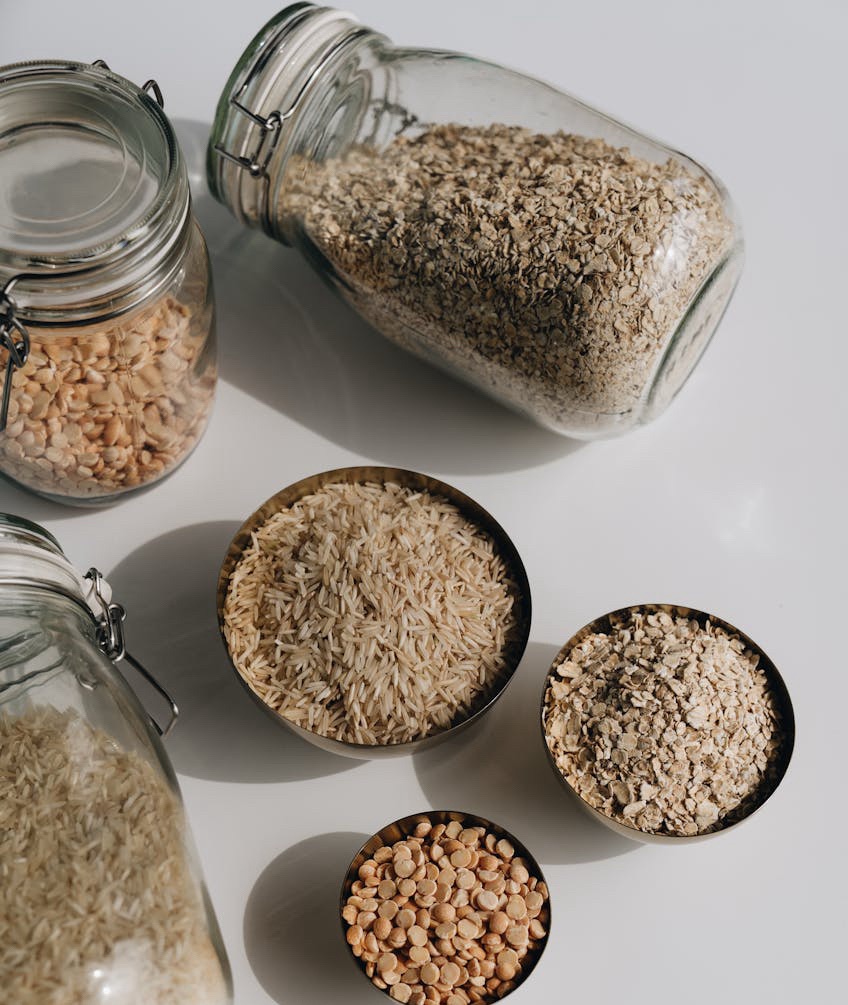
8. The common ways that we can take care of our gut health and improve the good bacteria count are by having a fibre-rich diet with plenty of vegetables and fresh fruits. A diet rich in whole grains, legumes, pulses, nuts and sea fishes. Lowering the sugar-rich foods, limiting the everyday stress, and remaining hydrated as possible. Intermittent fasting is beneficial too for gut health and flora.

Fermented foods

9. Another important food for our gut health is fermented food as they are rich in probiotics. Plain yogurt, buttermilk, kimchi, sauerkraut and kombucha to name in the list. There can be other varieties of fermented food too which can be local or region-specific around the globe. Any food which is fermented or sprouting can be excellent for gut health as it increases the lactobacilli and keeps the growth of bad bacteria checked.

Walking in nature
Gratitude journal

10. So, the simple tips to take care of gut health are to have more and more fibres and probiotics daily, curtail sugar as much as possible, stay hydrated, keep out of stress, meditate to calming mind like walking in nature or listening to music, exercising, mild to moderate ways, practising gratitude journal every day increases happy hormones and trying to maintain a sleep routine. Ultimately, the best way to live a longer and healthier life is to live in harmony with nature.

Thanks for reading.

Peace and love 🙏

10 hard facts about Alopecia Areata 🙌

  1. What is Alopecia areata? About 150 million people around the globe suffer from this autoimmune disorder presently. Alopecia Areata is characterized by smaller to wider patches of hair loss in the scalp irrespective of race, gender, or age. Though the exact aetiology is unknown, it tends to be hereditary.
  2. Research believes, most of the cases appear to have a positive family history of this disorder. Families with a positive history of vitiligo, thyroiditis, lupus or other autoimmune disorders have this disorder of alopecia. The exact cause is still not known why the body’s immune system starts attacking the hair follicles causing these patches of baldness. Studies initially showed that all races are equally affected. However, recent studies show that females are more affected than males and African Americans, and Hispanics are more affected than Asians.
  3. Usually, the hair loss patches are involved in smaller areas of the scalp region. But may also include the entire scalp known as alopecia totalis. It may sometimes involve the entire body known as alopecia universalis. Sometimes, the hair loss is prominent in the bottom back of the scalp known as ophiasis alopecia areata.

4. The course of the disorder starts with the sudden loss of small patches of hair on the scalp, beard, eyebrows or any part of the body. There is sudden thinning of the hair, followed by broken hair and finally hair falls off in patches. In some cases, the hair regrows. But in most cases, the patches extend and widen affecting bigger areas. Rarely, the progression is a complete loss of hair in the body.

5.The diagnosis is usually by physical examination. However, to confirm the diagnosis, blood tests, and a biopsy of the scalp, and hair for lab analysis. The family history and medical history of autoimmune disorders are to be considered. Once diagnosed, the disorder has no cure but needs to be managed.

6.Various treatment options are available depending upon the progression and uniqueness. Oral and intravenous corticosteroids are used. Phototherapy and immunotherapy are used in more severe cases. Sometimes, platelet-rich plasma is used to replace the blood from the body to stimulate fresh hair growth. Herbal remedies should be used under expert supervision. Treatment may or may not respond depending upon the severity.

7.Whenever you have noticed such symptoms, it is important to confirm the disorder by health care provider. Though the disorder has no cure, it can be managed or in some cases reduced or controlled by various treatment options. Cosmetic techniques are available too to manage hair loss patches.

8.When you have alopecia areata, you should avoid stress as symptoms may aggravate. Sun protection is required as hair naturally protects our skin and eye guard/sunglasses should be used due to lack of eyelashes. Considerable amounts of vitamins and mineral supplements should be taken under physician supervision to minimize hair loss. A well-balanced diet is essential.

Release stress

9.All hair loss doesn’t mean that you are affected by alopecia. Emotional stress or physical stress regularly for prolonged periods leads to hair loss. Menopausal, ageing and poor diet can also lead to hair loss. In most of these cases, the hair loss is temporary.

10.When you have alopecia or hair loss, gentle hair products with no parabens, or silicons should be used. Tightly tied hair or too much hair styling should be avoided. The use of harsh chemicals, hot oil hair treatments, rollers, curlers etc should be avoided. It is also better to avoid smoking as some studies do suggest it.

Thanks for reading.

Peace and love 🙏

10 facts about Orexin 🧠

Hi everyone ✋

1.The lateral hypothalamus and prefrontal cortex produce a hormone called Orexin, also known as hypocretin. It is produced in two forms like Orexin A and Orexin B. It has various functions related to Central Nervous System. It helps in regulating important functions like sleep-wake cycle, arousal state, energy homeostasis, feeding behaviour, emotions, mood and cognition.


2.Sleep: Orexin is usually released in the daytime and keeps us awake. It stimulates those neurons which in turn help in the release of neurotransmitters like serotonin, dopamine and nor- epinephrine. In case of individuals with orexin deficiency, are usually diagnosed with narcolepsy, insomnia, sleep imbalance, daytime sleepiness and cataplexy.


3.Stress regulator: Orexin is highly responsive to environmental stimuli and our mood. When in stress situations ,the orexin neurons stimulate the body’s response to increase heart rate, blood pressure and disturb the resting state.


4.Obesity: It is a result of the influence of orexin-producing neurons on energy metabolism.Orexin deficiency in the body can lead to slowing down energy metabolism, physical inactivity, and excessive weight gain, even if the calorie intake is low.

5.Mood: Orexin has an influence on mood through its impact on the hippocampus. Abnormal orexin activity has been related to mental health conditions like depression, PTSD, anxiety and addiction. Deficits in orexin influence can result in hippocampus problems such as learning disability and memory deficits, as it also promotes the development of neurons in the hippocampus.


6.Narcolepsy: Orexin helps us stay awake during the day. So, people with orexin deficiency suffer from narcolepsy. They have daytime sleepiness and sleep paralysis. Mostly, these type of individuals can also suffer from cataplexy. The person is unable to move for a short time even if he is awake or about to fall asleep. It is usually occurs in a conscious state of mind and triggered by strong emotions like being angry, or laughing.

7.Alzheimer’s Disease: Several studies show that orexin has direct connection with sleep, cognition and as a stress regular. So it does play a significant impact on Alzheimer’s disease pathology. An increase level of orexin has been found in cerebrospinal fluid of people with Alzheimer’s. So, they usually have circadian cycle disorders, daytime sleepiness and cognition problems. However, researches are still going on for further prospectives of using orexin antagonist receptors as a potential treatment alternative.

8.Heart: Lack of sleep and insomnia have a direct impact on cardiovascular health and hypertension. Studies show that increased levels of orexin stimulation can elevate blood pressure and heart rate. Both orexin A and B receptors have a direct role in the regulation of sympathetic nervous system. Therefore orexin antagonist receptors might be a therapeutic option for hypertension.

9.Orexin levels: High levels of orexin may lead to sleep disorders, stress prone and eating disorders. But lack of orexin or loss of orexin in brain injury may lead to narcolepsy or other sleep disorders. The normal level of orexin found in cerebrospinal fluid in a healthy individual is around 250 – 500 pg/ml.

10.Food: Optimal level of orexin can be provided in a healthy individual by regular intake of fermented food like pickles or sauerkraut. Having excessive sugar or carbohydrate rich food can inhibit orexing production.

Thanks for reading.

Peace and love 🙏

10 facts of Chicory roots 🪵

Hello everyone ✋


1. Chicory is a tuberous herbeceous root, usually grown in winter. Though it is a native herb from Europe and Asia, but nowadays it widely grown in many areas for its health benefits and as a herbal remedy.

2. Chicory roots are a good source of carbs, minerals, and phytochemicals, including flavonoids. It has been utilized as herbal medicine for generations due to its high nutritional value. Research have shown that it has anti-inflammatory, antibacterial, and antioxidant properties.

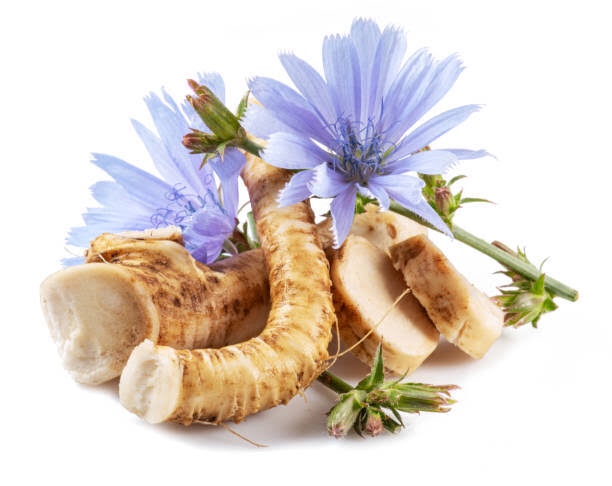
3. In modern days, many of its benefits has been scientifically proven. Chicory root is rich in inulin which is a fructose rich fiber and acts as a prebiotic. It promotes growth of healthy bacteria in the gut. Since, it is undigested in the gut when consumed, so it can act as a laxative and relieves constipation.

4. Studies have shown that chicory can contribute to lower blood sugar and helps in insulin resistance. Therefore, it can be an aid in the treatment of diabetes.

5. Other list of benefits of chicory roots are it can promote the weight loss process, improves liver health, boost kidney function by its diuretic properties and may help in treating candida and eczema.

Chicory coffee

6. Since chicory roots are naturally caffeine free, so they have widely been used as a coffee alternative to reduce the intake of caffeine. Repeated consumption of coffee may lead to excess caffeine intake which in turn can cause issues like increasing the level of cortisol and stress.

7. Extensively used method of including chicory in diet is by blending with coffee as chicory coffee, or as herbal tea. It is also integrated in cereals, protein bars and other food items.

8. Like any other food, Chicory roots also have it’s share of side effects like over consumption can lead to allergic reactions, skin rashes, GI symptoms like discomfort, diarrhoea and gall stone.It is contraindicated during pregnancy and lactation.

9. As there is no specific doses of daily consumption of chicory, generally having around 5 gram of inulin in 500ml of chicory coffee in regular diet may not lead to any adverse effects. However, a Physician’s or an expert advice is recommended.

10. Chicory roots have been in ancient cultures for ages as a herbal medicine. History says that it has been in use as a healthy beverage for many centuries for its health benefits.

Thanks for reading.

Peace and love 🙏

10 hard facts about Taurine 🙌

Hello everyone ,

1. Amino Acid :Taurine is found naturally in our body. Chemically, it’s an amino acid or more precisely amino sulphonic acid. Since it is naturally available in the body, it plays a significant part in different bodily functions like metabolism, immunity, nervous system, electrolyte balance, biliary system.

2. Nervous system :Taurine as an abundant amino acid support building up the nervous system, helps in storing memory. As ageing progresses, it’s bodily reserve reduces with age. Due to its decreased levels can be responsible for neurodegenerative diseases like Alzheimers’ or memory deficits.

3. Liver :The liver is supported by taurine mainly to break down cholesterol into bile salts. Bile salts play a crucial role in the digestion and metabolism of fat in the body.

4. Lifespan: Researches show that high taurine levels do have anti-aging effects. From its lower levels contribute to inflammation, diabetes, obesity, hypertension, so, with improved levels of taurine, these risk factors are significantly reduced. Food supplementation of taurine and exercise do contribute to the lifespan.

5. Cell protective agent: Taurine plays a vital role in regulating cell volume, calcium homeostasis, sweeping free radicals and stabilizing the cell membrane.

6. Heart : Studies show that taurine reduces the risk of heart failure by lowering the progression of atherosclerosis. It has a potential vasodilating effect. Taurine supplement in people who have a history of heart failure shows lower levels of cholesterol. Low Taurine levels may be a significant factor in the development of cardiomyopathy.

7. Eye :Studies have shown that taurine is abundant in the retina of the eye. Reduced levels of taurine is linked to eye disorders like glaucoma, retinal degeneration like diabetic retinopathy.

8. Muscle :Studies show that taurine helps to improve muscle power and strength. Taurine appears to help restore muscle injuries, damage, pain and reduce progress in people with muscular dystrophy.

9. Food : Taurine is found in dairy and high sources are mainly meat, chicken and fishes. As for plant based diet, seaweed is a good source of taurine.

10. Dosage : Taurine supplementation is not usually recommended as it is naturally available in the body and in our diet. If prescribed clinically, evidence shows that consumption of 3 gms per day works well without the risk of side effects. Taurine has also been an essential component in energy drinks in case of physical performance. Some infant formulas contain taurine because it is not naturally found in babies as it is in adults.

Thanks for reading.

Peace and love 🙏

10 top benefits of music on health 🎧 🎼

Hello everyone ! Have a wonderful and safe day. 🙋🏻

Whether on purpose or without purpose, music has become a part of our lives. The day starts with a busy schedule, yet we happen to listen to music, maybe while driving to work, a shop, cafe, gas station or wherever we happen to pass by. After a day’s long work, we may intentionally listen to music to calm and rejuvenate our mind. Music is of different genre and variety, loud, hard, soft, calming or with and without lyrics. It is all about individual choices and preferences.

Both in the past and in the present time, studies show the tremendous effect of music on all mental, emotional and overall health.

Ten effects of music influence on health:

1.Mood booster: Listening to music can stimulate the release of neurotransmitters like dopamine which gives a feeling of satisfaction and reward. It makes us repeat the behaviour, that is to continue listening to music. Therefore, it can elevate the mood to pleasure, motivation and enthusiasm. It can strengthen you emotionally by fine-tuning your emotional health.

2.Improves sleep efficiency: Listening to soothing music, stimulates the parasympathetic system, lowers the blood pressure and slows down the physiological functions. It relaxes the mind and body, making it ready to fall asleep. Music has been instrumental in treating sleep disorders.


3.Exercise performance : Studies show that music increases the level of performance, strength, endurance level while exercising. It delays fatigue by boosting the stamina level.

4.Focus: Listening to fine instrumental music helps to capture attention and to focus. So, some people prefer listening to music while on work which allows them to concentrate and increase productivity.

5.Divergent creativity: We all have the same cognitive capacity to think original thoughts and ideas; it’s the area on the right side of the brain, the creative brain. Research shows that listening to lively, happy music helps to stimulate this area of divergent creative thinking.


6.Reduce stress: Listening to calming music of about 60 beats/min can stimulate alpha brain waves which can make you feel calm and conscious. It reduces the cortisol level and releases endorphins which helps you relieve stress. It has been used successfully by many as a stress-reducing technique.


7.Memory: The frontal cortex and hippocampus of the brain are associated with memory. So, revoking memories are challenging in person with dementia and Alzheimer’s disease. Sometimes, music with a particular tune or lyrics can help significantly to relieve some of the memories in such individual.


8.Immunity: Music stimulate the parasympathetic response in the body which elevates the physiological coherence and promote the immune response. It boosts the release of antibodies and natural killer cells which helps to combat infections and chronic conditions like cancers and autoimmune issues.

9.Improves vascular health: Music helps to ease the anxiety and stress level by bringing the blood pressure and heart rate to the average baseline level. It relaxes the arterial wall and enhances the blood flow, thereby improving vascular health.

10.Weight loss: Music has a visceral effect too. Listening to music helps you to eat slowly, with relaxation. This effect improves our chewing ability and promotes metabolism. As you are eating slowly, you end up eating in a lesser quantity. Moreover, music also helps your exercise performance. So, in the process, you end up losing weight too.

Thanks for reading.

Blessings and much love to all 💐

Adrenal fatigue: High Cortisol feel 🙄

Hello everyone ! Have a wonderful and safe day 🙏

img_1242

“Adrenal Fatigue” is a laymen term which we frequently come across or must have heard often these days. Stress is a common thing these days which we encounter in our everyday life, especially in today’s time. In every aspect, not just in personal and professional lives, but also financial, health-related and not to forget this pandemic time of COVID 19.

img_1243

Not a medical diagnosis, this term ‘adrenal fatigue’ was coined by a Naturopath named James Wilson. He referred it to a set of unspecified symptoms which arises due to the hypofunction of the adrenals.

img_1246

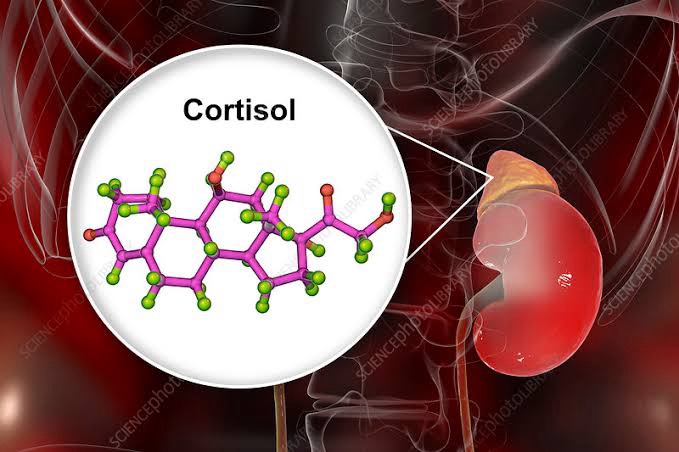
When adrenal glands, a small pair of organs which lies above each kidney doesn’t function at an optimal level, there is an imbalance. When the body is in a state of prolonged stress, the adrenals keep secreting hormones like adrenaline and cortisol. These hormones are meant to stimulate the sympathetic nervous system during fight or flight response. Without the presence of any potential threat, the person tends to remain in this fight or flight response state due to chronic stress.

img_1245

So specific symptoms appear like
anxiety,
high blood pressure,
elevated heart rate,
puffy face,
Sleep disturbances
weight gain and fatigue
As a result of the prolonged release of cortisol, the adrenals tend to get fatigued and burn out. Hence, the term adrenal fatigue aptly is referred to such a state.

img_1248

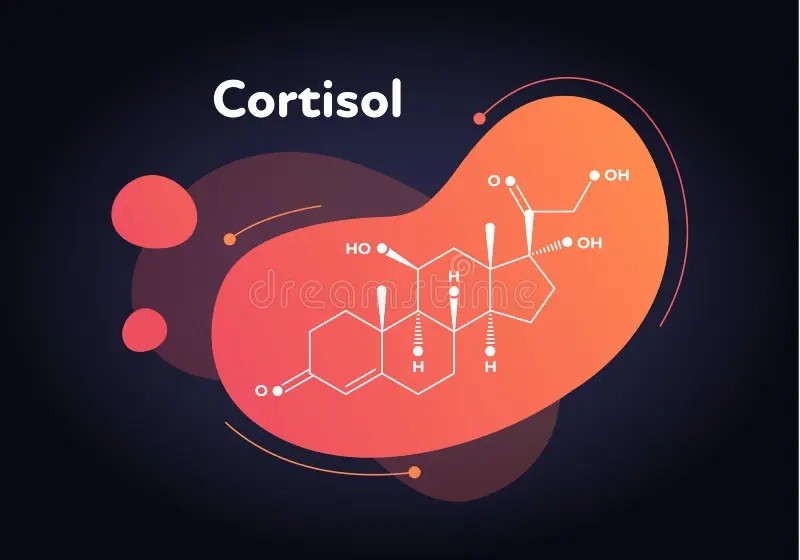
Cortisol, as such, is not a harmful hormone. This is a useful hormone which, since evolution has been with us, which helps us with our survival instinct to protect us from potential threat or danger. Typically, this hormone is produced at a necessary level to carry out its normal function of helping in the metabolic process in the body. Cortisol is always at a balance with the growth hormone, which is secreted by the pituitary. The growth hormone is an essential hormone for growth and regeneration. But as we age, the growth hormone release decreases. So, there is a somewhat an imbalance of the growth hormone and cortisol balance. That’s where the different troubling symptoms start appearing.

img_1249
Some ways when cortisol can be lowered in the body naturally:
1.Increase growth hormone release by sleep, exercise like walking.
2. Intake of Vitamine D3 of 10,000IU daily, Vitamin like B1 and B5, which also supports the adrenals. Sun exposure can be beneficial in this aspect.
3. Omega 3 fatty acids are useful for the adrenals—wild fishes like salmon, codfishes, flax seeds, avocado are some sources.
4.Minerals like potassium, magnesium: Banana, soy products like tofu, edamame beans, walnuts, almonds.
5. Herbs like Ashwagandha, Ginseng, Rhodiola.
6. Relaxation methods like mindfulness, meditation, yoga

img_1251

img_1250
Specific hormone-like Oxytocin which is also called the love hormone, secreted by the posterior pituitary, helps to balance the cortisol level in the body. Some simple ways to increase or ensure the release of oxytocin in our daily life
1. Take a walk, spend time in nature, or with a pet.
2. Self-love and self-care
3. Laughter
4. Hugging and cuddling

Thanks for reading.

Blessings and much love to all💐

Post: 5 Sleep aids 😴 🙌

Hello everyone! Have a great Tuesday 🙋🏻‍♀️

6C6137F8-82F2-4FD4-88C8-D7F1AEF31891

Pinterest.com

Thanks for reading.

Blessings and much love to all💐

Post: Why “me” 💖 time is essential? 4 small endearing steps towards self-care.

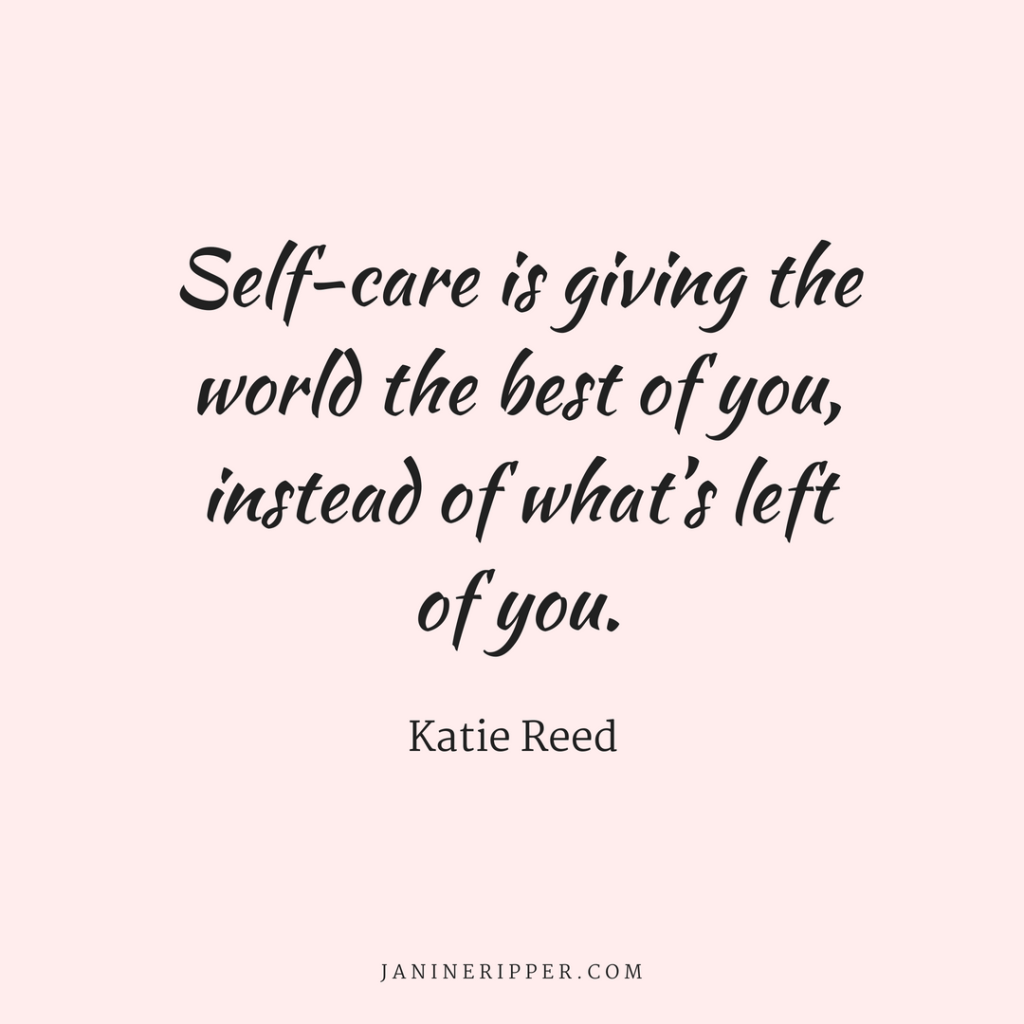
Self-care is a priority and not selfish. The simple reason is if I don’t care about me, how can I care for my loved ones? If I don’t cater to my emotional and physical needs, then how will I cater to other’s needs?

But, then, in reality, you are driven by your responsibilities, to push yourself more and more. There are personal, professional, family, societal pressures and commitments which makes you push yourself to the extreme limits to fulfil all the demands and responsibilities. In the process, you forget yourself and do not even realise that you have your share of emotional and physical needs to be taken care of for your overall wellbeing.

Realisations come very late when we are knocked down by chronic stress, complete burnout or end up in a diseased state. Therefore, self-care daily is very important for both physical and mental wellbeing.

Scientifically speaking, there are several areas and dimensions of self-care.

Here, I have tried giving 4 small different steps towards self-care.

1.Spend some ‘me’ time alone: Everyday, give yourself a few couples of minutes to cut off from the routine grind and the hustle-bustle. This is your ‘me’ time entirely. Do whatever you enjoy doing, go for a short walk in nature, practise a hobby or listen to a piece of music. Meditate and observe your emotional feelings and acknowledge them. Understanding and acknowledging your both positive and negative thoughts are important so that you can let go of unwanted thoughts. Remember, thoughts are always associated with your feelings and experiences. Always, love and praise yourself for what you are and how far you have come in this journey. In self-care, self-love is important.

2. Control your stress level: Understand that when stress persists, your cortisol level shoots up. This adrenal gland hormone not only increases your blood sugar level but also elevates inflammation in the body which is responsible for various diseases like heart diseases, diabetes, obesity, cancers. So, when you feel you are at stress in the day, take a break. Practise relaxation like breathing exercises, stretches so that cortisol comes back to balance. Another simple way of letting stress go is to practice mindful moments, being present at the present moment. Sit quietly and notice your breath for some time. Feel the wind, air, smell around. Engage yourself in imagery exercise like walking down a beautiful forest, walking down a sandy beach, hearing the sounds of waves.

3.Practice gratitude: In the daytime, practice gratitude several times, being thankful for your existence, for your loved ones around, and for a beautiful life you have. These moments are important because whenever you feel gratitude and joy, there is a release of endorphins and serotonin which are happy hormones and which are necessary for your physical and mental health wellbeing.

4.Physical health: Lastly, as we all know, self-care remain incomplete if we do not care for our body. Eating healthy, routine exercise, sleeping well are essential steps towards physical wellbeing. For the normal wear tear of the body, giving enough rest helps in the healing and repairing process.

Post: Health trends forever.

Like fashion, health trends keep changing with every passing year. There are a craze for particular diets (like keto, paleo, vegan ) and particular fitness techniques (Zumba, Equinox, pilates) which reaches a peak and slowly die down. In spite of each year coming up with a new concept of diet or fitness method, interestingly people are more leaning towards basics.


The concept of a simple basic diet comprising of fresh local produce and ample amount of physical activity which was never a part of the trend nor sounds fancy is timeless and considered the healthiest. This remains the basic key to healthier life irrespective of new health trends coming and going.

Certain health concepts which were never a part of the trends are here to stay forever. 

Ayurveda: An ancient Indian form of healing about 5000 years old, has the concept of holistic healing when there is collective healing of mind, body and soul. Hence, the ayurvedic herbs and spices have become so popular across the world for their tremendous health benefits and immune-boosting properties. Off late, it has been very popular in the Western world.

The other day, I went into an organic store to get my organic green tea. I was quite surprised to see all ayurvedic herbs powder like Ashwagandha, neem, Brahmi, cumin, moringa, amla, turmeric powder and even more, some of which I am not even aware. This wasn’t an Indian store. This was quite unusual for me, as the city in Europe where I live, there aren’t too many Indians.
Again turmeric is one spice, which has become so popular now, worldwide, for its magnificent health benefits and is no longer limited as a cooking ingredient in Indian cooking. It has been a common ingredient in smoothies, milkshakes and even ice creams.

Stanford professor Michel Serres hikes the Dish on a regular basis.

Back to basics: Though gymming and workouts have been very popular, people are leaning more towards the simple physical activity of walking, running, swimming, cycling. The importance of plant-based fibre diet is a timeless concept which not only helps to maintain lean body weight but also helps to prevent lifestyle diseases.


The importance of Mother nature is the best healer has gained great momentum in recent years. Nature, the hills, trees, rivers, the very sounds of birds chirping are very soothing and rejuvenating not only for the wellbeing of physical health but also heals the mind from the day to day stress and routine anxieties.

Japanese Healthy Lifestyle: Japanese concept of living have been quite popular too because it is known to have some of its longest living citizens. They live with a simple concept of happiness, living with small joys of life which result in fulfilling life. Their unique method of cooking with the all-natural ingredient with very less oil and minimum cooking restoring the flavour and nutrients. People old and young lead a very active physical life.

Some concepts which are also seen to have been quite popular and are pretty much in are :

Gut health: People have understood the importance of maintaining a healthy gut. About 70% of our body’s immunity depends on gut health. So, the food containing pre and probiotic bacteria like yoghurt, saurerkraut, khimchi and kefir have become very popular. You can find these items in every other food outlet. Buttermilk has been a popular drink. Other forms of milk which are here to stay for their soothing health benefits are oats milk, almond milk and rice milk. Coconut and coconut milk has been very much in.

Other methods of maintaining gut health are tongue scraping and oil pulling. This was an Ayurvedic morning ritual but now has become a mainstream recommendation for its tremendous benefits. During night time, while the body’s digestion progresses, the undigested toxins and bacteria are deposited in the tongue to dispose of as wastes. So, it is important to clean the tongue properly otherwise, the toxins might get reabsorbed.

Mind healing: Mental wellbeing is as important as physical wellbeing for holistic health. Our thoughts, emotions and feeling do count for a whole well-being state. Routine workouts and healthy eating are not enough for overall wellbeing, it is very important to have a healthy mind as well. So mindful practises, yoga and meditation are some important practices which are here to stay forever.

Cortisol conscious workouts: This is a conscious step which has been given much importance off late as routine heavy workout can result in peaked level of cortisol. Since most of the workout techniques involve a high level of stress and exertion, the cortisol ( stress hormone) level is pumped up at a continuous elevated level. This is important to be regulated as high levels are very harmful to the body. So, the choice of workout, clubbed with simple routine activities and how far you can push yourself needs to be regulated to keep the body cortisol in balance. (details in one of my previous post https://atomic-temporary-162723897.wpcomstaging.com/2019/08/07/post-cortisol-vigilant-workout-3-important-reasons/)