10 facts to know about blackheads 🙌

  1. Blackheads are a type of acne that is common regardless of age group. They are tiny bumps formed on the skin due to clogging of hair follicles, either due to dirt or excess oil deposition on pores. The sebaceous (oil) glands are located all over our body, and they release oil to keep the skin hydrated and prevent drying. Blackheads are formed when these glands are blocked due to excess oil, dirt, pollutants, or the buildup of dead cells.
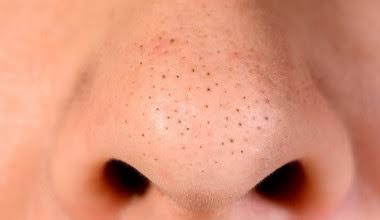
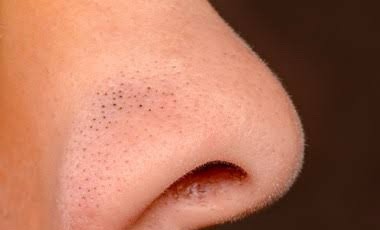
  2. Blackheads appear as black or dark spots in the skin and can be easily identified. They can appear all over the body but are most commonly seen on the face, nose, cheek, chin, neck, and back. Studies show that blackheads can appear at any age but are found to appear commonly during adolescence, menstruation, stress, or a positive family history of acne.
  3. Studies show clearly that acne and blackheads appear when there is an overproduction of sebum or oil from the sebaceous glands. These sebaceous glands are on the surface of the skin, all over the body. When the pores of the skin surface are blocked due to deposits of dead cells, dirt and excess oil, the pores appear as comedones. When the comedones are opened and the clogged plug becomes oxidised, they appear black or grey in colour hence the name blackheads.

4.Research shows that there are various factors responsible for blackheads as such:

  • Hormonal changes during adolescent years, during menstruation, pregnancy, and taking birth
    control pills.
  • Certain drugs like corticosteroids, lithium, androgens.
  • Production of excess oil or sebum in the body.
  • Improper skin hygiene causes a build-up of bacteria and dirt on the skin.
  • Low levels of vitamin B and vitamin D can cause acne and blackheads.
  • Abnormal formation of keratin, the protein that is present in skin, hair and nails.
  • Genetic predisposition.

5.Blackheads and Sebaceous filaments might look similar on the skin but they are completely different. Sebaceous filaments are normal appendages on the surface of the skin through which sebum travels from the sebaceous glands to the skin surface. They keep the skin hydrated. Whereas blackheads look dark or grey spots on the skin which has plugs on the surface. They are open, dark bumps due to dirt and oil deposits.

6.Whenever blackheads or pimples appear, what people commonly do is that they squeeze them which is completely a wrong idea. This may have the risk of:

  • Infection.
  • Painful acne.
  • Redness and inflammation.
  • Leaving a permanent scar.

7.Blackheads can be effectively prevented, and you can achieve clear skin with the right approach Some of the common ways which can be done to prevent acne and blackheads are:

  • Double cleansing method: First, remove the dirt, oil, and makeup from the skin with an oil-based cleanser. Followed by washing the face with a water-based cleanser or mild facewash.
  • Use facial scrubs regularly to exfoliate the skin and remove the dead cells: A gentle brush, fruit scrubs, and sodium tetraborate decahydrate granules are some less abrasive scrubs which
    can be used.
  • Oatmeal scrubs are effective exfoliative and anti-inflammatory agents suitable for the skin.
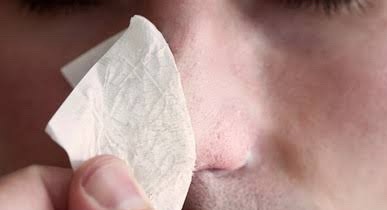
  • Pore strips are adhesive strips that are put on the skin and pulled away removing the dirt and excess oil. But, they should be used once or twice a week.
Pore strips

8.Common treatments which can be applied to treat blackheads are:

  • Firstly, squeezing or using some self-removal methods should be completely avoided. These methods are more harmful and worsen the skin condition, leaving a permanent scar.
  • Over-the-counter topical lotion or cleanser can be used: Salicylic acid, Azelaic acid (wheat, barley, other grains naturally contain azelaic acid), Benzoyl peroxide and Retinoids.
  • Tea tree oil is an effective topical agent.

9.If blackheads are persistent or there is skin irritation and inflammation, Dermatologist treatments are necessary. Oral antibiotics, prescription-strength topical agents, chemical peels, microdermabrasion and laser therapy can be used depending on the skin condition.

10. Blackheads, as such are not a serious condition and usually go on their own with routine skin hygiene. Yes, some people suffer from blackheads throughout life. Routinely washing the face with mild face wash, cleansing and moisturizing are necessary. Daily removal of make-up and cosmetic agents at the end of each day is mandatory before following the routine skin cleansing methods. An important tip of the day is keeping your hands away from your face always.

Thanks for sharing.

Peace and love 🙏

8 facts: Giloy, an understated herb 🪴

Hello everyone 🙌

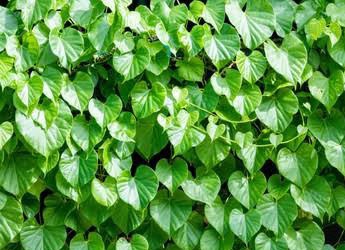
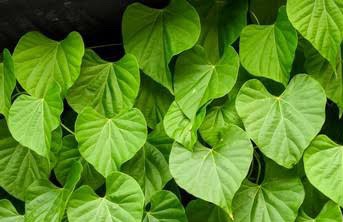
  1. Giloy is a herbaceous plant, a climbing shrub, where every part of the plant including the stems has various medicinal benefits. It is mainly grown in the Indian subcontinent, many Asian countries including China, Thailand, Philippines, Myanmar, tropical regions of Australia, and North and South Africa. It prefers a warm tropical climate to grow. Despite its holistic health benefits, it is still not known to many. Scientifically, it is called Tinospora cordifolia.
  2. Giloy is considered an essential herb in Ayurvedic medicine. For centuries, people have been using this herb to treat a long list of health ailments, including infections, fever, asthma, diabetes, gout, diarrhoea, jaundice, urinary problems, and skin conditions.

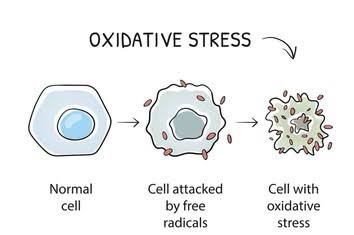
3.Research studies have found that giloy has many potential compounds like alkaloids, terpenoids, lignans, and steroids which have therapeutic benefits. Studies have also found that the herb contains anti-inflammatory and antioxidant properties which can fight oxidative stress and prevent microbial growth of viruses, bacteria and fungi.

4.Studies show that the entire herbaceous plant including roots, stems, and leaves have medicinal properties. The stems of the plants, especially are potent anti-stress, antioxidant, anti-diabetic, anti-arthritic, anti-allergic, anti-inflammatory, immunomodulatory and anti-cancer properties. Giloy also aids in digestion and gut health.

5.Some studies have shown that the alkaloids found in giloy called berberine work like the medicine metformin and help to reduce blood sugar. It can be effective in controlling blood pressure and reducing the level of LDL( bad cholesterol), hence lowering the risk of heart disease.

6.Lab studies have shown that Giloy can be effective in treating seasonal allergies, and skin conditions like scabies and hay fever. It is effective in controlling asthma. Studies show that it can strengthen the immune system and fight against many pathogens like Klebsiella pneumonia, Pseudomonas, Ecoli and many more.


7.Though Giloy doesn’t have harmful side effects, it is important to use it under expert guidance. The herb can interfere with medications like diabetic medicines, anti-hypertensives, and autoimmune medications. It should be avoided during pregnancy and breastfeeding. Commercially, it is available in capsule form, powder form and tincture. The dosage can be different in different forms depending upon the manufacturer’s preparation. So, it is important to read the label and dosage before buying and using the product.


8.Depending upon the recommended dose on the label of the package and under expert guidance, giloy can be consumed safely with the best outcome. However, in the case of auto-immune diseases like Crohn’s disease, and lupus, the immune system can be overstimulated. Side effects like hypoglycaemia, dizziness or stomach irritation might appear in some individuals. The recommended dosage is about 2-6 gm in the case of adults and less than 500mg in the case of children in either powder or capsule form. Giloy juice can be taken in 2-3 teaspoonfuls with water on an empty stomach in the morning.

Thanks for reading.

Peace and love 🙏

Wordless Wednesday 💛

Peace and love 🙏

10 tips of eating healthy🙌

Eating healthy is easier and cheaper… Eating healthy isn’t complicated or fussy. In fact , it is the easiest option if we make it a way of life, a …

10 tips of eating healthy🙌

Diwali wishes 2024 🪔

We keep moving forward in life because that’s the only option left with us. We may meet new challenges and new obstacles on our path. In this festival of light, may the Divine show us the path, lead us through darkness and protect us in this journey of life and self discovery.

Dear readers, wishing you and your loved ones, a prosperous, joyful and healthy Diwali 2024.

Thanks for reading.

Love and light 🙏

Taming the monkey mind….5 facts 🙌

‘Monkey mind’, yes, that’s what the Buddhists called our wondering mind. The more you try to control, the more it wanders. This is the nature of the human mind. It can never remain still. During the day, whenever, we try to be still, the mind races ahead to the future or returns to the past in some old memories. Our mind is always thinking of something or another. Distractions like tasks, jobs, people around, day-to-day stress, entertainment, and social media, all add up to the flickering nature of the mind. Therefore, let’s explore why our mind behaves this way and how we can try to control it, if at all, it’s possible:


1.A wandering mind is quite a normal behaviour and characteristic in nature. The attention shift of the mind from one thought to another is involuntary before even we notice it. In a monotonous daily activity of a boring nature, like studying, in the classroom in case of a student, or doing daily chores, it can happen voluntarily.

2.Studies show that the mind wonders mainly for two reasons: Either the work or activity, we have been doing is not engaging and monotonous and another reason can be that facing obstacles or hard task causes worry and anxiousness.
Sometimes, Scientists, link the wandering nature to creativity, explorative and intuitive mind. However, this becomes problematic. In those times, when we are supposed to be working, we lose focus and attention or think in bed when we are supposed to sleep. Oftentimes, the mind is either daydreaming, imagining things, anxious thoughts worrying about the future or replaying some old memories, stuck in some emotional thoughts.

3.What can be the possible causes of a wondering mind?
*Anxiousness and worrying mind.
*Boring and repetitive activities.
*External distractions like our mobile phones and other gadgets, people around, noises, social media.
*Internal distractions like stress, anger, hurt, sadness. Physical discomfort like fatigue, pain, hunger.
*People with attention deficit disorder have a hyperactive mind.

4.Self-awareness: How can I realise that I have a wondering mind?
Firstly, being aware of your own mental state. Most of the time, if you find yourself, overthinking, worrying, and ruminating thoughts.

Your mind is often, exhausted, being engaged in unproductive thoughts, unable to find solutions to problems or losing your spontaneous problem-solving ability.

Being self-aware, in such a state of mind, can help us to bring about change in our mental state.


5.Taming a wondering mind can be a very difficult task. But, with practice and consistency, everything is possible.

a)Meditation is an effective tool. Again, meditation is’nt easy. Perhaps, sitting still in a quiet place, trying to focus the mind is a hardest task. Focusing on breathing is a commonest method. Other methods can be, focusing or imagining an object like sun, moon, or the ocean. Using a guided mediation or listening to nature sounds, chanting of mantras can be effective.


b)Journaling is a powerful tool to clear the mind. Noting down daily thoughts, thoughts related to job, loved ones, family, future goals, holiday plans, emotional pain, feelings of old memories can be very useful to clear the mind clutter. Writing down can self-help to acknowledge the bothering thoughts and refocus the mind to concentrate on the task at hand.


c)Physical activity like going for a walk, physical movement of the body, legs and hands, watering your balcony plants, spending time in nature, light exercises can be very helpful to reset the mind. Playing an instrument, or listening to a music piece can be rejuvenating to refocus the mind too.

d)Sleep and adequate rest are necessary to clear the mind clutter. Getting a proper goodnight sleep and following a daily sleep routine is mandatory. Making a conscious effort to keep away from our mobile phones, social media distractions, caffeine free, emotional disturbing thoughts, 2-3 hours prior going to bed, can give an adequate sleep.

Thanks for reading.

Peace and love 🙏

Butyrate is the latest buzzword! Is it just a hype or the reality? 10 facts 🙌

Butter is a rich source of butyrate

1.Butyrate is a short-chain fatty acid (SFCA) released during the fermentation of dietary fibres by the gut microbiome. It plays an integral part in supporting gut health and overall well-being. It is an energy source for colonocytes which meet about 70% of their needs. Evidence has shown that this SFCA has tremendous health benefits ranging from immunity support, lowering inflammation, preventing cancers and fighting ageing. Hence, it is the latest buzzword, doing rounds in social media and among advertisers.

2.Recent studies have clearly shown that butyrate plays an important role in both the host and microbial functions in gastrointestinal health. It is a crucial energy source for colonocytes. An optimal level of butyrate promotes and maintains a healthy microbiome level, reduces inflammation, and supports colonocyte functions. It has protective actions against certain intestinal diseases like inflammatory bowel diseases and colon cancer.

3.Butyrate has been shown to prevent the process of inflammation in the gut which can be caused by pathogens, the body’s overreaction (allergic reactions) and oxidative stress. Chronic inflammation in the gut occurs when the gut’s immune system is constantly fighting against these pathogens and free radicals causing the immune health to be weakened. Eating a considerable amount of fibres causes to production of an optimal level of butyrate which helps in protecting against this inflammatory process.

Dietary fiber is a good source of butyrate

4.Studies have shown a great impact of butyrate on obesity. Butyrate is found to lower body weight and decrease lipogenesis in the liver and adipose tissues. It increases fatty acid oxidation and prevents fat accumulation in the body thereby reducing obesity. Butyrate is produced by the fermentation of dietary fibres, so it suppresses the food intake and reduces body weight and fat mass.

5.Animal and cell studies have shown that butyrate increases insulin sensitivity, helps in reducing weight gain, and obesity and promotes weight loss. It helps in maintaining blood sugar levels.

Dairy products

6.Another significant property of butyrate has been shown in research that it promotes cell differentiation. Normally, our cells have the ability to change into any specific type of body cells required like liver cells, heart cells, intestinal cells or blood cells. If the cells are not properly differentiated, then, abnormal growth or tumour appears. Butyrate is found to promote cell differentiation.

7.Studies have shown that butyrate plays an important role in the brain-gut connection. It helps in increasing Brain-Derived Neurotrophic Factor (BDNF), removes toxic byproducts from the brain and prevents brain fog. It promotes neuroplasticity and improves rapid eye movement sleep by 70%.

8.Butyrate helps to regulate the blood pressure level. Studies show that the level of butyrate inversely corresponds to the blood pressure level. A higher butyrate level gives a lower blood pressure level while low butyrate may lead to the rise of high blood pressure.

Leafy veggies

9.Sources of butyrate are :
Dietary fibres like vegetables like garlic, onion, tomatoes, beans, peas, leafy vegetables, broccoli. Fruits like bananas, apples, pears, kiwis.
Whole grains like brown rice, oats, wheat, barley, rye and pulses, legumes.
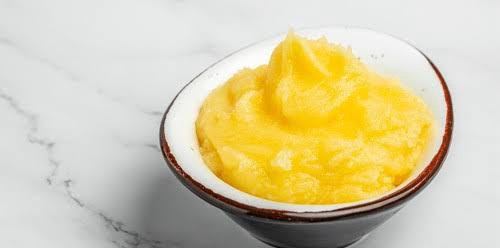
Dairy sources like milk, cheese, butter, and ghee.
Others like dark chocolate, seeds, nuts, and seawood.
Butyrate supplements are available in the form of sodium, calcium/magnesium butyrate but need to be used as per supervision as they may interfere with other medication.

10.It is important to know that consuming full-fat dairy products like butter, Ghee, cheese, and milk are rich sources of butyrate. However, consuming these products can cause the risk of elevating the level of cholesterol in the body as they are rich in saturated fatty acids too. Therefore, the risk of cardiovascular diseases and obesity may rise. So, the key point to be noted while consuming these products is having them in moderation along with lots of dietary fibre and plenty of water can benefit and maintain the balance.

Thanks for reading.

Peace and love 🙏

Wordless Wednesday 🙌

Greens

Peace and love 🙏

5 facts to know about goosebumps 😨

  1. What are goosebumps? It may sound weird as though it is related to geese. But there is nothing to do with geese. Actually, it is a sympathetic nervous system reaction where the tiny muscles (arrector pilli muscles) flex the skin causing the hair follicles to stand. In medical terms, it is called horripilation or piloreaction. It is a fight or flight response to the body’s reaction to the state of fear or excitement. It is a physiological response of the body and not, usually a medical issue.
  2. The arrector pilli muscles (APM) are tiny muscles that connect the hair follicles with the skin. Goosebumps occur when these muscles flex and pull the hair follicles upright. Normally in an individual, when goosebumps appear, it can be either in response to cold temperature, fear or a strong emotional reaction. Sometimes, it can be related to medical issues like brain disorders, epilepsy, and keratosis pilloris, a skin disorder.

3.Goosebumps are associated with other symptoms in different situations and medical-related conditions.
For the case of :
*Hypothermia, Cold temperature, along with goosebumps, you may experience shivers, pale skin and the urge to be in a warm place.


*Strong emotional responses like fear, nervousness, excitement, sexual desire, and thrilling response: The body reacts with goosebumps, fasting heart rate, fast breathing, tears, and chill.

*In case of an epileptic seizure, along with goosebumps, there can be other symptoms like a confused state, lips smacking, swallowing, and finger motions. In the case of skin conditions like keratosis pilloris, there may be skin patches.


4.Adrenaline: It is this hormone which the body releases from adrenal glands during a fight or flight response which causes goosebumps. Intense emotional responses cause the body to release adrenaline which in turn stimulates the flexing of the tiny muscles of the hair follicles and causes the skin hair to erect. Often people get goosebumps while watching a horror movie, in nervousness, experiencing stressful events.
Dopamine, another chemical which the brain releases while experiencing pleasurable experiences like listening to a good piece of music, receiving rewards, surprises or awe moments, can cause goosebumps too.


5.Rigor mortis: When a person dies, the ATP, adenosine triphosphate which provides energy to muscles and cells suddenly stops, so the cells die and muscles are stiffened causing rigor mortis. As a result, the arrector pili muscles of the dermis are stiffened too, causing the skin to trigger goosebumps.

Thanks for reading.

Peace and love 🙏

Sunday musings 🙌

Happy Sunday everyone!

Thanks for reading.

Peace and love 🙏