
Wordless Wednesday 🍃

Peace and blessings 🙏

10 facts about Fucoxanthin (FX): A promising natural supplement 🙌

1. Fucoxanthin (FX), a brown pigment, is derived from various seaweeds and algae. It helps in algae photosynthesis and photo-protection in the aquatic environment. Several studies have shown that this phytochemical can be a potential source of nutritional and health benefits against various diseases like diabetes, obesity, cancer and many infectious diseases. Recent findings have shown that it has various properties like antimicrobial, antioxidant, anti-inflammatory, anti-obesity, anti-diabetic, and hepato-protective effects. Therefore, because of its highly potent effects of prevention of obesity related diseases, anti-cardiovascular, tumour inhibition and health benefits to bones, skin, eyes and liver, this pigment has been a promising pharmaceutical asset.

2.Molecular Structure: The unique molecular structure of FX is similar to that of Beta carotene and has the allenic bond. Out of 700 naturally occurring carotenoids, only 43 of them belong to the allelic group, and FX is one of them. Therefore, there is growing interest in the pharmacological activity of this carotenoid, which can be a great potential source towards the prevention of various physical illnesses. FX is mainly found in micro-algae rather than macro-algae. Among the three kinds of micro-algae, that is green, red and brown algae, FX is in higher concentration in brown algae.

3. Multi-functional: Research has already shown that FX has a tremendous amount of health benefits because of its unusual molecular structure. The multi-functional benefits are namely, anti-oxidant, anti-microbial, anti-inflammatory, anti-allergic, anti-malarial and anti-helminthic. Apart from these activities, FX helps to correct the imbalance of lipid metabolism, which is created by a fatty, unhealthy diet. It has a positive impact on fatty acid oxidation, lipolysis, and bile acid synthesis and lowers the level of free fatty acids.

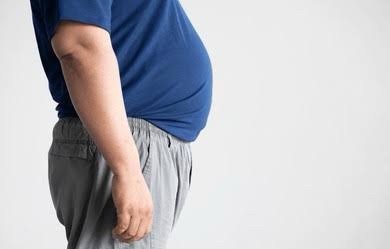
4. Anti-obesity effects: This brown pigment is a promising asset for lowering weight naturally. Obesity has been one of the main risk factors of many chronic and serious health issues like diabetes, heart diseases, high blood pressure, atherosclerosis, fatty liver, high cholesterol, infertility and many cancers. FX lowers the free fatty acids, inhibits lipogenesis, promotes beta-oxidation, bile synthesis, and influences enzymes which are essential for lipid metabolism. As a result, fat accumulation in the liver and adipose tissues is lowered, reducing cholesterol and triglyceride concentration.

5. Liver: Studies have shown that FX has hepato-protective effects. In case of fatty liver diseases, it can help in reducing the accumulation of lipid in liver cells, stimulate Beta-oxidation of hepatic fatty acids and lower the hepatic enzyme activity for fatty acid synthesis. Several animal studies have shown promising results of reducing lipid and triglyceride concentrations in the liver.

6. Inhibitory effect on cancers: Several studies on different cancers have shown that FX can scavenge free radicals and make it a potential modulator of carcinogenesis. FX has shown promising outcomes in different animal studies of inhibiting apoptosis and hindering the tumorigenesis in different types of cancers like lung cancer, colon cancer, breast cancer, liver cancer, gastric cancer, lymphoma and leukaemia. They behave as angio-modulators in cancer therapy.

7. Metabolism of FX: Because of its wide range of health benefits and potential role in the prevention of chronic illnesses, it has been a promising compound in pharmacological uses both individually and in synergy with other compounds. FX is a carotenoid which is mainly absorbed in the small intestine, similar to fats and fat-soluble vitamins. Studies have shown that consumption of this brown pigment orally does not show abnormal changes in organ tissues; therefore, it is safe for human use.

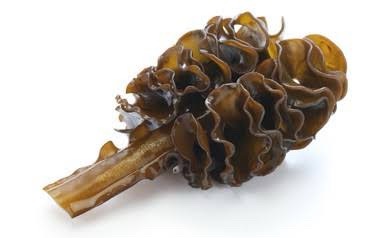
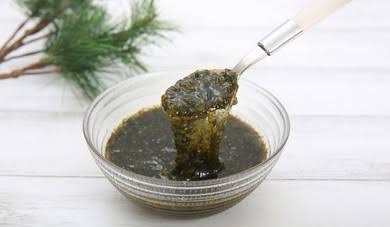
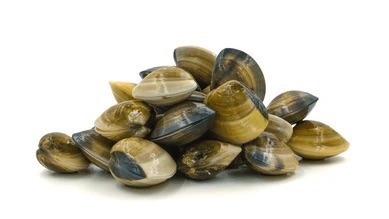
8. Food sources of FX are various species of seaweeds like Wakame, Arame, Kombu, Hizika and Laminaria digitata. Some other natural sources are microalgae like diatoms. Marine invertebrates like mussels, oysters, and clams also contain a small amount of FX. Predominantly, FX is present as a rich source in brown seaweed compared to other pigments like chlorophyll and xanthophylls.

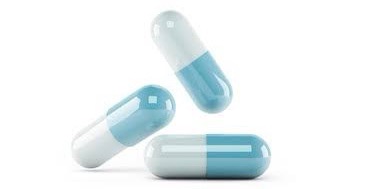
9. As a supplement: Animal studies have shown the safe use of FX and that it has no adverse effect on the body. Therefore, it has been widely used as a supplement for its wide range of health benefits. It is used as tablets, capsules and soft gels usually labelled as Fucoxanthin or “brown seaweed pigment” While the bioavailability can be low in case of human consumption, its absorption can be increased when consumed with lipids and edible oils. Dosage can vary from 3-5 mg per day.

10. Side effects: FX has no adverse effects and no toxic accumulation in the vital organs of the body in case of animals when consumed in higher doses. Therefore, it is considered safe for human consumption. It is considered safe for vital organs like the liver, kidney, spleen and gonads when consumed moderately in humans. Further research on humans is still required for more clarification. It is always advisable to consult a Physician before introducing FX as a supplement when there is a pre-existing medical condition.

Thanks for reading.

Peace and love 🙏

Silent Sunday 💚

Peace and love 🙏

Silent Sunday 💛

Happy Easter Sunday 🌞

Peace and love 🙏

10 facts: How Radon enter our homes 🏠?

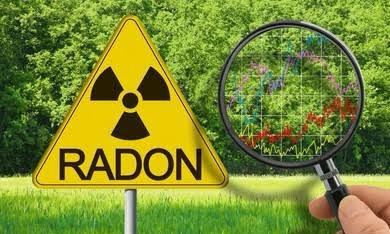
1. Radon is a naturally radioactive gas released from soil, water, and rocks. It is invisible, tasteless, and odourless. According to WHO, this gas is a potential health risk to the human population.Studies show that this gas is the second leading cause of lung cancer, next to smoking. When radon decays, it produces radioactive dust, which, when inhaled for a long time, can damage lung tissues, causing lung cancer. Therefore, it is considered a human carcinogen.

2. Research shows other potential health risks related to inhalation of radon gas exposure are Parkinson’s disease, Alzheimer’s disease, and dementia. Radon gas poisoning is considered hazardous to human health. There is no specific threshold up to which level it can be considered a health risk. Even a small concentration of long-term exposure can cause lung cancer.

3. In Nature, radon is everywhere. But in some areas, radon is present in higher levels like near coal mines, limestone caverns and near surface of bedrock. Soil with high permeability, soil of a slope or hill, soil close to bedrock, mining plant, oil refineries are found to have higher concentration of radon.

4. How does radon exposure affect human life on a day-to-day basis? Buildings which are homes, offices, and educational institutions like schools, colleges, and shopping malls, where we spend most of our hours cause the exposure to this harmful gas. Radon gas is trapped in cracks of walls, floors, in the basement, crawl spaces, in the drainage system like pipes, wires that are not sealed properly. Bulding materials like concrete, granite also emit radon but in low levels.

Cracks on walls

5. Radioactive particles are released when radon gas decays, which are inhaled in the lungs when breathed. The particles get deposited in the lung tissues over a period causing damage to lung tissues. The onset of the disease and the period of exposure can be many years. Many risk factors can influence like:

• Age and duration of exposure.

• Concentration of exposure.

• Climate-like exposure is higher in winter than in summer.

• Water sources.

• Smoking.

6. Children are more vulnerable to radon exposure as they breathe faster than an adult. Young children’s lungs are different in shape and size as compared to adult lungs. These factors make them at greater risk of high level of radon exposure than average adult. But there are not yet, any concrete studies to prove that children have higher risk of lung cancer than adult due to radon exposure.

Reservoir

7. Radon is present in water of the reservoirs, lakes, rivers and underground sources. So, home water supply coming from a treatment facility is much safer than coming directly from underground sources and wells. People working in underground work like coal mines, other metal mining businesses, fertilizer factories, oil refineries are more vulnerable to radon exposure.

Lake

8. Safety measures to reduce radon gas exposures at homes are like :

• Proper ventilation and airflow inside the house by opening windows, using fans and air conditioning.

• Using safe treatment water supply.

• Sealing cracks in floors, walls, and pipes with materials recommended for these purposes.

• Prevent smoking inside the house as well as outside.

• Using radon-resistant techniques while in the construction phase of the building rather than later.

9. Testing: If the radon level is never tested at your house, it is important to contact a Professional use a Test Kit or install a radon reduction system. However, every Country has their safety standards, but usually radon level of 4 pCi/L or above is not safe. Below 2pCi/L is considered safe.A radon reduction system is usually important to install in such homes. While buying a property, renovating, and repairing, the radon levels need to be measured before and after.

10. As already mentioned, radon present everywhere in the environment is not a health risk factor to the human population. Trouble occurs when radon exposure reaches inside homes or the buildings that people live or visit daily like schools and offices. So, it is important to have general awareness, using regular radon testing kits, installing radon reduction system if necessary, safety measures to reduce exposures and safe water supply. Homes and buildings below 2pCi/L is recommended and safe for human dwelling.

Thanks for reading.

Peace and love 🙏

10 compelling reasons to consume Flavanoids to combat oxidative stress 🙌

  1. Flavonoids are naturally occurring polyphenolic compounds in various deep-coloured fruits and vegetables. There are 6 different varieties of flavonoids, all of which have antioxidant properties and can help the human body to get rid of different toxins and stress. Therefore, including flavonoids in your routine diet can help to get rid of many chronic health conditions.
  2. Dietary Flavonoids are of 6 subtypes :
    Flavanols , Flavones, Flavan-3-ols, Flavanones, Isoflavones, Anthocyanins.
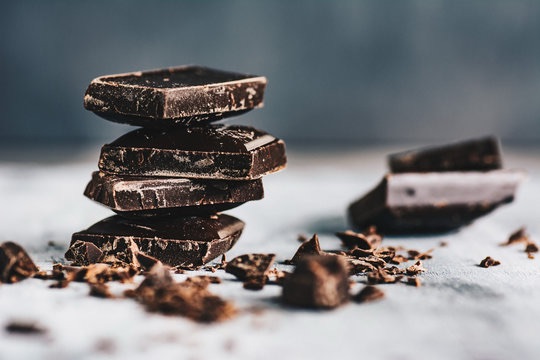
    Coloured fruits, vegetables, and plants are all rich in flavonoids. Naturally, they are found in apples,purple and red grapes, berries, peaches, oranges, cocoa, chocolate, green tea, black tea, chamomile tea, vegetables like broccoli, lettuce, tomatoes, scallions, red peppers and onions. Flavonoids are dark-coloured pigments so they act as natural pesticides and protect the plants from harmful UV rays, bacteria, viruses and harmful insects.

3. Main functions of flavonoids:
•Powerful antioxidants
•Fights inflammation
•Free radical damage and prevent oxidative stress.

•Anti-haemorrhagic and vasodilatory effects.
•Certain flavonoids, due to their anti-inflammatory and antioxidant properties prevent cancer cells from multiplying and decrease the risk of some cancers.

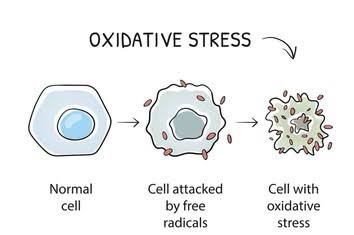
4.Research shows that oxidative stress can lead to cellular damage and disease development. So, oxidative stress can cause many disease conditions like cancers, diabetes, cardiovascular diseases like hypertension, atherosclerosis, chronic inflammatory diseases, and neurodegenerative diseases. Flavonoids play an important role in reducing this oxidative stress and free radical damage, thereby preventing cellular damage.

Cocoa (Dark Chocolate)

5.Numerous studies have shown that cancers develop due to oxidative stress, genetic mutations,hypoxia and reduced apoptotic function. Apoptosis, in simple terms, is a normal cellular activity whereby the body tries to eliminate unwanted cells. Flavonoids play an integral part in promoting apoptotic cellular pathways and preventing cancer cells from proliferating and multiplying.

6.Research shows that flavonoids protect the different organs including the liver and brain from free radical damage. Studies show that flavonoids have protective effects of various liver injuries caused by drug and alcohol usage. Since, they are anti-inflammatory, and antitumor, they protect the hepatocytes from inflammation and fibrosis.

7.Flavonoids are a polyphenol group of compounds that can improve and reduce the symptoms of depression and anxiety. Clinical studies in the past have shown that dietary intake of flavonoids can lower the risk of depression. However, further studies are still anticipated to make substantial proof.

8.Flavonoids are best when naturally consumed as all dark-coloured fruits, vegetables, and green tea contain abundant polyphenolic compounds. It should be included in the routine diet for overall
well-being. However, many flavonoid supplements are out in the market. The best supplements are Cucurmin (Tumeric), Green tea, grape seed extract, Resveratrol, Quercetin, hesperidin and Rutin.

9. Toxicity: Intake of natural flavonoids on a daily diet is usually enough. Sometimes, flavonoids supplements are clinically recommended. However, the risk of flavanoid toxicity exists, if someone takes a huge amount of highly potent supplements. It may affect anaemic and elderly patients as flavonoids may bind with non-heme iron. Flavanoid toxicity may cause liver failure, hemolytic anaemia and male reproductive issues. Recommended daily dose of consumption should be around 400-600mg/day.

10.A healthy routine diet rich in flavonoids will provide all the necessary support to the human body to maintain biological activity, provide anti-oxidant effects, reduce oxidative stress and prevent chronic diseases, maintain cardiovascular health and prevent infectious diseases. The key point is that the food readily available to us contains the most effective flavonoids and antioxidants that fortify our health and immune system, making expensive supplements unnecessary

Thanks for reading.

Peace and love 🙏

Silent Sunday 🍂

Peace and love 🙏
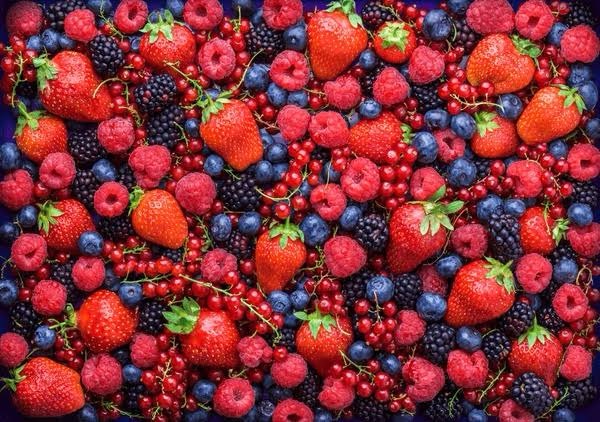
Silent Sunday🪻

Peace and love 🙏
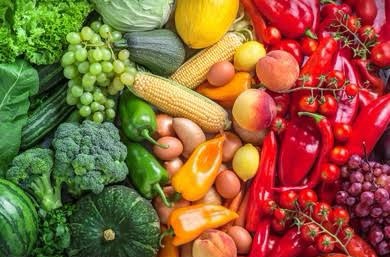
Wordless Wednesday 🙌

Greens

Peace and love 🙏
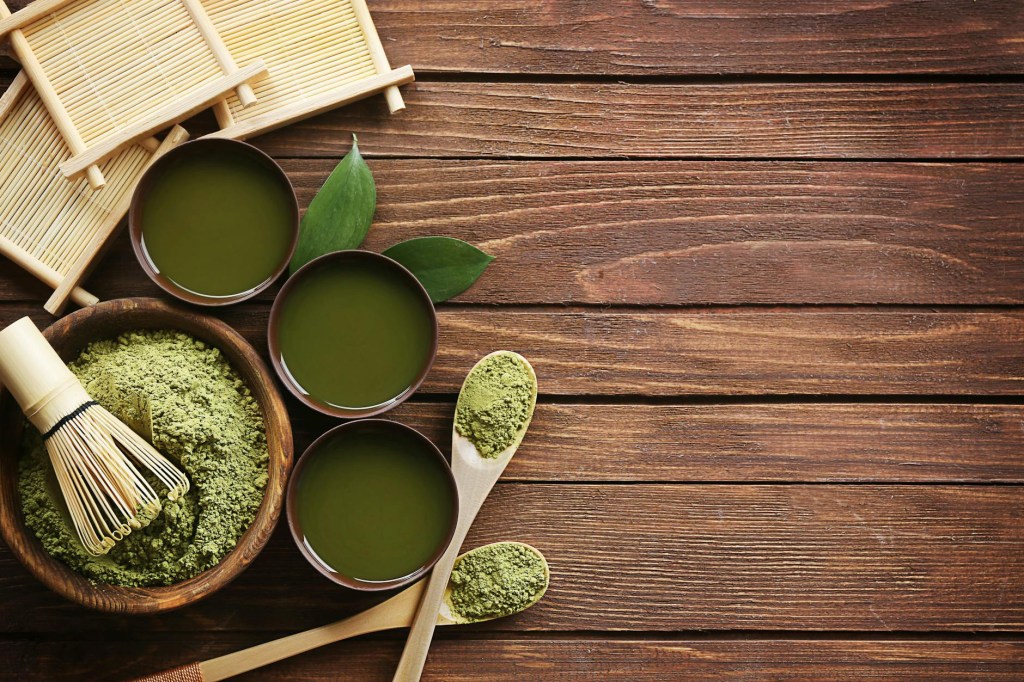
10 facts to understand why glutathione is necessary 🙌

Hello everyone ✋

1.Glutathione is a naturally found antioxidant in our body. It is important to know about this powerful antioxidant because it has a host of many benefits. Its primary function is to fight free radical that damages body cells. It’s vital for the body because it helps to protect from many diseases like autoimmune diseases, liver damage, heart diseases, respiratory diseases and neurological disorders. As we grow older, the glutathione level slowly declines and the body marches towards poor health.


2.It is essential to maintain the level of glutathione in the body. If the level drops, certain symptoms may appear, such as anemia, fatigue, increased frequency of infections, low immunity status, sleep problems, and brain fog. To boost glutathione levels, it is recommended to consume sulfur-rich foods such as cruciferous vegetables, avocados, broccoli, spinach, garlic, and unprocessed meat. Several studies have indicated that consuming vitamin C can increase glutathione levels in the body. Therefore, it is important to consume citrus fruits, bell peppers, kiwis, and papayas regularly. Additionally, it is recommended to consume foods rich in selenium such as chicken, fish, eggs, Brazil nuts, and brown rice to maintain glutathione levels in the body.

Aging

3.Glutathione is a compound that is mainly composed of three amino acids: glutamine, glycine, and cysteine. Our body naturally produces this compound, but its level decreases with age. In addition, chronic diseases, poor diet, stress, anxiety, and frequent infections can also contribute to the reduction of glutathione levels. Low levels of glutathione are commonly found in individuals suffering from chronic diseases such as heart and liver diseases, sepsis, trauma, HIV/AIDS, and cancers. The role of glutathione in the body is crucial because it helps to prevent free radical damage, repair cells, and facilitate protein synthesis. Moreover, glutathione can bind with toxic metals like arsenic, silver, lead, chromium, mercury, and copper, and help to reduce their toxicity.


4.Glutathione is a powerful antioxidant that offers several health benefits. It can reduce oxidative stress caused by free radicals and prevent the development of various diseases such as diabetes, cancer, autoimmune disorders, and rheumatoid arthritis. Glutathione can also help to reduce cell death and improve blood levels of protein, bilirubin, and enzymes in fatty liver diseases like alcoholic and non-alcoholic types. Additionally, it plays a significant role in maintaining mitochondrial DNA, which is necessary for building proteins and cells. Several studies have shown that glutathione can improve blood circulation and prevent plaque buildup, thereby improving peripheral arterial disease. It may also help to improve symptoms of tremors and rigidity in Parkinson’s disease, respiratory diseases, uncontrolled diabetes, autism in children, and psoriasis.

Glowing skin
Gut health

5.Various studies have demonstrated that glutathione has a significant role in preventing skin problems such as acne, eczema, wrinkles, and aging. It also helps in maintaining healthy and glowing skin. When the balance between good and bad microbiome in the gut is harmonized, the overall health of the body is improved, and the skin appears healthy and radiant. However, if the balance is disrupted, it leads to skin problems and other health issues, including bowel disturbances. Glutathione is instrumental in detoxifying the body, repairing cell damage, and maintaining a balanced gut health. Therefore, by improving the level of glutathione in the body, it is possible to resolve skin problems and many gut issues.

Supplements


6.Low levels of glutathione can lead to a variety of health issues. While natural food sources are the best way to improve glutathione production in the body, supplements like vitamin C and E, curcumin, N-acetylcysteine, and selenium can also help. However, injectable supplements can be toxic and oral supplements are not very effective as they break down in the stomach. In cases of low immunity, glutathione is sometimes medically prescribed. In such cases, oral or injectable supplements may be recommended under medical supervision.

Alcohol

7.Certain lifestyle changes are essential to improve the glutathione levels in the body. Avoiding smoking, alcohol, too much dairy, caffeine and processed food is required to boost the levels in the body. Having a balanced diet, with good quality natural food sources, exercise and good sleep can improve the glutathione production in the body.


8.Glutathione levels are not typically measured in the body like essential nutrients, so research is still insufficient to understand the effects of low levels and supplement requirements. Studies do show that low levels can result from poor diet, stress, environmental toxins, and increasing age. Low levels of glutathione are associated with an increased risk of chronic diseases like cancer, diabetes, liver diseases, and Parkinson’s disease. However, supplementing with glutathione does not decrease the risk, so more studies are required to determine the optimal intake and its effects.

Milk thistle


9.Supplements of glutathione that are commercially available include Selenium, Vitamin C and E, milk thistle, and N-acetylcysteine. The dose of glutathione depends upon an individual’s age, sex, past medical history, and drug allergies. Studies have shown that glutathione is given at a range of 250 to 1000 mg/day in either injectable or inhalant forms. However, it is strictly advised to seek medical guidance before taking glutathione supplements since it can cause possible side effects. Some side effects like skin rashes, cramping, bloating can appear and inhalant glutathione might cause breathing problems too.

10.In brief, glutathione is a vital antioxidant that is naturally produced in the body and offers numerous benefits. A deficiency of glutathione can lead to the development of various chronic diseases, including cancer. As we age, the level of glutathione in our bodies naturally decreases. Therefore, it is crucial to be aware of dietary sources that can help boost the natural production of glutathione in the body. If advised by a medical professional, supplements can also be taken to improve the levels of glutathione in the body.

Thanks for reading.

Peace and love 🙏