
Are popcorns 🍿 healthy ? 9 facts 🙌

  1. Popcorns are corn kernels which get popped when heated. Today, across the world, this has become the most popular snack amongst all age groups. Corn is the oldest grain which has been consumed for over 5000 years. It has been popular due to its easy availability and low cost. As far as health point of view is considered, it is a whole grain food, rich in fibre, low in calories and dense in nutrients.
  2. Studies show that popcorn is high in fibre and contains many vitamins and minerals. Important nutrients in popcorn are vitamins B1, B3, B6, iron, potassium, manganese, zinc, copper and phosphorus. Many studies also show that it is rich in polyphenols which are potent antioxidants. Polyphenols reduce the risk of damage by free radicals, diabetes, and heart disease and improve gut health. Popcorn is gluten-free so it can be a healthy option for people with gut issues.

3.Since, it is high in fibre and low in calories, it can help in weight loss. Eating a cup of popcorn which is around 30 calories can relatively be more beneficial in terms of fibre and nutrient content than any other popular snack. Also, it can give the feeling of fullness and curb your hunger for quite some time. Therefore, eating in moderation of popcorn can be very useful in the process of weight loss in an overweight individual.

4.Popcorn contains antioxidants Zeaxanthin, beta carotene and lutein which are very essential to eye health. These antioxidants can slow the age-related macular degeneration of the eyes, lower the damage caused by blue light and overall improve the eyesight.


5.Other health benefits of yellow popcorn are :
*Boost the metabolism and energy production due to the presence of vitamins B, B3, B6 and folate.
*Popcorn contains niacin which helps to reduce depression naturally.
*Phosphorus, and manganese present in popcorn help to support bone health.
*Popcorn can combat tumour cells due to the presence of ferulic acid.
*It can reduce the level of bad cholesterol and prevent the risk of heart disease.
*It can slow down the process of ageing as it helps in free radical damage.
*It can add iron (28 gm of popcorn containing 0.9mg of iron) to the diet and reduce anaemia. *It can control blood sugar as it has a low glycaemic index and helps in diabetics.

6.Air-popped popcorn is healthiest. Unsalted popcorn, unflavoured is healthier than those with an excess of oil, butter, sugar, caramel, and salt. Microwave popcorn bags which are pre-packed contain the chemical perfluorooctanoic acid (PFOA) and sometimes, trans fat which are harmful to health.


7.Popcorn added to diet in moderation can prove to be safe and beneficial to health. But it may have side effects on certain individuals. Some individuals can have allergic reactions to popcorn like swollen face, and breathing difficulty which may require urgent medical attention. People with digestive diseases and inflammatory bowel disorders can have flaring-up symptoms when consuming popcorn.


8.Popcorn is the ideal choice for adding to your diet in moderation. You can definitely enjoy popcorn daily, as long as you stick to one cup per day without any butter, salt, sugar, or artificial flavors. This will provide a healthy dose of whole fiber content, making it the most nutritious snack option for your diet.
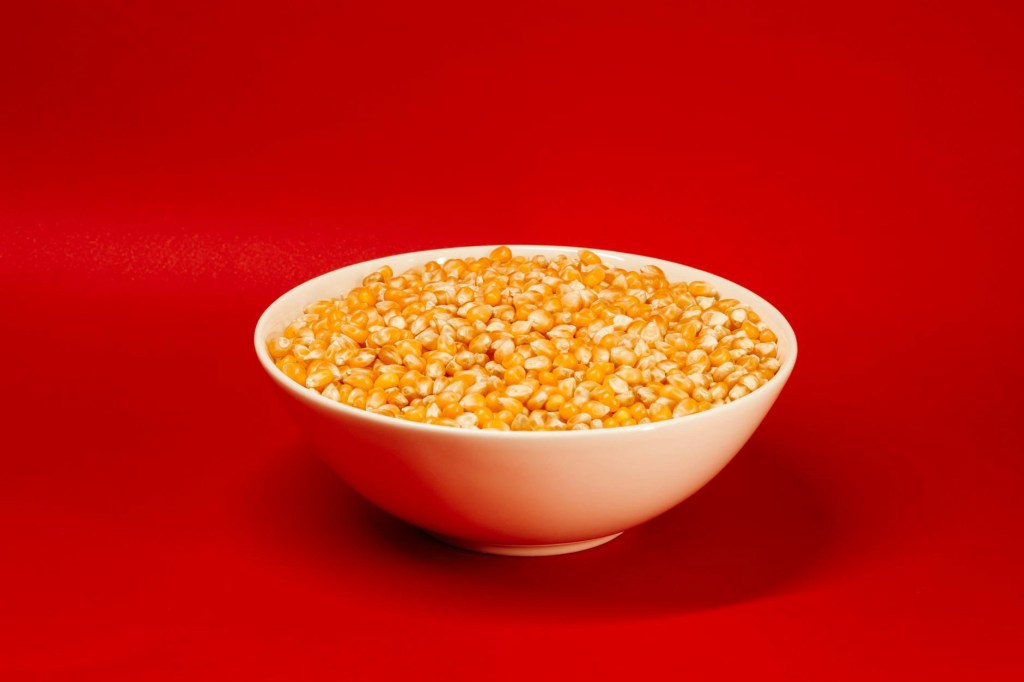
9. Yellow corn which is organically grown, non-GMO, is best for regular consumption. Popcorn which is popped from such type of high-quality corn, air popped with no added flavours is ideal and provides immense health benefits. Rich in phytonutrients, vitamins, and minerals, whole grain fibres can help to reduce the risk of chronic illnesses, obesity, diabetes and many malignancies.

Thanks for reading.

Peace and love 🙏

10 hard facts about Alopecia Areata 🙌

  1. What is Alopecia areata? About 150 million people around the globe suffer from this autoimmune disorder presently. Alopecia Areata is characterized by smaller to wider patches of hair loss in the scalp irrespective of race, gender, or age. Though the exact aetiology is unknown, it tends to be hereditary.
  2. Research believes, most of the cases appear to have a positive family history of this disorder. Families with a positive history of vitiligo, thyroiditis, lupus or other autoimmune disorders have this disorder of alopecia. The exact cause is still not known why the body’s immune system starts attacking the hair follicles causing these patches of baldness. Studies initially showed that all races are equally affected. However, recent studies show that females are more affected than males and African Americans, and Hispanics are more affected than Asians.
  3. Usually, the hair loss patches are involved in smaller areas of the scalp region. But may also include the entire scalp known as alopecia totalis. It may sometimes involve the entire body known as alopecia universalis. Sometimes, the hair loss is prominent in the bottom back of the scalp known as ophiasis alopecia areata.

4. The course of the disorder starts with the sudden loss of small patches of hair on the scalp, beard, eyebrows or any part of the body. There is sudden thinning of the hair, followed by broken hair and finally hair falls off in patches. In some cases, the hair regrows. But in most cases, the patches extend and widen affecting bigger areas. Rarely, the progression is a complete loss of hair in the body.

5.The diagnosis is usually by physical examination. However, to confirm the diagnosis, blood tests, and a biopsy of the scalp, and hair for lab analysis. The family history and medical history of autoimmune disorders are to be considered. Once diagnosed, the disorder has no cure but needs to be managed.

6.Various treatment options are available depending upon the progression and uniqueness. Oral and intravenous corticosteroids are used. Phototherapy and immunotherapy are used in more severe cases. Sometimes, platelet-rich plasma is used to replace the blood from the body to stimulate fresh hair growth. Herbal remedies should be used under expert supervision. Treatment may or may not respond depending upon the severity.

7.Whenever you have noticed such symptoms, it is important to confirm the disorder by health care provider. Though the disorder has no cure, it can be managed or in some cases reduced or controlled by various treatment options. Cosmetic techniques are available too to manage hair loss patches.

8.When you have alopecia areata, you should avoid stress as symptoms may aggravate. Sun protection is required as hair naturally protects our skin and eye guard/sunglasses should be used due to lack of eyelashes. Considerable amounts of vitamins and mineral supplements should be taken under physician supervision to minimize hair loss. A well-balanced diet is essential.

Release stress

9.All hair loss doesn’t mean that you are affected by alopecia. Emotional stress or physical stress regularly for prolonged periods leads to hair loss. Menopausal, ageing and poor diet can also lead to hair loss. In most of these cases, the hair loss is temporary.

10.When you have alopecia or hair loss, gentle hair products with no parabens, or silicons should be used. Tightly tied hair or too much hair styling should be avoided. The use of harsh chemicals, hot oil hair treatments, rollers, curlers etc should be avoided. It is also better to avoid smoking as some studies do suggest it.

Thanks for reading.

Peace and love 🙏

Diwali wishes to all 🙌

Today’s world is full of negativity and uncertainty where change is inevitable. Not all changes are comfortable. But faster, we accept, the sooner is the liberation and reconciliation process. Never lose the sight of hope and faith in the Supreme because it is this light which will lead us through the journey, no matter how hard it may be.

On this auspicious occasion, may the Supreme enlighten our hearts and fill our minds with happiness and positivity by strengthening the human bonds within family, friends and community.

Happy Diwali to all my dear readers with lots of love and luck. God Bless 🙌

Enjoy Life Pain-Free: Improve Your Posture Now

Hello everyone ✋

Bad posture is a real issue not just to the aging population but to people of all age groups. Asymmetry in the bodily posture may not only cause body aches but also shocking symptoms like indigestion, headaches and breathing difficulties.

I am presenting you today a Guest post on this topic written by Jennifer McGregor, a pre-med student, who can help you understand the importance of postural care. You can also check her website https://publichealthlibrary.org

Dr. Juri Sharma of The 3H: Health, Happiness, Healing shares ever-evolving knowledge and research in the health field.

Do you ever find yourself slouching over your keyboard or slumping in your chair? Poor posture isn’t just unattractive, it can also lead to a variety of health issues. Improving your posture can also benefit your overall well-being. Building back muscle strength, improving sleep habits, investing in ergonomics, stretching, and visiting the chiropractor can all contribute to better posture, which can lead to a body that feels better and a more confident you. In this article from The 3H: Health, Happiness, Healing, we’ll discuss some simple ways to start improving your posture, and the many benefits of doing so.

Build Your Back Muscles

In addition to the many other benefits of exercise, strengthening your back also helps to strengthen the muscles that support good posture. Some exercises to consider include pull-ups, presses, and rows. Building a strong back can also help prevent pain and injury that can be caused by poor posture.

Staying active by working in regular walking sessions is also a good way to build up your back. Walking can contribute to the strengthening of back muscles through its low-impact, repetitive motion. When you walk, the muscles in your back are engaged to maintain proper posture and stability. Look for a walkablearea to get in your steps – these areas have high Walk Scores of 70 and above.

Improve Your Sleep Habits

The way you sleep can have a significant impact on your posture. Sleeping on your stomach can place strain on your neck and spine or cause you to twist your spine unnaturally. Switch to sleeping on your back or side, and invest in a firmer mattress to better support your spine. Additionally, as USA Today points out, adding a pillow between your legs while sleeping on your side can alleviate pressure on your lower back.

Invest in Ergonomic Furniture

Sitting for long periods in an office can cause back pain and poor posture, making it essential to invest in ergonomic furniture. Ergonomic chairs with lumbar support and adjustable standing desks are two practical options that can help alleviate these problems. By making these investments, you can enhance your overall comfort and well-being throughout the workday.

Stretch and Practice Yoga

Adding stretching and yoga to your daily routine can benefit both your physical and mental well-being. Regular stretching helps to alleviate muscle tension and improve flexibility while practicing yoga enhances mind-body awareness and can improve posture. By incorporating these practices into your day, you can experience greater overall health and wellness.

Mind Your Sitting Posture

Although sitting may seem like a relaxing idea, Medical News Today points out that it can affect your overall posture. Sit with your feet flat on the floor or propped up, with your back straight and your shoulders relaxed. If you notice yourself slouching, remind yourself to maintain good posture by pushing your head and upper back into the backrest of the chair. 

Finally, keep in mind that good posture isn’t just about looking good, it’s about feeling good, too. Poor posture can make you appear shorter and less confident, whereas good posture exudes self-assurance, as evidenced by celebrities and their successful careers (learn more here). So, stand tall and perform your daily tasks intentionally, with your shoulders back and head held high.

Stay Motivated with Visual Cues

Consider making motivational wall art and posting it by your workstation as a reminder to maintain your posture. Motivational posters remind you of your goals, aspirations, and the importance of perseverance. They also have the potential to foster a more positive mindset and contribute to increased productivity and well-being. You can use images to enhance the message, so get started with a free online poster maker that will personalize wall art.

Improving your posture can do more than just make you look better. It can lead to less pain and injury, better sleep, and a boost in overall confidence. Incorporate these tips into your daily routine to achieve a healthier, happier you. Don’t forget to visit your chiropractor regularly, and keep your medical documents organized by converting them into PDFs. You’ll soon see the benefits of good posture in all aspects of your life. So, start today and get ready to stand tall and feel great.

Thanks for reading.

Peace and love 🙏

10 facts about Sixth Sense : Is it real ?

  1. In a normal individual, perception occurs through the five physical senses. Extrasensory perception (ESP) or sixth sense is a perception of the mind, perceived an event, circumstances, or prediction, through telepathy, clairvoyance or precognition. This is independent of the normal five sensory senses so it is regarded a paranormal ability. Through the centuries, from primeval times, many people, including sages, yogis and spiritual practitioners are believed to have mystical powers who have strong sixth sense.
  2. But then, is this real science? As far as science is concerned, there is no evidence of such extra senses in human. Many research projects in the past have been carried out to study if some people actually possess such extra sensory power. Some psychologists and philosophise are still undergoing studies to know more about this concept of extrasensory phenomena.

3. Several researches and authors like Rosalind Heywood, H. Osmond and many more have written several books on this subject with their own understanding of the perception. It is very hard to find scientific validity and physical explanation of such phenomena of extra sensory perception such as telepathy or clairvoyance or even precognition.

4. Sometimes intuition and extra sensory perceptions (ESP) or sixth sense are referred the same meaning. It is the psychological ability to sense something independently of sight, smell, hearing, touch and taste. Maybe, it is the ability of the individual based on deep understanding of the situation, the knowledge stored in the subconscious mind and the past experience.

5. Contrastive of today’s world, the primitive men were more instinctive and tuned with nature. Their level of awareness were as par with other living creatures and animals. It is this intuitive power which is slowly fading away from us. Because, our minds are caught up in this materialistic complexity.

Keeping science aside, most of us, do at sometime or someplace, get an inner sense of knowing of some event or information even before the actual occurrence. This is perhaps the kind of intuitive feeling that we still possess.

6. Different types of ESP experiences have been studied like telepathy, precognition, clairvoyance, psychokinesis, out of the body experiences and hauntings. Parapsychologists have been studying these psychic abilities through different experimental research.


7. The exact definition of each of the term may differ according to the understanding and apprehensions of individual.

Telepathy is sending information through one’s mind to another person.

Clairvoyance is an awareness without the physical presence of what’s going on somewhere.

Precognition is like predicting or foreseeing of a future information.

Out of body experience is traveling of the mind to a greater distance without actual movement of the physical self.

8. Though the presence of sixth sense in human has no scientific validation but other living beings like animals, fishes, birds, creatures like sharks, whales, or tiny ants do have sixth sense. Some animals like elephants or even dogs do get a sense in advance before a natural calamity.


9.Perhaps, unlike our ancestors , today human civilisation is more about technological advancement, modernization, stressful lifestyle, that we have moved very far from nature or simple natural occurrences. We hardly have time to observe in nature or the environment around us. Therefore, extrasensory perceptions or inner intuitive power are all vanishing from us slowly.

10. Sixth sense is a real ability or not, is yet to be proved in the scientific world. But as an individual, we all have been gifted with some natural abilities. It’s upto us to be more aware as individual and restore the very essence of being a human being. It’s time for us to let go once a while from this routine hustle bustle and be more calm, meditative to understand our inner self.

Thanks for reading.

Peace and love 🙏

Wordless Wednesday 🍃

10 hard facts about Taurine 🙌

Hello everyone ,

1. Amino Acid :Taurine is found naturally in our body. Chemically, it’s an amino acid or more precisely amino sulphonic acid. Since it is naturally available in the body, it plays a significant part in different bodily functions like metabolism, immunity, nervous system, electrolyte balance, biliary system.

2. Nervous system :Taurine as an abundant amino acid support building up the nervous system, helps in storing memory. As ageing progresses, it’s bodily reserve reduces with age. Due to its decreased levels can be responsible for neurodegenerative diseases like Alzheimers’ or memory deficits.

3. Liver :The liver is supported by taurine mainly to break down cholesterol into bile salts. Bile salts play a crucial role in the digestion and metabolism of fat in the body.

4. Lifespan: Researches show that high taurine levels do have anti-aging effects. From its lower levels contribute to inflammation, diabetes, obesity, hypertension, so, with improved levels of taurine, these risk factors are significantly reduced. Food supplementation of taurine and exercise do contribute to the lifespan.

5. Cell protective agent: Taurine plays a vital role in regulating cell volume, calcium homeostasis, sweeping free radicals and stabilizing the cell membrane.

6. Heart : Studies show that taurine reduces the risk of heart failure by lowering the progression of atherosclerosis. It has a potential vasodilating effect. Taurine supplement in people who have a history of heart failure shows lower levels of cholesterol. Low Taurine levels may be a significant factor in the development of cardiomyopathy.

7. Eye :Studies have shown that taurine is abundant in the retina of the eye. Reduced levels of taurine is linked to eye disorders like glaucoma, retinal degeneration like diabetic retinopathy.

8. Muscle :Studies show that taurine helps to improve muscle power and strength. Taurine appears to help restore muscle injuries, damage, pain and reduce progress in people with muscular dystrophy.

9. Food : Taurine is found in dairy and high sources are mainly meat, chicken and fishes. As for plant based diet, seaweed is a good source of taurine.

10. Dosage : Taurine supplementation is not usually recommended as it is naturally available in the body and in our diet. If prescribed clinically, evidence shows that consumption of 3 gms per day works well without the risk of side effects. Taurine has also been an essential component in energy drinks in case of physical performance. Some infant formulas contain taurine because it is not naturally found in babies as it is in adults.

Thanks for reading.

Peace and love 🙏

10 interesting facts about Melatonin 😴

Hello everyone🖖

Melatonin, commonly known as the sleep hormone is responsible for our cicardian rythm. But, it has some fascinating facts to be known.

1. The pineal gland, located at the base of the brain, is known to produce 5% of the total quantity of melatonin. Surprisingly, in all of the cells throughout the entire body, the mitochondria generate the remaining 95% of melatonin.

2. Our body cells’ mitochondria typically serve as the energy-generating organelles. They absorb glucose and oxygen to create water and ATP, which serve as the body’s power source. Free radicals are created during this procedure. However, the free radicals can be neutralised by our body’s defence systems. Melatonin acts as the potent anti-oxidant which causes free radical damage.

3. The melatonin which is produced in the body cells due to the sunlight, especially the infra red rays trigger the release of glutathione and other potent anti-oxidants. Melatonin also has anti -inflammatory properties and anti cancer properties too.

4. Since, melatonin is an effective anti-oxidant, it helps to prevent eye and ear damage. Research shows that it is effective in prevention of age related macular degeneration and retinopathy.

5. Melatonin protects the brain. Melatonin serves to promote the growth of new brain cells and improves memory, according to studies. Melatonin levels were discovered to be low in those with Alzeihmers disease. Thus, it is possible to prevent Parkinson’s and Alzheimer’s disease from becoming severely disabling by increasing melatonin levels.

6. Research shows that melatonin stimulate growth hormone production. Evidences showed that oral administration of melatonin increased the level of growth hormone, two fold times.

7.Melatonin production declines noticeably as we get older. Therefore, in order to maintain melatonin levels in our everyday lives, we must get enough sun exposure during the day and turn off lights at night so that darkness can help to stimulate melatonin production.

8. Sub-cellular melatonin which is produced in the body naturally is more effective than taking melatonin pills. Melatonin pills do work on short term basis and should be taken only if clinically recommended.

9. Aside from the infrared radiation that comes from sunlight, which is typically present in the early morning, other sources of infrared radiation that contribute to a sufficient amount of melatonin production include candlelight and being in front of a fire.

10. Incadescent light bulbs, spending time in greenery parks, outdoors all help to boost melatonin production.

Thanks for reading.

Peace and love 🙏

Self renewal: 10 hard facts 🙌

Hello everyone 🖖

1. The human body in which each of us lives is made up of around 37 trillion cells, to be precise. And every day, about 1-2 percent of the cells are renewing. So, exactly after 90–100 days, a new “me” appears. We remain so busy with our routine lives that we hardly acknowledge this fact, and many of us are not even aware of it. So, ‘change’ is the constant tune, not just within the universe but also within us.

2. Now that we understand that our bodies undergo transformation on a daily basis, So, the question is: how does this self-renewal occur? Let’s go back to our past a little bit. The human body develops from the human embryo, which is fertilized by an oocyte and a sperm cell. This embryo is made up of stem cells. The stem cells are the basic cells (undifferenciated cells) of the human body, which, through the process of mutation and transformation grow into different cells like nerve cells, bone cells, muscle cells, blood cells and so on. Throughout our lifespan, these stem cells undergo cell division and keep replicating; that’s how self-renewal happens.

3. Under normal physiological self-renewal processes, different cells in the body have differing rates of cell division. So, the replication process of various tissues, organs, and blood cells in the body has a different time frame, like the skin epidermal cells, which can take around 10–30 days, whereas a bone cell takes 3 months, or a hair grows about 1 cm in one month, and so on.

4. Though our body is constantly changing due to the continuous self-renewal process through different cell cycles like shedding the old skin cells, renewal of intestinal cell lining, and growing hair or nails on a routine basis, this isn’t a simpler process. The human body is still very complicated and has exceptions. Some cells, such as those in the brain (cerebral cortex), eyes (such as lenses), and heart, do not change from birth to death.

5. But then, why is self-renewal important and must be maintained? Under normal physiological conditions, stem cells have two functions: proliferation and differentiation. Though stem cells have a natural proliferative capacity throughout our lives, disease conditions can affect their physiological self-renewal ability and behavior due to factors such as damage or an unhealthy lifestyle (obesity, lack of physical activity, smoking, or a poor diet).

6. A lack of an appropriate environment within the body or poor maintenance of the human body might eventually lead to the exhaustion of the capacity of stem cell proliferation, which causes premature aging or tissue atrophy. With aging, stem cell activity, tissue regenerative and haemeostasis is significantly declined.

7. Sometime, due to the unhealthy environment within the body, mutations lead to aggressive stem cell division without going through the natural cell differentiation process. This can lead to abnormal tissue growth or cancer in the body. Therefore, the physiological process of stem cell division and the natural stem cell behavior can be affected by four disease conditions, like degenerative, metabolic, cardiovascular, and inflammatory conditions.

8. Regenerative medicine and therapies have arisen as a result of the discovery that defective self-renewal mechanisms in the body are the root cause of malignancies and abnormal cell proliferation. Many disorders are being treated with regenerative medicines based on stem cells. Recent years have seen a significant increase in the use of stem cell treatment to treat a variety of diseases like cancer and disorders including type 1 diabetes, heart disease, stroke, Parkinson’s, burns, osteoarthritis, by regenerating cells, repairing tissues, and transplanting organs.

9. The fact about regenerative medicine is that, though it has helped many patients around the world, the cost of treatment is quite high as the procedure is complicated and the failure rate is high. Human stem cell treatment requires culturing human stem cells in a laboratory setting for a longer period of time, which is quite difficult.

10. The market is flooded with products that promote cell regeneration, anti-aging, and longevity. The lofty claims made by these items are still quite dubious. But it is true that some supplements do work to improve health, lower inflammation, and increase immunity. But in the end, having a healthy diet, getting enough sleep, a calm mind, and exercising regularly is all that’s necessary for good health.

Thanks for reading.

Peace and love 🙏

All about Puffy eyes 🙄

Hello everyone ! Have a wonderful and safe weekend 🙋🏻

Maybe, we all at some point or very often been troubled with puffiness around eyes, especially below the eyes, interfering with our looks. Puffy eyes are seen usually in the age group above 30 to 40 years. But, nowadays, often young people are also seen with puffy eyes. So, it very common among all age groups. Structurally, eyes are surrounded by orbital fats on all sides that protect the eyes from any external injury and help smooth eyeball movement on all sides. There is also an orbital septum between the orbital bone and the eyelid, preventing orbital fat from bulging. As we age, this orbital septum gets weaker and weaker, and hence the puffiness can be prominent.

Since it is found in both young and aged, the causes are plenty. It can be temporary or persistent, mild to severe depending upon the underlying cause. Sometimes, puffiness can be idiopathic that is without any known cause. Transient puffiness is mostly seen after waking up in the morning, which can disappear as the day progresses. In most of the people, it can be persistent, as the ageing process moves. It can be in varying degree ranging from mild, moderate to severe. The different probable causes can be :

1. Allergy like due to allergens like dust, pollen, dander.
2. Infection in the eyes like conjunctivitis, which can cause both pink and puffy eyes.
3. Wearing contact lenses for too long can cause puffiness as the cornea gets swelled up due to cut off oxygen supply while the lenses are on.
4. Ageing is the most typical cause as the orbital fat below the eyes slowly start protruding.


5. Too much alcohol intake causes bloating.
6. Not getting enough sleep.
7. Too much salt consumption causes water retention.


8. Too much artificial sugar, or high sugar diet can cause water retention, inflammation and bloat.
9. Kidney issues and when protein intake is high. There is an electrolyte imbalance, more sodium in the body. So, there is water retention.
10. Thyroid causes.
11. Cirrhosis as liver problems can cause bloating.
12. Crying for too long can cause transient puffiness.

Depending upon the cause and the severity, the remedies and treatment are required.

1. If it is a mild kind of puffiness, and due to a temporary cause like eye injury, not getting enough sleep, high salt consumption or high alcohol intake. Correcting the underlying cause and applying a cold compress or caffeine creme can be very helpful.

2. If it is due to a medical cause like thyroid issues, kidney issues or liver Cirrhosis, the individual needs to make lifestyle changes like – low carbohydrate diet, low protein diet, cutting down salt and sugar. Sometimes, increasing potassium content through dietary sources can help to get rid of the excess fluid. And, of course, treating the underlying cause with medication.
3. Cosmetic reasons: Sometimes, due to the ageing process, the puffiness can be severe and hinder the physical appearence. In such cases, Hyualuronic acid fillers and lower eyelid blepheroplasty can be helpful.

Thanks for reading.

Blessings and much love to all 💐