

10 facts behind this human behaviour: Why act of cleaning is deeply satisfying?

1. Organizing or cleaning your space, room, or home isn’t about tidiness, but being in control of a world that feels otherwise uncontrollable. It’s about a mental state with clarity, being organized and being at peace with oneself. Psychologically, the environment we live in reflects our mental state. In a world full of everyday stress, chaos, and overwhelming uncertainties, cleaning becomes a tool, a therapy to make ourselves feel organised, meaningful and at peace. Clearly, this act can help reduce stress hormones and release endorphins, which can lift the mood.

2. Many people, even after a stressful day, have a habit of cleaning and tidying their stuff after reaching home or their living space. Psychologically, when emotions are overwhelming and stressful, our brain tries to do things which are tangible, grounding, and clarifying, which makes us feel more in control. These actions give the brain a sense of relief and stability, an escape in an otherwise uncontrollable world.

3. In the brain, activities like reorganising the bookshelf, arranging the office table, cleaning and tidying the home, folding clothes in the closets, cleaning the kitchen, washing the dishes, vacuuming the floor stimulate the parasympathetic nervous system, the reward system, releasing dopamine, the happy hormone. These small acts instantly feel rewarding, light and happy. A tidy living space, home, or office gives the subconscious mind a feeling of security, stability, and organization.

4. Psychologically, on the flip side, a disorganised, messed-up space gives the mind a sense of cluttered thoughts, incoherence, ambiguity, confusion and anxiety. In an already stressful, loud world, you feel more overwhelmed, stressed, where things and people are unpredictable, uncertain and reactive. So, for a change, cleaning, organising, and rearranging makes people feel instantly happy, stable, predictable and certain.

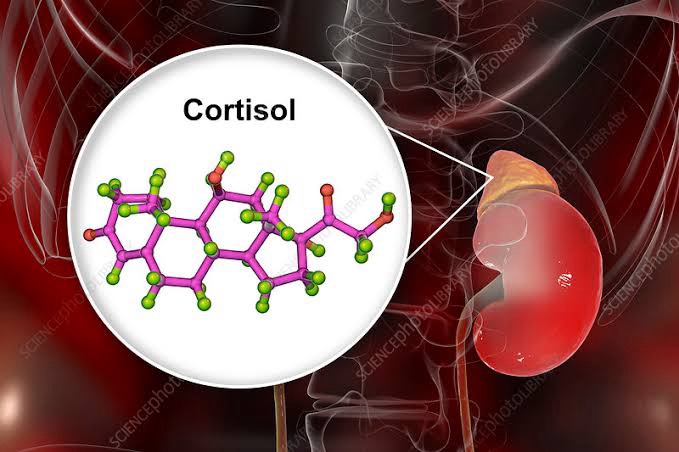
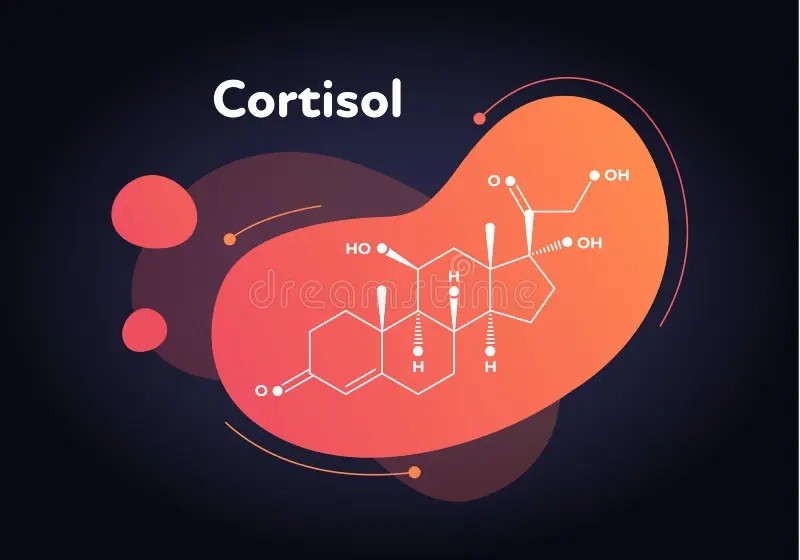
5. Research shows that a cluttered, anxious, stressful mind raises the cortisol hormone. On the other hand, the environment we live in reflects our mental state. So, a messy, cluttered space clearly affects our mental state. The subconscious mind feels confused, lacks clarity, and is incoherent in a disorganised space. So, rearranging the room, furniture, things, clothes, books gives an instant emotional high, certainty and sense of control. The truth is, cleaning isn’t about habit, it’s about emotional regulation, choosing to change the emotional responses of stress, anxiety, chaos to stability, calmness and clarity.

6. Emotional regulation, by definition, is the ability to regulate our emotional responses from a state of uncontrolled, overwhelming situation by making behavioural changes with a healthy coping mechanism to a state of emotional grounding, stability and a sense of control. Examples of emotional regulation are deep breathing, going for a walk, journaling, light exercise and doing tasks like rearranging the books, furniture, cleaning the kitchen, doing the dishes and so on. It’s the ability to change a negative situation’s impact to a more productive and fulfilling one.

7. The strategies of emotional regulation can be summed up as :

• Recognise: Identifying the emotions like anger, anxiety, ambiguity and incoherence.

• Respond: instead of reacting negatively, changing the situation’s impact to a more productive, controlled and tangible behaviour like going for a short walk, rearranging the books on the shelf, cleaning the mess, folding clothes in the closet, cleaning or mopping the floor or any similar activity.

• Reappraisal, like changing the emotional response to more rewarding outcomes like stability, calmness, sense of control and certainty.

• Reflecting on the change of behaviour and situation gives deep satisfaction and happiness.

8. Activities like cleaning a room, realigning a corner, rearranging books, furniture, cleaning a countertop or mopping the floor are not just tidying or organising acts or behaviour but something more deeper as emotional relief or emotional satisfaction. It’s about reconnecting oneself, bringing a sense of control, stability in a world of external chaos, a stressful day or an overwhelming situation. So, for many people, organising and cleaning their home or their living space becomes a daily emotional ritual and therapeutic.

9. People who keep doing such activities, while they keep performing the acts, they also process their emotions, release the stressful thoughts, anxiety, ease the confusion, bringing more clarity and stability. In fact, by doing such activities, as the visual clutter slowly fades away by physical actions, internally, the mental clutter slowly subsides, emotions and thoughts become more under control, and thinking becomes clearer and regulated.

10. To sum it up, in a world full of uncertainties and unpredictability, organising, rearranging, and cleaning gives an instant outcome which the brain interprets as safety or being under control. When a book or a thing is placed exactly where it belongs, refolding a dress and placing it back in the closet, cleaning the otherwise dirty countertop, it’s like reconnecting with oneself, which gives the subconscious mind that instant boost or reward of comfort, safety and stability in an external world of chaos or an uncontrolled environment.

Thanks for reading.

Peace and love 🙏

Silent Saturday 🩶

Peace and blessings 🙏

10 facts: The connection between a bad gall bladder and right shoulder pain 🙌

1.The link between the gall bladder and right shoulder and the neck is through the Phrenic nerve. This type of pain is called referred pain as the source of the pain is different from where the pain is experienced.The phrenic nerve runs through the abdomen, goes through the chest and then the neck. So, whenever the gall bladder is swollen and inflamed due to various factors , there is referred pain in the right shoulder blade including the neck. This pain symptom has been a common sign of some chronic gall bladder issues which should not be neglected.

2. Like other abdominal organs, the gall bladder is supplied by the celiac plexus. The nerves from the gall bladder as well as diaphragm converges at the cervical vertebrae C3-C5 of the spinal cord. Therefore, if there is any issue in either the gallbladder or diaphragm can cause pain in the neck and right shoulder blade (scapula).

3. Inflammation in gallbladder, cholecystitis, biliary sludge, gallstones, cancer or tumour in the gallbladder can cause referred pain in the right shoulder region and neck due to the above mentioned shared nerve pathways. Other than the pain in these regions, there can be other symptoms to confirm like nausea, vomiting, fever and jaundice which can indicate problems in the gall bladder.

4. It is not always that neck and right shoulder pain is linked to liver and gall bladder issues. There are still many reasons for causing neck and right shoulder pain which may not be related to gallbladder. Some of the common causes can be:

• Inadequate sleeping posture like sleeping in the stomach or with a wrong pillow position.

• Wear and tear of nerves and vertebrae or discs.

• Poor sitting posture at work desk, in front of the computer.

• Whiplash.

• Cervical spondylosis or osteoarthritis.

• Carrying heavy objects causing strain and tension in the neck muscles.

• Stress and anxiety due to physical and mental strain.

5. Cardiac issues like stable angina where the heart does not receive enough blood can cause neck and right shoulder pain. When the heart muscles remain hypoxic, it can send signals to the spinal cord, causing a dull aching pain in the neck and right shoulder. In such cases, there are other symptoms which can accompany like sweating, nausea and shortness of breath which can help to diagnose the condition.

6. Gall bladder is located on the right side of the abdomen and responsible for secretion of bile for fat digestion and connected to the liver by the hepatocystic duct. As mentioned already, gall bladder is inflamed due to cholecystitis, gall stones, bile sludge and cancer. The symptoms can be vague and indicate a referred pain in right shoulder blade which can change later to a steady pain in the right abdomen. Therefore, it is important to visit a surgeon to rule out the diagnosis and further complications.

7. Gallstones are formed when bile is accumulated forming a mass which can be of varied sizes even upto a ping pong ball. When gall stones are formed, they can block the pessage of bile flow from the gall bladder which causes the organ to be inflamed and swollen. This in turn irritates the phrenic nerve which results in a dull aching pain on the neck and right shoulder blade as the nerve runs through these regions.

8. People who are risk of gall stones can be :

• Diabetic

• Obesity

• Woman are more prone

• Lost weight rapidly

• Fasting

• Aging , mostly over 60

• Cholesterol lowering drugs.

9. Diagnosis of neck and right shoulder pain is examined by performing the physical examination and medical history and tests:

• Medical history to rule out other associated symptoms, injuries.

• Physical examination of tenderness, rigidity, abnormality, movement of neck and shoulder including abdominal examination for causes like inflamed gallbladder.

• Imaging tests like ultrasound, X-ray, CT scan

• Blood tests for inflammation and infections

• ECG to rule out cardiac causes like angina or heart attack.

10. Management of right shoulder and neck pain depends on the underlying root cause:

• Neck and shoulder stretches to ease the stiffness when there is no underlying cause and sign of referred pain.

• Pain medication and chiropractic care.

• Cervical laminectomy or shoulder replacement.

• In case of underlying causes like inflammation or infection of gallbladder, cholecystitis, gall stones, depending upon the severity, either conservative methods or surgical option is required.

Thanks for reading.

Peace and love 🙏

10 facts: Gut-brain impact on sleep-wake cycle 😴

1. The gut is known as the “second brain” as there is a 2 way connection between the brain and the gut via the vagus nerve. The gut microbiome produces neurotransmitters that can travel and send signals through the nervous system, affecting our mood, behaviour, emotions, and sleep. The gut and brain also send signals through hormonal pathways and the immune system.Therefore, the gut-brain axis plays a crucial role in overall well-being, and any disruption to this axis can lead to issues such as disturbances in gut health, neurological disorders, inflammation, and sleep disturbances.

2. Through the gut-brain axis, there is a mutual continuous communication between the brain and the gut. The gut microbiome produces a considerable amount of neurotransmitters and hormones like melatonin, which influence the circadian rhythm and mood. Both the sleep cycle and gut microbiota are influenced by factors like daylight, stress and diet. Hence, if there is unhealthy gut microbiome, there will be disruption in the sleep-wake cycle, while poor sleep will lead to disturbances in the gut microbiota.

Gut microbes

3. Inflammation: Poor sleep can cause disturbances in gut health, which will lead to a pro-inflammatory state in the body. The gut microbiome composition and diversity are disrupted, creating an imbalance. Gut health issues like irritable bowel disorders, leaky gut, and hormonal issues can worsen in the body. Lack of sleep can also affect gut permeability and lead to nutritional absorption interference. Not only gut health, but poor sleep can also affect the metabolic pathways, immune state and neural pathways.

Gut microbiota

4. Research has shown that through the gut-brain axis, there is a bidirectional communication between the gut microbiota and the central nervous system. Beneficial bacteria like Lactobacillus and Bifidobacterium, which increase serotonin and gamma-aminobutyric acid production, help in the quality and lengthening of sleep. On the other hand, lack of sleep can lead to a reduction of beneficial bacterial flora, an imbalance in the microbiota, which includes probiotics, prebiotics, and postbiotics.

5. Studies have revealed that sleep, a natural physiological process, is important in maintaining a healthy gut microbiota and vice versa. Poor sleep patterns, insomnia, and sleep deprivation not only influence the emotional and cognitive well-being but also cause an imbalance in gut bacteria and gut flora. Therefore, there is a direct connection between sleep disorders and gut health, and resolving gut issues has a therapeutic effect.

6. The equilibrium of the sleep-wake cycle with the well-being of gut microbiota is very delicate and needs to be maintained by external factors. The balance can be easily disturbed by factors like stress, poor diet, lack of exercise, and poor sleep habits. Studies have shown that this reciprocal correlation shows sleep as the primary modulator between gut health issues and sleep length and quality.

7. Growing research has shown that the gut-brain axis plays a crucial role both directly and indirectly in the shift of composition of gut-microbiota with the development of sleep disorders like insomnia, sleep fragmentation, sleep deprivation and sleep apnea. Human studies have shown that 60-70% of the composition of gut microbiota depends on the oscillatory rhythm of the circadian rhythm.

8. Though Melatonin, a sleep hormone, is known to be produced by the pineal gland, it is actually the gut which is the primary source of it. This hormone is integral in modulating the sleep-wake cycle, immune-regulatory effect and antioxidant activity. The gut microbiota produces melatonin from tryptophan. This hormone has a favourable effect on microbial population and gut barrier functions. Therefore, any imbalance of gut microbiota directly influences melatonin production and disrupts the circadian rhythm.

9. Evidence from several studies has shown that a significant level of melatonin has been produced by bacteria in the intestinal flora, has a beneficial impact on intestinal barrier functions and a preventive effect in the human brain against neurodegenerative diseases like Multiple sclerosis, Alzheimer’s disease and Parkinson’s disease. Gut microbiota dysbiosis has been linked to the development of sleep disorders, autoimmune diseases, metabolic diseases like type 2 diabetes, pro inflammatory responses and neurological disorders.

10. Therefore, there is enough evidence to show that consequences in digestive health have a direct impact on the sleep-wake cycle and vice versa. Research has clearly shown that sleep deprivation can directly impact digestive disorders like gastric esophageal reflux, irritable bowel disorders and many gut health issues. Maintaining a consistent sleep schedule of 7-8 hours can help greatly in reducing the potential risk of many diseases as well as in maintaining a sound gut health. Not to forget that stress management is equally important for maintaining the equilibrium of gut health and sleep patterns. So, an early fiber rich dinner, less screen time, routine exercise, meditation and early sleep habits are essential components to maintain this balance.

Thanks for reading.

Peace and love 🙏

10 facts to know about mouldy food ✋

1. Moulds are microscopic fungi found in the natural environment, mostly living both indoors and outdoors. They play a crucial role in breaking down organic waste in the environment. Moulds multiply through spores and are carried from one place to another or indoors as air-borne particles. Once they land in a wet, damp spot, they start multiplying rapidly. In the process of growing and multiplying, they digest whatever food, plant, animal or organic material they have been growing.

2. Moulds are multicellular and can be seen with the naked eye, unlike bacteria. They have roots and thin branches and invade the food on which they live. It produces spores which can be transmitted by air and water. It’s the spores that give the distinctive colour we see when a food item is mould-contaminated. Not all moulds are harmful, but some can cause poisoning, allergic reactions, and stomach upsets when ingested.

3.Generally, moulds are of different types and colors. Moulds can grow on food, plants, animals, damaged, rotten wood, damp building walls, and furnishings. Potential effects of moulds can be problematic to people with weakened immune systems, chronic lung disease, allergic history and metabolic diseases. Not all moulds are toxic. Species like mould Stachybotrys chartarum, which produces mycotoxins, are known as toxigenic moulds.

4. Food moulds appear as fluffy, dusty growths in various colours and can develop on different food items. They thrive on nutrients and moisture content. Mouldy food often looks green, grey, or black due to the overgrowth of spores. Moulds can damage the food, making it softer and giving it a distinctive taste and smell. Some moulds can be harmful to human health as they may produce toxic substances. However, certain foods, such as cheeses, are intentionally kept in dark environments to promote the growth of harmless moulds, which contribute to their unique flavor and texture.

5.All types of food are vulnerable to mould. Food with high moisture content are more prone to mould growth than others. Moulds need oxygen and moisture to grow and thrive, so fresh food are more vulnerable. When food items are opened in an airtight container, there too, mould can grow as air has already entered. Some mould can grow even in a dry environment. More vulnerable food items are:

• Bread

• Vegetables

• Fruits

• Meat

• Milk, cheese

• Nuts.

• Chocolate.

• Processed food.

6.Mycotoxins: It’s a type of mould produced by fungi like Aspergillus and Penicillium, which contaminate grains like rice, wheat, barley, nuts like almonds, peanuts, grapes, coffee, and meat. Mycotoxins are a potential hazard to human health, causing acute poisoning to various diseases which can affect the liver, kidneys and even cancers. Some common mycotoxins are aflatoxins (commonly in corns, peanuts), ochratoxins and fumonisins. Research shows that aflatoxins are the most commonly infested moulds grown on both food items and feeds of livestock. It is a cancer-causing toxicogenic mould, which can cause various diseases in both human and domestic animals, and grows in peanuts and corn.

Cheese making mould

7.Mould can be harmless and useful. Some moulds have been used in the cheese-making process for centuries. Some cheeses, like Brie and Camembert, have white moulds on the surface which are safe for human consumption. Penicillium roqueforti spores are used in the cheese-making process of Stilton, Gorgonzola, and blue cheeses for their taste, texture and flavour. Mould play crucial role in the process of fermentation. Other than cheese, they are used in the process of making some food products, beer, wine and in some medicines. Most popular moulds are Penicillium, Aspergillus, Rhizomes, Lactobacillus.

8.Mould growth: Mould usually grows in warm and humid conditions. Mould can grow in fresh food items, salty, sugary items, and meat items like salami, ham, and bacon. Mould can also grow in refrigerated items like fresh vegetables, fruits, high-acid-containing items like jams, jelly, pickles, sweets, meat and bread. Mould growth can be controlled at home by maintaining:

• Humidity below 40%.

• Cleaning and mopping using surface disinfectants.

• Cleaning the refrigerator using baking soda, every month.

• Using clean kitchen towels, sponges and mop

• Minimising the growth of mould in food can be done by :

a.Perishable food items outside or inside the refrigerator should be thrown immediately.

b. Canned food items should be stored in clean storage containers and refrigerate immediately.

c.Any leftovers in the fridge should be used within 3-4 days.

d.Cooked food should be covered before serving to prevent air-borne spores and mould.

9. Dealing with mouldy food: Mouldy food should be thrown away, packed in a plastic bag in the trash can, out of the reach of children and even animals. Certain food items, like bell pepper and carrot, when infested with mould, should be thrown out. If a product is not completely spoiled by mould, the affected part can be cut off 1 inch below and above the part and re-wrapped with fresh storage bags. Any area or surface, or kitchen items affected by mould, should be cleaned promptly to prevent cross-contamination.

10. In general, mould contamination of food items is a common issue in every household. Mouldy food should always be discarded immediately. To minimise mould growth, food should be stored inside the refrigerator in clean storage bags, containers and on the outside too, in an air-tight and dry container, away from humidity. Not only in the food items, mould growth in houses or buildings is common on any damp, moist surfaces or walls, kitchens, bathrooms, basement, under carpet, furniture and also in potted plants. So, cleaning and mopping are required daily to minimise the growth of moulds. Any leakage of water seepage in walls, pipes, cabinets and beneath surfaces should be repaired and cleaned as soon as possible.

Thanks for reading.
Peace and love 🙏

Silent Sunday 💚

Peace and love 🙏

10 facts: Is dairy essential for overall wellbeing?

1.Whether, dairy is good or bad, still remain subjective. Dairy commonly known to offer many nutritional benefits, but it is not absolutely essential for maintaining overall health and well-being. In ancient times, when survival was challenged by harsh weather conditions, humans began consuming raw animal milk due to a scarcity of food. As these populations migrated from one geographical region to another, they gradually developed genes that allowed for lactose tolerance. This is how dairy became incorporated into the human diet. Today, many individuals may find dairy consumption uncomfortable.

2.Research has shown that though dairy is a good source of protein and calcium, it is not mandatory that without them, you can be deficient in this nutritional benefit. Having a regular balanced diet which is rich in pulses, leafy vegetables, and nuts can provide you with a better source of protein, calcium and loads of other nutrients than depending on dairy products. Though milk has been considered as wholesome food for both children and adults and is consumed throughout the millennia, many studies have shown cases of lactose intolerance and health risks to individuals through dairy. So, if you are not tolerant of dairy, it is important to avoid it, as there are plenty of other food sources which can provide the same nutrients.

3. Lactose intolerance: People who are lactose intolerant lack the enzyme lactase, which breaks down the sugar in milk. So, such individuals suffer from digestive distress and have different symptoms after consuming milk and dairy products. About 65% of the world’s population suffers from lactose intolerance. Lactose is found in almost the same amount in both A1 and A2 milk. So, people with lactose intolerance should avoid both A1and A2 milk. People with lactose intolerance may suffer from symptoms :

• Gas.

• Bloating.

• Stomach pain.

• Vomiting.

• Diarrhoea.

4.Studies show lactose intolerance is mainly due to gut sensitivity and lactose malabsorption. Most of the varieties of milk and milk products contain lactose, such as cow, goat,buffalo or sheep. Again, fresh milk, curd, and cream contain more lactose than cheeses. Lactose in dairy is used in many other products like processed food, biscuits, cookies, soups,snacks, and dressings. Therefore, if you are sensitive to lactose, all these food items can cause trouble when consumed. People need to read the labels of ingredients while consuming such products. Nowadays, many dairy products are made with the lactose being removed, such as some cheeses, lactose free milk, yogurt.

5.Allergies: Allergy to milk or dairy products can appear as early as childhood, wherein there may be mild to severe symptoms on consuming them. This is an atypical immune response resulting in various symptoms. Sometimes, it is life-threatening, which is known as an anaphylactic reaction.But, fortunately, with growing age, most of the time, the allergy disappears and dairy can be consumed without difficulty. In some individuals, the allergy can continue lifelong. Cow’s milk contains an allergen which triggers an immune response. But, some people may be allergic to other milks too, like sheep, goat or buffalo. Milk allergy is caused by milk proteins like casein and whey. Symptoms can be:

• Tightness of throat

• Swelling of the tongue

• Hives

• Stomach pain

• Vomiting, diarrhoea

• Persistent, cough, dizziness.

6.Inflammation: Though dairy may not be related to inflammation in most people. But studies do suggest that some people may be sensitive to beta-casein A1 protein found in most of the cow’s milk, which is connected to systemic inflammation. Long-term consumption of dairy is found to have a lowered anti-inflammatory effect in the body in those who have pre-existing conditions, metabolic abnormalities and are overweight. Some studies showed that milk processing causes changes in the basic components of milk, which can trigger inflammation in some individuals.Different small studies showed that raw milk consumption, due to its vast microbiota, increased the release of cytokines, which had a pro-inflammatory response. Again, UHT, homogenised high-temperature milk also showed pro-inflammatory cytokine release production both before and after digestion. Therefore, dairy can be inflammatory in some individuals depending upon some pre-existing conditions of autoimmune, metabolic and degenerative chronic conditions. Observation is important to pinpoint the type of food which can trigger an inflammatory response.

7.Several types of milk are available in the grocery aisle of a supermarket, including whole milk, low-fat milk and skimmed milk. Apart from this, several varieties of milk and dairy products of different sources like cows, buffalo, sheep and goat are available. Organic milk and grass-fed milk, which are anyway organic, do show a higher amount of Omega-3 than regular milk. Saturated fat contained in milk previously did show a relation to a higher risk of cardiovascular disease and stroke. But recent studies did not show direct evidence of this correlation. In terms of calories, Skim milk can be a better choice, which is loaded with vitamins, minerals, calcium and fewer calories.

8.Calcium absorption: Though in children and infants, calcium is absorbed about 50-60% from milk. But, as age increases, calcium absorption starts declining. It decreases about 25% as age increases and continues to decline. So, calcium from milk sources hold no significant for maintaining bone health. Chronic conditions like osteoarthritis and osteoporosis appear as age advances due to calcium malabsorption. So, to optimise calcium intake, other calcium rich food, calcium supplements should be taken to strengthen bone and muscles.

9.Commercial milk, mostly in Western countries, is produced by a breed of cows (Holstein, British Shorthorn, Friesian) whose milk contains A1 beta-casein. Research shows that A1 casein is difficult to digest and may create digestive issues in some individuals. A2 beta-casein milk protein are found in breeds of cows like the Indian breed, Guernsey, Jersey, which is much lighter and healthier for gut health. Most regular commercial milk contains both A1 and A2 beta-casein, while A2 milk marketed contains only A2 beta-casein.

A small amount of oestrogen naturally found in milk has no harmful effect on humans. Commercial farms inject synthetic growth hormone into cows for fast growth. Exogenous oestrogen is injected into pregnant and lactating cows to increase milk production. This is also done in other animals like buffalo, sheep and goats. Studies showed that such commercial milk consumption can lead to gonadotropin suppression in men and early sexual maturation in prepubertal children. But, most cheeses do contain medium chain triglycerides, which are healthy for the body and mostly the hormonal effect is gone.

10.Dairy as a food type is a range of heterogeneous items, ranging from different varieties of milk and milk products from different sources. Though dairy continues to be an easy and common source of nutritional benefits, many studies do highlight the harmful effects of dairy on human health. Therefore, some people have considered going dairy-free. In general, dairy is not necessary for overall health and wellbeing; there are other ample sources of food items like plant-based milk, green leafy vegetables, legumes, nuts and seeds, quinoa and oats to maintain health and wellness.

Thanks for reading.

Peace and love 🙏

5 Simple rules of Life, based on Bhagavad Gita 🙏

Everyday reminder, what Life is all about :

1.Focus on certainties and not on uncertainties.

2. Stay fearless, because death is inevitable. What matters most, is our soul which is immortal.

3. Stay away from greed, anger, lust. All these roads lead to disaster.

4. Be tolerant, because both pain and pleasure are temporary. Everything is temporary in this Universe, including our body.

5. Be stable like the wide ocean. Don’t let emotions control you.

“Our mind is a friend if we can conquer it, otherwise it is the worst enemy if we failed to do so”

“Detachment from worldly attachments help us focus more on inner peace and spiritual healing”

Thanks for reading.

Blessings and Peace 🙏

10 facts : What is SIBO or blind loop syndrome ?

1. SIBO, abbreviated as small intestinal bacterial overgrowth, is a condition where there is an overgrowth of bacteria that are not supposed to be present in the normal scenario in that part of the digestive tract. This occurs particularly following a disease or abdominal surgery, when the passage of food and waste becomes slower, creating a breeding ground for bacterial overgrowth.

2. When the wrong types of bacteria overgrow in the small intestine, they feed on the nutrients and food for the otherwise beneficial bacteria, which can lead to abnormal symptoms in gut health. These wrong types of bacteria can feed on the protein and vitamin B12, bile salts which are supposed to support the digestion of fats. In normal circumstances, the small intestinal bacteria digest the carbohydrate and convert it to short-chain fatty acids and gas. Therefore, when there is overgrowth of bacteria, more gas and toxins are produced in the gut leading to many GI symptoms and malnutrition in the long run.

3.The prevalence of SIBO is about 80-90% in cases of irritable bowel disorder, intestinal dysmotility , pancreatitis and chronic systemic conditions. It is more prevalent in the elderly and female population. Usually, the incidence increases with age and the presence of chronic intestinal disorders and dysmotility. SIBO is considered by clinicians as a differential diagnosis of other gastrointestinal non-specific disorders as the actual aetiology is still unknown.

4. The GI symptoms following SIBO are many:

• Gas, bloating, nausea

• Abdominal pain, distention

• Constipation

• Indigestion

• Weight loss, fatigue

• Watery or mucus in poop.

• Hard or lumpy poop.

5.Unexpected and systemic signs may appear due to excess toxins released in bloodstream

(endotoxemia) in SIBO:

• Food intolerence

• Fatty liver

• Fibromyalgia

• Irritable bowel syndrome

• Anxiety, depression, suicidal thoughts

• Endometriasis

• Disruption of mentrual cycle.

• Prostate diseases.

• Atrial fibrillation

• Siezure

6.Though the actual cause of SIBO is unknown, hence, there are several underlying conditions which can be the risk factors:

• Ageing: As age progresses, there may be changes in microflora, degeneration of acid-producing gastric cells, intestinal dysmotility which may lead to bacterial overgrowth.

• Irritable bowel syndrome leads to dysmotility, delayed transition of food, wastage.

• Chonic metabolic diseases like uncontrolled diabetes,

• Celiac disease,

• Lupus,

• Scleroderma,

• Pancreatitis,

• Chronic kidney diseases

• Fatty liver,

• Structural problems in the intestine due to gastric surgery, partial blockage, antibiotics or narcotic drugs overuse.

7. Several complications of SIBO can eventually worsen gut health if left untreated:

• Inadequate digestion and absorption of fat, protein, carbohydrate: Since, overgrowth of bacteria in the small intestine damages the bile salts so the fat remains undigested. The mucous lining of the intestines is damaged too by the excess bacteria causing poor absorption of carbohydrate, fat and protein. Therefore, there is malnutrition, diarrhoea, and weight loss.

• Vitamin B12 deficiency: As the fat remains undigested, the fat-soluble vitamins A, D, E, and K remain unabsorbed. Vitamin B12 which is synthesised in the small intestine is completely affected So, the individual may suffer from vitamin B12 deficiency. Therefore, due to B12 deficiency, nervous system functioning is affected, and blood cell production is lowered. There can be irreversible damage to the nervous system in the long run.

• Calcium absorption: Bacterial overgrowth damages the intestine slowly, resulting in poor absorption of calcium thereby affecting bone health. Weakened bones, prone to fractures, and osteoporosis are common. Kidney stones are also common in cases of poor calcium absorption.

8.There are no standard diagnostic tests for SIBO. The clinical symptoms of SIBO can be nonspecific. Usually, a carbohydrate breath test is considered which is inexpensive and non-invasive. A bacterial culture of jejunal aspirate of more than 1000 units/ml can support the diagnosis. Upper endoscopy is invasive but is done in patients to further support the diagnosis. Laboratory findings like vitamin levels, malnutrition markers are considered to support the diagnosis. Only, in rare cases is, biopsy of the small intestine done. Imaging tests like CT, MRI are done to rule out intestinal abnormalities.

9.Since the condition of SIBO is complex and can be involved with multiple underlying conditions, it is very difficult to manage and treat such cases. The treatment is mainly symptomatic like changing diet, lifestyle, and antibiotics to reduce the bacterial colonies. The recurrence of SIBO is also common so repeated courses of antibiotics are necessary. Supplementation of vitamins in certain cases is required. Surgery is only necessary in case of small intestinal abnormality, diverticula, bowel obstruction, or Crohn’s disease.

10.Again there is no standard diet for every individual who suffers from SIBO. It is individual-specific depending on symptoms and underlying conditions. The goal of diet change is to assist in the treatment and lower the symptoms. The diet should be low in carbohydrates, low in fat, and moderate to low in fibre. Processed sugar items, dairy, whole grains, deep-fried items, and raw vegetables should be avoided. Generally, probiotic-rich food, meat or fish, rice, cooked vegetables, plenty of fluid/water/soups and vitamin supplementation are recommended by the experts.

Thanks for reading.

Peace and love 🙏

10 facts: Is hydrogen water a hoax or is it real?

1.Hydrogen water, also known as hydrogenated water, is simply regular water infused with hydrogen gas. The regular water is H2O with extra H2 gas added, which is what makes hydrogenated water. This hydrogen-rich water has become quite popular nowadays as it has been found to have health benefits. Manufacturers are now selling hydrogen water bottles across the globe for it’s health benefits. Extensive research has not been done so far, regarding the use of hydrogen water. Yet, it has been very popular in some countries, such as Japan.

2. As far as nutritional benefits are concerned, hydrogen water is the same as regular water in terms of calories, protein, fat, and carbohydrate which is nil. However, some manufacturers and providers do add trace amounts of vitamins A and C, magnesium, potassium and sodium sulfate to enhance the nutritional benefits. As already mentioned, not much research has been done in this context, but some experts do believe that drinking hydrogen water is beneficial for health.

3. Anti-inflammatory: Hydrogen water does contain anti-oxidants. Anti-oxidants fight inflammation and reduce oxidative stress. Every day, our body is inflicted with various types of physical and mental stress, which comes from external forces like pollution, sun exposure, toxins from the environment, food, day-to-day mental stress of various nature, also from normal body functioning, all these factors are sources of inflammation, diseases and cancers. Therefore, molecular hydrogen can help to some extent to combat oxidative stress and reduce inflammation.

4. Endurance and Mental health: Several studies have shown some positive results of increasing endurance and lowering fatiguability after drinking hydrogen water. It does show performance improvement, increasing energy, and endurance in the case of athletes, though scientifically, still not verified. It has been found to lower physical stress and reduce recovery time after heavy workouts.

Some studies on mental health have shown that drinking hydrogen water daily for 4 weeks showed marked improvement in mood disorders, panic disorders and anxiety.

5. COVID-19: More research is still needed to establish the fact, that hydrogen water consumption did slow down the immune response which is known as a “cytokine storm”. The use of hydrogen water was useful to reduce the cytokine response of Covid 19 virus which otherwise could lead to organ failure. But, as already mentioned, more studies are required to clarify that hydrogen water can potentially treat Covid 19.

6. Liver and kidney functions: Studies of cases of non-alcoholic liver diseases, cases of hepatitis –B virus, drinking hydrogen water has shown positive results in lowering fat storage in the liver, aiding the treatment process and improving the liver function. But then, research is limited in such cases too. A study on dialysis patients has shown, that intake of hydrogen-rich water caused improvement in renal function and BUN (blood urea nitrogen).

7. Cancer treatment: Hydrogen water does show positive results in aiding cancer treatment. Since hydrogen water contains anti-oxidants, and acts as an anti-inflammatory, an immune booster does give promising results during cancer treatment by improving both physical and oxidative stress. A study regarding colo-rectal cancer showed anti-cancer properties.

8. Metabolic syndrome: Metabolic syndrome is a condition which includes high blood pressure, high cholesterol, high triglycerides, obesity or excess belly fat. The risk factors of metabolic syndrome are oxidative stress and chronic inflammation. Some studies have shown that intake of hydrogen water around 1 litre daily, in individuals on a 10-week study marked a significant reduction of risk factors of metabolic syndrome and showed a favourable effect on the metabolic processes in the brain and even ageing.

9. Negative effects: As far as health experts are concerned, there are no known side effects of drinking hydrogen water. Research is still not enough to establish even the health benefits thathave been claimed so far. More studies are required to verify the health benefits. In the case of individuals with high-intensity workouts, athletes, and chronic kidney diseases, there can be a risk of hyponatremia in drinking excess hydrogen water.

10. Though several studies do show potential health benefits of drinking hydrogen water over regular water, but still, continuous trials and more studies are still required to establish the benefits. Many manufacturers are selling hydrogen water bottles which are quite expensive. Again, depending on the source of water, the authenticity of brands is important to avail the actual health benefits claimed. The bottom line is that there is still not 100% proof of the potential health benefits. If affordability is there, there is no harm in using hydrogen water for drinking, otherwise, regular drinking water is great as well.

Thanks for reading.

Peace and love 🙏