We keep moving forward in life because that’s the only option left with us. We may meet new challenges and new obstacles on our path. In this festival of light, may the Divine show us the path, lead us through darkness and protect us in this journey of life and self discovery.
Dear readers, wishing you and your loved ones, a prosperous, joyful and healthy Diwali 2024.
‘Monkey mind’, yes, that’s what the Buddhists called our wondering mind. The more you try to control, the more it wanders. This is the nature of the human mind. It can never remain still. During the day, whenever, we try to be still, the mind races ahead to the future or returns to the past in some old memories. Our mind is always thinking of something or another. Distractions like tasks, jobs, people around, day-to-day stress, entertainment, and social media, all add up to the flickering nature of the mind. Therefore, let’s explore why our mind behaves this way and how we can try to control it, if at all, it’s possible:
1.A wandering mind is quite a normal behaviour and characteristic in nature. The attention shift of the mind from one thought to another is involuntary before even we notice it. In a monotonous daily activity of a boring nature, like studying, in the classroom in case of a student, or doing daily chores, it can happen voluntarily.
2.Studies show that the mind wonders mainly for two reasons: Either the work or activity, we have been doing is not engaging and monotonous and another reason can be that facing obstacles or hard task causes worry and anxiousness. Sometimes, Scientists, link the wandering nature to creativity, explorative and intuitive mind. However, this becomes problematic. In those times, when we are supposed to be working, we lose focus and attention or think in bed when we are supposed to sleep. Oftentimes, the mind is either daydreaming, imagining things, anxious thoughts worrying about the future or replaying some old memories, stuck in some emotional thoughts.
3.What can be the possible causes of a wondering mind? *Anxiousness and worrying mind. *Boring and repetitive activities. *External distractions like our mobile phones and other gadgets, people around, noises, social media. *Internal distractions like stress, anger, hurt, sadness. Physical discomfort like fatigue, pain, hunger. *People with attention deficit disorder have a hyperactive mind.
4.Self-awareness: How can I realise that I have a wondering mind? Firstly, being aware of your own mental state. Most of the time, if you find yourself, overthinking, worrying, and ruminating thoughts.
Your mind is often, exhausted, being engaged in unproductive thoughts, unable to find solutions to problems or losing your spontaneous problem-solving ability.
Being self-aware, in such a state of mind, can help us to bring about change in our mental state.
5.Taming a wondering mind can be a very difficult task. But, with practice and consistency, everything is possible.
a)Meditation is an effective tool. Again, meditation is’nt easy. Perhaps, sitting still in a quiet place, trying to focus the mind is a hardest task. Focusing on breathing is a commonest method. Other methods can be, focusing or imagining an object like sun, moon, or the ocean. Using a guided mediation or listening to nature sounds, chanting of mantras can be effective.
b)Journaling is a powerful tool to clear the mind. Noting down daily thoughts, thoughts related to job, loved ones, family, future goals, holiday plans, emotional pain, feelings of old memories can be very useful to clear the mind clutter. Writing down can self-help to acknowledge the bothering thoughts and refocus the mind to concentrate on the task at hand.
c)Physical activity like going for a walk, physical movement of the body, legs and hands, watering your balcony plants, spending time in nature, light exercises can be very helpful to reset the mind. Playing an instrument, or listening to a music piece can be rejuvenating to refocus the mind too.
d)Sleep and adequate rest are necessary to clear the mind clutter. Getting a proper goodnight sleep and following a daily sleep routine is mandatory. Making a conscious effort to keep away from our mobile phones, social media distractions, caffeine free, emotional disturbing thoughts, 2-3 hours prior going to bed, can give an adequate sleep.
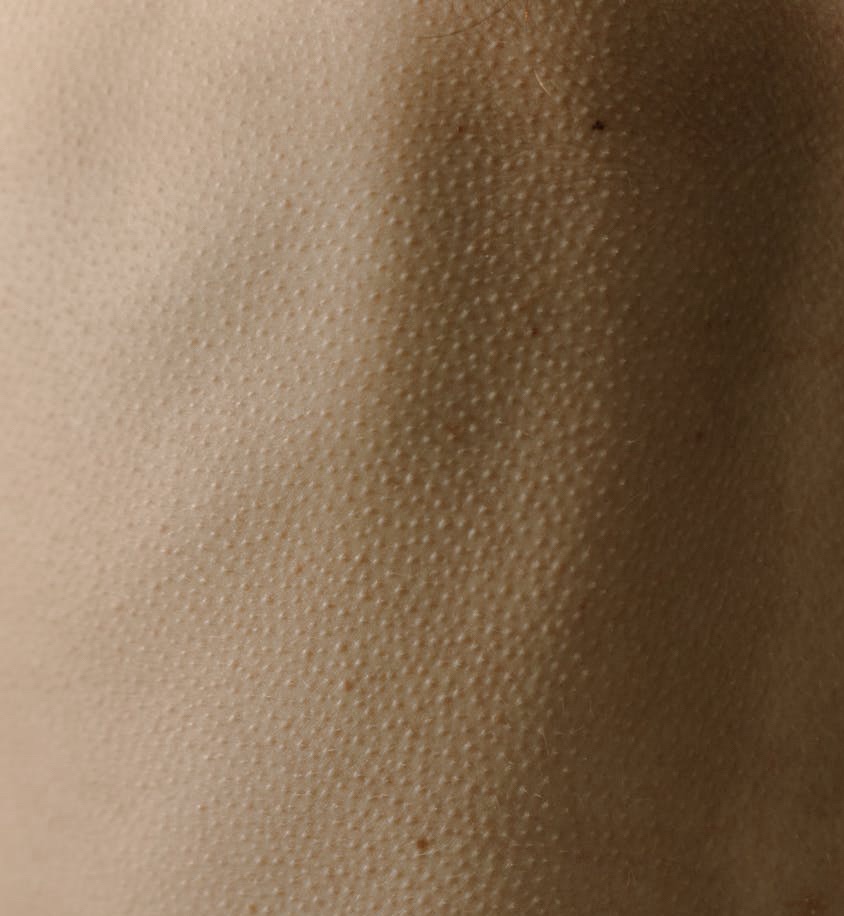
What are goosebumps? It may sound weird as though it is related to geese. But there is nothing to do with geese. Actually, it is a sympathetic nervous system reaction where the tiny muscles (arrector pilli muscles) flex the skin causing the hair follicles to stand. In medical terms, it is called horripilation or piloreaction. It is a fight or flight response to the body’s reaction to the state of fear or excitement. It is a physiological response of the body and not, usually a medical issue.
The arrector pilli muscles (APM) are tiny muscles that connect the hair follicles with the skin. Goosebumps occur when these muscles flex and pull the hair follicles upright. Normally in an individual, when goosebumps appear, it can be either in response to cold temperature, fear or a strong emotional reaction. Sometimes, it can be related to medical issues like brain disorders, epilepsy, and keratosis pilloris, a skin disorder.
3.Goosebumps are associated with other symptoms in different situations and medical-related conditions. For the case of : *Hypothermia, Cold temperature, along with goosebumps, you may experience shivers, pale skin and the urge to be in a warm place.
*Strong emotional responses like fear, nervousness, excitement, sexual desire, and thrilling response: The body reacts with goosebumps, fasting heart rate, fast breathing, tears, and chill.
*In case of an epileptic seizure, along with goosebumps, there can be other symptoms like a confused state, lips smacking, swallowing, and finger motions. In the case of skin conditions like keratosis pilloris, there may be skin patches.
4.Adrenaline: It is this hormone which the body releases from adrenal glands during a fight or flight response which causes goosebumps. Intense emotional responses cause the body to release adrenaline which in turn stimulates the flexing of the tiny muscles of the hair follicles and causes the skin hair to erect. Often people get goosebumps while watching a horror movie, in nervousness, experiencing stressful events. Dopamine, another chemical which the brain releases while experiencing pleasurable experiences like listening to a good piece of music, receiving rewards, surprises or awe moments, can cause goosebumps too.
5.Rigor mortis: When a person dies, the ATP, adenosine triphosphate which provides energy to muscles and cells suddenly stops, so the cells die and muscles are stiffened causing rigor mortis. As a result, the arrector pili muscles of the dermis are stiffened too, causing the skin to trigger goosebumps.
According to medical terminology, constipation is when a person has irregular bowel movements, usually less than three times a week. Normally, a person with regular bowel movements has stool elimination three times a day to three times, a week. Constipation has been the most common gastrointestinal issue affecting millions of people daily.
Normally, the food passes through the large intestine, and the water is absorbed in the colon while forming the faecal matter or stool. Then, the stool formed in the colon is pushed down to the rectum by muscle contraction. If the muscle contraction in the colon is prolonged, by the time, stool reaches the rectum, more water is absorbed making the stool too hard to pass. Passage of the dry hard stool becomes very difficult causing constipation.
The most common causes of constipation are: Lack of movement, lack of exercise, stress. Lack of fibre in the diet. Not drinking enough fluids. Changes in dietary habits, pregnancy, traveling, ageing. Medications. Irritable bowel syndrome. Anal fissure.
4.Common symptoms of constipation:
Pain abdomen. Painful bowel movements. Feels uncomfortable or bloated. Bowel movement less than 3 times a week.
5.Generally, constipation is relieved by switching the diet to more fibrous food, more intake of fluid, and exercise. However, if the person is not relieved of the symptoms despite these above- mentioned measures and maybe, there is a history of blood in stool, episodes are more frequent, then, it is necessary to seek medical attention. Diagnosing constipation is based on medical history, a physical examination which covers an anorectal examination, barium enema, and colonoscopy.
6.Constipation is usually treated by diet and lifestyle changes. Lifestyle changes include regular exercise, more intake of fluids in the daytime, giving enough time for daily bowel movements. Dietary intake of at least 20-30 grams of fiber daily, including whole grains, fruits like bananas, pineapple, papaya, oranges, apples, kiwis, berries and vegetables, is recommended. Changing the existing medication if any. If the above measures don’t work, then laxatives are prescribed.
7.Certain risk factors which may lead to constipation: *Mental health issues: Due to depression and stress-related issues leading to unhealthy diet, irregular meal timing, anti-depression medication, lack of exercise, and eating disorders. *Old age causes weakening of the muscle lining so sluggish bowel movements. *Pregnancy causes the bulky uterus to press against the intestinal wall making it harder to defecate. *Eating lots of refined food, junk food and not eating enough fibre causes hard stool. *Medications like iron pills, antacids, blood pressure medicines, allergy medicines, anti- depressants. *Diseases: Stroke, paralysis, Parkinson’s disease, diverticulitis, multiple sclerosis, irritable bowel disease, colon cancer.
8.Constipation commonly occurs in most cases due to dietary changes or lack of physical activity. The condition is resolved usually by changes in diet and lifestyle. But, it can be a warning sign and may require immediate medical attention when: there is severe cramping pain with sudden onset of constipation. Blood in stool. Loss of weight. Severe pain with bowel movements. Constipation is for a prolonged period.
9.Generally, dietary and lifestyle changes can prevent constipation : Drinking 3-4 glasses of water every day. Adding vegetables and fruits to your diet every day. Routine physical activity and exercise is a must. Eating Probiotics such as curd, yoghurt or kefir daily. Avoiding processed food, processed meat, and fried food. Drinking less alcohol and caffeinated drinks. Not ignoring the urge to poop.
10.There are several different laxatives available, just for your information. Osmatic laxatives like milk of magnesia cause softening of stool. Stimulant laxatives increase the speed of bowel movements to help the stool to move through. Lubricant laxatives like mineral oil lubricate the intestine and help to slide the stool along the colon. Saline laxatives are used as enemas to empty the bowel.
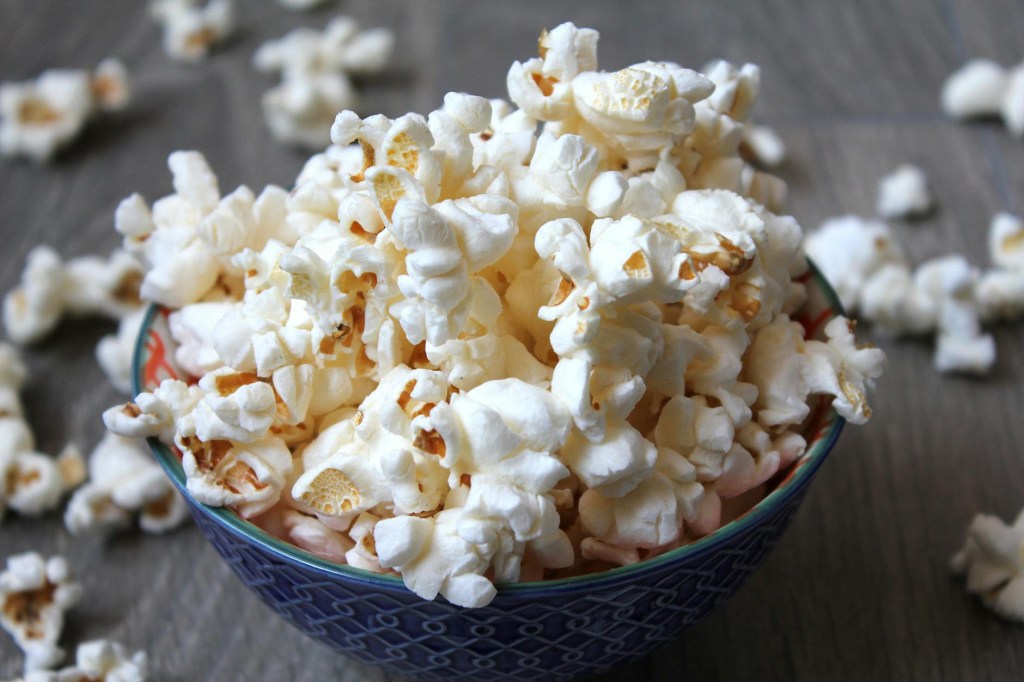
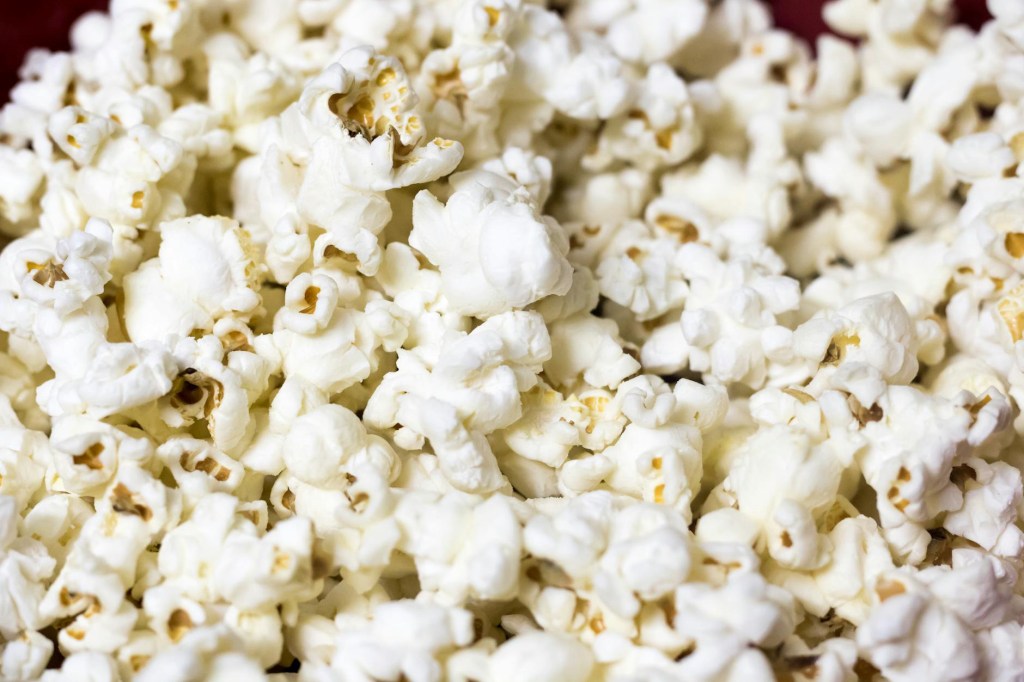
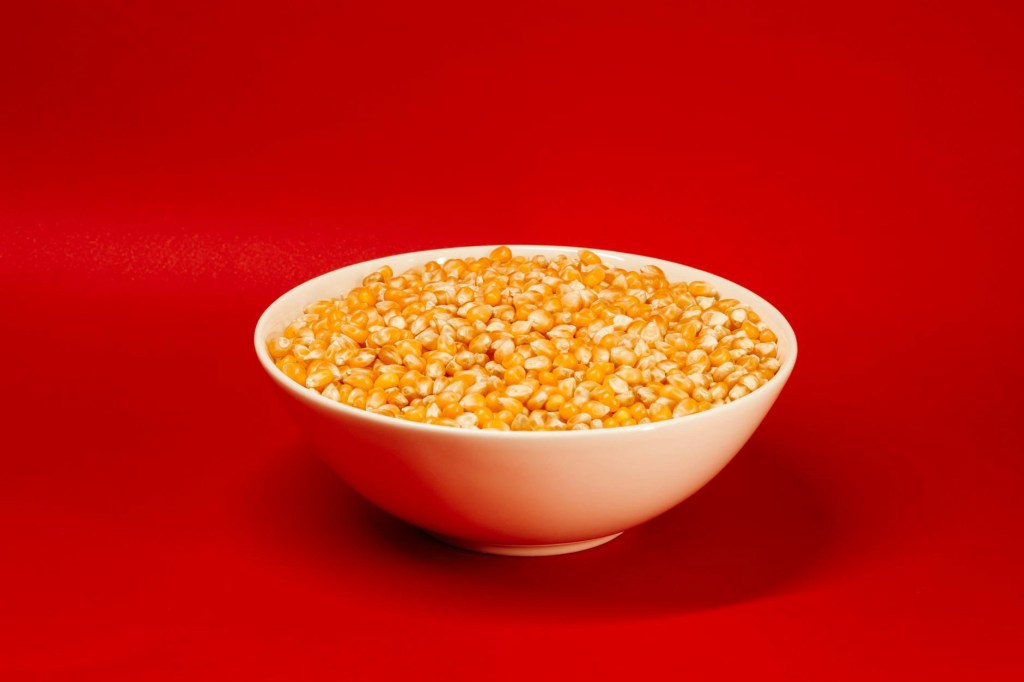
Popcorns are corn kernels which get popped when heated. Today, across the world, this has become the most popular snack amongst all age groups. Corn is the oldest grain which has been consumed for over 5000 years. It has been popular due to its easy availability and low cost. As far as health point of view is considered, it is a whole grain food, rich in fibre, low in calories and dense in nutrients.
Studies show that popcorn is high in fibre and contains many vitamins and minerals. Important nutrients in popcorn are vitamins B1, B3, B6, iron, potassium, manganese, zinc, copper and phosphorus. Many studies also show that it is rich in polyphenols which are potent antioxidants. Polyphenols reduce the risk of damage by free radicals, diabetes, and heart disease and improve gut health. Popcorn is gluten-free so it can be a healthy option for people with gut issues.
3.Since, it is high in fibre and low in calories, it can help in weight loss. Eating a cup of popcorn which is around 30 calories can relatively be more beneficial in terms of fibre and nutrient content than any other popular snack. Also, it can give the feeling of fullness and curb your hunger for quite some time. Therefore, eating in moderation of popcorn can be very useful in the process of weight loss in an overweight individual.
4.Popcorn contains antioxidants Zeaxanthin, beta carotene and lutein which are very essential to eye health. These antioxidants can slow the age-related macular degeneration of the eyes, lower the damage caused by blue light and overall improve the eyesight.
5.Other health benefits of yellow popcorn are : *Boost the metabolism and energy production due to the presence of vitamins B, B3, B6 and folate. *Popcorn contains niacin which helps to reduce depression naturally. *Phosphorus, and manganese present in popcorn help to support bone health. *Popcorn can combat tumour cells due to the presence of ferulic acid. *It can reduce the level of bad cholesterol and prevent the risk of heart disease. *It can slow down the process of ageing as it helps in free radical damage. *It can add iron (28 gm of popcorn containing 0.9mg of iron) to the diet and reduce anaemia. *It can control blood sugar as it has a low glycaemic index and helps in diabetics.
6.Air-popped popcorn is healthiest. Unsalted popcorn, unflavoured is healthier than those with an excess of oil, butter, sugar, caramel, and salt. Microwave popcorn bags which are pre-packed contain the chemical perfluorooctanoic acid (PFOA) and sometimes, trans fat which are harmful to health.
7.Popcorn added to diet in moderation can prove to be safe and beneficial to health. But it may have side effects on certain individuals. Some individuals can have allergic reactions to popcorn like swollen face, and breathing difficulty which may require urgent medical attention. People with digestive diseases and inflammatory bowel disorders can have flaring-up symptoms when consuming popcorn.
8.Popcorn is the ideal choice for adding to your diet in moderation. You can definitely enjoy popcorn daily, as long as you stick to one cup per day without any butter, salt, sugar, or artificial flavors. This will provide a healthy dose of whole fiber content, making it the most nutritious snack option for your diet.
9. Yellow corn which is organically grown, non-GMO, is best for regular consumption. Popcorn which is popped from such type of high-quality corn, air popped with no added flavours is ideal and provides immense health benefits. Rich in phytonutrients, vitamins, and minerals, whole grain fibres can help to reduce the risk of chronic illnesses, obesity, diabetes and many malignancies.
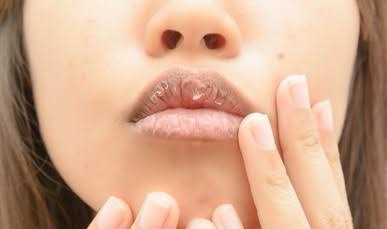
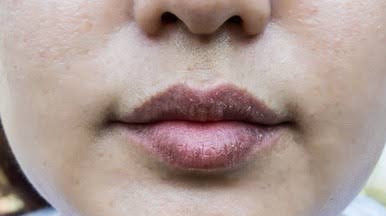
Chapped lips are common and can happen any time of the year irrespective of season. When lips are dried, cracked and feel tight, they are called chapped lips or Cheilitis. As the skin on the lips contains no oil glands, they are thinner and more sensitive, hence chapped lips are common. Most of the time, it is common in dry winter, or excessive sun exposure, dehydration or excessive licking.
Cheilitis or chapped lips is inflammation of the lips and can be of different types depending on the sources. Due to allergic reaction called contact cheilitis. For sun exposure called actinic chelitis. Reaction to certain drugs like retinoids causes drug induced cheilitis. Fungal infection of the mouth causes angular cheilitis. Herpes infection causes infective cheilitis. Persistent painless swelling of the lips causes granulomatous cheilitis. Frequent licking of the lips causes exfoliative cheilitis.
3.Certain risk factors which can cause cheilitis are nutritional deficiency of vitamin B12 and iron, certain medical conditions like thyroid disease, autoimmune conditions like Lupus erythematosus, Sarcoidosis, Crohn’s disease, dermatitis and allergic reaction to cosmetics. Metabolic diseases like diabetes, certain irritants, climatic effects and oral candidiasis can cause cheilitis.
4.Diagnosis: Chapped lips are common and temporary. When lips are cracked, swollen, or tight, then, they are called chapped lips or cheilitis which can be easily diagnosed visually. A long-term occurrence of chapped lips may be required for medical attention. Usually, an allergy test, blood work and sometimes a biopsy are required for a proper diagnosis. Bleeding is common from cracked lips which can be easily managed by a lip balm or ointment. If bleeding is frequent, then medical attention is necessary for the diagnosis of the underlying cause.
5.Treatment:Whenever chapped lips appear, it is important to apply lip balm immediately, so that it will heal faster and leave no scope for infection. Wearing lip balm regularly will heal the lips faster within a week. When bleeding occurs from cracks, cuts, or sores from the lips, there is pain and irritation. In that case too, continuously applying lip balm, ointments like petroleum jelly, glycerin or mineral oils like castor oil can be used for healing which may take longer. Lip balm needs to be hypoallergenic, moisturizing and with sunscreen SPF preferably.
6.Crevices: People with more skin creases, either anatomically or due to ageing, are more prone to developing cheilitis. This is because saliva from the mouth can accumulate in the lip crevices, leading to inflammation and cheilitis. Elderly individuals, smokers, those with sensitive skin, and ill- fitted dentures, and people who drool during sleep are also prone to cheilitis. Additionally, individuals with Down syndrome have a higher likelihood of developing cheilitis.
7.Symptoms of cheilitis of any type can have common characteristics like: *Dryness *Cracked or fissures *Peeling *Itching *Redness *Bleeding *Pain or irritation
8.Medication: Apart from lip balm, vaseline, petroleum jelly and glycerine, there are certain medication options for different types of cheilitis. *For contact cheilitis, topical corticosteroids and emollients like Vaseline can be used. *For angular cheilitis, topical antifungal and antiseptic ointments are used. *For Drug induced cheilitis, firstly discontinuing the use of the drug and applying emollients can be useful. *For actinic cheilitis, applying topical corticosteroids is useful.
9.Prevention: Preventing frequent licking of lips. The routine habit of applying either petroleum jelly, lip balm, beeswax, or lip products with SPF (zinc oxide). Staying hydrated in hot summer and using a humidifier in cold dry climates. Avoid irritants like fragrance, allergens, and food that can irritate. Breathing through the nose rather than the mouth. Covering face and lips in dry windy weather.
10.Products: Since the market is flooded with various lip products, many people are allergic or sensitive to certain products. While trying a new lip balm, if there is burning or tingling, it is important to stop using the product immediately. Common irritants used in lip products are flavouring agents, fragrances, menthol, camphor, lanolin and many more. The best product for chapped lips has been the age-old petroleum jelly or the glycerine.
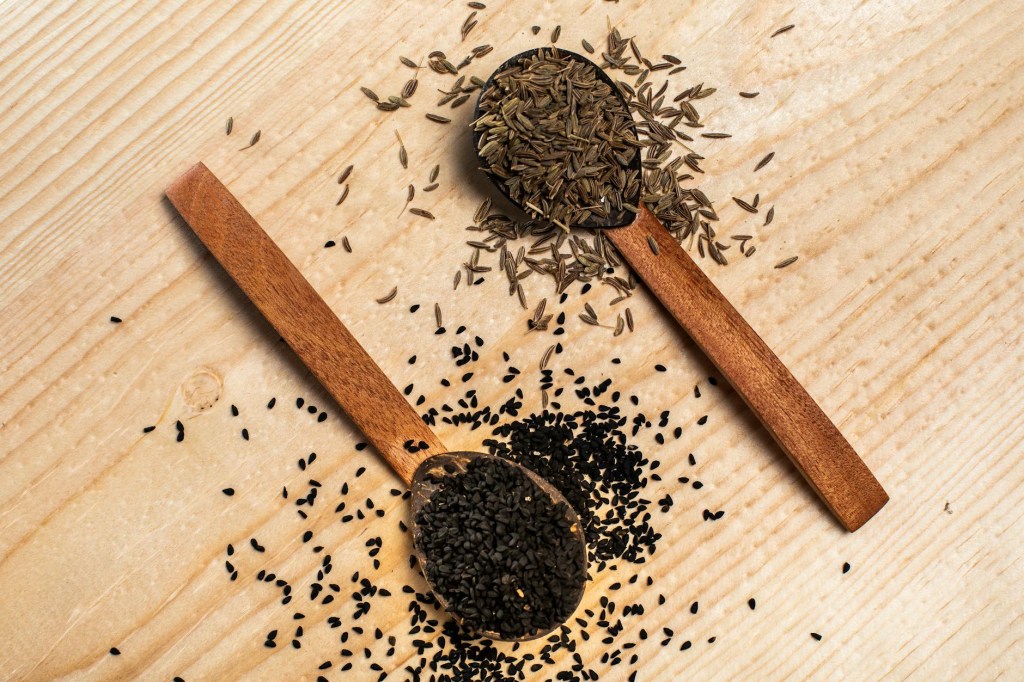
1.Throughout history, Nigella seeds, known scientifically as ‘Nigella Sativa’, have been utilized in a variety of culinary dishes in South Asian and Middle Eastern regions. These seeds grow from a flowering plant. The taste of these tiny black seeds is similar to that of onion and oregano, but they are slightly bitter. They are known for centuries for their immense medicinal and health benefits. They can be utilized in various forms, such as whole, oil, capsules, or powdered form.
2.Nutrition: Packed full of minerals and vitamins, including iron, calcium, zinc, copper, thiamine, phosphorus, folic acid, and many more, it’s a power meal. Useful fatty acids including linoleic, oleic, palmitic, and arachidonic acids make up the seed oil. Thymoquinone, its primary active ingredient, is extremely beneficial to health.
3.Antioxidants: Nigella seeds are full of antioxidants, which can fight free radicals and prevent oxidative stress. Studies show that nigella seeds contain several amino acids like carvacrol, thymoquinone, and 4-terpineol, which are powerful antioxidants. Hence, regular intake of nigella seeds can help protect against a wide variety of diseases, like heart disease, diabetes, cancer, and obesity.
4.Cholesterol: Many studies have shown that taking nigella seeds powder can help to lower LDL cholesterol and increase HDL cholesterol levels. This powerful effect can help the body prevent atherosclerotic diseases and ischaemic heart disease.
5.Brain: Nigella seeds have been shown to have the ability to slow down or prevent the progression of certain neurological inflammation in the brain, including Alzheimer’s disease, epilepsy, encephalomyelitis, depression, and Parkinson’s disease. Some research have also shown that nigella seeds can slow down the progression of dementia and age related memory loss.
6.Anti-cancer: Research has shown that the antioxidant thymoquinone has strong anti-cancer properties. Lung, cervical, pancreatic, prostate, skin, and colon cancers can all be prevented with the use of nigella seeds and their constituents. However, further data and investigation are needed to validate these effects.
7.Anti-bacterial: Studies have demonstrated the anti-bacterial properties of nigella seeds on germs that cause everything from ear infections to pneumonia. Their antibacterial and antibiotic qualities aid in the treatment of skin infections. They can aid in the management of chronic obstructive lung disorders and asthma because of their anti-inflammatory qualities. To manage such problems, people take the oil in capsules. However, further investigation is needed to fully understand these impacts.
8.Skin: Studies have shown that black seed oil can be used routinely to moisturize and skin cleansing. It can help to manage certain skin issues like psoriasis, eczema, vitiligo, pigmentation and wound healing. It can fasten wound healing, repair tissue damage, reduce skin irritation, heal minor burns, scar tissues. It can also help to moisturize hair, reduce hair loss.
9.Dosage: Nigella seeds have been found to have many health and healing properties and is widely been used. It’s available in capsule, powder, tablets, creams, oil, soaps, shampoos and many more forms. It is safe in small doses , about 1-2.5 gm by mouth on daily basis. But, it is recommended to inform your Primary Physician before using it.
10.Side-effects: *Bleeding disorder: It slows blood clotting, so it is contraindicated in people with bleeding disorders. *
*Since nigella seeds may interfere with metabolism, it is important to inform the treating physician while using them.
*It can slow down uterine contraction so nigella seeds supplementation should not be used during pregnancy. *Usually it protects the kidneys but excess consumption like 2000-2500mg daily may affect kidney health. *The best way to minimize the potential side effects is by incorporating nigella seeds paste or oil in very small quantity in meals to enjoy the immense health benefits, these seeds provide.
1.Though both are dairy products, widely used and might taste and look similar, but yet yoghurt and curd have clear differences. Many people even mistake curd for the Western name of yoghurt. The first basic difference is the method of preparation. Curd is prepared by milk fermentation from Lactic Acid bacteria. The lactic acid forms a reaction with the globular protein of milk and produces a thick consistency called curd. Curd can be prepared at home. Unlike, curd, yogurt cannot be made at home as it is made by milk fermentation with live strains of Lactobacillus bulgaricus and Streptococcus thermophilus. These bacterial strains react with the sugar present in the milk which produces lactic acid. The lactic acid, now reacts with milk protein, producing yoghurt.
2.As far as nutritional value is concerned, yoghurt is a rich source of protein, calcium, iron, potassium, and vitamins B5 and B6. Compared to curd, yoghurt contains less lactose so people with lactose intolerance preferred them more. On the other hand, curd contains more lactose as it is prepared from fresh milk. It is also a rich source of protein, calcium, phosphorus, iron and vitamin B6. It helps to regulate digestion.
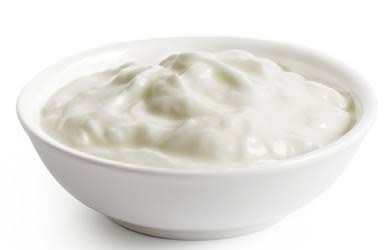
Yoghurt
3.As far as health is concerned, both have their respective preferences. Yoghurt contains high probiotics so it helps maintain gut health for its beneficial bacteria content and is also preferred for weight loss. Since it contains high potassium, it is useful for people with high blood pressure. Curd is a storehouse of good bacteria too so it helps to maintain a strong immune system. Its nutrients are absorbed quickly in the system so it is beneficial for the digestive system and can resolve digestive issues. Because of its rich source of calcium, it is healthy for bone health and has beauty benefits for hair and skin.
4.Yoghurt is a fermented dairy product, produced by standardised bacterial live strains at a controlled temperature so available in different flavours and different textures. It cannot be made at home. Since it is commercially produced, it can be fortified with vitamins and has high probiotics. It has usually a mild tangy taste. Curd is made from fresh milk, by adding an acidic substance like lemon or vinegar or adding a spoonful of curd from the previous batch. So, it can be easily prepared at home. Homemade curd can retain more amount of lactose due to slow fermentation. Depending upon the length of fermentation, it can taste either mild soreness or may have a strong tang.
Curd
5.The debate of which is better is irrelevant as both of them are dairy products with great health benefits. The key difference between curd and yoghurt is the method of preparation. Depending upon the preferences in taste, texture and flavours, people may prefer either of them. For individuals with lactose intolerance, yoghurt is preferred as it contains less lactose. For people who prefer thicker consistency and texture, yoghurt is strained from the liquid to make it thicker after fermentation. Greek yoghurt is a thicker and creamier version as it is strained multiple times. On the other hand, curd is low in calories and preferred for people with cholesterol, obesity and hypertension.
1.Creatine is a natural chemical found in the body, specially in the skeletal muscle. It is found in the form of creatine phosphate, around 95% in muscles cells and 5% in brain and testes. It’s main fuction is to provide energy for the muscles. Creatine helps to increase the reservoir of adenosine triphosphate (ATP) which store energy in cells. Basically, creatine helps to increase muscle mass, muscle strength and helps healing due to any injury of muscles.
2.The main way that creatine works in muscles is by giving them energy, which alters how cells operate and promotes muscle growth. It promotes muscular growth throughout the long and short terms. Research has indicated that creatine can enhance muscular growth, mass, and strength in people of all ages, including athletes.
3.A number of studies have demonstrated that creatine can boost muscle growth and strength as much as three times faster than exercise training. It can also increase muscle endurance. Thus, athletes have used it extensively. Sports athletes who use creatinine to improve their performance include runners, bikers, soccer players, and swimmers.
4.In addition to muscles, creatine supports the brain’s optimal function by replenishing ATP and phosphocreatine storage. Studies reveal that taking supplements of creatinine can help individuals with injuries to the brain, and neurodegenerative conditions like Alzheimer’s disease, epilepsy, and amyotrophic lateral sclerosis.
5.There is evidence from clinical trials that creatine may help lower blood sugar, treat fatty liver disease, strengthen the heart, and lessen the risk of stroke. Confirmation requires a great deal of additional study. Among women who have passed experienced menopause, creatine can improve bone and muscular density.
6.Supplementation is often used by older persons, young adults, and athletes, as well as in certain situations under medical supervision. Creatine monohydrate supplements are the most often utilized. According to research, this is the most extensively used, reasonably priced supplement. Generally, under supervision, 20 grams per day for 5-7 days is advised based on each individual’s unique body type and needs. Lowering the dosage gradually in order to keep the ideal levels in the body intact.
7.Regarding safety, there is no proof that creatine damages the kidneys or liver or has any adverse effects on healthy people. People who use creatine supplements during really intensive workouts do report experiencing cramps and dehydration.
8.Animal-based sources of protein such as meat, poultry, and seafood are the primary natural sources of creatine. For vegetarians, milk and cheese contain very little creatine. Regarding vegans, there isn’t any specific food source for creatine.
9.Since the words “creatine” and “creatinine” sound identical, individuals sometimes confuse them. To be clear, creatine is the energy source for building and strengthening muscle, whereas creatinine is a waste product that the kidneys filter after the muscle produces it. To determine the kidneys’ ideal performance, blood creatinine levels are measured; these levels tend to rise in chronic renal failure.
10.To ensure that we consume enough creatine in our diet, it’s critical to incorporate food sources of the protein so that muscle build in the body is adequate. Creatine helps in recovery of post- trauma muscle fibres, exercise- induced injury recovery, muscle soreness and inflammation.























 3H:health,happiness,healing