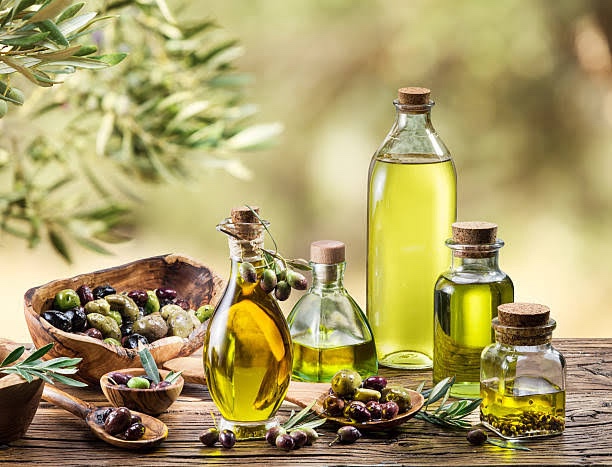
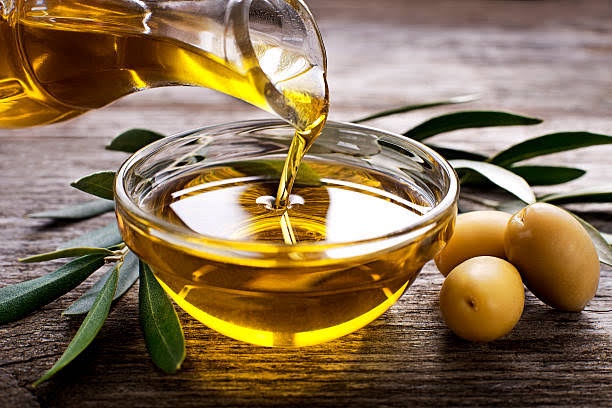
Any edible oil is cold-pressed oil when it is produced by precipitation, by pressing the seeds at room temperature without using heat for extraction. Unlike refined oil, the process of extraction of cold-pressed oil and filtration is done without using any harmful chemicals and heat. It is produced by the natural method of extraction from seeds by pressing at room temperature so found to be more natural and nutrient-dense.
How the cold-pressed oil is different from other oils? Refined oil extraction involves machinery with different steps of refining, by using chemicals, heat and sometimes bleaching agents so the oil has a high smoking point. Hot-pressed oil involves applying heat during extraction but no chemicals. Vegetable oils are usually hot-pressed oil. Virgin oil involves the extraction of oil from fresh fruits or seeds like virgin olive oil or virgin coconut oil. In some cases, it may differ from cold- pressed oil as the oil is extracted from the fruits or seeds from drying them earlier so the oil retains its nutrients and antioxidants.
3.From a health point of view, out of all cooking oils, cold-pressed oil and virgin oil have the maximum benefits. Both the oil extraction and filtration processes have been made to preserve the maximum nutrients, antioxidants and healthy fats. Even after extraction, these oils are rich in healthy fats like omega 3 and 6, vitamins, and minerals like zinc, magnesium and potassium. These nutrients are very essential for health as anti-inflammatory, and anti-cancer properties and are good for the cardiovascular system.
4.The cold-pressed oil of any variety, restores the natural flavour and physical characteristics of the oil like colour, taste and smell. Apart from having immense health benefits, the oil is light and good for cooking depending on the variety of oil used as per taste buds. Extra virgin olive oil is considered the healthiest as it is extracted from the freshest olives by cold pressed method.
5.Depending on the cooking culture and taste buds, there are a wide variety of cold pressed oil types in the Supermarket like olive oil, soybean, canola, cottonseed, palm, peanut, coconut, sesame, mustard, sunflower and avocado oil. Out of them all, olive oil and coconut oil are among the healthiest varieties as a cooking medium. Extra virgin olive oil, avocado oil and walnut oil varieties have been used as dressing for salads.
6.The reason of the disadvantage of cold-pressed oil is due to its low yielding while extraction and short shelf life of 3-4 months. To increase the volume of the cold-pressed oil, the raw material has to be crushed several times. The method of extraction is usually manual or simple mechanical tool of crushings used at room temperature. Then, the oil is filtered to remove precipitates or any toxins. Due to low production, the cost is usually high.
7.Nowadays, cold-pressed oil is preferred for its environmentally friendly method of extraction. Moreover, the oil is nutrient-rich with tremendous health benefit properties of lowering the risk of heart disease by reducing bad cholesterol, anti-cancer properties and anti-ageing benefits. These oils are rich in polyunsaturated fatty acids which are necessary for brain function and heart health.
8.Another important benefit of cold-pressed oil is that it can aid in the weight loss process. Since it has a high metabolic rate it can facilitate in burning of fat. It is also easier to digest due to its low cholesterol content. But, using excess oil while cooking may overshadow these benefits.
9.Some variety of cold-pressed oil has some special benefits in particular. Like groundnut oil, olive oil improves insulin sensitivity and helps in better control of blood sugar. Lignan is a powerful antioxidant found in cold-pressed sesame oil which helps in lipid peroxidation and thereby lowers blood pressure. There is strong evidence that shows that consumption of olive oil lowers the risk of cancers like breast and GI tracts cancers.
10.It is very essential to switch to a healthy type of cooking medium like cold pressed oil and use them in moderate quantities for cooking daily to lower the health risk. Nutrient-dense, high-calorie- rich oil helps make you feel fuller after eating and reduce your hunger. Together with everyday exercise and considerable hours of fasting between meals can help to maintain overall well-being.
The gut flora is mainly composed of trillions of gut microbiomes which are mainly bacteria, fungi, viruses and archaea. This is unique to every individual and develops in his/her lifetime, as distinctive as the fingerprint. Initially, the intestinal tract of a newborn at birth is sterile. The newborn’s gut is first colonised by the mother’s bacteria during the process of vaginal delivery. Environmental bacteria also start colonising in the baby’s gut as soon as it is exposed after birth. Then, slowly the child’s gut starts developing into a unique microbiome flora depending upon the different food intake and environmental exposures with time.
The gut starts having both good and bad bacteria with different kinds of food and environmental exposures. Good bacteria mainly help in the digestion and absorption of the food and nutrients. They strengthen the immune system and produce several beneficial amino acids and vitamins. The more, the good bacteria population, the healthier the person and the stronger the immunity, in his lifetime. They are simply the protectors of our health and well-being.
3. There are bad bacteria also in our intestinal gut flora. As long as they are low in level, they remain harmless. But then, when we take antibiotics or develop unhealthy food choices and habits, smoking, drinking alcohol and so on, the good bacterial flora is at risk and starts eliminating. In such cases, bad bacterial flora starts flourishing causing havoc in the immune system leading to various diseased states. Chronic inflammation starts progressing leading to autoimmune diseases, cancers, and inflammatory bowel diseases.
4. As research has progressed, studies have found links between bacterial species in the gut to certain types of diseases. Metabolic diseases like obesity and type 2 diabetes are found to be linked with the presence of certain bacterial species of Lactobacillus. New studies have shown strong evidence of gut kidney connection. Certain species of bacteria in the gut microbiome result in uremic toxins while digesting protein which may be a factor in developing chronic kidney diseases. Several studies have shown a link of depression to the gut microbiome. Various bacterial species like Eggerthella and Sellimonas are found at high levels in individuals with depressive symptoms.
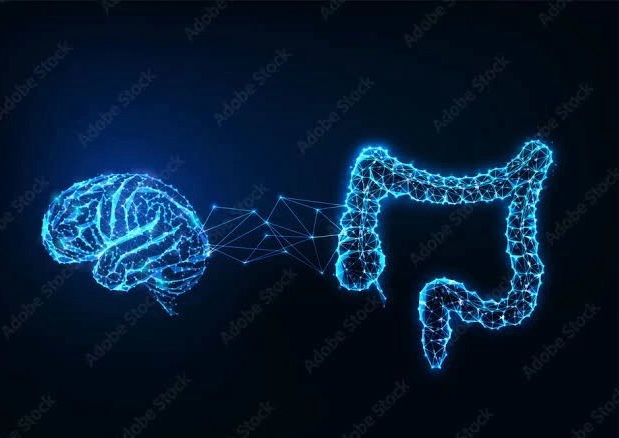
5.The gut-brain connection plays an important role in a person’s well-being. That is why the gut is known as the “second brain”. The gut nervous system can be called the Enteric Nervous System, which has around 100 million nerve cells from the oesophagus to the anal opening. The main functions of this system are digestion, absorption of nutrients, and release of enzymes for food breakdown. Studies show that irritation in the GI tract may trigger the central nervous system to change moods. The gut microbiome also produces hormones like serotonin, and norepinephrine which are important for mood changes. Therefore, there is a strong connection between depression and anxiety in people who deal with gut issues like irritable bowel diseases, stomach upset, pain, and constipation.
6.The signs of a healthy gut are the regular pooping habit, which may be 2-3 times a day to 3-4 times a week, the range can vary with every individual. There is no pain, no bloating after eating, and no discomfort during bowel movement. Symptoms like bloating, diarrhoea, stomach pain, feeling of fullness after eating or malnutrition can be the signs of an unhealthy gut or tigger for slowly increase in bad bacteria. In such cases, clinical attention is required to investigate and diagnose any bowel issues.
Sugar rich foods
7.The common triggers which may lead to an unhealthy gut can be too much stress, constant fatigue, sleep disturbances, ultra-processed food, a sugar-rich diet, and too little intake of fluids. The frequent use of antibiotics has a link to an unhealthy gut. Therefore, these lifestyle habits need to be avoided as practically as possible. Skin conditions like psoriasis do have a link to an unhealthy gut too.
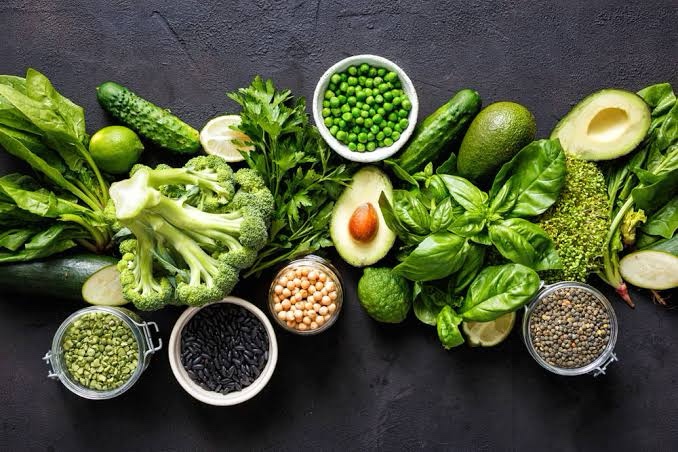
Natural foods
8. The common ways that we can take care of our gut health and improve the good bacteria count are by having a fibre-rich diet with plenty of vegetables and fresh fruits. A diet rich in whole grains, legumes, pulses, nuts and sea fishes. Lowering the sugar-rich foods, limiting the everyday stress, and remaining hydrated as possible. Intermittent fasting is beneficial too for gut health and flora.
Fermented foods
9. Another important food for our gut health is fermented food as they are rich in probiotics. Plain yogurt, buttermilk, kimchi, sauerkraut and kombucha to name in the list. There can be other varieties of fermented food too which can be local or region-specific around the globe. Any food which is fermented or sprouting can be excellent for gut health as it increases the lactobacilli and keeps the growth of bad bacteria checked.
Walking in nature Gratitude journal
10. So, the simple tips to take care of gut health are to have more and more fibres and probiotics daily, curtail sugar as much as possible, stay hydrated, keep out of stress, meditate to calming mind like walking in nature or listening to music, exercising, mild to moderate ways, practising gratitude journal every day increases happy hormones and trying to maintain a sleep routine. Ultimately, the best way to live a longer and healthier life is to live in harmony with nature.
First of all, I am incredibly appreciative that I get to celebrate another new year with the Supreme and all of my beautiful bloggers.
Let us hope that this new year, with its 365 fresh days, will bring us growth, positivity, action, hope, and the drive to achieve our objectives. Not to mention to make time for our loved ones and family.
Both failure and success are fleeting. The capacity to continue going forward is most important.
I’m wishing everyone a wonderful and prosperous 2024 New Year !
1. What is fatty liver? As the name rightly suggests, is a state when there is a build-up of fat in the liver. It can happen in 2 ways – Nonalcoholic and Alcoholic fatty liver types. Nonalcoholic fatty liver is a common type where the cause is not exactly known but may be due to obesity, belly fat or chronic conditions like diabetes. Simple fatty liver is the condition, where there is fat in the liver but there is no inflammation, damage to liver cells or other complications. Alcoholic fatty liver is a serious type which is related to drinking alcohol.
Simple fatty liver remains most of the time undiagnosed unless you end up doing a liver enzyme test and liver function test. When the liver enzymes Serum alanine aminotransferase (ALT) and Serum aspartate aminotransferase are mildly elevated are indicative of simple fatty liver. When liver enzymes SGPT (Serum glutamic pyruvic transaminase) and SGOT(Serum glutamic oxaloacetic transaminase) show increased levels are indicative of liver cell damage and liver inflammation.
3.To deal with a fatty liver, first and foremost , reducing belly fat and losing weight is essential. To start incorporating organic food in diet like cruciferous vegetables broccoli, cabbages, cauliflower, spinach, sulphur rich vegetables like onion, garlic which are also loaded with glutathione. Organic food is primarily good for the liver because they are free from pesticides, fungicides and GMOs (genetically modified organism) which are harmful to the liver’s health. GMO food like soya bean, canola or some breeds of corn are unhealthy for the body.
4.Fasting :Intermittent fasting and prolonged fasting, not only help in losing weight but also stimulate autophagy in the body. Autophagy is the body’s renewal mechanism of cleaning the debris of damaged cells and recycling some parts of them towards cell repair. Usually, 12-16 hour long fasting is beneficial but the most effective is 16 hours long which will also facilitate fat burning. Other methods to stimulate autophagy are drinking coffee or a cold bath. Fasting helps to reduce inflammation and level of the liver enzymes.
5.Lifestyle changes: Dietary changes like avoiding sugar, and saturated fat, reducing salt intake and switching to organic food are beneficial. Portion control while eating helps the quantity intake during meals. Moderate to high intense exercises and increase in physical activity during daytime, permanently eliminating alcohol, maintaining sleep routine and remaining stress-free as far as possible contribute to liver health.
6.Detoxification: Cleaning toxins from the body routinely not only benefits the liver but the overall body from harmful abuse. Some food items which naturally detox the liver are high fibre-rich oatmeal, green tea which is rich in antioxidants, avacado rich in healthy fat and fibre, olive oil rich in antioxidants and helps to reduce LDL cholesterol and free radical damage. Fatty fishes like salmon, and sardines which are high in Omega 3 fatty acid, is a healthy fat that promotes liver health and prevent damage to liver cells. Liver friendly nuts are almonds and walnuts. Tofu, which is high in protein helps to prevent the accumulation of fat in liver cells. Whole grains and unprocessed cereals help to break down the fat in the liver cells by preventing them from accumulating in the cells.
7.Herbs: A natural herb called milk thistle has been used for centuries to improve liver diseases. Research studies have been carried out to study its evidence on liver health. Some reports do suggest that it has a beneficial effect on liver diseases like cirrhosis and hepatitis. Studies have shown Milk thistles do show improvement in cholesterol levels and insulin resistance to type 2 diabetes. Some studies show that it is a natural antioxidant and increases the level of Glutathione. But, the most important advise is before trying a herb, we need to consult our Physician. Other herbs which are beneficial for the liver are green tea, cucurmin, licorice and ginseng.
8.Tocotrienols primarily are the unsaturated form of vitamin E which are naturally found in rice, wheat, vegetable oils and cereals like barley. Tocotrienols are strong antioxidants and anti- inflammatory which prevent damage to liver cells. Studies show that tocotrienols can lower cholesterol, and lower the risk of stroke, and cancer. In the liver, it can help to prevent damage to liver cells by maintaining the liver cell integrety.
9.TUDGA: Tauroursodeoxycholic acid (TUDGA) is a bile acid found naturally in humans. Medical practitioners use it to treat conditions like liver cirrhosis, reduce cholesterol levels, some cancers, and cystic fibrosis. Studies have shown that TUDGA used as a supplements do benefit liver health, heart, liver diseases, stroke and cancer. Due to possible side effects, and daily dosage, a physician needs to be strictly consulted before using such supplement.
10.Drinking plenty of water: Last but not least, the easiest way to promote liver health is by drinking plenty of water. Water consumption helps to knock down the harmful toxins from liver cells. Dehydration of bile ducts can increase the risk of gallstones. So,drinking water is very vital. Not all drinks, sodas and soft drinks are liver-friendly. So, clear water is the most beneficial drink for releasing toxins from the liver. Adding a piece of ginger or a few lemon drops in the water can be helpful.
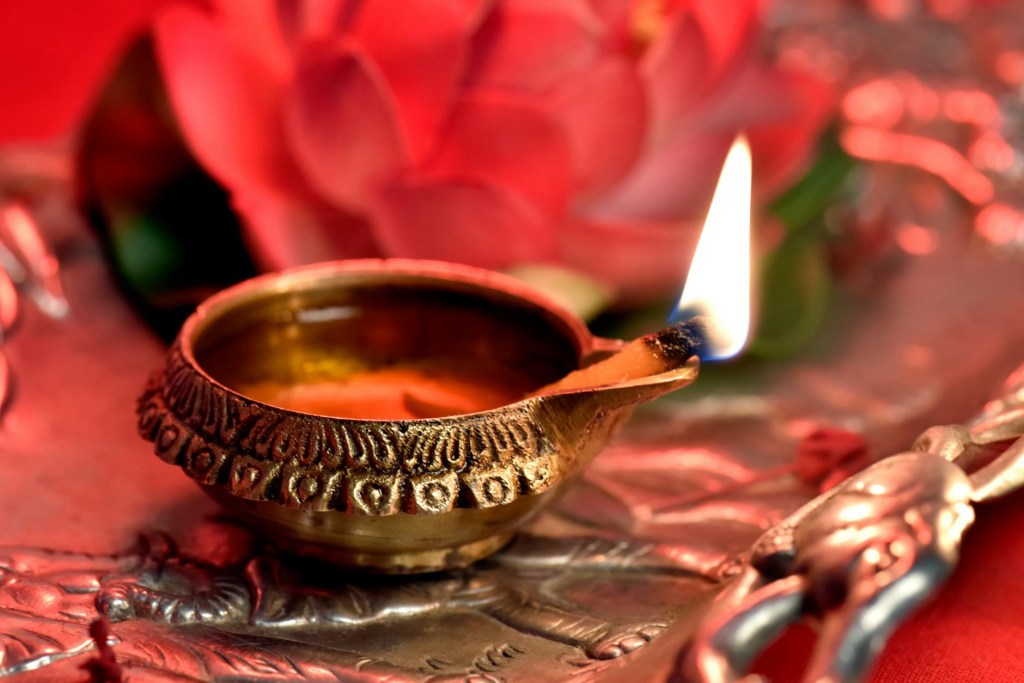
Today’s world is full of negativity and uncertainty where change is inevitable. Not all changes are comfortable. But faster, we accept, the sooner is the liberation and reconciliation process. Never lose the sight of hope and faith in the Supreme because it is this light which will lead us through the journey, no matter how hard it may be.
On this auspicious occasion, may the Supreme enlighten our hearts and fill our minds with happiness and positivity by strengthening the human bonds within family, friends and community.
Happy Diwali to all my dear readers with lots of love and luck. God Bless 🙌
1. The human body in which each of us lives is made up of around 37 trillion cells, to be precise. And every day, about 1-2 percent of the cells are renewing. So, exactly after 90–100 days, a new “me” appears. We remain so busy with our routine lives that we hardly acknowledge this fact, and many of us are not even aware of it. So, ‘change’ is the constant tune, not just within the universe but also within us.
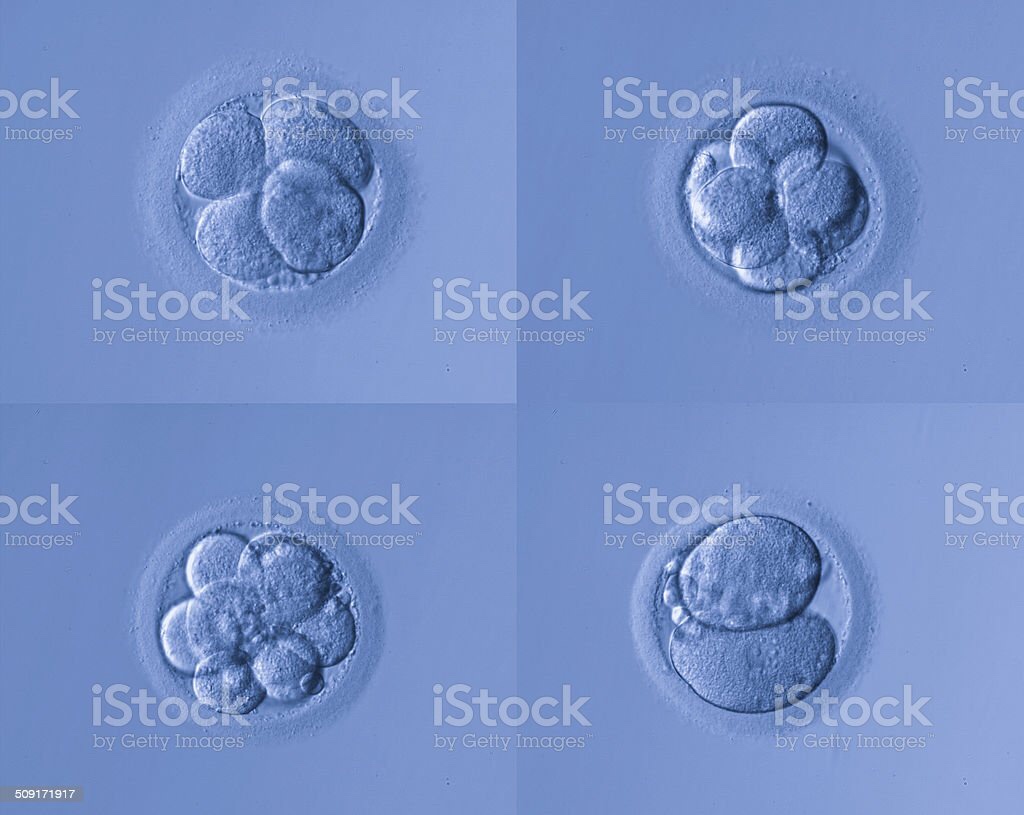
2. Now that we understand that our bodies undergo transformation on a daily basis, So, the question is: how does this self-renewal occur? Let’s go back to our past a little bit. The human body develops from the human embryo, which is fertilized by an oocyte and a sperm cell. This embryo is made up of stem cells. The stem cells are the basic cells (undifferenciated cells) of the human body, which, through the process of mutation and transformation grow into different cells like nerve cells, bone cells, muscle cells, blood cells and so on. Throughout our lifespan, these stem cells undergo cell division and keep replicating; that’s how self-renewal happens.
3. Under normal physiological self-renewal processes, different cells in the body have differing rates of cell division. So, the replication process of various tissues, organs, and blood cells in the body has a different time frame, like the skin epidermal cells, which can take around 10–30 days, whereas a bone cell takes 3 months, or a hair grows about 1 cm in one month, and so on.
4. Though our body is constantly changing due to the continuous self-renewal process through different cell cycles like shedding the old skin cells, renewal of intestinal cell lining, and growing hair or nails on a routine basis, this isn’t a simpler process. The human body is still very complicated and has exceptions. Some cells, such as those in the brain (cerebral cortex), eyes (such as lenses), and heart, do not change from birth to death.
5. But then, why is self-renewal important and must be maintained? Under normal physiological conditions, stem cells have two functions: proliferation and differentiation. Though stem cells have a natural proliferative capacity throughout our lives, disease conditions can affect their physiological self-renewal ability and behavior due to factors such as damage or an unhealthy lifestyle (obesity, lack of physical activity, smoking, or a poor diet).
6. A lack of an appropriate environment within the body or poor maintenance of the human body might eventually lead to the exhaustion of the capacity of stem cell proliferation, which causes premature aging or tissue atrophy. With aging, stem cell activity, tissue regenerative and haemeostasis is significantly declined.
7. Sometime, due to the unhealthy environment within the body, mutations lead to aggressive stem cell division without going through the natural cell differentiation process. This can lead to abnormal tissue growth or cancer in the body. Therefore, the physiological process of stem cell division and the natural stem cell behavior can be affected by four disease conditions, like degenerative, metabolic, cardiovascular, and inflammatory conditions.
8. Regenerative medicine and therapies have arisen as a result of the discovery that defective self-renewal mechanisms in the body are the root cause of malignancies and abnormal cell proliferation. Many disorders are being treated with regenerative medicines based on stem cells. Recent years have seen a significant increase in the use of stem cell treatment to treat a variety of diseases like cancer and disorders including type 1 diabetes, heart disease, stroke, Parkinson’s, burns, osteoarthritis, by regenerating cells, repairing tissues, and transplanting organs.
9. The fact about regenerative medicine is that, though it has helped many patients around the world, the cost of treatment is quite high as the procedure is complicated and the failure rate is high. Human stem cell treatment requires culturing human stem cells in a laboratory setting for a longer period of time, which is quite difficult.
10. The market is flooded with products that promote cell regeneration, anti-aging, and longevity. The lofty claims made by these items are still quite dubious. But it is true that some supplements do work to improve health, lower inflammation, and increase immunity. But in the end, having a healthy diet, getting enough sleep, a calm mind, and exercising regularly is all that’s necessary for good health.
Hello everyone! Greetings 🖖 This is my first post after a year long break…
True enough, life is indeed unpredictable. It gives you the most dreadful unexpectedness when you least expect it. That’s what happened to me. Today, when I look back and remember, I still get the goosebumps, the tremble and chill. The misery I went through, will most likely follow me all throughout my life, or for a very long time. The past year was the most challenging and overwhelming for me. In those days, I used to put down my thoughts and feelings to my husband throughout his absence during the difficult times.
When we were about to go to bed, on the evening of 8th January 2021, around10.30 PM, after dinner and are routine talk, you complained of a headache. I advised you to take a pain reliever, and go to bed. But to my astonishment, you behaved a little different when you were lying on the bed. You asked me to get the tablet and water for you. When I was back from the kitchen with the glass of water, you couldn’t get up from the bed to have the medicine.The water gushed out from your mouth because you were unable to swallow. Then, all of a sudden, I could understand that something was wrong with you. You began to slur your words. Being a doctor myself, I came to know that you were having a transient ischaemic attack or maybe a stroke. I, immediately called emergency service and requested for an ambulance. I fumbled while speaking as I was very nervous. In the interim, I also called our next-door neighbour Jan, a 72 year old retired dutchman who is quite friendly and is fluent in English. When the ambulance arrived, the paramedics examined you and noticed that your left side of the body was immobile. However you were still trying to communicate and was conscious. They hurried you to the emergency room of the nearest hospital in Eindhoven where we reside. Both, Jan and I accompanied you to the hospital. In the ER, I was not allowed inside. We were both waiting outside. At around 11 o’clock, I asked Jan to go back home as he was quite tired and had recently recovered from cancer.
A little later, I was told that they gave you a Morphin injection for your headache and a CT scan was done. Although I was completely shaken, somehow I was calm, still holding on to my gut that things would be all okay. Once the CT scan report came, they confirmed to me that it’s a right brain hemorrhage, which is quite huge and with some strange findings. I was told that they had planned to shift you to a hospital in Tilburg, which is a nearby city, about 45-minute drive from Eindhoven. On top of my shock and cold shivers, I was confused and petrified by this whole chain of events. I was informed that they don’t have the expertise, so that is why you have to be referred to the Tilburg Hospital, which has a better neurological service. Moreover, I was told that your CT scan findings were quite confusing and the bleeding was huge.
Within minutes, the ambulance came and rushed us to Tilburg. Inside the ambulance, you were lying down, still in your senses, tired and awake, complaining of the headache and discomfort. I was sitting next to you and asking you to rest and reassuring you. By almost 12.30 am, we reached Elizabeth Hospital, Tilburg. They rushed you again to the ER. I was allowed to accompany you there. The neurosurgeon on duty examined you and did a scan again. She, too, told me about the right brain hemorrhage and some strange discovery that resulted in the massive bleeding. All the while, I was very worried and heartbroken from inside. I could not hold my tears, cried and felt so helpless. At that moment, I felt that I would lose you and that I had lost everything in life.
Still awake and tired, you were transferred to a medium-care unit to be kept under observation. You asked the nurse if I could stay with you in the room. I know I won’t be allowed in, so I assure you that I will keep waiting outside. During those painful hours, I called your father, back home in India, to inform him about the whole episode. He was totally shocked. I could not hold my tears and was crying on the phone. Then, I called and informed our son too. He was confused and could not believe his ears. He was terrified as well, as he knew that his dad was the fittest one in the family and had never had any kind of illness. I have no idea what went through him at that stage, as he was all alone at home. Due to COVID, he was in our apartment and not in his college hostel. I also informed my sister and my brother-in-law. By that time, it was almost 1.30 AM. I was told to go back home as you were kept under supervision and it was quite stable.
So, while boarding a taxi from Tilburg to Eindhoven, I realised that the coming days were going to be the toughest to handle.That whole night, after reaching home, I cried and cried, just loitering around the house in anguish and pain. I had the impression that I was in for a long, dark journey with no idea what lay ahead.
The following day ,on the 9th of January was even scarier. I was informed earlier that you would be taken to the Operation Theatre for brain angiography. I was in the hospital, waiting to hear about the outcome of your brain angiography. Till 6 o’clock in the evening, there was no news concerning you. I kept enquiring the OT nurse about you. She informed me that you hadn’t been taken out of the OT. My mind was beginning to crawl with fears and anxieties. I was distraught and in panic. The OT nurse then called me at around 6:30 pm and took me to a room. I could sense the worst as I was sitting alone in the room. At that moment, I was terrified and utterly shaken.
Two doctors entered the room and sat in front of the table where I was sitting. One doctor started talking to me about the procedure they had to perform on you. They said that you had an atrioventricular fistula in your right brain which had to be repaired, otherwise the bleeding was profuse. The procedure went well, but you have not yet regained your consciousness from the anesthesia. They were very uncertain about the outcome and that you might have slipped into a coma. They told me that they were expecting the worst scenario, maybe brain death. My whole world was shattered at that moment. I was almost lost and could not stop myself from crying. I was in a complete state of shock. The doctors and staff did try to console me. Jan, our elderly friend, explained to me to take things practically and control my emotions. I called our son, your brother, and my family and informed them regarding your state. I was told to return home and was assured to be informed of any further developments regarding your state. When I got home, it felt like the longest night, the darkest and scariest night of my life. That whole night, I grasped onto my mobile, waiting for any news about you.
On January 10th, I came to the hospital and was informed that you had been shifted to the ICU. The doctors told me that they had to drain a huge bulk of fluid from your brain and that your vitals were stable. I was informed that your MRI scan showed a sub-arachnoid hemorrhage, which got worse due to a congenital defect of the AV fistula. Such cases are rare.The condition was worse as you had hydrocephalus, so the fluid had to be drained to reduce the pressure.
The first time I saw you in the ICU with a ventilator and machines, drains, and drips all over, it was really hard for me. I went near you and called your name. You did respond with a little movement of your right hand. I was relieved and was happy as I could see little hope of light after these 2-3 hard days. That day was quite positive for me as the doctors were happy with you for being responsive to the treatment and procedure. But then, they still reminded me about the uncertainty of your condition. There was still a huge amount of fluid left in your brain which had to be drained continuously. You were still in a comatose state, with a low score on the neurological scale. I was told to call our immediate family members from India as your chances of survival were low. I called our son, back in India, and asked him to pack his bag to come to the Netherlands. I also informed your family and mine regarding your present state. I called your employer and informed them because they had been trying to reach you for the last 2-3 days due to your professional obligations. I also informed my project coordinator and let go of the project that I was doing.
After going through all the procedures of an emergency visa, our son arrived on January 14th. This was a life-changing event for him as well, as he had been very close to you, his father. He did go through an emotional roller coaster during those turbulent days. And, seeing you in that state, he had acted very mature and calm. He has been my biggest support through this storm. Our neighbors and friends have also been very supportive through the difficult time. Your employer has been a great support system for me and our son. We will always remain grateful to everyone who has been there for us through those difficult hours.
You stayed in the ICU for almost 2 months. Everyday, I visited twice, once in the morning and then in the evening. During my time spent with you in the ICU, your eyes remained close most of the time, but you do respond to my touch with right-hand finger movements. Some days were good and positive, while some days were scary. Our son, too, visited you in the ICU. But, he had to leave as his exams were approaching. Your neurological state improved slowly and your vitals were stable. You had gotten out of the ventilator. They decided to shift you to the rehabilitation centre after you regained consciousness.
I was initially quite optimistic and excited about your development and recuperation during your time in the rehab facility. However, because the prognosis was poor, we, also had to deal with a number of setbacks in that situation. Your severe cognitive impairment and short – term memory problems were not responding well to therapy. Your left side is completely paralysed, and there is no recovery. You still struggle with a few cognitive issues. However, you continue to make good progress in terms of your awareness, speech, memory, and physical development every day. Your speech is clear and concise at present.
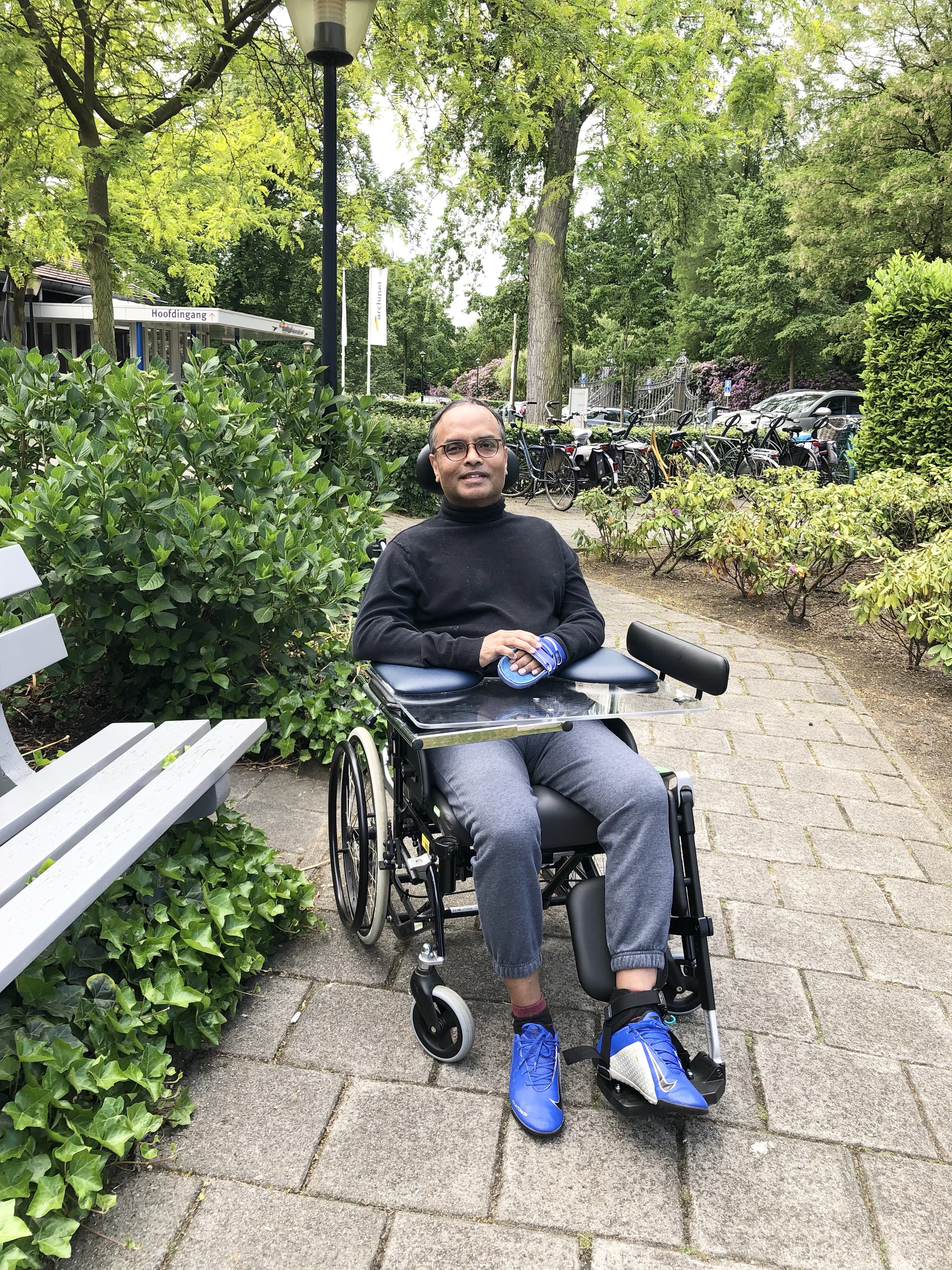
After more than a year, you are still residing in the rehabilitation facility, and your therapies are still ongoing. I see you almost every day of the week. While we converse and laugh on certain days, other days are sad when therapy doesn’t work out. As I’ve come to terms with your situation, I’ve begun to feel content. My greatest satisfaction comes from watching you smile while I am with you.The hardest lesson life has taught us today is to be cheerful in the moment we share together right now because we don’t know what the future has in store for us. When I see you now, hope is the only thing in which I will still believe and live.
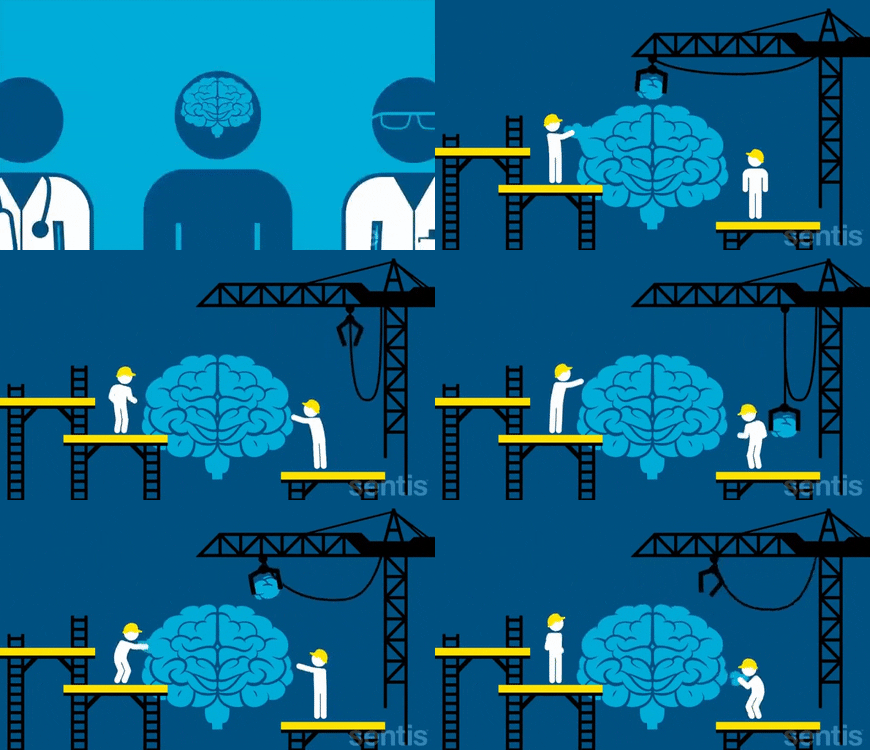
Though we are moving fast in the field of science and technology, but are we taking enough care of our cognitive health? Just the way as we do for our physical health. Due to awareness around maintaining a healthy lifestyle, our life expectancy has increased twofold. Still, at the same time, there is an emerging number of brain and cognitive issues. These chronic brain issues significantly affect life, making it disabled for living. The WHO has rightly pointed out that in recent years to come, one out of every five individual will be affected by either dementia or Alzheimer’s disease. Therefore, the problem is severe, and there is an urgent need for proper care and development of cognitive health and functions as one age from a young child to growing older.
Usually, the brain functions and coordinate through four different areas to carry out our daily activities. 1.Memory: Recalling the memory, working memory and problem solving using past experiences. 2.Executive function: Planning, decision making, organizing. 3.Speed/Accuracy: How fast and efficiently, one can complete a particular task? 4.Concentration: Keeping the mind focused on a specific task despite the interruptions, noises, distractions.
Cognitive health and fitness are at its best when in our day to day circumstances, we can do the right thinking, right ways, and at the right time: 1. Approaching a problem or an issue, by flexible thinking and not linear thinking. Keeping an open mind, thinking with multiple approaches and self-regulating. 2. Being able to focus and be attentive on a particular task within the day to day environment of distractions, interruptions and noises. 3. A working memory, recalling memory and problem-solving. 4. Cognitive strength of being both resilient and vulnerable.
When our brain and cognitive domains are not at our best, due to improper sleep or dehydration or any stress, we face several issues like:
1.Brain fog, foggy memory, forgetfulness. 2.Poor mind control 3.Lack of focus, easily distracted. 4.Unable to make decisions 5.Slow while performing the task.
We have already known the fact of Neuroplasticity and that the brain is changeable. It has amazing capacity of learning and storing informations. To know more, here is the link https://atomic-temporary-162723897.wpcomstaging.com/wp-admin/post.php?post=2676&action=edit. By practising and repeating things, new synaptic connections can be made or strengthen the already existing neural pathways. More synaptic density allows more flexible thinking approaches. So, there are several ways; we can keep our cognitive health intact : 1. Learning new things, languages, hobbies, music like an instrument and so on.
2.Trying to have new experiences like walking in a new direction, travelling to a new place, exploring a new idea, creativity, trying a unique taste. 3. Being more attentive of the environment like the smell, sound, any physical sensation.
4. Solving problems, trying math, puzzles.
5.Physical movement: Cross crawling exercises, hand body coordination like juggling, weight training, resistant activity.
Why did I feel writing something about walking? Firstly, I believe in this form of fitness, and secondly, off course, for its incredible health benefits. Without stepping inside the gym, the concept of exercise and physical fitness in today’s time doesn’t seem to work. Either you are running the treadmill or using high-end gym apparatus to strengthen and shape your muscles. Unless you do such exercises, you feel you are not doing the right kind of exercise regime for your fitness. Such psychology commonly revolves around us.
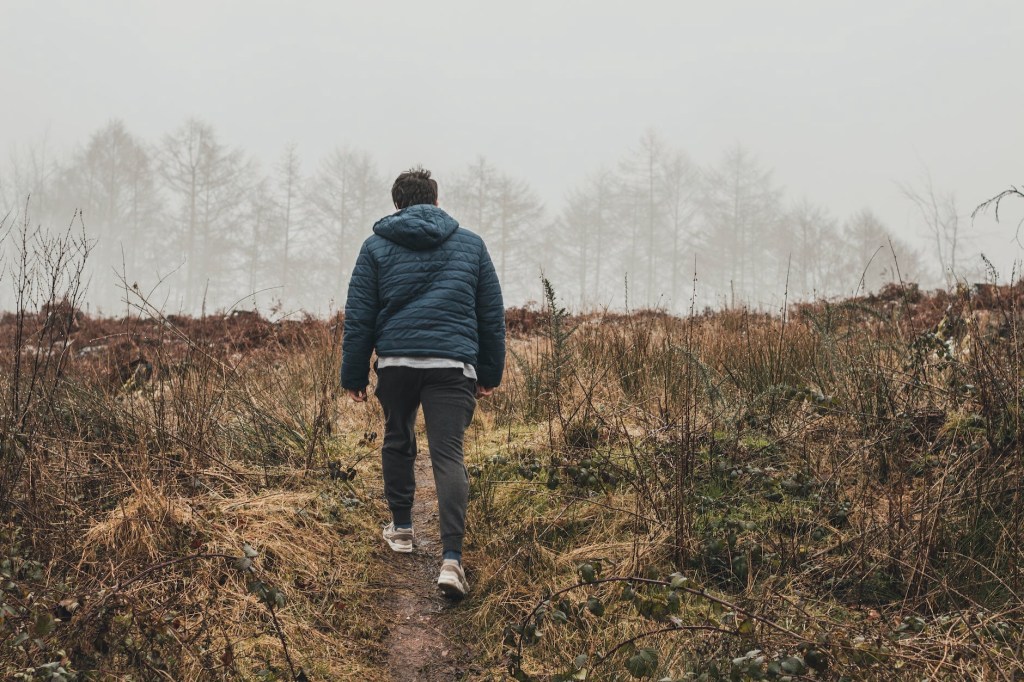
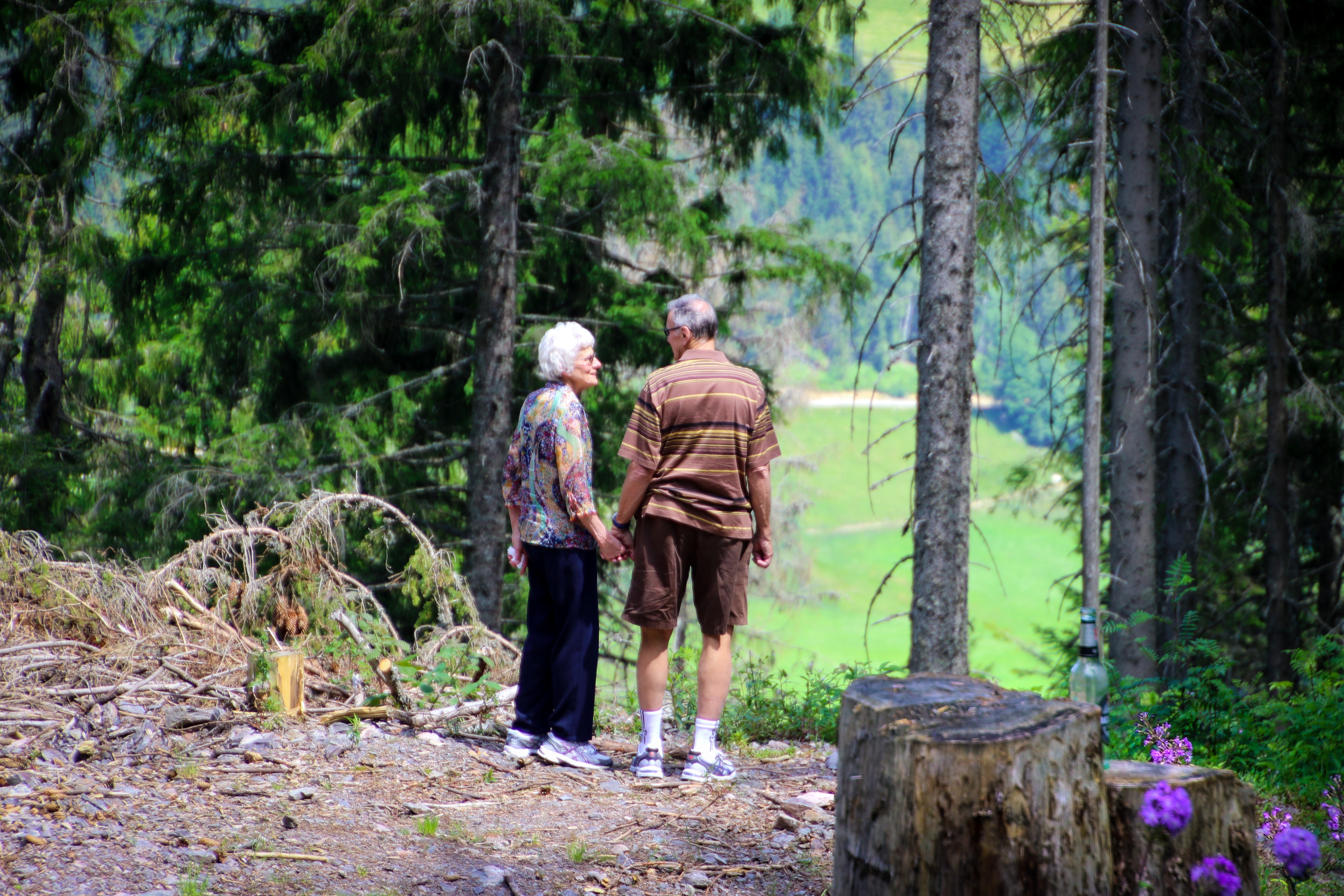
Therefore, walking has been most underrated as an exercise form for fitness. Enough studies have been done in the past, which goes to show that walking can be an effective form of a workout as exercise. A simple walk around nature gives you enough mental and physical boost and can be helpful to reduce the anxiety and stress in our everyday life. A good 20- 30 mins of a walk at a moderate pace every day is enough to give you the immense health benefits, your desired fitness level and reach your weight loss targets. Though running utilizes a more exaggerated level of energy, more pressure on the muscles but walking at a medium pace for a longer duration can give you the same desired results. Health markers have effectively shown the fitness and endurance level that can be attained by an everyday walk.





















 3H:health,happiness,healing