5 facts to know about goosebumps 😨

  1. What are goosebumps? It may sound weird as though it is related to geese. But there is nothing to do with geese. Actually, it is a sympathetic nervous system reaction where the tiny muscles (arrector pilli muscles) flex the skin causing the hair follicles to stand. In medical terms, it is called horripilation or piloreaction. It is a fight or flight response to the body’s reaction to the state of fear or excitement. It is a physiological response of the body and not, usually a medical issue.
  2. The arrector pilli muscles (APM) are tiny muscles that connect the hair follicles with the skin. Goosebumps occur when these muscles flex and pull the hair follicles upright. Normally in an individual, when goosebumps appear, it can be either in response to cold temperature, fear or a strong emotional reaction. Sometimes, it can be related to medical issues like brain disorders, epilepsy, and keratosis pilloris, a skin disorder.

3.Goosebumps are associated with other symptoms in different situations and medical-related conditions.
For the case of :
*Hypothermia, Cold temperature, along with goosebumps, you may experience shivers, pale skin and the urge to be in a warm place.


*Strong emotional responses like fear, nervousness, excitement, sexual desire, and thrilling response: The body reacts with goosebumps, fasting heart rate, fast breathing, tears, and chill.

*In case of an epileptic seizure, along with goosebumps, there can be other symptoms like a confused state, lips smacking, swallowing, and finger motions. In the case of skin conditions like keratosis pilloris, there may be skin patches.


4.Adrenaline: It is this hormone which the body releases from adrenal glands during a fight or flight response which causes goosebumps. Intense emotional responses cause the body to release adrenaline which in turn stimulates the flexing of the tiny muscles of the hair follicles and causes the skin hair to erect. Often people get goosebumps while watching a horror movie, in nervousness, experiencing stressful events.
Dopamine, another chemical which the brain releases while experiencing pleasurable experiences like listening to a good piece of music, receiving rewards, surprises or awe moments, can cause goosebumps too.


5.Rigor mortis: When a person dies, the ATP, adenosine triphosphate which provides energy to muscles and cells suddenly stops, so the cells die and muscles are stiffened causing rigor mortis. As a result, the arrector pili muscles of the dermis are stiffened too, causing the skin to trigger goosebumps.

Thanks for reading.

Peace and love 🙏

10 facts to know about constipation 👐

  1. According to medical terminology, constipation is when a person has irregular bowel movements, usually less than three times a week. Normally, a person with regular bowel movements has stool elimination three times a day to three times, a week. Constipation has been the most common gastrointestinal issue affecting millions of people daily.
  2. Normally, the food passes through the large intestine, and the water is absorbed in the colon while forming the faecal matter or stool. Then, the stool formed in the colon is pushed down to the rectum by muscle contraction. If the muscle contraction in the colon is prolonged, by the time, stool reaches the rectum, more water is absorbed making the stool too hard to pass. Passage of the dry hard stool becomes very difficult causing constipation.
  3. The most common causes of constipation are: Lack of movement, lack of exercise, stress. Lack of fibre in the diet.
    Not drinking enough fluids.
    Changes in dietary habits, pregnancy, traveling, ageing. Medications.
    Irritable bowel syndrome.
    Anal fissure.

4.Common symptoms of constipation:

Pain abdomen.
Painful bowel movements.
Feels uncomfortable or bloated.
Bowel movement less than 3 times a week.

5.Generally, constipation is relieved by switching the diet to more fibrous food, more intake of fluid, and exercise. However, if the person is not relieved of the symptoms despite these above- mentioned measures and maybe, there is a history of blood in stool, episodes are more frequent, then, it is necessary to seek medical attention.
Diagnosing constipation is based on medical history, a physical examination which covers an anorectal examination, barium enema, and colonoscopy.

6.Constipation is usually treated by diet and lifestyle changes.
Lifestyle changes include regular exercise, more intake of fluids in the daytime, giving enough time for daily bowel movements.
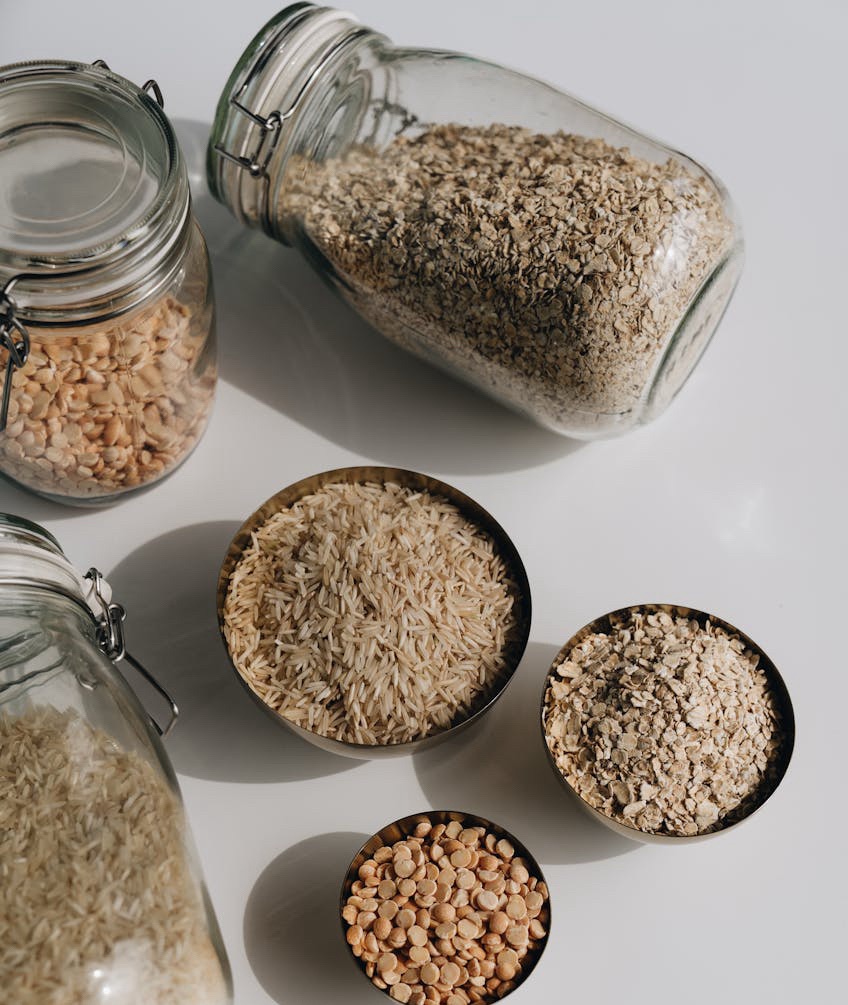
Dietary intake of at least 20-30 grams of fiber daily, including whole grains, fruits like bananas, pineapple, papaya, oranges, apples, kiwis, berries and vegetables, is recommended.
Changing the existing medication if any.
If the above measures don’t work, then laxatives are prescribed.

7.Certain risk factors which may lead to constipation:
*Mental health issues: Due to depression and stress-related issues leading to unhealthy diet, irregular meal timing, anti-depression medication, lack of exercise, and eating disorders.
*Old age causes weakening of the muscle lining so sluggish bowel movements.
*Pregnancy causes the bulky uterus to press against the intestinal wall making it harder to defecate.
*Eating lots of refined food, junk food and not eating enough fibre causes hard stool. *Medications like iron pills, antacids, blood pressure medicines, allergy medicines, anti- depressants.
*Diseases: Stroke, paralysis, Parkinson’s disease, diverticulitis, multiple sclerosis, irritable bowel disease, colon cancer.

8.Constipation commonly occurs in most cases due to dietary changes or lack of physical activity. The condition is resolved usually by changes in diet and lifestyle. But, it can be a warning sign and may require immediate medical attention when:
there is severe cramping pain with sudden onset of constipation.
Blood in stool.
Loss of weight.
Severe pain with bowel movements. Constipation is for a prolonged period.

9.Generally, dietary and lifestyle changes can prevent constipation : Drinking 3-4 glasses of water every day.
Adding vegetables and fruits to your diet every day.
Routine physical activity and exercise is a must.
Eating Probiotics such as curd, yoghurt or kefir daily. Avoiding processed food, processed meat, and fried food. Drinking less alcohol and caffeinated drinks.
Not ignoring the urge to poop.

10.There are several different laxatives available, just for your information.
Osmatic laxatives like milk of magnesia cause softening of stool.
Stimulant laxatives increase the speed of bowel movements to help the stool to move through. Lubricant laxatives like mineral oil lubricate the intestine and help to slide the stool along the colon.
Saline laxatives are used as enemas to empty the bowel.

Thanks for reading.

Peace and love 🙏
8 facts about Heat/Sun stroke🌞

  1. Heat stroke is very common in summer when the body temperature is high, reaching 40C /104 F or even higher. It occurs when the body is overheated or exposed to high temperatures in physical exertion or extreme sun light. Usually, the individual with heat exposure may recover with water and glucose within a few minutes. But sometimes, it is life-threatening, a medical emergency and needs immediate medical attention, otherwise, it may cause damage to multiple organs in the body and even death.
  2. The causes of heat stroke can be multiple.
    •The most common being exposure to extreme sunlight for a prolonged period. •High physical exertion in hot humid weather.
    •Dehydration due to less intake of water and fluid in hot weather.
    •Alcohol consumption can interrupt the body’s heat balance.
    •Wearing warm clothes in hot humid weather.

3.The symptoms appear when the body’s temperature rises to 104F or 40 degrees C suddenly. There will be extreme sweating, loss of consciousness, redness in the skin, fainting, headache, dizziness, high blood pressure, nausea, vomiting and muscle cramps. In some cases, there are seizures, muscle twitching, and hyperventilation. Sometimes, cases of heat stroke can be fatal. It can affect the kidneys due to dehydration and high temperature. Frequent episodes can lead to metabolic abnormalities, muscle breakdown, nerve damage and even kidney damage. So, it is important to take the patient who suffers from heat stroke to the nearest health facility.

4.Management of an individual who gets a heat stroke is shifting the person to a cool, ventilated place and remove excess clothing,

  • drinking cold, salty fluid, water, or glucose water
  • saline drip, applying ice packs on forehead, neck, groin
  • injecting cool intravenous fluid if possible,
    •Regular checking of temperature, and blood pressure.
    •Usually, the person stabilizes within a few minutes to an hour. If not, it is important to shift the person to the nearest health facility.

5.Types of heat stroke:
•Exertional Heat stroke: When heat stroke is caused by extreme physical exertion, doing heavy exercise in a warm humid climate or overheating of the body due to extreme sunlight.

•Non-Exertional Heat Stroke: This is a classic type of heat stroke. Usually caused due to ageing or any pre-existing condition like heart or kidney disease.

6.Risk factors of heat stroke:
•Age: Age below 15 years or older than 65 years. As ageing occurs, the central nervous system loses the capacity to cope the extreme temperatures.
•Dehydration
•Drinking alcohol
•Drugs that influence body temperatures like hypertensives, diuretics, sedatives and tranquillizers.

•High fever
•Cystic fibrosis.
•Sleep deprived.
•Obesity.

7.Prevention of heat stroke is important to know so that such situations can be avoided: •Wearing loose, cotton clothes in summer especially in hot humid climate.
•Wearing a wide hat, caps, and sunglasses when out in the sun.
•Avoid outdoor activities or strenuous exercises in hot humid weather.
•Avoiding a hot heavy meal in hot weather. •Taking rest, being in a cool space, or under air condition is necessary.

•Avoiding alcohol or hot caffeinated beverages in hot weather.

8.Apart from heat stroke, other heat illnesses which are also seen commonly are :
•Heat rashes or prickly heat, are red rashes on the skin, which might be itchy and painful and don’t go away within 3-4 days, might need medical attention. They appear when excessive heat get trapped in the body and sweat glands, pores are blocked. Being inside air conditioning and keeping the skin cool and dry are necessary. Instead of creams and powder, cold compress is helpful.
• Heat cramps, painful cramps in the muscles of the body. Resting and drinking fluid reduces the cramps.
• Heat exhaustion which can be fatigued, dizziness, nausea, vomiting and fainting. Shifting in a cool place or air conditioning is necessary. Drinking water and resting can relieve the symptoms.

Thanks for reading 🙏

Peace and love 💐

10 interesting facts about creatine 🙌

Hello everyone!


1.Creatine is a natural chemical found in the body, specially in the skeletal muscle. It is found in the form of creatine phosphate, around 95% in muscles cells and 5% in brain and testes. It’s main fuction is to provide energy for the muscles. Creatine helps to increase the reservoir of adenosine triphosphate (ATP) which store energy in cells. Basically, creatine helps to increase muscle mass, muscle strength and helps healing due to any injury of muscles.


2.The main way that creatine works in muscles is by giving them energy, which alters how cells operate and promotes muscle growth. It promotes muscular growth throughout the long and short terms. Research has indicated that creatine can enhance muscular growth, mass, and strength in people of all ages, including athletes.

3.A number of studies have demonstrated that creatine can boost muscle growth and strength as much as three times faster than exercise training. It can also increase muscle endurance. Thus, athletes have used it extensively. Sports athletes who use creatinine to improve their performance include runners, bikers, soccer players, and swimmers.


4.In addition to muscles, creatine supports the brain’s optimal function by replenishing ATP and phosphocreatine storage. Studies reveal that taking supplements of creatinine can help individuals with injuries to the brain, and neurodegenerative conditions like Alzheimer’s disease, epilepsy, and amyotrophic lateral sclerosis.

5.There is evidence from clinical trials that creatine may help lower blood sugar, treat fatty liver disease, strengthen the heart, and lessen the risk of stroke. Confirmation requires a great deal of additional study. Among women who have passed experienced menopause, creatine can improve bone and muscular density.


6.Supplementation is often used by older persons, young adults, and athletes, as well as in certain situations under medical supervision. Creatine monohydrate supplements are the most often utilized. According to research, this is the most extensively used, reasonably priced supplement. Generally, under supervision, 20 grams per day for 5-7 days is advised based on each individual’s unique body type and needs. Lowering the dosage gradually in order to keep the ideal levels in the body intact.


7.Regarding safety, there is no proof that creatine damages the kidneys or liver or has any adverse effects on healthy people. People who use creatine supplements during really intensive workouts do report experiencing cramps and dehydration.


8.Animal-based sources of protein such as meat, poultry, and seafood are the primary natural sources of creatine.
For vegetarians, milk and cheese contain very little creatine. Regarding vegans, there isn’t any specific food source for creatine.

9.Since the words “creatine” and “creatinine” sound identical, individuals sometimes confuse them. To be clear, creatine is the energy source for building and strengthening muscle, whereas creatinine is a waste product that the kidneys filter after the muscle produces it. To determine the kidneys’ ideal performance, blood creatinine levels are measured; these levels tend to rise in chronic renal failure.

10.To ensure that we consume enough creatine in our diet, it’s critical to incorporate food sources of the protein so that muscle build in the body is adequate. Creatine helps in recovery of post- trauma muscle fibres, exercise- induced injury recovery, muscle soreness and inflammation.

Thanks for reading.

Peace and love 🙏