10 facts : Is arsenic in rice, a health issue?

In general, we are exposed to arsenic daily. Not only through food, but also through air pollution, smoking, contaminated drinking water and so on. Rice is the most common dietary source of arsenic, along with fruits, vegetables and grains. Rice and rice-based products are vulnerable to arsenic contamination because of the method of cultivation, especially from the soil and irrigation water in paddy fields. Therefore, white rice, brown rice, rice snacks, rice milk, infant food and rice cereals are all found to have arsenic.

1.Yes, rice eating can give arsenic exposure, depending on the contamination levels, which can be a health concern in the long run. Arsenic contamination levels in rice can vary based on sources, brands, farming methods, and the use of fertilizers and pesticides.Therefore, it is a potential health hazard, especially for rice-eating countries, mainly in Asia. Consistent arsenic exposure can affect different organs, the nervous system, gastrointestinal system and can even cause cancer. Not many studies have been done so far, but research has confirmed that rice contains a relatively high level of inorganic arsenic, which can be toxic and carcinogenic.
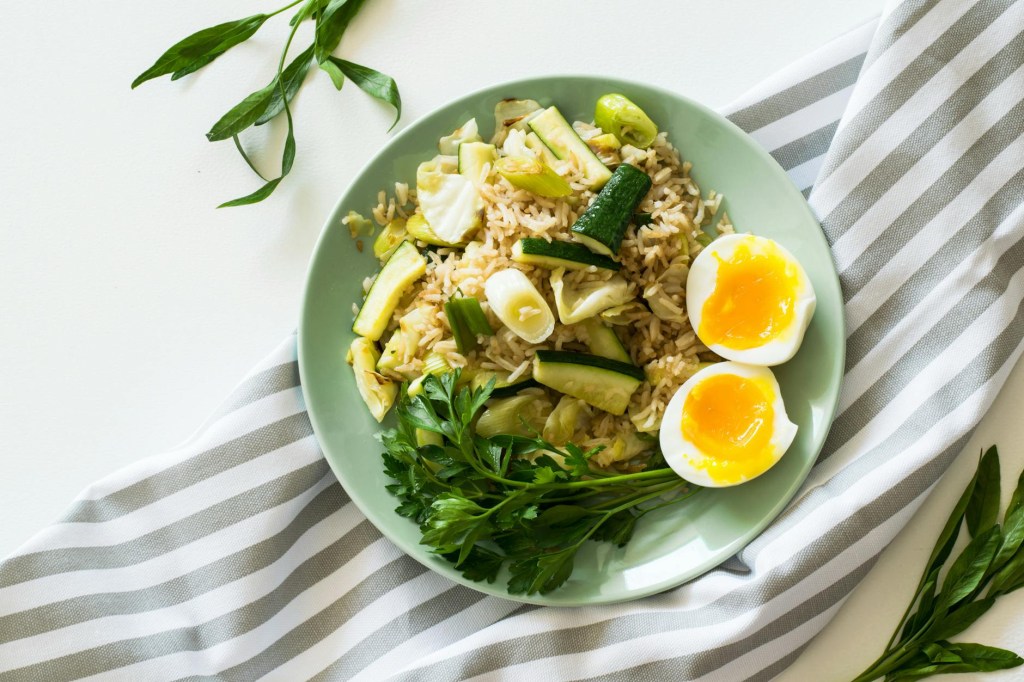
2. Rice has been a staple diet for centuries in Asia, unlike in Europe and America. There are different varieties of rice in which the arsenic levels can differ. According to research studies, different varieties of rice can have different levels of inorganic arsenic, such as:

•White long-grain rice (regular type) contains a higher level of mean arsenic concentration (ppb) as compared to medium or short varieties of regular white rice.

• Pigmented rice, like red rice or black rice, may have a slightly lower level of arsenic than regular white rice in many regions.

•Usually, brown rice, which has a bran and germ covered, is found to have higher levels of arsenic than regular white rice.
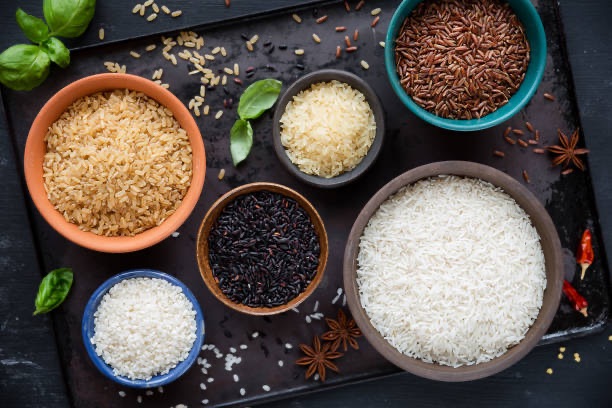
3.Research has found that brown rice, red and black rice have around 154 ppb of arsenic concentration, though the quantity varies depending on where they have been sourced. The white rice relatively has a lower quantity of 90 ppm of mean arsenic concentration. Arsenic is a heavy metal which is water-soluble, so the sources are many. It can be contaminated through soil originating from volcanic eruption, mining, power production and other geothermal activities, from irrigated water sources, pesticides, fertilisers and environmental pollution.

4.Different varieties of rice with mean arsenic levels, but the quantities may vary from region to region:

• Arsenic levels are higher in rice grown in the United States and some regions of Europe than in Asian countries like India, Pakistan or China.

• Aromatic rice, like Basmati and Jasmine rice, has a level of around 50-80 ppm, less than regular long-grain rice.

• Medium and short grain white rice contain 80-90 ppm as compared to long grain rice.

• Coloured grain rice, like brown and black rice, contains around 90 ppm.

5.Sources: Organic arsenic can be found in some seafood, seaweed is less toxic than inorganic arsenic, which is found in rice, grains and vegetables. Heath risk of having inorganic arsenic- contaminated rice and other food items can cause heart diseases, stroke, diabetes, cancers, skin and nerve diseases. Arsenic-contaminated infant food and cereals are very toxic to infants and growing children as they can interfere with the growth and development of the brain and nervous system, leading to autistic spectrum disorders, kidney diseases, and gastrointestinal system disorders.

6.Arsenic is odourless and tasteless, water-soluble, and easily absorbed in various food items. Besides, rice, vegetables, grains, arsenic can also be contaminated in poultry, such as chicken meat and eggs. When arsenic-contaminated feed is given to poultry, the arsenic is absorbed by the chicken meat and eggs. Additionally, arsenic-containing drugs administered to poultry and farm animals can lead to contamination, posing a hazard to human consumption.

7.Cutting down rice and grains, and vegetables from the diet is not a solution, as these items are very much part of the staple diet because of nutritional value in a major part of the population around the world. So, the different methods by which arsenic contamination can be reduced in the diet are:

•Sourcing the rice from less contaminated regions, also known brands, where the manufacturer mentions on the package.

• Using the type of rice, such as white regular, short and medium-grain white rice. Cooking brown rice with appropriate method.

• Correct method of cooking.

• Alternative use of whole grains like millet, quinoa, oats, and barley.

8.Typical way of cooking rice, where the water dries out, does not change the arsenic level in rice. Instead, an appropriate method of cooking the rice can reduce the arsenic contamination by 50-60 per cent:

• Overnight, soak the rice and drain the excess water.

• Using a larger quantity of water, like a 6:1 to 10:1 ratio, to cook the rice rather than the regular water level.

• Boil the rice and discard the excess water.

• Cook the rice in a pot slowly rather than in a pressure cooker.

9. Unpolished brown rice naturally contains nutrients and vitamins. Many white rice brands fortify the rice with different nutrients and vitamins, too. Rinsing and draining the excess water after boiling causes a lot of water-soluble vitamins and nutrients to be lost. For instance, rinsing white rice thoroughly causes a considerable amount of folate, niacin and vitamins to be removed from the rice. But in the case of unpolished brown rice, the nutrients and vitamins remain inside the bran covering. So, rinsing the brown rice does not affect the nutrients. Hence, brown rice is still healthier than white rice.

10. Therefore, raw, unpolished brown rice can be thoroughly rinsed, cooked in a pot slowly with a large amount of excess water, like pasta in the ratio of 10:1, which can reduce arsenic concentration by 50-40 per cent. At the same time, the quantity of folate, vitamins and minerals in the boiled brown rice remains intact. In this way, the baseline risk of cancer and health hazard reduces by about 60% which is suitable too. So, eating unpolished brown rice, pigmented rice and aromatic white rice can be suitable with the appropriate method of cooking. Also, using alternative grains like quinoa, millet, and barley is considered a healthy option to be included in the diet routine.

Thanks for reading.

Peace and love 🙏

10 facts to know about your gut flora 🙌

Hello everyone 🤗

  1. The gut flora is mainly composed of trillions of gut microbiomes which are mainly bacteria, fungi, viruses and archaea. This is unique to every individual and develops in his/her lifetime, as distinctive as the fingerprint. Initially, the intestinal tract of a newborn at birth is sterile. The newborn’s gut is first colonised by the mother’s bacteria during the process of vaginal delivery. Environmental bacteria also start colonising in the baby’s gut as soon as it is exposed after birth. Then, slowly the child’s gut starts developing into a unique microbiome flora depending upon the different food intake and environmental exposures with time.
  2. The gut starts having both good and bad bacteria with different kinds of food and environmental exposures. Good bacteria mainly help in the digestion and absorption of the food and nutrients. They strengthen the immune system and produce several beneficial amino acids and vitamins. The more, the good bacteria population, the healthier the person and the stronger the immunity, in his lifetime. They are simply the protectors of our health and well-being.

3. There are bad bacteria also in our intestinal gut flora. As long as they are low in level, they remain harmless. But then, when we take antibiotics or develop unhealthy food choices and habits, smoking, drinking alcohol and so on, the good bacterial flora is at risk and starts eliminating. In such cases, bad bacterial flora starts flourishing causing havoc in the immune system leading to various diseased states. Chronic inflammation starts progressing leading to autoimmune diseases, cancers, and inflammatory bowel diseases.

4. As research has progressed, studies have found links between bacterial species in the gut to certain types of diseases. Metabolic diseases like obesity and type 2 diabetes are found to be linked with the presence of certain bacterial species of Lactobacillus.
New studies have shown strong evidence of gut kidney connection. Certain species of bacteria in the gut microbiome result in uremic toxins while digesting protein which may be a factor in developing chronic kidney diseases. Several studies have shown a link of depression to the gut microbiome. Various bacterial species like Eggerthella and Sellimonas are found at high levels in individuals with depressive symptoms.

5.The gut-brain connection plays an important role in a person’s well-being. That is why the gut is known as the “second brain”. The gut nervous system can be called the Enteric Nervous System, which has around 100 million nerve cells from the oesophagus to the anal opening. The main functions of this system are digestion, absorption of nutrients, and release of enzymes for food breakdown. Studies show that irritation in the GI tract may trigger the central nervous system to change moods. The gut microbiome also produces hormones like serotonin, and norepinephrine which are important for mood changes. Therefore, there is a strong connection between depression and anxiety in people who deal with gut issues like irritable bowel diseases, stomach upset, pain, and constipation.

6.The signs of a healthy gut are the regular pooping habit, which may be 2-3 times a day to 3-4 times a week, the range can vary with every individual. There is no pain, no bloating after eating, and no discomfort during bowel movement. Symptoms like bloating, diarrhoea, stomach pain, feeling of fullness after eating or malnutrition can be the signs of an unhealthy gut or tigger for slowly increase in bad bacteria. In such cases, clinical attention is required to investigate and diagnose any bowel issues.

Sugar rich foods

7.The common triggers which may lead to an unhealthy gut can be too much stress, constant fatigue, sleep disturbances, ultra-processed food, a sugar-rich diet, and too little intake of fluids. The frequent use of antibiotics has a link to an unhealthy gut. Therefore, these lifestyle habits need to be avoided as practically as possible. Skin conditions like psoriasis do have a link to an unhealthy gut too.

Natural foods

8. The common ways that we can take care of our gut health and improve the good bacteria count are by having a fibre-rich diet with plenty of vegetables and fresh fruits. A diet rich in whole grains, legumes, pulses, nuts and sea fishes. Lowering the sugar-rich foods, limiting the everyday stress, and remaining hydrated as possible. Intermittent fasting is beneficial too for gut health and flora.

Fermented foods

9. Another important food for our gut health is fermented food as they are rich in probiotics. Plain yogurt, buttermilk, kimchi, sauerkraut and kombucha to name in the list. There can be other varieties of fermented food too which can be local or region-specific around the globe. Any food which is fermented or sprouting can be excellent for gut health as it increases the lactobacilli and keeps the growth of bad bacteria checked.

Walking in nature
Gratitude journal

10. So, the simple tips to take care of gut health are to have more and more fibres and probiotics daily, curtail sugar as much as possible, stay hydrated, keep out of stress, meditate to calming mind like walking in nature or listening to music, exercising, mild to moderate ways, practising gratitude journal every day increases happy hormones and trying to maintain a sleep routine. Ultimately, the best way to live a longer and healthier life is to live in harmony with nature.

Thanks for reading.

Peace and love 🙏

10 hard facts about Alopecia Areata 🙌

  1. What is Alopecia areata? About 150 million people around the globe suffer from this autoimmune disorder presently. Alopecia Areata is characterized by smaller to wider patches of hair loss in the scalp irrespective of race, gender, or age. Though the exact aetiology is unknown, it tends to be hereditary.
  2. Research believes, most of the cases appear to have a positive family history of this disorder. Families with a positive history of vitiligo, thyroiditis, lupus or other autoimmune disorders have this disorder of alopecia. The exact cause is still not known why the body’s immune system starts attacking the hair follicles causing these patches of baldness. Studies initially showed that all races are equally affected. However, recent studies show that females are more affected than males and African Americans, and Hispanics are more affected than Asians.
  3. Usually, the hair loss patches are involved in smaller areas of the scalp region. But may also include the entire scalp known as alopecia totalis. It may sometimes involve the entire body known as alopecia universalis. Sometimes, the hair loss is prominent in the bottom back of the scalp known as ophiasis alopecia areata.

4. The course of the disorder starts with the sudden loss of small patches of hair on the scalp, beard, eyebrows or any part of the body. There is sudden thinning of the hair, followed by broken hair and finally hair falls off in patches. In some cases, the hair regrows. But in most cases, the patches extend and widen affecting bigger areas. Rarely, the progression is a complete loss of hair in the body.

5.The diagnosis is usually by physical examination. However, to confirm the diagnosis, blood tests, and a biopsy of the scalp, and hair for lab analysis. The family history and medical history of autoimmune disorders are to be considered. Once diagnosed, the disorder has no cure but needs to be managed.

6.Various treatment options are available depending upon the progression and uniqueness. Oral and intravenous corticosteroids are used. Phototherapy and immunotherapy are used in more severe cases. Sometimes, platelet-rich plasma is used to replace the blood from the body to stimulate fresh hair growth. Herbal remedies should be used under expert supervision. Treatment may or may not respond depending upon the severity.

7.Whenever you have noticed such symptoms, it is important to confirm the disorder by health care provider. Though the disorder has no cure, it can be managed or in some cases reduced or controlled by various treatment options. Cosmetic techniques are available too to manage hair loss patches.

8.When you have alopecia areata, you should avoid stress as symptoms may aggravate. Sun protection is required as hair naturally protects our skin and eye guard/sunglasses should be used due to lack of eyelashes. Considerable amounts of vitamins and mineral supplements should be taken under physician supervision to minimize hair loss. A well-balanced diet is essential.

Release stress

9.All hair loss doesn’t mean that you are affected by alopecia. Emotional stress or physical stress regularly for prolonged periods leads to hair loss. Menopausal, ageing and poor diet can also lead to hair loss. In most of these cases, the hair loss is temporary.

10.When you have alopecia or hair loss, gentle hair products with no parabens, or silicons should be used. Tightly tied hair or too much hair styling should be avoided. The use of harsh chemicals, hot oil hair treatments, rollers, curlers etc should be avoided. It is also better to avoid smoking as some studies do suggest it.

Thanks for reading.

Peace and love 🙏

10 quick facts of ginger🫚

Ginger is an ingredient common to our cuisine for centuries. It is widely used in most of the culinary dishes. Besides adding the zing in our taste buds, it has immense medicinal and health benefits.

  1. Ginger contains gingerol that imparts its unique taste and flavour to cooking. This compound gingerol is a natural antioxidant and anti-inflammatory. Hence, ginger helps to cure common cold, flu, seasonal rhinitis and fungal infections.
  2. Previous studies have shown that ginger has played an important role in controlling blood sugar levels in people with type 2 diabetes. Researches also show that regular intake of ginger helps to reduce the levels of LDL cholesterol and triglycerides, thereby reducing the risk factors of cardiovascular diseases. It is also effective in weight loss.
  3. Ginger is highly effective against swelling, itchiness and minor skin allergies such as hives. Having ginger juice along with jaggary powder can be consumed to reduce skin allergies and itching.
  4. Ginger is an effective pain reliever. Consuming ginger slices or ginger juice can help to reduce joint pain, body ache and earache.
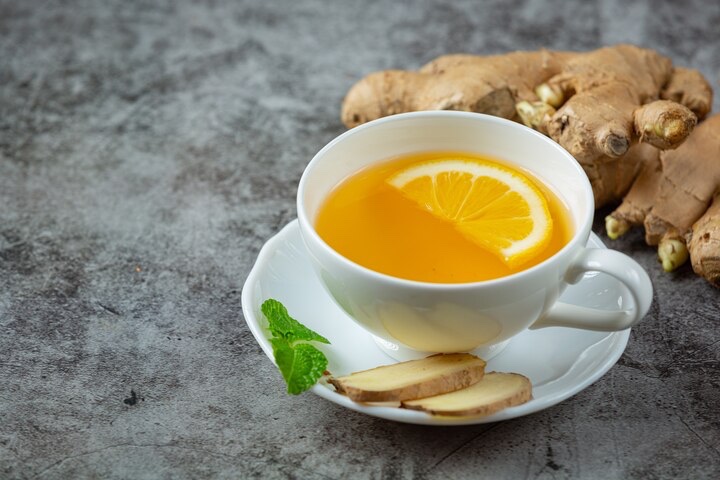
  5. Consuming ginger or raw ginger juice has helped in improving many digestive issues. Eating raw ginger slices before a meal will help to stimulate digestion and improves the appetite. A person having indigestion, belching, bloating will be relieved after having ginger juice along with lemon juice or ginger slices. Problems like nausea, vomiting, diarrhea can all be relieved after consuming ginger. So, it can be used during Morning sickness. People taking chemotherapy may use ginger to alleviate post-drug side effects.
  6. Ginger is very effective when used freshly, but also beneficial when consumed as a powder for juices or tea. A common spice used in various cuisines.
  7. Ginger is effective against degenerative diseases like multiple sclerosis, Parkinson’s disease, Alzheimer’s disease due to the presence of compounds like 6-gingerol and 6- shogoal.
  8. Ginger is grown especially in tropical areas. Ginger roots are mainly used for cooking and healing purpose. It can be stored in dried or powdered form for a long time. Ginger supplements are available in capsules or liquid extracts. Ginger oil as essential oil is used in beauty products.
  9. Ginger is rich in dietary fibre and in vitamins like B3, B6 and C. It is rich in folate, magnesium, phosphorus and zinc.
  10. Ginger is usually safe, but it must be used in moderation as part of a healthy diet. Too much consumption or concentrated higher doses may lead to heartburn, stomach upset or loose motion.

Thanks for reading.

Peace and love 🙏

6 best Natural sweeteners 🙌

Hello everyone ! Have a wonderful and safe day 🙋🏻

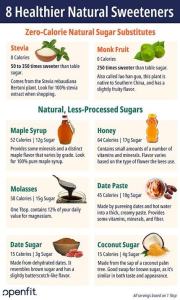
Most of us have a sweet tooth. But its the potential danger of adding some extra calories and the spiking glucose and insulin level that scares us the most. Yes, we can reduce or eliminate the intake of sugar from our diet for health sake. Perhaps, this is the best option. Or, we can choose some healthier options instead. Not going for artificial, industrially processed sugar and products, we can very well opt for natural alternatives which will not only satisfy our sweet tooth but also give some added health benefits.

Six healthy alternatives:

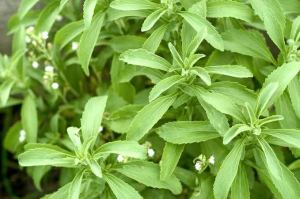
1.Stevia: is a natural sweetener derived from the leaves of a bush known as Stevia Rebaudiana. The leaves are packed with nutrients and phytochemicals. It has no calorie, 100%natural and no adverse effects on health. Instead found to lower blood pressure and insulin levels. Though different brands are available in the supermarket, the best option is those who are least processed ,non GMO (genetically modified organism) and have no added sugar like dextrose or multidextrin and so on. 


2. Monk fruit sweetener: This is a healthier option as it has zero calories too. It is derived from a small green fruit called monk fruit found in South Asia. Studies have shown that this fruit extract has anti-inflammatory, antioxidant and anti-cancer properties. But, more research is required though. This kind of sweetener is quite expensive and is available in the supermarket. We need to be careful of any artificial sugar additives.

3. Pure raw honey: Pure organic honey, is not just sugar but a complete food. However, it has calories but has immense health benefits. It contains antioxidants, antimicrobial, and is used as a natural medicine for cough relief and in wounds and cuts. Since it includes pure bee pollen, it can also benefit from reducing allergy symptoms. Not all honey brands found in the aisle of the supermarket are healthy.Pure, organic raw honey has the maximum health benefits. Since it has calories, it has to be used sparingly.

3. Dates: Dates can be used along with raisins, apricot, pineapple juice as sugar alternatives. Dates as such are rich in fibres and have the highest nutritional value along with vitamins and minerals. They are also rich in antioxidants.

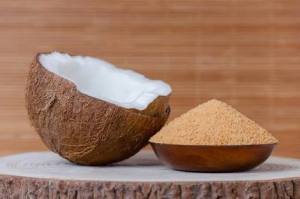
4. Coconut Sugar: Coconut sugar is good as it is extracted from coconut juice which is full of potassium, rich in nutrients and electrolyte. It has a low glycemic index.

5. Maple syrup: Pure maple syrup is derived from maple tree sap that has been reduced by boiling. The maple tree is a native of North America. Maple syrup has immense health benefits too. It is rich in antioxidants, zinc and other minerals and is suitable for heart health, immune booster and hormonal balance.

6. Jaggery: It’s a sugarcane syrup that is golden to dark brown, which is unrefined and unprocessed. It has high nutritional value and is rich in minerals and phytochemicals. It improves digestion, immune booster and helps in joint pain. Since it has calories, it is not ideal for people with diabetes.

Thanks for reading.

Blessings and much love to all 💐

Pic: courtesy Pineterest.


Hair health 🙌

Hello everyone ! Have a great and safe Sunday ☀️🙋🏻

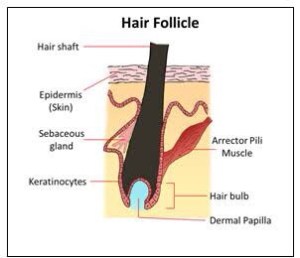
Our hair is the crown, we never take off. So, hair is a significant part of our physical appearance; hence it is crucial. Structurally, hair consist of a protein called keratin. A hair follicle supports each hair shaft. The root of each hair follicle lies the hair bulb. It is in this hair bulb; new cells develop and grow and give rise to the latest hair follicle. The hair bulb contains the blood vessels which nourishes and supply necessary nutrients to the cells to grow and develop. The colour of the hair depends upon pigment cells called melanin. The structure and texture of the hair are related to genetic predisposition.
Each hair grows through a cycle of 3 phases:

Growth phase: In this phase, the hair is growing in prominence.
Transitional phase: When the hair stops growing, matures and the hair follicle start to shrink.
Resting phase: When the old hair fall, cells die, and new cells start to develop and grow.

Typically with ageing, the hair pigment cells die, and hair begins to turn grey and fall. But, in the recent decade, due to environmental pollution, harmful UV rays, unhealthy lifestyle, unhealthy hair treatment, hair thinning, hair greying and hair fall has become very common even in the young age group.

Some common causes of hair thinning and hair fall:

1.Poor nutrition: Unhealthy eating habits like eating junk food, processed food, artificial sweeteners, cola, juices does not provide any nutritional value but instead add to empty calories to the body. Again, some people go on a crash diet, leaving behind necessary nutrient-dense food like healthy fat has to suffer hair fall. When the body does not get enough nutrient-dense food, it transports the remaining nutrients to the vital organs. It is the hair which is left neglected. Hence hair fall, hair thinning and low growth.

2.Poor Blood circulation: Sometimes, even if you have a well balanced nutritious diet, yet you may face hair issues. Hair problems happen because the blood nutrients are unable to reach the cells in the hair bulb. So, massaging the scalp is essential to stimulate the blood circulation and enrich the hair bulb with the necessary nutrition. Even physical exercise is critical. Daily routine exercise, causes proper movement in the body which ensures efficient blood circulation in every part of the body, including the scalp. Women suffering from hormonal imbalance and thyroid issues, suffering from hair fall, exercise is highly recommended.


3.Excessive stress: This is important because, in a chronic state of stress, the body tends to remain in the sympathetic mode, which blocks the body’s normal functioning of growth and renewal mechanism.


4.Heat and chemicals: Heat is very harmful to hair. Hot water baths, use of excessive hair styling methods like hair drying, hair straightening, hair curling are all harmful. Tying hair too tightly all the time may affect the hair root. Avoiding too many hair products, colouring agents, and toxic chemicals like sulphate can cause hair damage. Fragrance hair products may contain alcohol which is harmful also.

Measures to protect and keep hair healthy:

1.Nourishment: It is vital to keep the scalp healthy and clean to have healthy hair. So, cleaning the scalp 2-3 times a week with a mild shampoo is essential to remove pollutants and impurities. Massaging the scalp gently 5-10 mins, 3-4 times a week will improve the blood circulation drastically. Natural oil like coconut, almond or jojoba oil is nourishing and can be used for hair massage.

2.Exercise: Regular exercise is essential to ensure proper blood circulation to provide necessary nutrients to the body, including the scalp.


3.Drinking water is overall healthy and good for hair too.
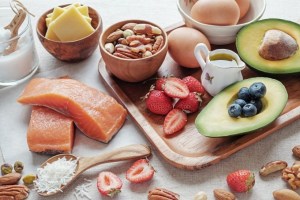
4. Five Superfoods for hair:


Eggs: They are in rich in protein and biotin. Keratin which is protein is present in each hair strand, so protein intake is crucial for hair. Biotin gives strength to hair and promotes hair growth.


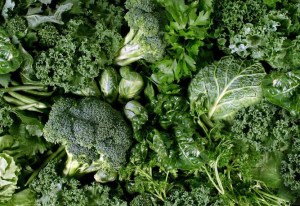
Green leafy vegetables: Dark green leafy vegetables and spinach are rich sources of iron, vitamin A and C. Adequate iron is required to produce haemoglobin in the blood. Haemoglobin is essential to transport oxygen to cells, and hence, it is suitable for scalp and hair growth. Other rich sources of iron are beans, pulses, soya, seeds, nuts, broccoli and cabbage.

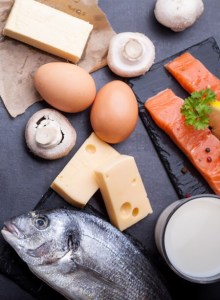
Vitamin B12: It helps in hair growth and texture. The sources are meat, fish, salmon, milk, dairy products, eggs.


Fat-soluble vitamins: Vitamin D, E, A, K are all essential for hair health. Consuming healthy fat of omega-three fatty acid is not only good for hair health but also help in the absorption of fat-soluble vitamins. Vitamin A helps in the production of sebum which nourishes the hair. Sources are sweet potatoes, carrots, seeds and nuts.
Vitamin C and E are potent antioxidants and prevent free radical damage. Therefore, they are protective of hair.
Sources are Lemon, berries, almonds, avocados, spinach, guavas.


Zinc: Zinc promotes hair growth and repair and prevents hair loss. Sources are meat, shellfish, sprouts, pumpkin seeds and sesame seeds.

Thanks for reading.

Blessings and much love to all 💐


Osteoporosis is Calcium-deficiency state: A myth 😇

Hello everyone ! Have a wonderful and safe day 🙋🏻

Osteoporosis is a significant issue, commonly associated with ageing where the bone density is lost, bones become porous, brittle and weak. They are easily prone to fracture with the slightest hurt. Structurally, bones consist of protein, minerals and calcium. Since calcium maintains the structure and density of bones, osteoporosis is considered as the calcium deficiency state. This saying is not always true. People started to consume calcium supplement in excess, which may, in turn, create problems rather than solving the issue. High intake of calcium can increase the risk of heart attacks, stroke by calcification of coronary arteries; there is the deposition of calcium around joints and kidney stones.

The causes associated with osteoporosis can be :

1.Menopausal due to low estrogen level.
2.Vitamin D deficiency
3.Smoking
4. Malabsorption syndrome.
5.Low vitamin K2 level
6.High stress causes high cortisol level
7.Certain medications like steroids.

Knowing that calcium is an integral part of the bone structure doesn’t necessarily mean that weakening or osteoporosis is calcium deficiency. But as mentioned above, it can be due to many other causes or risk factors involved. Consuming calcium supplement in excess can be toxic to the body. Unlike other minerals like potassium and magnesium, which are eliminated by the kidneys when taken in excess, the calcium deposits cannot be eliminated easily by the body. They get deposited in coronary arteries causing high risk to coronary artery diseases, calcium deposits in joints and calcium stones in the kidneys.

Diagnosis of Osteoporosis is made by bone density scan and bone markers.
The treatment is based on the underlying cause and prevention—treatment with biphosphate medications under clinical supervision.

Specific Preventive measures like :
1. Nutrient-dense diet, rich in calcium and vitamin D, K2.
2. Lowering stress by calming the mind with Mindfulness, meditation.
3.Enough sleep


4. Exposure to sunlight for the natural source of Vitamin D
5.Limiting smoking and alcohol


6.Weight training exercises
7. Regular checking of hormone levels.

Thanks for reading.

Blessings and much love to all 💐


Lung cleansing: 8 natural ways 🙌

Hello everyone ! Have a wonderful and safe day 🙋🏻

Our lungs are contaminated every day with environmental toxins, pollutants, dust, second-hand smoke, chemicals, microbes (bacteria, viruses) and the list goes on and on. During this corona virus pandemic, the risk is even higher. Such health hazard, often, lead to various chronic and acute lung issues like Asthma, pneumonia, bronchitis, COPD, lung cancer. Usually, our lungs can detox and heal themselves once the sources of pollutions are eliminated or significantly reduced. So, nowadays, we often hear about shifting home location towards the outskirts or semi-rural areas rather than staying in urban cities. Whether, we have the option of moving site or not, but we can take necessary steps of detoxifying and cleansing the lungs easy ways and prevent us from chronic respiratory issues and diseases. Lung cleansing can promote healing, normal lung functioning, reduces inflammation of bronchial lining, clear mucus and improves lung circulation.


So the simple steps that we can regularly adapt to detox and keep our lungs healthy:

1. Perform deep breathing exercises daily. Though breathing is normal but deep breathing involves diaphragmatic breathing which helps to strengthen the diaphragm and oxygen-carrying capacity of the lungs. Oxygen is nourishing for all cells and all vital processes to carry out smoothly. As we age, diaphragm, which is a muscle, start to become weaker. So, when we perform diaphragmatic breathing, it’s like trying to deep breathe into the belly. In the process, the diaphragm gets contracted, and air fills up. Slowly, as we exhale, the diaphragm relaxes. It creates a back pressure in the alveoli, which in turn improve the lung compliance and help to detox the lungs. Deep breathing also reduces stress significantly. It is essential to do daily 9-10 times of deep breathing exercise. You can get more information on this type of breathing technique from my previous post https://atomic-temporary-162723897.wpcomstaging.com/wp-admin/post.php?post=3659&action=edit

2. Another critical factor is to improve air quality at home. It is just not possible to control the external environment, but we can maintain the quality of air in the space we live every day. We need to make sure to change the air filters of the electrical appliances at home regularly. It’s essential to limit the use of air fresheners and scented candles as they contain harsh chemicals which may be harmful. Ensure adequate air ventilation and regular vacuum cleaning to maintain clean airflow at home.

3. Quit smoking: Cigarette smoke contains more than 7000 toxins. Researches have shown a direct link of smoking associated with lung cancer. Smoking also causes chronic inflammation of the bronchial linings and the lungs. So, there is a lot of health hazard associated with smoking rather than any health benefit.

4. Second-hand smoke: Even if you or I do not smoke, but, we are exposed to second-hand smoke, then we carry the same risk of health hazard like smoking a Cigarette. So, it’s essential to stay away from exposure to second-hand smoke. Therefore, always avoid places where you have a risk of inhaling second-hand smoke.

5. Apart from breathing exercise, doing physical activity regularly outside of your home, preferably in a park or open area, to ensure that your cardiovascular system is activated and you can breathe the fresh air every day.

6. Personal care: Having a hot shower, or using a heating pad on the back eases the intercostal muscles of the rib cage and help to soothe during breathing. Getting percussion or vibration on the backside will also accelerate breathing and healing process of the lungs during chronic ailments.

7. Food: Like all organs, lungs also required proper nutrients, vitamins, antioxidants for healing and proper functioning. Adequate nourishment from food rich in vitamin C, D, antioxidants, polyunsaturated fatty acids, drinking enough water, exposure to sunlight and limiting the intake of sugar and dairy products, all helps in the proper functioning of the lungs.

8. Some familiar sources which are nourishing and healing for lungs are ginger, green tea, oregano, peppermint leaves, liquorice, and lemon. Measures like eucalyptus oil steam inhalation and castor oil packs found to have a beneficial effect on the lungs.

Thanks for reading.

Blessings and much love to all 💐


Post : Supplements: An aid or just hype. 4 points of understanding 👐

Hello Everyone! Have a great weekend 🙋🏻

Whenever we visit a grocery store. There is always a separate counter for vitamins and minerals supplements. It feels like why do we have to take the pain of looking for fresh fruits and vegetables, instead take some of the supplements home which will fulfil our daily requirements of vitamins and minerals. But, it is not so. Right from evolution, humans are born to live and survive on food. So, it is always the food first.

It is the healthy diet which is the key to provide you with the best sources of vitamins and minerals to the body for growth and maintenance. If you are eating the best healthy form of diet and nutrient-dense food, then supplements are not necessary at all. But, sometimes, even if you are having a healthy diet, there are some deficit for which you are showing some signs and symptoms. Then, there is a requirement for supplements. So, vitamins and minerals pills are a supplement to your diet to recover the deficit but not replacement.

4points of understanding

1.Balanced diet: Moreover, a healthy balanced diet is not only a source of vitamins and minerals but also a good source of dietary fibres, protein, carbohydrate and fat which are essential for the body. Supplements do not contain any kind of dietary fibres so they are not wholesome as in a healthy diet. Again vitamins and mineral supplements do not get fully absorbed sometimes in the body like for instance, fat-soluble vitamins do not get absorbed if taken in empty stomach. Therefore, there is no substitute for a healthy nutritious diet. So, never rely on supplements for your daily requirement. Before, taking supplements, it is important to consult your Physician.

2.Heart diseases: People with risk of heart disease are usually advised to take Omega 3 fatty acids which are found in fishes like salmon, herring, tuna, at least twice a week (American Heart Association). So, omega 3 fatty acid supplements (EPA +DHA) are recommended for such people. It is always wise to discuss the diet plan with the Physician before consuming such supplements.


3.Antioxidant vitamin supplements (A, C and E): There is yet to be proved clinically that antioxidant supplements provide overall benefits. So, it is not to rely on these supplements for the daily dietary sources of antioxidants. Therefore, antioxidant food sources like veggies, fruits and whole grains are the best.

4.Harmful: Too much of any supplements which are not required for the body, taken in large quantity can be potentially damaging. Too much of iron can have the risk of chronic diseases, or too much vitamin A can cause to have birth defects. Again, the interaction of dietary supplements, along with prescription drugs, can sometimes be potentially toxic.

Thanks for reading.

Blessings and much love to all 💐

Post: Moringa, the new superfood. 5 proven health benefits.

Moringa oleifera, a native plant of Northern India, also grows in tropical regions of southern Asia, South America and Africa have been in the health trend for its tremendous health benefits. It has been there for thousands of years, as a dietary supplement. Alternative names being popular as drumstick tree, or horseradish tree or ben oil tree.

Science-based studies have proved recently that this plant, its leaves, fruits and seeds have many health benefits and can be regarded as a superfood.

Many households in India, Africa uses the fruits, seeds, leaves for cooking. Otherwise, it is available in powdered form, pills, capsules as supplements.
5 known benefits:

1.Dietary supplement: The moringa contains a variety of vitamin, protein and minerals. Vitamins mainly B1 (thiamine) B2 (riboflavin), B3 (niacin) and B6. It contains Vitamin C and folate. Loads of minerals like magnesium, phosphorus, calcium, iron and zinc. It has no harmful cholesterol. Moringa seeds are rich in antioxidant properties and so help in protecting skin and hair.

2.Helps in weight loss: Research shows that moringa extract helps in weight loss. It’s high vitamin B content facilitate digestion. It lowers cholesterol and helps the digestion of fat and prevent storing of fat. It has anti-inflammatory properties. It lowers cholesterol, due to compounds like isothiocyanate and niaziminin. It helps maintains the blood pressure so, good for cardiovascular health.

3.Improve haemoglobin level: Moringa extract contains iron and folate so helps in treating anaemia and sickle cell disease. It also helps the body to absorb iron, so help increasing the red cell count.

4.Medicinal: Moringa extract has been found to heal wounds. Since it has anti-bacterial, anti-viral and anti-inflammatory properties, it has been found to fight against bacterial diseases, gastritis, ulcerative colitis. It has shown to improve lung function so helps in asthma. Since, it improves the haemoglobin level, reduces blood glucose so helps to treat diabetes.

5.Wellbeing: Due to its antioxidant properties, releases the toxicity from the kidneys so contribute to kidney health. Improves eyesight by dilating the retinal vessels, preventing retinal dysfunction. Due to its richness in calcium and phosphorous, it contributes to bone health. It also found to help in mood disorders, depression and anxiety. It has anti-cancer properties. It also prevents liver damage.

Risks :

Before, taking any supplements, it is important to inform and discuss with your physician. Many people are on regular medication for hypertension, diabetes or antidepressants, so there may be chances of drug interference when taken along moringa extract.

Before, buying the supplement, it important to read the labels for any kind of additives and the quantity to be used.

It has anti infertility properties so contraindicated for pregnancy.