10 facts to know about your gut flora 🙌

Hello everyone 🤗

  1. The gut flora is mainly composed of trillions of gut microbiomes which are mainly bacteria, fungi, viruses and archaea. This is unique to every individual and develops in his/her lifetime, as distinctive as the fingerprint. Initially, the intestinal tract of a newborn at birth is sterile. The newborn’s gut is first colonised by the mother’s bacteria during the process of vaginal delivery. Environmental bacteria also start colonising in the baby’s gut as soon as it is exposed after birth. Then, slowly the child’s gut starts developing into a unique microbiome flora depending upon the different food intake and environmental exposures with time.
  2. The gut starts having both good and bad bacteria with different kinds of food and environmental exposures. Good bacteria mainly help in the digestion and absorption of the food and nutrients. They strengthen the immune system and produce several beneficial amino acids and vitamins. The more, the good bacteria population, the healthier the person and the stronger the immunity, in his lifetime. They are simply the protectors of our health and well-being.

3. There are bad bacteria also in our intestinal gut flora. As long as they are low in level, they remain harmless. But then, when we take antibiotics or develop unhealthy food choices and habits, smoking, drinking alcohol and so on, the good bacterial flora is at risk and starts eliminating. In such cases, bad bacterial flora starts flourishing causing havoc in the immune system leading to various diseased states. Chronic inflammation starts progressing leading to autoimmune diseases, cancers, and inflammatory bowel diseases.

4. As research has progressed, studies have found links between bacterial species in the gut to certain types of diseases. Metabolic diseases like obesity and type 2 diabetes are found to be linked with the presence of certain bacterial species of Lactobacillus.
New studies have shown strong evidence of gut kidney connection. Certain species of bacteria in the gut microbiome result in uremic toxins while digesting protein which may be a factor in developing chronic kidney diseases. Several studies have shown a link of depression to the gut microbiome. Various bacterial species like Eggerthella and Sellimonas are found at high levels in individuals with depressive symptoms.
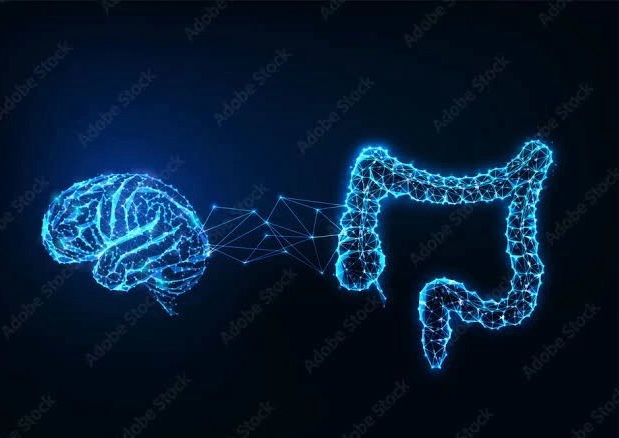
5.The gut-brain connection plays an important role in a person’s well-being. That is why the gut is known as the “second brain”. The gut nervous system can be called the Enteric Nervous System, which has around 100 million nerve cells from the oesophagus to the anal opening. The main functions of this system are digestion, absorption of nutrients, and release of enzymes for food breakdown. Studies show that irritation in the GI tract may trigger the central nervous system to change moods. The gut microbiome also produces hormones like serotonin, and norepinephrine which are important for mood changes. Therefore, there is a strong connection between depression and anxiety in people who deal with gut issues like irritable bowel diseases, stomach upset, pain, and constipation.

6.The signs of a healthy gut are the regular pooping habit, which may be 2-3 times a day to 3-4 times a week, the range can vary with every individual. There is no pain, no bloating after eating, and no discomfort during bowel movement. Symptoms like bloating, diarrhoea, stomach pain, feeling of fullness after eating or malnutrition can be the signs of an unhealthy gut or tigger for slowly increase in bad bacteria. In such cases, clinical attention is required to investigate and diagnose any bowel issues.

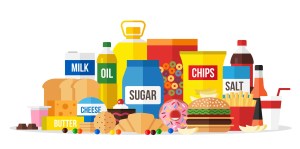
Sugar rich foods

7.The common triggers which may lead to an unhealthy gut can be too much stress, constant fatigue, sleep disturbances, ultra-processed food, a sugar-rich diet, and too little intake of fluids. The frequent use of antibiotics has a link to an unhealthy gut. Therefore, these lifestyle habits need to be avoided as practically as possible. Skin conditions like psoriasis do have a link to an unhealthy gut too.

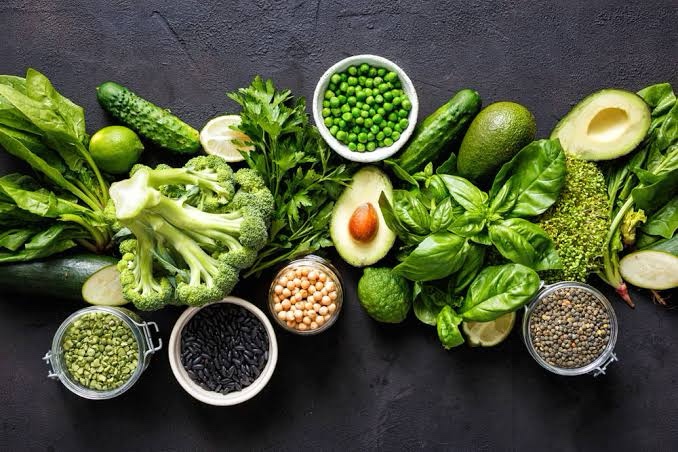
Natural foods

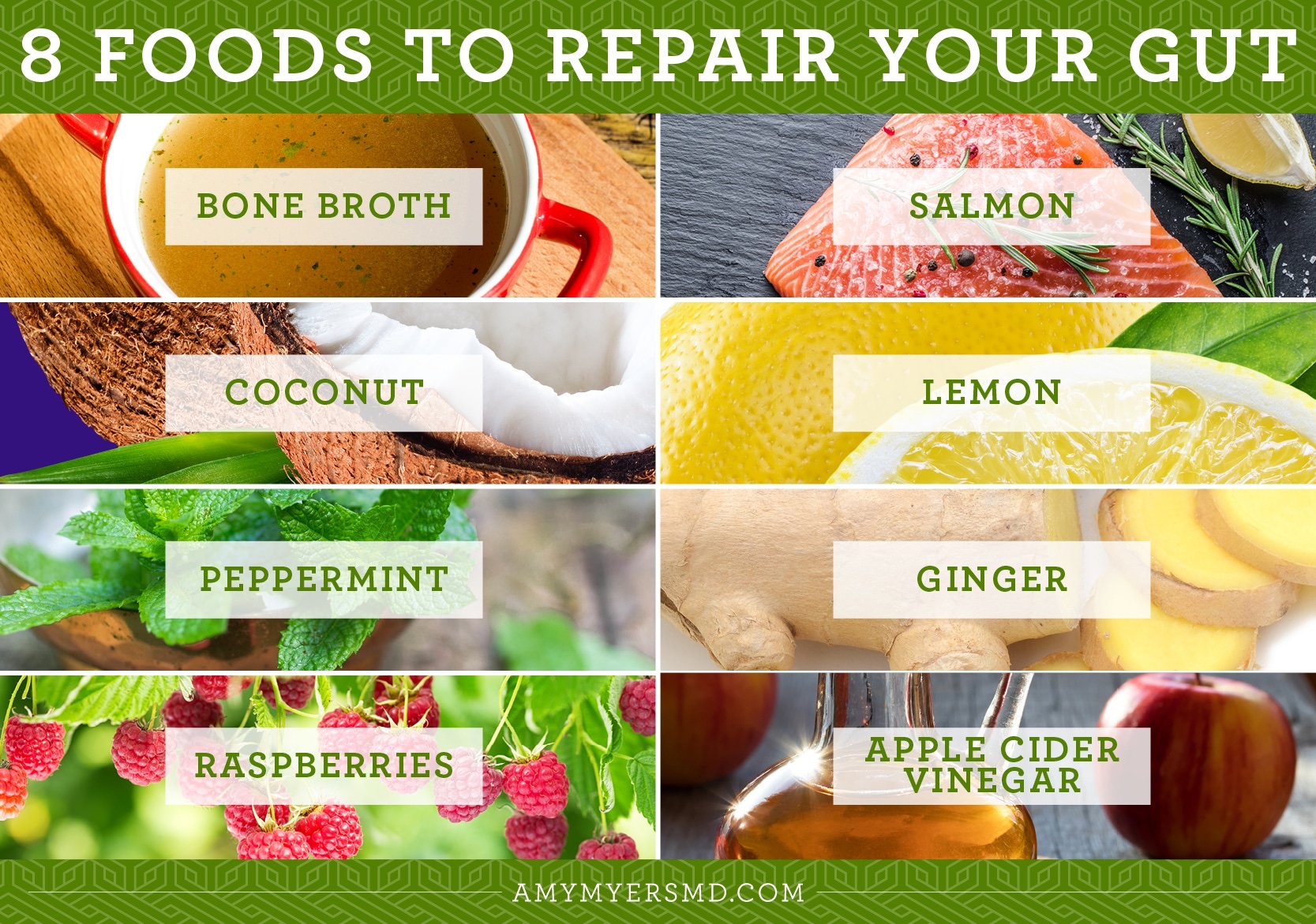
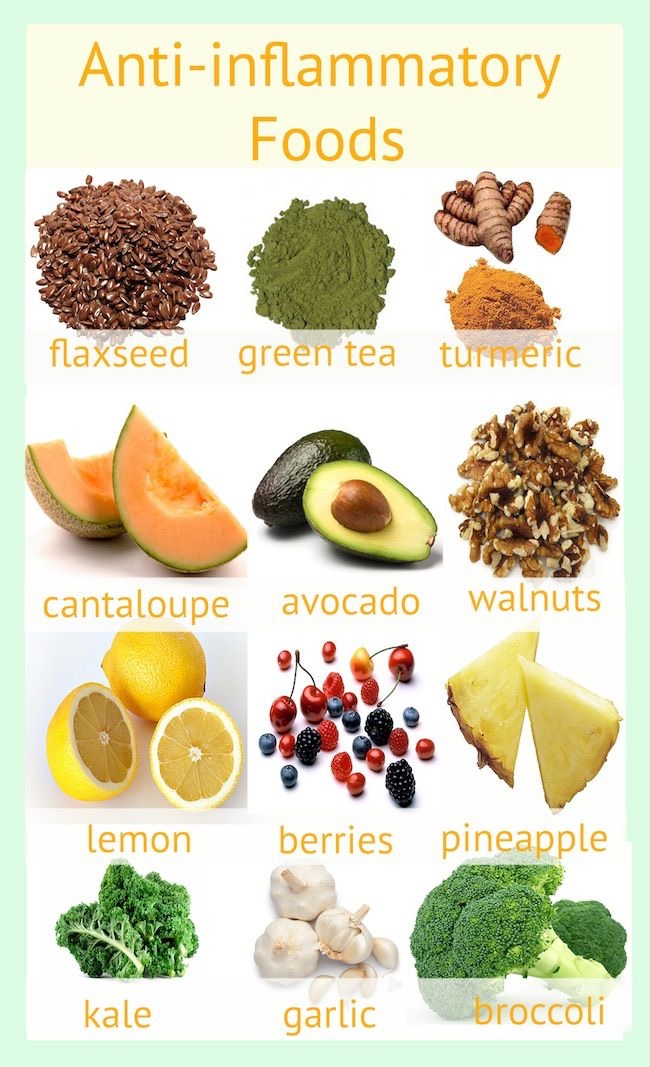
8. The common ways that we can take care of our gut health and improve the good bacteria count are by having a fibre-rich diet with plenty of vegetables and fresh fruits. A diet rich in whole grains, legumes, pulses, nuts and sea fishes. Lowering the sugar-rich foods, limiting the everyday stress, and remaining hydrated as possible. Intermittent fasting is beneficial too for gut health and flora.

Fermented foods

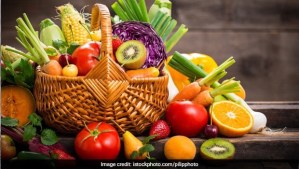
9. Another important food for our gut health is fermented food as they are rich in probiotics. Plain yogurt, buttermilk, kimchi, sauerkraut and kombucha to name in the list. There can be other varieties of fermented food too which can be local or region-specific around the globe. Any food which is fermented or sprouting can be excellent for gut health as it increases the lactobacilli and keeps the growth of bad bacteria checked.

Walking in nature
Gratitude journal

10. So, the simple tips to take care of gut health are to have more and more fibres and probiotics daily, curtail sugar as much as possible, stay hydrated, keep out of stress, meditate to calming mind like walking in nature or listening to music, exercising, mild to moderate ways, practising gratitude journal every day increases happy hormones and trying to maintain a sleep routine. Ultimately, the best way to live a longer and healthier life is to live in harmony with nature.

Thanks for reading.

Peace and love 🙏

10 facts to know about fatty liver 🙌

1. What is fatty liver? As the name rightly suggests, is a state when there is a build-up of fat in the liver. It can happen in 2 ways – Nonalcoholic and Alcoholic fatty liver types.
Nonalcoholic fatty liver is a common type where the cause is not exactly known but may be due to obesity, belly fat or chronic conditions like diabetes. Simple fatty liver is the condition, where there is fat in the liver but there is no inflammation, damage to liver cells or other complications. Alcoholic fatty liver is a serious type which is related to drinking alcohol.

  1. Simple fatty liver remains most of the time undiagnosed unless you end up doing a liver enzyme test and liver function test. When the liver enzymes Serum alanine aminotransferase (ALT) and Serum aspartate aminotransferase are mildly elevated are indicative of simple fatty liver. When liver enzymes SGPT (Serum glutamic pyruvic transaminase) and SGOT(Serum glutamic oxaloacetic transaminase) show increased levels are indicative of liver cell damage and liver inflammation.

3.To deal with a fatty liver, first and foremost , reducing belly fat and losing weight is essential. To start incorporating organic food in diet like cruciferous vegetables broccoli, cabbages, cauliflower, spinach, sulphur rich vegetables like onion, garlic which are also loaded with glutathione. Organic food is primarily good for the liver because they are free from pesticides, fungicides and GMOs (genetically modified organism) which are harmful to the liver’s health. GMO food like soya bean, canola or some breeds of corn are unhealthy for the body.

4.Fasting :Intermittent fasting and prolonged fasting, not only help in losing weight but also stimulate autophagy in the body. Autophagy is the body’s renewal mechanism of cleaning the debris of damaged cells and recycling some parts of them towards cell repair. Usually, 12-16 hour long fasting is beneficial but the most effective is 16 hours long which will also facilitate fat burning. Other methods to stimulate autophagy are drinking coffee or a cold bath. Fasting helps to reduce inflammation and level of the liver enzymes.

5.Lifestyle changes: Dietary changes like avoiding sugar, and saturated fat, reducing salt intake and switching to organic food are beneficial. Portion control while eating helps the quantity intake during meals. Moderate to high intense exercises and increase in physical activity during daytime, permanently eliminating alcohol, maintaining sleep routine and remaining stress-free as far as possible contribute to liver health.

6.Detoxification: Cleaning toxins from the body routinely not only benefits the liver but the overall body from harmful abuse. Some food items which naturally detox the liver are high fibre-rich oatmeal, green tea which is rich in antioxidants, avacado rich in healthy fat and fibre, olive oil rich in antioxidants and helps to reduce LDL cholesterol and free radical damage.
Fatty fishes like salmon, and sardines which are high in Omega 3 fatty acid, is a healthy fat that promotes liver health and prevent damage to liver cells. Liver friendly nuts are almonds and walnuts. Tofu, which is high in protein helps to prevent the accumulation of fat in liver cells.
Whole grains and unprocessed cereals help to break down the fat in the liver cells by preventing them from accumulating in the cells.

7.Herbs: A natural herb called milk thistle has been used for centuries to improve liver diseases. Research studies have been carried out to study its evidence on liver health. Some reports do suggest that it has a beneficial effect on liver diseases like cirrhosis and hepatitis. Studies have shown Milk thistles do show improvement in cholesterol levels and insulin resistance to type 2 diabetes. Some studies show that it is a natural antioxidant and increases the level of Glutathione. But, the most important advise is before trying a herb, we need to consult our Physician.
Other herbs which are beneficial for the liver are green tea, cucurmin, licorice and ginseng.

8.Tocotrienols primarily are the unsaturated form of vitamin E which are naturally found in rice, wheat, vegetable oils and cereals like barley. Tocotrienols are strong antioxidants and anti- inflammatory which prevent damage to liver cells. Studies show that tocotrienols can lower cholesterol, and lower the risk of stroke, and cancer. In the liver, it can help to prevent damage to liver cells by maintaining the liver cell integrety.

9.TUDGA: Tauroursodeoxycholic acid (TUDGA) is a bile acid found naturally in humans. Medical practitioners use it to treat conditions like liver cirrhosis, reduce cholesterol levels, some cancers, and cystic fibrosis. Studies have shown that TUDGA used as a supplements do benefit liver health, heart, liver diseases, stroke and cancer. Due to possible side effects, and daily dosage, a physician needs to be strictly consulted before using such supplement.

10.Drinking plenty of water: Last but not least, the easiest way to promote liver health is by drinking plenty of water. Water consumption helps to knock down the harmful toxins from liver cells. Dehydration of bile ducts can increase the risk of gallstones. So,drinking water is very vital.
Not all drinks, sodas and soft drinks are liver-friendly. So, clear water is the most beneficial drink for releasing toxins from the liver. Adding a piece of ginger or a few lemon drops in the water can be helpful.

Thanks for reading.

Peace and love 🙏

10 facts about Orexin 🧠

Hi everyone ✋

1.The lateral hypothalamus and prefrontal cortex produce a hormone called Orexin, also known as hypocretin. It is produced in two forms like Orexin A and Orexin B. It has various functions related to Central Nervous System. It helps in regulating important functions like sleep-wake cycle, arousal state, energy homeostasis, feeding behaviour, emotions, mood and cognition.


2.Sleep: Orexin is usually released in the daytime and keeps us awake. It stimulates those neurons which in turn help in the release of neurotransmitters like serotonin, dopamine and nor- epinephrine. In case of individuals with orexin deficiency, are usually diagnosed with narcolepsy, insomnia, sleep imbalance, daytime sleepiness and cataplexy.


3.Stress regulator: Orexin is highly responsive to environmental stimuli and our mood. When in stress situations ,the orexin neurons stimulate the body’s response to increase heart rate, blood pressure and disturb the resting state.


4.Obesity: It is a result of the influence of orexin-producing neurons on energy metabolism.Orexin deficiency in the body can lead to slowing down energy metabolism, physical inactivity, and excessive weight gain, even if the calorie intake is low.

5.Mood: Orexin has an influence on mood through its impact on the hippocampus. Abnormal orexin activity has been related to mental health conditions like depression, PTSD, anxiety and addiction. Deficits in orexin influence can result in hippocampus problems such as learning disability and memory deficits, as it also promotes the development of neurons in the hippocampus.


6.Narcolepsy: Orexin helps us stay awake during the day. So, people with orexin deficiency suffer from narcolepsy. They have daytime sleepiness and sleep paralysis. Mostly, these type of individuals can also suffer from cataplexy. The person is unable to move for a short time even if he is awake or about to fall asleep. It is usually occurs in a conscious state of mind and triggered by strong emotions like being angry, or laughing.

7.Alzheimer’s Disease: Several studies show that orexin has direct connection with sleep, cognition and as a stress regular. So it does play a significant impact on Alzheimer’s disease pathology. An increase level of orexin has been found in cerebrospinal fluid of people with Alzheimer’s. So, they usually have circadian cycle disorders, daytime sleepiness and cognition problems. However, researches are still going on for further prospectives of using orexin antagonist receptors as a potential treatment alternative.

8.Heart: Lack of sleep and insomnia have a direct impact on cardiovascular health and hypertension. Studies show that increased levels of orexin stimulation can elevate blood pressure and heart rate. Both orexin A and B receptors have a direct role in the regulation of sympathetic nervous system. Therefore orexin antagonist receptors might be a therapeutic option for hypertension.

9.Orexin levels: High levels of orexin may lead to sleep disorders, stress prone and eating disorders. But lack of orexin or loss of orexin in brain injury may lead to narcolepsy or other sleep disorders. The normal level of orexin found in cerebrospinal fluid in a healthy individual is around 250 – 500 pg/ml.

10.Food: Optimal level of orexin can be provided in a healthy individual by regular intake of fermented food like pickles or sauerkraut. Having excessive sugar or carbohydrate rich food can inhibit orexing production.

Thanks for reading.

Peace and love 🙏

Enzymes: 6 amazing facts 🙌

Hello everyone ! Have a wonderful and safe day. 🙋🏻

Enzymes are an integral part of the body’s metabolism, growth and repair. They are crucial for gut health, the ageing process and maintaining overall good health.

Six facts about the fantastic enzymes :

1.Enzymes are protein or protein-like substances found in our body which acts as a catalyst at a cellular level and speed up the biochemical process of energy production, growth and repair of tissues.


2.Enzymes are specific and are very selective to which substance they bind to and activate the process of breakdown and digestion. Whatever food, we consume, each of the food types stimulate a different set of enzymes.
Carbohydrate stimulates enzyme Carbohydrase like Amylase. The enzyme lactase digests lactose. People who lack lactase suffers from lactose intolerance.
Protein stimulates enzyme Protease like Pepsin, trypsin.
Lipid stimulates enzyme Lipase which digests fat by emulsification.
Some more examples of enzymes are: ATP synthase helps to convert ADP to ATP. Helicase unzips DNA strands.

3. Enzymes are sensitive to temperature and ph change. A slight temperature change can either slow down or speed up the enzyme activity. Large temperature changes can denature and can even lose their function. Similarly, ph changes can directly influence enzyme activity.

4. Enzymes stores in our body can be depleted slowly due to causes like ageing, unhealthy food habits like overprocessing, refined food consumption. Overcooking of food can cause the breakdown of natural enzymes present in the food. Therefore, enzyme deficiency in the body can lead to digestive issues like bloating, gas, food intolerance, anaemia, lethargy and heartburn.

5. There have been multiple enzyme supplements available and marketed commercially with different benefits in the market. But it is essential to know that not enough studies/researches are done to prove either their efficacy or side effects. So, before using the supplements, it is crucial to inform your Physician or else, it may have a drug interaction with your regular medicines currently taken.

6. Certain food rich with natural enzymes which can be consumed but in moderation:
Pineapple has bromolein, and Papaya has papain, and they both are protein enzymes. Avocado has Lipase, and bananas have amylase and maltase. Natural raw honey, wild sprouts (alfa, alfa) and kefir are also rich in digestive enzymes. Fermented food like saurkraut, kimchi is rich in digestive enzymes and even probiotics.

Thanks for reading.

Blessings and much love to all 💐


Liver care 🙌

Hello everyone ! Have a wonderful and safe day 🙋🏻

The liver is the second largest organ in the body and has more than 400 functions. It is the primary organ of filtration, which mainly helps in the metabolism of food and absorb the necessary nutrients. It eliminates the toxins from our body daily and purifies the blood. So, it is an essential organ of detoxification for our body. Some critical functions to highlight:

1.It produces bile which helps the fat to break down during the process of digestion.
2.It helps in the production of haemoglobin from its iron storage ( liver stores iron)
3.It convert excess glucose into glycogen.
4.It cleanses the blood from toxins and poisonous substances.
5.During breakdown of protein, urea and poisonous ammonia is produced. The liver helps to eliminate them through the kidneys.

However, even if we have a powerful detoxifying organ, it gets sick and tired if we do not care enough. If we frequently consume refined, processed food, sugary items. To multiply this load, frequent intake of alcohol, smoking, drugs causes a greater danger. Also not to forget the environmental toxins, pollutants, heavy metals, pesticides from food, toxins from home cleaning products, cosmetics, perfume, the liver is unable to take the load at some points.

Signs of lousy liver functioning:


1.Tiredness
2.Collected fat around the belly.
3.Oily skin
4.Pale yellow fingernails
5.Oily skin, acne
6.Allergies
7.Digestive issues
8.Irregular bowel
9.Brain fog, headache
10 Pain on the right side of the abdomen.

Methods to detoxify the liver:
1.Eliminate the toxic sources as much as possible: We need to cut down the processed, canned, and sugary food. The refined, vegetable oil which is unhealthy fats, should be eliminated from the diet too. It is essential to minimize the use of toxic household cleaning products, cosmetics, perfumes as much as possible. As far as practically feasible, relocating from the polluted area is advisable.

2.Again it is essential to limit smoking, alcohol, drugs as much as possible.


3.Fasting: It is a crucial tool to rest the liver and minimize its load. Fasting accentuates the detoxifying process, stimulate autophagy and strengthen the immune system.


4.Focussing more on whole foods and organic vegetables, fruits given by Mother Nature than the packaged, canned food with preservatives.


5.Drinking lot of water every day will help to flush out toxins. Water added with lemon or a tinge of vinegar is beneficial.
6. Letting out toxic emotions like anger, frustration, resentment, and fear by mindful, spiritual and relaxing techniques.


7.Getting a goodnight sleep helps in the detoxification process.


8. Consuming foods which can restore the microbiome flora like fermented foods, prebiotics and probiotics. Essential foods like cruciferous vegetables, iron-rich food like spinach, beets are all useful.

 Milk thistle

9. Herbs like dandelion, milk thistle, cilantro, thyme, turmeric, garlic and green tea proves beneficial.

Thanks for reading.

Blessings and much love to all 💐


Face ageing: 5 crucial tips 😌

Hello everyone ! Have a wonderful and safe day 🙋🏻

Skin is the largest organ in the body and is most prominent. So, any kind of changes of ageing can be visible clearly in the skin. The skin, like other tissues, possess the extracellular matrix. This matrix comprises collagen and other structural compounds called Glycosaminoglycans (GAGs) and proteoglycans. All these compounds together contribute to the tightness of the tissues which keep our skin stiff and makes us look younger and radiant.

As we age, we tend to lose more collagen, proteoglycans and GAGs slowly. A research study has shown that another vital hormone produced in the liver called Insulin Growth Factor -1 (IGF-1) is related to facial ageing. These IGF-1 levels are inversely proportional to the levels of serum insulin in the body. When insulin level is high like in case of insulin resistance individuals, the IGF-1 level is low. So, insulin resistance individuals tend to age faster usually. Hyaluronic acid is a lubricant which is also naturally produced by our body which helps the skin and connective tissues to retain the moisture. We tend to lose this lubricant due to ageing and unhealthy food habits.

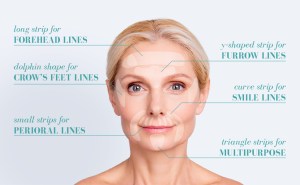
Facial ageing causes the horizontal and vertical lines to look prominent, thinned skin, loss of elasticity and collagen, loss of tissues and bones in the cheeks, fat atrophy, puffiness around eyes, sagginess around the neck and so on.

Common factors which aggravate the ageing process:

1.Smoking
2.Too much sun exposure causes skin damage. But, daily exposure to 10-15 mins of sunlight is useful for Vitamin D synthesis in the body.


3.Too much chemical-based cosmetic products like cremes, lotions, make up products are harmful.
4.Alcohol /drugs consumption
5.Refined processed food and too much sugar


6.Chronic stress causes high cortisol level.
7.Sedantery lifestyle and lack of exercise.

Specific important ways which prevent facial ageing :


1.Exercise: Most preferably maintaining an active lifestyle with the routine exercise of 30 mins to1 hour is ideal.A particular activity like high-intensity interval training (HIIT) is short periods of 7-10mins of intense exercise with intervals of rest, and low-intensity exercise is beneficial to keep the cortisol level optimum. 

2.Enhance the quality of sleep: Sleep induces the release of HGH, human growth hormone and Insulin growth factor-1, which helps to prevent the breakdown of collagen and proteoglycans.


3.Intemittent fasting: Fasting of at least 16 hours can stimulate autophagy, body’s renewal mechanism, activates the immune system. Fasting increases the antioxidant activity and increase stem cell production.
4: Foods:
Collagen rich foods: These foods are a rich source of collagen, amino acids and hyaluronic acids.
Fermented foods: bone broth, green leafy veggies, caviar or fish roe, citrus fruits, mushrooms and seaweeds. To know more about collagen, please refer to my previous post https://atomic-temporary-162723897.wpcomstaging.com/wp-admin/post.php?post=4448&action=edit

Healthy fats: Omega 3 fatty acids like EPA and DHA found in oily fishes like salmon, tuna, sardines, nuts like walnuts, macadamia, pecan nuts, seeds like chia seeds, flax seeds.
Saturated fats like in grass-fed butter, ghee, coconut oil, olive oil are very helpful.


Organic Acids: Organic acids promote the growth of probiotics in the body, which helps to support the immune system and the cell renewal process. Organic acids found in fermented foods like saurkraut, kombucha are quite known for beauty benefits. The citric acid found in citrus fruits is also vital. Enzyme rich foods: Enzymes are essential for digestion and absorption of proteins in the body. Certain fruits with individual enzymes present in each of them like papaya contain papain. Figs contain ficans. Pineapple contains bromelain and kiwi have actinidain are all-powerful proteolytic enzymes which helps in the polysaccharide metabolism and the digestive process. Fruits are also rich in antioxidants which prevent free radical damage.


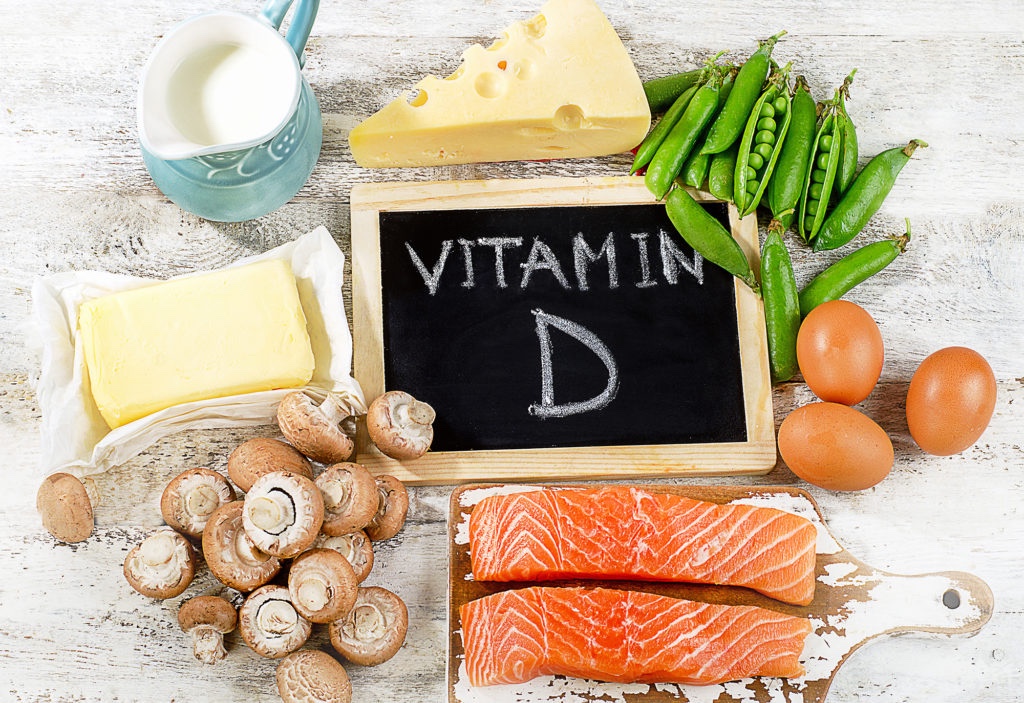
Vitamins: Fat-soluble vitamins D, K, E, A are all essential for the prevention of free radical damage and cells renewal process.

5.Essential oils: These natural oils work naturally on the skin by hydrating and moisturizing. Some commonly used oils for beauty purpose are geranium, frankincense, lavender, jojoba, myrrh, rose and rosemary.

So, it is crucial to understand that to have a healthy body, a glowing skin, and healthy hair; it is necessary to correct our food habits and lifestyle rather than spending an enormous amount on cosmetic treatments and beauty products. The approach should be inside out rather than external means.

Thanks for reading.

Blessings and much love to all 💐

All about Serotonin 😇

Hello everyone ! Have a wonderful and safe day 🙋🏻

Seratonin is a neurotransmitter, secreted in the gut and the brain. It plays a massive role in our state of wellbeing. It is responsible for giving us a feeling of a happy state of mind, a sense of satisfaction, relief from pain and control our impulses. It helps to co-ordinate the autonomic, motor, cognitive functions, appetite, emotions and feelings. It also controls our circadian rythm, which is the awake sleep cycle as a precursor of melatonin.


Seratonin cycle:
Tryptophan — 5 Hydroxytryphtophan —-Serotonin—- N -Acetylserotonin—Melatonin

When serotonin is low, it may give rise to several problems in our overall wellbeing. Before diving into the symptoms, it is essential to know what causes to reduce the level of serotonin in the body:

Causes of Low Serotonin :
1.Sedentary Lifestyle
2.Inadequate sleep.
3.Chronic Brain inflammation
4.Leaky gut syndrome
5.Poor blood sugar control
6.Magnesium deficiency
7.Omega 3 fatty acid deficiency.
8.Vitamin deficiency, namely Vitamin D, B1, B2, B6 and folate.

The different symptoms when the serotonin level is low:
1.Anxiety and Panic attacks
2.Social phobia
3.Mood swings
4.Depression
5.Low self-esteem
6.Overtly sensitive, having a sense of guilt, regrets
7.Trouble sleeping
8.Obsessive behaviour like controlling, impulsive, neat freak.

The serotonin level can be measured by Urine biomarker test (Organic Acid test).

The natural ways to improve the level of serotonin are:


1. Reducing the intake of carbohydrate, especially with a high glycaemic index like sugar, processed food. Also, switching the diet to a moderate amount of carbohydrate with a low glycaemic index like brown rice, whole grains.
2.Exercise increases the tryptophan level and balances the serotonin and dopamine balance.
3. Get better quality of sleep every day by following a routine. Make sure to get up and sleep at the same time daily to keep the awake sleep cycle intact.


4.Exposure to sunlight so the UV light absorbed in the skin can simulate Vitamin D production, which in turn stimulates serotonin production. That is why, in winters, many people suffer from depression and mood swings due to lack of exposure to sunlight.
5.Meditation helps to maintain the serotonin dopamine balance and the calmness of mind.
6.Getting a cold shower of 2-3 minutes will also stimulate the serotonin receptors. So, after a cold shower, people tend to feel relaxed.
7.Getting a body massage also helps to stimulate serotonin receptors.

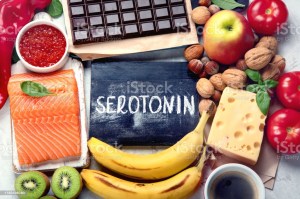
8. Seratonin boosting foods: Wild-caught fatty fishes, green tea, turmeric, fermented foods, nuts, seeds, low glycaemic fruits and veggies, dark chocolate.

Thanks for reading.

Blessings and much love to all 💐

https://1ebe8azgthl-ykqqpg-si0l4yb.hop.clickbank.net/

8 truths of Leaky gut syndrome 🙌

Hello everyone ! Have a wonderful and safe day 🙋🏻

img_0790

Time and again, it has been proved by extensive Medical researches that most of the chronic illnesses, including autoimmune disorders, type 1diabetes, irritable bowel disorders, migraine are all associated with gastrointestinal disorders. A patient who suffers from chronic symptoms’, the history should be thoroughly investigated for an underlying food or lifestyle habits that may be co-related.
Our body is not a single entity, nor each of its organs works independently of each other. Every structure, including the skin, tissues, mucosal lining, organ, system including a huge colony of microbiota are all interconnected and work together as a biological system. Not only this, the immune system, biochemical processes, endocrine and the autonomic nervous system, are all very much interdependent. Therefore, while considering any chronic disorder, the entire system has to be taken into account, including food habits and lifestyle in the process of management of such illnesses.

img_0791

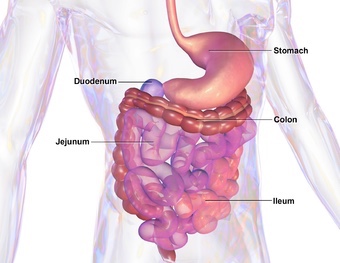
1. The food, we eat reaches the intestines where they are bind to enzymes where filtration and absorption take place. Then, the nutrition of the food is absorbed in the bloodstream through the intestinal barrier. Without digestion, the food cannot escape directly through the intestinal/gut wall. The intestinal lining is typically intact and tight. It doesn’t let food, bacteria or toxins to escape directly to the bloodstream. Nutrients of food also absorbed through small villi on the intestinal wall. Usually, there are tiny holes of 1-7 microns in the gut lining through which the nutrition permeates into the bloodstream. When there is Leaky gut, the holes become bigger about 200-300 microns, and the intestinal villi are damaged too because of which the intestinal integrity is lost. That is the reason leaky gut is also called intestinal permeability. There is directly permeability on the gut lining through which the food material, bacteria, toxins escape into the bloodstream. The immune system comes into play and starts reacting. There is extensive inflammation of the intestinal lining and its structures. There is swelling and slowly scarring of the intestinal walls.

2. Evidence has proved that genetic predisposition is one of the leading causes of leaky gut. But, emerging researches have shown the not only DNA is to be blamed alone. Lifestyle conditions like high gluten diet, fat, sugar-rich diet, smoking, alcohol, stress, pain killers (non-steroidal anti-inflammatory drugs) and food intolerance are some of the common conditions predisposing leaky gut. Therefore, leaky gut commonly found in chronic conditions like Celiac disease, irritable bowel syndrome, Crohn’s disease, HIV/AIDS, cystic fibrosis, chemotherapy and radiotherapy patients. Leaky gut not only creates symptoms in bowel disorders but also linked to most conditions of autoimmune origin. It may be associated with autoimmune diseases like Lupus, Type 1diabetes, multiple sclerosis, rheumatoid arthritis, psoriasis, Chronic fatigue syndrome, asthma, allergies and mental illness. Autoimmune disorders are difficult to diagnose and treat. They can be managed and controlled but has no permanent cure.

3. Trigger factors of leaky gut are like a gluten-rich diet, dairy-rich, soy food or drugs like antibiotics or over the counter pain killers like aspirin, acetaminophen which may disturb the intestinal lining and cause leaky gut. Such triggers lead the immune system to be activated, causing an immune response in the body to produce antibodies against our own body’s intestinal tissue lining, causing inflammation. This inflammation can increase the intestinal permeability that is the escape of food and toxins directly into the bloodstream leading to symptoms like pain, diarrhoea, joint pain, fatigue, headache and depression. As Leaky gut is associated with a number of symptoms, so, it is called Leaky Gut syndrome. 

img_0795

4. Common symptoms are
Diarrhoea, Constipation
Pain abdomen, bloating
Skin rashes like acne, eczema, rosacea
Brain fog, memory loss
Depression
Chronic Fatigue
Joint pain.

5. Though strong evidence shows that many chronic conditions are associated with an underlying cause of leaky gut. Leaky gut is still not considered an official medical diagnosis, nor it has a standard protocol of treatment. A proper detailed history of the patient can detect the leaky gut condition. Therefore the management also differs from individual to individual depending on the full range of trigger factors.

img_0796

img_0792

6. Diet and lifestyle changes do help a great deal in such conditions. Drugs that suppress the immune response and also to control the inflammation are required in some cases. The most important message is that we know our body better than anybody else. Even if we go to the best of the specialist physician, we should do what works best for us. Never stop self investigating and self-analysing yourself about why and what may trigger or lead to such symptoms. Be your observer, and make changes accordingly, which may be very helpful.

7. Hold on to basics. As, from my own experience, the best thing is leading a simple life; more fundamental is food and lifestyle, less is the list of complications or symptoms of chronic illnesses. Stick to the essential food habits that you may have inherited from your ancestral lineage because that’s how your genetic makeup and your body is comfortable. Follow work, exercise and sleep balance. Always maintain calmness of mind by using techniques of meditation and mindfulness because a healthy mind has a high impact on the physical body.

img_0793

img_0794
Other measures that can be beneficial are:
To limit the amount of carbohydrate from the diet.
To eat more of fermented food (Kombucha, sauerkraut, kimchi, yoghurt)
Limiting dairy products and using more probiotics in the diet.
Eating more of soluble fibres in the diet.
Limiting the use of antibiotics and pain killers and using them only when necessary.

8. Vitamin deficiency of D, A, C, Zinc are related to increased intestinal permeability. So, dietary sources and vitamin supplements can be helpful to some extent. Vitamin D also suppresses inflammation in the gut. Certain supplements like Curcumin, L glutamine, collagen peptides, Zinc and probiotics are also helpful in some instances.

Thanks for reading.

Much love and blessings for all 💐