

Hello everyone 🤗

- The gut flora is mainly composed of trillions of gut microbiomes which are mainly bacteria, fungi, viruses and archaea. This is unique to every individual and develops in his/her lifetime, as distinctive as the fingerprint. Initially, the intestinal tract of a newborn at birth is sterile. The newborn’s gut is first colonised by the mother’s bacteria during the process of vaginal delivery. Environmental bacteria also start colonising in the baby’s gut as soon as it is exposed after birth. Then, slowly the child’s gut starts developing into a unique microbiome flora depending upon the different food intake and environmental exposures with time.
- The gut starts having both good and bad bacteria with different kinds of food and environmental exposures. Good bacteria mainly help in the digestion and absorption of the food and nutrients. They strengthen the immune system and produce several beneficial amino acids and vitamins. The more, the good bacteria population, the healthier the person and the stronger the immunity, in his lifetime. They are simply the protectors of our health and well-being.

3. There are bad bacteria also in our intestinal gut flora. As long as they are low in level, they remain harmless. But then, when we take antibiotics or develop unhealthy food choices and habits, smoking, drinking alcohol and so on, the good bacterial flora is at risk and starts eliminating. In such cases, bad bacterial flora starts flourishing causing havoc in the immune system leading to various diseased states. Chronic inflammation starts progressing leading to autoimmune diseases, cancers, and inflammatory bowel diseases.
4. As research has progressed, studies have found links between bacterial species in the gut to certain types of diseases. Metabolic diseases like obesity and type 2 diabetes are found to be linked with the presence of certain bacterial species of Lactobacillus.
New studies have shown strong evidence of gut kidney connection. Certain species of bacteria in the gut microbiome result in uremic toxins while digesting protein which may be a factor in developing chronic kidney diseases. Several studies have shown a link of depression to the gut microbiome. Various bacterial species like Eggerthella and Sellimonas are found at high levels in individuals with depressive symptoms.
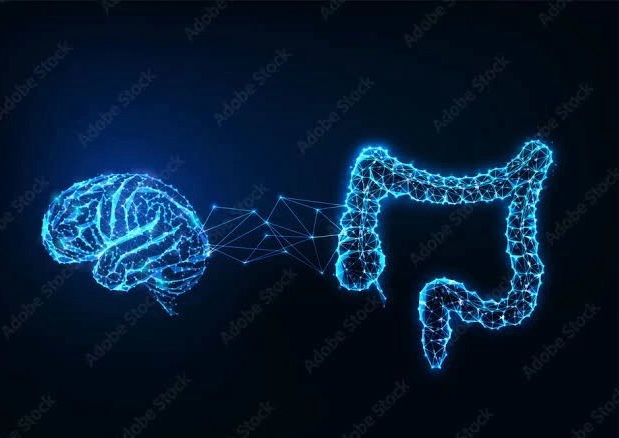
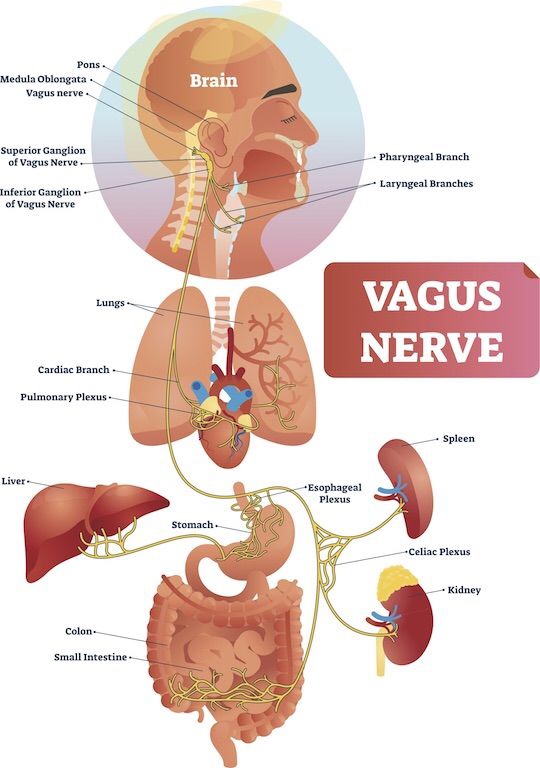
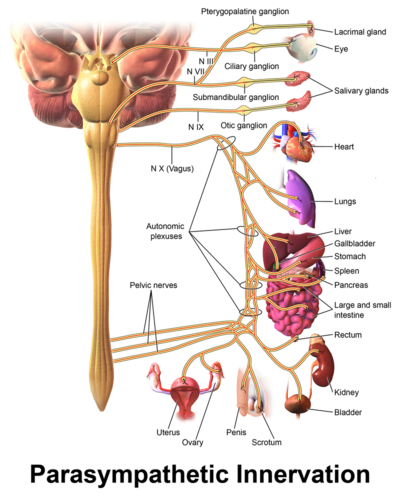
5.The gut-brain connection plays an important role in a person’s well-being. That is why the gut is known as the “second brain”. The gut nervous system can be called the Enteric Nervous System, which has around 100 million nerve cells from the oesophagus to the anal opening. The main functions of this system are digestion, absorption of nutrients, and release of enzymes for food breakdown. Studies show that irritation in the GI tract may trigger the central nervous system to change moods. The gut microbiome also produces hormones like serotonin, and norepinephrine which are important for mood changes. Therefore, there is a strong connection between depression and anxiety in people who deal with gut issues like irritable bowel diseases, stomach upset, pain, and constipation.
6.The signs of a healthy gut are the regular pooping habit, which may be 2-3 times a day to 3-4 times a week, the range can vary with every individual. There is no pain, no bloating after eating, and no discomfort during bowel movement. Symptoms like bloating, diarrhoea, stomach pain, feeling of fullness after eating or malnutrition can be the signs of an unhealthy gut or tigger for slowly increase in bad bacteria. In such cases, clinical attention is required to investigate and diagnose any bowel issues.

7.The common triggers which may lead to an unhealthy gut can be too much stress, constant fatigue, sleep disturbances, ultra-processed food, a sugar-rich diet, and too little intake of fluids. The frequent use of antibiotics has a link to an unhealthy gut. Therefore, these lifestyle habits need to be avoided as practically as possible. Skin conditions like psoriasis do have a link to an unhealthy gut too.

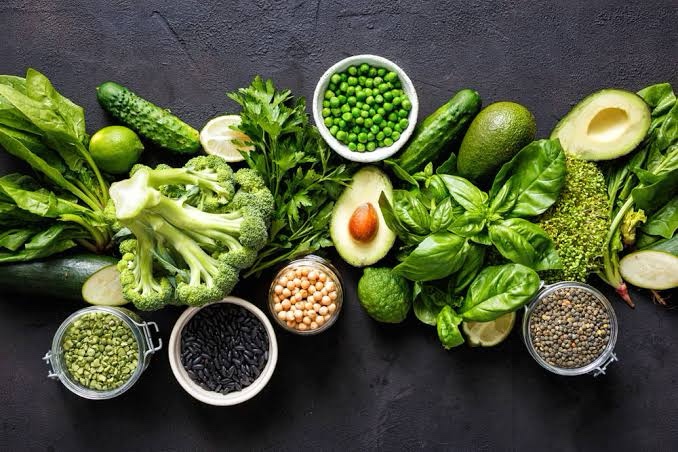
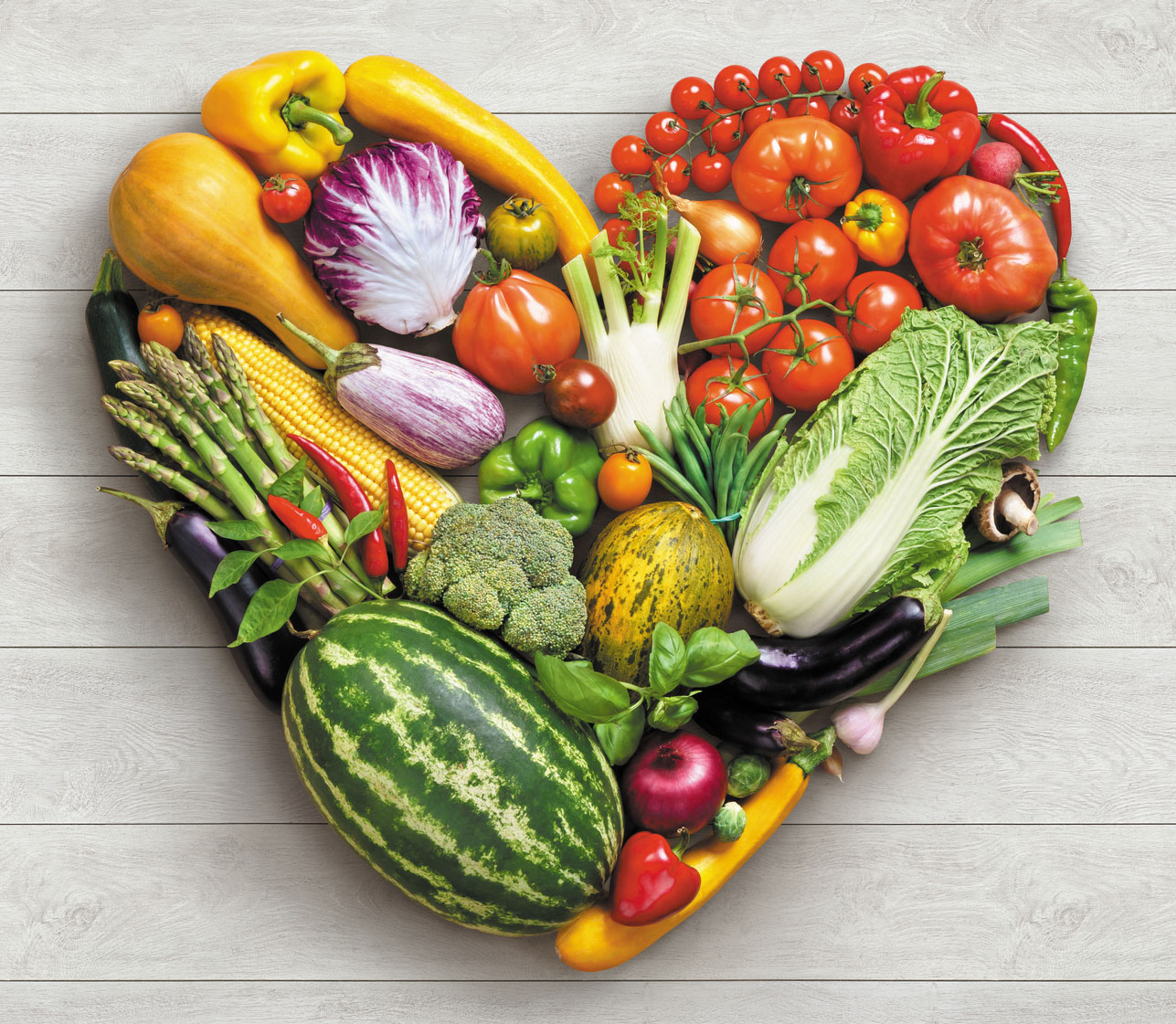
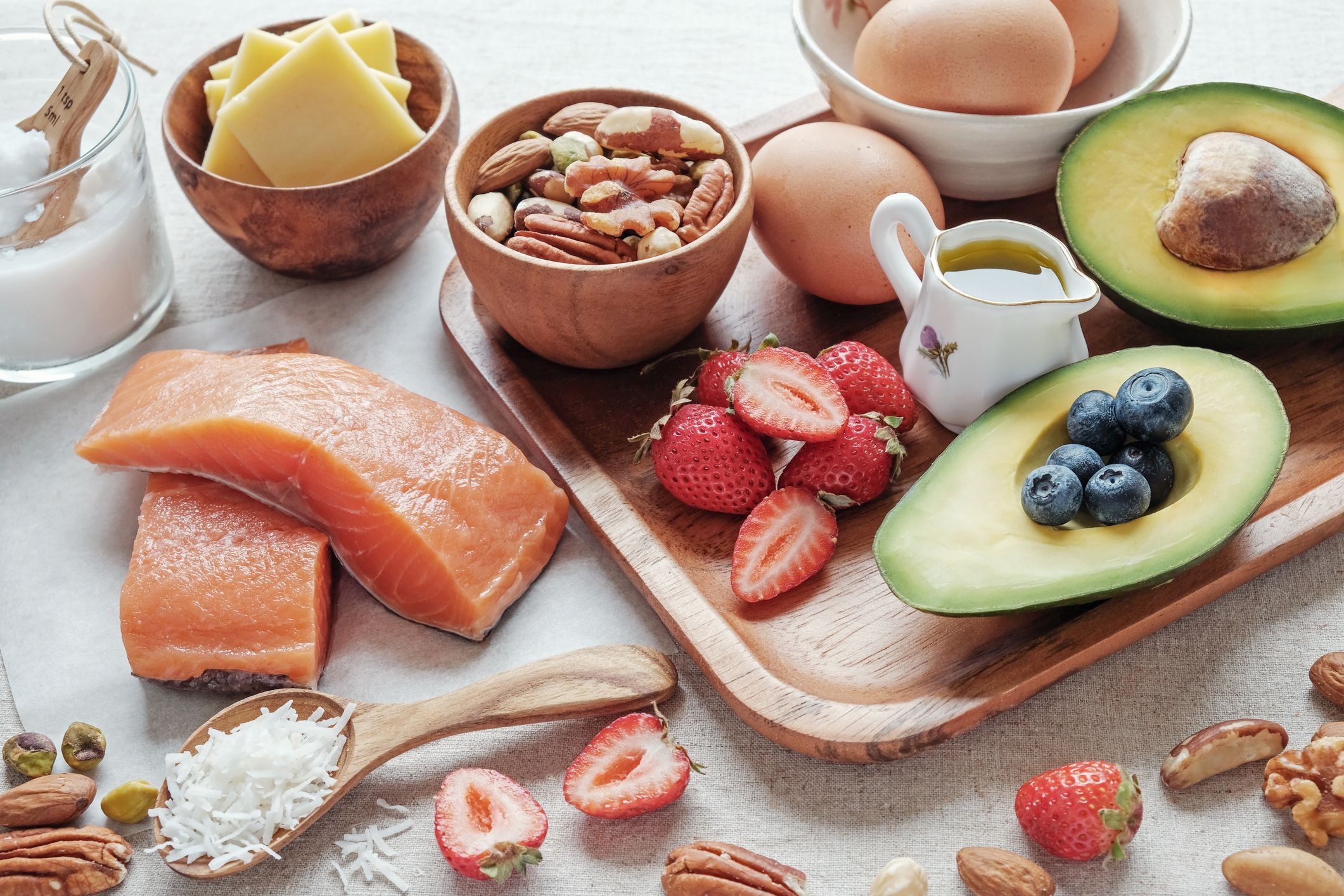
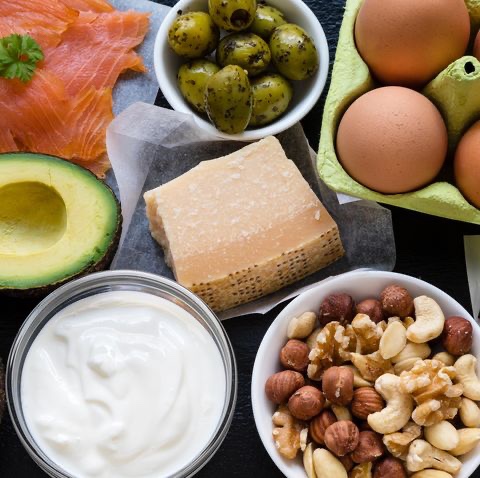
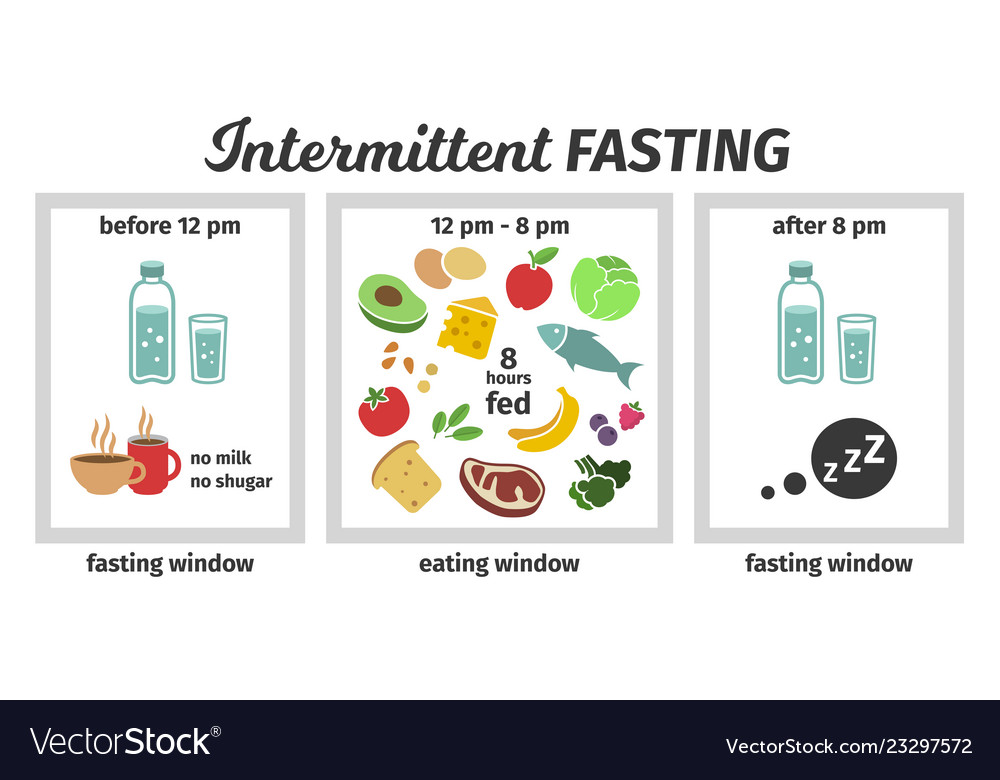
8. The common ways that we can take care of our gut health and improve the good bacteria count are by having a fibre-rich diet with plenty of vegetables and fresh fruits. A diet rich in whole grains, legumes, pulses, nuts and sea fishes. Lowering the sugar-rich foods, limiting the everyday stress, and remaining hydrated as possible. Intermittent fasting is beneficial too for gut health and flora.

9. Another important food for our gut health is fermented food as they are rich in probiotics. Plain yogurt, buttermilk, kimchi, sauerkraut and kombucha to name in the list. There can be other varieties of fermented food too which can be local or region-specific around the globe. Any food which is fermented or sprouting can be excellent for gut health as it increases the lactobacilli and keeps the growth of bad bacteria checked.


10. So, the simple tips to take care of gut health are to have more and more fibres and probiotics daily, curtail sugar as much as possible, stay hydrated, keep out of stress, meditate to calming mind like walking in nature or listening to music, exercising, mild to moderate ways, practising gratitude journal every day increases happy hormones and trying to maintain a sleep routine. Ultimately, the best way to live a longer and healthier life is to live in harmony with nature.
Thanks for reading.
Peace and love 🙏

































 3H:health,happiness,healing