

Peace and love 🙏

Peace and love 🙏


3.Genetic deficiency of MTHFR is rare, but around 50 cases have already been identified worldwide. Symptoms in such individuals are seizures, developmental delay, neurological impairment, gait dysfunction, and a very high level of homocysteine in urine and plasma. Genetic testing of the gene mutation can be done on a saliva swab and blood sample.
4.Genetic mutations are inherited and acquired from the parents. There are 2 forms of mutations that can occur on the MTHFR gene – C677T and A1298C. If one such variant is present, one is less likely to have health issues but if both variants are present, then the individual is likely to have serious health problems.

5.Health issues associated with people who have two variants of the MTHFR gene are :
Homocystinuria
Alopecia areata
Spina bifida
High blood pressure
Depression or bipolar disorder
certain cancers
Miscarriages

6.MTHFR affects pregnancy: Research has shown a link between MTHFR gene variants related to repeated miscarriages. It is important to test for MTHFR gene mutation in women who have suffered unexplained recurrent miscarriages or delivered babies with neural tube defects. Extra folate supplementation and blood thinning administration can be useful to prevent such miscarriages.

7.Diagnosis of MTHFR variant cases is done by testing blood samples and saliva swabs in individuals with a very high level of homocysteine in urine and plasma and vitamin deficiencies of folate, choline, vitamin B12, B6 and riboflavin. MTHFR mutation variant people may not have health issues and can be treated by preventive measures of supplementation of folate and vitamin B and lifestyle changes like a nutritious balanced diet, sleep, exercise and avoiding smoking.

8.Babies and children born with MTHFR mutation variants may present with symptoms within the first year of birth. Such children may have ADHD (attention deficit hyperactivity disorder), autism, impairment of sleep, mood disorder, hyperhomocysteinemia, vitamin, folate deficiency, pediatric stroke, spina bifida and Down’s syndrome.
9.Having gene variants is common in the human population. This particular MTHFR variant gene is common in some ethnicities like in Hispanic individuals. Hispanic races have commonly the MTHFR C677T variant. People with such variants are able to process all types of folate. Research shows that 400mcg of folic acid daily can raise the blood folate level irrespective of whether you are MTHFR genotype.
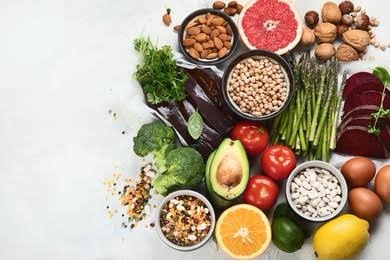
10.Folate and vitamin B are naturally found in many food sources which should definitely be part of the daily diet. Legumes, leafy greens, citrus fruits, broccoli, Brussels sprouts, bananas, avocados and nuts are rich in folate and should be consumed regularly to have normal levels of folate and promote healthy cell division irrespective of gene mutations.
Thanks for reading.
Peace and love 🙏

Peace and love 🙏

It’s time to letting go of whatever that give us pain, hurt, sadness, anger, regrets and guilt as the year comes to an end.
Grateful that another 365 days are approaching to renew ourselves with positive energy, change, optimism and peace which may uplift us in this life’s journey.
Wishing to all my lovely, fellow bloggers, may this New Year 2025 bring immense happiness, peace and favorableness to all of us.
Have a wonderful and blessed year ahead.
Peace and love 🙏


4.Research shows that there are various factors responsible for blackheads as such:
5.Blackheads and Sebaceous filaments might look similar on the skin but they are completely different. Sebaceous filaments are normal appendages on the surface of the skin through which sebum travels from the sebaceous glands to the skin surface. They keep the skin hydrated. Whereas blackheads look dark or grey spots on the skin which has plugs on the surface. They are open, dark bumps due to dirt and oil deposits.

6.Whenever blackheads or pimples appear, what people commonly do is that they squeeze them which is completely a wrong idea. This may have the risk of:
7.Blackheads can be effectively prevented, and you can achieve clear skin with the right approach Some of the common ways which can be done to prevent acne and blackheads are:

8.Common treatments which can be applied to treat blackheads are:
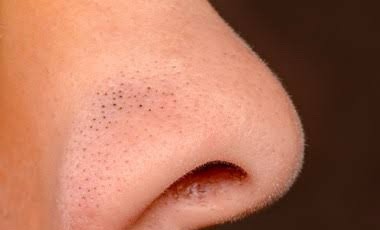
9.If blackheads are persistent or there is skin irritation and inflammation, Dermatologist treatments are necessary. Oral antibiotics, prescription-strength topical agents, chemical peels, microdermabrasion and laser therapy can be used depending on the skin condition.
10. Blackheads, as such are not a serious condition and usually go on their own with routine skin hygiene. Yes, some people suffer from blackheads throughout life. Routinely washing the face with mild face wash, cleansing and moisturizing are necessary. Daily removal of make-up and cosmetic agents at the end of each day is mandatory before following the routine skin cleansing methods. An important tip of the day is keeping your hands away from your face always.
Thanks for sharing.
Peace and love 🙏
Hello everyone 🙌


3.Research studies have found that giloy has many potential compounds like alkaloids, terpenoids, lignans, and steroids which have therapeutic benefits. Studies have also found that the herb contains anti-inflammatory and antioxidant properties which can fight oxidative stress and prevent microbial growth of viruses, bacteria and fungi.
4.Studies show that the entire herbaceous plant including roots, stems, and leaves have medicinal properties. The stems of the plants, especially are potent anti-stress, antioxidant, anti-diabetic, anti-arthritic, anti-allergic, anti-inflammatory, immunomodulatory and anti-cancer properties. Giloy also aids in digestion and gut health.

5.Some studies have shown that the alkaloids found in giloy called berberine work like the medicine metformin and help to reduce blood sugar. It can be effective in controlling blood pressure and reducing the level of LDL( bad cholesterol), hence lowering the risk of heart disease.
6.Lab studies have shown that Giloy can be effective in treating seasonal allergies, and skin conditions like scabies and hay fever. It is effective in controlling asthma. Studies show that it can strengthen the immune system and fight against many pathogens like Klebsiella pneumonia, Pseudomonas, Ecoli and many more.

7.Though Giloy doesn’t have harmful side effects, it is important to use it under expert guidance. The herb can interfere with medications like diabetic medicines, anti-hypertensives, and autoimmune medications. It should be avoided during pregnancy and breastfeeding. Commercially, it is available in capsule form, powder form and tincture. The dosage can be different in different forms depending upon the manufacturer’s preparation. So, it is important to read the label and dosage before buying and using the product.

8.Depending upon the recommended dose on the label of the package and under expert guidance, giloy can be consumed safely with the best outcome. However, in the case of auto-immune diseases like Crohn’s disease, and lupus, the immune system can be overstimulated. Side effects like hypoglycaemia, dizziness or stomach irritation might appear in some individuals. The recommended dosage is about 2-6 gm in the case of adults and less than 500mg in the case of children in either powder or capsule form. Giloy juice can be taken in 2-3 teaspoonfuls with water on an empty stomach in the morning.
Thanks for reading.
Peace and love 🙏

Peace and love 🙏

Eating healthy is easier and cheaper… Eating healthy isn’t complicated or fussy. In fact , it is the easiest option if we make it a way of life, a …
10 tips of eating healthy🙌

1.Butyrate is a short-chain fatty acid (SFCA) released during the fermentation of dietary fibres by the gut microbiome. It plays an integral part in supporting gut health and overall well-being. It is an energy source for colonocytes which meet about 70% of their needs. Evidence has shown that this SFCA has tremendous health benefits ranging from immunity support, lowering inflammation, preventing cancers and fighting ageing. Hence, it is the latest buzzword, doing rounds in social media and among advertisers.

2.Recent studies have clearly shown that butyrate plays an important role in both the host and microbial functions in gastrointestinal health. It is a crucial energy source for colonocytes. An optimal level of butyrate promotes and maintains a healthy microbiome level, reduces inflammation, and supports colonocyte functions. It has protective actions against certain intestinal diseases like inflammatory bowel diseases and colon cancer.
3.Butyrate has been shown to prevent the process of inflammation in the gut which can be caused by pathogens, the body’s overreaction (allergic reactions) and oxidative stress. Chronic inflammation in the gut occurs when the gut’s immune system is constantly fighting against these pathogens and free radicals causing the immune health to be weakened. Eating a considerable amount of fibres causes to production of an optimal level of butyrate which helps in protecting against this inflammatory process.

4.Studies have shown a great impact of butyrate on obesity. Butyrate is found to lower body weight and decrease lipogenesis in the liver and adipose tissues. It increases fatty acid oxidation and prevents fat accumulation in the body thereby reducing obesity. Butyrate is produced by the fermentation of dietary fibres, so it suppresses the food intake and reduces body weight and fat mass.
5.Animal and cell studies have shown that butyrate increases insulin sensitivity, helps in reducing weight gain, and obesity and promotes weight loss. It helps in maintaining blood sugar levels.

6.Another significant property of butyrate has been shown in research that it promotes cell differentiation. Normally, our cells have the ability to change into any specific type of body cells required like liver cells, heart cells, intestinal cells or blood cells. If the cells are not properly differentiated, then, abnormal growth or tumour appears. Butyrate is found to promote cell differentiation.
7.Studies have shown that butyrate plays an important role in the brain-gut connection. It helps in increasing Brain-Derived Neurotrophic Factor (BDNF), removes toxic byproducts from the brain and prevents brain fog. It promotes neuroplasticity and improves rapid eye movement sleep by 70%.
8.Butyrate helps to regulate the blood pressure level. Studies show that the level of butyrate inversely corresponds to the blood pressure level. A higher butyrate level gives a lower blood pressure level while low butyrate may lead to the rise of high blood pressure.

9.Sources of butyrate are :
Dietary fibres like vegetables like garlic, onion, tomatoes, beans, peas, leafy vegetables, broccoli. Fruits like bananas, apples, pears, kiwis.
Whole grains like brown rice, oats, wheat, barley, rye and pulses, legumes.
Dairy sources like milk, cheese, butter, and ghee.
Others like dark chocolate, seeds, nuts, and seawood.
Butyrate supplements are available in the form of sodium, calcium/magnesium butyrate but need to be used as per supervision as they may interfere with other medication.

10.It is important to know that consuming full-fat dairy products like butter, Ghee, cheese, and milk are rich sources of butyrate. However, consuming these products can cause the risk of elevating the level of cholesterol in the body as they are rich in saturated fatty acids too. Therefore, the risk of cardiovascular diseases and obesity may rise. So, the key point to be noted while consuming these products is having them in moderation along with lots of dietary fibre and plenty of water can benefit and maintain the balance.
Thanks for reading.
Peace and love 🙏


4.Common symptoms of constipation:
Pain abdomen.
Painful bowel movements.
Feels uncomfortable or bloated.
Bowel movement less than 3 times a week.
5.Generally, constipation is relieved by switching the diet to more fibrous food, more intake of fluid, and exercise. However, if the person is not relieved of the symptoms despite these above- mentioned measures and maybe, there is a history of blood in stool, episodes are more frequent, then, it is necessary to seek medical attention.
Diagnosing constipation is based on medical history, a physical examination which covers an anorectal examination, barium enema, and colonoscopy.
6.Constipation is usually treated by diet and lifestyle changes.
Lifestyle changes include regular exercise, more intake of fluids in the daytime, giving enough time for daily bowel movements.
Dietary intake of at least 20-30 grams of fiber daily, including whole grains, fruits like bananas, pineapple, papaya, oranges, apples, kiwis, berries and vegetables, is recommended.
Changing the existing medication if any.
If the above measures don’t work, then laxatives are prescribed.

7.Certain risk factors which may lead to constipation:
*Mental health issues: Due to depression and stress-related issues leading to unhealthy diet, irregular meal timing, anti-depression medication, lack of exercise, and eating disorders.
*Old age causes weakening of the muscle lining so sluggish bowel movements.
*Pregnancy causes the bulky uterus to press against the intestinal wall making it harder to defecate.
*Eating lots of refined food, junk food and not eating enough fibre causes hard stool. *Medications like iron pills, antacids, blood pressure medicines, allergy medicines, anti- depressants.
*Diseases: Stroke, paralysis, Parkinson’s disease, diverticulitis, multiple sclerosis, irritable bowel disease, colon cancer.
8.Constipation commonly occurs in most cases due to dietary changes or lack of physical activity. The condition is resolved usually by changes in diet and lifestyle. But, it can be a warning sign and may require immediate medical attention when:
there is severe cramping pain with sudden onset of constipation.
Blood in stool.
Loss of weight.
Severe pain with bowel movements. Constipation is for a prolonged period.

9.Generally, dietary and lifestyle changes can prevent constipation : Drinking 3-4 glasses of water every day.
Adding vegetables and fruits to your diet every day.
Routine physical activity and exercise is a must.
Eating Probiotics such as curd, yoghurt or kefir daily. Avoiding processed food, processed meat, and fried food. Drinking less alcohol and caffeinated drinks.
Not ignoring the urge to poop.
10.There are several different laxatives available, just for your information.
Osmatic laxatives like milk of magnesia cause softening of stool.
Stimulant laxatives increase the speed of bowel movements to help the stool to move through. Lubricant laxatives like mineral oil lubricate the intestine and help to slide the stool along the colon.
Saline laxatives are used as enemas to empty the bowel.
Thanks for reading.
Peace and love 🙏

