

Wordless Wednesday 🍃

Hello everyone ✋

1. Chicory is a tuberous herbeceous root, usually grown in winter. Though it is a native herb from Europe and Asia, but nowadays it widely grown in many areas for its health benefits and as a herbal remedy.
2. Chicory roots are a good source of carbs, minerals, and phytochemicals, including flavonoids. It has been utilized as herbal medicine for generations due to its high nutritional value. Research have shown that it has anti-inflammatory, antibacterial, and antioxidant properties.
3. In modern days, many of its benefits has been scientifically proven. Chicory root is rich in inulin which is a fructose rich fiber and acts as a prebiotic. It promotes growth of healthy bacteria in the gut. Since, it is undigested in the gut when consumed, so it can act as a laxative and relieves constipation.
4. Studies have shown that chicory can contribute to lower blood sugar and helps in insulin resistance. Therefore, it can be an aid in the treatment of diabetes.
5. Other list of benefits of chicory roots are it can promote the weight loss process, improves liver health, boost kidney function by its diuretic properties and may help in treating candida and eczema.

6. Since chicory roots are naturally caffeine free, so they have widely been used as a coffee alternative to reduce the intake of caffeine. Repeated consumption of coffee may lead to excess caffeine intake which in turn can cause issues like increasing the level of cortisol and stress.
7. Extensively used method of including chicory in diet is by blending with coffee as chicory coffee, or as herbal tea. It is also integrated in cereals, protein bars and other food items.
8. Like any other food, Chicory roots also have it’s share of side effects like over consumption can lead to allergic reactions, skin rashes, GI symptoms like discomfort, diarrhoea and gall stone.It is contraindicated during pregnancy and lactation.

9. As there is no specific doses of daily consumption of chicory, generally having around 5 gram of inulin in 500ml of chicory coffee in regular diet may not lead to any adverse effects. However, a Physician’s or an expert advice is recommended.
10. Chicory roots have been in ancient cultures for ages as a herbal medicine. History says that it has been in use as a healthy beverage for many centuries for its health benefits.
Thanks for reading.
Peace and love 🙏
Ginger is an ingredient common to our cuisine for centuries. It is widely used in most of the culinary dishes. Besides adding the zing in our taste buds, it has immense medicinal and health benefits.


Thanks for reading.
Peace and love 🙏
Hello everyone ! Have a wonderful and safe day 🙋🏻


Courtesy: Pinterest
Thanks for reading.
Blessings and much love to all 💐
Hello everyone. Have a beautiful and safe day 🙋🏻
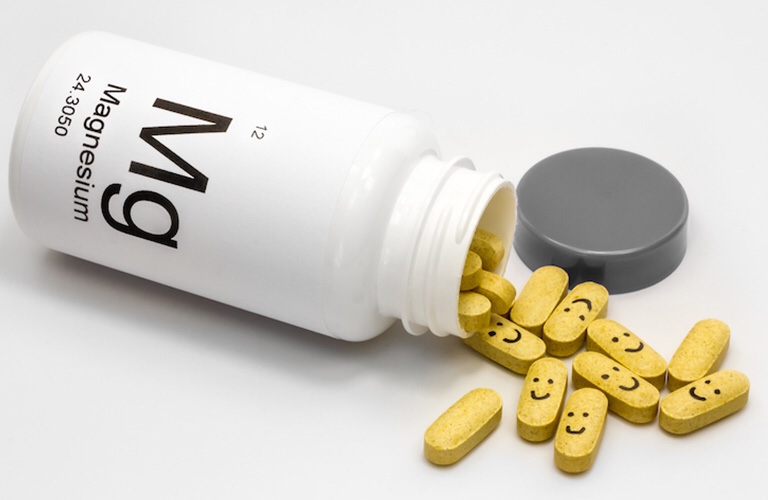
Being irritable at times, feeling less energetic, having sleep disturbances may not be familiar with me alone but with many of you as well. We blame it to our lifestyle of working up to late hours, stress, anxiety or maybe having too much tea/ coffee in the day. But, we fail to understand that this could be the reason for the deficiency of mineral-like Magnesium—an unknown epidemic which most of us are generally not acquainted. About 80% of the population suffer from magnesium deficiency, so imagine how prevalent the problem exists.

A vital mineral as well as an electrolyte, Magnesium is used in many biochemical processes within our body. Lifestyle habits like stress, anxiety, lack of sleep, sugar intake, having carbonated drinks can deplete magnesium storage in the body. Even the soil where crops and greens are grown can be devoid of Magnesium. Therefore, many reasons contribute to magnesium deficiency issue. So, despite following a healthy diet, we may end up having a magnesium deficiency.

Magnesium is a vital mineral used as a co-factor in many of the essential enzymatic biochemical processes. Energy production cycle called the Krebs cycle; it plays an important role. Magnesium contributes as a vasodilator, anti-inflammatory, anticoagulant. It is used in a considerable amount in the mineralisation of bones. Almost 60% of Magnesium is stored in bones, and the rest is stored in the red blood cells, kidney.
Clinically, Magnesium deficiency or Hypomagnesemia is measured by a blood test or magnesium level in urine. But, despite being such a common problem, many physicians failed to acknowledge it because of lack of enough researches or maybe it isn’t easy to measure the exact level in the body.
Some common causes of magnesium deficiency are:
1. Decreased intake: High intake of processed food and prolonged fasting.
2. Malabsorption: Irritable bowel syndrome-like Crohn’s disease, frequent laxative use and diarrhoea.
3, Certain conditions like SIADH (a condition in which the body secretes too much of antidiuretic hormone),
4, Acute pancreatitis, Burns, lactation, diabetes, excessive sweating and alcoholism.
5. Medication that causes of depletion of stored Magnesium are antibiotics, antivirals, antiepileptics,
6. Uses of Cisplatin, corticosteroids, proton pump inhibitors and diuretics.


Some common symptoms are :
1. Muscle twitching, cramps, spasm.
2.Tiredness, dysphagia.

3. Irregular heartbeats.
4. Migraine headache.
5. Insomnia
6. Kidney stones
7. Weight gain
8. Anxiety
9.Autoimmune diseases
10. Ringing in the ears.

Usually, the ideal dose is about 400mg/day. The important sources can be dietary sources like Almonds, nuts, seeds, spinach, pulses.
Other methods are magnesium ionic drops, magnesium oils for body massage and supplements. Oral supplements are available in bound form like Mg oxide, citrate, glutamate, glycinate, taurate and so on. But, supplementation should be used under a physician’s supervision.
Thanks for reading.
Blessings and much love to all 💐

Scientifically, crying is a flow of tears from the lacrimal gland which lies between the eyelids and eyeball for a strong emotional response. Then, you might like to know how emotion stimulate crying?
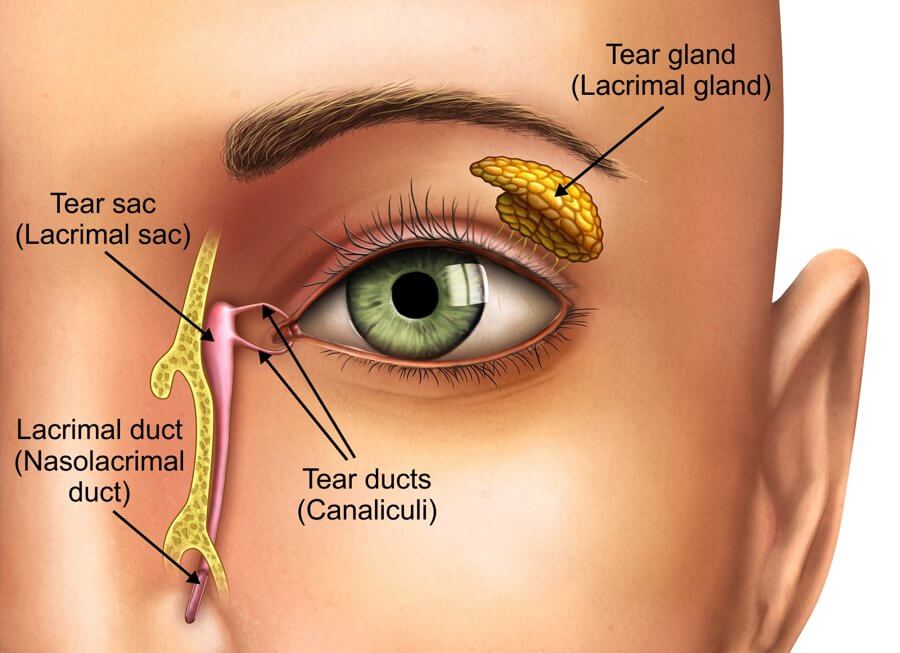
The external situation, event, response, experience, or a stimulating event send 2 messages in the brain simultaneously, one to the cortex, other to the hypothalamus. In the cortex, the emotional response is created, like hurt, pain, sadness, sorrow, stress, depression, anxiety, or fear. The hypothalamus is connected to the autonomic nervous system carries the stimulus of emotion via acetylcholine which stimulates the lacrimal glands, and tears start flowing.
Some 7 wonderful physical, mental benefits of crying:

1.Emotional equilibrium: Researches say that crying is an important way to restore emotional balance. Crying doesn’t always happen when someone is sad, hurt, pained, scared, stressed but also when extremely happy. So, this is a way for the body to respond and recover from strong emotion.
2.Detoxification: Negative emotions like stress, anxiety, sorrow build-up of many toxic chemicals inside our body. So, letting out emotional tears releases stress hormones and toxins from the body.
Besides, emotional tears, reflex tears help out to release smoke and dust from the eyes and continuous tears help to lacrimate the eyes and give protection against infections. Therefore, tears are detoxifying.

3.Soothing: After shedding tears for sometime, the parasympathetic (PNS) nervous system is stimulated. The PNS helps you to relaxed and is comforting. The body also releases the oxytocin and endorphins (feel-good chemicals) which slowly help you to feel calm and soothing. It also helps you to numb the pain. So, next time, you have a broken leg, don’t stop your tears.

4.Mood lifting: When you allow yourself to cry, you are numbing your negative emotions of sadness, pain, stress. So, the other emotions of joy and happiness will start to prop up slowly. While crying, you take quick short breaths, this also helps the brain to cool down and you will feel relaxed. Your mood slowly lightens up.
5.Cleansing: It is the tears that clean up the eyes and keeps them moist preventing you from eyesight problems. While crying, you also clear up your nasal passage from dirt and foreign bodies.

6.Interpersonal: It helps you develop bonding with your closed ones. You always cry in front of someone you trust which is typical human behaviour. So, you ought to cry in front of family members or close friends. Therefore, your bonding with them is strengthened.
7.Healthy: When you are at stress, your body is vulnerable to sickness. So, when you cry, you release cortisol, releasing the stress level. Therefore, you are doing a favour to your immune system of lowering the stress level and helping yourself to stay fit. You also tend to sleep better. Therefore, you stay healthy.

Moringa oleifera, a native plant of Northern India, also grows in tropical regions of southern Asia, South America and Africa have been in the health trend for its tremendous health benefits. It has been there for thousands of years, as a dietary supplement. Alternative names being popular as drumstick tree, or horseradish tree or ben oil tree.
Science-based studies have proved recently that this plant, its leaves, fruits and seeds have many health benefits and can be regarded as a superfood.
Many households in India, Africa uses the fruits, seeds, leaves for cooking. Otherwise, it is available in powdered form, pills, capsules as supplements.
5 known benefits:


1.Dietary supplement: The moringa contains a variety of vitamin, protein and minerals. Vitamins mainly B1 (thiamine) B2 (riboflavin), B3 (niacin) and B6. It contains Vitamin C and folate. Loads of minerals like magnesium, phosphorus, calcium, iron and zinc. It has no harmful cholesterol. Moringa seeds are rich in antioxidant properties and so help in protecting skin and hair.
2.Helps in weight loss: Research shows that moringa extract helps in weight loss. It’s high vitamin B content facilitate digestion. It lowers cholesterol and helps the digestion of fat and prevent storing of fat. It has anti-inflammatory properties. It lowers cholesterol, due to compounds like isothiocyanate and niaziminin. It helps maintains the blood pressure so, good for cardiovascular health.

3.Improve haemoglobin level: Moringa extract contains iron and folate so helps in treating anaemia and sickle cell disease. It also helps the body to absorb iron, so help increasing the red cell count.
4.Medicinal: Moringa extract has been found to heal wounds. Since it has anti-bacterial, anti-viral and anti-inflammatory properties, it has been found to fight against bacterial diseases, gastritis, ulcerative colitis. It has shown to improve lung function so helps in asthma. Since, it improves the haemoglobin level, reduces blood glucose so helps to treat diabetes.
5.Wellbeing: Due to its antioxidant properties, releases the toxicity from the kidneys so contribute to kidney health. Improves eyesight by dilating the retinal vessels, preventing retinal dysfunction. Due to its richness in calcium and phosphorous, it contributes to bone health. It also found to help in mood disorders, depression and anxiety. It has anti-cancer properties. It also prevents liver damage.
Risks :
Before, taking any supplements, it is important to inform and discuss with your physician. Many people are on regular medication for hypertension, diabetes or antidepressants, so there may be chances of drug interference when taken along moringa extract.
Before, buying the supplement, it important to read the labels for any kind of additives and the quantity to be used.
It has anti infertility properties so contraindicated for pregnancy.

Green tea is one of the healthiest beverage known in the world today. So waking up every morning with a cup of green tea is awesome to kick start the day.
I am both tea land coffee lover but and green tea tops my list. It is always advisable to choose a high-quality brand of green tea as low-quality brands may contain fluoride.

7 most important proven benefits are :

3. Green tea is the recommended supplement for weight loss. it boosts the metabolism and increases the fat burning.
4.Many studies have proved that green tea drinkers do have a protective effect against some type of cancers like breast, prostate and colorectal cancers. It is due to loads of antioxidants found in green tea.
5.The catechins in green tea can boost your immunity and lower the risk of both bacterial and viral infections like influenza. It can improve your dental hygiene by killing oral bacteria.

6.Green tea increases the antioxidant capacity of blood and thereby reduces the LDL cholesterol (good cholesterol) from oxidation. it reduces the risk of cardiovascular disease and stroke. It slightly reduces blood sugar too. So good for type 2 diabetics.
7. Since green tea drinkers have a protective effect against cardiovascular diseases, protected against some cancers, boosted immunity, they likely to live longer and healthy.
 3H:health,happiness,healing