
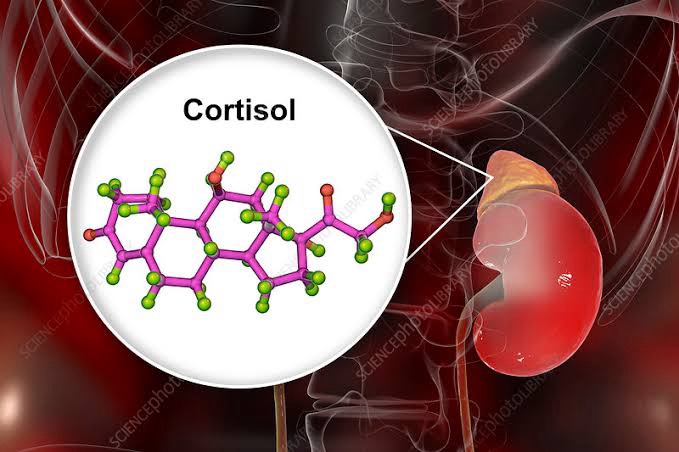
10 facts: Sleep wake cycle linked to cortisol πŸ‘

1.Cortisol is a stress hormone released from the adrenal glands, which is ideally secreted during a fight-or-flight response. However, in today’s world, our daily lives are filled with stressful situations, such as competition, comparisons, peer pressure at work, negative people, and relationships stress. As a result, cortisol is released not just in short bursts but remains chronically elevated. This persistent high level of cortisol keeps the body in a constant state of stress, leading to chronic inflammation, sleep problems, and various diseases.
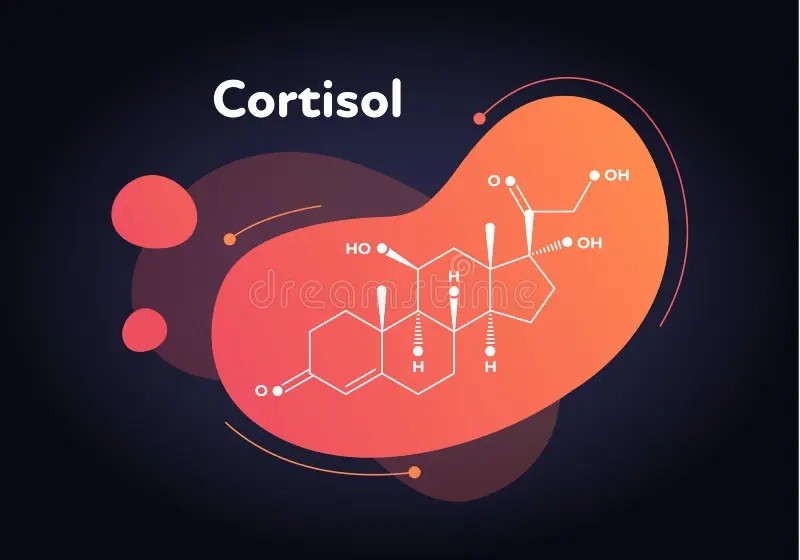
2.Cortisol plays essential role in the body for survival. But when cortisol is elevated for a longer period of time can lead to health issues like weakened immunity, metabolic syndrome and mental health issues. The functions of cortisol are :

– Maintaining blood pressure

– Elevating blood sugar levels

– Regulating the circadian rhythm

– Facilitating the utilisation of energy from carbohydrates, proteins, and fats

– Reducing inflammation

3. Sleep-wake cycle follows a synchronised rhythm with the night and daytime. During the sleep phase, the body goes through different stages, such as:

β€’ Non-REM stage: The phase where the body and mind, being awake, slowly move to a calmer state before falling asleep. Followed by a stage where the body’s core temperature drops, brain waves slow down. After this, a stage emerges where the heartbeat, breathing, and brainwaves slow down, entering a deep state of relaxation.

β€’ REM state: This stage occurs normally after the deep sleep phase. In this phase, people have vivid dreams, and intense dreaming appears. There is weakened muscle activity similar to temporary paralysis. This stage is important as the brain is cleaning out the buildup of waste and toxins.

4. HPA axis: The hypothalamic-pituitary-adrenal axis is responsible for the neuroendocrine regulation. Hormones like melatonin and cortisol from the HPA axis modulate the sleep-wake cycle. When there is disruption of this axis disturb the sleep cycle. Studies show that there are reciprocal interactions between sleep regulation and the HPA axis. Stressful situations like PTSD, emotional trauma, and chronic workload can lead to long-standing sleep issues like insomnia, sleep deprivation, and lack of restorative sleep, which in turn lead to disruption of the HPA axis and vice versa.
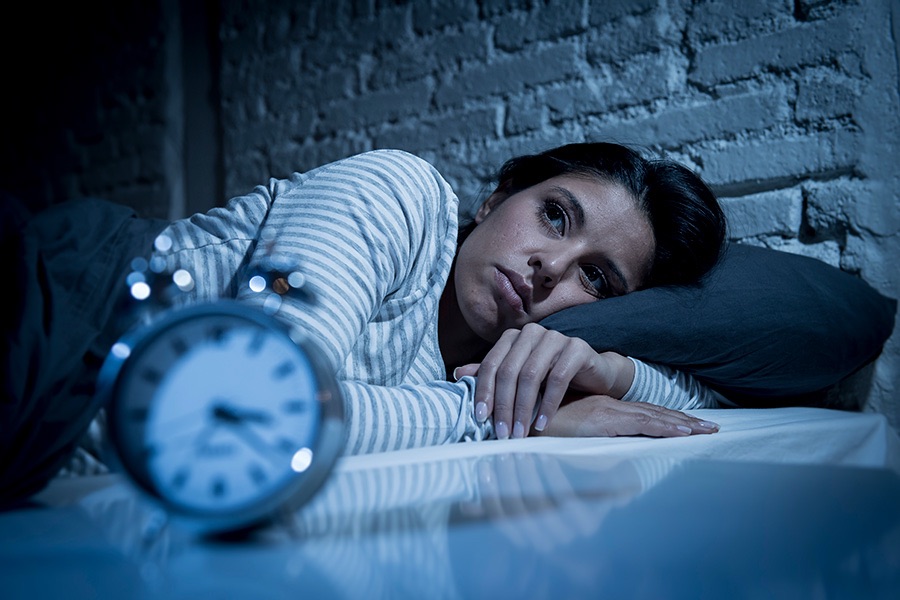
Insomnia

5. The HPA axis and sleep have a significant interconnection. Good quality sleep, deep sleep causes an inhibitory effect on the HPA axis, whereas hyperactivation of the HPA axis leads to overload of glucocorticoids, wakefulness, and loss of sleep. Sleep disorders related to HPA dysfunction are:

β€’Insomnia is a common sleep disorder which is found to have a connection with an increase in ACTH and consistent cortisol levels and arousal of the central nervous system.

β€’Obstructive sleep apnea or daytime sleepiness has been associated with elevated pro- inflammatory cytokines, IL-6 and TNF.

Weight gain

6. Elevated cortisol level: Studies show that sleep deprivation has a direct connection to elevated cortisol levels, long hours of wakefulness in the daytime, glucocorticoid overload, and disruption in the HPA axis. These directly affect the well-being of the individual and increase the risk of obesity and type 2 diabetes. Other symptoms of elevated cortisol levels are:

β€’ Weight gain

β€’ High blood pressure

β€’ Weakness of bones

β€’ Muscle weakness

Stressed

7. Cortisol level: Normally, there is a spike of cortisol level in the morning, known as the awakening response, and it continues for about 60 minutes thereafter. Then, gradually the level-starts dropping and reaches the lowest level towards the evening/midnight. The factors which can affect the cortisol levels are:

β€’ Stress

β€’ Disturbed routine sleep schedule

β€’ Morning light may cause the surge

β€’ Cushing’s syndrome

Overworked/ stressed

8. Stress and cortisol level: Cortisol is a steroid hormone which is released from the adrenal glands in the body’s response to stress. Cortisol also releases sugar from the liver to combat stress. In addition to this, sleep and stress are also closely linked. Prolonged stress can lead to sleep disorders like acute insomnia. The types of stress when cortisol is secreted are:

β€’Short-term stress

β€’Long-term stress

β€’Trauma, both psychological and physical.
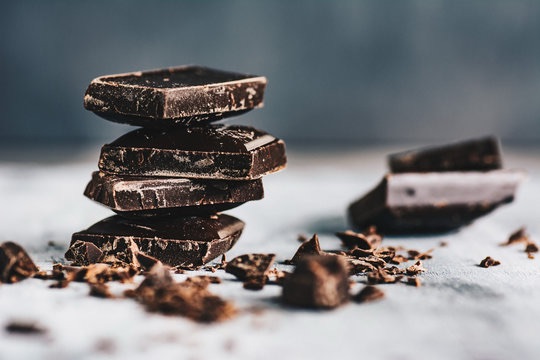
Dark chocolate

9. Food and cortisol: Certain foods can support gut health, reduce stress and lower the cortisol level naturally:

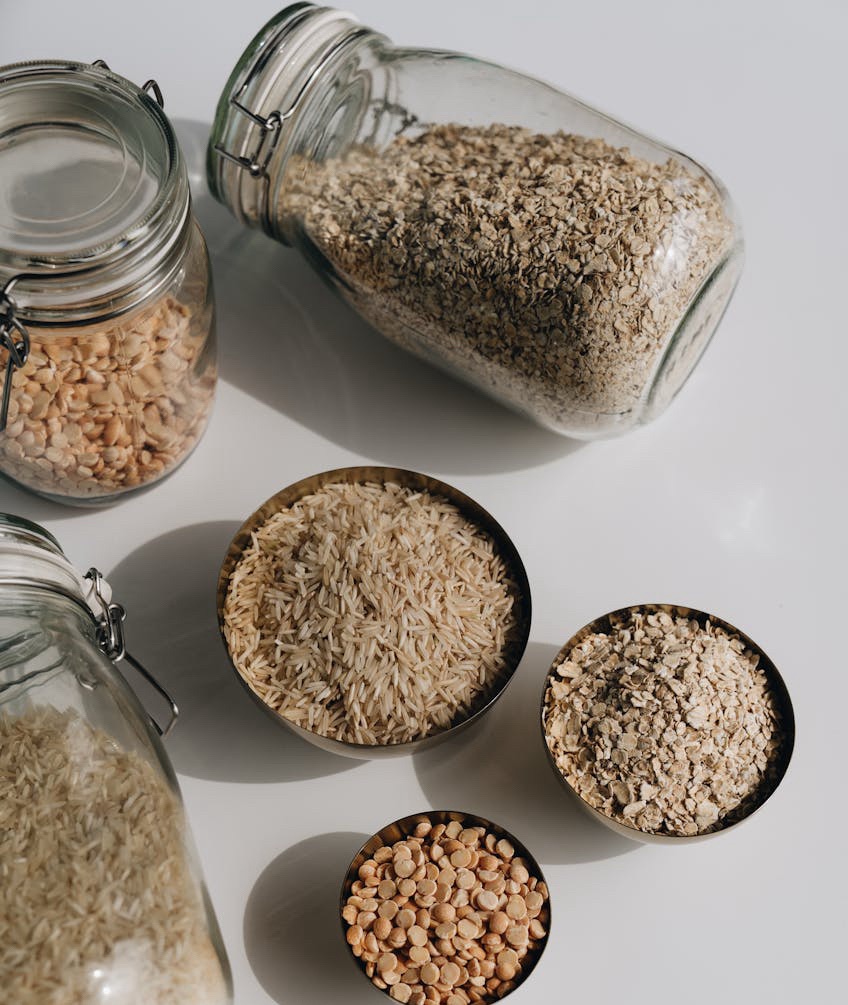
β€’ Whole grains and natural fibres – Whole grains are rich in polyphenols, which can support gut health and reduce stress and cortisol. Fibrous foods like vegetables, fruits, and berries contain both polyphenols and antioxidants that help reduce cortisol levels.

β€’ Dark chocolate (70 – 80%) – Flavonoids in dark chocolate can lower the stress response and cortisol from the adrenal glands.

β€’ Green tea contains polyphenols, catechins, and L-theanine, which can lower stress reactivity.

β€’ Probiotics/Prebiotics are linked to healthy gut health, reduce stress and cortisols.

β€’ Healthy fats in nuts, fatty fish, and seeds rich in omega3-fatty acids reduce stress and support mental health.

β€’ Water – Consuming water throughout the day prevents dehydration and controls the cortisol level.

Meditation
Community/ kindness/ volunteer work

10. Natural habits that can keep the cortisol level under control:

β€’ Good sleep routine – Firstly, keep away from cell phone or any kind of distraction at least 1 hour before bedtime, avoiding alcohol, caffeine intake and nicotine 5-6 hours before bedtime, maintain a bedtime schedule; going to bed and waking up the same time every day is important for sleep hygiene.

β€’ Daily routine exercise, nature bathing, walking or any kind of physical activity.

β€’ Practise deep breathing techniques like Pranayama, mindfulness breathing, Meditation, yoga, tai-chi.

β€’ Maintaining your mental health by managing your personal relationships, staying away from negative people and a negative environment, cultivating hobbies, laughing, and listening to music.

β€’ Spirituality – believing in spiritual faith, attending spiritual workshops, meditation, community spirit, kindness /charity /voluntary works, helps maintain cortisol levels.

Thanks for reading.

Peace and love πŸ™

All about Puffy eyes πŸ™„

Hello everyone ! Have a wonderful and safe weekend πŸ™‹πŸ»

Maybe, we all at some point or very often been troubled with puffiness around eyes, especially below the eyes, interfering with our looks. Puffy eyes are seen usually in the age group above 30 to 40 years. But, nowadays, often young people are also seen with puffy eyes. So, it very common among all age groups. Structurally, eyes are surrounded by orbital fats on all sides that protect the eyes from any external injury and help smooth eyeball movement on all sides. There is also an orbital septum between the orbital bone and the eyelid, preventing orbital fat from bulging. As we age, this orbital septum gets weaker and weaker, and hence the puffiness can be prominent.

Since it is found in both young and aged, the causes are plenty. It can be temporary or persistent, mild to severe depending upon the underlying cause. Sometimes, puffiness can be idiopathic that is without any known cause. Transient puffiness is mostly seen after waking up in the morning, which can disappear as the day progresses. In most of the people, it can be persistent, as the ageing process moves. It can be in varying degree ranging from mild, moderate to severe. The different probable causes can be :

1. Allergy like due to allergens like dust, pollen, dander.
2. Infection in the eyes like conjunctivitis, which can cause both pink and puffy eyes.
3. Wearing contact lenses for too long can cause puffiness as the cornea gets swelled up due to cut off oxygen supply while the lenses are on.
4. Ageing is the most typical cause as the orbital fat below the eyes slowly start protruding.


5. Too much alcohol intake causes bloating.
6. Not getting enough sleep.
7. Too much salt consumption causes water retention.


8. Too much artificial sugar, or high sugar diet can cause water retention, inflammation and bloat.
9. Kidney issues and when protein intake is high. There is an electrolyte imbalance, more sodium in the body. So, there is water retention.
10. Thyroid causes.
11. Cirrhosis as liver problems can cause bloating.
12. Crying for too long can cause transient puffiness.

Depending upon the cause and the severity, the remedies and treatment are required.

1. If it is a mild kind of puffiness, and due to a temporary cause like eye injury, not getting enough sleep, high salt consumption or high alcohol intake. Correcting the underlying cause and applying a cold compress or caffeine creme can be very helpful.

2. If it is due to a medical cause like thyroid issues, kidney issues or liver Cirrhosis, the individual needs to make lifestyle changes like – low carbohydrate diet, low protein diet, cutting down salt and sugar. Sometimes, increasing potassium content through dietary sources can help to get rid of the excess fluid. And, of course, treating the underlying cause with medication.
3. Cosmetic reasons: Sometimes, due to the ageing process, the puffiness can be severe and hinder the physical appearence. In such cases, Hyualuronic acid fillers and lower eyelid blepheroplasty can be helpful.

Thanks for reading.

Blessings and much love to all πŸ’


5 important facts about Candida πŸ™Œ

Hello everyone ! Have a wonderful and safe day πŸ™‹πŸ»

Important facts about Candida :

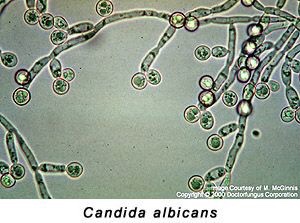
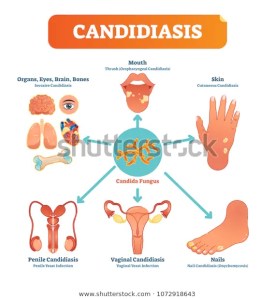
1.Candida is a group of yeast/fungi, comprising of many types. Out of which, 20% of them cause infection in the human population. The most common type is Candida Albicans. Candida typically resides in the human body, mainly in the gastrointestinal tract, genitourinary tract, respiratory tract and the skin. They do not cause any harm when the host’s (human body’s) defence mechanism is resistant enough. Specific health issues, poor nutrition or lifestyle changes can lower the immunity status, leading to this candida infection or Candidiasis.

2. When the host defence mechanism is weak, Candida, proliferates the mucous membrane of the GI tract, respiratory tract, genitourinary tract or the skin. It is usually prevalent, in about 80% of people, causing annoying infections or skin rashes. In about 15% of the cases, Candida can penetrate deeper tissue in the gut mucosa, causing severe health issues like Leaky gut syndrome. To know more about Leaky Gut syndrome, click the link https://atomic-temporary-162723897.wpcomstaging.com/wp-admin/post.php?post=3865&action=edit 

On rare occasions, Candida can spread systemically through the bloodstream and lymphatic tissue. Focal Candidiasis can be transmitted to the vital organs like brain, heart, kidney and can cause life-threatening conditions.

3. Different causes of Candidiasis can be:
a.Chronic health issues like diabetes, thyroid issues, cancers, AIDS and STDs.
b. In a weak immune system like in chemotherapy, radiotherapy.
c. High level of stress
d. Sleep deprivation
e. Individuals with drugs like antibiotics, steroid, birth control pills
f. Nutritional deficiency of vitamins, zinc, selenium.
g. Dietary causes like intake of sugary foods, processed food, alcohol, too much gluten (grains intake), lactose intake.
h. Environmental causes like heavy metal poisoning (mercury, lead), pesticides, cleaning agents, petroleum-based solvents.
i. Poor hygiene and wearing tight fitted clothing.

4. The symptoms are organ-specific can be single or multiple depending upon the severity.
a. Oral thrush, frequent sore throat, bleeding gums.
b. Skin rashes.
c. Nail infections.
d. Vulvovaginal candidiasis in females and Balanitis in males.
e. Systemic Candidiasis with a complicated, life-threatening situation in a small number of cases.
f. Gut issues like Leaky Gut syndrome.

5.The most crucial remedy is detoxifying the toxins from the body by making lifestyle changes, and dietary changes. Some of the treatments are:
a. Cleaning the gut from unfavourable foods like cutting down sugar and processed foods, low gluten (grain) intake, low dairy, no alcohol. b.Consuming more alkalizing food to avoid the acidic ph of the stomach.

c. Food preferences like green leafy vegetables like kale, broccoli, Brussel sprouts, arugula.
d.Low sugar fruits like coconut, citrus fruits like lime, lemon, Apple cider vinegar, and herbs and spices like garlic, ginger, oregano, cinnamon, cloves.
c. Supplements like Probiotics and vitamin C.
d. Antifungal drugs like Triazole /Imidazole as prescribed by a Physician.


f. Localized treatments like salt water or hydrogen peroxide mouth rinsing in case of oral thrush. Local application of coconut oil, oregano oil in case of skin infections.

g. Wearing loose fitting clothes preferably cotton in warm, moist weather.

Thanks for reading.

Blessings and much love to all πŸ’


Osteoporosis is Calcium-deficiency state: A myth πŸ˜‡

Hello everyone ! Have a wonderful and safe day πŸ™‹πŸ»

Osteoporosis is a significant issue, commonly associated with ageing where the bone density is lost, bones become porous, brittle and weak. They are easily prone to fracture with the slightest hurt. Structurally, bones consist of protein, minerals and calcium. Since calcium maintains the structure and density of bones, osteoporosis is considered as the calcium deficiency state. This saying is not always true. People started to consume calcium supplement in excess, which may, in turn, create problems rather than solving the issue. High intake of calcium can increase the risk of heart attacks, stroke by calcification of coronary arteries; there is the deposition of calcium around joints and kidney stones.

The causes associated with osteoporosis can be :

1.Menopausal due to low estrogen level.
2.Vitamin D deficiency
3.Smoking
4. Malabsorption syndrome.
5.Low vitamin K2 level
6.High stress causes high cortisol level
7.Certain medications like steroids.

Knowing that calcium is an integral part of the bone structure doesn’t necessarily mean that weakening or osteoporosis is calcium deficiency. But as mentioned above, it can be due to many other causes or risk factors involved. Consuming calcium supplement in excess can be toxic to the body. Unlike other minerals like potassium and magnesium, which are eliminated by the kidneys when taken in excess, the calcium deposits cannot be eliminated easily by the body. They get deposited in coronary arteries causing high risk to coronary artery diseases, calcium deposits in joints and calcium stones in the kidneys.

Diagnosis of Osteoporosis is made by bone density scan and bone markers.
The treatment is based on the underlying cause and preventionβ€”treatment with biphosphate medications under clinical supervision.

Specific Preventive measures like :
1. Nutrient-dense diet, rich in calcium and vitamin D, K2.
2. Lowering stress by calming the mind with Mindfulness, meditation.
3.Enough sleep


4. Exposure to sunlight for the natural source of Vitamin D
5.Limiting smoking and alcohol


6.Weight training exercises
7. Regular checking of hormone levels.

Thanks for reading.

Blessings and much love to all πŸ’


Post: Detoxification: 4 realities.

Once we step out of our house, we are exposed to a host of environmental pollutants, allergens, hazardous chemicals, processed food, heavy metals, pesticides and so on. All of them have a hazardous effect on our body.

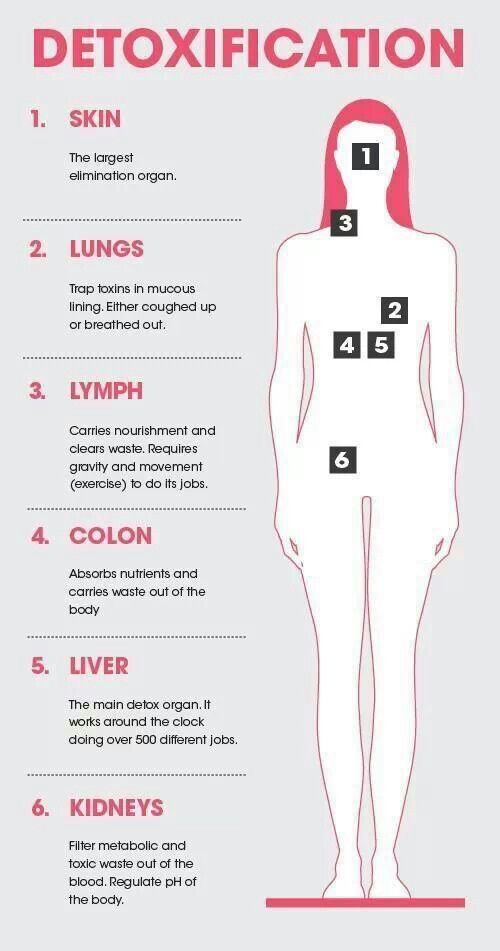
Medical experts do not really urge the need for detoxification as our body has a natural ability to eliminate toxins and waste. Skin, liver, kidneys, bowels and lungs naturally eliminate toxins.
But then, why do we keep hearing about detoxification methods which often catch our attention ?

4 realities ;

  1. Detoxification is quite necessary when your body’s natural mechanism is disturbed. Sedentary lifestyle, poor eating habits, overeating, too much of alcohol, smoking may contribute. Some occupational hazard (regular exposer to heavy metals like lead, arsenic) and people with digestive disorders may require to detoxify.

2. The concept of a detox diet may sound appealing but is quite a misconception. Detox diet which may include specific food with detoxifying properties, laxatives, liquids don’t really identify or remove specific toxins. There is no scientific evidence of any diet which can eliminate specific toxins.
The human body itself is equipped with an efficient detoxifying system. The detox diet can at best facilitate the natural system.

3. Change in lifestyle is an important tool to optimize our body’s natural ability of detoxification. Cutting down sugar, processed food, reduce intake of alcohol, reduce salt intake and maintaining an active life (to boost metabolism) are very essential. Having adequate sleep daily is helpful to remove toxic waste (beta-amyloid) from the brain. Sleeping about 6-7 hours of quality sleep ensures good health.

4.Drinking lots of water, staying hydrated throughout the day help remove toxins, waste through urine, sweat and also breathing. Antioxidant-rich diets composed of fresh fruits and vegetables help to eliminate the excess free radicals and fight the body’s oxidative process. Food rich in prebiotics like banana, tomatoes, garlic, oats, asparagus help in increasing the good bacteria in gut called probiotics. A healthy gut is necessary for effective body’s natural detoxification.

Leading a well-disciplined life is quite effective for the body’s natural mechanism of detoxification. Adopting methods like a detox diet, going to spas, sauna bath, sweating therapy, fasting methods can be individual choices.