10 facts to know about your gut flora 🙌

Hello everyone 🤗

  1. The gut flora is mainly composed of trillions of gut microbiomes which are mainly bacteria, fungi, viruses and archaea. This is unique to every individual and develops in his/her lifetime, as distinctive as the fingerprint. Initially, the intestinal tract of a newborn at birth is sterile. The newborn’s gut is first colonised by the mother’s bacteria during the process of vaginal delivery. Environmental bacteria also start colonising in the baby’s gut as soon as it is exposed after birth. Then, slowly the child’s gut starts developing into a unique microbiome flora depending upon the different food intake and environmental exposures with time.
  2. The gut starts having both good and bad bacteria with different kinds of food and environmental exposures. Good bacteria mainly help in the digestion and absorption of the food and nutrients. They strengthen the immune system and produce several beneficial amino acids and vitamins. The more, the good bacteria population, the healthier the person and the stronger the immunity, in his lifetime. They are simply the protectors of our health and well-being.

3. There are bad bacteria also in our intestinal gut flora. As long as they are low in level, they remain harmless. But then, when we take antibiotics or develop unhealthy food choices and habits, smoking, drinking alcohol and so on, the good bacterial flora is at risk and starts eliminating. In such cases, bad bacterial flora starts flourishing causing havoc in the immune system leading to various diseased states. Chronic inflammation starts progressing leading to autoimmune diseases, cancers, and inflammatory bowel diseases.

4. As research has progressed, studies have found links between bacterial species in the gut to certain types of diseases. Metabolic diseases like obesity and type 2 diabetes are found to be linked with the presence of certain bacterial species of Lactobacillus.
New studies have shown strong evidence of gut kidney connection. Certain species of bacteria in the gut microbiome result in uremic toxins while digesting protein which may be a factor in developing chronic kidney diseases. Several studies have shown a link of depression to the gut microbiome. Various bacterial species like Eggerthella and Sellimonas are found at high levels in individuals with depressive symptoms.
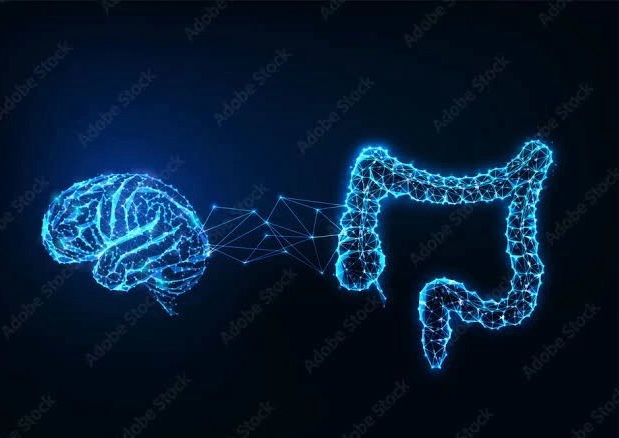
5.The gut-brain connection plays an important role in a person’s well-being. That is why the gut is known as the “second brain”. The gut nervous system can be called the Enteric Nervous System, which has around 100 million nerve cells from the oesophagus to the anal opening. The main functions of this system are digestion, absorption of nutrients, and release of enzymes for food breakdown. Studies show that irritation in the GI tract may trigger the central nervous system to change moods. The gut microbiome also produces hormones like serotonin, and norepinephrine which are important for mood changes. Therefore, there is a strong connection between depression and anxiety in people who deal with gut issues like irritable bowel diseases, stomach upset, pain, and constipation.

6.The signs of a healthy gut are the regular pooping habit, which may be 2-3 times a day to 3-4 times a week, the range can vary with every individual. There is no pain, no bloating after eating, and no discomfort during bowel movement. Symptoms like bloating, diarrhoea, stomach pain, feeling of fullness after eating or malnutrition can be the signs of an unhealthy gut or tigger for slowly increase in bad bacteria. In such cases, clinical attention is required to investigate and diagnose any bowel issues.

Sugar rich foods

7.The common triggers which may lead to an unhealthy gut can be too much stress, constant fatigue, sleep disturbances, ultra-processed food, a sugar-rich diet, and too little intake of fluids. The frequent use of antibiotics has a link to an unhealthy gut. Therefore, these lifestyle habits need to be avoided as practically as possible. Skin conditions like psoriasis do have a link to an unhealthy gut too.

Natural foods

8. The common ways that we can take care of our gut health and improve the good bacteria count are by having a fibre-rich diet with plenty of vegetables and fresh fruits. A diet rich in whole grains, legumes, pulses, nuts and sea fishes. Lowering the sugar-rich foods, limiting the everyday stress, and remaining hydrated as possible. Intermittent fasting is beneficial too for gut health and flora.

Fermented foods

9. Another important food for our gut health is fermented food as they are rich in probiotics. Plain yogurt, buttermilk, kimchi, sauerkraut and kombucha to name in the list. There can be other varieties of fermented food too which can be local or region-specific around the globe. Any food which is fermented or sprouting can be excellent for gut health as it increases the lactobacilli and keeps the growth of bad bacteria checked.

Walking in nature
Gratitude journal

10. So, the simple tips to take care of gut health are to have more and more fibres and probiotics daily, curtail sugar as much as possible, stay hydrated, keep out of stress, meditate to calming mind like walking in nature or listening to music, exercising, mild to moderate ways, practising gratitude journal every day increases happy hormones and trying to maintain a sleep routine. Ultimately, the best way to live a longer and healthier life is to live in harmony with nature.

Thanks for reading.

Peace and love 🙏

10 facts about Orexin 🧠

Hi everyone ✋

1.The lateral hypothalamus and prefrontal cortex produce a hormone called Orexin, also known as hypocretin. It is produced in two forms like Orexin A and Orexin B. It has various functions related to Central Nervous System. It helps in regulating important functions like sleep-wake cycle, arousal state, energy homeostasis, feeding behaviour, emotions, mood and cognition.


2.Sleep: Orexin is usually released in the daytime and keeps us awake. It stimulates those neurons which in turn help in the release of neurotransmitters like serotonin, dopamine and nor- epinephrine. In case of individuals with orexin deficiency, are usually diagnosed with narcolepsy, insomnia, sleep imbalance, daytime sleepiness and cataplexy.


3.Stress regulator: Orexin is highly responsive to environmental stimuli and our mood. When in stress situations ,the orexin neurons stimulate the body’s response to increase heart rate, blood pressure and disturb the resting state.


4.Obesity: It is a result of the influence of orexin-producing neurons on energy metabolism.Orexin deficiency in the body can lead to slowing down energy metabolism, physical inactivity, and excessive weight gain, even if the calorie intake is low.

5.Mood: Orexin has an influence on mood through its impact on the hippocampus. Abnormal orexin activity has been related to mental health conditions like depression, PTSD, anxiety and addiction. Deficits in orexin influence can result in hippocampus problems such as learning disability and memory deficits, as it also promotes the development of neurons in the hippocampus.


6.Narcolepsy: Orexin helps us stay awake during the day. So, people with orexin deficiency suffer from narcolepsy. They have daytime sleepiness and sleep paralysis. Mostly, these type of individuals can also suffer from cataplexy. The person is unable to move for a short time even if he is awake or about to fall asleep. It is usually occurs in a conscious state of mind and triggered by strong emotions like being angry, or laughing.

7.Alzheimer’s Disease: Several studies show that orexin has direct connection with sleep, cognition and as a stress regular. So it does play a significant impact on Alzheimer’s disease pathology. An increase level of orexin has been found in cerebrospinal fluid of people with Alzheimer’s. So, they usually have circadian cycle disorders, daytime sleepiness and cognition problems. However, researches are still going on for further prospectives of using orexin antagonist receptors as a potential treatment alternative.

8.Heart: Lack of sleep and insomnia have a direct impact on cardiovascular health and hypertension. Studies show that increased levels of orexin stimulation can elevate blood pressure and heart rate. Both orexin A and B receptors have a direct role in the regulation of sympathetic nervous system. Therefore orexin antagonist receptors might be a therapeutic option for hypertension.

9.Orexin levels: High levels of orexin may lead to sleep disorders, stress prone and eating disorders. But lack of orexin or loss of orexin in brain injury may lead to narcolepsy or other sleep disorders. The normal level of orexin found in cerebrospinal fluid in a healthy individual is around 250 – 500 pg/ml.

10.Food: Optimal level of orexin can be provided in a healthy individual by regular intake of fermented food like pickles or sauerkraut. Having excessive sugar or carbohydrate rich food can inhibit orexing production.

Thanks for reading.

Peace and love 🙏

Amazing benefits of Inositol 🙌

Hello everyone ! Have a wonderful and safe day 🙋🏻

Inositol is a pseudovitamin, more commonly referred to as vitamin B8. Unlike other vitamins, Inositol is not considered essential as the body can make it. The kidneys and other body parts can produce it. Inositol is mostly found in the brain. It is vital for the body because it is involved in several crucial processes of the body namely –


1. Insulin regulation and helps to maintain blood sugar. It can improve the insulin sensitivity of the insulin receptors and reduces insulin resistance.
2. Fat metabolism which prevents the fat from accumulation.
3. Neurotransmitter synthesis like Seratonin which is greatly affected by Inositol. Therefore, it affects our mood and behaviour.
4. Calcium signalling.
5. Epigenetic regulation.
6. Cytosketetal formation.

Because it plays an essential role in these processes, it helps to benefits and improve many chronic conditions like :


1.Depression

2.Anxiety

3.Panic attacks, Eating disorders, Mood disorders.

4.Polycystic ovarian syndrome

5.Infertility, regulate the Menstrual cycle.

6. Inflammation

7.Acne

8.Since it helps in insulin regulation and aids in metabolism, it helps improve diseases like Diabetes type 2, autoimmune diseases and cancers.

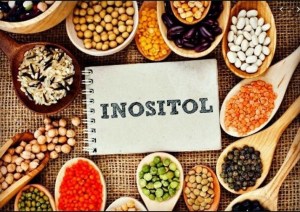
Food sources of Inositol are Citrus fruits, cantaloupe, grains, legumes, nuts.

Supplement: Myo inositol. Supplements and doses are recommended under Physician supervision.

Thanks for reading.

Blessings and much to all 💐

Anxiety: Understanding the fact 🙌

Hello everyone ! Have a wonderful and safe day 🙋🏻

img_1159

“The best use of imagination is creativity, the worst use of imagination is anxiety”. Deepak Chopra.

Humans are the only species since evolution, who have the most evolved mind. They can undoubtedly imagine both constructively and destructively. So, it’s our thoughts alone which can make or break us.
Being anxious is having an uninvited guest into your house, which you are trying to avoid, but still, he refuses to leave.

img_1165
Anxiety is a state of mind, not a disease. Every day, we generate about 70,000 thoughts, out of which majority of them are negative and repetitive thoughts which do not serve any purpose. Thoughts are the main stimulator of our state of wellbeing. Whether you are physically healthy or not, thoughts are only instrumental which determines our state of wellbeing. It’s the day to day thoughts that creates our perceptual reality which we believe our real world. Hence, this is the hard truth that needs to be acknowledged by us.
It’s essential to educate ourselves that thoughts typically creates our reality. So, if we modify our thinking pattern or start creating empowering thoughts and beliefs, we can easily change the world around us.
Therefore, thoughts are so powerful that they can push you to the peak of physical and mental wellbeing or dumped you in the pit of depression and anxiety.

hand presses the button on white background

So, how does anxiety builds up?
Out of 60,000 to 70,000 thoughts generated, every day, about 90% of them are just repetitive and negative thoughts. There is overthinking and rumination of the same type of thoughts. As the cycle continues, there is an alteration in the chemical makeup of the brain. Dopamine and serotonin, the mood regulators get depleted in the brain. The production of BDNF (brain-derived neurotrophic factor) gets consumed, and slowly there is shrinkage in the size of the brain. When the cycle becomes vicious, and anxiety state becomes chronic. It started to interfere with daily activities. Such a state is regarded as an Anxiety disorder. As chronic stress get elevated and reaches the threshold, there are significant changes taking place in the brain.

Dr Joseph LeDoux New York University neuroscience.16ef.indd
Some noticeable changes are :
1. The more the brain is engaged in anxious thoughts, the more the ‘anxious neural pathways’ are strengthened.
2. The brain is stuck in the state of ‘high alert’, becomes more reactive to the stress receptors for possible threats which are mostly imaginary.
3. The fear centre in the brain becomes more prominent and more significant.
4.Not just the chemistry, but changes start appearing up to the DNA level in the brain.
5. Brain ageing process also fastens.
6. The circadian rhythm is disturbed, and the sleep cycle gets disrupted.

img_1166

Simple ways to get rid of the anxiety state :
1. Firstly, it is better to face the anxiety. More avoidance will lead to more exaggeration. So, visit your fears, and start being an observer. Being an observer of your mental state, create a sense of indifference, feels like you are different from your state of mind. You understand that the mind and body have created a false association to any external object or stimulant as the triggering factor.

img_1163
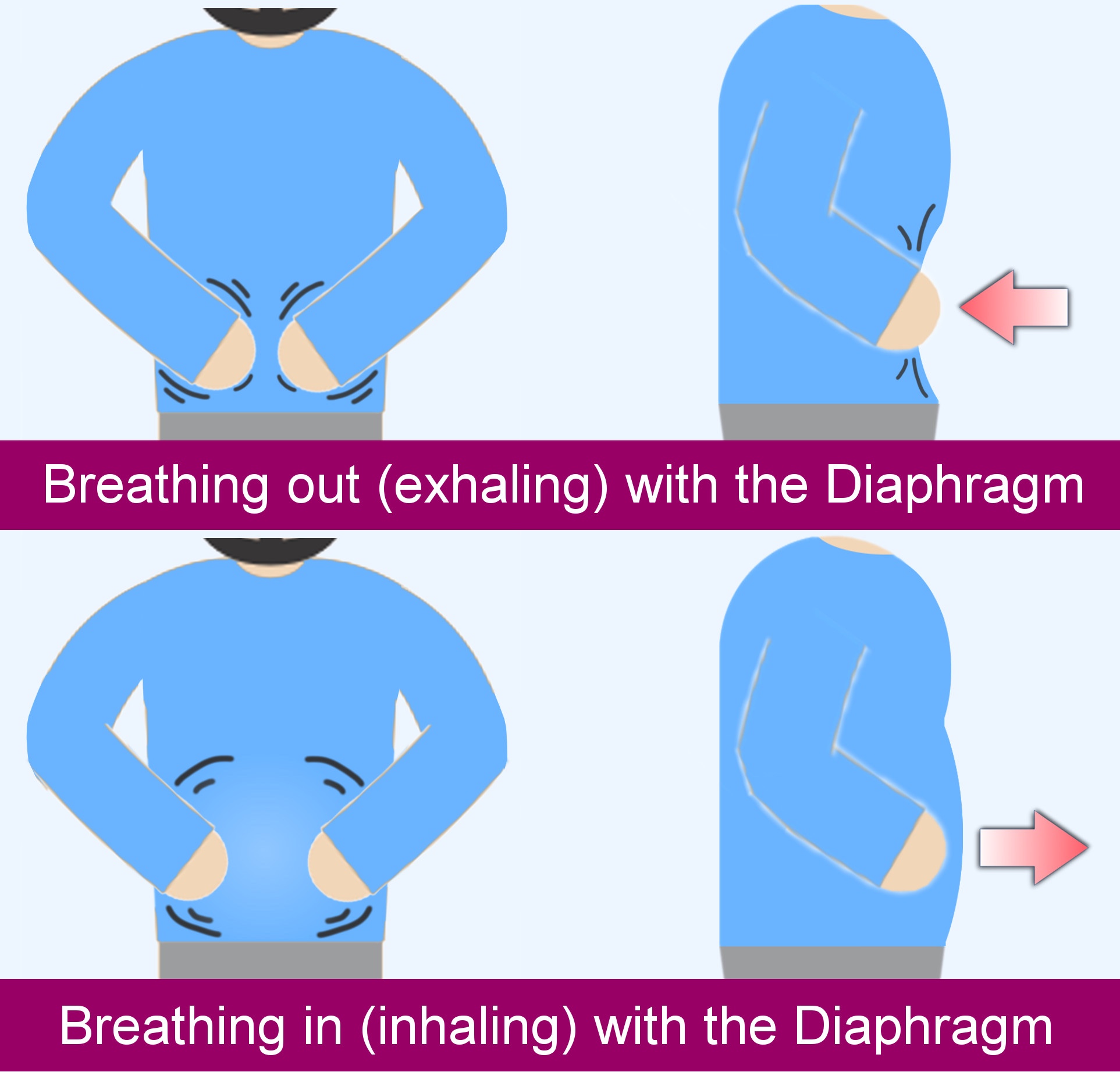
2. Diaphragmatic breathing: Long bouts of inhalations followed by long rounds of exhalation. The deep breathing technique: Like taking a prolonged deep breath of inhalation by counting 1-4, then, a pause of 1-4, followed by an exhalation of 1-4, then another break of 1-4, and the sequence continues. That is why this technique is known as four-square breathing. This slow and deep breathing causes the oxygen to reach your brain, and the parasympathetic nervous system gets activated. It can be an instant stress reliever.
3. Naming your anxiety is as expressing your state of mind to another person. Putting words, and explanation of your anxious thoughts will stimulate the frontal cortex. Your brain will be more attentive in the frontal cortex and deviated from the fear centre, which is responsible for the anxious state.

img_1164
4. Mindful and relaxation techniques like mindfulness, meditation, yoga, which all goes to help stimulate the parasympathetic system, which is for relaxation.

img_1167
5. Plant-based food is known to have a calming effect on the human mind.

Thanks for reading.

Blessings and much love to all 💐

Post: 5 Sleep aids 😴 🙌

Hello everyone! Have a great Tuesday 🙋🏻‍♀️

6C6137F8-82F2-4FD4-88C8-D7F1AEF31891

Pinterest.com

Thanks for reading.

Blessings and much love to all💐

Post : Let’s be happy today 😃! 4 ways to elevate your happy hormones.

Hello everyone ! Happy weekend 😃🤗

I think God has given us the most efficient machine, our body, within which lies the solutions of every stress and issues. so, it is entirely up to us whether we run this machine efficiently and enjoy its benefits or be gloomy under stress and end up in a diseased state.

The happy hormones include Dopamine, Seratonin, Endorphins and Oxytocin run within the bloodstreams produced from various glands, acting as pleasure and happiness messengers which lifts our mood. They are neurotransmitters produced by the central nervous system which regulates our mood, sleep, memory, motor movements, digestion, appetite and learning ability.

Each of them have its own relevance within our body’s mechanism.

Dopamine or reward hormone: It is linked to the brain’s reward system. Whenever we complete a task or a goal, we feel accomplished, rewarded, pleasure, all because of this hormone. This hormone mainly releases during mind activity like meditation, playing an instrument, performing a task, exercise or doing something creative.

Serotonin: This hormone is derived from amino acid tryptophan which regulates the mood and emotions. Whenever we help others or share with others, we get a feeling of contentment and pleasure, it is due to this hormone.

Endorphins or Natural painkiller: It is produced in response to pain or discomfort/ stress to ease the situation. It is produced after heavy workouts, eating spicy food, having sex or laughing.

Oxytocin or love hormone: It produces the calming effect and is released during social bonding. It is linked to reproduction. Hugging, cuddling, kissing between parents and newborn, partner, family members, friends,pets are all due to this hormone.

4 simple ways to elevate your happy hormones every day:

1.Plan the day: Always get up from the bed with a sense of gratitude and a positive note for being around with your loved ones. Plan your day with short term practical goals and task to proceed through the day. So, that when you complete each of the tasks, you pat yourself, feel rewarded and contented. Do take out time to laugh out with your partner or a friend.

2.Mind activity: Certain activities stimulate the mind like meditating, listening to the music of your choice, cooking a meal, playing an instrument, exercising, going for outdoor activities and being creative with a hobby. So, never forget to devote some time to yourself in spite of the daily grind to get your daily dose of happy hormones release.

3.Eating: Certain food directly stimulates the release of dopamine and serotonin. Like dopamine is made from tyrosine which is present in bananas, avocados, apples, oats, beans and leafy vegetables. Similarly, serotonin is released while eating bananas, walnuts, dairy products and also carbohydrate. Exposure to sunlight also helps in releasing serotonin.

4.Social Bonding: Bondings with loved ones, spending time with friends, relatives also releases these hormones. Helping and sharing with others gives the much-needed boost to happy hormones. Do enjoy hugging your partner, loved ones, friends, cuddling a child.
In the case of children too, as parents, always let them share and help their siblings, friends very often, Make them play with their friends outside so that they get to learn social bonding.

All these small steps during the day and every day would ensure the release of the steady flow of happy hormones in the body. So, whether there are stress, problems or trouble in our daily life, we can overcome them with ease.

Thanks for reading.

Much love to all 💐

Post : Are genes linked to stress ? 4 points of clarifications.

Some 50 – 80 years ago, people rarely used the word “stress”. Maybe the word was just another word in the dictionary whose meaning had the least relevance in their lives. But, today, it is the most common widely used word in every individual’s life.

Today, everywhere, you go, stress can follow you. At home, at the office, stuck in traffic, getting late and the list goes on. Therefore, the most common causes of stress in people’s lives nowadays.

Relationship stress.
Financial stress.
Workplace stress.
Health concerns.
Daily chorus stress.

4 points of clarifications as to how genes are linked to stress.

1.Genetical predisposition: Often seen, some people tend to battle more with day to day stress than some other people. So, how are genes related to our body’s psychological response? Genes produce proteins which influences our body’s reactions to different psychological responses and, stress being one of them. Single nucleotide polymorphism (SNP), are tiny differences in the genes which affect the release of hormones and proteins in the body and determine the psychological responses. This is a reason, different people react differently and have a different level of stress for the same particular situation.

2.COMT gene: Catechol – Omethyltransferase is an enzyme which causes the body to break the stress hormones like epinephrine, norepinephrine and dopamine. Epinephrine and epinephrine are hormones produces during extreme stress, under fight and flight response whereas dopamine is feel good (reward) hormone which also function as a neurotransmitter. So depending on which version of the COMT gene you have, your genotype can be a :

Warrior gene: Those who perform well under stress or under pressure.

Strategic gene: Those whose performance suffers during stress but performs well in calm situations.
Combination of both: Those who are quite in between.

3.BDNF ( brain-derived neurotrophic factor): BDNF normally function as protecting and creating new neurons, strengthening the signals between neurons. As far as stress is concerned, this protein acts as a resilience factor. This helps you to tolerate and resist the stressful situation and can still act and make you perform without affecting your health and wellbeing.

4.Managing stress level: This is the most important part of this topic. So how do we manage stress level? Depending upon, genetic predisposition, you may be the either high or low level of stress resilience. So, easy steps to handle routine stress are:
Breathing/relaxation: Deep breathing is a simple step that can be effective to control stress. Because, when you breathe deep, this makes the brain to relax and calm down.
Exercise: When you exercise, your body releases endorphins, your body enters the feel-good phase. 2 types of endorphins: Anandamide and serotonin.

Exercise increases your level of anandamide which helps the body to produce BDNF which in turn helps to regulate stress.
Serotonin is a feel-good chemical which makes you happy, motivated which can be boosted by exercise, walking, running or any physical activity which you enjoy doing. When serotonin is level is maintained, stress is less likely to occur.

Post: Why is the pineal gland (the third eye) considered so powerful ? 6 wonderful scientific facts.

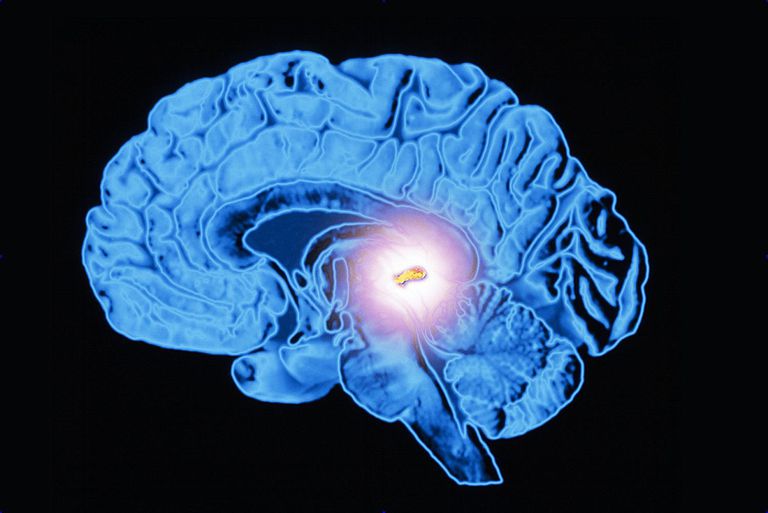
Anatomically, the pineal gland is a pea-sized endocrine gland which is located in the epithalamus, near the centre of the brain. Functionally, it is a part of the endocrine gland as it secretes the hormone melatonin, which is synthesized from serotonin, which maintains our day-night cycle, circadian rhythm, our natural biological clock.

Some mains functions of the pineal gland are :
Sleep cycle (circadian rhythm)
Reproductive functions and fertility
Bone growth
Body temperature
Water balance
Blood pressure
Immune system
Longevity and anti-ageing.

Scientific researches have proved that, besides maintaining the sleep cycle, the pineal gland has many important roles to play, hence it is quite a crucial organ.

Some 6 wonderful facts about this tiny gland;

1.Master Gland : Considered as a master regulator with the hypothalamus of the endocrine system, it controls hormone signals to all organs of the body. It has a dual neuroendocrine role, much bigger role than only maintaining the melatonin, sleep cycle. Besides, melatonin, serotonin, it also secretes biogenic amines like Catecholamines (Noradrenaline). Now, researches show that pineal gland is responsible for the release of pituitary hormones and so it is the master conductor of the endocrine system. Therefore, all the body’s vital functions are controlled by this organ.

2. Sixth sense :Since it has a rich adrenergic nerve supply, it is found to be very sensitive to our energy field, both magnetic and electric fields (vibrations) which we are normally not aware. Normally, we are aware of what our five senses feel. So, this gland is responsible for the “sixth sense.”, the bioelectromagnetic field (vibrations). This is what is called an Expanded consciousness. Animals have normally a bigger pineal gland so have a larger bioelectric field. They respond to vibrations while communicating which humans don’t use as we, humans have languages.

3. Third eye: Since the ancient time, it is regarded as the “third eye” (in many ancient mythologies like Egypt, Greek, Chinese and Hindu). Now science-based studies proved that it indeed contains rod-like cells (pinealocytes) that are similar to those of eye. There are both dark and light pinealocytes. The gland is connected to the eyes to detect light and dark stimuli and stimulate the release of melatonin.

4. Anti ageing :Melatonin which is released by the pineal gland is found to be a powerful anti-oxidant. It has about 200% more oxidative power than vitamin E and also vitamin C. Therefore, it is a strong hormone against oxidative stress, so very important in anti-ageing.

5. DMT :Pineal gland mediates the release of serotonin and dopamine. Both are considered as happy hormones. Therefore disruption in circadian rhythm can affect the release of melatonin which is synthesized from serotonin in Pineal gland. Another mystery fact is increased scientific evidence have shown pinoline and DMT( dimethyltryptamine) have been naturally producing in the pineal gland, help in mood, perception, consciousness, dream state and cognition. DMT is produced naturally during deep sleep in the unconscious state. It can be produced in deep meditation at a conscious level by experienced meditators like monks and yogis. DMT has a psychedelic effect, an elevated state because it gives the visionary experience, a state of transcendence, body and spirit connection.

6. Awakening : Since it is the most powerful organ, pineal gland activation can help you give more clarity about the world, and perform at your most optimal potential. It can help you perform brilliantly in any task.
Many practices like deep meditation, Kundalini yoga, Chi Kung (Chinese) like deep breathing, tapping, focussing (at the centre of forehead), laughing (being happy), light music and being in darkness can awaken the pineal gland. Pineal gland activation also helps to balance the body’s 7 chakras or 7 healing energy sources. Neuroscience has proved that activation of this gland can give profound spiritual experiences, out of the body experiences. Practising deep meditation and concentration daily can slowly help to activate the pineal gland.

Post: Why “me” 💖 time is essential? 4 small endearing steps towards self-care.

Self-care is a priority and not selfish. The simple reason is if I don’t care about me, how can I care for my loved ones? If I don’t cater to my emotional and physical needs, then how will I cater to other’s needs?

But, then, in reality, you are driven by your responsibilities, to push yourself more and more. There are personal, professional, family, societal pressures and commitments which makes you push yourself to the extreme limits to fulfil all the demands and responsibilities. In the process, you forget yourself and do not even realise that you have your share of emotional and physical needs to be taken care of for your overall wellbeing.

Realisations come very late when we are knocked down by chronic stress, complete burnout or end up in a diseased state. Therefore, self-care daily is very important for both physical and mental wellbeing.

Scientifically speaking, there are several areas and dimensions of self-care.

Here, I have tried giving 4 small different steps towards self-care.

1.Spend some ‘me’ time alone: Everyday, give yourself a few couples of minutes to cut off from the routine grind and the hustle-bustle. This is your ‘me’ time entirely. Do whatever you enjoy doing, go for a short walk in nature, practise a hobby or listen to a piece of music. Meditate and observe your emotional feelings and acknowledge them. Understanding and acknowledging your both positive and negative thoughts are important so that you can let go of unwanted thoughts. Remember, thoughts are always associated with your feelings and experiences. Always, love and praise yourself for what you are and how far you have come in this journey. In self-care, self-love is important.

2. Control your stress level: Understand that when stress persists, your cortisol level shoots up. This adrenal gland hormone not only increases your blood sugar level but also elevates inflammation in the body which is responsible for various diseases like heart diseases, diabetes, obesity, cancers. So, when you feel you are at stress in the day, take a break. Practise relaxation like breathing exercises, stretches so that cortisol comes back to balance. Another simple way of letting stress go is to practice mindful moments, being present at the present moment. Sit quietly and notice your breath for some time. Feel the wind, air, smell around. Engage yourself in imagery exercise like walking down a beautiful forest, walking down a sandy beach, hearing the sounds of waves.

3.Practice gratitude: In the daytime, practice gratitude several times, being thankful for your existence, for your loved ones around, and for a beautiful life you have. These moments are important because whenever you feel gratitude and joy, there is a release of endorphins and serotonin which are happy hormones and which are necessary for your physical and mental health wellbeing.

4.Physical health: Lastly, as we all know, self-care remain incomplete if we do not care for our body. Eating healthy, routine exercise, sleeping well are essential steps towards physical wellbeing. For the normal wear tear of the body, giving enough rest helps in the healing and repairing process.