1. Organizing or cleaning your space, room, or home isn’t about tidiness, but being in control of a world that feels otherwise uncontrollable. It’s about a mental state with clarity, being organized and being at peace with oneself. Psychologically, the environment we live in reflects our mental state. In a world full of everyday stress, chaos, and overwhelming uncertainties, cleaning becomes a tool, a therapy to make ourselves feel organised, meaningful and at peace. Clearly, this act can help reduce stress hormones and release endorphins, which can lift the mood.
2. Many people, even after a stressful day, have a habit of cleaning and tidying their stuff after reaching home or their living space. Psychologically, when emotions are overwhelming and stressful, our brain tries to do things which are tangible, grounding, and clarifying, which makes us feel more in control. These actions give the brain a sense of relief and stability, an escape in an otherwise uncontrollable world.
3. In the brain, activities like reorganising the bookshelf, arranging the office table, cleaning and tidying the home, folding clothes in the closets, cleaning the kitchen, washing the dishes, vacuuming the floor stimulate the parasympathetic nervous system, the reward system, releasing dopamine, the happy hormone. These small acts instantly feel rewarding, light and happy. A tidy living space, home, or office gives the subconscious mind a feeling of security, stability, and organization.
4. Psychologically, on the flip side, a disorganised, messed-up space gives the mind a sense of cluttered thoughts, incoherence, ambiguity, confusion and anxiety. In an already stressful, loud world, you feel more overwhelmed, stressed, where things and people are unpredictable, uncertain and reactive. So, for a change, cleaning, organising, and rearranging makes people feel instantly happy, stable, predictable and certain.
5. Research shows that a cluttered, anxious, stressful mind raises the cortisol hormone. On the other hand, the environment we live in reflects our mental state. So, a messy, cluttered space clearly affects our mental state. The subconscious mind feels confused, lacks clarity, and is incoherent in a disorganised space. So, rearranging the room, furniture, things, clothes, books gives an instant emotional high, certainty and sense of control. The truth is, cleaning isn’t about habit, it’s about emotional regulation, choosing to change the emotional responses of stress, anxiety, chaos to stability, calmness and clarity.
6. Emotional regulation, by definition, is the ability to regulate our emotional responses from a state of uncontrolled, overwhelming situation by making behavioural changes with a healthy coping mechanism to a state of emotional grounding, stability and a sense of control. Examples of emotional regulation are deep breathing, going for a walk, journaling, light exercise and doing tasks like rearranging the books, furniture, cleaning the kitchen, doing the dishes and so on. It’s the ability to change a negative situation’s impact to a more productive and fulfilling one.
7. The strategies of emotional regulation can be summed up as :
• Recognise: Identifying the emotions like anger, anxiety, ambiguity and incoherence.
• Respond: instead of reacting negatively, changing the situation’s impact to a more productive, controlled and tangible behaviour like going for a short walk, rearranging the books on the shelf, cleaning the mess, folding clothes in the closet, cleaning or mopping the floor or any similar activity.
• Reappraisal, like changing the emotional response to more rewarding outcomes like stability, calmness, sense of control and certainty.
• Reflecting on the change of behaviour and situation gives deep satisfaction and happiness.
8. Activities like cleaning a room, realigning a corner, rearranging books, furniture, cleaning a countertop or mopping the floor are not just tidying or organising acts or behaviour but something more deeper as emotional relief or emotional satisfaction. It’s about reconnecting oneself, bringing a sense of control, stability in a world of external chaos, a stressful day or an overwhelming situation. So, for many people, organising and cleaning their home or their living space becomes a daily emotional ritual and therapeutic.
9. People who keep doing such activities, while they keep performing the acts, they also process their emotions, release the stressful thoughts, anxiety, ease the confusion, bringing more clarity and stability. In fact, by doing such activities, as the visual clutter slowly fades away by physical actions, internally, the mental clutter slowly subsides, emotions and thoughts become more under control, and thinking becomes clearer and regulated.
10. To sum it up, in a world full of uncertainties and unpredictability, organising, rearranging, and cleaning gives an instant outcome which the brain interprets as safety or being under control. When a book or a thing is placed exactly where it belongs, refolding a dress and placing it back in the closet, cleaning the otherwise dirty countertop, it’s like reconnecting with oneself, which gives the subconscious mind that instant boost or reward of comfort, safety and stability in an external world of chaos or an uncontrolled environment.
1.Nutmeg is an oval shaped spice seed commonly found in our kitchen. A native spice of Indonesia but is now popular in many cuisines used in both sweet and savoury dishes. It is available as a whole spice and as well as powdered.
2.Anti inflammatory: Studies have shown that nutmeg is rich in anti-inflammatory compounds which help by inhibiting the enzymes that promotes the inflammation process.
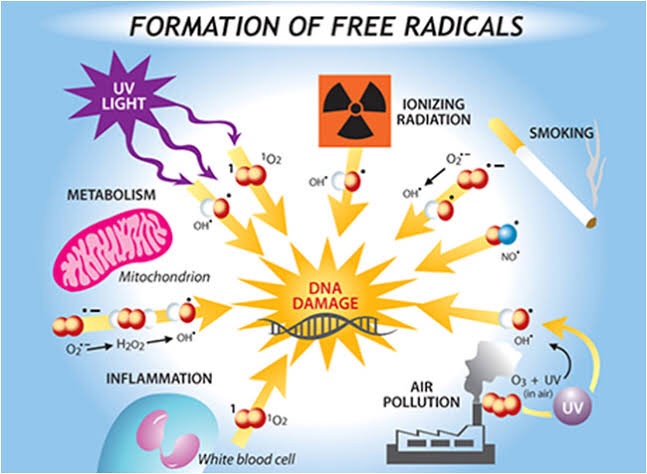
3.Antioxidants: It contains powerful antioxidants which reduces oxidative stress and keep the free radical damage under control. Therefore, it’s consumption can help in controlling the progress of certain chronic conditions like neuro degerative diseases, some cancers and heart ailments.
4.Indigestion: Nutmeg has been found to be beneficial when consumed during indigestion, abdominal discomfort and flatulence.
5.Antibacterial: Because of it’s antibacterial properties, it is effective against acne when applied in powdered form along with cinnamon and honey. It is also very helpful in cases of dental cavities, bad breath and gum inflammation.
6.Insomnia: Studies have shown that this spice helps in aiding sleep by improving both the duration and quality. Adding a pinch of nutmeg in a glass of milk before bedtime can do the trick. Research have shown that it can boost libido in men and is also a potential anti-depressant. But further studies are needed in these aspects.
7.Common cold: Since it is rich in anti bacterial properties, it is useful in cases of rhinitis and common cold.
8.Nutrition: It is a source of wide variety of vitamins and minerals like Vitamin A,C,E and minerals like maganese, magnesium, zinc and iron.
9.Toxicity: Small amount of consumption as less than 2 grams is quite safe. But consumption of larger quantity can lead to serious toxicity or even death. Cases of nutmeg toxicity has been reported in the past when used in larger quantity for recreational purposes or due to ignorance.
10.Uses: Nutmeg is a common ingredient used in various European, Indian, Asian cooking, baking dishes, curries etc. Also, we can sprinkle it in our breakfast cereal, coffee, milk, or fruit salad to add the nutty flavor.
1.The lateral hypothalamus and prefrontal cortex produce a hormone called Orexin, also known as hypocretin. It is produced in two forms like Orexin A and Orexin B. It has various functions related to Central Nervous System. It helps in regulating important functions like sleep-wake cycle, arousal state, energy homeostasis, feeding behaviour, emotions, mood and cognition.
2.Sleep: Orexin is usually released in the daytime and keeps us awake. It stimulates those neurons which in turn help in the release of neurotransmitters like serotonin, dopamine and nor- epinephrine. In case of individuals with orexin deficiency, are usually diagnosed with narcolepsy, insomnia, sleep imbalance, daytime sleepiness and cataplexy.
3.Stress regulator: Orexin is highly responsive to environmental stimuli and our mood. When in stress situations ,the orexin neurons stimulate the body’s response to increase heart rate, blood pressure and disturb the resting state.
4.Obesity: It is a result of the influence of orexin-producing neurons on energy metabolism.Orexin deficiency in the body can lead to slowing down energy metabolism, physical inactivity, and excessive weight gain, even if the calorie intake is low.
5.Mood: Orexin has an influence on mood through its impact on the hippocampus. Abnormal orexin activity has been related to mental health conditions like depression, PTSD, anxiety and addiction. Deficits in orexin influence can result in hippocampus problems such as learning disability and memory deficits, as it also promotes the development of neurons in the hippocampus.
6.Narcolepsy: Orexin helps us stay awake during the day. So, people with orexin deficiency suffer from narcolepsy. They have daytime sleepiness and sleep paralysis. Mostly, these type of individuals can also suffer from cataplexy. The person is unable to move for a short time even if he is awake or about to fall asleep. It is usually occurs in a conscious state of mind and triggered by strong emotions like being angry, or laughing.
7.Alzheimer’s Disease: Several studies show that orexin has direct connection with sleep, cognition and as a stress regular. So it does play a significant impact on Alzheimer’s disease pathology. An increase level of orexin has been found in cerebrospinal fluid of people with Alzheimer’s. So, they usually have circadian cycle disorders, daytime sleepiness and cognition problems. However, researches are still going on for further prospectives of using orexin antagonist receptors as a potential treatment alternative.
8.Heart: Lack of sleep and insomnia have a direct impact on cardiovascular health and hypertension. Studies show that increased levels of orexin stimulation can elevate blood pressure and heart rate. Both orexin A and B receptors have a direct role in the regulation of sympathetic nervous system. Therefore orexin antagonist receptors might be a therapeutic option for hypertension.
9.Orexin levels: High levels of orexin may lead to sleep disorders, stress prone and eating disorders. But lack of orexin or loss of orexin in brain injury may lead to narcolepsy or other sleep disorders. The normal level of orexin found in cerebrospinal fluid in a healthy individual is around 250 – 500 pg/ml.
10.Food: Optimal level of orexin can be provided in a healthy individual by regular intake of fermented food like pickles or sauerkraut. Having excessive sugar or carbohydrate rich food can inhibit orexing production.
1. Chicory is a tuberous herbeceous root, usually grown in winter. Though it is a native herb from Europe and Asia, but nowadays it widely grown in many areas for its health benefits and as a herbal remedy.
2. Chicory roots are a good source of carbs, minerals, and phytochemicals, including flavonoids. It has been utilized as herbal medicine for generations due to its high nutritional value. Research have shown that it has anti-inflammatory, antibacterial, and antioxidant properties.
3. In modern days, many of its benefits has been scientifically proven. Chicory root is rich in inulin which is a fructose rich fiber and acts as a prebiotic. It promotes growth of healthy bacteria in the gut. Since, it is undigested in the gut when consumed, so it can act as a laxative and relieves constipation.
4. Studies have shown that chicory can contribute to lower blood sugar and helps in insulin resistance. Therefore, it can be an aid in the treatment of diabetes.
5. Other list of benefits of chicory roots are it can promote the weight loss process, improves liver health, boost kidney function by its diuretic properties and may help in treating candida and eczema.
Chicory coffee
6. Since chicory roots are naturally caffeine free, so they have widely been used as a coffee alternative to reduce the intake of caffeine. Repeated consumption of coffee may lead to excess caffeine intake which in turn can cause issues like increasing the level of cortisol and stress.
7. Extensively used method of including chicory in diet is by blending with coffee as chicory coffee, or as herbal tea. It is also integrated in cereals, protein bars and other food items.
8. Like any other food, Chicory roots also have it’s share of side effects like over consumption can lead to allergic reactions, skin rashes, GI symptoms like discomfort, diarrhoea and gall stone.It is contraindicated during pregnancy and lactation.
9. As there is no specific doses of daily consumption of chicory, generally having around 5 gram of inulin in 500ml of chicory coffee in regular diet may not lead to any adverse effects. However, a Physician’s or an expert advice is recommended.
10. Chicory roots have been in ancient cultures for ages as a herbal medicine. History says that it has been in use as a healthy beverage for many centuries for its health benefits.
Hello everyone! Greetings 🖖 This is my first post after a year long break…
True enough, life is indeed unpredictable. It gives you the most dreadful unexpectedness when you least expect it. That’s what happened to me. Today, when I look back and remember, I still get the goosebumps, the tremble and chill. The misery I went through, will most likely follow me all throughout my life, or for a very long time. The past year was the most challenging and overwhelming for me. In those days, I used to put down my thoughts and feelings to my husband throughout his absence during the difficult times.
When we were about to go to bed, on the evening of 8th January 2021, around10.30 PM, after dinner and are routine talk, you complained of a headache. I advised you to take a pain reliever, and go to bed. But to my astonishment, you behaved a little different when you were lying on the bed. You asked me to get the tablet and water for you. When I was back from the kitchen with the glass of water, you couldn’t get up from the bed to have the medicine.The water gushed out from your mouth because you were unable to swallow. Then, all of a sudden, I could understand that something was wrong with you. You began to slur your words. Being a doctor myself, I came to know that you were having a transient ischaemic attack or maybe a stroke. I, immediately called emergency service and requested for an ambulance. I fumbled while speaking as I was very nervous. In the interim, I also called our next-door neighbour Jan, a 72 year old retired dutchman who is quite friendly and is fluent in English. When the ambulance arrived, the paramedics examined you and noticed that your left side of the body was immobile. However you were still trying to communicate and was conscious. They hurried you to the emergency room of the nearest hospital in Eindhoven where we reside. Both, Jan and I accompanied you to the hospital. In the ER, I was not allowed inside. We were both waiting outside. At around 11 o’clock, I asked Jan to go back home as he was quite tired and had recently recovered from cancer.
A little later, I was told that they gave you a Morphin injection for your headache and a CT scan was done. Although I was completely shaken, somehow I was calm, still holding on to my gut that things would be all okay. Once the CT scan report came, they confirmed to me that it’s a right brain hemorrhage, which is quite huge and with some strange findings. I was told that they had planned to shift you to a hospital in Tilburg, which is a nearby city, about 45-minute drive from Eindhoven. On top of my shock and cold shivers, I was confused and petrified by this whole chain of events. I was informed that they don’t have the expertise, so that is why you have to be referred to the Tilburg Hospital, which has a better neurological service. Moreover, I was told that your CT scan findings were quite confusing and the bleeding was huge.
Within minutes, the ambulance came and rushed us to Tilburg. Inside the ambulance, you were lying down, still in your senses, tired and awake, complaining of the headache and discomfort. I was sitting next to you and asking you to rest and reassuring you. By almost 12.30 am, we reached Elizabeth Hospital, Tilburg. They rushed you again to the ER. I was allowed to accompany you there. The neurosurgeon on duty examined you and did a scan again. She, too, told me about the right brain hemorrhage and some strange discovery that resulted in the massive bleeding. All the while, I was very worried and heartbroken from inside. I could not hold my tears, cried and felt so helpless. At that moment, I felt that I would lose you and that I had lost everything in life.
Still awake and tired, you were transferred to a medium-care unit to be kept under observation. You asked the nurse if I could stay with you in the room. I know I won’t be allowed in, so I assure you that I will keep waiting outside. During those painful hours, I called your father, back home in India, to inform him about the whole episode. He was totally shocked. I could not hold my tears and was crying on the phone. Then, I called and informed our son too. He was confused and could not believe his ears. He was terrified as well, as he knew that his dad was the fittest one in the family and had never had any kind of illness. I have no idea what went through him at that stage, as he was all alone at home. Due to COVID, he was in our apartment and not in his college hostel. I also informed my sister and my brother-in-law. By that time, it was almost 1.30 AM. I was told to go back home as you were kept under supervision and it was quite stable.
So, while boarding a taxi from Tilburg to Eindhoven, I realised that the coming days were going to be the toughest to handle.That whole night, after reaching home, I cried and cried, just loitering around the house in anguish and pain. I had the impression that I was in for a long, dark journey with no idea what lay ahead.
The following day ,on the 9th of January was even scarier. I was informed earlier that you would be taken to the Operation Theatre for brain angiography. I was in the hospital, waiting to hear about the outcome of your brain angiography. Till 6 o’clock in the evening, there was no news concerning you. I kept enquiring the OT nurse about you. She informed me that you hadn’t been taken out of the OT. My mind was beginning to crawl with fears and anxieties. I was distraught and in panic. The OT nurse then called me at around 6:30 pm and took me to a room. I could sense the worst as I was sitting alone in the room. At that moment, I was terrified and utterly shaken.
Two doctors entered the room and sat in front of the table where I was sitting. One doctor started talking to me about the procedure they had to perform on you. They said that you had an atrioventricular fistula in your right brain which had to be repaired, otherwise the bleeding was profuse. The procedure went well, but you have not yet regained your consciousness from the anesthesia. They were very uncertain about the outcome and that you might have slipped into a coma. They told me that they were expecting the worst scenario, maybe brain death. My whole world was shattered at that moment. I was almost lost and could not stop myself from crying. I was in a complete state of shock. The doctors and staff did try to console me. Jan, our elderly friend, explained to me to take things practically and control my emotions. I called our son, your brother, and my family and informed them regarding your state. I was told to return home and was assured to be informed of any further developments regarding your state. When I got home, it felt like the longest night, the darkest and scariest night of my life. That whole night, I grasped onto my mobile, waiting for any news about you.
On January 10th, I came to the hospital and was informed that you had been shifted to the ICU. The doctors told me that they had to drain a huge bulk of fluid from your brain and that your vitals were stable. I was informed that your MRI scan showed a sub-arachnoid hemorrhage, which got worse due to a congenital defect of the AV fistula. Such cases are rare.The condition was worse as you had hydrocephalus, so the fluid had to be drained to reduce the pressure.
The first time I saw you in the ICU with a ventilator and machines, drains, and drips all over, it was really hard for me. I went near you and called your name. You did respond with a little movement of your right hand. I was relieved and was happy as I could see little hope of light after these 2-3 hard days. That day was quite positive for me as the doctors were happy with you for being responsive to the treatment and procedure. But then, they still reminded me about the uncertainty of your condition. There was still a huge amount of fluid left in your brain which had to be drained continuously. You were still in a comatose state, with a low score on the neurological scale. I was told to call our immediate family members from India as your chances of survival were low. I called our son, back in India, and asked him to pack his bag to come to the Netherlands. I also informed your family and mine regarding your present state. I called your employer and informed them because they had been trying to reach you for the last 2-3 days due to your professional obligations. I also informed my project coordinator and let go of the project that I was doing.
After going through all the procedures of an emergency visa, our son arrived on January 14th. This was a life-changing event for him as well, as he had been very close to you, his father. He did go through an emotional roller coaster during those turbulent days. And, seeing you in that state, he had acted very mature and calm. He has been my biggest support through this storm. Our neighbors and friends have also been very supportive through the difficult time. Your employer has been a great support system for me and our son. We will always remain grateful to everyone who has been there for us through those difficult hours.
You stayed in the ICU for almost 2 months. Everyday, I visited twice, once in the morning and then in the evening. During my time spent with you in the ICU, your eyes remained close most of the time, but you do respond to my touch with right-hand finger movements. Some days were good and positive, while some days were scary. Our son, too, visited you in the ICU. But, he had to leave as his exams were approaching. Your neurological state improved slowly and your vitals were stable. You had gotten out of the ventilator. They decided to shift you to the rehabilitation centre after you regained consciousness.
I was initially quite optimistic and excited about your development and recuperation during your time in the rehab facility. However, because the prognosis was poor, we, also had to deal with a number of setbacks in that situation. Your severe cognitive impairment and short – term memory problems were not responding well to therapy. Your left side is completely paralysed, and there is no recovery. You still struggle with a few cognitive issues. However, you continue to make good progress in terms of your awareness, speech, memory, and physical development every day. Your speech is clear and concise at present.
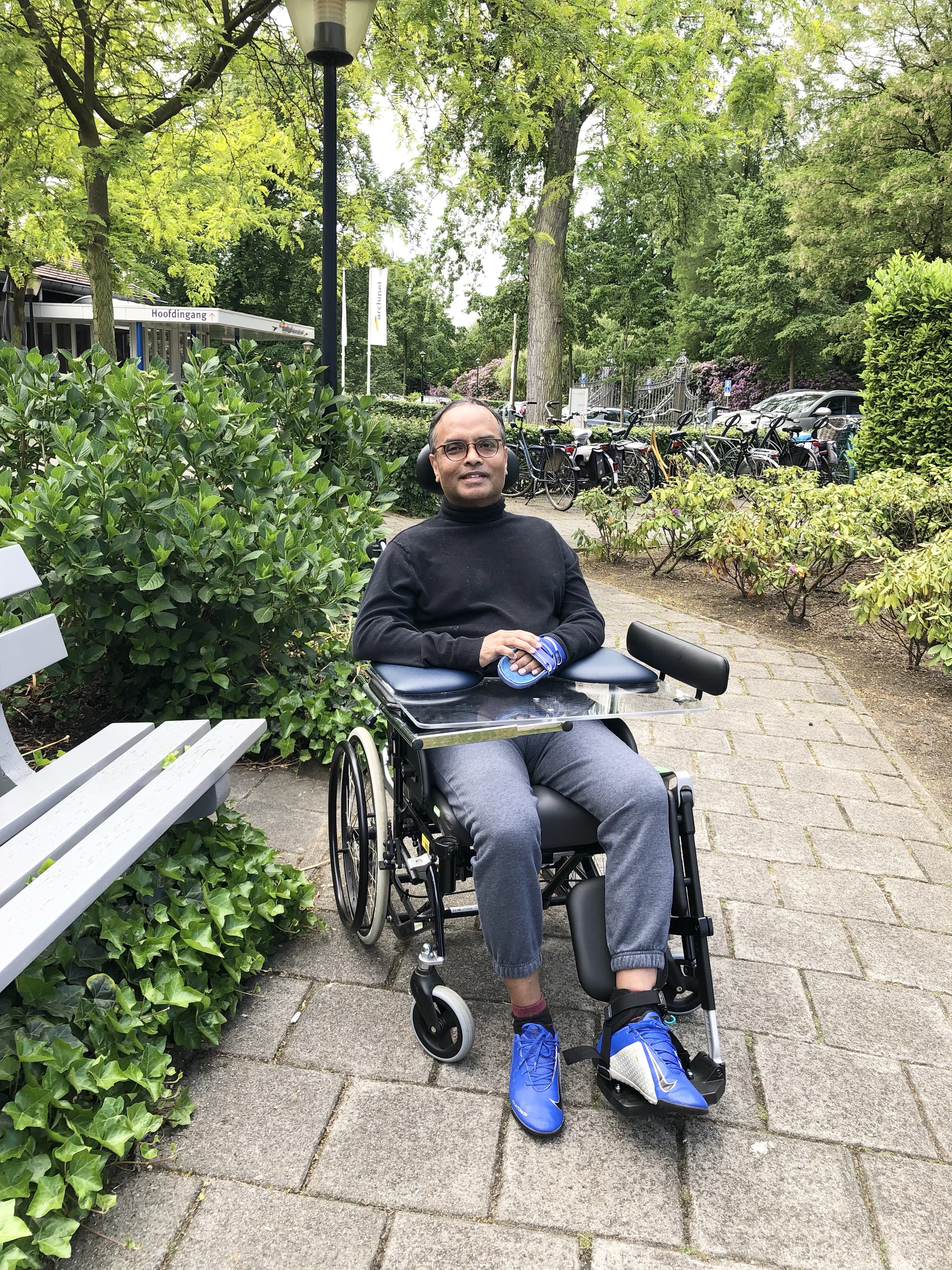
After more than a year, you are still residing in the rehabilitation facility, and your therapies are still ongoing. I see you almost every day of the week. While we converse and laugh on certain days, other days are sad when therapy doesn’t work out. As I’ve come to terms with your situation, I’ve begun to feel content. My greatest satisfaction comes from watching you smile while I am with you.The hardest lesson life has taught us today is to be cheerful in the moment we share together right now because we don’t know what the future has in store for us. When I see you now, hope is the only thing in which I will still believe and live.
Emotions are feelings or a state of mind that influences behaviour and thinking. Emotions have an impact on both of the physical and psychological well being of the person. As a whole, emotions drive the personality, cognitive behaviour, temperament, mood, happiness and motivation of the person’s day to day life. Therefore, they are essential in life to grow and thrive.Emotions can be pleasant and unpleasant, and both are equally important for us to embrace so that they give us our natural capacity to express and understand ourselves better and grow.
Happy and pleasant emotions are natural to experience and accept. The tricky part is taking unpleasant, tough emotions and difficult life situations such as in grief, loss, pain, hurt where people try to push aside the feeling. People try to escape or face difficulty in accepting hard emotions. So, regular, natural emotions are a pronounced phenomenon and should never be judged as good or bad. Any feeling whether labelled pleasant or unpleasant should be accepted entirely and experienced to keep our emotional health in order. This behaviour helps us in coping and in the process of moving on and keep us in good emotional health. Failure to do so may lead to various issues of brooding, overthinking, rumination, bottling up which do more harming than helping and interfere in our natural capacity of resilience.
Five simple strategies are : 1. Being realistic:The essential tool to maintain emotional wellbeing is keeping a practical approach to life. Life’s journey, itself is filled with highs and lows, disappointments and contentment.Taking things or any situation as real as possible instead of making it look worst than it helps us to take a correct outlook. Instead of being utterly cynical about a circumstance, or only looking at the negative side, it is vital to select the positive things and being grateful for them. Perhaps, this is the reason; optimistic people tend to live longer, heal better, faster and remain healthier for a longer time.
2.Self-compassion: Self-compassion is critical to deal with any life situations. It is a prerequisite of the power of resilience. Understanding and knowing who you are helps you to understand your power of decision making. Self-understanding and insights help you to rule out whether your behaviour and thinking are harming or helping you. Realisation helps you to take correct decisions and move on from this temporary phase of difficult times.
3. Being in the present moment:Cultivating a habit of learning to live in the present moment is a great tool. There is no use of brooding the past or worrying about the future. Living at present moments helps to build our emotional agility. So, whenever, we face difficult times, we have the proper perspective and the attitude to sail through and moving on as quickly as possible knowing it as a temporary phase.
4.Emotional courage:Building courage doesn’t mean pushing away or moving away from our emotions. It is the ability to build up courage and strength to notice and acknowledge our feelings of fear, anxiety and sadness. And creating value-aligned habits to deal with them like keeping the mind engaged in resourful or constructive ways.
5. Building relationships: Social support from family and loved ones help in coping tough emotions. Developing connection with people, friends, colleagues, more preferably face to face connections helps a lot in dealing with difficult situations. Relationships with nature, pets, initiatives of doing voluntary works, developing spirituality and hobbies help in emotional wellbeing.
We, all know and read enough about our body’s defence mechanism and network called the immune system. It is a system comprising of tissues, cells, proteins and biological processes that defend our body from any outside invaders like microorganisms and pathogens.
Though we have such an efficient immune system, yet we fall into sickness, disease several times during our lifetime. The reasons for a weak immune system are plenty. In today’s time, stress is the most dominance cause to have a weakened immune system. Then, lifestyle trends like the sedentary way of living, obesity, smoking, alcoholism and poor nutrition being some of the common causes.
But, at the same time, there have been drastic changes in the societies and communities to bring awareness about healthy way of living, healthy eating. More and more people have started to transform their lives in a healthy way of living and dining.
But, despite gradual changes in lifestyle and eating habits, yet many people still fall sick and suffer from a weak immune system. The reason is our mental state which is too much drown in our daily stress, anxiety and tension. Not just exercising and eating healthy meals packed with vitamins and minerals help, but also a sound and stable mind is more necessary for a body’s perfect cognitive, hormonal and immune system to function at an optimum level.
So, to maximize the immune status of the immune system ,we require a healthy physical state and a healthy state of mind.
To keep a healthy mind : 3 ways of improved thinking process….
1. Homeostasis: When we self-inquired within us, we will always observe that we have an awareness that works through this body, mind complex.This awareness is very much in sync with the universal field of consciousness. We understand that everything is happening around us are experiences that we experience through the mind-body complex.
Therefore, it is essential to realize that every experience we have is enabled through the field of awareness. In every experience, it is necessary to shift towards awareness. Then, in that case, both good or bad experiences, we have, cannot affect this body and mind complex so intensely. Say, during fear, or stress, when we shift our awareness to the universal field of consciousness, we become more like an observer to the experience of fear and anxiety.The biological system remains unaffected, and we stay calmer and in homeostasis.
2. Healthy Emotions: Shifting attention to the universal field of awareness is quite difficult initially. As we identify ourselves too much with our body and mind, so we feel we are separate entities. So, it’s essential to cultivate divine emotions of compassion, love, empathy, which helps us to connect more and more to the universal field of awareness. It helps us to connect more with the web of life and healing.
3.Metacognition: Develop our innate capacity of metacognition. That is to understand and start thinking about our thinking process. Being aware and more focused on every present moment, instead of being preoccupied in the past or future.Concentrating on every present moment prevents the mind from scattered thinking process, which can be the reasons for unnecessary stress, anxiety, fear and negative thoughts. This is the reason mindful thinking and practices are very useful.
“Om” also pronounced as “ Aum” . This is a letter found in Sanskrit scriptures , a language of Ancient India. This symbol has a great spiritual significance in many religions like Hinduism, Buddhism, Jainism and Sikhism. The symbol holds a very beautiful and Divine message.




































 3H:health,happiness,healing