
10 facts: Sleep wake cycle linked to cortisol πŸ‘

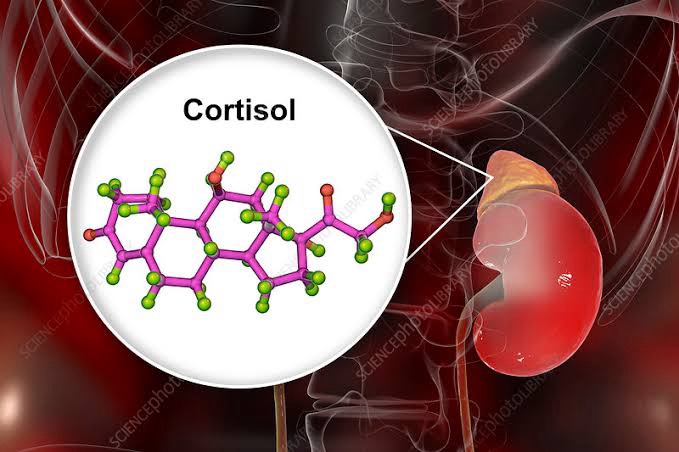
1.Cortisol is a stress hormone released from the adrenal glands, which is ideally secreted during a fight-or-flight response. However, in today’s world, our daily lives are filled with stressful situations, such as competition, comparisons, peer pressure at work, negative people, and relationships stress. As a result, cortisol is released not just in short bursts but remains chronically elevated. This persistent high level of cortisol keeps the body in a constant state of stress, leading to chronic inflammation, sleep problems, and various diseases.
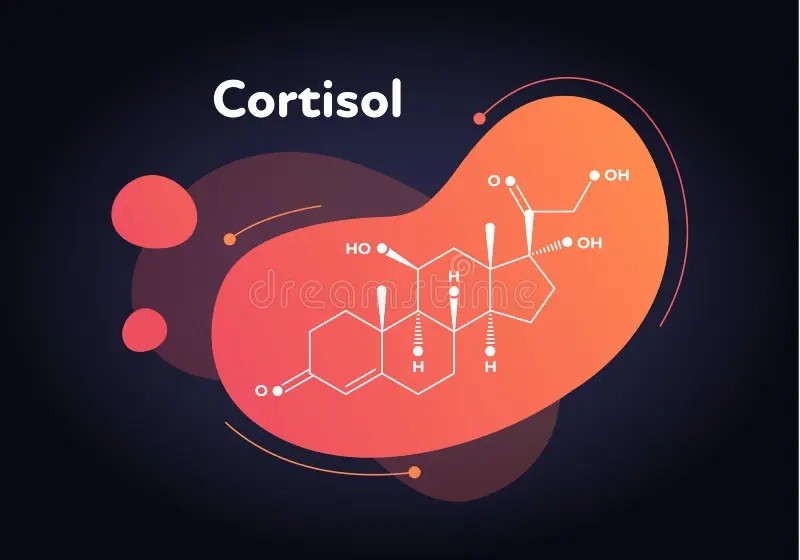
2.Cortisol plays essential role in the body for survival. But when cortisol is elevated for a longer period of time can lead to health issues like weakened immunity, metabolic syndrome and mental health issues. The functions of cortisol are :

– Maintaining blood pressure

– Elevating blood sugar levels

– Regulating the circadian rhythm

– Facilitating the utilisation of energy from carbohydrates, proteins, and fats

– Reducing inflammation

3. Sleep-wake cycle follows a synchronised rhythm with the night and daytime. During the sleep phase, the body goes through different stages, such as:

β€’ Non-REM stage: The phase where the body and mind, being awake, slowly move to a calmer state before falling asleep. Followed by a stage where the body’s core temperature drops, brain waves slow down. After this, a stage emerges where the heartbeat, breathing, and brainwaves slow down, entering a deep state of relaxation.

β€’ REM state: This stage occurs normally after the deep sleep phase. In this phase, people have vivid dreams, and intense dreaming appears. There is weakened muscle activity similar to temporary paralysis. This stage is important as the brain is cleaning out the buildup of waste and toxins.

4. HPA axis: The hypothalamic-pituitary-adrenal axis is responsible for the neuroendocrine regulation. Hormones like melatonin and cortisol from the HPA axis modulate the sleep-wake cycle. When there is disruption of this axis disturb the sleep cycle. Studies show that there are reciprocal interactions between sleep regulation and the HPA axis. Stressful situations like PTSD, emotional trauma, and chronic workload can lead to long-standing sleep issues like insomnia, sleep deprivation, and lack of restorative sleep, which in turn lead to disruption of the HPA axis and vice versa.

Insomnia

5. The HPA axis and sleep have a significant interconnection. Good quality sleep, deep sleep causes an inhibitory effect on the HPA axis, whereas hyperactivation of the HPA axis leads to overload of glucocorticoids, wakefulness, and loss of sleep. Sleep disorders related to HPA dysfunction are:

β€’Insomnia is a common sleep disorder which is found to have a connection with an increase in ACTH and consistent cortisol levels and arousal of the central nervous system.

β€’Obstructive sleep apnea or daytime sleepiness has been associated with elevated pro- inflammatory cytokines, IL-6 and TNF.

Weight gain

6. Elevated cortisol level: Studies show that sleep deprivation has a direct connection to elevated cortisol levels, long hours of wakefulness in the daytime, glucocorticoid overload, and disruption in the HPA axis. These directly affect the well-being of the individual and increase the risk of obesity and type 2 diabetes. Other symptoms of elevated cortisol levels are:

β€’ Weight gain

β€’ High blood pressure

β€’ Weakness of bones

β€’ Muscle weakness

Stressed

7. Cortisol level: Normally, there is a spike of cortisol level in the morning, known as the awakening response, and it continues for about 60 minutes thereafter. Then, gradually the level-starts dropping and reaches the lowest level towards the evening/midnight. The factors which can affect the cortisol levels are:

β€’ Stress

β€’ Disturbed routine sleep schedule

β€’ Morning light may cause the surge

β€’ Cushing’s syndrome

Overworked/ stressed

8. Stress and cortisol level: Cortisol is a steroid hormone which is released from the adrenal glands in the body’s response to stress. Cortisol also releases sugar from the liver to combat stress. In addition to this, sleep and stress are also closely linked. Prolonged stress can lead to sleep disorders like acute insomnia. The types of stress when cortisol is secreted are:

β€’Short-term stress

β€’Long-term stress

β€’Trauma, both psychological and physical.

Dark chocolate

9. Food and cortisol: Certain foods can support gut health, reduce stress and lower the cortisol level naturally:

β€’ Whole grains and natural fibres – Whole grains are rich in polyphenols, which can support gut health and reduce stress and cortisol. Fibrous foods like vegetables, fruits, and berries contain both polyphenols and antioxidants that help reduce cortisol levels.

β€’ Dark chocolate (70 – 80%) – Flavonoids in dark chocolate can lower the stress response and cortisol from the adrenal glands.

β€’ Green tea contains polyphenols, catechins, and L-theanine, which can lower stress reactivity.

β€’ Probiotics/Prebiotics are linked to healthy gut health, reduce stress and cortisols.

β€’ Healthy fats in nuts, fatty fish, and seeds rich in omega3-fatty acids reduce stress and support mental health.

β€’ Water – Consuming water throughout the day prevents dehydration and controls the cortisol level.

Meditation
Community/ kindness/ volunteer work

10. Natural habits that can keep the cortisol level under control:

β€’ Good sleep routine – Firstly, keep away from cell phone or any kind of distraction at least 1 hour before bedtime, avoiding alcohol, caffeine intake and nicotine 5-6 hours before bedtime, maintain a bedtime schedule; going to bed and waking up the same time every day is important for sleep hygiene.

β€’ Daily routine exercise, nature bathing, walking or any kind of physical activity.

β€’ Practise deep breathing techniques like Pranayama, mindfulness breathing, Meditation, yoga, tai-chi.

β€’ Maintaining your mental health by managing your personal relationships, staying away from negative people and a negative environment, cultivating hobbies, laughing, and listening to music.

β€’ Spirituality – believing in spiritual faith, attending spiritual workshops, meditation, community spirit, kindness /charity /voluntary works, helps maintain cortisol levels.

Thanks for reading.

Peace and love πŸ™

Liver care πŸ™Œ

Hello everyone ! Have a wonderful and safe day πŸ™‹πŸ»

The liver is the second largest organ in the body and has more than 400 functions. It is the primary organ of filtration, which mainly helps in the metabolism of food and absorb the necessary nutrients. It eliminates the toxins from our body daily and purifies the blood. So, it is an essential organ of detoxification for our body. Some critical functions to highlight:

1.It produces bile which helps the fat to break down during the process of digestion.
2.It helps in the production of haemoglobin from its iron storage ( liver stores iron)
3.It convert excess glucose into glycogen.
4.It cleanses the blood from toxins and poisonous substances.
5.During breakdown of protein, urea and poisonous ammonia is produced. The liver helps to eliminate them through the kidneys.

However, even if we have a powerful detoxifying organ, it gets sick and tired if we do not care enough. If we frequently consume refined, processed food, sugary items. To multiply this load, frequent intake of alcohol, smoking, drugs causes a greater danger. Also not to forget the environmental toxins, pollutants, heavy metals, pesticides from food, toxins from home cleaning products, cosmetics, perfume, the liver is unable to take the load at some points.

Signs of lousy liver functioning:


1.Tiredness
2.Collected fat around the belly.
3.Oily skin
4.Pale yellow fingernails
5.Oily skin, acne
6.Allergies
7.Digestive issues
8.Irregular bowel
9.Brain fog, headache
10 Pain on the right side of the abdomen.

Methods to detoxify the liver:
1.Eliminate the toxic sources as much as possible: We need to cut down the processed, canned, and sugary food. The refined, vegetable oil which is unhealthy fats, should be eliminated from the diet too. It is essential to minimize the use of toxic household cleaning products, cosmetics, perfumes as much as possible. As far as practically feasible, relocating from the polluted area is advisable.

2.Again it is essential to limit smoking, alcohol, drugs as much as possible.


3.Fasting: It is a crucial tool to rest the liver and minimize its load. Fasting accentuates the detoxifying process, stimulate autophagy and strengthen the immune system.


4.Focussing more on whole foods and organic vegetables, fruits given by Mother Nature than the packaged, canned food with preservatives.


5.Drinking lot of water every day will help to flush out toxins. Water added with lemon or a tinge of vinegar is beneficial.
6. Letting out toxic emotions like anger, frustration, resentment, and fear by mindful, spiritual and relaxing techniques.


7.Getting a goodnight sleep helps in the detoxification process.


8. Consuming foods which can restore the microbiome flora like fermented foods, prebiotics and probiotics. Essential foods like cruciferous vegetables, iron-rich food like spinach, beets are all useful.

 Milk thistle

9. Herbs like dandelion, milk thistle, cilantro, thyme, turmeric, garlic and green tea proves beneficial.

Thanks for reading.

Blessings and much love to all πŸ’


Post: Mental Rehearsal: Does visualization work? πŸ™Œ

Hello everyone! Have a great Sunday πŸ™‹πŸ»
D258CB07-CD4F-4281-8613-E198DE528CA4

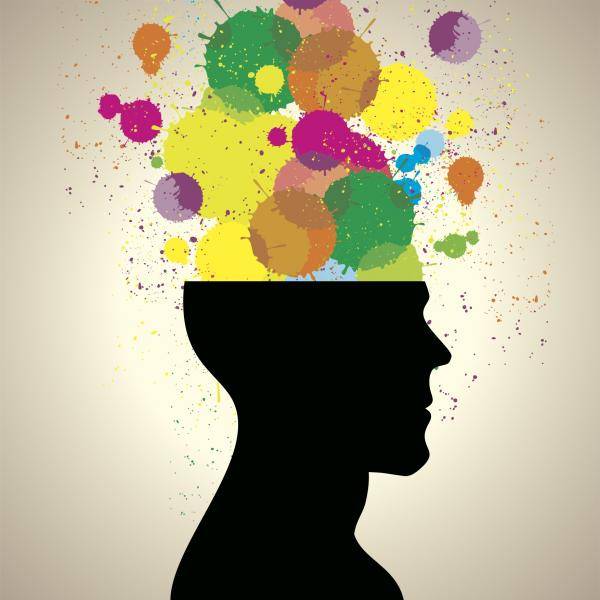
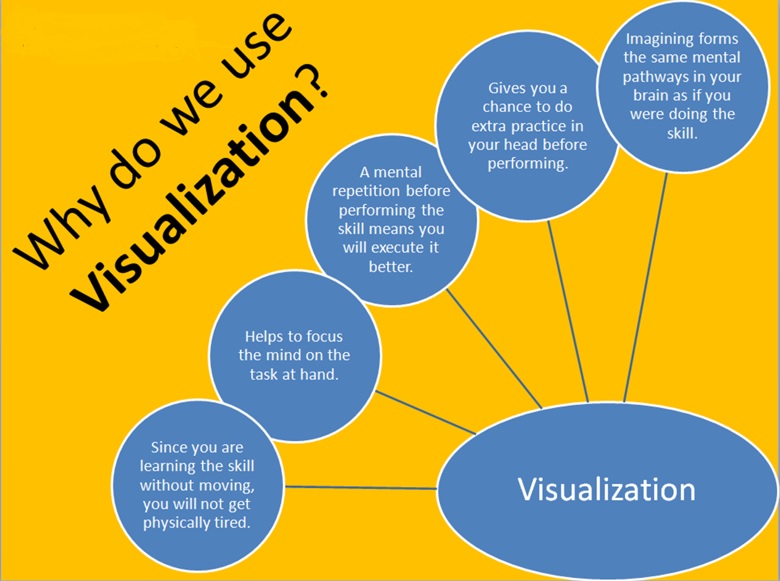
What is this concept of mental rehearsal? It is an active visualisation technique through the individual’s mind to demonstrate the performance of a particular task just as the way he wants it to be. By doing it repeatedly, there can be subjective learning and actual performance improvement. Researches in performance psychology have been using visualization techniques through mental rehearsal methods to improve the performance in case of athletes and other areas of sports.
Well, it has proved successful in case of sports but also been tried for other areas of psychotherapy to treat mental illness. Can this technique be used in a normal person like us? Can you tap the huge potential of this technique of mental rehearsal and bring improvement in some areas of your life where you lack? Say, any tasks like performing on stage, appearing an exam, public speaking, or trying long-distance running, staying fitter, healthier, overcoming fear so on. The answer is absolute yes. The more we visualize ourselves, the more we perform for success.
E7D0C974-BA06-4DCA-BD59-3FBE34F749D0
Interestingly, neuroscience researchers have shown that by the mental rehearsal of a particular activity, the thought alone (not performing the task physically ) and having it repeatedly can build up new circuitry in the brain. This can bring about objective changes in that particular area of a person’s life. This happens because when the person perform the particular task with focused attention in mental rehearsal (just the thought of performing) and do it repeatedly, the brain understands it as a true physical performance and start building neural pathways of the new learning. The brain cannot differentiate between a real and imaginary and takes this imaginary performance as a truly physical experience. Therefore, as the person changes his mind, the brain physically changes too and vice versa. So it becomes cyclical. The frontal area of the brain covers the larger part of the brain. It carries out all the major activities of thinking, analyzing, planning, decision making. It is in this area where, we learn, remember new things, explore new things. So, when you focus on a particular area with full attention (the thought alone), cut down all external distraction, the frontal area of the brain lowers the awareness from all external stimuli of the outside environment and the body. When the brain is so focused on that particular thought at the present moment, that’s when actual physical changes happen, new neural pathways start forming. The brain and the body believes that as an actual physical experience.
45EF6AA3-D0FB-447E-88F7-23AD10C7EE07

The question is how can we apply this in our everyday life? Every person or individual wants to be his/her best version. Every person loves to be successful in some area or the other. Every person wants to be happy in life. If you sit down today and start analysing your life and find out which areas in life, you lack. How can you bring about changes in those areas to improve your quality of life? You start to focus on one particular area of life at a time. Start doing a mental rehearsal of performing better in that area, or visualising a success scenario, or intentionally changing that aspect of life. Performing this mental rehearsal every day with full attention (closed eyes), least distraction from the external stimuli and environment. Doing repeatedly for days with some focused attention. Then, slowly the mind changes, the brain start to change too, new neural circuitry forms. When this mental rehearsal of the particular thought is done repeatedly for days, the new neural connections become stronger and stronger. That’s when the person’s behaviour starts changing, or the objective intentional changes start appearing in that area of his life. Whatever the area could be, like performing better in academics, in office, at work or a particular task. Or changing his/her approach or behaviour towards his health, fitness, other people, any relationship or in any areas, the person strives for.
0B1D79C3-9FA6-4A17-A029-97531E932994
But bringing out this change isn’t easy as it is said. But then, it is also very feasible too. The problem is that our mind is too crowded with stress, thoughts, burden and everyday events. It’s really difficult to remain focus on a particular thought or activity even for a single minute before the mind slips. To bring a change in any aspect of life, you need to have a strong intention, a strong will to make it real. Therefore, mental rehearsal of any kind needs to have a very concentrated focused mind. For, this you need to prepare your mind. This is a daily practice. Most of the time, certain practises as Yoga, meditation, mindfulness helps greatly to create a stable and a focused mind. You cannot learn it overnight. It is a practise which keeps getting better with time.
62E96447-D2F8-4438-863F-C066419B08B8
Some simple tips of mental practices are like
1. Sitting or lying in a comfortable position, keeping your spine straight.
2. Closing eyes is necessary to reduce the external distraction.
3. Breathing evenly and regularly. It is slow deep breathing.(Parasympathetic breathing)
4.Visualization, being detailed and specific of exactly what kind of change and in which area of life you want. And doing it repeatedly every day.
5. Doing mental rehearsal is only effective by being in the present moment. To learn, being in the present moment, try focusing your breath at several moments of the day. When you are at the present moment, there is no fear or stress of any sort.
6. Letting go of fear, everyday stress as much as possible. Don’t overthink.
7. While doing mental rehearsal, stay focus as much as possible.
The focus of mind can be learned by trying to stare an object for some time. The longer you learn to focus on a particular thing, the more is your mind under control and attentive. This is like muscle training. The more you practice, the more you get better with time.

I, myself believe in this practise of mental rehearsal. It did help me improve in some areas of life. Each individual has an inner world of wisdom. Each of us deserves to lead a successful, happy life or deserve to get whatever we want from life. The more we explore this untapped potential, brilliance and can implement in our daily life, the better we can be successful or at least can be the better version of ourselves in life.

Thanks for reading.
Blessings and much love to all πŸ’

Post: Fivesome – The effective medicine πŸ™Œ

Hello everyone ! Have a great Monday πŸ™‹πŸ»

Chronic diseases contribute to huge healthcare expenses. Regular doctor’s visits, buying the prescription drugs, undergoing procedures, hospital treatments and stay, all of them incur huge expenses.

We know by now that inflammation is the key to all chronic diseases in the body. Chronic diseases like diabetes, heart diseases, lung diseases like COPD and asthma, Crohn disease, arthritis, HIV, Cancers and the list goes on. Not only these, even brain diseases like Alzheimers, dementia, and Parkinson are also related to inflammation in the brain.

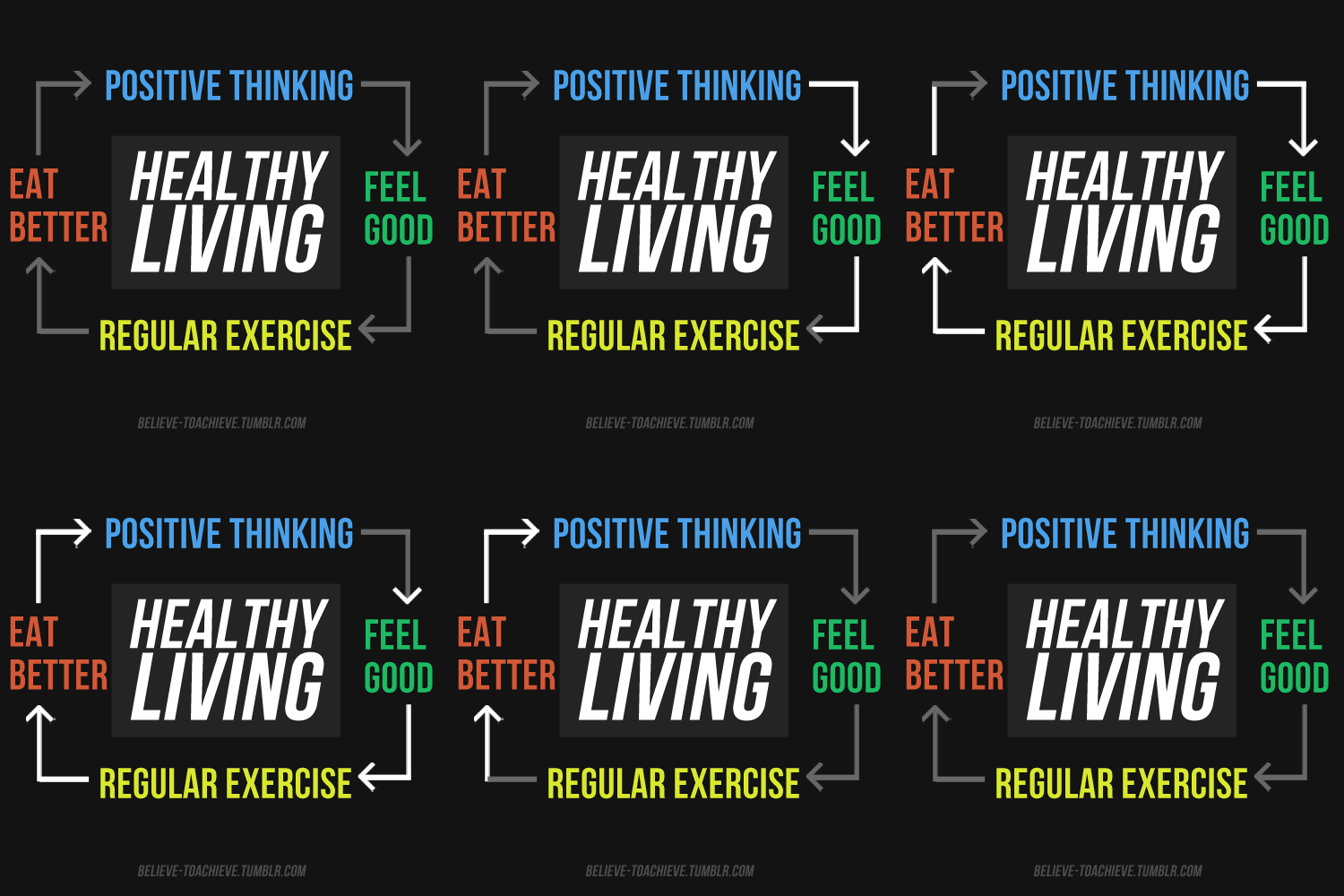
The only solutions to this huge health issues are prevention and controlling the chronic conditions. So, how do we do that? Researches have already proved that most chronic conditions are caused by food and unhealthy lifestyle. So, the easiest and efficient way to reach our goal to prevent and control chronic conditions is by switching on to a healthy diet and making lifestyle changes. 80% of our immunity comes from good gut health. So, eating right, removing stress, active physical life, all contribute to a healthy gut. Therefore , the five some ….

1.Food:The problem is that too much information on food flooding the internet, conflicting information, different diet regimens like keto, paleo, vegan, Meditteranean and the list is long. Too many lists of superfood come out daily. So, how do we know what is right for us?

I think following any diet, there is always pros and cons because you eat some and skip something else. Depending on your goal, whether to lose weight or maybe for some chronic conditions like diabetes, your diet is scheduled and designed. Though following a particularly strict diet, do benefit like losing weight in case of a Keto diet. Sometimes, it can lead to unhealthy outcomes. And, following a particular diet seems to be like, you are doing for a temporary phase. But, to have a goal of a healthy life, the food and lifestyle changes has to be permanent and adopt it as a way of life. It has to be a mentality shift.
Again, not every type of grain, vegetables, fruits available in every part of the world. Different regions grow different crops according to their climatic conditions. So, the best food is preferably,organic (devoid of pesticides) and locally produce grain, vegetables and fruits so that they are fresh. And locally produce grains, veggies, fruits are usually affordable.
Your daily consumption should be a majority, about 70% of plant-based food like greens, veggies, fruits, nuts. About 30% should be whole grain fibres, low fat and protein like eggs, chicken and fish. This is how simple a daily healthy diet plan can be.

2. Exercise: Right from evolution, we, humans are meant to be active. So, being active is essential. Follow your daily routine exercise of at least an hour. Do whatever you like, running, walking, swimming, cycling, gymming., dancing. The workout you enjoy doing. There is no hard and fast rule.

3.Meditation/ Mindfulness: I have already written posts on meditation and it’s benefits. it is important to empty our mind daily, at least for some time.Spend a few minutes in silence every day. If you can, be mindful (being aware ) as much as you can. Being mindful means, paying attention to your thoughts, emotions without being judgemental. Staying mindful, by following your natural breaths, simply just being aware of, at least 20 mins or more is very beneficial. It reduces your stress level.

4. Support: Have always a support system. Loneliness is a major factor in many health issues. People with a good support system can better control chronic conditions. Rely on your spouse, partner, friends or a social support group where you can open up.

5.Sleep: Though ideally recommended in adult as 7-8 hours of sleep. But the fact is, the quality of sleep is more important than the quantity.
When you follow sleep hygiene of going to bed and getting up from bed at a routine timing, whatever hours of good sleep, you get is enough.

All these 5 steps can guarantee you for a healthy life for the longest time. Even, if you suffer from a chronic condition, it can be maintained better with a disciplined lifestyle.

Thanks for reading. Take care

Blessings and much love to all πŸ’

Post : Meditation minimizes Inflammation πŸ™Œ

Hello everyone ! Hope everybody is doing great πŸ™πŸ»

We know by now that chronic inflammation is the commonest cause of various disease state in the body. Inflammation is a natural attempt of our body ‘s immune system to fight against a certain state like infections, injury or toxins which can harm the body. It is a defence system.

When cell damages, your body releases chemicals in the form of antibodies and protein to combat the threat and increases the blood supply to the damaged area to fasten the healing. This usually lasts for a few days and is called acute inflammation. But when the response lingers for a long time can be harmful to the body. In the chronic inflammatory state, the body goes into a constant state of threat. This is the state responsible for many diseases ranging from cancers, asthma, heart diseases, stroke, diabetes and even Alzheimer’s disease.

Chronic inflammation is influenced mainly by chronic stress, anxiety, prolonged infection, injury, autoimmune diseases (like type 1 diabetes, rheumatoid arthritis, Psoriasis and many more), long exposure to toxins and lifestyle factors like smoking, obesity, alcoholism.

Physically, maintaining the health of the body by eating an anti-inflammatory healthy diet (antioxidant-rich ), exercise, Yoga, sleep helps the body greatly to prevent and defend from the inflammatory state.
But then, this is not enough, our environment, our thoughts, feelings, emotions are equally important for healthy mental health, responsible to prevent and defend the body from the inflammatory state. So, how do we maintain a sound, calm mind in spite of all the day to day triggers of stress from our daily grind?

Several types of research have found that meditation-like mindful practises does reduce inflammation by impacting in the brain ‘s functional connectivity. Stress reduction mindfulness practices have shown a marked reduction in inflammatory biomarkers like C reactive proteins.

Learning and practising meditation isn’t rocket science. We don’t need a special session under an expert or Guru to learn to meditate. It is simply a state with the least distraction and freeing the mind from the clutter of thoughts. It is making an effort to put our mind in a relaxed, calm and β€œnothing” state. There are loads of books, reading materials and videos on Youtube and other channels of guiding and teaching you to meditate. But for me, self learning and adopting my method to relax my mind and meditate , works better. Just devote some time for yourself everyday, away from all distractions.

Mindfulness too greatly helps the mind to free from the thoughts clutter. Like meditation, you don’t need to go to a “no thought” state. Instead, you remain fully aware of your surrounding, yet not being reactive to it. It is a basic human ability to be fully present at the moment. Like being simply aware of your breaths, or simply focussing on whatever task you are performing at the moment.

To conclude, whether you may meditate or learn to practise mindfulness, the main purpose is to clear your mind from unnecessary thoughts clutter. This helps your mind greatly from going into chronic stress and overthinking. Maintaining a calm and relaxed mind not only prevent unnecessary inflammation but nurture the physical body and is also self healing.

Thanks for reading.

Blessings and much love to all πŸ’