
Peace and love 🙏

Peace and love 🙏
Happy Easter Sunday 🌞



Peace and love 🙏

Peace and love 🙏

1.Broken heart Syndrome is a temporary heart condition known as Takotsubo cardiomyopathy, as it was first described in Japan in 1990. This condition of the heart weakens the left ventricular muscles, making blood pumping difficult. The condition is associated with a severe emotional episode, extreme physical stress, loss of a loved one, sudden illness, or a serious accident.
2.Broken heart syndrome symptoms may mimic the classic symptoms of a heart attack like pain in the chest, severe pressure or heaviness in the chest, shortness of breath, fatigue and cold sweats. Pathologically, there is no actual blockage in the coronary arteries. Research shows that extreme emotional, and traumatic stress, the rise of catecholamines and stress hormones like adrenaline causes the heart muscles or the coronary arteries to stun the heart temporarily, preventing the left ventricle from pumping blood effectively.

3. Studies show about 90% of the cases are women and many of them recover without any long-term damage. The exact cause is still not known. But the common causes which are found to be:
• Sudden loss of a loved one.
• Severe physical pain.
• Sudden illness.
• Domestic violence.
• Serious accident.
• Huge financial loss.
• Intense fear.

4. Though physical symptoms and ECG changes like ST segment elevation can misdiagnose a heart attack, other imaging studies are required to rule out a heart attack. The most common diagnosis of Broken heart syndrome is no evidence of blockages in coronary arteries which on the other hand, is a classical sign of a heart attack. In the echocardiogram, there is a bulging of the lower part of the left ventricle seen in Broken heart syndrome, which resembles a tako-tsubo (a Japanese octopus trap pot), hence the name is derived. This is quite a confirmatory sign of Broken heart syndrome or Takotsubo cardiomyopathy.

5. To sum up the differences between Broken heart syndrome and heart attack are:
• The angiogram shows no signs of blockage of coronary arteries.
• Blood work, especially enzyme levels shows no sign of heart damage.
• An echocardiogram shows abnormal bulging or ballooning of the lower part of the left venticle so, also known as Balloning heart syndrome.
• Recovery is faster within days to a couple of weeks.
6. Broken heart syndrome is not usually fatal, and under treatment and observation, the individual recovers within weeks to a month. The prognosis is good and there is also less risk of such episodes in future. But in rare cases, it may become fatal causing severe short-term heart muscle failure. Research continues to learn more about the diagnosis and treatment of cases of Broken heart syndrome.

7. There is no standard treatment for Broken heart syndrome and is mainly individual-specific. Medication is required to reduce the stress on the heart muscles. Medications like Angiotensin-converting enzyme inhibitors (ACE), Beta-blockers, diuretics, and blood thinners are used to heal the heart muscles and prevent further episodes. Complete recovery is likely within a month or so.In addition to this, management of stress is also required to prevent such episodes in future.Regular follow-ups are required for the individual.
8. Broken heart syndrome or Takotsubo syndrome has been researched to have certain general pre-disposing risk factors like smoking, hypertension, obesity, diabetes, pulmonary diseases, malignancies, neurological diseases and psychological disorders. Evidence also shows higher prevalences in females compared to males. Although routine checkups, ECG, blood work and echocardiograms are necessary at regular intervals, it is important to work on stress factors like meditation, yoga, deep breathing and mindfulness techniques.
Thanks for reading.
Peace and love 🙏

Vitamin D deficiency is critical for both physical and mental health. Here are some facts to understand the impact of vitamin D on mental health.

1.Several research studies have concluded that low vitamin D levels are directly linked to anxiety, mood changes, depression and cognitive dysfunction such as impaired memory, sadness, weight loss and loss of appetite. Studies have not shown that vitamin D deficiency causes depression but people who suffer from depression do show low levels of vitamin D.
2. Vitamin D mainly maintains the body’s calcium homeostasis. It is also crucial as a neurosteroid hormone and plays a significant role in maintaining normal brain functions and helping in brain development. Therefore, numerous studies have shown that hypovitaminosis D is linked to depression and neurocognitive disorders.

3.Some studies have shown that seasonal affective disorder (SAD) is more prevalent in winter as there is a lowering of Vitamin D levels in the cold season. Lack of exposure to sunlight in winter months is shown to increase the incidences of depression, mood changes and anxiety issues.
4. Rising cases of suicide have been a common risk factor for low vitamin D levels (psychiatric times.com).A research study in 2023 found a correlation between low vitamin D levels with cases of suicidal behaviour. Therefore, vitamin D supplementation is mandatory for all those who have low levels can help to address mental health issues and prevent cases of suicide thereby saving lives.

5.As mentioned earlier, Vitamin D is required for normal brain development. Vitamin D supplementation is essential in childhood for overall brain and cognitive development. Low levels of vitamin D have been found in many cases of ADHD (attention deficit hyperactive disorder). Improved levels of vitamin D by supplementation have shown marked improvement in symptoms of ADHD children.
6. Vitamin D deficiency has been found to have a direct correlation with adult schizophrenia. Studies show that it is quite common to have in individuals with poor nutrition, elderly persons, people living in regions with insufficient sunlight, or during pregnancy. So, it is important to routinely check the levels of Vitamin D to reduce such risk factors. Correction of the levels of vitamin D shows marked improvements in symptoms of such mental illness.
7. Vitamin D acts as a neuroprotective neurotransmitter and helps to maintain the functions of neurons and glial cells of the central nervous system. So, administrating Vitamin D helps to reduce the oxidative stress and neurotoxicity on the cortical neurons. Therefore, controlling the neuronal inflammations helps to reduce many psychiatric illnesses.

8.Strong evidence shows that low levels of Vitamin D are related to neurodegenerative diseases like Alzheimer’s disease, dementia, and Parkinson’s disease. Vitamin D supplementation can improve or even prevent the neurodegenerative process by reducing the deposition of beta-amyloid plaques, intra-neuronal tangles of tau-protein and loss of cholinergic neurons and synapses.
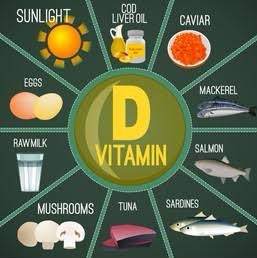
9. Vitamin D levels ranging from 50nmol/L or above are sufficient to maintain overall physical and mental health well-being. Blood levels below 20 ng/mL are treated as insufficient and require immediate vitamin D administration. Normal levels can be maintained by exposure to sunlight, vitamin D supplementation and food sources like oily fishes, eggs, meat, liver, veggies like broccoli, pumpkin, green leafy veggies, green peas, avocados and many more.
10. Though vitamin D is not the only cause of mental health issues, essentially, it is an important nutrient to maintain normal brain function and neurochemistry. In the general population, many people do suffer from vitamin D deficiency, unknowingly. Supplementation of vitamin D can improve the blood levels in individuals and can at least help address the challenges of mental health issues.
Thanks for reading.
Peace and love 🙏

Peace and love 🙏

Peace and love 🙏

It’s time to letting go of whatever that give us pain, hurt, sadness, anger, regrets and guilt as the year comes to an end.
Grateful that another 365 days are approaching to renew ourselves with positive energy, change, optimism and peace which may uplift us in this life’s journey.
Wishing to all my lovely, fellow bloggers, may this New Year 2025 bring immense happiness, peace and favorableness to all of us.
Have a wonderful and blessed year ahead.
Peace and love 🙏

Research has shown that Ghee is a powerhouse of anti-oxidants, healthy fats and vitamins. For centuries, it has been used traditionally in Middle Eastern and Indian culinary traditions. In Ayurvedic medicine, it has been used extensively as a remedy for various ailments.


4.Cognitive health benefit: The most important benefits of ghee are cognitive health, the overall brain wellbeing. Though limited research has been done so far, studies show that SCFA, omega-3 fatty acid, and linoleic acid in ghee show a significant role in improving memory, intellect and brilliance. Ghee helps in the management of diseases like epilepsy, ageing cognitive issues,depression, anxiety and insanity.
5.GI health: SCFAs found in ghee play an important role in enhancing digestive health. Butyrate found in ghee feeds the gut microbiome and enhances the gut immune system, improves digestion, and helps to strengthen intestinal wall integrity. Ghee has been used for centuries to treat abdominal disorders, peptic ulcers and improvement of appetite.

6.Respiratory health: According to Ayurveda, A2 ghee plays a significant role in lowering
symptoms of asthma, bronchitis, sore throat, fever, bleeding disorders and other respiratory issues A2 ghee is combined with herbs like Malabar Nut are used as herbal medicines to heal respiratory issues by Ayurvedic experts. It acts as a natural expectorant in case of colds and coughs.
7.Other ailments where ghee has been used by Ayurvedic Medicine to treat issues like abscesses, boils, liver issues, hernias, vaginal pain and other reproductive problems. It is also used for topical application for a calm relaxing skin massage. In some Ayurvedic cleansing techniques, ghee message is used to release toxins from fatty tissues and treat osteoarthritis, and insomnia.

8.Since ancient times, ghee has been a natural remedy for various issues. It was used as a
natural moisturizer, bath oil for skin, remedy for gums, and teeth when gargling with ghee, to stop nose bleeding, and to treat minor cuts and burns.
9.Butter and ghee have similar fat contents and nutrients. But for people who have problems in the digestion of dairy products, pure ghee is comparatively better as they have no or less quantity of protein than butter.
10.Ghee has been slowly emerging as a healthy cooking choice because of its various nutritional benefits and better absorption of nutrients from foods and vegetables. Recent studies show that ghee is cholesterol-friendly as it can help to increase good cholesterol over bad cholesterol. However, due to its high fat content, it has to be used in moderation. When consuming ghee daily, the person has to undergo regular physical activity and exercise to digest the fat properly and enjoy the benefits. According to health experts, consuming 2-3 teaspoonfuls of ghee can bring overall health benefits and be heart-friendly.
Thanks for reading.
Peace and love 🙏

We keep moving forward in life because that’s the only option left with us. We may meet new challenges and new obstacles on our path. In this festival of light, may the Divine show us the path, lead us through darkness and protect us in this journey of life and self discovery.
Dear readers, wishing you and your loved ones, a prosperous, joyful and healthy Diwali 2024.
Thanks for reading.
Love and light 🙏
 3H:health,happiness,healing