10 facts of Chicory roots πŸͺ΅

Hello everyone βœ‹


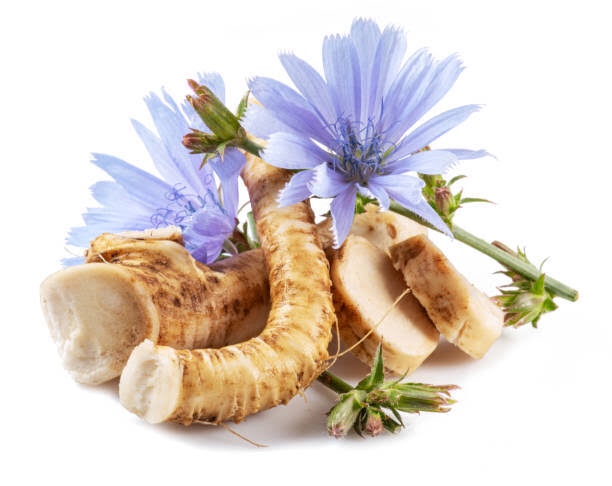
1. Chicory is a tuberous herbeceous root, usually grown in winter. Though it is a native herb from Europe and Asia, but nowadays it widely grown in many areas for its health benefits and as a herbal remedy.

2. Chicory roots are a good source of carbs, minerals, and phytochemicals, including flavonoids. It has been utilized as herbal medicine for generations due to its high nutritional value. Research have shown that it has anti-inflammatory, antibacterial, and antioxidant properties.

3. In modern days, many of its benefits has been scientifically proven. Chicory root is rich in inulin which is a fructose rich fiber and acts as a prebiotic. It promotes growth of healthy bacteria in the gut. Since, it is undigested in the gut when consumed, so it can act as a laxative and relieves constipation.

4. Studies have shown that chicory can contribute to lower blood sugar and helps in insulin resistance. Therefore, it can be an aid in the treatment of diabetes.

5. Other list of benefits of chicory roots are it can promote the weight loss process, improves liver health, boost kidney function by its diuretic properties and may help in treating candida and eczema.

Chicory coffee

6. Since chicory roots are naturally caffeine free, so they have widely been used as a coffee alternative to reduce the intake of caffeine. Repeated consumption of coffee may lead to excess caffeine intake which in turn can cause issues like increasing the level of cortisol and stress.

7. Extensively used method of including chicory in diet is by blending with coffee as chicory coffee, or as herbal tea. It is also integrated in cereals, protein bars and other food items.

8. Like any other food, Chicory roots also have it’s share of side effects like over consumption can lead to allergic reactions, skin rashes, GI symptoms like discomfort, diarrhoea and gall stone.It is contraindicated during pregnancy and lactation.

9. As there is no specific doses of daily consumption of chicory, generally having around 5 gram of inulin in 500ml of chicory coffee in regular diet may not lead to any adverse effects. However, a Physician’s or an expert advice is recommended.

10. Chicory roots have been in ancient cultures for ages as a herbal medicine. History says that it has been in use as a healthy beverage for many centuries for its health benefits.

Thanks for reading.

Peace and love πŸ™

10 hard facts about Taurine πŸ™Œ

Hello everyone ,

1. Amino Acid :Taurine is found naturally in our body. Chemically, it’s an amino acid or more precisely amino sulphonic acid. Since it is naturally available in the body, it plays a significant part in different bodily functions like metabolism, immunity, nervous system, electrolyte balance, biliary system.

2. Nervous system :Taurine as an abundant amino acid support building up the nervous system, helps in storing memory. As ageing progresses, it’s bodily reserve reduces with age. Due to its decreased levels can be responsible for neurodegenerative diseases like Alzheimers’ or memory deficits.

3. Liver :The liver is supported by taurine mainly to break down cholesterol into bile salts. Bile salts play a crucial role in the digestion and metabolism of fat in the body.

4. Lifespan: Researches show that high taurine levels do have anti-aging effects. From its lower levels contribute to inflammation, diabetes, obesity, hypertension, so, with improved levels of taurine, these risk factors are significantly reduced. Food supplementation of taurine and exercise do contribute to the lifespan.

5. Cell protective agent: Taurine plays a vital role in regulating cell volume, calcium homeostasis, sweeping free radicals and stabilizing the cell membrane.

6. Heart : Studies show that taurine reduces the risk of heart failure by lowering the progression of atherosclerosis. It has a potential vasodilating effect. Taurine supplement in people who have a history of heart failure shows lower levels of cholesterol. Low Taurine levels may be a significant factor in the development of cardiomyopathy.

7. Eye :Studies have shown that taurine is abundant in the retina of the eye. Reduced levels of taurine is linked to eye disorders like glaucoma, retinal degeneration like diabetic retinopathy.

8. Muscle :Studies show that taurine helps to improve muscle power and strength. Taurine appears to help restore muscle injuries, damage, pain and reduce progress in people with muscular dystrophy.

9. Food : Taurine is found in dairy and high sources are mainly meat, chicken and fishes. As for plant based diet, seaweed is a good source of taurine.

10. Dosage : Taurine supplementation is not usually recommended as it is naturally available in the body and in our diet. If prescribed clinically, evidence shows that consumption of 3 gms per day works well without the risk of side effects. Taurine has also been an essential component in energy drinks in case of physical performance. Some infant formulas contain taurine because it is not naturally found in babies as it is in adults.

Thanks for reading.

Peace and love πŸ™

10 quick facts of ginger🫚

Ginger is an ingredient common to our cuisine for centuries. It is widely used in most of the culinary dishes. Besides adding the zing in our taste buds, it has immense medicinal and health benefits.

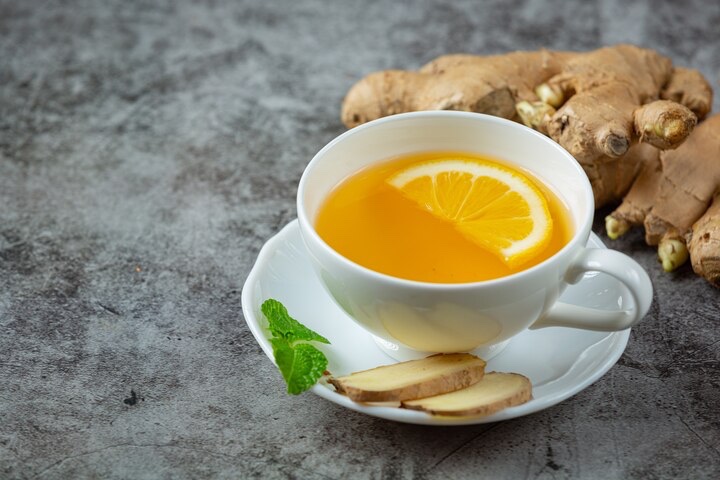
  1. Ginger contains gingerol that imparts its unique taste and flavour to cooking. This compound gingerol is a natural antioxidant and anti-inflammatory. Hence, ginger helps to cure common cold, flu, seasonal rhinitis and fungal infections.
  2. Previous studies have shown that ginger has played an important role in controlling blood sugar levels in people with type 2 diabetes. Researches also show that regular intake of ginger helps to reduce the levels of LDL cholesterol and triglycerides, thereby reducing the risk factors of cardiovascular diseases. It is also effective in weight loss.
  3. Ginger is highly effective against swelling, itchiness and minor skin allergies such as hives. Having ginger juice along with jaggary powder can be consumed to reduce skin allergies and itching.
  4. Ginger is an effective pain reliever. Consuming ginger slices or ginger juice can help to reduce joint pain, body ache and earache.
  5. Consuming ginger or raw ginger juice has helped in improving many digestive issues. Eating raw ginger slices before a meal will help to stimulate digestion and improves the appetite. A person having indigestion, belching, bloating will be relieved after having ginger juice along with lemon juice or ginger slices. Problems like nausea, vomiting, diarrhea can all be relieved after consuming ginger. So, it can be used during Morning sickness. People taking chemotherapy may use ginger to alleviate post-drug side effects.
  6. Ginger is very effective when used freshly, but also beneficial when consumed as a powder for juices or tea. A common spice used in various cuisines.
  7. Ginger is effective against degenerative diseases like multiple sclerosis, Parkinson’s disease, Alzheimer’s disease due to the presence of compounds like 6-gingerol and 6- shogoal.
  8. Ginger is grown especially in tropical areas. Ginger roots are mainly used for cooking and healing purpose. It can be stored in dried or powdered form for a long time. Ginger supplements are available in capsules or liquid extracts. Ginger oil as essential oil is used in beauty products.
  9. Ginger is rich in dietary fibre and in vitamins like B3, B6 and C. It is rich in folate, magnesium, phosphorus and zinc.
  10. Ginger is usually safe, but it must be used in moderation as part of a healthy diet. Too much consumption or concentrated higher doses may lead to heartburn, stomach upset or loose motion.

Thanks for reading.

Peace and love πŸ™

Wordless Wednesday 🌷

Hello everyone 🌻

Pictures taken by me at Keukenhof in Spring 2022.

Thanks πŸ™

Peace and love.

Self renewal: 10 hard facts πŸ™Œ

Hello everyone πŸ––

1. The human body in which each of us lives is made up of around 37 trillion cells, to be precise. And every day, about 1-2 percent of the cells are renewing. So, exactly after 90–100 days, a new “me” appears. We remain so busy with our routine lives that we hardly acknowledge this fact, and many of us are not even aware of it. So, β€˜change’ is the constant tune, not just within the universe but also within us.

2. Now that we understand that our bodies undergo transformation on a daily basis, So, the question is: how does this self-renewal occur? Let’s go back to our past a little bit. The human body develops from the human embryo, which is fertilized by an oocyte and a sperm cell. This embryo is made up of stem cells. The stem cells are the basic cells (undifferenciated cells) of the human body, which, through the process of mutation and transformation grow into different cells like nerve cells, bone cells, muscle cells, blood cells and so on. Throughout our lifespan, these stem cells undergo cell division and keep replicating; that’s how self-renewal happens.

3. Under normal physiological self-renewal processes, different cells in the body have differing rates of cell division. So, the replication process of various tissues, organs, and blood cells in the body has a different time frame, like the skin epidermal cells, which can take around 10–30 days, whereas a bone cell takes 3 months, or a hair grows about 1 cm in one month, and so on.

4. Though our body is constantly changing due to the continuous self-renewal process through different cell cycles like shedding the old skin cells, renewal of intestinal cell lining, and growing hair or nails on a routine basis, this isn’t a simpler process. The human body is still very complicated and has exceptions. Some cells, such as those in the brain (cerebral cortex), eyes (such as lenses), and heart, do not change from birth to death.

5. But then, why is self-renewal important and must be maintained? Under normal physiological conditions, stem cells have two functions: proliferation and differentiation. Though stem cells have a natural proliferative capacity throughout our lives, disease conditions can affect their physiological self-renewal ability and behavior due to factors such as damage or an unhealthy lifestyle (obesity, lack of physical activity, smoking, or a poor diet).

6. A lack of an appropriate environment within the body or poor maintenance of the human body might eventually lead to the exhaustion of the capacity of stem cell proliferation, which causes premature aging or tissue atrophy. With aging, stem cell activity, tissue regenerative and haemeostasis is significantly declined.

7. Sometime, due to the unhealthy environment within the body, mutations lead to aggressive stem cell division without going through the natural cell differentiation process. This can lead to abnormal tissue growth or cancer in the body. Therefore, the physiological process of stem cell division and the natural stem cell behavior can be affected by four disease conditions, like degenerative, metabolic, cardiovascular, and inflammatory conditions.

8. Regenerative medicine and therapies have arisen as a result of the discovery that defective self-renewal mechanisms in the body are the root cause of malignancies and abnormal cell proliferation. Many disorders are being treated with regenerative medicines based on stem cells. Recent years have seen a significant increase in the use of stem cell treatment to treat a variety of diseases like cancer and disorders including type 1 diabetes, heart disease, stroke, Parkinson’s, burns, osteoarthritis, by regenerating cells, repairing tissues, and transplanting organs.

9. The fact about regenerative medicine is that, though it has helped many patients around the world, the cost of treatment is quite high as the procedure is complicated and the failure rate is high. Human stem cell treatment requires culturing human stem cells in a laboratory setting for a longer period of time, which is quite difficult.

10. The market is flooded with products that promote cell regeneration, anti-aging, and longevity. The lofty claims made by these items are still quite dubious. But it is true that some supplements do work to improve health, lower inflammation, and increase immunity. But in the end, having a healthy diet, getting enough sleep, a calm mind, and exercising regularly is all that’s necessary for good health.

Thanks for reading.

Peace and love πŸ™

All about Puffy eyes πŸ™„

Hello everyone ! Have a wonderful and safe weekend πŸ™‹πŸ»

Maybe, we all at some point or very often been troubled with puffiness around eyes, especially below the eyes, interfering with our looks. Puffy eyes are seen usually in the age group above 30 to 40 years. But, nowadays, often young people are also seen with puffy eyes. So, it very common among all age groups. Structurally, eyes are surrounded by orbital fats on all sides that protect the eyes from any external injury and help smooth eyeball movement on all sides. There is also an orbital septum between the orbital bone and the eyelid, preventing orbital fat from bulging. As we age, this orbital septum gets weaker and weaker, and hence the puffiness can be prominent.

Since it is found in both young and aged, the causes are plenty. It can be temporary or persistent, mild to severe depending upon the underlying cause. Sometimes, puffiness can be idiopathic that is without any known cause. Transient puffiness is mostly seen after waking up in the morning, which can disappear as the day progresses. In most of the people, it can be persistent, as the ageing process moves. It can be in varying degree ranging from mild, moderate to severe. The different probable causes can be :

1. Allergy like due to allergens like dust, pollen, dander.
2. Infection in the eyes like conjunctivitis, which can cause both pink and puffy eyes.
3. Wearing contact lenses for too long can cause puffiness as the cornea gets swelled up due to cut off oxygen supply while the lenses are on.
4. Ageing is the most typical cause as the orbital fat below the eyes slowly start protruding.


5. Too much alcohol intake causes bloating.
6. Not getting enough sleep.
7. Too much salt consumption causes water retention.


8. Too much artificial sugar, or high sugar diet can cause water retention, inflammation and bloat.
9. Kidney issues and when protein intake is high. There is an electrolyte imbalance, more sodium in the body. So, there is water retention.
10. Thyroid causes.
11. Cirrhosis as liver problems can cause bloating.
12. Crying for too long can cause transient puffiness.

Depending upon the cause and the severity, the remedies and treatment are required.

1. If it is a mild kind of puffiness, and due to a temporary cause like eye injury, not getting enough sleep, high salt consumption or high alcohol intake. Correcting the underlying cause and applying a cold compress or caffeine creme can be very helpful.

2. If it is due to a medical cause like thyroid issues, kidney issues or liver Cirrhosis, the individual needs to make lifestyle changes like – low carbohydrate diet, low protein diet, cutting down salt and sugar. Sometimes, increasing potassium content through dietary sources can help to get rid of the excess fluid. And, of course, treating the underlying cause with medication.
3. Cosmetic reasons: Sometimes, due to the ageing process, the puffiness can be severe and hinder the physical appearence. In such cases, Hyualuronic acid fillers and lower eyelid blepheroplasty can be helpful.

Thanks for reading.

Blessings and much love to all πŸ’


5 important facts about Candida πŸ™Œ

Hello everyone ! Have a wonderful and safe day πŸ™‹πŸ»

Important facts about Candida :

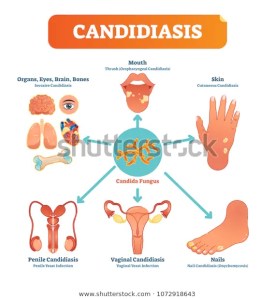
1.Candida is a group of yeast/fungi, comprising of many types. Out of which, 20% of them cause infection in the human population. The most common type is Candida Albicans. Candida typically resides in the human body, mainly in the gastrointestinal tract, genitourinary tract, respiratory tract and the skin. They do not cause any harm when the host’s (human body’s) defence mechanism is resistant enough. Specific health issues, poor nutrition or lifestyle changes can lower the immunity status, leading to this candida infection or Candidiasis.

2. When the host defence mechanism is weak, Candida, proliferates the mucous membrane of the GI tract, respiratory tract, genitourinary tract or the skin. It is usually prevalent, in about 80% of people, causing annoying infections or skin rashes. In about 15% of the cases, Candida can penetrate deeper tissue in the gut mucosa, causing severe health issues like Leaky gut syndrome. To know more about Leaky Gut syndrome, click the link https://atomic-temporary-162723897.wpcomstaging.com/wp-admin/post.php?post=3865&action=edit 

On rare occasions, Candida can spread systemically through the bloodstream and lymphatic tissue. Focal Candidiasis can be transmitted to the vital organs like brain, heart, kidney and can cause life-threatening conditions.

3. Different causes of Candidiasis can be:
a.Chronic health issues like diabetes, thyroid issues, cancers, AIDS and STDs.
b. In a weak immune system like in chemotherapy, radiotherapy.
c. High level of stress
d. Sleep deprivation
e. Individuals with drugs like antibiotics, steroid, birth control pills
f. Nutritional deficiency of vitamins, zinc, selenium.
g. Dietary causes like intake of sugary foods, processed food, alcohol, too much gluten (grains intake), lactose intake.
h. Environmental causes like heavy metal poisoning (mercury, lead), pesticides, cleaning agents, petroleum-based solvents.
i. Poor hygiene and wearing tight fitted clothing.

4. The symptoms are organ-specific can be single or multiple depending upon the severity.
a. Oral thrush, frequent sore throat, bleeding gums.
b. Skin rashes.
c. Nail infections.
d. Vulvovaginal candidiasis in females and Balanitis in males.
e. Systemic Candidiasis with a complicated, life-threatening situation in a small number of cases.
f. Gut issues like Leaky Gut syndrome.

5.The most crucial remedy is detoxifying the toxins from the body by making lifestyle changes, and dietary changes. Some of the treatments are:
a. Cleaning the gut from unfavourable foods like cutting down sugar and processed foods, low gluten (grain) intake, low dairy, no alcohol. b.Consuming more alkalizing food to avoid the acidic ph of the stomach.

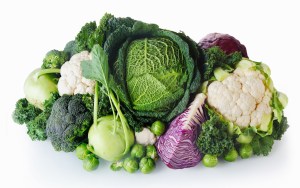
c. Food preferences like green leafy vegetables like kale, broccoli, Brussel sprouts, arugula.
d.Low sugar fruits like coconut, citrus fruits like lime, lemon, Apple cider vinegar, and herbs and spices like garlic, ginger, oregano, cinnamon, cloves.
c. Supplements like Probiotics and vitamin C.
d. Antifungal drugs like Triazole /Imidazole as prescribed by a Physician.


f. Localized treatments like salt water or hydrogen peroxide mouth rinsing in case of oral thrush. Local application of coconut oil, oregano oil in case of skin infections.

g. Wearing loose fitting clothes preferably cotton in warm, moist weather.

Thanks for reading.

Blessings and much love to all πŸ’


Cognitive health and wellness πŸ§ 

Hello everyone ! Have a wonderful and safe day πŸ™‹πŸ»

Though we are moving fast in the field of science and technology, but are we taking enough care of our cognitive health? Just the way as we do for our physical health. Due to awareness around maintaining a healthy lifestyle, our life expectancy has increased twofold. Still, at the same time, there is an emerging number of brain and cognitive issues. These chronic brain issues significantly affect life, making it disabled for living. The WHO has rightly pointed out that in recent years to come, one out of every five individual will be affected by either dementia or Alzheimer’s disease. Therefore, the problem is severe, and there is an urgent need for proper care and development of cognitive health and functions as one age from a young child to growing older.

Usually, the brain functions and coordinate through four different areas to carry out our daily activities.
1.Memory: Recalling the memory, working memory and problem solving using past experiences.
2.Executive function: Planning, decision making, organizing.
3.Speed/Accuracy: How fast and efficiently, one can complete a particular task?
4.Concentration: Keeping the mind focused on a specific task despite the interruptions, noises, distractions.

Cognitive health and fitness are at its best when in our day to day circumstances, we can do the right thinking, right ways, and at the right time:
1. Approaching a problem or an issue, by flexible thinking and not linear thinking. Keeping an open mind, thinking with multiple approaches and self-regulating.
2. Being able to focus and be attentive on a particular task within the day to day environment of distractions, interruptions and noises.
3. A working memory, recalling memory and problem-solving.
4. Cognitive strength of being both resilient and vulnerable.

When our brain and cognitive domains are not at our best, due to improper sleep or dehydration or any stress, we face several issues like:

1.Brain fog, foggy memory, forgetfulness.
2.Poor mind control
3.Lack of focus, easily distracted.
4.Unable to make decisions
5.Slow while performing the task.


We have already known the fact of Neuroplasticity and that the brain is changeable. It has amazing capacity of learning and storing informations. To know more, here is the link https://atomic-temporary-162723897.wpcomstaging.com/wp-admin/post.php?post=2676&action=edit. By practising and repeating things, new synaptic connections can be made or strengthen the already existing neural pathways. More synaptic density allows more flexible thinking approaches. So, there are several ways; we can keep our cognitive health intact :
1. Learning new things, languages, hobbies, music like an instrument and so on.

2.Trying to have new experiences like walking in a new direction, travelling to a new place, exploring a new idea, creativity, trying a unique taste.
3. Being more attentive of the environment like the smell, sound, any physical sensation.


4. Solving problems, trying math, puzzles.


5.Physical movement: Cross crawling exercises, hand body coordination like juggling, weight training, resistant activity.


6. Consuming brain nourishing food. If you want to know more about the food and it’s importance to brain health, here is the link https://atomic-temporary-162723897.wpcomstaging.com/wp-admin/post.php?post=3922&action=edit

Thanks for reading.

Blessings and much love to all πŸ’


Food for Pancreas πŸ™Œ

Hello everyone! Have a wonderful day πŸ™‹πŸ»β€β™€οΈ

Courtesy; Pinterest

Thanks for reading.

Blessings and much love to all πŸ’

Enzymes: 6 amazing facts πŸ™Œ

Hello everyone ! Have a wonderful and safe day. πŸ™‹πŸ»

Enzymes are an integral part of the body’s metabolism, growth and repair. They are crucial for gut health, the ageing process and maintaining overall good health.

Six facts about the fantastic enzymes :

1.Enzymes are protein or protein-like substances found in our body which acts as a catalyst at a cellular level and speed up the biochemical process of energy production, growth and repair of tissues.


2.Enzymes are specific and are very selective to which substance they bind to and activate the process of breakdown and digestion. Whatever food, we consume, each of the food types stimulate a different set of enzymes.
Carbohydrate stimulates enzyme Carbohydrase like Amylase. The enzyme lactase digests lactose. People who lack lactase suffers from lactose intolerance.
Protein stimulates enzyme Protease like Pepsin, trypsin.
Lipid stimulates enzyme Lipase which digests fat by emulsification.
Some more examples of enzymes are: ATP synthase helps to convert ADP to ATP. Helicase unzips DNA strands.

3. Enzymes are sensitive to temperature and ph change. A slight temperature change can either slow down or speed up the enzyme activity. Large temperature changes can denature and can even lose their function. Similarly, ph changes can directly influence enzyme activity.

4. Enzymes stores in our body can be depleted slowly due to causes like ageing, unhealthy food habits like overprocessing, refined food consumption. Overcooking of food can cause the breakdown of natural enzymes present in the food. Therefore, enzyme deficiency in the body can lead to digestive issues like bloating, gas, food intolerance, anaemia, lethargy and heartburn.

5. There have been multiple enzyme supplements available and marketed commercially with different benefits in the market. But it is essential to know that not enough studies/researches are done to prove either their efficacy or side effects. So, before using the supplements, it is crucial to inform your Physician or else, it may have a drug interaction with your regular medicines currently taken.

6. Certain food rich with natural enzymes which can be consumed but in moderation:
Pineapple has bromolein, and Papaya has papain, and they both are protein enzymes. Avocado has Lipase, and bananas have amylase and maltase. Natural raw honey, wild sprouts (alfa, alfa) and kefir are also rich in digestive enzymes. Fermented food like saurkraut, kimchi is rich in digestive enzymes and even probiotics.

Thanks for reading.

Blessings and much love to all πŸ’