Food and mood πŸ˜‡

Hello everyone ! Have a wonderful and safe Sunday πŸ™‹πŸ»

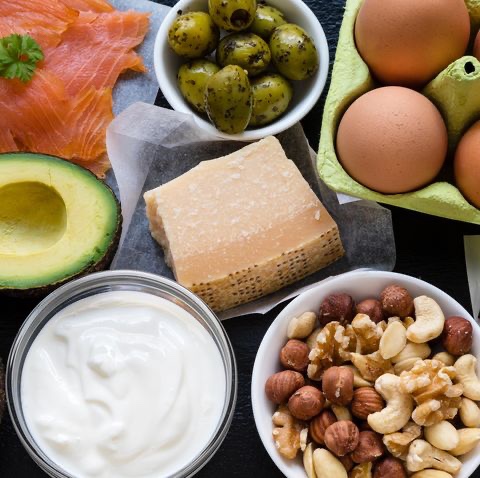
There is an old Spanish proverb “The belly rules the mind” which is indeed true. Food, not only has a significant impact on the physical body and overall health but also on our day to day thinking, decision making, and the entire mental health as well. This saying has been prevalent among various faiths and belief systems from the ancient time. Science has proved in recent times in various researched-based studies.

According to the widely practised Yogic and Ayurvedic literature, everything that is matter arises from a fundamental source called Prakriti (meaning Mother Nature). So, the three primary Gunas (qualities) arises from Mother Nature. The three primary Gunas which are present in all objects and beings surrounding us are – Tamas, Rajas and Sattva. We, human unlike other beings or objects can choose the level of the three qualities in our individual lives and minds depending upon our choices of food, lifestyle and the kind of thoughts we like to cultivate. Our wellbeing and health mainly depend on these preferences. The three states are relative, and keep changing during our day to day life depending on our food choices and lifestyle preferences. Therefore, the three states are:

Satva: It is a state of beingness, in balance, in harmony and a favourable condition. For these qualities to nurture, we need to adapt to the food, that comes directly from Mother Nature. The food that comes from the soil and not from factories. To maintain calmness of mind, we have to adopt and practise Yoga, meditation regularly, which keep the mind stable and peaceful. Such a state is an ideal state of health and wellbeing free from diseases.

Rajas: This is the state of mind related to desires, passion, longing and attachment to worldly pleasures, excessive material goods, excessive work, excessive exercising and even extreme thinking. When we have this state of mind, there is craving for fried, spicy food and stimulants like alcohol, smoking and all sorts of other stimulants.

Tamas: This state of mind is darkness, ignorance and passive. It is the most unproductive state of mind. Such a state mainly attracts overeating, oversleeping, passive state, fearful state. This state of mind mostly attracts fatty meat, processed and refined food.

So, the kind of food, we have on our plate, that we consume every day, or with each meal determines the state of mind, thought process, our prospects of the world, people around us. Therefore, in yogic practises, the ultimate goal is to cultivate the practice of Satva, adopt Satvic food to be close to our Creator, our truest self, our soul.

Not just mentioned in ancient literature, food impact on both physical and mental health have been studied in several research-based projects all over the world in recent times. For decades, we have been surrounded by sugary, refined, processed and fatty foods, which are like impossible to avoid. Because of their easy accessibility, binging on this kind of foods has made it difficult for the body to deal with them. Apart from causing multiple physical health issues, including lifestyle diseases and obesity, they are grievous for our mental health and brain too. Researches have found out; junk foods are not only killing our health but also causes the shrinking of our brain. The primary functions of the brain being the cognitive functions, the ability to think, perform challenging tasks have found to impact the wrong kind of nutrition. Such a diet is found to have a long term effect on normal brain activities and memory. Habitual intake of such foods changes and alter the programming of the brain.

An Australian study found that not just in the adults and adolescence. Still, pregnant women, too who fed on junk foods, gave birth to children who were more aggressive, fearful, throw tantrums and has less tolerable personality. Without Omega 3 fatty acids, and other nutrients dense food, the brain does not develop naturally.

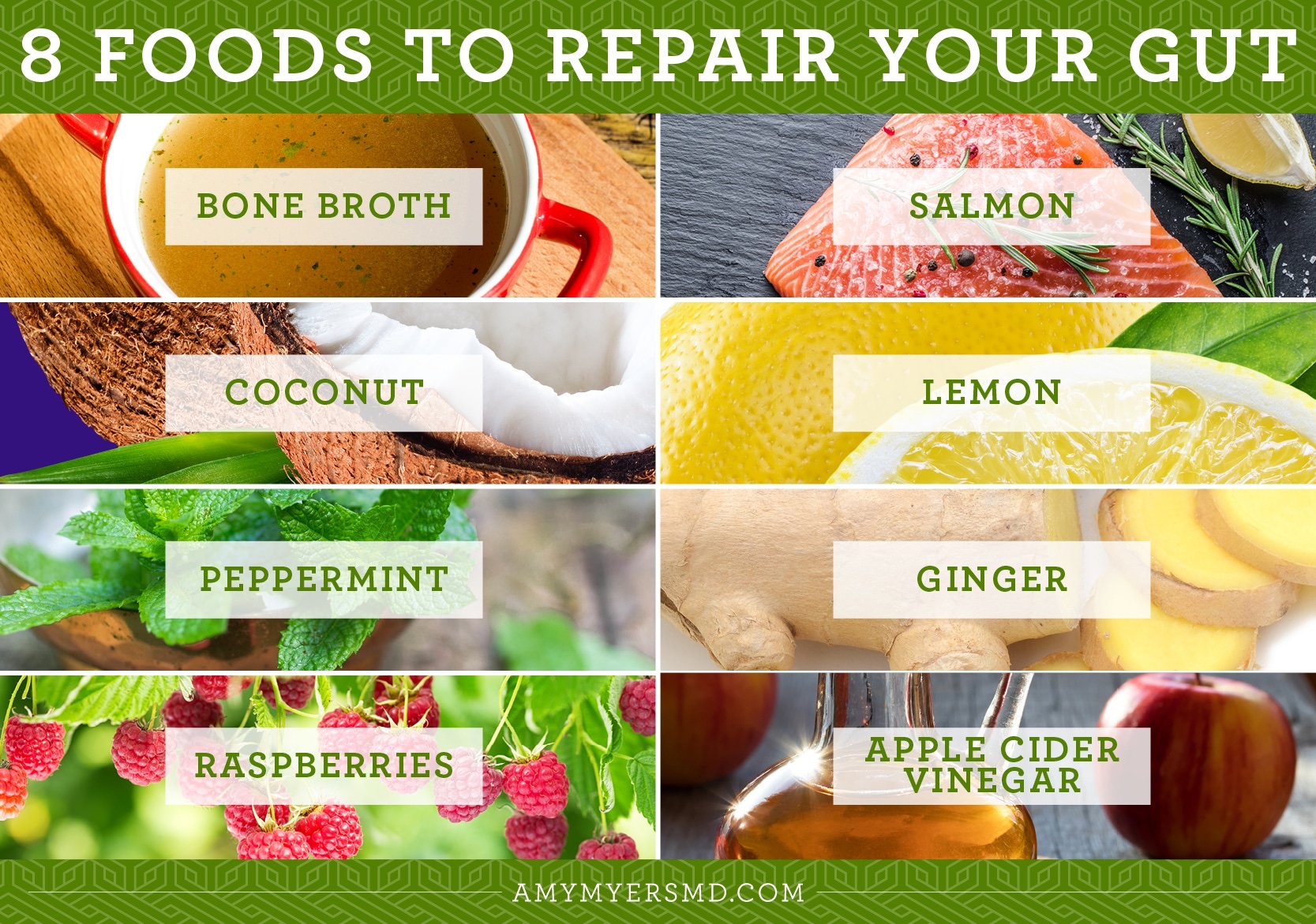
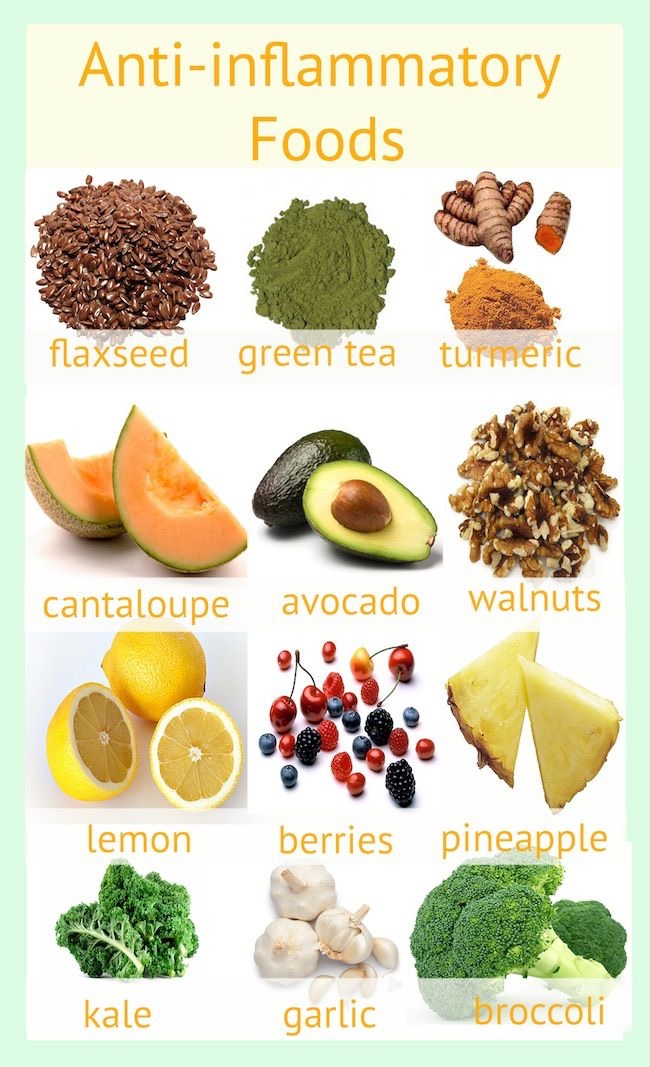
So to conclude, the impact of nutrition in the overall health is wholesome. Not just the diseases but also chronic health issues like autoimmune diseases, obesity, heart diseases, rheumatoid arthritis, diabetes, cancers, celiac disease, irritable bowel syndrome, thyroid issues can be controlled and well managed by changing the diet and lifestyle. Even the impact of nutrition on mental health has been immense. So, with proper diet and lifestyle changes, depression, mood disorders and day to day cognitive functions thought process, task performance, agility, tolerance, decision-making skills could all be improved.

Thanks for reading.

Blessings and much love to all πŸ™


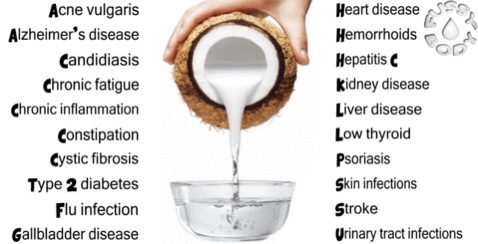
Coconut oil🌴

Hello everyone! Have a great Sunday β˜€οΈ

Benefits and healing properties against diseases like :


Courtesy : Pinterest

Thanks for reading.

Blessings and much love to all πŸ’

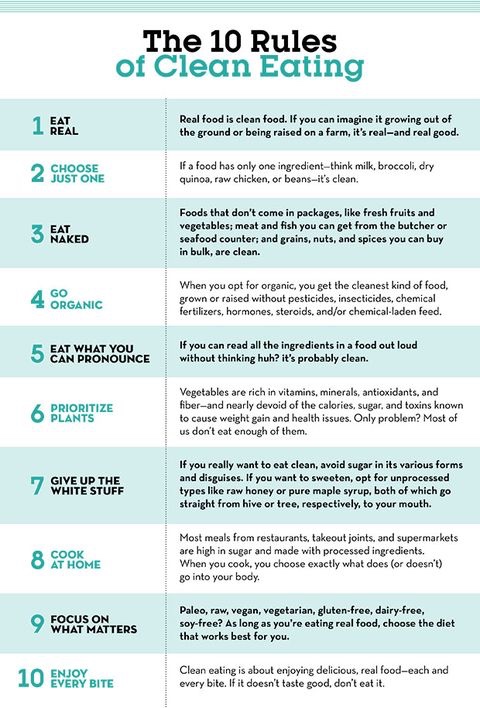
10 rules of clean eating πŸ™Œ

Hello everyone! Have a wonderful day πŸ™‹πŸ»β€β™€οΈ

Courtesy: Prevention.com (Pinterest)

Thanks for reading.

Blessings and much love to all πŸ’

International Yoga Day , 21st June πŸ™ŒπŸ§˜πŸ»

Happy International Yoga Day !

Thanks for reading.

Blessings and much love to all πŸ’

Autophagy: What is it, and how to induce it?πŸ™Œ

Hello everyone! Have a wonderful and safe day πŸ™‹πŸ»

img_0867

The term “autophagy” means eating thyself where “auto” is self, and “phage” is eating. The name has been there in medicine since the 19th century. But the term became quite popular among the medical community in around 2016 when Japanese researcher Dr Yoshinori Ohsumi won the Nobel Prize.

Physiologically, the term means that the body has a natural capacity to eat and clean out the debris, junk and all the unnecessary components in the cells and recycle them as newer and healthier ones for smooth functioning. It’s a form of self-preservation process that the body has an innate capacity. In this way, the toxic, inflamed cells in the body which are responsible for chronic diseases are to be recycled and self preserved to healthier cells. The ageing process slows down, the body weight can be maintained. The process is possible in case of all cells in the body, including brain cells, heart, liver, lung, kidneys and all.

img_0868

This is a natural phenomenon, which the body is capable of undergoing. But due to various factors, this bodily process isn’t so effective as it should be. The reasons are manifold like for the continuous binging of food, adopting an unhealthy lifestyle and choosing the wrong food items (high calories) to eat and so on. So, in many individuals, the process either slows down or work at a very minimal level. Therefore, there are vast dumping of debris and toxins in the cells leading to various chronic conditions like obesity, diabetes and cancers. Autophagy has received much public attention these days for its capacity to prevent diseases like cancers. But, more studies are required in this area.

img_0869

In an individual with a high carbohydrate intake of calories 300 to 500 calories/day, the process remains less effective. So, people are mainly adopting the Keto diet and lifestyle. Consuming food with healthy fats and a minimum level of carbs with increasing physical activities and short intervals of fasting induces ketosis in the body. Ketosis causes the body to use the fat reservoir for energy sources instead of carbohydrate as there is a minimum intake of sugar. Usually, the keto diet can be useful in weight loss and fat reduction, or muscle building process. Staying in ketosis can ignite the process of autophagy faster in a short interval of 12 hours.

Specific ways to ignite the process of autophagy are:

img_0874

1.Sleep: Adequate quantity of sleep daily of at least 8 hours a day is beneficial. But more than the number, the adequate quality of sleep matters. Sleep accentuates the lymphatic flow between the neurons and fastens the cleaning process of neuronal debris and plaques. So, every day you get up with a clean brain, not only helps in smooth cognitive functioning but also fewer chances of ageing disease like dementia, Alzheimer’s and Parkinson’s disease. Sleep not only promotes autophagy in the brain but also in all somatic cells, thereby cleaning toxins and debris throughout.

img_0870
2. Adopting a ketogenic diet: Not changing the diet regime drastically from high carb to low carb and high fat. Because, it may cause severe outcomes like low blood sugar, electrolyte imbalance and fatigue. Instead, keeping in mind, the body’s tolerance level, slowly making changes by lowering the intake of carbs in the diet up to 50 calories/day. Incorporating more healthy fats in the diet of 80% of the entire daily intake of at least 2000 calories/day can give good results in the body. The body slowly ignites the natural process of autophagy faster, which takes a long time with a carbohydrate-rich diet. If you want, you can get more information about adopting ketogenic diet: Click the link https://481cb43mpgt7wbgmt08k1v3k18.hop.clickbank.net/

img_0871
3.Intermittent fasting: This is itself a vast topic to discuss. It means that scheduling the meal timings in a day in between fasting intervals. The fasting period can be 8-10 hours to 14 -16 hours a day. There are some extreme methods of fasting, necessary for specific parameters to target. But for regular individuals like you and me, an early dinner or sometimes skipping a meal or fasting, a single day can be constructive. Early dinner can give us fasting of at least 10 hours every day. If you want, you can get more information on intermittent fasting : Click the link

https://ca5fc89pxgpyy9ofji3dmj4p5z.hop.clickbank.net/

img_0873
4.Exercise: Heavy intense training and practice do more harm than good. Instead, it is wise to adopt interval training, to stretch, walking, yoga is all beneficial.

Thanks for reading.

Blessings and much loveπŸ’

Walking: 20 health benefits.

Hello everyone!Β Have a wonderful and safe day πŸ™‹πŸ»

Why did I feel writing something about walking? Firstly, I believe in this form of fitness, and secondly, off course, for its incredible health benefits. Without stepping inside the gym, the concept of exercise and physical fitness in today’s time doesn’t seem to work. Either you are running the treadmill or using high-end gym apparatus to strengthen and shape your muscles. Unless you do such exercises, you feel you are not doing the right kind of exercise regime for your fitness. Such psychology commonly revolves around us.

Therefore, walking has been most underrated as an exercise form for fitness. Enough studies have been done in the past, which goes to show that walking can be an effective form of a workout as exercise. A simple walk around nature gives you enough mental and physical boost and can be helpful to reduce the anxiety and stress in our everyday life. A good 20- 30 mins of a walk at a moderate pace every day is enough to give you the immense health benefits, your desired fitness level and reach your weight loss targets. Though running utilizes a more exaggerated level of energy, more pressure on the muscles but walking at a medium pace for a longer duration can give you the same desired results. Health markers haveΒ effectively shown the fitness and endurance level that can be attained by anΒ everyday walk.

20 such amazing health benefits:

img_0817

Pic courtesy: Haven Pharmacy.

Thanks for reading.

Blessings and much love to all πŸ’


8 truths of Leaky gut syndrome πŸ™Œ

Hello everyone !Β Have a wonderful and safe day πŸ™‹πŸ»

img_0790

Time and again, it has been proved by extensive Medical researches that most of the chronic illnesses, including autoimmune disorders, type 1diabetes, irritable bowel disorders, migraine are all associated with gastrointestinal disorders. A patient who suffers from chronic symptoms’, the history should be thoroughly investigated for an underlying food or lifestyle habits that may be co-related.
Our body is not a single entity, nor each of its organs works independently of each other. Every structure, including the skin, tissues, mucosal lining, organ, system including a huge colony of microbiota are all interconnected and work together as a biological system. Not only this, the immune system, biochemical processes, endocrine and the autonomic nervous system, are all very much interdependent. Therefore, while considering any chronic disorder, the entire system has to be taken into account, including food habits and lifestyle in the process of management of such illnesses.

img_0791

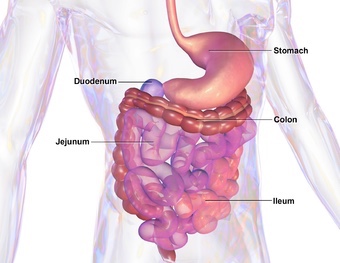
1. The food, we eat reaches the intestines where they are bind to enzymes where filtration and absorption take place. Then, the nutrition of the food is absorbed in the bloodstream through the intestinal barrier. Without digestion, the food cannot escape directly through the intestinal/gut wall. The intestinal lining is typically intact and tight. It doesn’t let food, bacteria or toxins to escape directly to the bloodstream. Nutrients of food also absorbed through small villi on the intestinal wall. Usually, there are tiny holes of 1-7 microns in the gut lining through which the nutrition permeates into the bloodstream. When there is Leaky gut, the holes become bigger about 200-300 microns, and the intestinal villi are damaged too because of which the intestinal integrity is lost. That is the reason leaky gut is also called intestinal permeability. There is directly permeability on the gut lining through which the food material, bacteria, toxins escape into the bloodstream. The immune system comes into play and starts reacting. There is extensive inflammation of the intestinal lining and its structures. There is swelling and slowly scarring of the intestinal walls.

2. Evidence has proved that genetic predisposition is one of the leading causes of leaky gut. But, emerging researches have shown the not only DNA is to be blamed alone. Lifestyle conditions like high gluten diet, fat, sugar-rich diet, smoking, alcohol, stress, pain killers (non-steroidal anti-inflammatory drugs) and food intolerance are some of the common conditions predisposing leaky gut. Therefore, leaky gut commonly found in chronic conditions like Celiac disease, irritable bowel syndrome, Crohn’s disease, HIV/AIDS, cystic fibrosis, chemotherapy and radiotherapy patients. Leaky gut not only creates symptoms in bowel disorders but also linked to most conditions of autoimmune origin. It may be associated with autoimmune diseases like Lupus, Type 1diabetes, multiple sclerosis, rheumatoid arthritis, psoriasis, Chronic fatigue syndrome, asthma, allergies and mental illness. Autoimmune disorders are difficult to diagnose and treat. They can be managed and controlled but has no permanent cure.

3. Trigger factors of leaky gut are like a gluten-rich diet, dairy-rich, soy food or drugs like antibiotics or over the counter pain killers like aspirin, acetaminophen which may disturb the intestinal lining and cause leaky gut. Such triggers lead the immune system to be activated, causing an immune response in the body to produce antibodies against our own body’s intestinal tissue lining, causing inflammation. This inflammation can increase the intestinal permeability that is the escape of food and toxins directly into the bloodstream leading to symptoms like pain, diarrhoea, joint pain, fatigue, headache and depression. As Leaky gut is associated with a number of symptoms, so, it is called Leaky Gut syndrome.Β 

img_0795

4. Common symptoms are
Diarrhoea, Constipation
Pain abdomen, bloating
Skin rashes like acne, eczema, rosacea
Brain fog, memory loss
Depression
Chronic Fatigue
Joint pain.

5. Though strong evidence shows that many chronic conditions are associated with an underlying cause of leaky gut. Leaky gut is still not considered an official medical diagnosis, nor it has a standard protocol of treatment. A proper detailed history of the patient can detect the leaky gut condition. Therefore the management also differs from individual to individual depending on the full range of trigger factors.

img_0796

img_0792

6. Diet and lifestyle changes do help a great deal in such conditions. Drugs that suppress the immune response and also to control the inflammation are required in some cases. The most important message is that we know our body better than anybody else. Even if we go to the best of the specialist physician, we should do what works best for us. Never stop self investigating and self-analysing yourself about why and what may trigger or lead to such symptoms. Be your observer, and make changes accordingly, which may be very helpful.

7. Hold on to basics. As, from my own experience, the best thing is leading a simple life; more fundamental is food and lifestyle, less is the list of complications or symptoms of chronic illnesses. Stick to the essential food habits that you may have inherited from your ancestral lineage because that’s how your genetic makeup and your body is comfortable. Follow work, exercise and sleep balance. Always maintain calmness of mind by using techniques of meditation and mindfulness because a healthy mind has a high impact on the physical body.

img_0793

img_0794
Other measures that can be beneficial are:
To limit the amount of carbohydrate from the diet.
To eat more of fermented food (Kombucha, sauerkraut, kimchi, yoghurt)
Limiting dairy products and using more probiotics in the diet.
Eating more of soluble fibres in the diet.
Limiting the use of antibiotics and pain killers and using them only when necessary.

8. Vitamin deficiency of D, A, C, Zinc are related to increased intestinal permeability. So, dietary sources and vitamin supplements can be helpful to some extent. Vitamin D also suppresses inflammation in the gut. Certain supplements like Curcumin, L glutamine, collagen peptides, Zinc and probiotics are also helpful in some instances.

Thanks for reading.

Much love and blessings for all πŸ’


Thymus: Forgotten yet most crucial πŸ™Œ

Hello everyone !Β Have a wonderful and safe day πŸ™‹πŸ»

solei-himmelvid-1618523-unsplash

This Coronavirus Pandemic has created havoc within us in these couple of weeks. Thousands of people are affected and already killed by the virus. In today’s world, it has created an atmosphere of panic, fearfulness which has greatly affected our mental health. We were never prepared for such Pandemic. It’s also true, that we can never avoid such naturally acquired disaster. But, we can at least armed our bodies better by start building up a strong, powerful immune system.

img_0748
Therefore, to take proper care for our body, we need to be more aware and more informative about how our body’s natural defence system function. Concerning our immunity and the immune system, Thymus is an important gland that plays a vital role. This lymphoid gland seems to be an underrated gland that is hardly discussed. People know or give very little importance about this gland. But this gland plays the most significant role in building immunity in our body by supporting the immune system. This is a small gland which lies behind the sternum (the chest bone). It usually atrophies as ageing progresses. But its function remains intact lifelong. Its main function is that it supplies the defence cells of the White blood cells army of Immune system which are responsible to fight against viruses and cancers cells.

img_0746Certain type of precursor cells originate from the stem cells in the bone marrow of bones and go through the bloodstream to the thymus gland where they mature and are trained to perform their specific functions of defence. Thymus secretesΒ hormones likeΒ ThymosineΒ whichΒ helps in the development and maturation of these cells. Not all cells produced mature and make through a very specific selection and training process. Many of them die within the thymus. Only 1-2 % of the cells become ready to perform their function of defending against harmful pathogens and cancer cells. Therefore, these matured and trained cells are released in the lymphatic system to perform their specific functions. The different cells released from the thymus are categorised as T (thymus) cells and B (bone marrow) cells. The T-cells mainly fight against antigens and cancer cells.

T-cell types :
#Natural killer T-cells fight against viral infections. They release certain chemicals like Cytokines which can kill the viruses or other pathogens along with the affected cells.
#Helper T-cells not necessarily kill the viruses but tagged them as ‘harmful’ so that the natural killer cells can eliminate these antigens. So, the helper T- cells help in coordinating the immune system.
#Regulatory T- cells mainly control and regulate the immune system. it naturally keeps the balance. If this is not done, then T-cells will attack the body’s own tissues leading to autoimmune conditions. The body may suffer from different autoimmune conditions like various inflammations and allergies. So, the function of this regulatory cell is very important to balance the immune defence system.

B-cells mainly produced antibodies. There are a variety of antibodies. The antibodies do not kill the pathogens but instead, they tag and segregate them as harmful viruses, bacteria, fungi or parasites. So, the natural killer cells can destroy them. Our body can produce as many as millions of antibodies which can identify different specific pathogens and tagged them accordingly.

Fortunately, it is amazing to know that our body has been naturally equipped with such a powerful strong immune system with Thymus playing an important role. We are gifted with a very sophisticated defence immune system. But, as we age, the thymus gland slowly atrophied, become smaller and smaller in size. So the release of matured and trained T-cells and B-cells from the Thymus is slowly reduced too. Therefore, our immune system gets weaker and weaker and we become susceptible to diseases and infections.

So, how do we maintain and keep our immune system function intact and powerful? To support the thymus gland and the immune system from functioning at their optimal potential, we need to adopt a healthy lifestyle: Healthy eating, low-stress level and meditation, exercise.

img_0747

img_0744

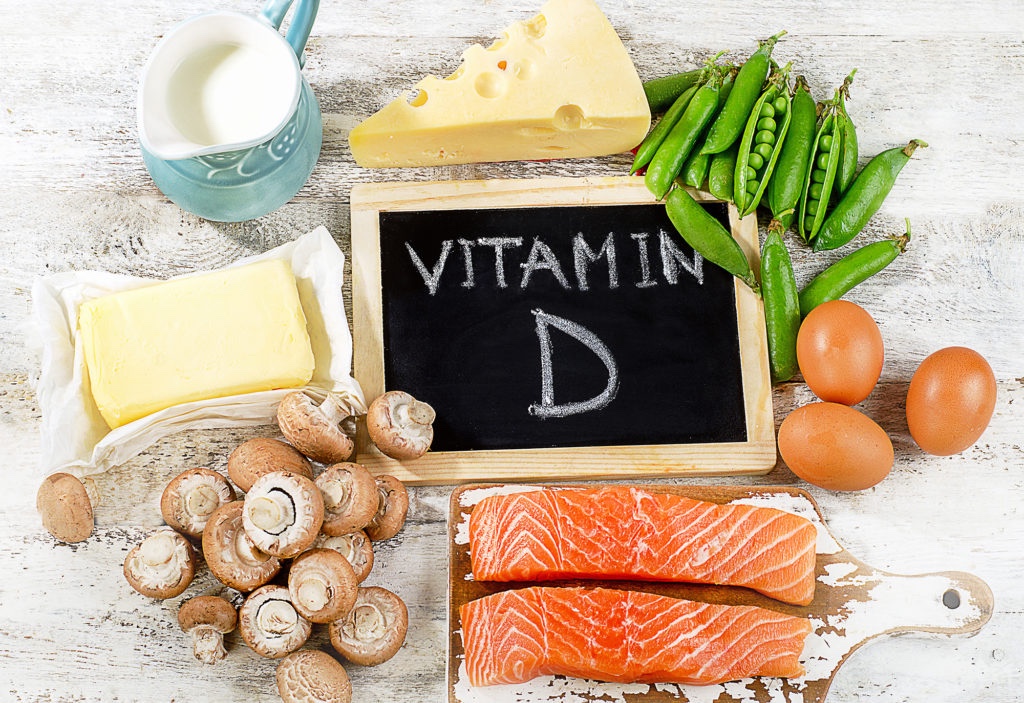
1 Vitamin D: This particular vitamin is anti-inflammatory and is very useful in the development and maturation of Helper and Regulatory T cells which are integral in the immunity defence army of cells. Dietary sources are best and supplements only given under clinical recommendation. Not to forget, sunlight is an important source of vitamin D.Β So, being in the sun for at least 15 mins a day can be very beneficial.

img_0743

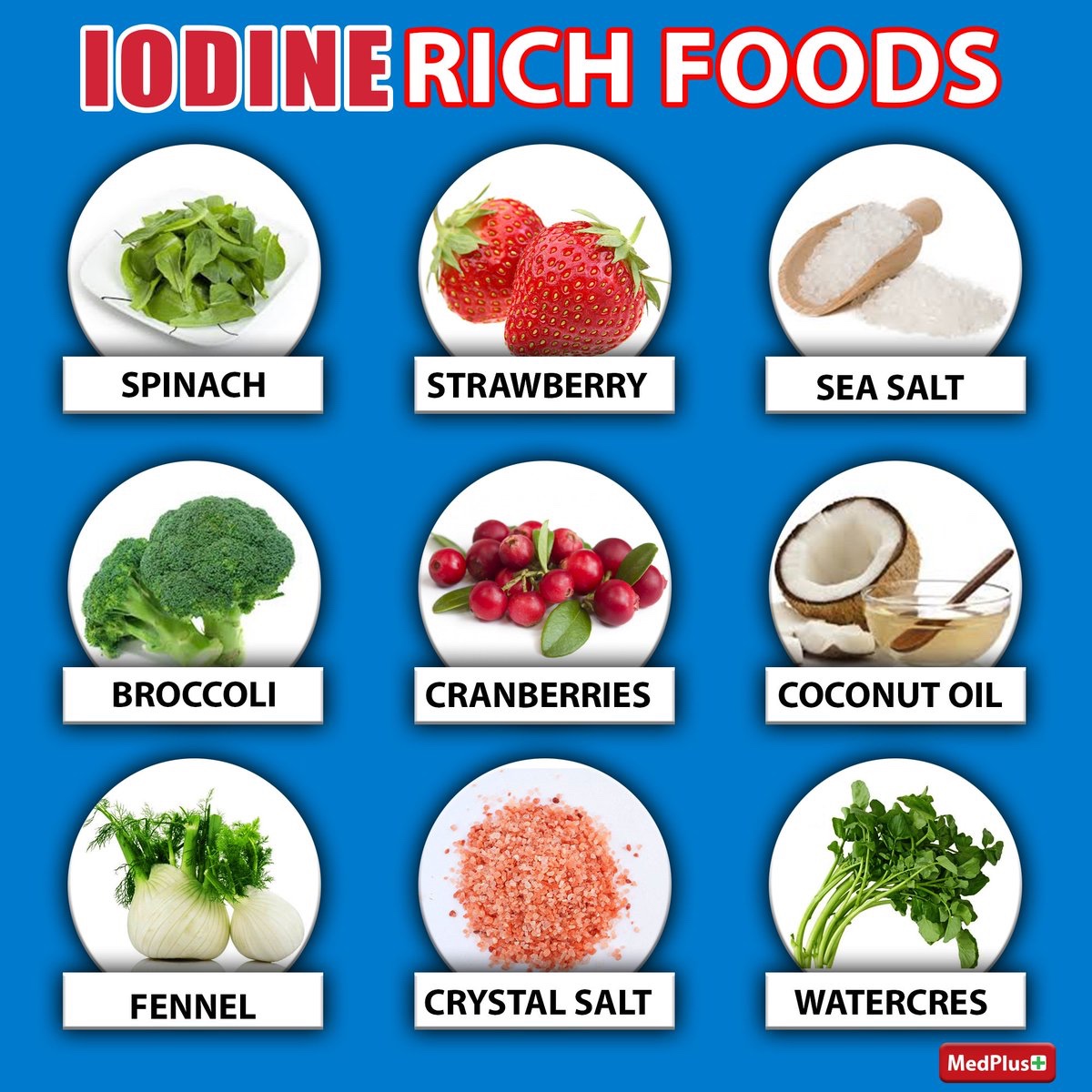
2. Iodine is important because it helps in the process and maturation of Natural Killer cells.

3. Zinc: Another important mineral which greatly supports the immune system and defends us from the invasion of pathogens. Food chart is given in my previous post on Zinc: https://wordpress.com/post/healthhappinesshealing.org/3137

Stress Management mind map
Stress Management mind map, business concept background

4. Stress: Enough has been talked and written about stress which may harm our body and the immune system. Therefore, we need to control our stress level every day by adopting different stress-relieving tips and keep ourselves calm.

Thanks for reading.

Blessings and much love to all πŸ’

Vagus Nerve: The wellbeing stimulator πŸ™Œ

Hello everyone! Have a wonderful day and stay safe πŸ™‹πŸ»

img_0679

Vagus Nerve, is the body’s unique nerve which is by far the most important nerve to be stimulated in today’s time of crisis, threat, anxiety, innumerable stress, pain, tensions. Especially in times of crisis like this Coronavirus Pandemic where people are continuously under the anxiety and fear of falling sick, hospitalization, death.

img_0678

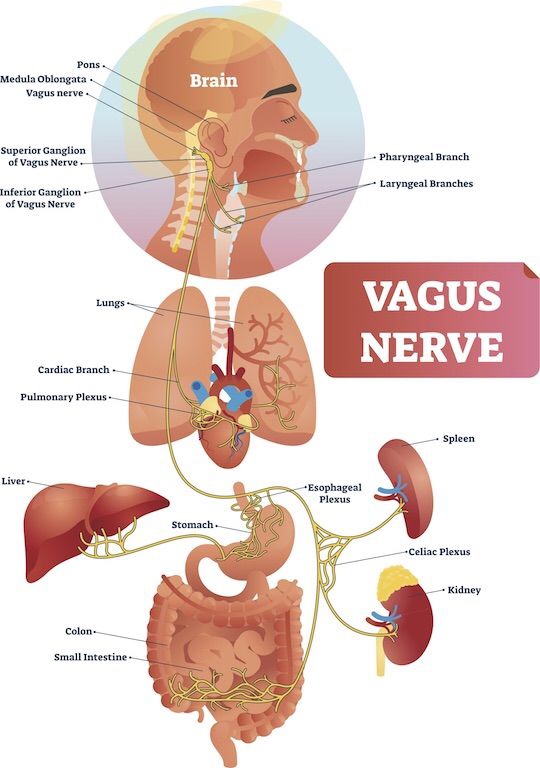
Anatomically, this is the 10th cranial nerve which starts in the brain and runs entirely throughout the body till the reproductive organs. Therefore the name ‘Vagus’ comes which means a wanderer which wander through every organ of the body. It is also the longest and most complex nerve. Just to simplify, it runs from the brain and branch as dorsal and ventral branches with numerous sub-branches running through both front and back of our body touching almost every organ.
But, why is this nerve so important when it comes to wellbeing ? The reason is that this particular nerve is the cynosure of Parasympathetic Nervous system, the ‘rest and digest’ stimulation or the relaxation of the body. It is this nerve which helps the body to self regulate and maintain the homeostasis. It is this nerve which maintains the brain-gut communication. The immune system is rejuvenated and work efficiently. There are the body’s recovery and healing.

img_0676

The Autonomic nervous system has 2 main areas:
Sympathetic Nervous system: This system is mainly responsible for mobilization, high energy state, vigilant state. So, the heart rate, blood pressure, alertness, breathing rate are increased. In such state, there is no energy left for growth, repair and regeneration.

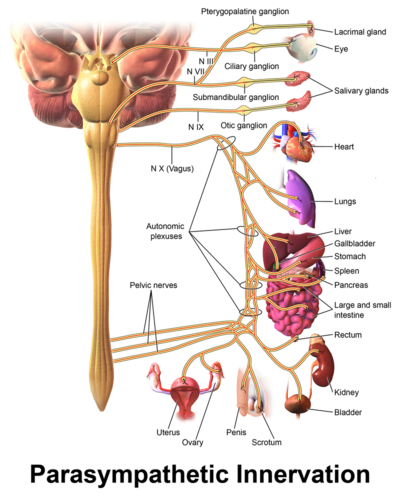
Parasympathetic Nervous system: The vagus nerve is mainly responsible for this system. This is the ‘rest and digest’ state where the metabolism is optimized, heart rate lowers, breathing slows down, blood pressure lowers and the body is relaxed. There is a restoration of growth. repair and the immune system is regulated to it’s highest potential. The body is in recovery and the healing state from any damage that it went through.

Ideally, there is a balance of harmony between the sympathetic and parasympathetic nervous system. Whenever, there is an alert state, a threat, there is an automatic switch-on of the sympathetic system. Once, the threat is gone, there is a switch-off of the sympathetic and parasympathetic system takes the centre-stage. But in today’s time, we, people are so caught up with the day to day stress, anxiety, fear, that throughout the day, the sympathetic system remains in action. There is hardly the switch off. As a result, there is less potential for growth, repair, regeneration, rejuvenation of the body. The immune system is compromised and we become susceptible to disease. Most of the time, or even during an entire lifetime, we remain stuck in the high tone state which is not good for the body at all. We, end up, suffering from various chronic conditions and diseases. Therefore, it’s high time that we realise this default habit in our system and start taking measures to activate the Vagus Nerve (parasympathetic) tone daily for our overall wellbeing.

There are various ways by which the Vagus Nerve get stimulated to maintain the calm relaxed state:

img_0683

1.Social connection: The ventral vagus branch is mainly stimulated by social connection and engagement. By keeping ourselves connected to loved ones, people around with positive emotions like love, gratitude, joy, empathy and compassion, there is the self-regulation of the body-mind connection and the homeostasis is maintained.

img_0680
2.Deep breathing: Baroreceptors present in the heart and upper body around the neck get stimulated by slow deep breathing. Therefore, regulating the breath with slow deep cycles of breaths can instantly stimulate the vagus and lowers the heart rate and blood pressure bringing the vitals to a relaxed state. There are different breathing exercises like the Pranayama in yoga, Win Hoff method and other helpful breathing techniques.If you want to learn more about diaphargmatic breathing, you can listen and understand from audio CD of Dr Andrew Weil

3.Meditation: Meditation and deep relaxation can naturally put our body in the parasympathetic tone. Chanting or humming words, mantras can directly stimulate the Vagus nerve. The singing and chanting in the chorus (like the choir in Church), can increase the heart variability rate and naturally causes relaxation waves in the body. Prayers are highly effective in increasing heart variability rate and maintaining calmness.

beverage-blur-caffeine-coffee-374860
4. Cold exposure: Exposing the body to cold like cold water shower, splashing cold water in the face, drinking ice cold water, sudden cold exposure can naturally stimulate the Vagus Nerve.
5.Message: Having messages like a foot, hand, neck messages along the carotid arteries can naturally stimulate the Vagus Nerve. It also lowers heart and blood pressure.
6.Gargling: This is a simple technique where the muscles of the pallet are stimulated by gargling which inturn stimulates Vagus nerve instantly.

form-523785-unsplash

7.Exercises: Usually mild low-intensity exercises like stretching, Yoga, Tai Chi stimulate and improves the brain-gut axis and helps in relaxation. High intense training should always be done in short intervals followed by relaxation so that the body learns to fluctuate from sympathetic to parasympathetic tone in a quick recovery state.

img_0684
8. Food rich in omega 3 fatty acids and probiotics, fermented food can naturally stimulate the gut which in turn stimulate the gut-brain axis.

woman-wearing-black-sleeveless-dress-holding-white-headphone-1001850
9. Music: Relaxation and listening to the music of your choice can naturally increase the heart variability rate, gives your pleasure, joy which enhances immunity and stimulate the Vagus Nerve.
10. Intermittent Fasting: Intermittent fasting provide the much-needed break, the rest to the digestive process. The metabolism slows down and improves the vagus nerve activity.

Thanks for reading.

Blessings and much love to all πŸ’

Post: How about a smart healthy brain πŸ˜‡πŸ˜, anytime, any age? : 5 ways to facilitate the process.

Hello everyone ! Have a wonderful weekendπŸ™‹πŸ»

Neuroplasticity and Neurogenesis, two terms commonly used when it comes to brain health. We, just don’t need to dive so much into Neuroscience to learn what they mean and how we can help ourselves to keep our brain healthy. Brain health is important because as long as our brain is healthy, we keep learning new things and our memory is intact. As ageing progresses, we can prevent ourselves from certain chronic conditions like dementia, Alzheimers and Parkinson’s disease by maintaining good brain health.

Neuroplasticity, meaning that our brain is continuously changing through our entire lifetime depending upon our experiences, the environment, habits, behaviour. Neural pathways keep rewiring and dewiring depending upon what is necessary and what is no longer useful. Therefore, being in a positive environment, thinking and feeling positive is all very important.

Neurogenesis meaning formation of new neurons, that is our ability to learn new things and retain in our memory. Previously, it was believed that neurogenesis stopped once we reach our adulthood, that is around the age of 20. Now, researches have shown, that neurogenesis occurs throughout our lifetime. So, we can learn until the day we die. In our brain, the neurons are formed from the neural stem cells and progenitor cells which are in the Hippocampus mainly and also in other regions of the brain. Though every day, new neurons are formed, before, they could get matured, many of them get pruned. A special protein BDNF (brain-derived neurotrophic factor) has been identified which is responsible for promoting the maturation, survival and maintenance of the neurons.

So, how do we facilitate this process of neurogenesis and maintain the level of BDNF? 5 simple ways

1. Exercise: Any exercise which can increase the heart rate mainly aerobic exercise, running, brisk walking.


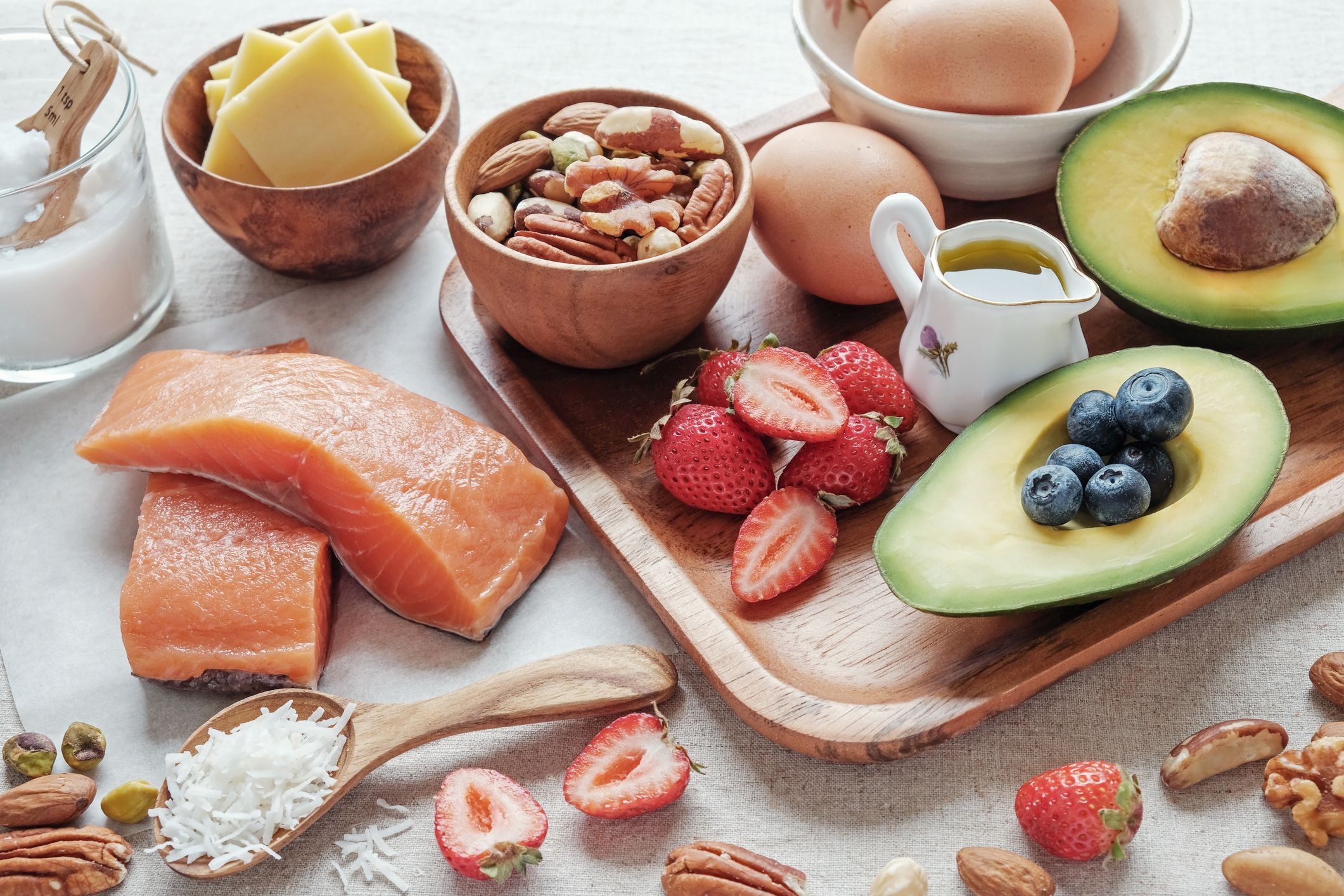
2.Food: Rich in omega 3 fatty acids like fishes (salmon, tuna, sardines), avocados, chia, hemp seeds and nuts. Other sources which help are turmeric, blueberries, goji berries, lotus roots, algae, green tea, coffee. However, too much caffeine is detrimental to neurogenesis.

3.Emotions: Experiencing positive emotions like joy, excitement, love and feeling good, stimulate Neurogenesis. Such emotional experience can appear by being creative, learning a new skill, going out in Nature, proper sleep, listening to Nature sounds, good music and sex. A positive relationship with partners, peers, relatives is helpful. Being in chronic stress, anger, anxiety are detrimental to neurogenesis.

4.Mind stimulation: Cognitive abilities like reading, learning, memorizing, discussing new ideas, taking up music lessons, problem-solving, all stimulate neurogenesis. Cognitive reserve (resilience against brain damage) can be built up by engaging mind stimulating activities or intellectual work.

5.Meditation: Prayers and meditation can stimulate neurogenesis. Practising mindfulness, compassion, being in silence, stillness all facilitate neurogenesis.

Some lifestyle factors which can decrease neurogenesis are a high intake of carbohydrate, sugar, fried foods, inflammatory foods, chronic caffeine intake, smoking, alcohol, obesity, chronic stress, lack of sleep, negative emotions like sadness, depression, lack of engagement, boring life. Direct trauma to the head can be very detrimental to neurogenesis. Nowadays, even environmental pollution is quite hazardous to brain health.

If you are intending to learn more about lifestyle changes that you can do to improve your brain health, I recommend the book: Neurogenesis diet and lifestyle by Dr Brant Cortright

Thanks for reading. Take care.

Blessings and Much love to all πŸ’