
10 facts: Sleep wake cycle linked to cortisol πŸ‘

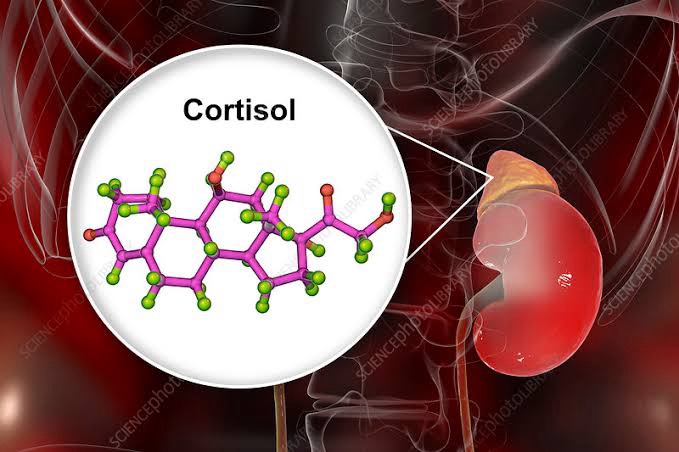
1.Cortisol is a stress hormone released from the adrenal glands, which is ideally secreted during a fight-or-flight response. However, in today’s world, our daily lives are filled with stressful situations, such as competition, comparisons, peer pressure at work, negative people, and relationships stress. As a result, cortisol is released not just in short bursts but remains chronically elevated. This persistent high level of cortisol keeps the body in a constant state of stress, leading to chronic inflammation, sleep problems, and various diseases.
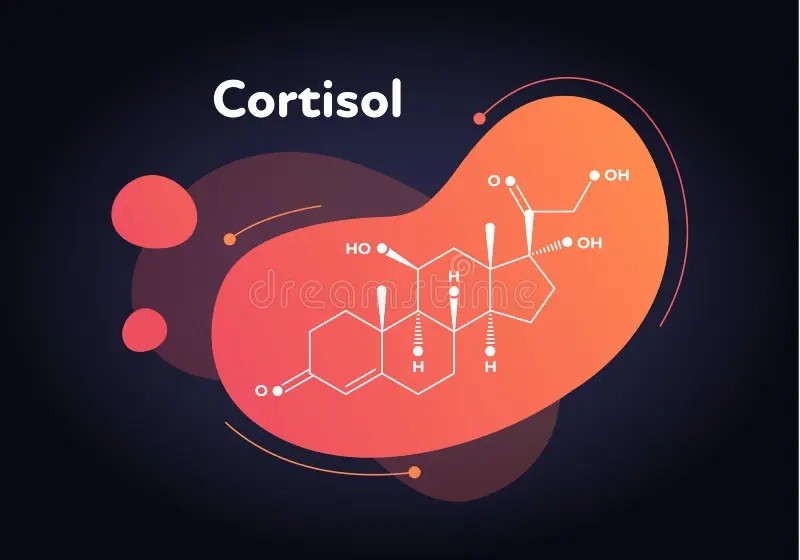
2.Cortisol plays essential role in the body for survival. But when cortisol is elevated for a longer period of time can lead to health issues like weakened immunity, metabolic syndrome and mental health issues. The functions of cortisol are :

– Maintaining blood pressure

– Elevating blood sugar levels

– Regulating the circadian rhythm

– Facilitating the utilisation of energy from carbohydrates, proteins, and fats

– Reducing inflammation

3. Sleep-wake cycle follows a synchronised rhythm with the night and daytime. During the sleep phase, the body goes through different stages, such as:

β€’ Non-REM stage: The phase where the body and mind, being awake, slowly move to a calmer state before falling asleep. Followed by a stage where the body’s core temperature drops, brain waves slow down. After this, a stage emerges where the heartbeat, breathing, and brainwaves slow down, entering a deep state of relaxation.

β€’ REM state: This stage occurs normally after the deep sleep phase. In this phase, people have vivid dreams, and intense dreaming appears. There is weakened muscle activity similar to temporary paralysis. This stage is important as the brain is cleaning out the buildup of waste and toxins.

4. HPA axis: The hypothalamic-pituitary-adrenal axis is responsible for the neuroendocrine regulation. Hormones like melatonin and cortisol from the HPA axis modulate the sleep-wake cycle. When there is disruption of this axis disturb the sleep cycle. Studies show that there are reciprocal interactions between sleep regulation and the HPA axis. Stressful situations like PTSD, emotional trauma, and chronic workload can lead to long-standing sleep issues like insomnia, sleep deprivation, and lack of restorative sleep, which in turn lead to disruption of the HPA axis and vice versa.

Insomnia

5. The HPA axis and sleep have a significant interconnection. Good quality sleep, deep sleep causes an inhibitory effect on the HPA axis, whereas hyperactivation of the HPA axis leads to overload of glucocorticoids, wakefulness, and loss of sleep. Sleep disorders related to HPA dysfunction are:

β€’Insomnia is a common sleep disorder which is found to have a connection with an increase in ACTH and consistent cortisol levels and arousal of the central nervous system.

β€’Obstructive sleep apnea or daytime sleepiness has been associated with elevated pro- inflammatory cytokines, IL-6 and TNF.

Weight gain

6. Elevated cortisol level: Studies show that sleep deprivation has a direct connection to elevated cortisol levels, long hours of wakefulness in the daytime, glucocorticoid overload, and disruption in the HPA axis. These directly affect the well-being of the individual and increase the risk of obesity and type 2 diabetes. Other symptoms of elevated cortisol levels are:

β€’ Weight gain

β€’ High blood pressure

β€’ Weakness of bones

β€’ Muscle weakness

Stressed

7. Cortisol level: Normally, there is a spike of cortisol level in the morning, known as the awakening response, and it continues for about 60 minutes thereafter. Then, gradually the level-starts dropping and reaches the lowest level towards the evening/midnight. The factors which can affect the cortisol levels are:

β€’ Stress

β€’ Disturbed routine sleep schedule

β€’ Morning light may cause the surge

β€’ Cushing’s syndrome

Overworked/ stressed

8. Stress and cortisol level: Cortisol is a steroid hormone which is released from the adrenal glands in the body’s response to stress. Cortisol also releases sugar from the liver to combat stress. In addition to this, sleep and stress are also closely linked. Prolonged stress can lead to sleep disorders like acute insomnia. The types of stress when cortisol is secreted are:

β€’Short-term stress

β€’Long-term stress

β€’Trauma, both psychological and physical.
Dark chocolate

9. Food and cortisol: Certain foods can support gut health, reduce stress and lower the cortisol level naturally:

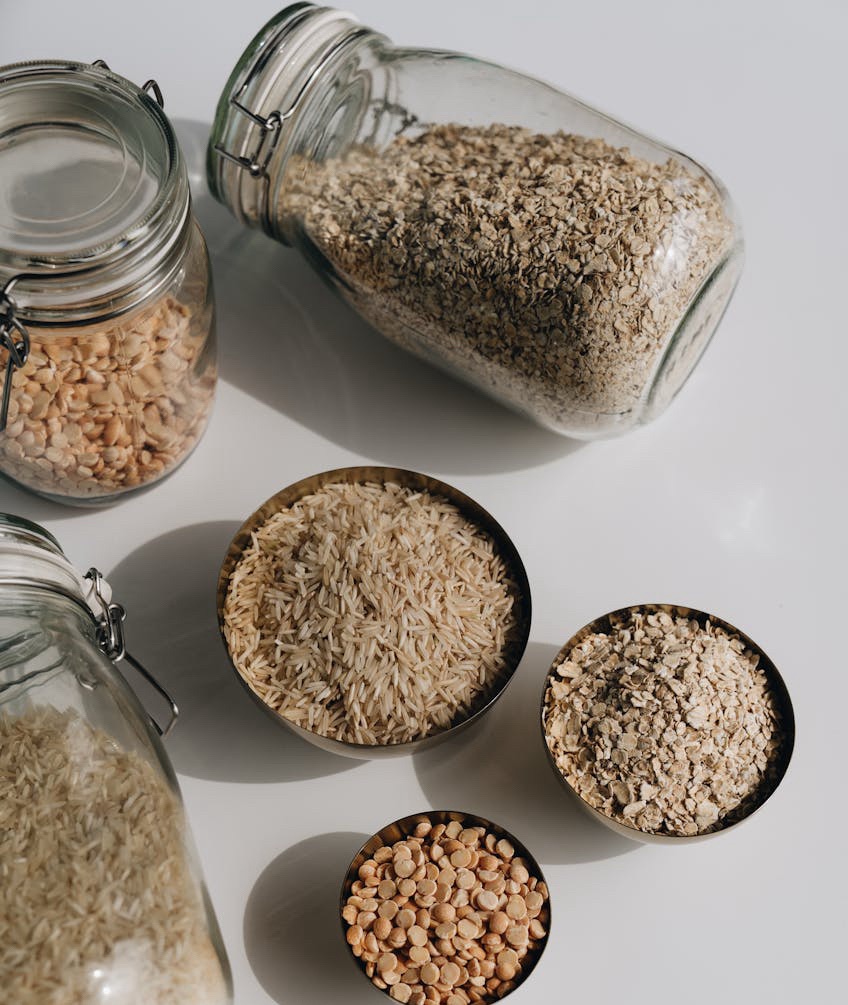
β€’ Whole grains and natural fibres – Whole grains are rich in polyphenols, which can support gut health and reduce stress and cortisol. Fibrous foods like vegetables, fruits, and berries contain both polyphenols and antioxidants that help reduce cortisol levels.

β€’ Dark chocolate (70 – 80%) – Flavonoids in dark chocolate can lower the stress response and cortisol from the adrenal glands.

β€’ Green tea contains polyphenols, catechins, and L-theanine, which can lower stress reactivity.

β€’ Probiotics/Prebiotics are linked to healthy gut health, reduce stress and cortisols.

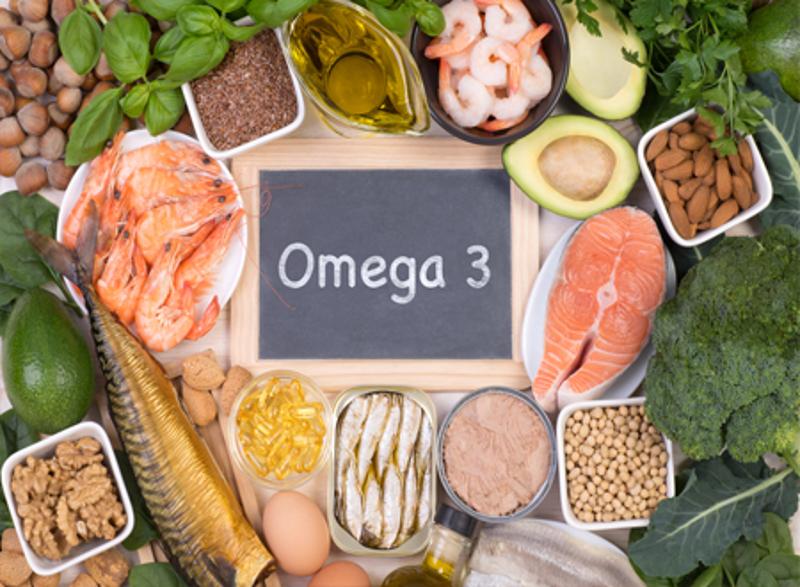
β€’ Healthy fats in nuts, fatty fish, and seeds rich in omega3-fatty acids reduce stress and support mental health.

β€’ Water – Consuming water throughout the day prevents dehydration and controls the cortisol level.

Meditation
Community/ kindness/ volunteer work

10. Natural habits that can keep the cortisol level under control:

β€’ Good sleep routine – Firstly, keep away from cell phone or any kind of distraction at least 1 hour before bedtime, avoiding alcohol, caffeine intake and nicotine 5-6 hours before bedtime, maintain a bedtime schedule; going to bed and waking up the same time every day is important for sleep hygiene.

β€’ Daily routine exercise, nature bathing, walking or any kind of physical activity.

β€’ Practise deep breathing techniques like Pranayama, mindfulness breathing, Meditation, yoga, tai-chi.

β€’ Maintaining your mental health by managing your personal relationships, staying away from negative people and a negative environment, cultivating hobbies, laughing, and listening to music.

β€’ Spirituality – believing in spiritual faith, attending spiritual workshops, meditation, community spirit, kindness /charity /voluntary works, helps maintain cortisol levels.

Thanks for reading.

Peace and love πŸ™

15 Alkaline Foods πŸ™Œ

Hello everyone ! Have a wonderful and safe day πŸ™‹πŸ»

The body requires and functions at an optimal level when in an alkaline ph environment. But unfortunately, due to eating unhealthy foods like junk foods, fried food, processed foods and foods with high sugar content, the body turns acidic and disturb the ph balance. This state of imbalance can lead to several diseased conditions like heart diseases, cancers, skin disorders, autoimmune conditions, allergies, and the list can go on and on. The simple solution to this problem is avoiding the unhealthy food items and daily intake of alkaline food in our diet, which can correct the imbalance and maintain an alkaline environment.

15 foods that can be included in our daily diet to maintain an alkaline ph :

1.Bananas: High in potassium content and helps to maintain an alkaline ph.
2.Cucumber: They can neutralize acids and facilitate digestion. It is loaded with vitamins and minerals and is anti-inflammatory. It is also high in water content and keeps our body hydrated.


3.Lemon: Lemon contains citric acid, which is usually acidic. But when metabolized, helps to alkalinize the ph in the body. They are high in calcium, irons, minerals, vitamins mainly B complex. It is antibacterial, antiviral, immune boosters and good for skin health.


4. Watermelon: It is packed with nutrients which can be extraordinarily alkaline and improves the overall health.


5. Blueberries: Berries are high in antioxidants, high alkaline foods and are proven to have health benefits for heart, brain, and anti-ageing.


6.Kale: Among the green leafy veggies, kale is one of the healthiest options. They are highly alkaline, rich in flavonoids which have anti-inflammatory and anti-cancer properties.
7.Garlic: Allicin, the compound in garlic is an antibacterial, antifungal, antiviral, antioxidant. Also loaded with vitamins and minerals, garlic acts as a detoxifying agent by increasing the glutathione that helps to filter toxins. It also helps to maintain an alkaline ph in the body.


8.Avocado: Rich in healthy fats, dietary fibres, minerals, vitamins, they flush out the acidic toxins and waste and maintain an alkaline environment.


9.Almond: Most nuts are healthy, but almonds are the most nutritious option which has high calcium and iron content. It is an excellent alkalizer.


10. Apricots: Both raw and dried apricots are high alkaline food and nutrient-dense.
11. Cayenne Pepper and Jalapeno: They are high in alkaline content which is anti-inflammatory, and antioxidant properties which help to fight toxins. Thye also increases endorphins in the body.
12. Tofu: They are rich in proteins and isoflavonoids and helps to maintain an alkaline balance.
13.Sea vegetables: All varieties have a different range of benefits, but all are excellent alkaline foods. They are also rich in iodine.
14. Beet greens: They are one of the richest alkaline food. Beets greens can be added to salads and smoothies.


15. Green beans are considered alkaline food besides their high nutritional value.

Thanks for reading.

Blessings and much love to all πŸ’

Boron: Benefits πŸ™Œ

Hello everyone ! Have a wonderful week ahead πŸ™‹πŸ»

Boron is an underappreciated mineral which we have hardly known in the past. It is a trace mineral which is usually absorbed by our body from different dietary sources. As the soil is depleted from many trace minerals, including boron, we have started to realize it’s relevance. Its role is quite significant in our body as it takes part in many vital functions besides its essential health benefits.

The essential health benefits of boron:
1.Boron is necessary for the uptake of calcium, magnesium and phosphorus in the body, thereby improves the bone strength and health. It boosts the activity of the bone-building cells called the osteoblasts.
2.Boron is essential to increase the status of vitamin D3 in the body. Vitamin D3 is a steroid which is synthesized from cholesterol when exposed to sunlight. Vitamin D3 is necessary for bone mass and prevention of heart disease and depression.
3.Since it has a robust anti-inflammatory effect; it helps to lower the risk of cancer development. Research has shown that dietary boron intake is inversely correlated to the incidence of lung cancers, breast and cervical cancers and Prostate cancers too. Because of this anti-inflammatory property, boron supplementation, when recommended in the case of osteoarthritis, have shown drastic improvement.


4.It’s daily intake can improve the overall brain functions associated with attention, perception, memory, encoding and eye-hand coordination.
5.Boron helps to boost the sex hormones in the body. In the case of women, it helps to maintain the optimal level of estrogen in the body. In the case of men, it can help to increase the free testosterone level by lowering the level of sex hormone-binding globulin (SHBG).
6.It facilitate and improve the metabolism of iron in the body, thereby preventing and improving Anaemia.
7.It helps to increase energy production and supports the immune system.

The daily requirement of boron is about 1 mg which can be consumed from dietary sources of fruits and vegetables. Boron supplementation is required when clinically recommended, usually in case of elderly or in inflammatory conditions like osteoarthritis.

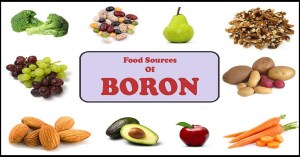
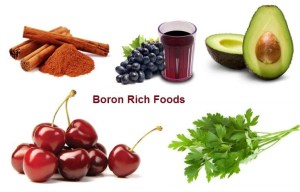
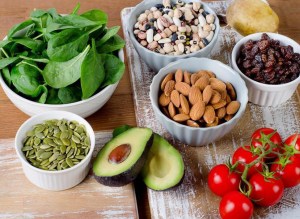
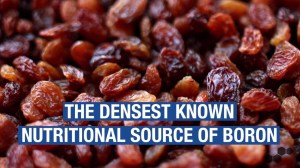
Sources are Fruits, tubers, legumes, Avocados, seeds, nuts, mushrooms, raisins, Shellfish.

Thanks for reading.

Blessings and much love to all πŸ’

https://1ebe8azgthl-ykqqpg-si0l4yb.hop.clickbank.net/

Post: 3 ways to switch into the anti-inflammatory lifestyle

Inflammation is a body’s normal immune response to injury, wound or disease to protect, defend, fight and repair against the damage. It is our body’s defence mechanism on the cellular level. When we are young, the body’s immunity is at an optimal level. But as we grow older, though the body’s cell renewal process goes on, the immune system slowly decline if we do not take proper care.

So as we grow older, not only we have to maintain a healthy lifestyle but also consider the anti-inflammatory aspect of living a healthier and disease-free life.

Risk factors of inflammation are chronic stress, anxieties, depression, pain, anger, hurt, fear or most of the negative emotions. Other important risk factors can be unhealthy food habits like bingeing habits, fat (omega 6 fatty acids) rich foods like soy, peanuts, mayonnaise, plant-based oils ( sunflower oil, grapeseed oil, vegetable oil), alcohol, refined sugar. Sedentary habits, with no or very less physical activities, are all pro-inflammatory.

Some more pro-inflammatory factors like processed foods, heavy metals, pollutions, smoking, drugs and disturbed or toxic relationship.

So, how do we incorporate the anti-inflammatory aspects of our lifestyle?

1.Less is more: The more we lead a simple basic life, the better and longer, we can live healthier and happier. Essentially basic life, meaning, eating well, sleeping well, a good amount of physical activity in the daily routine. Keeping away from any negative emotions as much as you can. Staying away from stress and anxieties as much as practically possible. Living a life of Gratitude and contentment are the keys.

2.Wholesome diet: Plant-based food, plenty of vegetables, fruits to have daily, whole fibres are all good. Certain known anti-inflammatory foods like food rich in omega 3 fatty acids ( fishes like salmon, sardines, tuna), avocado, olive oil, whole grains like brown rice, quinoa, buckwheat, dark chocolate, nuts, berries,chia seeds. Spices like ginger, garlic, turmeric, cinnamon all have anti-inflammatory properties.

3.Physical activity: Workouts and gymming are all very good in keeping the body shape and weight at check. But the important part is you should also keep your cortisol level (stress hormone) in balance. It’s always wise to avoid heavy workouts which can shoot up the cortisol level. Because stress hormones are risk factor responsible to contribute to chronic inflammation. Design your workout and physical activity routine plan as the way you are comfortable and as far as you enjoy doing them. Yoga is another practice which has a lot of stretchings as well as help to keep your mind at peace.
Don’t forget to meditate daily which gives you the much needed mental peace and solace.

Post: Moringa, the new superfood. 5 proven health benefits.

Moringa oleifera, a native plant of Northern India, also grows in tropical regions of southern Asia, South America and Africa have been in the health trend for its tremendous health benefits. It has been there for thousands of years, as a dietary supplement. Alternative names being popular as drumstick tree, or horseradish tree or ben oil tree.

Science-based studies have proved recently that this plant, its leaves, fruits and seeds have many health benefits and can be regarded as a superfood.

Many households in India, Africa uses the fruits, seeds, leaves for cooking. Otherwise, it is available in powdered form, pills, capsules as supplements.
5 known benefits:

1.Dietary supplement: The moringa contains a variety of vitamin, protein and minerals. Vitamins mainly B1 (thiamine) B2 (riboflavin), B3 (niacin) and B6. It contains Vitamin C and folate. Loads of minerals like magnesium, phosphorus, calcium, iron and zinc. It has no harmful cholesterol. Moringa seeds are rich in antioxidant properties and so help in protecting skin and hair.

2.Helps in weight loss: Research shows that moringa extract helps in weight loss. It’s high vitamin B content facilitate digestion. It lowers cholesterol and helps the digestion of fat and prevent storing of fat. It has anti-inflammatory properties. It lowers cholesterol, due to compounds like isothiocyanate and niaziminin. It helps maintains the blood pressure so, good for cardiovascular health.

3.Improve haemoglobin level: Moringa extract contains iron and folate so helps in treating anaemia and sickle cell disease. It also helps the body to absorb iron, so help increasing the red cell count.

4.Medicinal: Moringa extract has been found to heal wounds. Since it has anti-bacterial, anti-viral and anti-inflammatory properties, it has been found to fight against bacterial diseases, gastritis, ulcerative colitis. It has shown to improve lung function so helps in asthma. Since, it improves the haemoglobin level, reduces blood glucose so helps to treat diabetes.

5.Wellbeing: Due to its antioxidant properties, releases the toxicity from the kidneys so contribute to kidney health. Improves eyesight by dilating the retinal vessels, preventing retinal dysfunction. Due to its richness in calcium and phosphorous, it contributes to bone health. It also found to help in mood disorders, depression and anxiety. It has anti-cancer properties. It also prevents liver damage.

Risks :

Before, taking any supplements, it is important to inform and discuss with your physician. Many people are on regular medication for hypertension, diabetes or antidepressants, so there may be chances of drug interference when taken along moringa extract.

Before, buying the supplement, it important to read the labels for any kind of additives and the quantity to be used.

It has anti infertility properties so contraindicated for pregnancy.