


In general, we are exposed to arsenic daily. Not only through food, but also through air pollution, smoking, contaminated drinking water and so on. Rice is the most common dietary source of arsenic, along with fruits, vegetables and grains. Rice and rice-based products are vulnerable to arsenic contamination because of the method of cultivation, especially from the soil and irrigation water in paddy fields. Therefore, white rice, brown rice, rice snacks, rice milk, infant food and rice cereals are all found to have arsenic.

1.Yes, rice eating can give arsenic exposure, depending on the contamination levels, which can be a health concern in the long run. Arsenic contamination levels in rice can vary based on sources, brands, farming methods, and the use of fertilizers and pesticides.Therefore, it is a potential health hazard, especially for rice-eating countries, mainly in Asia. Consistent arsenic exposure can affect different organs, the nervous system, gastrointestinal system and can even cause cancer. Not many studies have been done so far, but research has confirmed that rice contains a relatively high level of inorganic arsenic, which can be toxic and carcinogenic.
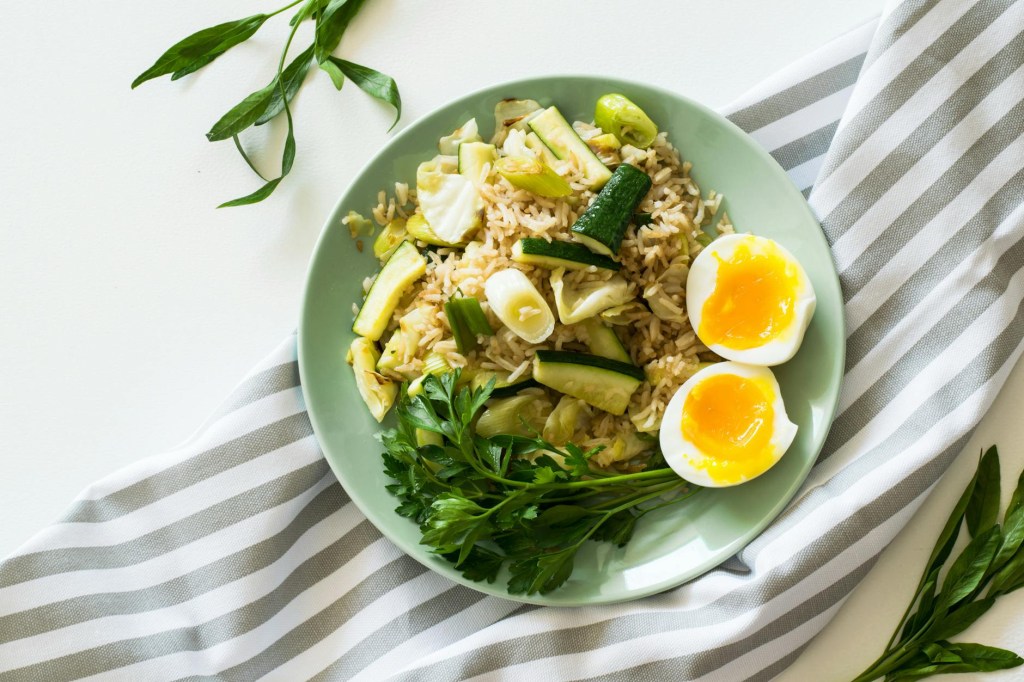
2. Rice has been a staple diet for centuries in Asia, unlike in Europe and America. There are different varieties of rice in which the arsenic levels can differ. According to research studies, different varieties of rice can have different levels of inorganic arsenic, such as:
•White long-grain rice (regular type) contains a higher level of mean arsenic concentration (ppb) as compared to medium or short varieties of regular white rice.
• Pigmented rice, like red rice or black rice, may have a slightly lower level of arsenic than regular white rice in many regions.
•Usually, brown rice, which has a bran and germ covered, is found to have higher levels of arsenic than regular white rice.
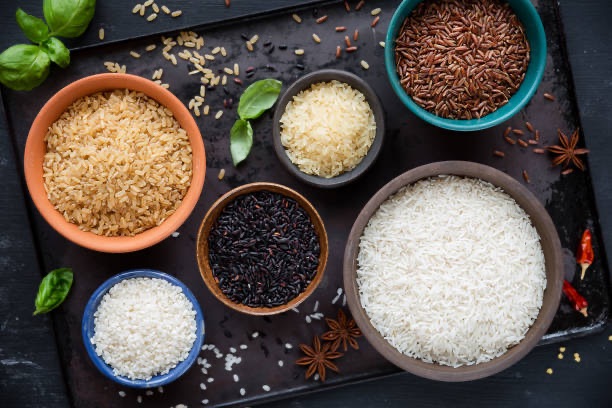
3.Research has found that brown rice, red and black rice have around 154 ppb of arsenic concentration, though the quantity varies depending on where they have been sourced. The white rice relatively has a lower quantity of 90 ppm of mean arsenic concentration. Arsenic is a heavy metal which is water-soluble, so the sources are many. It can be contaminated through soil originating from volcanic eruption, mining, power production and other geothermal activities, from irrigated water sources, pesticides, fertilisers and environmental pollution.

4.Different varieties of rice with mean arsenic levels, but the quantities may vary from region to region:
• Arsenic levels are higher in rice grown in the United States and some regions of Europe than in Asian countries like India, Pakistan or China.
• Aromatic rice, like Basmati and Jasmine rice, has a level of around 50-80 ppm, less than regular long-grain rice.
• Medium and short grain white rice contain 80-90 ppm as compared to long grain rice.
• Coloured grain rice, like brown and black rice, contains around 90 ppm.

5.Sources: Organic arsenic can be found in some seafood, seaweed is less toxic than inorganic arsenic, which is found in rice, grains and vegetables. Heath risk of having inorganic arsenic- contaminated rice and other food items can cause heart diseases, stroke, diabetes, cancers, skin and nerve diseases. Arsenic-contaminated infant food and cereals are very toxic to infants and growing children as they can interfere with the growth and development of the brain and nervous system, leading to autistic spectrum disorders, kidney diseases, and gastrointestinal system disorders.

6.Arsenic is odourless and tasteless, water-soluble, and easily absorbed in various food items. Besides, rice, vegetables, grains, arsenic can also be contaminated in poultry, such as chicken meat and eggs. When arsenic-contaminated feed is given to poultry, the arsenic is absorbed by the chicken meat and eggs. Additionally, arsenic-containing drugs administered to poultry and farm animals can lead to contamination, posing a hazard to human consumption.

7.Cutting down rice and grains, and vegetables from the diet is not a solution, as these items are very much part of the staple diet because of nutritional value in a major part of the population around the world. So, the different methods by which arsenic contamination can be reduced in the diet are:
•Sourcing the rice from less contaminated regions, also known brands, where the manufacturer mentions on the package.
• Using the type of rice, such as white regular, short and medium-grain white rice. Cooking brown rice with appropriate method.
• Correct method of cooking.
• Alternative use of whole grains like millet, quinoa, oats, and barley.


8.Typical way of cooking rice, where the water dries out, does not change the arsenic level in rice. Instead, an appropriate method of cooking the rice can reduce the arsenic contamination by 50-60 per cent:
• Overnight, soak the rice and drain the excess water.
• Using a larger quantity of water, like a 6:1 to 10:1 ratio, to cook the rice rather than the regular water level.
• Boil the rice and discard the excess water.
• Cook the rice in a pot slowly rather than in a pressure cooker.

9. Unpolished brown rice naturally contains nutrients and vitamins. Many white rice brands fortify the rice with different nutrients and vitamins, too. Rinsing and draining the excess water after boiling causes a lot of water-soluble vitamins and nutrients to be lost. For instance, rinsing white rice thoroughly causes a considerable amount of folate, niacin and vitamins to be removed from the rice. But in the case of unpolished brown rice, the nutrients and vitamins remain inside the bran covering. So, rinsing the brown rice does not affect the nutrients. Hence, brown rice is still healthier than white rice.

10. Therefore, raw, unpolished brown rice can be thoroughly rinsed, cooked in a pot slowly with a large amount of excess water, like pasta in the ratio of 10:1, which can reduce arsenic concentration by 50-40 per cent. At the same time, the quantity of folate, vitamins and minerals in the boiled brown rice remains intact. In this way, the baseline risk of cancer and health hazard reduces by about 60% which is suitable too. So, eating unpolished brown rice, pigmented rice and aromatic white rice can be suitable with the appropriate method of cooking. Also, using alternative grains like quinoa, millet, and barley is considered a healthy option to be included in the diet routine.
Thanks for reading.
Peace and love 🙏











 3H:health,happiness,healing