
10 facts behind this human behaviour: Why act of cleaning is deeply satisfying?

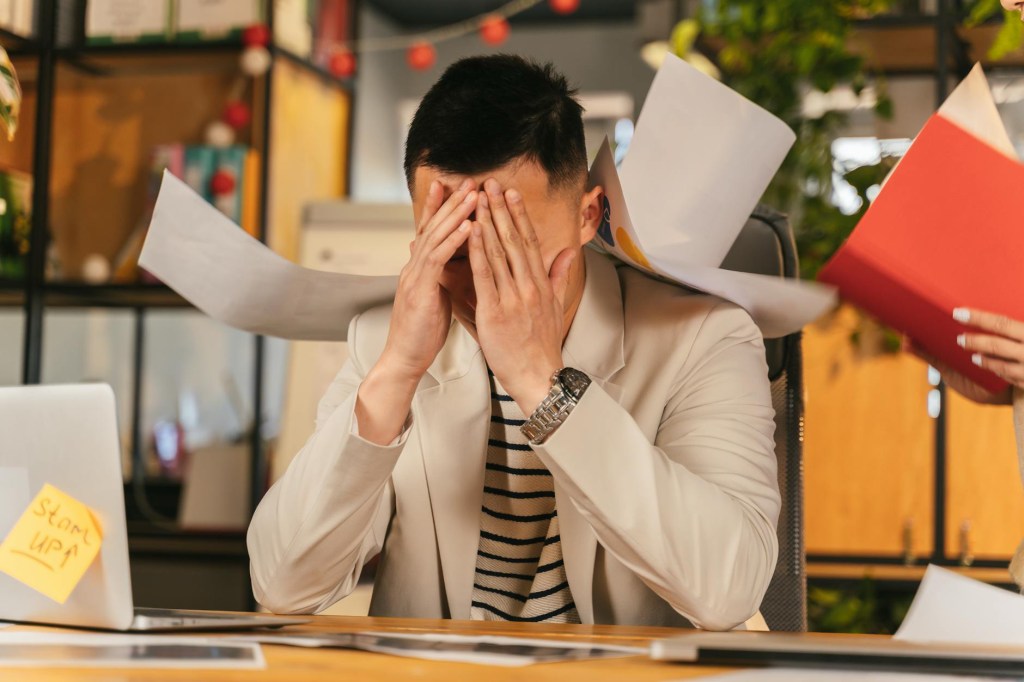
1. Organizing or cleaning your space, room, or home isn’t about tidiness, but being in control of a world that feels otherwise uncontrollable. It’s about a mental state with clarity, being organized and being at peace with oneself. Psychologically, the environment we live in reflects our mental state. In a world full of everyday stress, chaos, and overwhelming uncertainties, cleaning becomes a tool, a therapy to make ourselves feel organised, meaningful and at peace. Clearly, this act can help reduce stress hormones and release endorphins, which can lift the mood.
2. Many people, even after a stressful day, have a habit of cleaning and tidying their stuff after reaching home or their living space. Psychologically, when emotions are overwhelming and stressful, our brain tries to do things which are tangible, grounding, and clarifying, which makes us feel more in control. These actions give the brain a sense of relief and stability, an escape in an otherwise uncontrollable world.

3. In the brain, activities like reorganising the bookshelf, arranging the office table, cleaning and tidying the home, folding clothes in the closets, cleaning the kitchen, washing the dishes, vacuuming the floor stimulate the parasympathetic nervous system, the reward system, releasing dopamine, the happy hormone. These small acts instantly feel rewarding, light and happy. A tidy living space, home, or office gives the subconscious mind a feeling of security, stability, and organization.

4. Psychologically, on the flip side, a disorganised, messed-up space gives the mind a sense of cluttered thoughts, incoherence, ambiguity, confusion and anxiety. In an already stressful, loud world, you feel more overwhelmed, stressed, where things and people are unpredictable, uncertain and reactive. So, for a change, cleaning, organising, and rearranging makes people feel instantly happy, stable, predictable and certain.

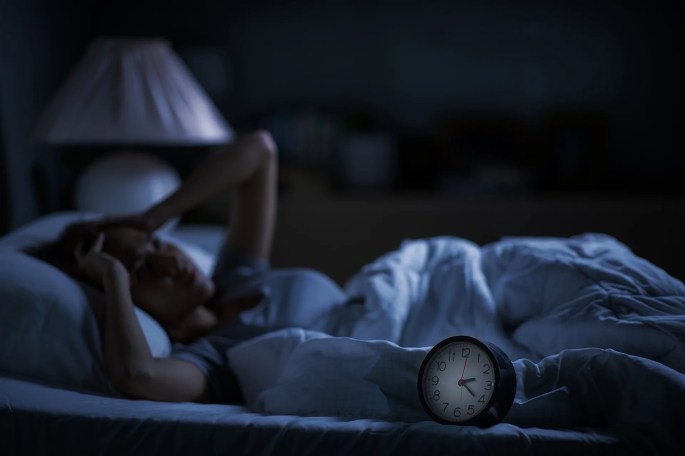
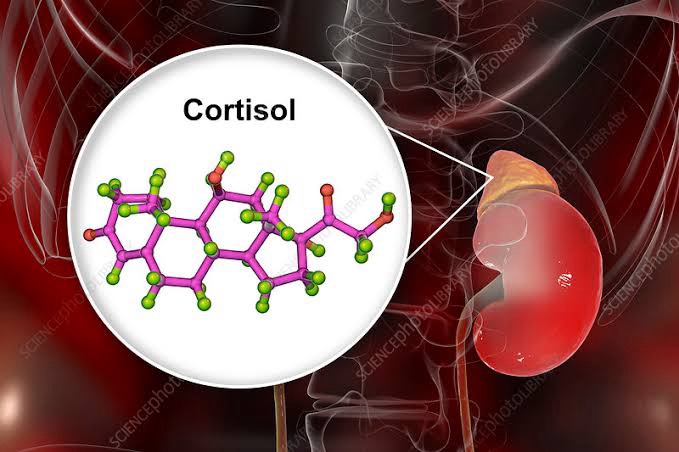
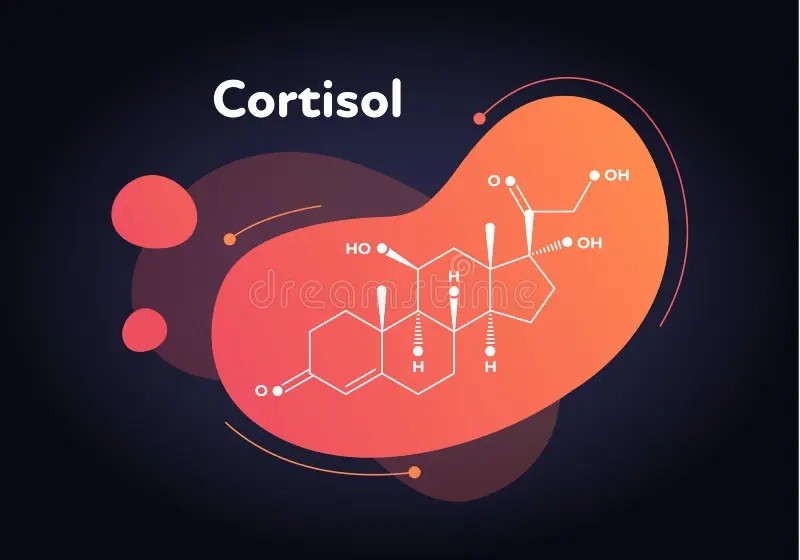
5. Research shows that a cluttered, anxious, stressful mind raises the cortisol hormone. On the other hand, the environment we live in reflects our mental state. So, a messy, cluttered space clearly affects our mental state. The subconscious mind feels confused, lacks clarity, and is incoherent in a disorganised space. So, rearranging the room, furniture, things, clothes, books gives an instant emotional high, certainty and sense of control. The truth is, cleaning isn’t about habit, it’s about emotional regulation, choosing to change the emotional responses of stress, anxiety, chaos to stability, calmness and clarity.
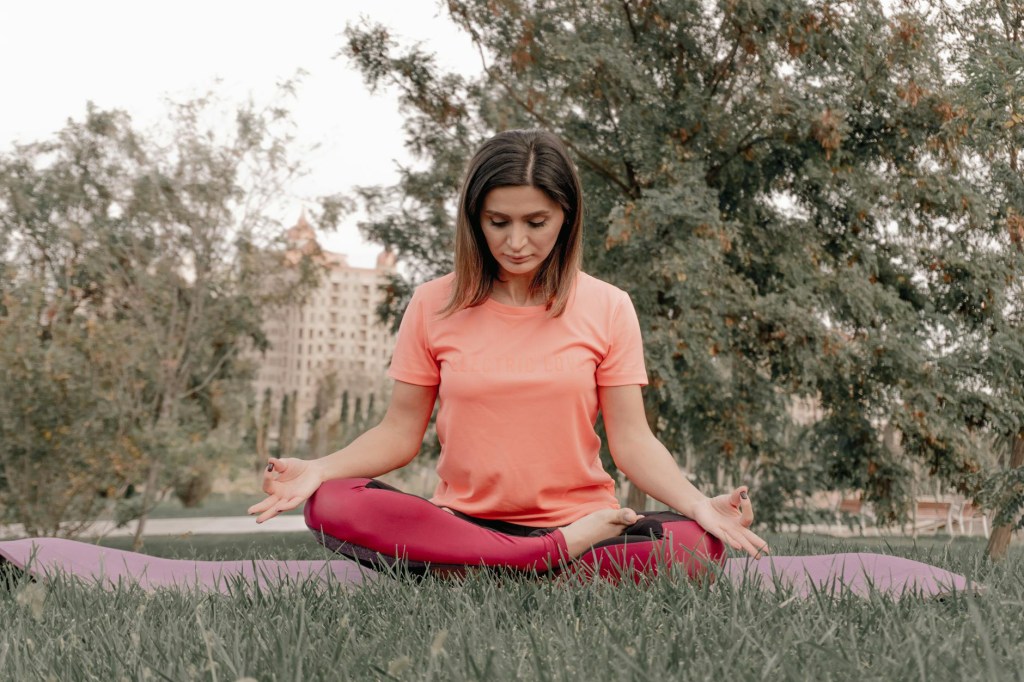
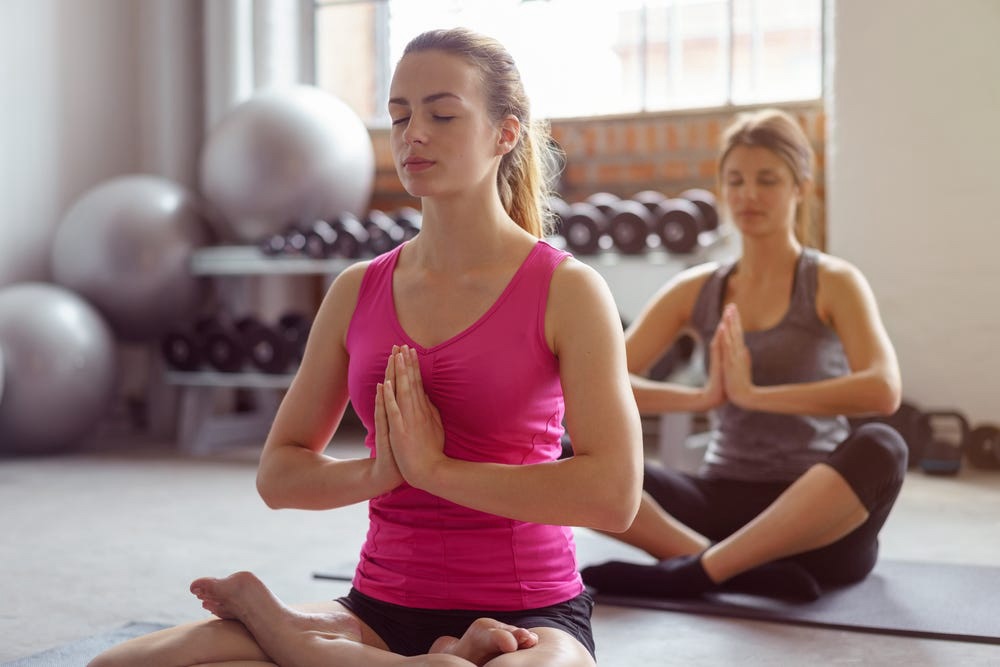
6. Emotional regulation, by definition, is the ability to regulate our emotional responses from a state of uncontrolled, overwhelming situation by making behavioural changes with a healthy coping mechanism to a state of emotional grounding, stability and a sense of control. Examples of emotional regulation are deep breathing, going for a walk, journaling, light exercise and doing tasks like rearranging the books, furniture, cleaning the kitchen, doing the dishes and so on. It’s the ability to change a negative situation’s impact to a more productive and fulfilling one.

7. The strategies of emotional regulation can be summed up as :

• Recognise: Identifying the emotions like anger, anxiety, ambiguity and incoherence.

• Respond: instead of reacting negatively, changing the situation’s impact to a more productive, controlled and tangible behaviour like going for a short walk, rearranging the books on the shelf, cleaning the mess, folding clothes in the closet, cleaning or mopping the floor or any similar activity.

• Reappraisal, like changing the emotional response to more rewarding outcomes like stability, calmness, sense of control and certainty.

• Reflecting on the change of behaviour and situation gives deep satisfaction and happiness.

8. Activities like cleaning a room, realigning a corner, rearranging books, furniture, cleaning a countertop or mopping the floor are not just tidying or organising acts or behaviour but something more deeper as emotional relief or emotional satisfaction. It’s about reconnecting oneself, bringing a sense of control, stability in a world of external chaos, a stressful day or an overwhelming situation. So, for many people, organising and cleaning their home or their living space becomes a daily emotional ritual and therapeutic.

9. People who keep doing such activities, while they keep performing the acts, they also process their emotions, release the stressful thoughts, anxiety, ease the confusion, bringing more clarity and stability. In fact, by doing such activities, as the visual clutter slowly fades away by physical actions, internally, the mental clutter slowly subsides, emotions and thoughts become more under control, and thinking becomes clearer and regulated.

10. To sum it up, in a world full of uncertainties and unpredictability, organising, rearranging, and cleaning gives an instant outcome which the brain interprets as safety or being under control. When a book or a thing is placed exactly where it belongs, refolding a dress and placing it back in the closet, cleaning the otherwise dirty countertop, it’s like reconnecting with oneself, which gives the subconscious mind that instant boost or reward of comfort, safety and stability in an external world of chaos or an uncontrolled environment.

Thanks for reading.

Peace and love 🙏

Silent Sunday 💚

Peace and love 🙏

Silent Sunday 🌻

Peace and love 🙏

10 facts to know about Vitamin D linking to mental health🧠

Vitamin D deficiency is critical for both physical and mental health. Here are some facts to understand the impact of vitamin D on mental health.

1.Several research studies have concluded that low vitamin D levels are directly linked to anxiety, mood changes, depression and cognitive dysfunction such as impaired memory, sadness, weight loss and loss of appetite. Studies have not shown that vitamin D deficiency causes depression but people who suffer from depression do show low levels of vitamin D.

2. Vitamin D mainly maintains the body’s calcium homeostasis. It is also crucial as a neurosteroid hormone and plays a significant role in maintaining normal brain functions and helping in brain development. Therefore, numerous studies have shown that hypovitaminosis D is linked to depression and neurocognitive disorders.

3.Some studies have shown that seasonal affective disorder (SAD) is more prevalent in winter as there is a lowering of Vitamin D levels in the cold season. Lack of exposure to sunlight in winter months is shown to increase the incidences of depression, mood changes and anxiety issues.

4. Rising cases of suicide have been a common risk factor for low vitamin D levels (psychiatric times.com).A research study in 2023 found a correlation between low vitamin D levels with cases of suicidal behaviour. Therefore, vitamin D supplementation is mandatory for all those who have low levels can help to address mental health issues and prevent cases of suicide thereby saving lives.

5.As mentioned earlier, Vitamin D is required for normal brain development. Vitamin D supplementation is essential in childhood for overall brain and cognitive development. Low levels of vitamin D have been found in many cases of ADHD (attention deficit hyperactive disorder). Improved levels of vitamin D by supplementation have shown marked improvement in symptoms of ADHD children.

6. Vitamin D deficiency has been found to have a direct correlation with adult schizophrenia. Studies show that it is quite common to have in individuals with poor nutrition, elderly persons, people living in regions with insufficient sunlight, or during pregnancy. So, it is important to routinely check the levels of Vitamin D to reduce such risk factors. Correction of the levels of vitamin D shows marked improvements in symptoms of such mental illness.

7. Vitamin D acts as a neuroprotective neurotransmitter and helps to maintain the functions of neurons and glial cells of the central nervous system. So, administrating Vitamin D helps to reduce the oxidative stress and neurotoxicity on the cortical neurons. Therefore, controlling the neuronal inflammations helps to reduce many psychiatric illnesses.

8.Strong evidence shows that low levels of Vitamin D are related to neurodegenerative diseases like Alzheimer’s disease, dementia, and Parkinson’s disease. Vitamin D supplementation can improve or even prevent the neurodegenerative process by reducing the deposition of beta-amyloid plaques, intra-neuronal tangles of tau-protein and loss of cholinergic neurons and synapses.

9. Vitamin D levels ranging from 50nmol/L or above are sufficient to maintain overall physical and mental health well-being. Blood levels below 20 ng/mL are treated as insufficient and require immediate vitamin D administration. Normal levels can be maintained by exposure to sunlight, vitamin D supplementation and food sources like oily fishes, eggs, meat, liver, veggies like broccoli, pumpkin, green leafy veggies, green peas, avocados and many more.

10. Though vitamin D is not the only cause of mental health issues, essentially, it is an important nutrient to maintain normal brain function and neurochemistry. In the general population, many people do suffer from vitamin D deficiency, unknowingly. Supplementation of vitamin D can improve the blood levels in individuals and can at least help address the challenges of mental health issues.

Thanks for reading.

Peace and love 🙏

10 facts to know about Ghee (clarified butter) 🙌

Research has shown that Ghee is a powerhouse of anti-oxidants, healthy fats and vitamins. For centuries, it has been used traditionally in Middle Eastern and Indian culinary traditions. In Ayurvedic medicine, it has been used extensively as a remedy for various ailments.

  1. There are various dairy sources of Ghee, such as cows, buffaloes, goats, and camels. But the best source of Ghee is the cow’s ghee depending upon the fatty acid composition. Ghee is a rich source of Short-chain fatty acids (SCFA), linoleic acids, omega-3, omega-6 fatty acids and phospholipids. Research has shown that these fatty acids have the most potential benefits of anti-oxidants, and anti-inflammatory properties and are excellent sources of fat for brain health.
  2. According to Ayurvedic literature, the health benefits of Ghee depend on the manufacturing process, the source of dairy from which it was made, age and phase of the ghee. Cow’s ghee has the highest nourishing and health benefits. Buffalo ghee can be a good source of building a physical and muscular physique. Goat’s ghee has respiratory benefits whereas camel’s ghee has digestive properties.
  3. Research says that grass-fed ghee is more nutrient-dense than grain-fed ghee. Cow ghee has different varieties. Garlic grass-fed ghee is a superior quality ghee which has higher therapeutic benefits. Grass-fed Cultured Organic ghee is from grass-fed milk which is of premium quality and has several health benefits. A2 Organic ghee contains A2 protein and is purest in terms of quality which has no traces of GMOs, antibiotics or steroids. Another variety is lime grass-fed ghee which has good taste due to lime flavour.

4.Cognitive health benefit: The most important benefits of ghee are cognitive health, the overall brain wellbeing. Though limited research has been done so far, studies show that SCFA, omega-3 fatty acid, and linoleic acid in ghee show a significant role in improving memory, intellect and brilliance. Ghee helps in the management of diseases like epilepsy, ageing cognitive issues,depression, anxiety and insanity.

5.GI health: SCFAs found in ghee play an important role in enhancing digestive health. Butyrate found in ghee feeds the gut microbiome and enhances the gut immune system, improves digestion, and helps to strengthen intestinal wall integrity. Ghee has been used for centuries to treat abdominal disorders, peptic ulcers and improvement of appetite.

6.Respiratory health: According to Ayurveda, A2 ghee plays a significant role in lowering
symptoms of asthma, bronchitis, sore throat, fever, bleeding disorders and other respiratory issues A2 ghee is combined with herbs like Malabar Nut are used as herbal medicines to heal respiratory issues by Ayurvedic experts. It acts as a natural expectorant in case of colds and coughs.

7.Other ailments where ghee has been used by Ayurvedic Medicine to treat issues like abscesses, boils, liver issues, hernias, vaginal pain and other reproductive problems. It is also used for topical application for a calm relaxing skin massage. In some Ayurvedic cleansing techniques, ghee message is used to release toxins from fatty tissues and treat osteoarthritis, and insomnia.

8.Since ancient times, ghee has been a natural remedy for various issues. It was used as a
natural moisturizer, bath oil for skin, remedy for gums, and teeth when gargling with ghee, to stop nose bleeding, and to treat minor cuts and burns.

9.Butter and ghee have similar fat contents and nutrients. But for people who have problems in the digestion of dairy products, pure ghee is comparatively better as they have no or less quantity of protein than butter.

10.Ghee has been slowly emerging as a healthy cooking choice because of its various nutritional benefits and better absorption of nutrients from foods and vegetables. Recent studies show that ghee is cholesterol-friendly as it can help to increase good cholesterol over bad cholesterol. However, due to its high fat content, it has to be used in moderation. When consuming ghee daily, the person has to undergo regular physical activity and exercise to digest the fat properly and enjoy the benefits. According to health experts, consuming 2-3 teaspoonfuls of ghee can bring overall health benefits and be heart-friendly.

Thanks for reading.

Peace and love 🙏

Diwali wishes 2024 🪔

We keep moving forward in life because that’s the only option left with us. We may meet new challenges and new obstacles on our path. In this festival of light, may the Divine show us the path, lead us through darkness and protect us in this journey of life and self discovery.

Dear readers, wishing you and your loved ones, a prosperous, joyful and healthy Diwali 2024.

Thanks for reading.

Love and light 🙏

Wordless Wednesday 🙌

Greens

Peace and love 🙏

5 facts to know about goosebumps 😨

  1. What are goosebumps? It may sound weird as though it is related to geese. But there is nothing to do with geese. Actually, it is a sympathetic nervous system reaction where the tiny muscles (arrector pilli muscles) flex the skin causing the hair follicles to stand. In medical terms, it is called horripilation or piloreaction. It is a fight or flight response to the body’s reaction to the state of fear or excitement. It is a physiological response of the body and not, usually a medical issue.
  2. The arrector pilli muscles (APM) are tiny muscles that connect the hair follicles with the skin. Goosebumps occur when these muscles flex and pull the hair follicles upright. Normally in an individual, when goosebumps appear, it can be either in response to cold temperature, fear or a strong emotional reaction. Sometimes, it can be related to medical issues like brain disorders, epilepsy, and keratosis pilloris, a skin disorder.

3.Goosebumps are associated with other symptoms in different situations and medical-related conditions.
For the case of :
*Hypothermia, Cold temperature, along with goosebumps, you may experience shivers, pale skin and the urge to be in a warm place.


*Strong emotional responses like fear, nervousness, excitement, sexual desire, and thrilling response: The body reacts with goosebumps, fasting heart rate, fast breathing, tears, and chill.

*In case of an epileptic seizure, along with goosebumps, there can be other symptoms like a confused state, lips smacking, swallowing, and finger motions. In the case of skin conditions like keratosis pilloris, there may be skin patches.


4.Adrenaline: It is this hormone which the body releases from adrenal glands during a fight or flight response which causes goosebumps. Intense emotional responses cause the body to release adrenaline which in turn stimulates the flexing of the tiny muscles of the hair follicles and causes the skin hair to erect. Often people get goosebumps while watching a horror movie, in nervousness, experiencing stressful events.
Dopamine, another chemical which the brain releases while experiencing pleasurable experiences like listening to a good piece of music, receiving rewards, surprises or awe moments, can cause goosebumps too.


5.Rigor mortis: When a person dies, the ATP, adenosine triphosphate which provides energy to muscles and cells suddenly stops, so the cells die and muscles are stiffened causing rigor mortis. As a result, the arrector pili muscles of the dermis are stiffened too, causing the skin to trigger goosebumps.

Thanks for reading.

Peace and love 🙏

Sunday musings 🙌

Happy Sunday everyone!

Thanks for reading.

Peace and love 🙏

10 facts to know about constipation 👐

  1. According to medical terminology, constipation is when a person has irregular bowel movements, usually less than three times a week. Normally, a person with regular bowel movements has stool elimination three times a day to three times, a week. Constipation has been the most common gastrointestinal issue affecting millions of people daily.
  2. Normally, the food passes through the large intestine, and the water is absorbed in the colon while forming the faecal matter or stool. Then, the stool formed in the colon is pushed down to the rectum by muscle contraction. If the muscle contraction in the colon is prolonged, by the time, stool reaches the rectum, more water is absorbed making the stool too hard to pass. Passage of the dry hard stool becomes very difficult causing constipation.
  3. The most common causes of constipation are: Lack of movement, lack of exercise, stress. Lack of fibre in the diet.
    Not drinking enough fluids.
    Changes in dietary habits, pregnancy, traveling, ageing. Medications.
    Irritable bowel syndrome.
    Anal fissure.

4.Common symptoms of constipation:

Pain abdomen.
Painful bowel movements.
Feels uncomfortable or bloated.
Bowel movement less than 3 times a week.

5.Generally, constipation is relieved by switching the diet to more fibrous food, more intake of fluid, and exercise. However, if the person is not relieved of the symptoms despite these above- mentioned measures and maybe, there is a history of blood in stool, episodes are more frequent, then, it is necessary to seek medical attention.
Diagnosing constipation is based on medical history, a physical examination which covers an anorectal examination, barium enema, and colonoscopy.

6.Constipation is usually treated by diet and lifestyle changes.
Lifestyle changes include regular exercise, more intake of fluids in the daytime, giving enough time for daily bowel movements.
Dietary intake of at least 20-30 grams of fiber daily, including whole grains, fruits like bananas, pineapple, papaya, oranges, apples, kiwis, berries and vegetables, is recommended.
Changing the existing medication if any.
If the above measures don’t work, then laxatives are prescribed.

7.Certain risk factors which may lead to constipation:
*Mental health issues: Due to depression and stress-related issues leading to unhealthy diet, irregular meal timing, anti-depression medication, lack of exercise, and eating disorders.
*Old age causes weakening of the muscle lining so sluggish bowel movements.
*Pregnancy causes the bulky uterus to press against the intestinal wall making it harder to defecate.
*Eating lots of refined food, junk food and not eating enough fibre causes hard stool. *Medications like iron pills, antacids, blood pressure medicines, allergy medicines, anti- depressants.
*Diseases: Stroke, paralysis, Parkinson’s disease, diverticulitis, multiple sclerosis, irritable bowel disease, colon cancer.

8.Constipation commonly occurs in most cases due to dietary changes or lack of physical activity. The condition is resolved usually by changes in diet and lifestyle. But, it can be a warning sign and may require immediate medical attention when:
there is severe cramping pain with sudden onset of constipation.
Blood in stool.
Loss of weight.
Severe pain with bowel movements. Constipation is for a prolonged period.

9.Generally, dietary and lifestyle changes can prevent constipation : Drinking 3-4 glasses of water every day.
Adding vegetables and fruits to your diet every day.
Routine physical activity and exercise is a must.
Eating Probiotics such as curd, yoghurt or kefir daily. Avoiding processed food, processed meat, and fried food. Drinking less alcohol and caffeinated drinks.
Not ignoring the urge to poop.

10.There are several different laxatives available, just for your information.
Osmatic laxatives like milk of magnesia cause softening of stool.
Stimulant laxatives increase the speed of bowel movements to help the stool to move through. Lubricant laxatives like mineral oil lubricate the intestine and help to slide the stool along the colon.
Saline laxatives are used as enemas to empty the bowel.

Thanks for reading.

Peace and love 🙏