

10 facts behind this human behaviour: Why act of cleaning is deeply satisfying?

1. Organizing or cleaning your space, room, or home isn’t about tidiness, but being in control of a world that feels otherwise uncontrollable. It’s about a mental state with clarity, being organized and being at peace with oneself. Psychologically, the environment we live in reflects our mental state. In a world full of everyday stress, chaos, and overwhelming uncertainties, cleaning becomes a tool, a therapy to make ourselves feel organised, meaningful and at peace. Clearly, this act can help reduce stress hormones and release endorphins, which can lift the mood.

2. Many people, even after a stressful day, have a habit of cleaning and tidying their stuff after reaching home or their living space. Psychologically, when emotions are overwhelming and stressful, our brain tries to do things which are tangible, grounding, and clarifying, which makes us feel more in control. These actions give the brain a sense of relief and stability, an escape in an otherwise uncontrollable world.

3. In the brain, activities like reorganising the bookshelf, arranging the office table, cleaning and tidying the home, folding clothes in the closets, cleaning the kitchen, washing the dishes, vacuuming the floor stimulate the parasympathetic nervous system, the reward system, releasing dopamine, the happy hormone. These small acts instantly feel rewarding, light and happy. A tidy living space, home, or office gives the subconscious mind a feeling of security, stability, and organization.

4. Psychologically, on the flip side, a disorganised, messed-up space gives the mind a sense of cluttered thoughts, incoherence, ambiguity, confusion and anxiety. In an already stressful, loud world, you feel more overwhelmed, stressed, where things and people are unpredictable, uncertain and reactive. So, for a change, cleaning, organising, and rearranging makes people feel instantly happy, stable, predictable and certain.

5. Research shows that a cluttered, anxious, stressful mind raises the cortisol hormone. On the other hand, the environment we live in reflects our mental state. So, a messy, cluttered space clearly affects our mental state. The subconscious mind feels confused, lacks clarity, and is incoherent in a disorganised space. So, rearranging the room, furniture, things, clothes, books gives an instant emotional high, certainty and sense of control. The truth is, cleaning isn’t about habit, it’s about emotional regulation, choosing to change the emotional responses of stress, anxiety, chaos to stability, calmness and clarity.

6. Emotional regulation, by definition, is the ability to regulate our emotional responses from a state of uncontrolled, overwhelming situation by making behavioural changes with a healthy coping mechanism to a state of emotional grounding, stability and a sense of control. Examples of emotional regulation are deep breathing, going for a walk, journaling, light exercise and doing tasks like rearranging the books, furniture, cleaning the kitchen, doing the dishes and so on. It’s the ability to change a negative situation’s impact to a more productive and fulfilling one.

7. The strategies of emotional regulation can be summed up as :

• Recognise: Identifying the emotions like anger, anxiety, ambiguity and incoherence.

• Respond: instead of reacting negatively, changing the situation’s impact to a more productive, controlled and tangible behaviour like going for a short walk, rearranging the books on the shelf, cleaning the mess, folding clothes in the closet, cleaning or mopping the floor or any similar activity.

• Reappraisal, like changing the emotional response to more rewarding outcomes like stability, calmness, sense of control and certainty.

• Reflecting on the change of behaviour and situation gives deep satisfaction and happiness.

8. Activities like cleaning a room, realigning a corner, rearranging books, furniture, cleaning a countertop or mopping the floor are not just tidying or organising acts or behaviour but something more deeper as emotional relief or emotional satisfaction. It’s about reconnecting oneself, bringing a sense of control, stability in a world of external chaos, a stressful day or an overwhelming situation. So, for many people, organising and cleaning their home or their living space becomes a daily emotional ritual and therapeutic.

9. People who keep doing such activities, while they keep performing the acts, they also process their emotions, release the stressful thoughts, anxiety, ease the confusion, bringing more clarity and stability. In fact, by doing such activities, as the visual clutter slowly fades away by physical actions, internally, the mental clutter slowly subsides, emotions and thoughts become more under control, and thinking becomes clearer and regulated.

10. To sum it up, in a world full of uncertainties and unpredictability, organising, rearranging, and cleaning gives an instant outcome which the brain interprets as safety or being under control. When a book or a thing is placed exactly where it belongs, refolding a dress and placing it back in the closet, cleaning the otherwise dirty countertop, it’s like reconnecting with oneself, which gives the subconscious mind that instant boost or reward of comfort, safety and stability in an external world of chaos or an uncontrolled environment.

Thanks for reading.

Peace and love 🙏

Silent Saturday 💚

Peace and love 🙏

8 facts: Broken Heart Syndrome 💔

1.Broken heart Syndrome is a temporary heart condition known as Takotsubo cardiomyopathy, as it was first described in Japan in 1990. This condition of the heart weakens the left ventricular muscles, making blood pumping difficult. The condition is associated with a severe emotional episode, extreme physical stress, loss of a loved one, sudden illness, or a serious accident.

2.Broken heart syndrome symptoms may mimic the classic symptoms of a heart attack like pain in the chest, severe pressure or heaviness in the chest, shortness of breath, fatigue and cold sweats. Pathologically, there is no actual blockage in the coronary arteries. Research shows that extreme emotional, and traumatic stress, the rise of catecholamines and stress hormones like adrenaline causes the heart muscles or the coronary arteries to stun the heart temporarily, preventing the left ventricle from pumping blood effectively.

Ballooning of left ventricle

3. Studies show about 90% of the cases are women and many of them recover without any long-term damage. The exact cause is still not known. But the common causes which are found to be:

• Sudden loss of a loved one.

• Severe physical pain.

• Sudden illness.

• Domestic violence.

• Serious accident.

• Huge financial loss.

• Intense fear.

4. Though physical symptoms and ECG changes like ST segment elevation can misdiagnose a heart attack, other imaging studies are required to rule out a heart attack. The most common diagnosis of Broken heart syndrome is no evidence of blockages in coronary arteries which on the other hand, is a classical sign of a heart attack. In the echocardiogram, there is a bulging of the lower part of the left ventricle seen in Broken heart syndrome, which resembles a tako-tsubo (a Japanese octopus trap pot), hence the name is derived. This is quite a confirmatory sign of Broken heart syndrome or Takotsubo cardiomyopathy.

5. To sum up the differences between Broken heart syndrome and heart attack are:

• The angiogram shows no signs of blockage of coronary arteries.

• Blood work, especially enzyme levels shows no sign of heart damage.

• An echocardiogram shows abnormal bulging or ballooning of the lower part of the left venticle so, also known as Balloning heart syndrome.

• Recovery is faster within days to a couple of weeks.

6. Broken heart syndrome is not usually fatal, and under treatment and observation, the individual recovers within weeks to a month. The prognosis is good and there is also less risk of such episodes in future. But in rare cases, it may become fatal causing severe short-term heart muscle failure. Research continues to learn more about the diagnosis and treatment of cases of Broken heart syndrome.

7. There is no standard treatment for Broken heart syndrome and is mainly individual-specific. Medication is required to reduce the stress on the heart muscles. Medications like Angiotensin-converting enzyme inhibitors (ACE), Beta-blockers, diuretics, and blood thinners are used to heal the heart muscles and prevent further episodes. Complete recovery is likely within a month or so.In addition to this, management of stress is also required to prevent such episodes in future.Regular follow-ups are required for the individual.

8. Broken heart syndrome or Takotsubo syndrome has been researched to have certain general pre-disposing risk factors like smoking, hypertension, obesity, diabetes, pulmonary diseases, malignancies, neurological diseases and psychological disorders. Evidence also shows higher prevalences in females compared to males. Although routine checkups, ECG, blood work and echocardiograms are necessary at regular intervals, it is important to work on stress factors like meditation, yoga, deep breathing and mindfulness techniques.

Thanks for reading.

Peace and love 🙏

10 compelling reasons to consume Flavanoids to combat oxidative stress 🙌

  1. Flavonoids are naturally occurring polyphenolic compounds in various deep-coloured fruits and vegetables. There are 6 different varieties of flavonoids, all of which have antioxidant properties and can help the human body to get rid of different toxins and stress. Therefore, including flavonoids in your routine diet can help to get rid of many chronic health conditions.
  2. Dietary Flavonoids are of 6 subtypes :
    Flavanols , Flavones, Flavan-3-ols, Flavanones, Isoflavones, Anthocyanins.
    Coloured fruits, vegetables, and plants are all rich in flavonoids. Naturally, they are found in apples,purple and red grapes, berries, peaches, oranges, cocoa, chocolate, green tea, black tea, chamomile tea, vegetables like broccoli, lettuce, tomatoes, scallions, red peppers and onions. Flavonoids are dark-coloured pigments so they act as natural pesticides and protect the plants from harmful UV rays, bacteria, viruses and harmful insects.

3. Main functions of flavonoids:
•Powerful antioxidants
•Fights inflammation
•Free radical damage and prevent oxidative stress.

•Anti-haemorrhagic and vasodilatory effects.
•Certain flavonoids, due to their anti-inflammatory and antioxidant properties prevent cancer cells from multiplying and decrease the risk of some cancers.

4.Research shows that oxidative stress can lead to cellular damage and disease development. So, oxidative stress can cause many disease conditions like cancers, diabetes, cardiovascular diseases like hypertension, atherosclerosis, chronic inflammatory diseases, and neurodegenerative diseases. Flavonoids play an important role in reducing this oxidative stress and free radical damage, thereby preventing cellular damage.

Cocoa (Dark Chocolate)

5.Numerous studies have shown that cancers develop due to oxidative stress, genetic mutations,hypoxia and reduced apoptotic function. Apoptosis, in simple terms, is a normal cellular activity whereby the body tries to eliminate unwanted cells. Flavonoids play an integral part in promoting apoptotic cellular pathways and preventing cancer cells from proliferating and multiplying.

6.Research shows that flavonoids protect the different organs including the liver and brain from free radical damage. Studies show that flavonoids have protective effects of various liver injuries caused by drug and alcohol usage. Since, they are anti-inflammatory, and antitumor, they protect the hepatocytes from inflammation and fibrosis.

7.Flavonoids are a polyphenol group of compounds that can improve and reduce the symptoms of depression and anxiety. Clinical studies in the past have shown that dietary intake of flavonoids can lower the risk of depression. However, further studies are still anticipated to make substantial proof.

8.Flavonoids are best when naturally consumed as all dark-coloured fruits, vegetables, and green tea contain abundant polyphenolic compounds. It should be included in the routine diet for overall
well-being. However, many flavonoid supplements are out in the market. The best supplements are Cucurmin (Tumeric), Green tea, grape seed extract, Resveratrol, Quercetin, hesperidin and Rutin.

9. Toxicity: Intake of natural flavonoids on a daily diet is usually enough. Sometimes, flavonoids supplements are clinically recommended. However, the risk of flavanoid toxicity exists, if someone takes a huge amount of highly potent supplements. It may affect anaemic and elderly patients as flavonoids may bind with non-heme iron. Flavanoid toxicity may cause liver failure, hemolytic anaemia and male reproductive issues. Recommended daily dose of consumption should be around 400-600mg/day.

10.A healthy routine diet rich in flavonoids will provide all the necessary support to the human body to maintain biological activity, provide anti-oxidant effects, reduce oxidative stress and prevent chronic diseases, maintain cardiovascular health and prevent infectious diseases. The key point is that the food readily available to us contains the most effective flavonoids and antioxidants that fortify our health and immune system, making expensive supplements unnecessary

Thanks for reading.

Peace and love 🙏

Taming the monkey mind….5 facts 🙌

‘Monkey mind’, yes, that’s what the Buddhists called our wondering mind. The more you try to control, the more it wanders. This is the nature of the human mind. It can never remain still. During the day, whenever, we try to be still, the mind races ahead to the future or returns to the past in some old memories. Our mind is always thinking of something or another. Distractions like tasks, jobs, people around, day-to-day stress, entertainment, and social media, all add up to the flickering nature of the mind. Therefore, let’s explore why our mind behaves this way and how we can try to control it, if at all, it’s possible:


1.A wandering mind is quite a normal behaviour and characteristic in nature. The attention shift of the mind from one thought to another is involuntary before even we notice it. In a monotonous daily activity of a boring nature, like studying, in the classroom in case of a student, or doing daily chores, it can happen voluntarily.

2.Studies show that the mind wonders mainly for two reasons: Either the work or activity, we have been doing is not engaging and monotonous and another reason can be that facing obstacles or hard task causes worry and anxiousness.
Sometimes, Scientists, link the wandering nature to creativity, explorative and intuitive mind. However, this becomes problematic. In those times, when we are supposed to be working, we lose focus and attention or think in bed when we are supposed to sleep. Oftentimes, the mind is either daydreaming, imagining things, anxious thoughts worrying about the future or replaying some old memories, stuck in some emotional thoughts.

3.What can be the possible causes of a wondering mind?
*Anxiousness and worrying mind.
*Boring and repetitive activities.
*External distractions like our mobile phones and other gadgets, people around, noises, social media.
*Internal distractions like stress, anger, hurt, sadness. Physical discomfort like fatigue, pain, hunger.
*People with attention deficit disorder have a hyperactive mind.

4.Self-awareness: How can I realise that I have a wondering mind?
Firstly, being aware of your own mental state. Most of the time, if you find yourself, overthinking, worrying, and ruminating thoughts.

Your mind is often, exhausted, being engaged in unproductive thoughts, unable to find solutions to problems or losing your spontaneous problem-solving ability.

Being self-aware, in such a state of mind, can help us to bring about change in our mental state.


5.Taming a wondering mind can be a very difficult task. But, with practice and consistency, everything is possible.

a)Meditation is an effective tool. Again, meditation is’nt easy. Perhaps, sitting still in a quiet place, trying to focus the mind is a hardest task. Focusing on breathing is a commonest method. Other methods can be, focusing or imagining an object like sun, moon, or the ocean. Using a guided mediation or listening to nature sounds, chanting of mantras can be effective.


b)Journaling is a powerful tool to clear the mind. Noting down daily thoughts, thoughts related to job, loved ones, family, future goals, holiday plans, emotional pain, feelings of old memories can be very useful to clear the mind clutter. Writing down can self-help to acknowledge the bothering thoughts and refocus the mind to concentrate on the task at hand.


c)Physical activity like going for a walk, physical movement of the body, legs and hands, watering your balcony plants, spending time in nature, light exercises can be very helpful to reset the mind. Playing an instrument, or listening to a music piece can be rejuvenating to refocus the mind too.

d)Sleep and adequate rest are necessary to clear the mind clutter. Getting a proper goodnight sleep and following a daily sleep routine is mandatory. Making a conscious effort to keep away from our mobile phones, social media distractions, caffeine free, emotional disturbing thoughts, 2-3 hours prior going to bed, can give an adequate sleep.

Thanks for reading.

Peace and love 🙏

10 facts to know about constipation 👐

  1. According to medical terminology, constipation is when a person has irregular bowel movements, usually less than three times a week. Normally, a person with regular bowel movements has stool elimination three times a day to three times, a week. Constipation has been the most common gastrointestinal issue affecting millions of people daily.
  2. Normally, the food passes through the large intestine, and the water is absorbed in the colon while forming the faecal matter or stool. Then, the stool formed in the colon is pushed down to the rectum by muscle contraction. If the muscle contraction in the colon is prolonged, by the time, stool reaches the rectum, more water is absorbed making the stool too hard to pass. Passage of the dry hard stool becomes very difficult causing constipation.
  3. The most common causes of constipation are: Lack of movement, lack of exercise, stress. Lack of fibre in the diet.
    Not drinking enough fluids.
    Changes in dietary habits, pregnancy, traveling, ageing. Medications.
    Irritable bowel syndrome.
    Anal fissure.

4.Common symptoms of constipation:

Pain abdomen.
Painful bowel movements.
Feels uncomfortable or bloated.
Bowel movement less than 3 times a week.

5.Generally, constipation is relieved by switching the diet to more fibrous food, more intake of fluid, and exercise. However, if the person is not relieved of the symptoms despite these above- mentioned measures and maybe, there is a history of blood in stool, episodes are more frequent, then, it is necessary to seek medical attention.
Diagnosing constipation is based on medical history, a physical examination which covers an anorectal examination, barium enema, and colonoscopy.

6.Constipation is usually treated by diet and lifestyle changes.
Lifestyle changes include regular exercise, more intake of fluids in the daytime, giving enough time for daily bowel movements.
Dietary intake of at least 20-30 grams of fiber daily, including whole grains, fruits like bananas, pineapple, papaya, oranges, apples, kiwis, berries and vegetables, is recommended.
Changing the existing medication if any.
If the above measures don’t work, then laxatives are prescribed.

7.Certain risk factors which may lead to constipation:
*Mental health issues: Due to depression and stress-related issues leading to unhealthy diet, irregular meal timing, anti-depression medication, lack of exercise, and eating disorders.
*Old age causes weakening of the muscle lining so sluggish bowel movements.
*Pregnancy causes the bulky uterus to press against the intestinal wall making it harder to defecate.
*Eating lots of refined food, junk food and not eating enough fibre causes hard stool. *Medications like iron pills, antacids, blood pressure medicines, allergy medicines, anti- depressants.
*Diseases: Stroke, paralysis, Parkinson’s disease, diverticulitis, multiple sclerosis, irritable bowel disease, colon cancer.

8.Constipation commonly occurs in most cases due to dietary changes or lack of physical activity. The condition is resolved usually by changes in diet and lifestyle. But, it can be a warning sign and may require immediate medical attention when:
there is severe cramping pain with sudden onset of constipation.
Blood in stool.
Loss of weight.
Severe pain with bowel movements. Constipation is for a prolonged period.

9.Generally, dietary and lifestyle changes can prevent constipation : Drinking 3-4 glasses of water every day.
Adding vegetables and fruits to your diet every day.
Routine physical activity and exercise is a must.
Eating Probiotics such as curd, yoghurt or kefir daily. Avoiding processed food, processed meat, and fried food. Drinking less alcohol and caffeinated drinks.
Not ignoring the urge to poop.

10.There are several different laxatives available, just for your information.
Osmatic laxatives like milk of magnesia cause softening of stool.
Stimulant laxatives increase the speed of bowel movements to help the stool to move through. Lubricant laxatives like mineral oil lubricate the intestine and help to slide the stool along the colon.
Saline laxatives are used as enemas to empty the bowel.

Thanks for reading.

Peace and love 🙏

10 facts about Nigella seeds 🙌


1.Throughout history, Nigella seeds, known scientifically as ‘Nigella Sativa’, have been utilized in a variety of culinary dishes in South Asian and Middle Eastern regions. These seeds grow from a flowering plant. The taste of these tiny black seeds is similar to that of onion and oregano, but they are slightly bitter. They are known for centuries for their immense medicinal and health benefits. They can be utilized in various forms, such as whole, oil, capsules, or powdered form.

2.Nutrition: Packed full of minerals and vitamins, including iron, calcium, zinc, copper, thiamine, phosphorus, folic acid, and many more, it’s a power meal. Useful fatty acids including linoleic, oleic, palmitic, and arachidonic acids make up the seed oil. Thymoquinone, its primary active ingredient, is extremely beneficial to health.

3.Antioxidants: Nigella seeds are full of antioxidants, which can fight free radicals and prevent oxidative stress. Studies show that nigella seeds contain several amino acids like carvacrol, thymoquinone, and 4-terpineol, which are powerful antioxidants. Hence, regular intake of nigella seeds can help protect against a wide variety of diseases, like heart disease, diabetes, cancer, and obesity.

4.Cholesterol: Many studies have shown that taking nigella seeds powder can help to lower LDL cholesterol and increase HDL cholesterol levels. This powerful effect can help the body prevent atherosclerotic diseases and ischaemic heart disease.

5.Brain: Nigella seeds have been shown to have the ability to slow down or prevent the progression of certain neurological inflammation in the brain, including Alzheimer’s disease, epilepsy, encephalomyelitis, depression, and Parkinson’s disease. Some research have also shown that nigella seeds can slow down the progression of dementia and age related memory loss.

6.Anti-cancer: Research has shown that the antioxidant thymoquinone has strong anti-cancer properties. Lung, cervical, pancreatic, prostate, skin, and colon cancers can all be prevented with the use of nigella seeds and their constituents. However, further data and investigation are needed to validate these effects.

7.Anti-bacterial: Studies have demonstrated the anti-bacterial properties of nigella seeds on germs that cause everything from ear infections to pneumonia. Their antibacterial and antibiotic qualities aid in the treatment of skin infections. They can aid in the management of chronic obstructive lung disorders and asthma because of their anti-inflammatory qualities. To manage such problems, people take the oil in capsules. However, further investigation is needed to fully understand these impacts.

8.Skin: Studies have shown that black seed oil can be used routinely to moisturize and skin cleansing. It can help to manage certain skin issues like psoriasis, eczema, vitiligo, pigmentation and wound healing. It can fasten wound healing, repair tissue damage, reduce skin irritation, heal minor burns, scar tissues. It can also help to moisturize hair, reduce hair loss.


9.Dosage: Nigella seeds have been found to have many health and healing properties and is widely been used. It’s available in capsule, powder, tablets, creams, oil, soaps, shampoos and many more forms. It is safe in small doses , about 1-2.5 gm by mouth on daily basis. But, it is recommended to inform your Primary Physician before using it.

10.Side-effects:
*Bleeding disorder: It slows blood clotting, so it is contraindicated in people with bleeding disorders. *

*Since nigella seeds may interfere with metabolism, it is important to inform the treating physician while using them.

*It can slow down uterine contraction so nigella seeds supplementation should not be used during pregnancy.
*Usually it protects the kidneys but excess consumption like 2000-2500mg daily may affect kidney health.
*The best way to minimize the potential side effects is by incorporating nigella seeds paste or oil in very small quantity in meals to enjoy the immense health benefits, these seeds provide.

Thanks for reading.

Peace and love 🙏

10 facts to know about chia seeds 🙌

1.Originally from Guatemala and Mexico, Chia seeds also called Salba seeds are grown from a flowering plant. Its known widely for its medicinal benefits. These seeds are rich sources of antioxidants and polyphenols like quercetin, chlorogenic, kaempferol and caffeic acid. They are plant-based sources of omega-3 fatty acids, mostly alpha-linoleic acid (ALA) and nutrients rich in calcium, magnesium, iron and phosphorus that support the immune system. Because of its immense health benefits, it has been commercially grown across the globe to meet the demands.


2.Antioxidant-rich chia seeds can remove oxidative stress by destroying the free radicals in the body. Having it regularly can reduce the risk of developing heart disease, lower the risk of diabetes by improving blood sugar, reduce inflammatory diseases and lower blood pressure. Due to its high calcium content, it helps to maintain bone health, and nerve and muscle function.


3.Though it is a rich source of plant-based omega-3 fatty acids, but eating only chia seeds may not be enough. Other sources of Omega-3 fatty acids like flax seeds, hemp seeds, walnuts etc need to be taken to complete the body’s requirement to prevent developing chronic diseases. Research has shown that having regular Omega-3 fatty acids can maintain heart health, lower cholesterol, lower blood pressure, prevent blood clots and reduce the risk of inflammation like rheumatoid arthritis, lupus, and eczema.


4.Chia seeds are used mainly for healthy weight management. Since the seeds are rich in fibres, they absorb plenty of water, and expand in the stomach. They give a sensation of fullness in the stomach making you eat less. Therefore, it is good for weight management and reduces bloating and belly fat. The rich fibres in the seeds are also good for gut health by providing food for the gut microbiome.


5.Medications: People who have already known cases of diabetes and hypertension and have been using medication for the lowering of blood pressure and blood sugar can use chia seeds but with precautions. Having a teaspoon of the seeds with the physician’s supervision can cause no harm. However, having in big amount can further lower the blood pressure and blood sugar leading to complications.


6.In spite of it’s great health benefits, chia seeds can sometimes cause some issues. Eating in big quantities can further complicate certain conditions like inflammatory bowel disease, in some cases, they can cause diarrhoea, constipation and bloating. Due to it’s fibre content, the seeds are difficult to digest when having in large quantities. Like other seeds, it can be allergic to some individuals. So, having 1-2 teaspoonfuls is recommended normally rather than having a big quantity to prevent complications.


7.Chia seeds are tiny seeds which break easily. Many people use them in either whole form or in powdered form. Sprinkling a teaspoon full of chia seeds in your breakfast bowl of oatmeal, smoothies, and soups are common. Soaking them overnight and using them as chia sprouts is very beneficial. Chia pudding is commonly used as well by mixing them with milk or juice. Ideally, chia seeds are soaked in liquid or sprinkled over meal so that the seeds expand before eating is useful rather than having them directly.


8.The consumption of a high-fibre diet which is a healthy requirement of the body can cause dehydration due to the pulling of water from the tissues. So, chia seeds can be added to your drinking water which can help you remain hydrated throughout the day and also along with meals, this way, the nutrient-dense of the seeds can also be received.


9.Another cosmetic benefit of chia seeds that needed to be mention is that these seeds are good for skin maintainence, reducing skin pigmentation and dark spots. Due to the presence of omega-3-fatty acids, polyphenols and other nutrients, it can prevent or lessen the UV damage to skin. They are good for hair as well and can be used as hair mask.

10.Like all other superfoods, chia seeds should be consumed daily, not more than 25-30 grams per day, or 1-2 teaspoonful daily. They are cooling agents as they retain water in the body and keep you hydrated. Ideally, they should be consumed after soaking them overnight in water to get the maximum benefits.

Thanks for reading.

Peace and love 🙏

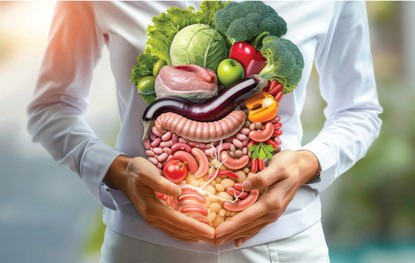
10 facts to know about your gut flora 🙌

Hello everyone 🤗

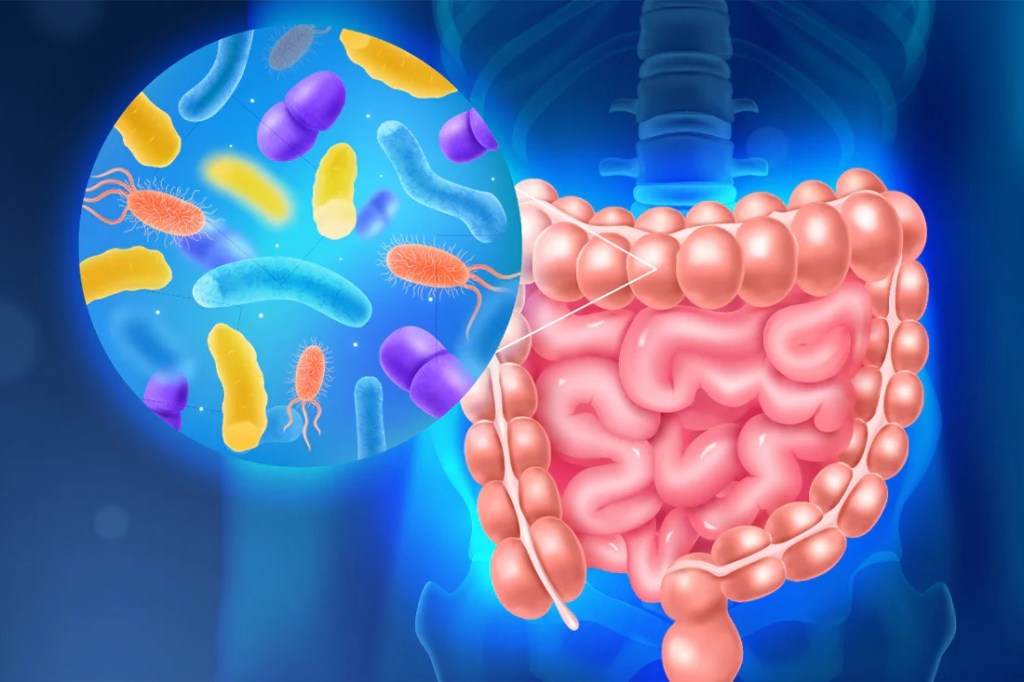
  1. The gut flora is mainly composed of trillions of gut microbiomes which are mainly bacteria, fungi, viruses and archaea. This is unique to every individual and develops in his/her lifetime, as distinctive as the fingerprint. Initially, the intestinal tract of a newborn at birth is sterile. The newborn’s gut is first colonised by the mother’s bacteria during the process of vaginal delivery. Environmental bacteria also start colonising in the baby’s gut as soon as it is exposed after birth. Then, slowly the child’s gut starts developing into a unique microbiome flora depending upon the different food intake and environmental exposures with time.
  2. The gut starts having both good and bad bacteria with different kinds of food and environmental exposures. Good bacteria mainly help in the digestion and absorption of the food and nutrients. They strengthen the immune system and produce several beneficial amino acids and vitamins. The more, the good bacteria population, the healthier the person and the stronger the immunity, in his lifetime. They are simply the protectors of our health and well-being.

3. There are bad bacteria also in our intestinal gut flora. As long as they are low in level, they remain harmless. But then, when we take antibiotics or develop unhealthy food choices and habits, smoking, drinking alcohol and so on, the good bacterial flora is at risk and starts eliminating. In such cases, bad bacterial flora starts flourishing causing havoc in the immune system leading to various diseased states. Chronic inflammation starts progressing leading to autoimmune diseases, cancers, and inflammatory bowel diseases.

4. As research has progressed, studies have found links between bacterial species in the gut to certain types of diseases. Metabolic diseases like obesity and type 2 diabetes are found to be linked with the presence of certain bacterial species of Lactobacillus.
New studies have shown strong evidence of gut kidney connection. Certain species of bacteria in the gut microbiome result in uremic toxins while digesting protein which may be a factor in developing chronic kidney diseases. Several studies have shown a link of depression to the gut microbiome. Various bacterial species like Eggerthella and Sellimonas are found at high levels in individuals with depressive symptoms.

5.The gut-brain connection plays an important role in a person’s well-being. That is why the gut is known as the “second brain”. The gut nervous system can be called the Enteric Nervous System, which has around 100 million nerve cells from the oesophagus to the anal opening. The main functions of this system are digestion, absorption of nutrients, and release of enzymes for food breakdown. Studies show that irritation in the GI tract may trigger the central nervous system to change moods. The gut microbiome also produces hormones like serotonin, and norepinephrine which are important for mood changes. Therefore, there is a strong connection between depression and anxiety in people who deal with gut issues like irritable bowel diseases, stomach upset, pain, and constipation.

6.The signs of a healthy gut are the regular pooping habit, which may be 2-3 times a day to 3-4 times a week, the range can vary with every individual. There is no pain, no bloating after eating, and no discomfort during bowel movement. Symptoms like bloating, diarrhoea, stomach pain, feeling of fullness after eating or malnutrition can be the signs of an unhealthy gut or tigger for slowly increase in bad bacteria. In such cases, clinical attention is required to investigate and diagnose any bowel issues.

Sugar rich foods

7.The common triggers which may lead to an unhealthy gut can be too much stress, constant fatigue, sleep disturbances, ultra-processed food, a sugar-rich diet, and too little intake of fluids. The frequent use of antibiotics has a link to an unhealthy gut. Therefore, these lifestyle habits need to be avoided as practically as possible. Skin conditions like psoriasis do have a link to an unhealthy gut too.

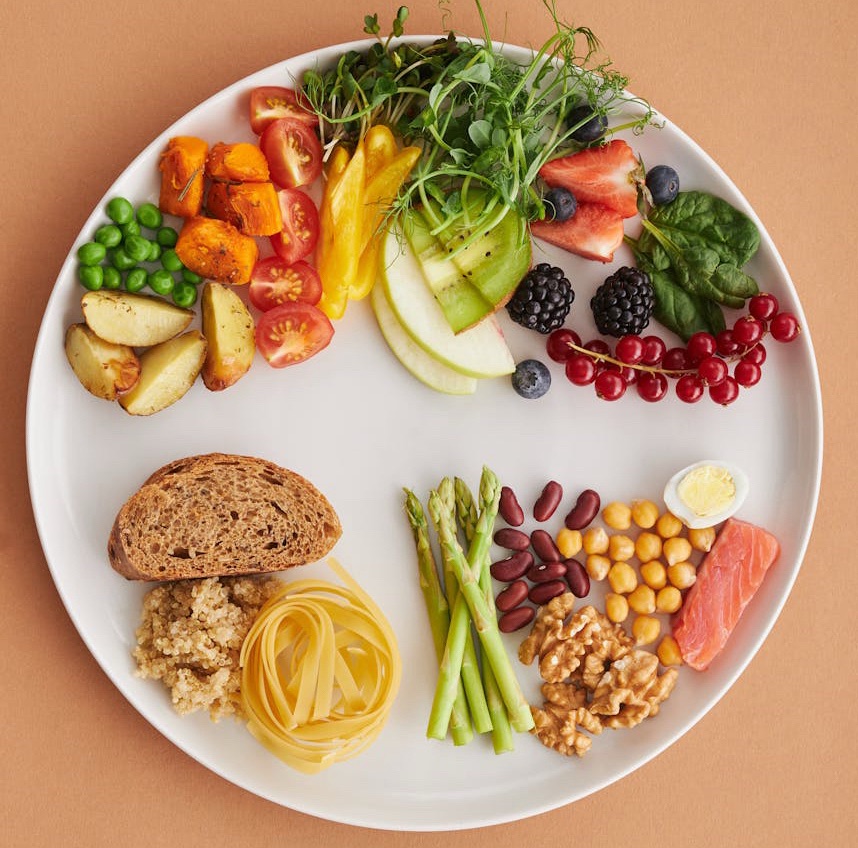
Natural foods

8. The common ways that we can take care of our gut health and improve the good bacteria count are by having a fibre-rich diet with plenty of vegetables and fresh fruits. A diet rich in whole grains, legumes, pulses, nuts and sea fishes. Lowering the sugar-rich foods, limiting the everyday stress, and remaining hydrated as possible. Intermittent fasting is beneficial too for gut health and flora.

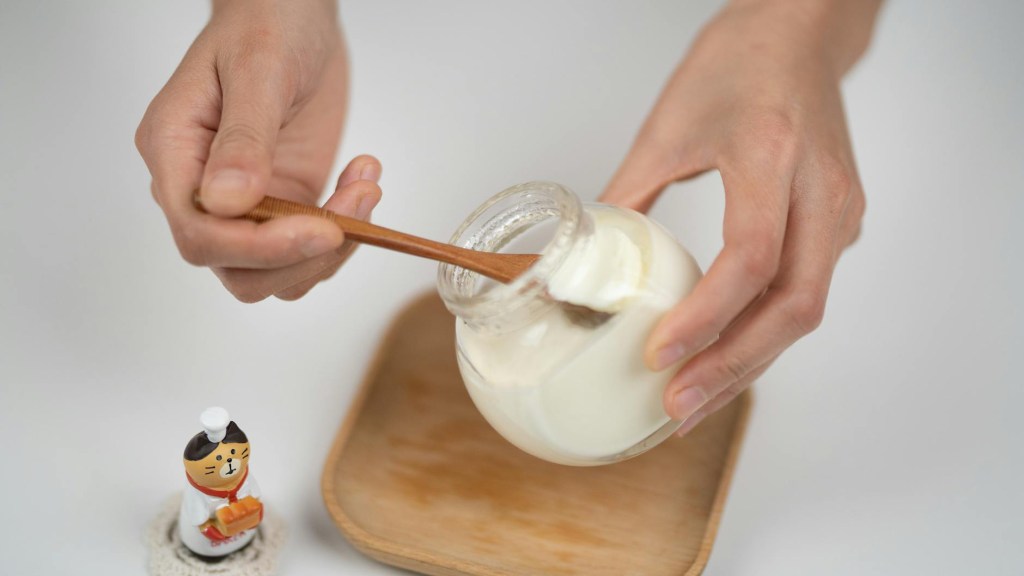
Fermented foods

9. Another important food for our gut health is fermented food as they are rich in probiotics. Plain yogurt, buttermilk, kimchi, sauerkraut and kombucha to name in the list. There can be other varieties of fermented food too which can be local or region-specific around the globe. Any food which is fermented or sprouting can be excellent for gut health as it increases the lactobacilli and keeps the growth of bad bacteria checked.

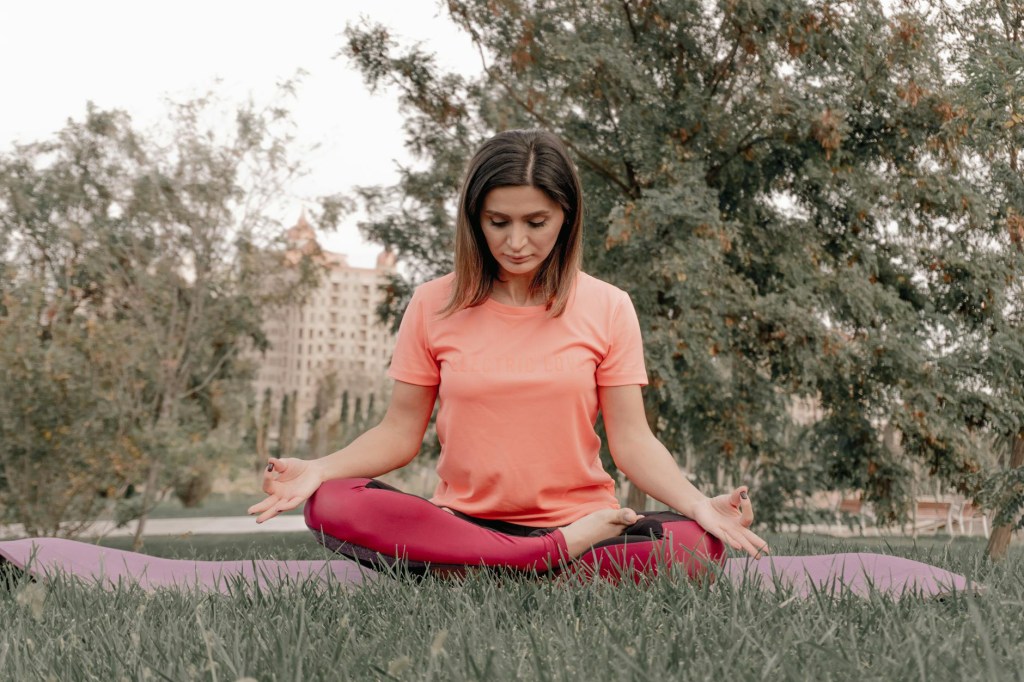
Walking in nature
Gratitude journal

10. So, the simple tips to take care of gut health are to have more and more fibres and probiotics daily, curtail sugar as much as possible, stay hydrated, keep out of stress, meditate to calming mind like walking in nature or listening to music, exercising, mild to moderate ways, practising gratitude journal every day increases happy hormones and trying to maintain a sleep routine. Ultimately, the best way to live a longer and healthier life is to live in harmony with nature.

Thanks for reading.

Peace and love 🙏

10 hard facts about Alopecia Areata 🙌

  1. What is Alopecia areata? About 150 million people around the globe suffer from this autoimmune disorder presently. Alopecia Areata is characterized by smaller to wider patches of hair loss in the scalp irrespective of race, gender, or age. Though the exact aetiology is unknown, it tends to be hereditary.
  2. Research believes, most of the cases appear to have a positive family history of this disorder. Families with a positive history of vitiligo, thyroiditis, lupus or other autoimmune disorders have this disorder of alopecia. The exact cause is still not known why the body’s immune system starts attacking the hair follicles causing these patches of baldness. Studies initially showed that all races are equally affected. However, recent studies show that females are more affected than males and African Americans, and Hispanics are more affected than Asians.
  3. Usually, the hair loss patches are involved in smaller areas of the scalp region. But may also include the entire scalp known as alopecia totalis. It may sometimes involve the entire body known as alopecia universalis. Sometimes, the hair loss is prominent in the bottom back of the scalp known as ophiasis alopecia areata.

4. The course of the disorder starts with the sudden loss of small patches of hair on the scalp, beard, eyebrows or any part of the body. There is sudden thinning of the hair, followed by broken hair and finally hair falls off in patches. In some cases, the hair regrows. But in most cases, the patches extend and widen affecting bigger areas. Rarely, the progression is a complete loss of hair in the body.

5.The diagnosis is usually by physical examination. However, to confirm the diagnosis, blood tests, and a biopsy of the scalp, and hair for lab analysis. The family history and medical history of autoimmune disorders are to be considered. Once diagnosed, the disorder has no cure but needs to be managed.

6.Various treatment options are available depending upon the progression and uniqueness. Oral and intravenous corticosteroids are used. Phototherapy and immunotherapy are used in more severe cases. Sometimes, platelet-rich plasma is used to replace the blood from the body to stimulate fresh hair growth. Herbal remedies should be used under expert supervision. Treatment may or may not respond depending upon the severity.

7.Whenever you have noticed such symptoms, it is important to confirm the disorder by health care provider. Though the disorder has no cure, it can be managed or in some cases reduced or controlled by various treatment options. Cosmetic techniques are available too to manage hair loss patches.

8.When you have alopecia areata, you should avoid stress as symptoms may aggravate. Sun protection is required as hair naturally protects our skin and eye guard/sunglasses should be used due to lack of eyelashes. Considerable amounts of vitamins and mineral supplements should be taken under physician supervision to minimize hair loss. A well-balanced diet is essential.

Release stress

9.All hair loss doesn’t mean that you are affected by alopecia. Emotional stress or physical stress regularly for prolonged periods leads to hair loss. Menopausal, ageing and poor diet can also lead to hair loss. In most of these cases, the hair loss is temporary.

10.When you have alopecia or hair loss, gentle hair products with no parabens, or silicons should be used. Tightly tied hair or too much hair styling should be avoided. The use of harsh chemicals, hot oil hair treatments, rollers, curlers etc should be avoided. It is also better to avoid smoking as some studies do suggest it.

Thanks for reading.

Peace and love 🙏