


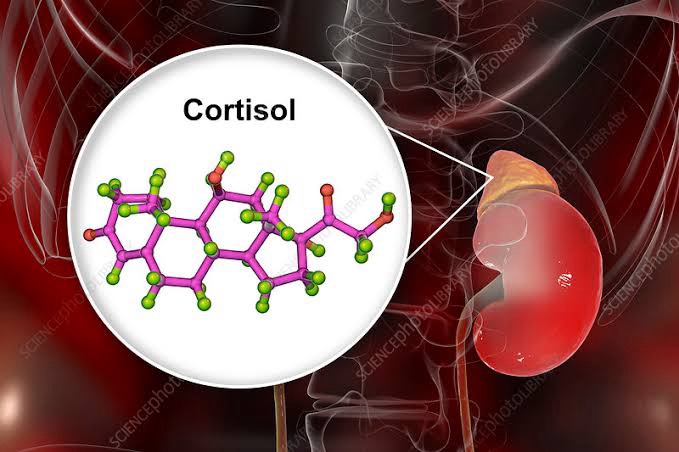
1.Cortisol is a stress hormone released from the adrenal glands, which is ideally secreted during a fight-or-flight response. However, in today’s world, our daily lives are filled with stressful situations, such as competition, comparisons, peer pressure at work, negative people, and relationships stress. As a result, cortisol is released not just in short bursts but remains chronically elevated. This persistent high level of cortisol keeps the body in a constant state of stress, leading to chronic inflammation, sleep problems, and various diseases.
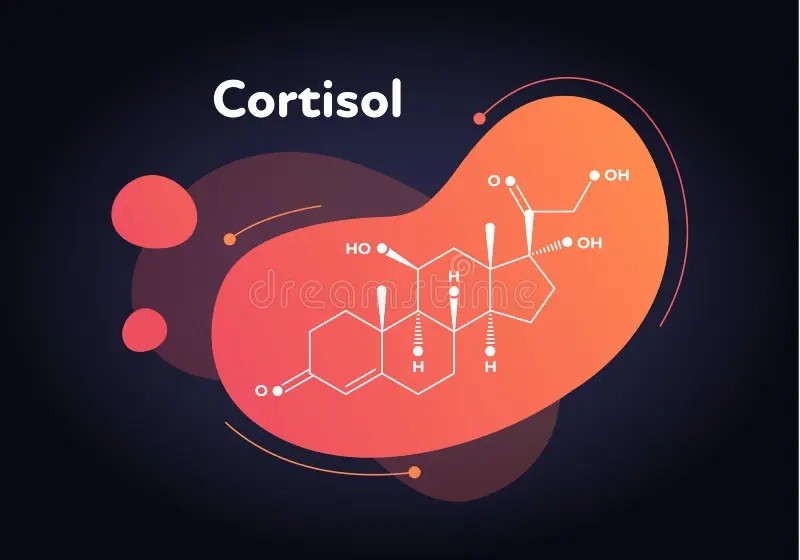
2.Cortisol plays essential role in the body for survival. But when cortisol is elevated for a longer period of time can lead to health issues like weakened immunity, metabolic syndrome and mental health issues. The functions of cortisol are :
– Maintaining blood pressure
– Elevating blood sugar levels
– Regulating the circadian rhythm
– Facilitating the utilisation of energy from carbohydrates, proteins, and fats
– Reducing inflammation

3. Sleep-wake cycle follows a synchronised rhythm with the night and daytime. During the sleep phase, the body goes through different stages, such as:
• Non-REM stage: The phase where the body and mind, being awake, slowly move to a calmer state before falling asleep. Followed by a stage where the body’s core temperature drops, brain waves slow down. After this, a stage emerges where the heartbeat, breathing, and brainwaves slow down, entering a deep state of relaxation.
• REM state: This stage occurs normally after the deep sleep phase. In this phase, people have vivid dreams, and intense dreaming appears. There is weakened muscle activity similar to temporary paralysis. This stage is important as the brain is cleaning out the buildup of waste and toxins.

4. HPA axis: The hypothalamic-pituitary-adrenal axis is responsible for the neuroendocrine regulation. Hormones like melatonin and cortisol from the HPA axis modulate the sleep-wake cycle. When there is disruption of this axis disturb the sleep cycle. Studies show that there are reciprocal interactions between sleep regulation and the HPA axis. Stressful situations like PTSD, emotional trauma, and chronic workload can lead to long-standing sleep issues like insomnia, sleep deprivation, and lack of restorative sleep, which in turn lead to disruption of the HPA axis and vice versa.
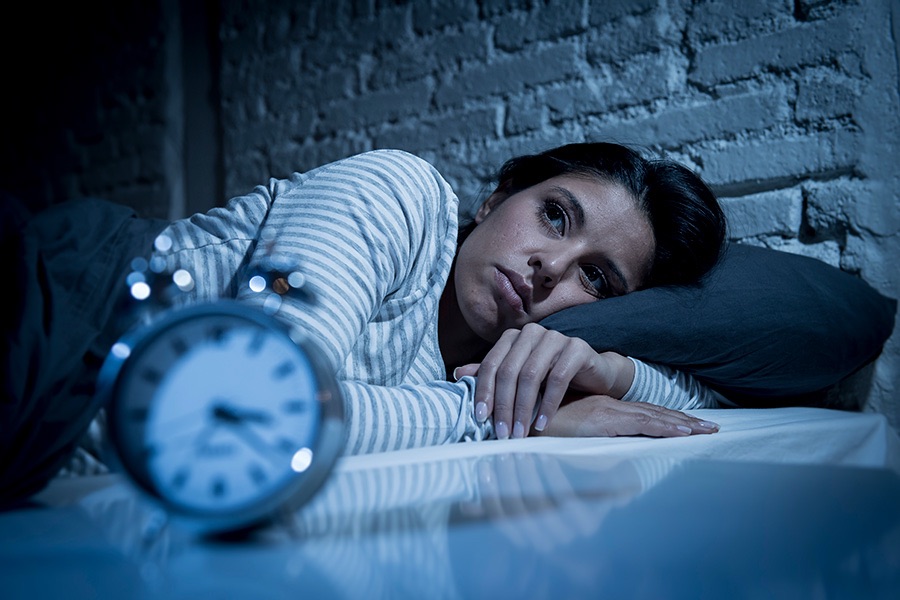
5. The HPA axis and sleep have a significant interconnection. Good quality sleep, deep sleep causes an inhibitory effect on the HPA axis, whereas hyperactivation of the HPA axis leads to overload of glucocorticoids, wakefulness, and loss of sleep. Sleep disorders related to HPA dysfunction are:
•Insomnia is a common sleep disorder which is found to have a connection with an increase in ACTH and consistent cortisol levels and arousal of the central nervous system.
•Obstructive sleep apnea or daytime sleepiness has been associated with elevated pro- inflammatory cytokines, IL-6 and TNF.

6. Elevated cortisol level: Studies show that sleep deprivation has a direct connection to elevated cortisol levels, long hours of wakefulness in the daytime, glucocorticoid overload, and disruption in the HPA axis. These directly affect the well-being of the individual and increase the risk of obesity and type 2 diabetes. Other symptoms of elevated cortisol levels are:
• Weight gain
• High blood pressure
• Weakness of bones
• Muscle weakness

7. Cortisol level: Normally, there is a spike of cortisol level in the morning, known as the awakening response, and it continues for about 60 minutes thereafter. Then, gradually the level-starts dropping and reaches the lowest level towards the evening/midnight. The factors which can affect the cortisol levels are:
• Stress
• Disturbed routine sleep schedule
• Morning light may cause the surge
• Cushing’s syndrome

8. Stress and cortisol level: Cortisol is a steroid hormone which is released from the adrenal glands in the body’s response to stress. Cortisol also releases sugar from the liver to combat stress. In addition to this, sleep and stress are also closely linked. Prolonged stress can lead to sleep disorders like acute insomnia. The types of stress when cortisol is secreted are:
•Short-term stress
•Long-term stress
•Trauma, both psychological and physical.


9. Food and cortisol: Certain foods can support gut health, reduce stress and lower the cortisol level naturally:
• Whole grains and natural fibres – Whole grains are rich in polyphenols, which can support gut health and reduce stress and cortisol. Fibrous foods like vegetables, fruits, and berries contain both polyphenols and antioxidants that help reduce cortisol levels.
• Dark chocolate (70 – 80%) – Flavonoids in dark chocolate can lower the stress response and cortisol from the adrenal glands.
• Green tea contains polyphenols, catechins, and L-theanine, which can lower stress reactivity.
• Probiotics/Prebiotics are linked to healthy gut health, reduce stress and cortisols.
• Healthy fats in nuts, fatty fish, and seeds rich in omega3-fatty acids reduce stress and support mental health.
• Water – Consuming water throughout the day prevents dehydration and controls the cortisol level.


10. Natural habits that can keep the cortisol level under control:
• Good sleep routine – Firstly, keep away from cell phone or any kind of distraction at least 1 hour before bedtime, avoiding alcohol, caffeine intake and nicotine 5-6 hours before bedtime, maintain a bedtime schedule; going to bed and waking up the same time every day is important for sleep hygiene.
• Daily routine exercise, nature bathing, walking or any kind of physical activity.
• Practise deep breathing techniques like Pranayama, mindfulness breathing, Meditation, yoga, tai-chi.
• Maintaining your mental health by managing your personal relationships, staying away from negative people and a negative environment, cultivating hobbies, laughing, and listening to music.
• Spirituality – believing in spiritual faith, attending spiritual workshops, meditation, community spirit, kindness /charity /voluntary works, helps maintain cortisol levels.
Thanks for reading.
Peace and love 🙏






 3H:health,happiness,healing