First of all, I am incredibly appreciative that I get to celebrate another new year with the Supreme and all of my beautiful bloggers.
Let us hope that this new year, with its 365 fresh days, will bring us growth, positivity, action, hope, and the drive to achieve our objectives. Not to mention to make time for our loved ones and family.
Both failure and success are fleeting. The capacity to continue going forward is most important.
I’m wishing everyone a wonderful and prosperous 2024 New Year !
1. What is fatty liver? As the name rightly suggests, is a state when there is a build-up of fat in the liver. It can happen in 2 ways – Nonalcoholic and Alcoholic fatty liver types. Nonalcoholic fatty liver is a common type where the cause is not exactly known but may be due to obesity, belly fat or chronic conditions like diabetes. Simple fatty liver is the condition, where there is fat in the liver but there is no inflammation, damage to liver cells or other complications. Alcoholic fatty liver is a serious type which is related to drinking alcohol.
Simple fatty liver remains most of the time undiagnosed unless you end up doing a liver enzyme test and liver function test. When the liver enzymes Serum alanine aminotransferase (ALT) and Serum aspartate aminotransferase are mildly elevated are indicative of simple fatty liver. When liver enzymes SGPT (Serum glutamic pyruvic transaminase) and SGOT(Serum glutamic oxaloacetic transaminase) show increased levels are indicative of liver cell damage and liver inflammation.
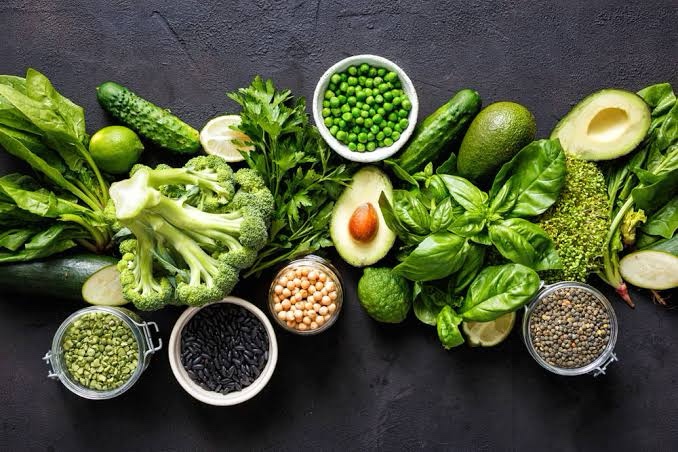
3.To deal with a fatty liver, first and foremost , reducing belly fat and losing weight is essential. To start incorporating organic food in diet like cruciferous vegetables broccoli, cabbages, cauliflower, spinach, sulphur rich vegetables like onion, garlic which are also loaded with glutathione. Organic food is primarily good for the liver because they are free from pesticides, fungicides and GMOs (genetically modified organism) which are harmful to the liver’s health. GMO food like soya bean, canola or some breeds of corn are unhealthy for the body.
4.Fasting :Intermittent fasting and prolonged fasting, not only help in losing weight but also stimulate autophagy in the body. Autophagy is the bodyβs renewal mechanism of cleaning the debris of damaged cells and recycling some parts of them towards cell repair. Usually, 12-16 hour long fasting is beneficial but the most effective is 16 hours long which will also facilitate fat burning. Other methods to stimulate autophagy are drinking coffee or a cold bath. Fasting helps to reduce inflammation and level of the liver enzymes.
5.Lifestyle changes: Dietary changes like avoiding sugar, and saturated fat, reducing salt intake and switching to organic food are beneficial. Portion control while eating helps the quantity intake during meals. Moderate to high intense exercises and increase in physical activity during daytime, permanently eliminating alcohol, maintaining sleep routine and remaining stress-free as far as possible contribute to liver health.
6.Detoxification: Cleaning toxins from the body routinely not only benefits the liver but the overall body from harmful abuse. Some food items which naturally detox the liver are high fibre-rich oatmeal, green tea which is rich in antioxidants, avacado rich in healthy fat and fibre, olive oil rich in antioxidants and helps to reduce LDL cholesterol and free radical damage. Fatty fishes like salmon, and sardines which are high in Omega 3 fatty acid, is a healthy fat that promotes liver health and prevent damage to liver cells. Liver friendly nuts are almonds and walnuts. Tofu, which is high in protein helps to prevent the accumulation of fat in liver cells. Whole grains and unprocessed cereals help to break down the fat in the liver cells by preventing them from accumulating in the cells.
7.Herbs: A natural herb called milk thistle has been used for centuries to improve liver diseases. Research studies have been carried out to study its evidence on liver health. Some reports do suggest that it has a beneficial effect on liver diseases like cirrhosis and hepatitis. Studies have shown Milk thistles do show improvement in cholesterol levels and insulin resistance to type 2 diabetes. Some studies show that it is a natural antioxidant and increases the level of Glutathione. But, the most important advise is before trying a herb, we need to consult our Physician. Other herbs which are beneficial for the liver are green tea, cucurmin, licorice and ginseng.
8.Tocotrienols primarily are the unsaturated form of vitamin E which are naturally found in rice, wheat, vegetable oils and cereals like barley. Tocotrienols are strong antioxidants and anti- inflammatory which prevent damage to liver cells. Studies show that tocotrienols can lower cholesterol, and lower the risk of stroke, and cancer. In the liver, it can help to prevent damage to liver cells by maintaining the liver cell integrety.
9.TUDGA: Tauroursodeoxycholic acid (TUDGA) is a bile acid found naturally in humans. Medical practitioners use it to treat conditions like liver cirrhosis, reduce cholesterol levels, some cancers, and cystic fibrosis. Studies have shown that TUDGA used as a supplements do benefit liver health, heart, liver diseases, stroke and cancer. Due to possible side effects, and daily dosage, a physician needs to be strictly consulted before using such supplement.
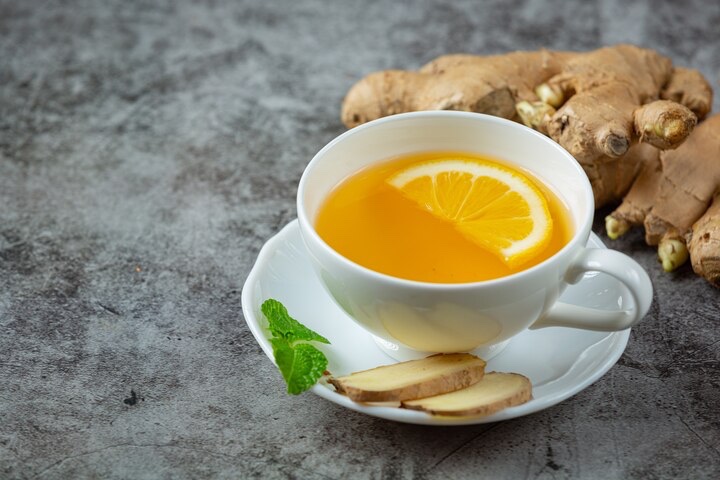
10.Drinking plenty of water: Last but not least, the easiest way to promote liver health is by drinking plenty of water. Water consumption helps to knock down the harmful toxins from liver cells. Dehydration of bile ducts can increase the risk of gallstones. So,drinking water is very vital. Not all drinks, sodas and soft drinks are liver-friendly. So, clear water is the most beneficial drink for releasing toxins from the liver. Adding a piece of ginger or a few lemon drops in the water can be helpful.
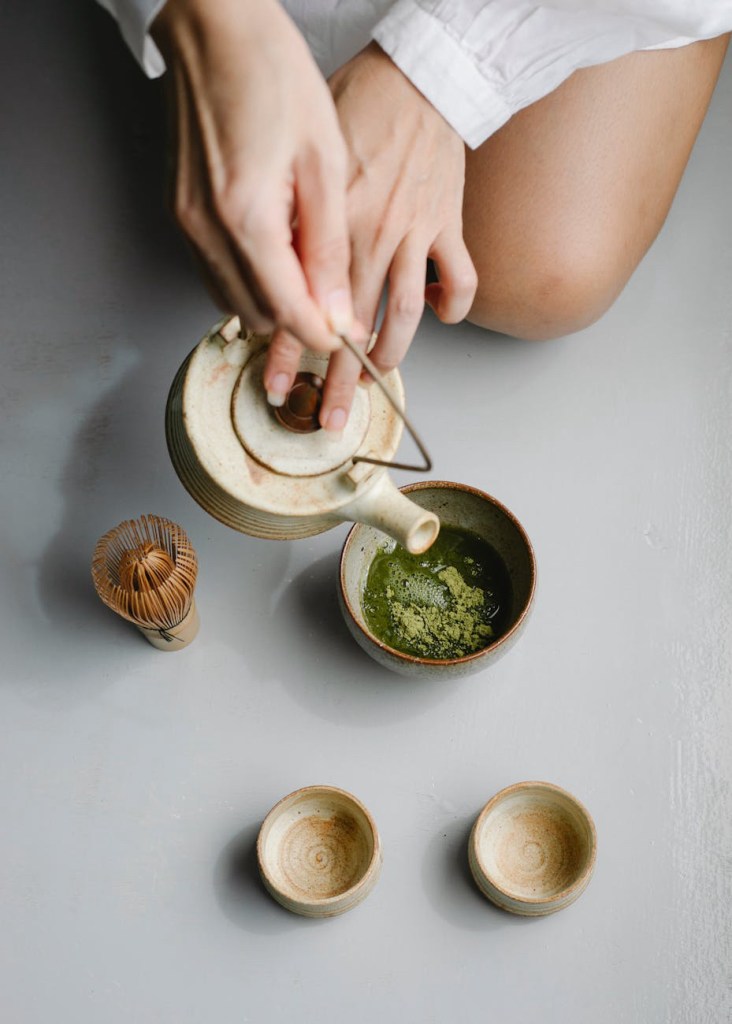
1. Matcha is powdered from processed green tea leaves which originated in East Asia, now widely produced in Japan. Back in the 16th century, the method of preparing matcha tea and serving became a ritual among Zen Buddhists. From then onwards, the Japanese Tea Ceremony has become widely popular, not only in Buddhist monasteries but also among the common people.
The scientific name of the plant Camellia Sinensis from which matcha is derived, is a shade- grown green tea plant usually covered from direct sunlight to ensure slow growth. The slow growth results in a darker shade of green, which is a high level of chlorophyll. This type of harvest technique causes more production of amino acids threonine and caffeine.
Matcha is highly rich in antioxidants due to its high amino acid content. So, regular intake can prevent free radical damage in the body and can prevent the occurrence of chronic diseases. The tea flavonoids have anti-inflammatory properties too.
Studies have shown that since matcha contains high levels of caffeine and L-threonine, it is highly beneficial for brain functions. Regular consumption can improve the memory, alertness and focus of the mind.
5.Some research studies have shown that regular intake of matcha helps in the prevention of cancer. But, further studies are still required to have concrete proof. As matcha is rich in catechin, more precisely Epigallocatechin-3-gallate (EGCG), is found to have high anti-cancer properties. It also improves the efficacy of certain chemotherapeutic drugs.
6.Matcha tea has great skin health benefits. Regular intake or adding topically as a skin care mask can give healthy glowing skin. It can also be used for its therapeutic benefits for skin conditions like psoriasis, keratosis, rosacea and wound healing.
7.Matcha is good for the prevention of cardiovascular diseases. Studies have indicated that the presence of EGCG, which is rich in catechin has many therapeutic properties such as anti- atherosclerotic, anti-myocardial infarction, anti-cardiac hypertrophy, anti-inflammatory and also anti-diabetic. It aids in weight loss too.
8.Matcha tea which is organically grown is safest. Sometimes, inferior or poor-quality matcha tea may contain excess of pesticides and lead which may cause harmful effects on the body. So, the reputed quality of matcha tea is only recommended.
9.According to the US Food Drug Administration, a daily intake of not more than 400mg is recommended. Excess intake may lead to caffeine overdose which causes side effects like anxiety, fast heart rate, insomnia, headache and nausea.
10.Matcha tea is usually taken as a warm beverage. But, because of its immense popularity, matcha is served as a Latte, in ice-cream, cocktails, sodas, cookies, pancakes and so on.
Bad posture is a real issue not just to the aging population but to people of all age groups. Asymmetry in the bodily posture may not only cause body aches but also shocking symptoms like indigestion, headaches and breathing difficulties.
I am presenting you today a Guest post on this topic written by Jennifer McGregor, a pre-med student, who can help you understand the importance of postural care. You can also check her website https://publichealthlibrary.org
Dr. Juri Sharma of The 3H: Health, Happiness, Healing shares ever-evolving knowledge and research in the health field.
Do you ever find yourself slouching over your keyboard or slumping in your chair? Poor posture isn’t just unattractive, it can also lead to a variety of health issues. Improving your posture can also benefit your overall well-being. Building back muscle strength, improving sleep habits, investing in ergonomics, stretching, and visiting the chiropractor can all contribute to better posture, which can lead to a body that feels better and a more confident you. In this article from The 3H: Health, Happiness, Healing, weβll discuss some simple ways to start improving your posture, and the many benefits of doing so.
Build Your Back Muscles
In addition to the many other benefits of exercise, strengthening your back also helps to strengthen the muscles that support good posture. Some exercises to consider include pull-ups, presses, and rows. Building a strong back can also help prevent pain and injury that can be caused by poor posture.
Staying active by working in regular walking sessions is also a good way to build up your back. Walking can contribute to the strengthening of back muscles through its low-impact, repetitive motion. When you walk, the muscles in your back are engaged to maintain proper posture and stability. Look for a walkablearea to get in your steps β these areas have high Walk Scores of 70 and above.
Improve Your Sleep Habits
The way you sleep can have a significant impact on your posture. Sleeping on your stomach can place strain on your neck and spine or cause you to twist your spine unnaturally. Switch to sleeping on your back or side, and invest in a firmer mattress to better support your spine. Additionally, as USA Today points out, adding a pillow between your legs while sleeping on your side can alleviate pressure on your lower back.
Invest in Ergonomic Furniture
Sitting for long periods in an office can cause back pain and poor posture, making it essential to invest in ergonomic furniture. Ergonomic chairs with lumbar support and adjustable standing desks are two practical options that can help alleviate these problems. By making these investments, you can enhance your overall comfort and well-being throughout the workday.
Stretch and Practice Yoga
Adding stretching and yoga to your daily routine can benefit both your physical and mental well-being. Regular stretching helps to alleviate muscle tension and improve flexibility while practicing yoga enhances mind-body awareness and can improve posture. By incorporating these practices into your day, you can experience greater overall health and wellness.
Mind Your Sitting Posture
Although sitting may seem like a relaxing idea, Medical News Today points out that it can affect your overall posture. Sit with your feet flat on the floor or propped up, with your back straight and your shoulders relaxed. If you notice yourself slouching, remind yourself to maintain good posture by pushing your head and upper back into the backrest of the chair.
Finally, keep in mind that good posture isn’t just about looking good, it’s about feeling good, too. Poor posture can make you appear shorter and less confident, whereas good posture exudes self-assurance, as evidenced by celebrities and their successful careers (learn more here). So, stand tall and perform your daily tasks intentionally, with your shoulders back and head held high.
Stay Motivated with Visual Cues
Consider making motivational wall art and posting it by your workstation as a reminder to maintain your posture. Motivational posters remind you of your goals, aspirations, and the importance of perseverance. They also have the potential to foster a more positive mindset and contribute to increased productivity and well-being. You can use images to enhance the message, so get started with a free online poster maker that will personalize wall art.
Improving your posture can do more than just make you look better. It can lead to less pain and injury, better sleep, and a boost in overall confidence. Incorporate these tips into your daily routine to achieve a healthier, happier you. Don’t forget to visit your chiropractor regularly, and keep your medical documents organized by converting them into PDFs. You’ll soon see the benefits of good posture in all aspects of your life. So, start today and get ready to stand tall and feel great.
In a normal individual, perception occurs through the five physical senses. Extrasensory perception (ESP) or sixth sense is a perception of the mind, perceived an event, circumstances, or prediction, through telepathy, clairvoyance or precognition. This is independent of the normal five sensory senses so it is regarded a paranormal ability. Through the centuries, from primeval times, many people, including sages, yogis and spiritual practitioners are believed to have mystical powers who have strong sixth sense.
But then, is this real science? As far as science is concerned, there is no evidence of such extra senses in human. Many research projects in the past have been carried out to study if some people actually possess such extra sensory power. Some psychologists and philosophise are still undergoing studies to know more about this concept of extrasensory phenomena.
3. Several researches and authors like Rosalind Heywood, H. Osmond and many more have written several books on this subject with their own understanding of the perception. It is very hard to find scientific validity and physical explanation of such phenomena of extra sensory perception such as telepathy or clairvoyance or even precognition.
4. Sometimes intuition and extra sensory perceptions (ESP) or sixth sense are referred the same meaning. It is the psychological ability to sense something independently of sight, smell, hearing, touch and taste. Maybe, it is the ability of the individual based on deep understanding of the situation, the knowledge stored in the subconscious mind and the past experience.
5. Contrastive of todayβs world, the primitive men were more instinctive and tuned with nature. Their level of awareness were as par with other living creatures and animals. It is this intuitive power which is slowly fading away from us. Because, our minds are caught up in this materialistic complexity.
Keeping science aside, most of us, do at sometime or someplace, get an inner sense of knowing of some event or information even before the actual occurrence. This is perhaps the kind of intuitive feeling that we still possess.
6. Different types of ESP experiences have been studied like telepathy, precognition, clairvoyance, psychokinesis, out of the body experiences and hauntings. Parapsychologists have been studying these psychic abilities through different experimental research.
7. The exact definition of each of the term may differ according to the understanding and apprehensions of individual.
Telepathy is sending information through oneβs mind to another person.
Clairvoyance is an awareness without the physical presence of whatβs going on somewhere.
Precognition is like predicting or foreseeing of a future information.
Out of body experience is traveling of the mind to a greater distance without actual movement of the physical self.
8. Though the presence of sixth sense in human has no scientific validation but other living beings like animals, fishes, birds, creatures like sharks, whales, or tiny ants do have sixth sense. Some animals like elephants or even dogs do get a sense in advance before a natural calamity.
9.Perhaps, unlike our ancestors , today human civilisation is more about technological advancement, modernization, stressful lifestyle, that we have moved very far from nature or simple natural occurrences. We hardly have time to observe in nature or the environment around us. Therefore, extrasensory perceptions or inner intuitive power are all vanishing from us slowly.
10. Sixth sense is a real ability or not, is yet to be proved in the scientific world. But as an individual, we all have been gifted with some natural abilities. Itβs upto us to be more aware as individual and restore the very essence of being a human being. Itβs time for us to let go once a while from this routine hustle bustle and be more calm, meditative to understand our inner self.
1.The lateral hypothalamus and prefrontal cortex produce a hormone called Orexin, also known as hypocretin. It is produced in two forms like Orexin A and Orexin B. It has various functions related to Central Nervous System. It helps in regulating important functions like sleep-wake cycle, arousal state, energy homeostasis, feeding behaviour, emotions, mood and cognition.
2.Sleep: Orexin is usually released in the daytime and keeps us awake. It stimulates those neurons which in turn help in the release of neurotransmitters like serotonin, dopamine and nor- epinephrine. In case of individuals with orexin deficiency, are usually diagnosed with narcolepsy, insomnia, sleep imbalance, daytime sleepiness and cataplexy.
3.Stress regulator: Orexin is highly responsive to environmental stimuli and our mood. When in stress situations ,the orexin neurons stimulate the bodyβs response to increase heart rate, blood pressure and disturb the resting state.
4.Obesity: It is a result of the influence of orexin-producing neurons on energy metabolism.Orexin deficiency in the body can lead to slowing down energy metabolism, physical inactivity, and excessive weight gain, even if the calorie intake is low.
5.Mood: Orexin has an influence on mood through its impact on the hippocampus. Abnormal orexin activity has been related to mental health conditions like depression, PTSD, anxiety and addiction. Deficits in orexin influence can result in hippocampus problems such as learning disability and memory deficits, as it also promotes the development of neurons in the hippocampus.
6.Narcolepsy: Orexin helps us stay awake during the day. So, people with orexin deficiency suffer from narcolepsy. They have daytime sleepiness and sleep paralysis. Mostly, these type of individuals can also suffer from cataplexy. The person is unable to move for a short time even if he is awake or about to fall asleep. It is usually occurs in a conscious state of mind and triggered by strong emotions like being angry, or laughing.
7.Alzheimerβs Disease: Several studies show that orexin has direct connection with sleep, cognition and as a stress regular. So it does play a significant impact on Alzheimerβs disease pathology. An increase level of orexin has been found in cerebrospinal fluid of people with Alzheimerβs. So, they usually have circadian cycle disorders, daytime sleepiness and cognition problems. However, researches are still going on for further prospectives of using orexin antagonist receptors as a potential treatment alternative.
8.Heart: Lack of sleep and insomnia have a direct impact on cardiovascular health and hypertension. Studies show that increased levels of orexin stimulation can elevate blood pressure and heart rate. Both orexin A and B receptors have a direct role in the regulation of sympathetic nervous system. Therefore orexin antagonist receptors might be a therapeutic option for hypertension.
9.Orexin levels: High levels of orexin may lead to sleep disorders, stress prone and eating disorders. But lack of orexin or loss of orexin in brain injury may lead to narcolepsy or other sleep disorders. The normal level of orexin found in cerebrospinal fluid in a healthy individual is around 250 – 500 pg/ml.
10.Food: Optimal level of orexin can be provided in a healthy individual by regular intake of fermented food like pickles or sauerkraut. Having excessive sugar or carbohydrate rich food can inhibit orexing production.
Ginger is an ingredient common to our cuisine for centuries. It is widely used in most of the culinary dishes. Besides adding the zing in our taste buds, it has immense medicinal and health benefits.
Ginger contains gingerol that imparts its unique taste and flavour to cooking. This compound gingerol is a natural antioxidant and anti-inflammatory. Hence, ginger helps to cure common cold, flu, seasonal rhinitis and fungal infections.
Previous studies have shown that ginger has played an important role in controlling blood sugar levels in people with type 2 diabetes. Researches also show that regular intake of ginger helps to reduce the levels of LDL cholesterol and triglycerides, thereby reducing the risk factors of cardiovascular diseases. It is also effective in weight loss.
Ginger is highly effective against swelling, itchiness and minor skin allergies such as hives. Having ginger juice along with jaggary powder can be consumed to reduce skin allergies and itching.
Ginger is an effective pain reliever. Consuming ginger slices or ginger juice can help to reduce joint pain, body ache and earache.
Consuming ginger or raw ginger juice has helped in improving many digestive issues. Eating raw ginger slices before a meal will help to stimulate digestion and improves the appetite. A person having indigestion, belching, bloating will be relieved after having ginger juice along with lemon juice or ginger slices. Problems like nausea, vomiting, diarrhea can all be relieved after consuming ginger. So, it can be used during Morning sickness. People taking chemotherapy may use ginger to alleviate post-drug side effects.
Ginger is very effective when used freshly, but also beneficial when consumed as a powder for juices or tea. A common spice used in various cuisines.
Ginger is effective against degenerative diseases like multiple sclerosis, Parkinson’s disease, Alzheimer’s disease due to the presence of compounds like 6-gingerol and 6- shogoal.
Ginger is grown especially in tropical areas. Ginger roots are mainly used for cooking and healing purpose. It can be stored in dried or powdered form for a long time. Ginger supplements are available in capsules or liquid extracts. Ginger oil as essential oil is used in beauty products.
Ginger is rich in dietary fibre and in vitamins like B3, B6 and C. It is rich in folate, magnesium, phosphorus and zinc.
Ginger is usually safe, but it must be used in moderation as part of a healthy diet. Too much consumption or concentrated higher doses may lead to heartburn, stomach upset or loose motion.