10 facts to know about fatty liver 🙌

1. What is fatty liver? As the name rightly suggests, is a state when there is a build-up of fat in the liver. It can happen in 2 ways – Nonalcoholic and Alcoholic fatty liver types.
Nonalcoholic fatty liver is a common type where the cause is not exactly known but may be due to obesity, belly fat or chronic conditions like diabetes. Simple fatty liver is the condition, where there is fat in the liver but there is no inflammation, damage to liver cells or other complications. Alcoholic fatty liver is a serious type which is related to drinking alcohol.

  1. Simple fatty liver remains most of the time undiagnosed unless you end up doing a liver enzyme test and liver function test. When the liver enzymes Serum alanine aminotransferase (ALT) and Serum aspartate aminotransferase are mildly elevated are indicative of simple fatty liver. When liver enzymes SGPT (Serum glutamic pyruvic transaminase) and SGOT(Serum glutamic oxaloacetic transaminase) show increased levels are indicative of liver cell damage and liver inflammation.

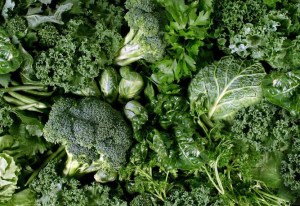
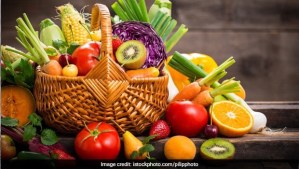
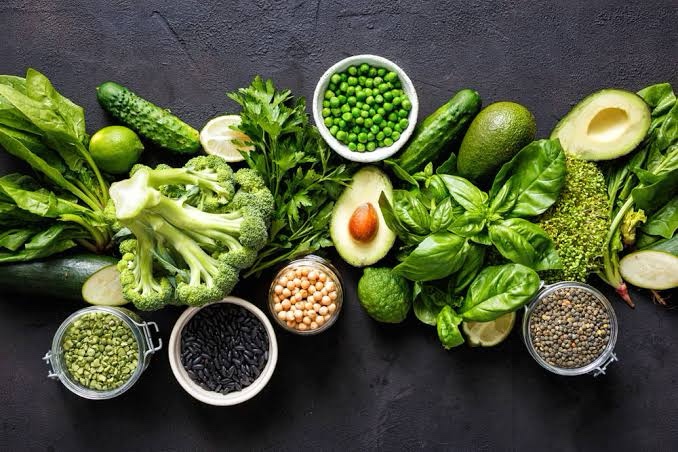
3.To deal with a fatty liver, first and foremost , reducing belly fat and losing weight is essential. To start incorporating organic food in diet like cruciferous vegetables broccoli, cabbages, cauliflower, spinach, sulphur rich vegetables like onion, garlic which are also loaded with glutathione. Organic food is primarily good for the liver because they are free from pesticides, fungicides and GMOs (genetically modified organism) which are harmful to the liver’s health. GMO food like soya bean, canola or some breeds of corn are unhealthy for the body.
4.Fasting :Intermittent fasting and prolonged fasting, not only help in losing weight but also stimulate autophagy in the body. Autophagy is the body’s renewal mechanism of cleaning the debris of damaged cells and recycling some parts of them towards cell repair. Usually, 12-16 hour long fasting is beneficial but the most effective is 16 hours long which will also facilitate fat burning. Other methods to stimulate autophagy are drinking coffee or a cold bath. Fasting helps to reduce inflammation and level of the liver enzymes.

5.Lifestyle changes: Dietary changes like avoiding sugar, and saturated fat, reducing salt intake and switching to organic food are beneficial. Portion control while eating helps the quantity intake during meals. Moderate to high intense exercises and increase in physical activity during daytime, permanently eliminating alcohol, maintaining sleep routine and remaining stress-free as far as possible contribute to liver health.

6.Detoxification: Cleaning toxins from the body routinely not only benefits the liver but the overall body from harmful abuse. Some food items which naturally detox the liver are high fibre-rich oatmeal, green tea which is rich in antioxidants, avacado rich in healthy fat and fibre, olive oil rich in antioxidants and helps to reduce LDL cholesterol and free radical damage.
Fatty fishes like salmon, and sardines which are high in Omega 3 fatty acid, is a healthy fat that promotes liver health and prevent damage to liver cells. Liver friendly nuts are almonds and walnuts. Tofu, which is high in protein helps to prevent the accumulation of fat in liver cells.
Whole grains and unprocessed cereals help to break down the fat in the liver cells by preventing them from accumulating in the cells.

7.Herbs: A natural herb called milk thistle has been used for centuries to improve liver diseases. Research studies have been carried out to study its evidence on liver health. Some reports do suggest that it has a beneficial effect on liver diseases like cirrhosis and hepatitis. Studies have shown Milk thistles do show improvement in cholesterol levels and insulin resistance to type 2 diabetes. Some studies show that it is a natural antioxidant and increases the level of Glutathione. But, the most important advise is before trying a herb, we need to consult our Physician.
Other herbs which are beneficial for the liver are green tea, cucurmin, licorice and ginseng.

8.Tocotrienols primarily are the unsaturated form of vitamin E which are naturally found in rice, wheat, vegetable oils and cereals like barley. Tocotrienols are strong antioxidants and anti- inflammatory which prevent damage to liver cells. Studies show that tocotrienols can lower cholesterol, and lower the risk of stroke, and cancer. In the liver, it can help to prevent damage to liver cells by maintaining the liver cell integrety.

9.TUDGA: Tauroursodeoxycholic acid (TUDGA) is a bile acid found naturally in humans. Medical practitioners use it to treat conditions like liver cirrhosis, reduce cholesterol levels, some cancers, and cystic fibrosis. Studies have shown that TUDGA used as a supplements do benefit liver health, heart, liver diseases, stroke and cancer. Due to possible side effects, and daily dosage, a physician needs to be strictly consulted before using such supplement.

10.Drinking plenty of water: Last but not least, the easiest way to promote liver health is by drinking plenty of water. Water consumption helps to knock down the harmful toxins from liver cells. Dehydration of bile ducts can increase the risk of gallstones. So,drinking water is very vital.
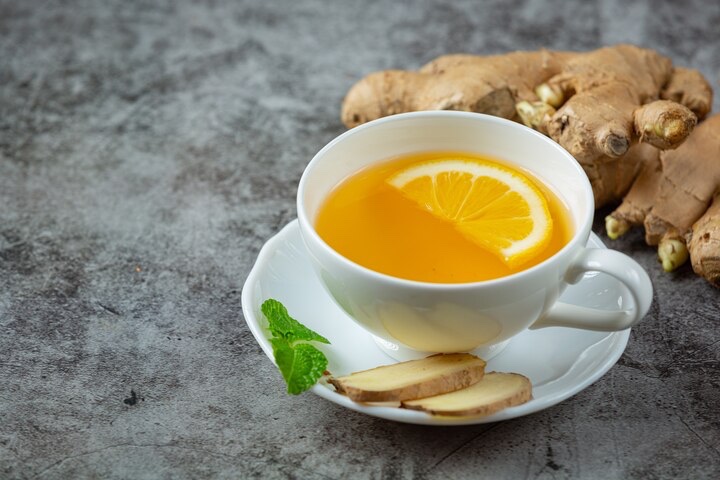
Not all drinks, sodas and soft drinks are liver-friendly. So, clear water is the most beneficial drink for releasing toxins from the liver. Adding a piece of ginger or a few lemon drops in the water can be helpful.

Thanks for reading.

Peace and love 🙏

10 truthful facts for widely consumed French fries 🍟

  1. French fries have been the most popular and widespread available fast food around the globe. Unlike its name, it was originated in Belgium. Regardless of its popularity, it has been proven time and again as one of the unhealthiest foods on the planet. Deep-fried potatoes are not only rich in starch content but also fatty due to being heavily fried in oil. They are instant sources of starch so are easily available for a quick bite. Frequent eating of this junk food is a potential risk of cardiovascular and metabolic diseases due to their high glycemic index.
  2. According to The American Journal of Clinical Nutrition, consuming french fries not only multiplies the health risk but also increases the risk of early death. Adding to that, you start gaining weight and weaken the immune system by destroying your healthy gut microbiome with unhealthy flora.

3. Nutritionally stated, potatoes are a good source of antioxidants, carotenoids, flavonoids and phenolic acid. Also, it is loaded with fibre content, vitamin B6, and minerals and is gluten-free. But, what makes fries calorie-dense is due to the deep frying technique to make them crispy. As a result, the nutritional content is damaged. Due to high calories, obesity is directly linked to consuming fries and junk food.

4. Studies show that fries are prepared with saturated fat which is metabolized at a much slower rate than protein and carbohydrate in the body. So, people are most likely to get stomach issues. The saturated fat further increases the bad cholesterol in the body which elevates the risk of atherosclerosis, heart disease and stroke.

5. To pile up the adverse effects of consuming fries regularly can weaken the immune system, and gut health making us vulnerable to diseases and inflammatory conditions including cancers. The hydrogenated fats used in fries can likely lead to foggy brain, dementia and Alzheimer’s disease.

6.Research studies have found that when potatoes are deep-fried, a compound named acrylamide is formed which can be directly linked to mental health issues like depression and anxiety. In today’s time, fries are consumed more by the younger generation compared to older ones, making them more vulnerable to mental health issues like depression and anxiety.

7.Moreover, fries contain a high amount of salt which makes them even worse. The high salt content can lead to a high risk of hypertension, heart disease, stroke and kidney disease. In addition to that, tomato ketchup, different varieties of sauces, and mayonnaise make them even more unhealthy due to artificial flavouring agents and other processed ingredients.

8.According to some studies, are french fries can be label as ‘death food’? No not exactly because most meals in restaurants are still served with fries as a meal accompaniment. Eating them for once a while or once a month in a small portion is not harmful or the effect on health is negligible. But, having them 2-3 times a week in large quantities will most likely lead to chronic diseases like diabetes type 2, heart disease, stroke, and inflammatory conditions which may cause death risk.

Sweet potato fries

9.To make them healthier and still have the experience of having french fries, opt for a healthier version like the baked ones. A thicker version of fries can be opted to reduce the fat content, fried in olive or cannula oil. More over, having them with a healthier meal mate like salad, chicken or soup is another good idea. Sweet potato fries are healthy too.

10. Actually, not just french fries, but all deep-frying foods which are available and widespread have a high risk of developing chronic diseases like heart disease and stroke. Frying damages the nutrients, antioxidants and protein naturally available in the food item. Moreover, the frying medium of oil adds to the trans fat, acrylamide which further multiply the health hazard. The best thing to do is to avoid them completely or have them rarely. Once in a while is quite okay.

Thanks for reading.

Peace and love 🙏

10 facts about nutty Nutmeg 🙌

Hello everyone ✋


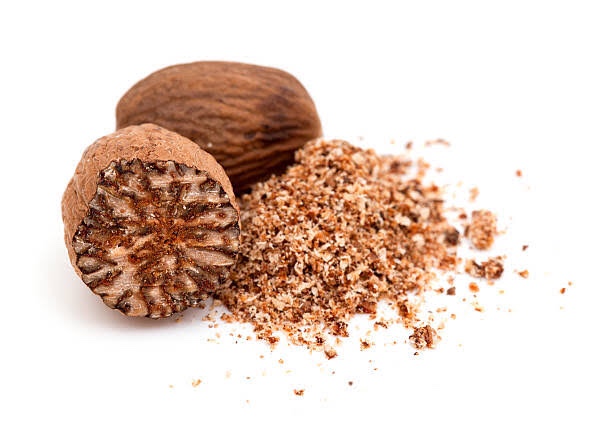
1.Nutmeg is an oval shaped spice seed commonly found in our kitchen. A native spice of Indonesia but is now popular in many cuisines used in both sweet and savoury dishes. It is available as a whole spice and as well as powdered.

2.Anti inflammatory: Studies have shown that nutmeg is rich in anti-inflammatory compounds which help by inhibiting the enzymes that promotes the inflammation process.

3.Antioxidants: It contains powerful antioxidants which reduces oxidative stress and keep the free radical damage under control. Therefore, it’s consumption can help in controlling the progress of certain chronic conditions like neuro degerative diseases, some cancers and heart ailments.

4.Indigestion: Nutmeg has been found to be beneficial when consumed during indigestion, abdominal discomfort and flatulence.

5.Antibacterial: Because of it’s antibacterial properties, it is effective against acne when applied in powdered form along with cinnamon and honey. It is also very helpful in cases of dental cavities, bad breath and gum inflammation.

6.Insomnia: Studies have shown that this spice helps in aiding sleep by improving both the duration and quality. Adding a pinch of nutmeg in a glass of milk before bedtime can do the trick. Research have shown that it can boost libido in men and is also a potential anti-depressant. But further studies are needed in these aspects.


7.Common cold: Since it is rich in anti bacterial properties, it is useful in cases of rhinitis and common cold.

8.Nutrition: It is a source of wide variety of vitamins and minerals like Vitamin A,C,E and minerals like maganese, magnesium, zinc and iron.

9.Toxicity: Small amount of consumption as less than 2 grams is quite safe. But consumption of larger quantity can lead to serious toxicity or even death. Cases of nutmeg toxicity has been reported in the past when used in larger quantity for recreational purposes or due to ignorance.

10.Uses: Nutmeg is a common ingredient used in various European, Indian, Asian cooking, baking dishes, curries etc. Also, we can sprinkle it in our breakfast cereal, coffee, milk, or fruit salad to add the nutty flavor.

Thanks for reading.

Peace and love 🙏

10 facts of Chicory roots 🪵

Hello everyone ✋


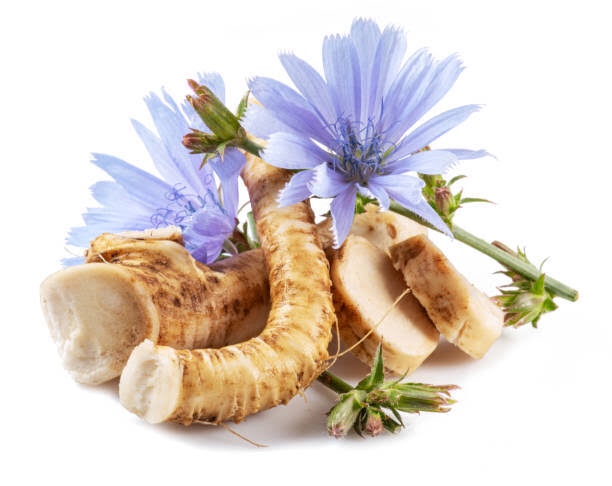
1. Chicory is a tuberous herbeceous root, usually grown in winter. Though it is a native herb from Europe and Asia, but nowadays it widely grown in many areas for its health benefits and as a herbal remedy.

2. Chicory roots are a good source of carbs, minerals, and phytochemicals, including flavonoids. It has been utilized as herbal medicine for generations due to its high nutritional value. Research have shown that it has anti-inflammatory, antibacterial, and antioxidant properties.

3. In modern days, many of its benefits has been scientifically proven. Chicory root is rich in inulin which is a fructose rich fiber and acts as a prebiotic. It promotes growth of healthy bacteria in the gut. Since, it is undigested in the gut when consumed, so it can act as a laxative and relieves constipation.

4. Studies have shown that chicory can contribute to lower blood sugar and helps in insulin resistance. Therefore, it can be an aid in the treatment of diabetes.

5. Other list of benefits of chicory roots are it can promote the weight loss process, improves liver health, boost kidney function by its diuretic properties and may help in treating candida and eczema.

Chicory coffee

6. Since chicory roots are naturally caffeine free, so they have widely been used as a coffee alternative to reduce the intake of caffeine. Repeated consumption of coffee may lead to excess caffeine intake which in turn can cause issues like increasing the level of cortisol and stress.

7. Extensively used method of including chicory in diet is by blending with coffee as chicory coffee, or as herbal tea. It is also integrated in cereals, protein bars and other food items.

8. Like any other food, Chicory roots also have it’s share of side effects like over consumption can lead to allergic reactions, skin rashes, GI symptoms like discomfort, diarrhoea and gall stone.It is contraindicated during pregnancy and lactation.

9. As there is no specific doses of daily consumption of chicory, generally having around 5 gram of inulin in 500ml of chicory coffee in regular diet may not lead to any adverse effects. However, a Physician’s or an expert advice is recommended.

10. Chicory roots have been in ancient cultures for ages as a herbal medicine. History says that it has been in use as a healthy beverage for many centuries for its health benefits.

Thanks for reading.

Peace and love 🙏

10 hard facts about Taurine 🙌

Hello everyone ,

1. Amino Acid :Taurine is found naturally in our body. Chemically, it’s an amino acid or more precisely amino sulphonic acid. Since it is naturally available in the body, it plays a significant part in different bodily functions like metabolism, immunity, nervous system, electrolyte balance, biliary system.

2. Nervous system :Taurine as an abundant amino acid support building up the nervous system, helps in storing memory. As ageing progresses, it’s bodily reserve reduces with age. Due to its decreased levels can be responsible for neurodegenerative diseases like Alzheimers’ or memory deficits.

3. Liver :The liver is supported by taurine mainly to break down cholesterol into bile salts. Bile salts play a crucial role in the digestion and metabolism of fat in the body.

4. Lifespan: Researches show that high taurine levels do have anti-aging effects. From its lower levels contribute to inflammation, diabetes, obesity, hypertension, so, with improved levels of taurine, these risk factors are significantly reduced. Food supplementation of taurine and exercise do contribute to the lifespan.

5. Cell protective agent: Taurine plays a vital role in regulating cell volume, calcium homeostasis, sweeping free radicals and stabilizing the cell membrane.

6. Heart : Studies show that taurine reduces the risk of heart failure by lowering the progression of atherosclerosis. It has a potential vasodilating effect. Taurine supplement in people who have a history of heart failure shows lower levels of cholesterol. Low Taurine levels may be a significant factor in the development of cardiomyopathy.

7. Eye :Studies have shown that taurine is abundant in the retina of the eye. Reduced levels of taurine is linked to eye disorders like glaucoma, retinal degeneration like diabetic retinopathy.

8. Muscle :Studies show that taurine helps to improve muscle power and strength. Taurine appears to help restore muscle injuries, damage, pain and reduce progress in people with muscular dystrophy.

9. Food : Taurine is found in dairy and high sources are mainly meat, chicken and fishes. As for plant based diet, seaweed is a good source of taurine.

10. Dosage : Taurine supplementation is not usually recommended as it is naturally available in the body and in our diet. If prescribed clinically, evidence shows that consumption of 3 gms per day works well without the risk of side effects. Taurine has also been an essential component in energy drinks in case of physical performance. Some infant formulas contain taurine because it is not naturally found in babies as it is in adults.

Thanks for reading.

Peace and love 🙏

10 quick facts of ginger🫚

Ginger is an ingredient common to our cuisine for centuries. It is widely used in most of the culinary dishes. Besides adding the zing in our taste buds, it has immense medicinal and health benefits.

  1. Ginger contains gingerol that imparts its unique taste and flavour to cooking. This compound gingerol is a natural antioxidant and anti-inflammatory. Hence, ginger helps to cure common cold, flu, seasonal rhinitis and fungal infections.
  2. Previous studies have shown that ginger has played an important role in controlling blood sugar levels in people with type 2 diabetes. Researches also show that regular intake of ginger helps to reduce the levels of LDL cholesterol and triglycerides, thereby reducing the risk factors of cardiovascular diseases. It is also effective in weight loss.
  3. Ginger is highly effective against swelling, itchiness and minor skin allergies such as hives. Having ginger juice along with jaggary powder can be consumed to reduce skin allergies and itching.
  4. Ginger is an effective pain reliever. Consuming ginger slices or ginger juice can help to reduce joint pain, body ache and earache.
  5. Consuming ginger or raw ginger juice has helped in improving many digestive issues. Eating raw ginger slices before a meal will help to stimulate digestion and improves the appetite. A person having indigestion, belching, bloating will be relieved after having ginger juice along with lemon juice or ginger slices. Problems like nausea, vomiting, diarrhea can all be relieved after consuming ginger. So, it can be used during Morning sickness. People taking chemotherapy may use ginger to alleviate post-drug side effects.
  6. Ginger is very effective when used freshly, but also beneficial when consumed as a powder for juices or tea. A common spice used in various cuisines.
  7. Ginger is effective against degenerative diseases like multiple sclerosis, Parkinson’s disease, Alzheimer’s disease due to the presence of compounds like 6-gingerol and 6- shogoal.
  8. Ginger is grown especially in tropical areas. Ginger roots are mainly used for cooking and healing purpose. It can be stored in dried or powdered form for a long time. Ginger supplements are available in capsules or liquid extracts. Ginger oil as essential oil is used in beauty products.
  9. Ginger is rich in dietary fibre and in vitamins like B3, B6 and C. It is rich in folate, magnesium, phosphorus and zinc.
  10. Ginger is usually safe, but it must be used in moderation as part of a healthy diet. Too much consumption or concentrated higher doses may lead to heartburn, stomach upset or loose motion.

Thanks for reading.

Peace and love 🙏

Self renewal: 10 hard facts 🙌

Hello everyone 🖖

1. The human body in which each of us lives is made up of around 37 trillion cells, to be precise. And every day, about 1-2 percent of the cells are renewing. So, exactly after 90–100 days, a new “me” appears. We remain so busy with our routine lives that we hardly acknowledge this fact, and many of us are not even aware of it. So, ‘change’ is the constant tune, not just within the universe but also within us.

2. Now that we understand that our bodies undergo transformation on a daily basis, So, the question is: how does this self-renewal occur? Let’s go back to our past a little bit. The human body develops from the human embryo, which is fertilized by an oocyte and a sperm cell. This embryo is made up of stem cells. The stem cells are the basic cells (undifferenciated cells) of the human body, which, through the process of mutation and transformation grow into different cells like nerve cells, bone cells, muscle cells, blood cells and so on. Throughout our lifespan, these stem cells undergo cell division and keep replicating; that’s how self-renewal happens.

3. Under normal physiological self-renewal processes, different cells in the body have differing rates of cell division. So, the replication process of various tissues, organs, and blood cells in the body has a different time frame, like the skin epidermal cells, which can take around 10–30 days, whereas a bone cell takes 3 months, or a hair grows about 1 cm in one month, and so on.

4. Though our body is constantly changing due to the continuous self-renewal process through different cell cycles like shedding the old skin cells, renewal of intestinal cell lining, and growing hair or nails on a routine basis, this isn’t a simpler process. The human body is still very complicated and has exceptions. Some cells, such as those in the brain (cerebral cortex), eyes (such as lenses), and heart, do not change from birth to death.

5. But then, why is self-renewal important and must be maintained? Under normal physiological conditions, stem cells have two functions: proliferation and differentiation. Though stem cells have a natural proliferative capacity throughout our lives, disease conditions can affect their physiological self-renewal ability and behavior due to factors such as damage or an unhealthy lifestyle (obesity, lack of physical activity, smoking, or a poor diet).

6. A lack of an appropriate environment within the body or poor maintenance of the human body might eventually lead to the exhaustion of the capacity of stem cell proliferation, which causes premature aging or tissue atrophy. With aging, stem cell activity, tissue regenerative and haemeostasis is significantly declined.

7. Sometime, due to the unhealthy environment within the body, mutations lead to aggressive stem cell division without going through the natural cell differentiation process. This can lead to abnormal tissue growth or cancer in the body. Therefore, the physiological process of stem cell division and the natural stem cell behavior can be affected by four disease conditions, like degenerative, metabolic, cardiovascular, and inflammatory conditions.

8. Regenerative medicine and therapies have arisen as a result of the discovery that defective self-renewal mechanisms in the body are the root cause of malignancies and abnormal cell proliferation. Many disorders are being treated with regenerative medicines based on stem cells. Recent years have seen a significant increase in the use of stem cell treatment to treat a variety of diseases like cancer and disorders including type 1 diabetes, heart disease, stroke, Parkinson’s, burns, osteoarthritis, by regenerating cells, repairing tissues, and transplanting organs.

9. The fact about regenerative medicine is that, though it has helped many patients around the world, the cost of treatment is quite high as the procedure is complicated and the failure rate is high. Human stem cell treatment requires culturing human stem cells in a laboratory setting for a longer period of time, which is quite difficult.

10. The market is flooded with products that promote cell regeneration, anti-aging, and longevity. The lofty claims made by these items are still quite dubious. But it is true that some supplements do work to improve health, lower inflammation, and increase immunity. But in the end, having a healthy diet, getting enough sleep, a calm mind, and exercising regularly is all that’s necessary for good health.

Thanks for reading.

Peace and love 🙏
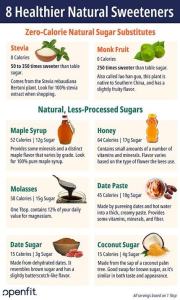
6 best Natural sweeteners 🙌

Hello everyone ! Have a wonderful and safe day 🙋🏻

Most of us have a sweet tooth. But its the potential danger of adding some extra calories and the spiking glucose and insulin level that scares us the most. Yes, we can reduce or eliminate the intake of sugar from our diet for health sake. Perhaps, this is the best option. Or, we can choose some healthier options instead. Not going for artificial, industrially processed sugar and products, we can very well opt for natural alternatives which will not only satisfy our sweet tooth but also give some added health benefits.

Six healthy alternatives:

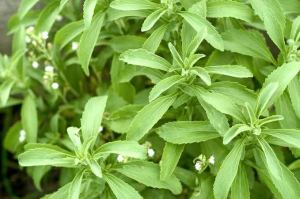
1.Stevia: is a natural sweetener derived from the leaves of a bush known as Stevia Rebaudiana. The leaves are packed with nutrients and phytochemicals. It has no calorie, 100%natural and no adverse effects on health. Instead found to lower blood pressure and insulin levels. Though different brands are available in the supermarket, the best option is those who are least processed ,non GMO (genetically modified organism) and have no added sugar like dextrose or multidextrin and so on. 


2. Monk fruit sweetener: This is a healthier option as it has zero calories too. It is derived from a small green fruit called monk fruit found in South Asia. Studies have shown that this fruit extract has anti-inflammatory, antioxidant and anti-cancer properties. But, more research is required though. This kind of sweetener is quite expensive and is available in the supermarket. We need to be careful of any artificial sugar additives.

3. Pure raw honey: Pure organic honey, is not just sugar but a complete food. However, it has calories but has immense health benefits. It contains antioxidants, antimicrobial, and is used as a natural medicine for cough relief and in wounds and cuts. Since it includes pure bee pollen, it can also benefit from reducing allergy symptoms. Not all honey brands found in the aisle of the supermarket are healthy.Pure, organic raw honey has the maximum health benefits. Since it has calories, it has to be used sparingly.

3. Dates: Dates can be used along with raisins, apricot, pineapple juice as sugar alternatives. Dates as such are rich in fibres and have the highest nutritional value along with vitamins and minerals. They are also rich in antioxidants.

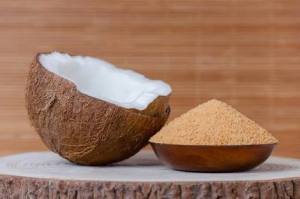
4. Coconut Sugar: Coconut sugar is good as it is extracted from coconut juice which is full of potassium, rich in nutrients and electrolyte. It has a low glycemic index.

5. Maple syrup: Pure maple syrup is derived from maple tree sap that has been reduced by boiling. The maple tree is a native of North America. Maple syrup has immense health benefits too. It is rich in antioxidants, zinc and other minerals and is suitable for heart health, immune booster and hormonal balance.

6. Jaggery: It’s a sugarcane syrup that is golden to dark brown, which is unrefined and unprocessed. It has high nutritional value and is rich in minerals and phytochemicals. It improves digestion, immune booster and helps in joint pain. Since it has calories, it is not ideal for people with diabetes.

Thanks for reading.

Blessings and much love to all 💐

Pic: courtesy Pineterest.


Hair health 🙌

Hello everyone ! Have a great and safe Sunday ☀️🙋🏻

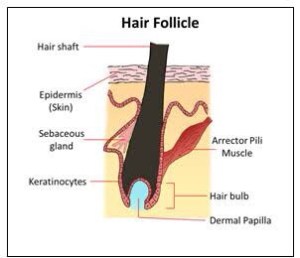
Our hair is the crown, we never take off. So, hair is a significant part of our physical appearance; hence it is crucial. Structurally, hair consist of a protein called keratin. A hair follicle supports each hair shaft. The root of each hair follicle lies the hair bulb. It is in this hair bulb; new cells develop and grow and give rise to the latest hair follicle. The hair bulb contains the blood vessels which nourishes and supply necessary nutrients to the cells to grow and develop. The colour of the hair depends upon pigment cells called melanin. The structure and texture of the hair are related to genetic predisposition.
Each hair grows through a cycle of 3 phases:

Growth phase: In this phase, the hair is growing in prominence.
Transitional phase: When the hair stops growing, matures and the hair follicle start to shrink.
Resting phase: When the old hair fall, cells die, and new cells start to develop and grow.

Typically with ageing, the hair pigment cells die, and hair begins to turn grey and fall. But, in the recent decade, due to environmental pollution, harmful UV rays, unhealthy lifestyle, unhealthy hair treatment, hair thinning, hair greying and hair fall has become very common even in the young age group.

Some common causes of hair thinning and hair fall:

1.Poor nutrition: Unhealthy eating habits like eating junk food, processed food, artificial sweeteners, cola, juices does not provide any nutritional value but instead add to empty calories to the body. Again, some people go on a crash diet, leaving behind necessary nutrient-dense food like healthy fat has to suffer hair fall. When the body does not get enough nutrient-dense food, it transports the remaining nutrients to the vital organs. It is the hair which is left neglected. Hence hair fall, hair thinning and low growth.

2.Poor Blood circulation: Sometimes, even if you have a well balanced nutritious diet, yet you may face hair issues. Hair problems happen because the blood nutrients are unable to reach the cells in the hair bulb. So, massaging the scalp is essential to stimulate the blood circulation and enrich the hair bulb with the necessary nutrition. Even physical exercise is critical. Daily routine exercise, causes proper movement in the body which ensures efficient blood circulation in every part of the body, including the scalp. Women suffering from hormonal imbalance and thyroid issues, suffering from hair fall, exercise is highly recommended.


3.Excessive stress: This is important because, in a chronic state of stress, the body tends to remain in the sympathetic mode, which blocks the body’s normal functioning of growth and renewal mechanism.


4.Heat and chemicals: Heat is very harmful to hair. Hot water baths, use of excessive hair styling methods like hair drying, hair straightening, hair curling are all harmful. Tying hair too tightly all the time may affect the hair root. Avoiding too many hair products, colouring agents, and toxic chemicals like sulphate can cause hair damage. Fragrance hair products may contain alcohol which is harmful also.

Measures to protect and keep hair healthy:

1.Nourishment: It is vital to keep the scalp healthy and clean to have healthy hair. So, cleaning the scalp 2-3 times a week with a mild shampoo is essential to remove pollutants and impurities. Massaging the scalp gently 5-10 mins, 3-4 times a week will improve the blood circulation drastically. Natural oil like coconut, almond or jojoba oil is nourishing and can be used for hair massage.

2.Exercise: Regular exercise is essential to ensure proper blood circulation to provide necessary nutrients to the body, including the scalp.


3.Drinking water is overall healthy and good for hair too.
4. Five Superfoods for hair:


Eggs: They are in rich in protein and biotin. Keratin which is protein is present in each hair strand, so protein intake is crucial for hair. Biotin gives strength to hair and promotes hair growth.


Green leafy vegetables: Dark green leafy vegetables and spinach are rich sources of iron, vitamin A and C. Adequate iron is required to produce haemoglobin in the blood. Haemoglobin is essential to transport oxygen to cells, and hence, it is suitable for scalp and hair growth. Other rich sources of iron are beans, pulses, soya, seeds, nuts, broccoli and cabbage.

Vitamin B12: It helps in hair growth and texture. The sources are meat, fish, salmon, milk, dairy products, eggs.


Fat-soluble vitamins: Vitamin D, E, A, K are all essential for hair health. Consuming healthy fat of omega-three fatty acid is not only good for hair health but also help in the absorption of fat-soluble vitamins. Vitamin A helps in the production of sebum which nourishes the hair. Sources are sweet potatoes, carrots, seeds and nuts.
Vitamin C and E are potent antioxidants and prevent free radical damage. Therefore, they are protective of hair.
Sources are Lemon, berries, almonds, avocados, spinach, guavas.


Zinc: Zinc promotes hair growth and repair and prevents hair loss. Sources are meat, shellfish, sprouts, pumpkin seeds and sesame seeds.

Thanks for reading.

Blessings and much love to all 💐


Face ageing: 5 crucial tips 😌

Hello everyone ! Have a wonderful and safe day 🙋🏻

Skin is the largest organ in the body and is most prominent. So, any kind of changes of ageing can be visible clearly in the skin. The skin, like other tissues, possess the extracellular matrix. This matrix comprises collagen and other structural compounds called Glycosaminoglycans (GAGs) and proteoglycans. All these compounds together contribute to the tightness of the tissues which keep our skin stiff and makes us look younger and radiant.

As we age, we tend to lose more collagen, proteoglycans and GAGs slowly. A research study has shown that another vital hormone produced in the liver called Insulin Growth Factor -1 (IGF-1) is related to facial ageing. These IGF-1 levels are inversely proportional to the levels of serum insulin in the body. When insulin level is high like in case of insulin resistance individuals, the IGF-1 level is low. So, insulin resistance individuals tend to age faster usually. Hyaluronic acid is a lubricant which is also naturally produced by our body which helps the skin and connective tissues to retain the moisture. We tend to lose this lubricant due to ageing and unhealthy food habits.

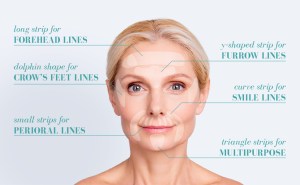
Facial ageing causes the horizontal and vertical lines to look prominent, thinned skin, loss of elasticity and collagen, loss of tissues and bones in the cheeks, fat atrophy, puffiness around eyes, sagginess around the neck and so on.

Common factors which aggravate the ageing process:

1.Smoking
2.Too much sun exposure causes skin damage. But, daily exposure to 10-15 mins of sunlight is useful for Vitamin D synthesis in the body.


3.Too much chemical-based cosmetic products like cremes, lotions, make up products are harmful.
4.Alcohol /drugs consumption
5.Refined processed food and too much sugar


6.Chronic stress causes high cortisol level.
7.Sedantery lifestyle and lack of exercise.

Specific important ways which prevent facial ageing :


1.Exercise: Most preferably maintaining an active lifestyle with the routine exercise of 30 mins to1 hour is ideal.A particular activity like high-intensity interval training (HIIT) is short periods of 7-10mins of intense exercise with intervals of rest, and low-intensity exercise is beneficial to keep the cortisol level optimum. 

2.Enhance the quality of sleep: Sleep induces the release of HGH, human growth hormone and Insulin growth factor-1, which helps to prevent the breakdown of collagen and proteoglycans.


3.Intemittent fasting: Fasting of at least 16 hours can stimulate autophagy, body’s renewal mechanism, activates the immune system. Fasting increases the antioxidant activity and increase stem cell production.
4: Foods:
Collagen rich foods: These foods are a rich source of collagen, amino acids and hyaluronic acids.
Fermented foods: bone broth, green leafy veggies, caviar or fish roe, citrus fruits, mushrooms and seaweeds. To know more about collagen, please refer to my previous post https://atomic-temporary-162723897.wpcomstaging.com/wp-admin/post.php?post=4448&action=edit

Healthy fats: Omega 3 fatty acids like EPA and DHA found in oily fishes like salmon, tuna, sardines, nuts like walnuts, macadamia, pecan nuts, seeds like chia seeds, flax seeds.
Saturated fats like in grass-fed butter, ghee, coconut oil, olive oil are very helpful.


Organic Acids: Organic acids promote the growth of probiotics in the body, which helps to support the immune system and the cell renewal process. Organic acids found in fermented foods like saurkraut, kombucha are quite known for beauty benefits. The citric acid found in citrus fruits is also vital. Enzyme rich foods: Enzymes are essential for digestion and absorption of proteins in the body. Certain fruits with individual enzymes present in each of them like papaya contain papain. Figs contain ficans. Pineapple contains bromelain and kiwi have actinidain are all-powerful proteolytic enzymes which helps in the polysaccharide metabolism and the digestive process. Fruits are also rich in antioxidants which prevent free radical damage.


Vitamins: Fat-soluble vitamins D, K, E, A are all essential for the prevention of free radical damage and cells renewal process.

5.Essential oils: These natural oils work naturally on the skin by hydrating and moisturizing. Some commonly used oils for beauty purpose are geranium, frankincense, lavender, jojoba, myrrh, rose and rosemary.

So, it is crucial to understand that to have a healthy body, a glowing skin, and healthy hair; it is necessary to correct our food habits and lifestyle rather than spending an enormous amount on cosmetic treatments and beauty products. The approach should be inside out rather than external means.

Thanks for reading.

Blessings and much love to all 💐