10 facts: Sleep wake cycle linked to cortisol πŸ‘

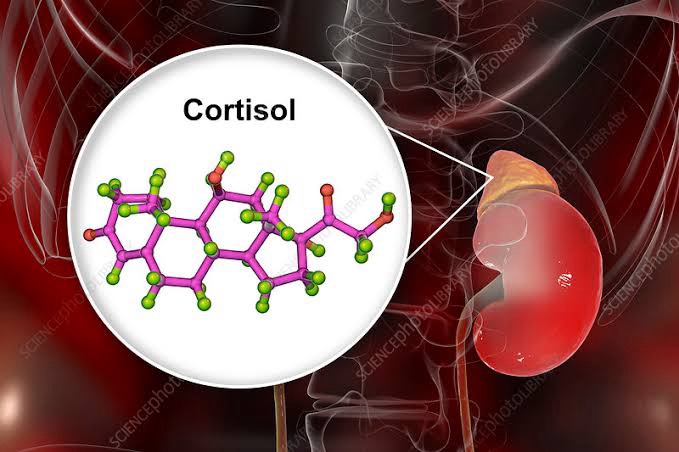
1.Cortisol is a stress hormone released from the adrenal glands, which is ideally secreted during a fight-or-flight response. However, in today’s world, our daily lives are filled with stressful situations, such as competition, comparisons, peer pressure at work, negative people, and relationships stress. As a result, cortisol is released not just in short bursts but remains chronically elevated. This persistent high level of cortisol keeps the body in a constant state of stress, leading to chronic inflammation, sleep problems, and various diseases.
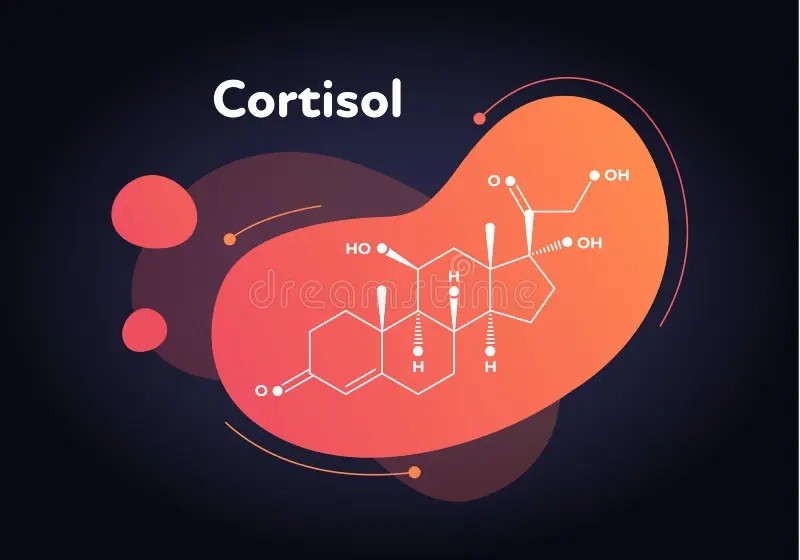
2.Cortisol plays essential role in the body for survival. But when cortisol is elevated for a longer period of time can lead to health issues like weakened immunity, metabolic syndrome and mental health issues. The functions of cortisol are :

– Maintaining blood pressure

– Elevating blood sugar levels

– Regulating the circadian rhythm

– Facilitating the utilisation of energy from carbohydrates, proteins, and fats

– Reducing inflammation

3. Sleep-wake cycle follows a synchronised rhythm with the night and daytime. During the sleep phase, the body goes through different stages, such as:

β€’ Non-REM stage: The phase where the body and mind, being awake, slowly move to a calmer state before falling asleep. Followed by a stage where the body’s core temperature drops, brain waves slow down. After this, a stage emerges where the heartbeat, breathing, and brainwaves slow down, entering a deep state of relaxation.

β€’ REM state: This stage occurs normally after the deep sleep phase. In this phase, people have vivid dreams, and intense dreaming appears. There is weakened muscle activity similar to temporary paralysis. This stage is important as the brain is cleaning out the buildup of waste and toxins.

4. HPA axis: The hypothalamic-pituitary-adrenal axis is responsible for the neuroendocrine regulation. Hormones like melatonin and cortisol from the HPA axis modulate the sleep-wake cycle. When there is disruption of this axis disturb the sleep cycle. Studies show that there are reciprocal interactions between sleep regulation and the HPA axis. Stressful situations like PTSD, emotional trauma, and chronic workload can lead to long-standing sleep issues like insomnia, sleep deprivation, and lack of restorative sleep, which in turn lead to disruption of the HPA axis and vice versa.
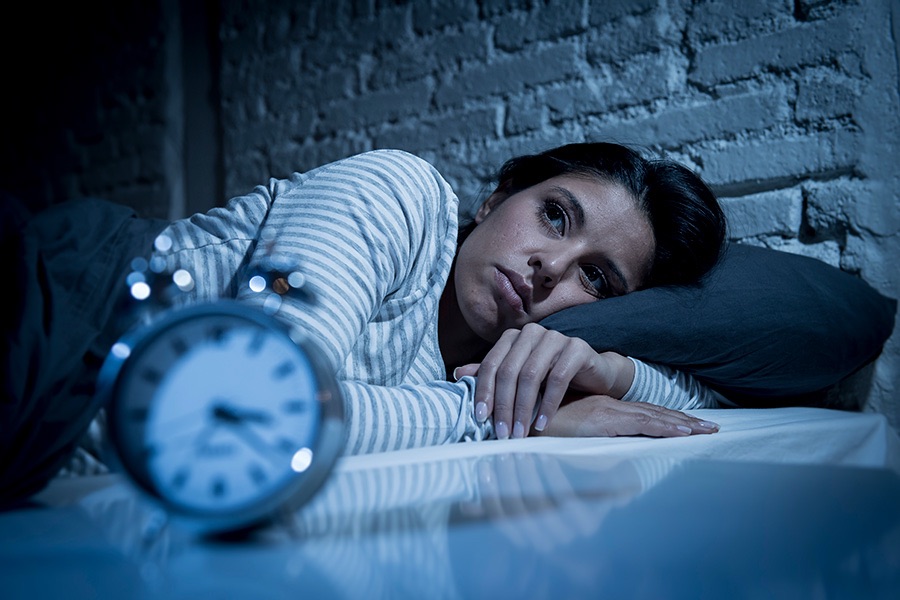
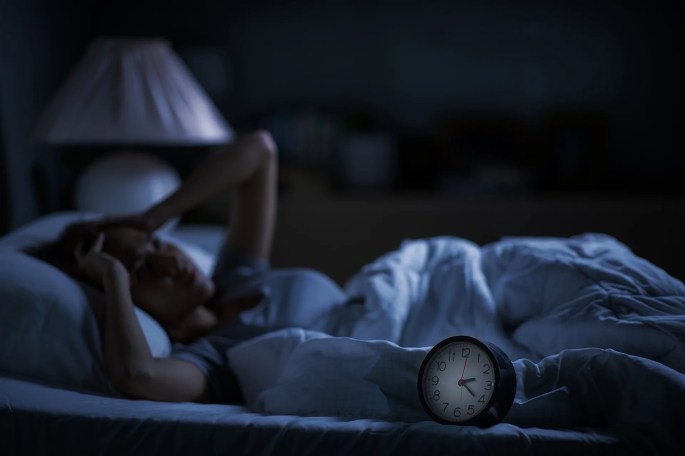
Insomnia

5. The HPA axis and sleep have a significant interconnection. Good quality sleep, deep sleep causes an inhibitory effect on the HPA axis, whereas hyperactivation of the HPA axis leads to overload of glucocorticoids, wakefulness, and loss of sleep. Sleep disorders related to HPA dysfunction are:

β€’Insomnia is a common sleep disorder which is found to have a connection with an increase in ACTH and consistent cortisol levels and arousal of the central nervous system.

β€’Obstructive sleep apnea or daytime sleepiness has been associated with elevated pro- inflammatory cytokines, IL-6 and TNF.

Weight gain

6. Elevated cortisol level: Studies show that sleep deprivation has a direct connection to elevated cortisol levels, long hours of wakefulness in the daytime, glucocorticoid overload, and disruption in the HPA axis. These directly affect the well-being of the individual and increase the risk of obesity and type 2 diabetes. Other symptoms of elevated cortisol levels are:

β€’ Weight gain

β€’ High blood pressure

β€’ Weakness of bones

β€’ Muscle weakness

Stressed

7. Cortisol level: Normally, there is a spike of cortisol level in the morning, known as the awakening response, and it continues for about 60 minutes thereafter. Then, gradually the level-starts dropping and reaches the lowest level towards the evening/midnight. The factors which can affect the cortisol levels are:

β€’ Stress

β€’ Disturbed routine sleep schedule

β€’ Morning light may cause the surge

β€’ Cushing’s syndrome

Overworked/ stressed

8. Stress and cortisol level: Cortisol is a steroid hormone which is released from the adrenal glands in the body’s response to stress. Cortisol also releases sugar from the liver to combat stress. In addition to this, sleep and stress are also closely linked. Prolonged stress can lead to sleep disorders like acute insomnia. The types of stress when cortisol is secreted are:

β€’Short-term stress

β€’Long-term stress

β€’Trauma, both psychological and physical.

Dark chocolate

9. Food and cortisol: Certain foods can support gut health, reduce stress and lower the cortisol level naturally:

β€’ Whole grains and natural fibres – Whole grains are rich in polyphenols, which can support gut health and reduce stress and cortisol. Fibrous foods like vegetables, fruits, and berries contain both polyphenols and antioxidants that help reduce cortisol levels.

β€’ Dark chocolate (70 – 80%) – Flavonoids in dark chocolate can lower the stress response and cortisol from the adrenal glands.

β€’ Green tea contains polyphenols, catechins, and L-theanine, which can lower stress reactivity.

β€’ Probiotics/Prebiotics are linked to healthy gut health, reduce stress and cortisols.

β€’ Healthy fats in nuts, fatty fish, and seeds rich in omega3-fatty acids reduce stress and support mental health.

β€’ Water – Consuming water throughout the day prevents dehydration and controls the cortisol level.

Meditation
Community/ kindness/ volunteer work

10. Natural habits that can keep the cortisol level under control:

β€’ Good sleep routine – Firstly, keep away from cell phone or any kind of distraction at least 1 hour before bedtime, avoiding alcohol, caffeine intake and nicotine 5-6 hours before bedtime, maintain a bedtime schedule; going to bed and waking up the same time every day is important for sleep hygiene.

β€’ Daily routine exercise, nature bathing, walking or any kind of physical activity.

β€’ Practise deep breathing techniques like Pranayama, mindfulness breathing, Meditation, yoga, tai-chi.

β€’ Maintaining your mental health by managing your personal relationships, staying away from negative people and a negative environment, cultivating hobbies, laughing, and listening to music.

β€’ Spirituality – believing in spiritual faith, attending spiritual workshops, meditation, community spirit, kindness /charity /voluntary works, helps maintain cortisol levels.

Thanks for reading.

Peace and love πŸ™

Eye health : 6 important tips πŸ™Œ

Hello everyone ! Have a wonderful day πŸ™‹πŸ»

What is this fuss about blue light on eyes? Blue light is a significant component of sunlight. Blue light is beneficial as it maintains our circadian rythm, the natural wake and sleep cycle. It also makes us alert, boost energy and elevates our cognitive functions in the daytime.

With the change in lifestyle, occupation and technology, people have started living more indoor with devoid of natural sunlight. More exposure to all kinds of technology gadgets, illuminating artificial lights at night after sundown has begun to take a toll on human health.The blue light, which is healthy in the daytime, has started to interrupt the natural sleep cycle in the night time. The intense exposure from blue light emitted from artificial lights like LED, fluorescent lights and prolonged screen time of electronic gadgets like TV, computer and cell phones hurts our eyes and body. The blue light disrupts the secretion of melatonin which is the primary sleep hormone. Though, all light of different wavelength interferes with the secretion of melatonin. But, blue light interferes the maximum when compared to other light. With the daily exposure to blue light at night time, have started to disrupt, not just the sleep cycle, but the entire hormonal cycle and other biological processes of the human body. Researches have even found itΒ linked to some types of cancers, diabetes, obesity and heart ailments.

Some tips to prevent blue light exposure during the evening and night time:

1. Using dim light at night, preferably dim red light and using old types of incandescent light at home instead of LED lights. In a light spectrum, the longer the wavelength, the less effect it has on our health. Therefore, the red light is less likely to affect the circadian rythm.

2. Limit the screen time at least 2-3 hours before bedtime. It is essential to use a blue light filter or glasses at night time when working in the computer or doing a night shift work.

3. Using a lubricating eye drops to prevent dry eyes and irritation caused by prolonged screen exposure. It is vital to keep a distance of 2 feet away from the computer screen. Eye blinking should frequently be to prevent dryness.

4. Natural exposure to sunlight in the day time is essential for healthy life processes to carry out optimally, prevent mitochondrial damage, helps in ATP synthesis and Vitamin D synthesis.

5. Consuming green leafy veggies, omega three fatty acids rich food, carrots are all good for eyes. Drinking plenty of water is beneficial. Splashing the eyes with cold water to prevent drying and itchiness of eyes. Proper nutritional care necessary and is vital to quit smoking as they both are essential to prevent age-related macular degeneration.

6. Eye muscle exercise and following the 20/20/20 rule.

Thanks for reading.

Blessings and much love to all πŸ’

Post: 5 Sleep aids 😴 πŸ™Œ

Hello everyone! Have a great Tuesday πŸ™‹πŸ»β€β™€οΈ

6C6137F8-82F2-4FD4-88C8-D7F1AEF31891

Pinterest.com

Thanks for reading.

Blessings and much love to allπŸ’

Post: Why is the pineal gland (the third eye) considered so powerful ? 6 wonderful scientific facts.

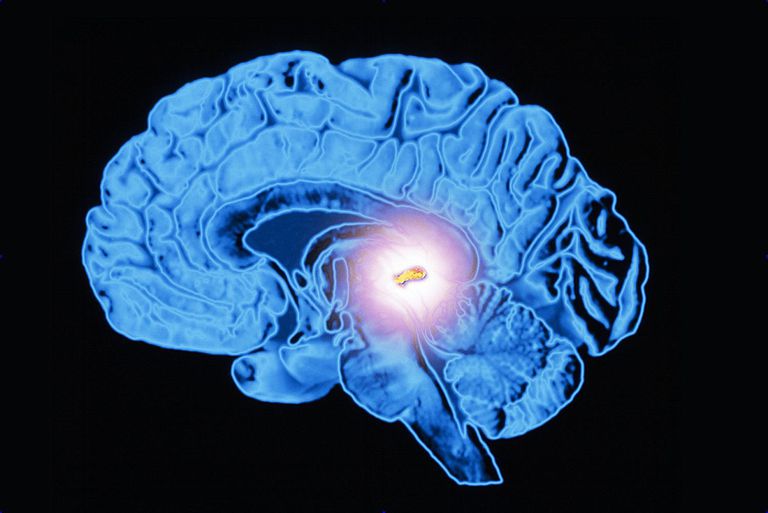
Anatomically, the pineal gland is a pea-sized endocrine gland which is located in the epithalamus, near the centre of the brain. Functionally, it is a part of the endocrine gland as it secretes the hormone melatonin, which is synthesized from serotonin, which maintains our day-night cycle, circadian rhythm, our natural biological clock.

Some mains functions of the pineal gland are :
Sleep cycle (circadian rhythm)
Reproductive functions and fertility
Bone growth
Body temperature
Water balance
Blood pressure
Immune system
Longevity and anti-ageing.

Scientific researches have proved that, besides maintaining the sleep cycle, the pineal gland has many important roles to play, hence it is quite a crucial organ.

Some 6 wonderful facts about this tiny gland;

1.Master Gland : Considered as a master regulator with the hypothalamus of the endocrine system, it controls hormone signals to all organs of the body. It has a dual neuroendocrine role, much bigger role than only maintaining the melatonin, sleep cycle. Besides, melatonin, serotonin, it also secretes biogenic amines like Catecholamines (Noradrenaline). Now, researches show that pineal gland is responsible for the release of pituitary hormones and so it is the master conductor of the endocrine system. Therefore, all the body’s vital functions are controlled by this organ.

2. Sixth sense :Since it has a rich adrenergic nerve supply, it is found to be very sensitive to our energy field, both magnetic and electric fields (vibrations) which we are normally not aware. Normally, we are aware of what our five senses feel. So, this gland is responsible for the “sixth sense.”, the bioelectromagnetic field (vibrations). This is what is called an Expanded consciousness. Animals have normally a bigger pineal gland so have a larger bioelectric field. They respond to vibrations while communicating which humans don’t use as we, humans have languages.

3. Third eye: Since the ancient time, it is regarded as the “third eye” (in many ancient mythologies like Egypt, Greek, Chinese and Hindu). Now science-based studies proved that it indeed contains rod-like cells (pinealocytes) that are similar to those of eye. There are both dark and light pinealocytes. The gland is connected to the eyes to detect light and dark stimuli and stimulate the release of melatonin.

4. Anti ageing :Melatonin which is released by the pineal gland is found to be a powerful anti-oxidant. It has about 200% more oxidative power than vitamin E and also vitamin C. Therefore, it is a strong hormone against oxidative stress, so very important in anti-ageing.

5. DMT :Pineal gland mediates the release of serotonin and dopamine. Both are considered as happy hormones. Therefore disruption in circadian rhythm can affect the release of melatonin which is synthesized from serotonin in Pineal gland. Another mystery fact is increased scientific evidence have shown pinoline and DMT( dimethyltryptamine) have been naturally producing in the pineal gland, help in mood, perception, consciousness, dream state and cognition. DMT is produced naturally during deep sleep in the unconscious state. It can be produced in deep meditation at a conscious level by experienced meditators like monks and yogis. DMT has a psychedelic effect, an elevated state because it gives the visionary experience, a state of transcendence, body and spirit connection.

6. Awakening : Since it is the most powerful organ, pineal gland activation can help you give more clarity about the world, and perform at your most optimal potential. It can help you perform brilliantly in any task.
Many practices like deep meditation, Kundalini yoga, Chi Kung (Chinese) like deep breathing, tapping, focussing (at the centre of forehead), laughing (being happy), light music and being in darkness can awaken the pineal gland. Pineal gland activation also helps to balance the body’s 7 chakras or 7 healing energy sources. Neuroscience has proved that activation of this gland can give profound spiritual experiences, out of the body experiences. Practising deep meditation and concentration daily can slowly help to activate the pineal gland.