1. Amino Acid :Taurine is found naturally in our body. Chemically, it’s an amino acid or more precisely amino sulphonic acid. Since it is naturally available in the body, it plays a significant part in different bodily functions like metabolism, immunity, nervous system, electrolyte balance, biliary system.
2. Nervous system :Taurine as an abundant amino acid support building up the nervous system, helps in storing memory. As ageing progresses, it’s bodily reserve reduces with age. Due to its decreased levels can be responsible for neurodegenerative diseases like Alzheimers’ or memory deficits.
3. Liver :The liver is supported by taurine mainly to break down cholesterol into bile salts. Bile salts play a crucial role in the digestion and metabolism of fat in the body.
4. Lifespan: Researches show that high taurine levels do have anti-aging effects. From its lower levels contribute to inflammation, diabetes, obesity, hypertension, so, with improved levels of taurine, these risk factors are significantly reduced. Food supplementation of taurine and exercise do contribute to the lifespan.
5. Cell protective agent: Taurine plays a vital role in regulating cell volume, calcium homeostasis, sweeping free radicals and stabilizing the cell membrane.
6. Heart : Studies show that taurine reduces the risk of heart failure by lowering the progression of atherosclerosis. It has a potential vasodilating effect. Taurine supplement in people who have a history of heart failure shows lower levels of cholesterol. Low Taurine levels may be a significant factor in the development of cardiomyopathy.
7. Eye :Studies have shown that taurine is abundant in the retina of the eye. Reduced levels of taurine is linked to eye disorders like glaucoma, retinal degeneration like diabetic retinopathy.
8. Muscle :Studies show that taurine helps to improve muscle power and strength. Taurine appears to help restore muscle injuries, damage, pain and reduce progress in people with muscular dystrophy.
9. Food : Taurine is found in dairy and high sources are mainly meat, chicken and fishes. As for plant based diet, seaweed is a good source of taurine.
10. Dosage : Taurine supplementation is not usually recommended as it is naturally available in the body and in our diet. If prescribed clinically, evidence shows that consumption of 3 gms per day works well without the risk of side effects. Taurine has also been an essential component in energy drinks in case of physical performance. Some infant formulas contain taurine because it is not naturally found in babies as it is in adults.
Ginger is an ingredient common to our cuisine for centuries. It is widely used in most of the culinary dishes. Besides adding the zing in our taste buds, it has immense medicinal and health benefits.
Ginger contains gingerol that imparts its unique taste and flavour to cooking. This compound gingerol is a natural antioxidant and anti-inflammatory. Hence, ginger helps to cure common cold, flu, seasonal rhinitis and fungal infections.
Previous studies have shown that ginger has played an important role in controlling blood sugar levels in people with type 2 diabetes. Researches also show that regular intake of ginger helps to reduce the levels of LDL cholesterol and triglycerides, thereby reducing the risk factors of cardiovascular diseases. It is also effective in weight loss.
Ginger is highly effective against swelling, itchiness and minor skin allergies such as hives. Having ginger juice along with jaggary powder can be consumed to reduce skin allergies and itching.
Ginger is an effective pain reliever. Consuming ginger slices or ginger juice can help to reduce joint pain, body ache and earache.
Consuming ginger or raw ginger juice has helped in improving many digestive issues. Eating raw ginger slices before a meal will help to stimulate digestion and improves the appetite. A person having indigestion, belching, bloating will be relieved after having ginger juice along with lemon juice or ginger slices. Problems like nausea, vomiting, diarrhea can all be relieved after consuming ginger. So, it can be used during Morning sickness. People taking chemotherapy may use ginger to alleviate post-drug side effects.
Ginger is very effective when used freshly, but also beneficial when consumed as a powder for juices or tea. A common spice used in various cuisines.
Ginger is effective against degenerative diseases like multiple sclerosis, Parkinson’s disease, Alzheimer’s disease due to the presence of compounds like 6-gingerol and 6- shogoal.
Ginger is grown especially in tropical areas. Ginger roots are mainly used for cooking and healing purpose. It can be stored in dried or powdered form for a long time. Ginger supplements are available in capsules or liquid extracts. Ginger oil as essential oil is used in beauty products.
Ginger is rich in dietary fibre and in vitamins like B3, B6 and C. It is rich in folate, magnesium, phosphorus and zinc.
Ginger is usually safe, but it must be used in moderation as part of a healthy diet. Too much consumption or concentrated higher doses may lead to heartburn, stomach upset or loose motion.
Melatonin, commonly known as the sleep hormone is responsible for our cicardian rythm. But, it has some fascinating facts to be known.
1. The pineal gland, located at the base of the brain, is known to produce 5% of the total quantity of melatonin. Surprisingly, in all of the cells throughout the entire body, the mitochondria generate the remaining 95% of melatonin.
2. Our body cells’ mitochondria typically serve as the energy-generating organelles. They absorb glucose and oxygen to create water and ATP, which serve as the body’s power source. Free radicals are created during this procedure. However, the free radicals can be neutralised by our body’s defence systems. Melatonin acts as the potent anti-oxidant which causes free radical damage.
3. The melatonin which is produced in the body cells due to the sunlight, especially the infra red rays trigger the release of glutathione and other potent anti-oxidants. Melatonin also has anti -inflammatory properties and anti cancer properties too.
4. Since, melatonin is an effective anti-oxidant, it helps to prevent eye and ear damage. Research shows that it is effective in prevention of age related macular degeneration and retinopathy.
5. Melatonin protects the brain. Melatonin serves to promote the growth of new brain cells and improves memory, according to studies. Melatonin levels were discovered to be low in those with Alzeihmers disease. Thus, it is possible to prevent Parkinson’s and Alzheimer’s disease from becoming severely disabling by increasing melatonin levels.
6. Research shows that melatonin stimulate growth hormone production. Evidences showed that oral administration of melatonin increased the level of growth hormone, two fold times.
7.Melatonin production declines noticeably as we get older. Therefore, in order to maintain melatonin levels in our everyday lives, we must get enough sun exposure during the day and turn off lights at night so that darkness can help to stimulate melatonin production.
8. Sub-cellular melatonin which is produced in the body naturally is more effective than taking melatonin pills. Melatonin pills do work on short term basis and should be taken only if clinically recommended.
9. Aside from the infrared radiation that comes from sunlight, which is typically present in the early morning, other sources of infrared radiation that contribute to a sufficient amount of melatonin production include candlelight and being in front of a fire.
10. Incadescent light bulbs, spending time in greenery parks, outdoors all help to boost melatonin production.
Everybody in this world has a deep longing for love and affection. From the new born to the older adult, everybody yearns the sense of belonging, love and compassion. Social acceptance, being valued, and recognition is longed for by one and all in the human community. Infact, we all deserve our inherent birthright of being loved, happiness, vitality, freedom, fearless and growth. So, then, from where does the negativity arise? A child being born is always happy and cheerful. It is the environment, caregivers, parents, teachers, elders, peers, and the competetive nature of this material world that pushes the child towards negativity, egoistic, pain, fear and unhappiness. These growing years, his interaction with the people around him, the environment that slowly programmed his subconscious mind with doubts, anxiety, worries, sadness, lacks and unhappiness. So, like you and me, every individual has grown up with our share of fear, limitations, and inadequacy.
Trapped emotions impact on physical health…
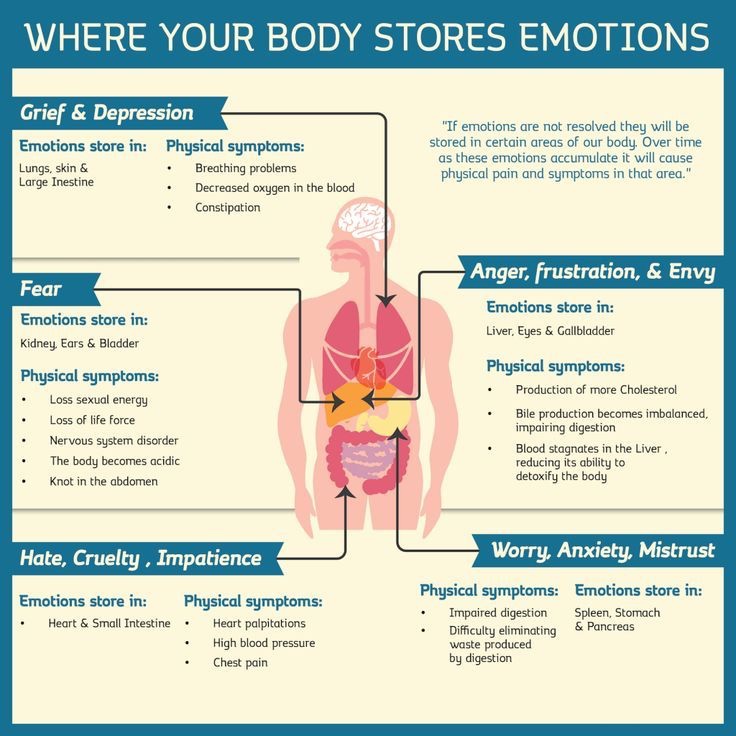
Within this paradigm of limitation and inadequacy in our subconscious mind, we move forward with the life journey. We are then, bombarded with challenges of day-to-day stress, relationship stress, work pressure, financial strain, and other constraints that affect our emotional health even more. Maybe, bad experiences, conflict with parents, loss of a closed one, heartbreak, deep trauma due to a failure, a toxic boss, rejection, and anger can all be overwhelming and add to our emotional baggage. We may think that emotions come and go. We can get over it, quickly or healed after some time. But, the truth is, certain emotions are’nt so superficial. Infact, it has a lasting impact on both our physical and mental health. Studies have shown that certain intense emotions get trapped in particular organs of our body. Like, anger gets trapped in the liver, while hurt, fear get trapped in the heart and so on. Ancient Ayurvedic science which is 5000 years old has rightly pointed out that too much of trapped emotions like anger, worry, chronic stress can create too much heat (Pitta) in the body which may affect the hameostasis and start creating physical illness. So, the emotional component is critical in the overall wellbeing. In reality, it is the emotional health and wellbeing that transcend physical health. Hence, the term disease means (dis-ease, absence of ease).
Evid Based Complement Alternat Med. 2017; 2017: 7618419.
Fundamentally, our mind and body are designed to be in a state of growth, restore, repair and relax. Yes, in times of potential threat and danger, the body reacts to the survival mode of fight and flight response. But, then as evolutionary, the body naturally comes back to its state of homeostasis when the threat is gone. The parasympathetic mode’s natural restoration mechanism is greatly affected by the daily’s state of chronic stress, being on the run, and always being overwhelmed. Moreover, this everyday struggle within our emotional health of mental barriers, mindset, limitations, fears, and worries added to day-to-day stress. So, leading a healthy lifestyle and caring about physical fitness has not stopped people from falling sick. People follow the best possible diet, take their best supplements, and follow an exercise routine, yet they fall into various illnesses like chronic diseases, mental issues and autoimmune diseases. Now, it has become very crucial to consider emotional health, a priority before everthing else. Maybe, this is the most critical component in our path of mental, physical, spiritual wellbeing and being a successful person we all longed to be.
It is vital to slow down... It is essential to annalyse our emotional and mental state daily, introspect at times, and slow down to understand what affects us the most. It is crucial to change the way we think, elevate our vibration, be in the positive mind space and overcome the mental barrier if we want to take charge of our mental and physical heath and wellbeing. As, for all of us, it is much easier said than done. But, indeed, we have to put some efforts on our own to make our life the way we want it to be. To take control of our physical and mental wellbeing and be in a happy, comfortable space that we all longed for.
Some ways that we can work towards for self-improvement: 1. Self-acceptance:Being aware and acceptance is an essential and fundamental change. Any circumstances, any issue or conflict that we are facing, in terms of physical or mental health, needs self-acceptance. Self-resisting, self-denial, result in more stress, conflict, and high cortisol release, which makes us unfavourable to heal or change. So, self-acceptance and being self-aware is an essential step towards change. It is necessary to accept, share with a closed one or a therapist and let go the emotional baggage. Sharing with somebody or writing down the emotions and thoughts helps us acknowledge them better and give ourselves time and space to change. Meditation and mindfullness practices also helps us in emotional growth.
2. Victimhood:Instead of living in victimhood mentality, or self-blaming, starting to explore ways and methods to be part of the healing process. Suppose, somebody is being affected by a physical or mental issue must be an integral part of the healing process. Taking responsibility and works towards healing instead of surrendering yourself fully in caregivers’ hands. It is crucial to actively partcipate in the healing process.
3. Self-compassion and patience:It is vital to approach onself with self-compassion. Being compassionate towards self, putting oneself in the right frame of mind dramatically counts. Because failing or falling is the very essence of human nature. Having faith in the Higher Power and a lot of patience is beneficial in the healing process. Because, like good times, adverse times, doesn’t last long too.
Emotions are feelings or a state of mind that influences behaviour and thinking. Emotions have an impact on both of the physical and psychological well being of the person. As a whole, emotions drive the personality, cognitive behaviour, temperament, mood, happiness and motivation of the person’s day to day life. Therefore, they are essential in life to grow and thrive.Emotions can be pleasant and unpleasant, and both are equally important for us to embrace so that they give us our natural capacity to express and understand ourselves better and grow.
Happy and pleasant emotions are natural to experience and accept. The tricky part is taking unpleasant, tough emotions and difficult life situations such as in grief, loss, pain, hurt where people try to push aside the feeling. People try to escape or face difficulty in accepting hard emotions. So, regular, natural emotions are a pronounced phenomenon and should never be judged as good or bad. Any feeling whether labelled pleasant or unpleasant should be accepted entirely and experienced to keep our emotional health in order. This behaviour helps us in coping and in the process of moving on and keep us in good emotional health. Failure to do so may lead to various issues of brooding, overthinking, rumination, bottling up which do more harming than helping and interfere in our natural capacity of resilience.
Five simple strategies are : 1. Being realistic:The essential tool to maintain emotional wellbeing is keeping a practical approach to life. Life’s journey, itself is filled with highs and lows, disappointments and contentment.Taking things or any situation as real as possible instead of making it look worst than it helps us to take a correct outlook. Instead of being utterly cynical about a circumstance, or only looking at the negative side, it is vital to select the positive things and being grateful for them. Perhaps, this is the reason; optimistic people tend to live longer, heal better, faster and remain healthier for a longer time.
2.Self-compassion: Self-compassion is critical to deal with any life situations. It is a prerequisite of the power of resilience. Understanding and knowing who you are helps you to understand your power of decision making. Self-understanding and insights help you to rule out whether your behaviour and thinking are harming or helping you. Realisation helps you to take correct decisions and move on from this temporary phase of difficult times.
3. Being in the present moment:Cultivating a habit of learning to live in the present moment is a great tool. There is no use of brooding the past or worrying about the future. Living at present moments helps to build our emotional agility. So, whenever, we face difficult times, we have the proper perspective and the attitude to sail through and moving on as quickly as possible knowing it as a temporary phase.
4.Emotional courage:Building courage doesn’t mean pushing away or moving away from our emotions. It is the ability to build up courage and strength to notice and acknowledge our feelings of fear, anxiety and sadness. And creating value-aligned habits to deal with them like keeping the mind engaged in resourful or constructive ways.
5. Building relationships: Social support from family and loved ones help in coping tough emotions. Developing connection with people, friends, colleagues, more preferably face to face connections helps a lot in dealing with difficult situations. Relationships with nature, pets, initiatives of doing voluntary works, developing spirituality and hobbies help in emotional wellbeing.
” You can change your brain just by thinking differently ” Dr Joe Dispenza.
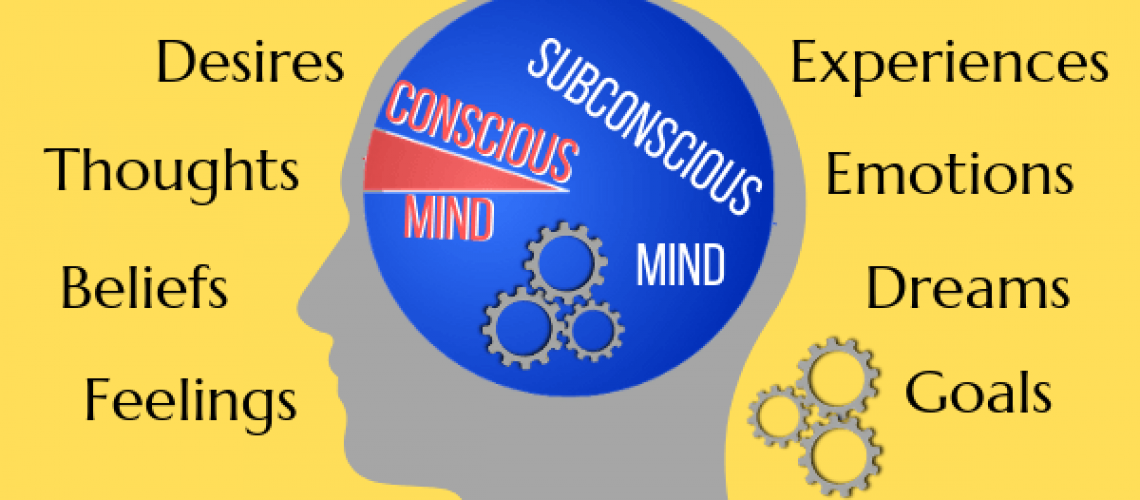
We do the daily thinking and task performing by both parts of our mind: Conscious and subconscious mind.The conscious mind is the creative part of the brain, which thinks, absorb new knowledge, new ideas, analyse things and objects. The subconscious mind is a habitual mind which functions on programmes that we have downloaded in the course of our lifetime. The subconscious mind works about 95% of our day to day time doing all the activities based on its habitual nature.
How we think and behave depends on our past memories and experiences that we had till date in our life-term. That’s is how we generate our thinking pattern and everyday thoughts and feelings. So, we experience our daily reality, the so-called perceived truth through the filter of the past, which is the result of the memories, beliefs and experiences.
That’s how, an ordinary person like us lead a routine life based on old habits, which is run by our subconscious mind programming. We get comfortable and become used to it, so any new change or trying to change a better or improved habit becomes a difficult and challenging task for us.
So, how is an experience create a memory in the brain? When we have an experience, the sensory organs collect the different data of senses from the external environment and send them to the brain. In the brain, there is an influx of neuronal charges which create a specific pattern of the neuronal pathway. The brain produces a chemical or feeling which we called emotion associated with the neuronal pathway. So, the experience related to the emotion/feeling creates a memory in each of the body cell. That is how a particular event is recorded in our brain and body cells. Therefore, each thought is always associated with a feeling or emotion. Happy or good thoughts create delighted emotions and good memories, while unpleasant or sad thoughts have an anxious mood or emotions and an unpleasant memory attached. This series of thoughts and memories appear every day and become our thinking pattern and behaviour and develop into habits. Our state of being, our wellness also depends on this pattern of thoughts and behaviour.
So, can we create a change at any age?Modern researches have shown that the human brain can change or build up new neurons and pathways at any age. This process is called Neuroplasticity.There is no age or gender limitation for this change to happen. A thought, belief or habit is difficult to change because it gets hardwired in the brain due to continuous repetition during our lifetime. So, a change is possible when we consciously shift our paradigm from these sets of limiting beliefs and behaviours. Most of the time, our thoughts and opinions get stuck in the limitations, and we fail to think beyond our conscious and analytical mind. Change is possible at every point in time. Enough researches have proved that transformation is possible in our thinking pattern, behaviour and habit at both physical and mental level in a measurable way. The person who is aware and becomes proactive to change or build a new empowering and better practice of thinking pattern and behaviour can easily taste success and happiness in this lifetime.
Because of the habitual nature of our subconscious mind, the habit of new thinking and behaviour needs a particular method to be implemented to bring about a change.Mere affirmations and positive thinking cannot alone lead to a shift in thinking or behaviour. It is valid only on those moments when we think with our conscious mind. Once we forget with our affirmations, the old thinking pattern and subconscious behaviour take over. Some studies have shown that it takes around 21 days to develop a new habit or a thinking pattern. But, this depends more on the individual and his willingness to bring about a change.
Certain methods: 1.Continuous repetition over a certain period until it gets reprogrammed in our subconscious mind. We can try this practice on our own. 2. Hypnosis: Practicing self-hypnosis of the affirmations or the change mostly during bedtime or early morning hours when the mind is less engaged is a useful tool. Practising it everyday, the subconscious mind can be reprogrammed to this new belief or thought. This method needs a therapist but can be practised on our own too. 3. Energy psychology: Different modalities exist which require the help of a trained and professional therapist like in methods such as Psych K, brain synch method, resonance repatterning.
Scientists are yet to give a proper standard definition of emotion. Enough researches are done in the past and are still going on. Yet, it is quite challenging to define this experience of mind called ’emotion’. Emotion is usually a state of mind which is neurophysiological. It can be linked to the person’s personality, thought process, feeling, mood or temperament. It’s a mental state where he/she may experience either pleasure or displeasure. So, every day and every moment, a person’s emotional state may vary.
Researches have revealed that the left side of the brain is a logical and more analytical half while the right side is imaginative, creative and emotional. There is a total of at least 27 emotions which appear in the human mind. Everday, both positive and negative emotions surface in the human mind throughout the day. As the flickering mind keep reacting and responding to the different internal and external experiences, so does the emotion keep changing. I think emotion/feelings have a lot to do with our subconscious mind. The subconscious mind, with its conditioning and tendencies, ingrained through our life journey. Therefore, depending on these tendencies, the emotional state may vary from individual to individual for the same human experience.
Having an emotion, pleasant or unpleasant, we blame it to the external environment. But we fail to acknowledge that our internal environment has a greater role to play than any external environment when it comes to our emotions. Here, I would like to emphasize more on the negative emotions that are generated in our mind daily because they have a toxic effect both on our physical and mental health. We can at least try developing a habit and make behavioural changes to reduce or try getting rid of them as much as practically possible for the sake of our wellbeing.
The sources of negative emotions evolve through a toxic and adverse thought process like anger, pride, ego, greed, jealousy, hatred, lust, infatuation and so on. So, how do we stop ourselves or at least try getting rid of them daily? It is an ever-evolving process and learning experience that grows with time.
Six ways, we can try getting rid of them are :
1. Replacement techniques: Every time an unpleasant experience happens, the negative emotion of anger, pain, hurt, resentment appears. Further, the mental pattern of overthinking and ruminating makes it worst to bear. Being aware of our state of mind is an important step to initiate. And the slowly deliberate attempt of replacing the negative thinking pattern with a positive and a more constructive thought process. It is something that isn’t easy at all. But, it isn’t impossible either. It’s a habit that has to be grown and nurtured through time. Therefore, replacement with a better pattern is an efficient method. 2. Bring in the opposite action: Intentionally doing an act of service or showing good conduct even in a bitter experience. It can lead to a change in our mental state to a more positive environment and reduce the negativity. No matter what the other person’s reaction, you remain in a positive and gratitude state. It can help us get rid of negative emotion and maintain a balanced state of mind.
3. The mind of service: Every individual is deep down selfish. We live, work, desire all the time for our own selfish needs. We feel we will be happier this way. But, we end up suffering because of our selfish desires and needs. We need to realise this sooner or later. The more, we grow towards an unselfish mind, a mind in service to others, the lesser is the negativity around.
4.A bigger picture: Whenever we breed a negative emotion towards a person or a situation, we tend to have a narrow perspective. We become selfish as our ego hurts, and our ‘sense of self’ is threatened. Realizing this fault of our’s is a great help. Being self aware of our narrow-mindedness is a crucial step. It will help us to view the person or the situation in a wide broader picture. Therefore, we become less judgemental towards the state or the person.
5. Nurturing positive emotions: We need deliberate efforts to boost positive feelings of compassion, kindness, love and gratitude. Nurturing these emotions can substitute negative emotions of anger, hatred and jealousy. Cultivating a habit of doing good to others can create good mental impressions and thereby bring good feelings of joy and happiness.
6.Meditation: The daily practices of meditation, nature walk, chanting, yoga, creative activities enhances self-awareness. Through self-awareness, we can gain better clarity of mind. We have better control of our mind, emotions and actions.




































 3H:health,happiness,healing