

Peace and love 🙏


Peace and love 🙏


May the Divinity and miracle of Christmas bring abundance, peace and joy in every home and families.
Wishing all my lovely fellow bloggers, a wonderful and blessed Christmas to you and your loved ones 🎄❤️
Peace and blessings 🙏


1. Organizing or cleaning your space, room, or home isn’t about tidiness, but being in control of a world that feels otherwise uncontrollable. It’s about a mental state with clarity, being organized and being at peace with oneself. Psychologically, the environment we live in reflects our mental state. In a world full of everyday stress, chaos, and overwhelming uncertainties, cleaning becomes a tool, a therapy to make ourselves feel organised, meaningful and at peace. Clearly, this act can help reduce stress hormones and release endorphins, which can lift the mood.

2. Many people, even after a stressful day, have a habit of cleaning and tidying their stuff after reaching home or their living space. Psychologically, when emotions are overwhelming and stressful, our brain tries to do things which are tangible, grounding, and clarifying, which makes us feel more in control. These actions give the brain a sense of relief and stability, an escape in an otherwise uncontrollable world.

3. In the brain, activities like reorganising the bookshelf, arranging the office table, cleaning and tidying the home, folding clothes in the closets, cleaning the kitchen, washing the dishes, vacuuming the floor stimulate the parasympathetic nervous system, the reward system, releasing dopamine, the happy hormone. These small acts instantly feel rewarding, light and happy. A tidy living space, home, or office gives the subconscious mind a feeling of security, stability, and organization.

4. Psychologically, on the flip side, a disorganised, messed-up space gives the mind a sense of cluttered thoughts, incoherence, ambiguity, confusion and anxiety. In an already stressful, loud world, you feel more overwhelmed, stressed, where things and people are unpredictable, uncertain and reactive. So, for a change, cleaning, organising, and rearranging makes people feel instantly happy, stable, predictable and certain.

5. Research shows that a cluttered, anxious, stressful mind raises the cortisol hormone. On the other hand, the environment we live in reflects our mental state. So, a messy, cluttered space clearly affects our mental state. The subconscious mind feels confused, lacks clarity, and is incoherent in a disorganised space. So, rearranging the room, furniture, things, clothes, books gives an instant emotional high, certainty and sense of control. The truth is, cleaning isn’t about habit, it’s about emotional regulation, choosing to change the emotional responses of stress, anxiety, chaos to stability, calmness and clarity.

6. Emotional regulation, by definition, is the ability to regulate our emotional responses from a state of uncontrolled, overwhelming situation by making behavioural changes with a healthy coping mechanism to a state of emotional grounding, stability and a sense of control. Examples of emotional regulation are deep breathing, going for a walk, journaling, light exercise and doing tasks like rearranging the books, furniture, cleaning the kitchen, doing the dishes and so on. It’s the ability to change a negative situation’s impact to a more productive and fulfilling one.

7. The strategies of emotional regulation can be summed up as :
• Recognise: Identifying the emotions like anger, anxiety, ambiguity and incoherence.
• Respond: instead of reacting negatively, changing the situation’s impact to a more productive, controlled and tangible behaviour like going for a short walk, rearranging the books on the shelf, cleaning the mess, folding clothes in the closet, cleaning or mopping the floor or any similar activity.
• Reappraisal, like changing the emotional response to more rewarding outcomes like stability, calmness, sense of control and certainty.
• Reflecting on the change of behaviour and situation gives deep satisfaction and happiness.

8. Activities like cleaning a room, realigning a corner, rearranging books, furniture, cleaning a countertop or mopping the floor are not just tidying or organising acts or behaviour but something more deeper as emotional relief or emotional satisfaction. It’s about reconnecting oneself, bringing a sense of control, stability in a world of external chaos, a stressful day or an overwhelming situation. So, for many people, organising and cleaning their home or their living space becomes a daily emotional ritual and therapeutic.
9. People who keep doing such activities, while they keep performing the acts, they also process their emotions, release the stressful thoughts, anxiety, ease the confusion, bringing more clarity and stability. In fact, by doing such activities, as the visual clutter slowly fades away by physical actions, internally, the mental clutter slowly subsides, emotions and thoughts become more under control, and thinking becomes clearer and regulated.

10. To sum it up, in a world full of uncertainties and unpredictability, organising, rearranging, and cleaning gives an instant outcome which the brain interprets as safety or being under control. When a book or a thing is placed exactly where it belongs, refolding a dress and placing it back in the closet, cleaning the otherwise dirty countertop, it’s like reconnecting with oneself, which gives the subconscious mind that instant boost or reward of comfort, safety and stability in an external world of chaos or an uncontrolled environment.
Thanks for reading.
Peace and love 🙏


In general, we are exposed to arsenic daily. Not only through food, but also through air pollution, smoking, contaminated drinking water and so on. Rice is the most common dietary source of arsenic, along with fruits, vegetables and grains. Rice and rice-based products are vulnerable to arsenic contamination because of the method of cultivation, especially from the soil and irrigation water in paddy fields. Therefore, white rice, brown rice, rice snacks, rice milk, infant food and rice cereals are all found to have arsenic.

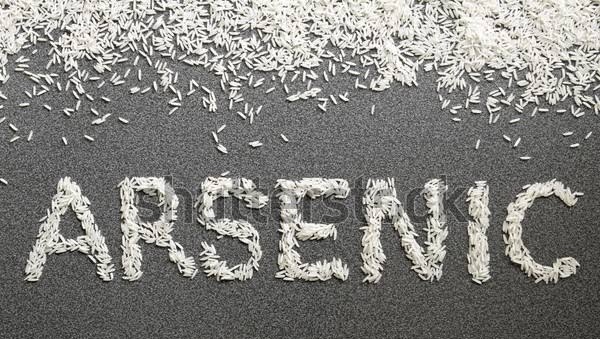
1.Yes, rice eating can give arsenic exposure, depending on the contamination levels, which can be a health concern in the long run. Arsenic contamination levels in rice can vary based on sources, brands, farming methods, and the use of fertilizers and pesticides.Therefore, it is a potential health hazard, especially for rice-eating countries, mainly in Asia. Consistent arsenic exposure can affect different organs, the nervous system, gastrointestinal system and can even cause cancer. Not many studies have been done so far, but research has confirmed that rice contains a relatively high level of inorganic arsenic, which can be toxic and carcinogenic.
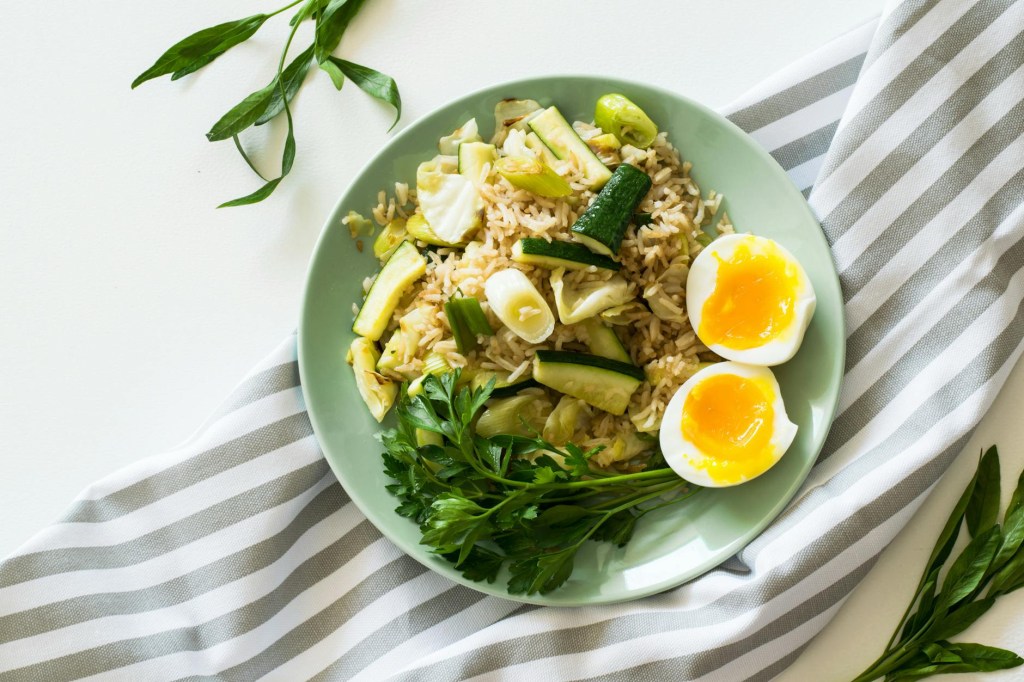
2. Rice has been a staple diet for centuries in Asia, unlike in Europe and America. There are different varieties of rice in which the arsenic levels can differ. According to research studies, different varieties of rice can have different levels of inorganic arsenic, such as:
•White long-grain rice (regular type) contains a higher level of mean arsenic concentration (ppb) as compared to medium or short varieties of regular white rice.
• Pigmented rice, like red rice or black rice, may have a slightly lower level of arsenic than regular white rice in many regions.
•Usually, brown rice, which has a bran and germ covered, is found to have higher levels of arsenic than regular white rice.
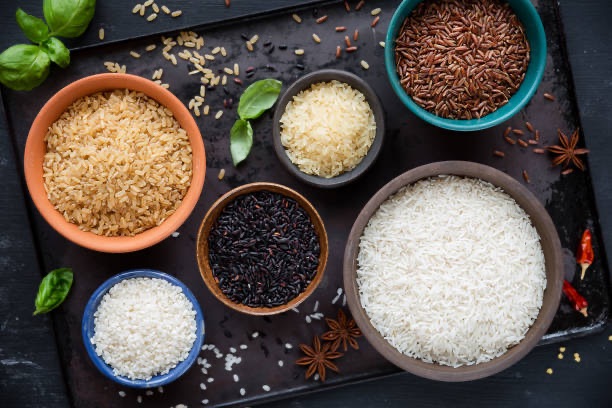
3.Research has found that brown rice, red and black rice have around 154 ppb of arsenic concentration, though the quantity varies depending on where they have been sourced. The white rice relatively has a lower quantity of 90 ppm of mean arsenic concentration. Arsenic is a heavy metal which is water-soluble, so the sources are many. It can be contaminated through soil originating from volcanic eruption, mining, power production and other geothermal activities, from irrigated water sources, pesticides, fertilisers and environmental pollution.

4.Different varieties of rice with mean arsenic levels, but the quantities may vary from region to region:
• Arsenic levels are higher in rice grown in the United States and some regions of Europe than in Asian countries like India, Pakistan or China.
• Aromatic rice, like Basmati and Jasmine rice, has a level of around 50-80 ppm, less than regular long-grain rice.
• Medium and short grain white rice contain 80-90 ppm as compared to long grain rice.
• Coloured grain rice, like brown and black rice, contains around 90 ppm.

5.Sources: Organic arsenic can be found in some seafood, seaweed is less toxic than inorganic arsenic, which is found in rice, grains and vegetables. Heath risk of having inorganic arsenic- contaminated rice and other food items can cause heart diseases, stroke, diabetes, cancers, skin and nerve diseases. Arsenic-contaminated infant food and cereals are very toxic to infants and growing children as they can interfere with the growth and development of the brain and nervous system, leading to autistic spectrum disorders, kidney diseases, and gastrointestinal system disorders.

6.Arsenic is odourless and tasteless, water-soluble, and easily absorbed in various food items. Besides, rice, vegetables, grains, arsenic can also be contaminated in poultry, such as chicken meat and eggs. When arsenic-contaminated feed is given to poultry, the arsenic is absorbed by the chicken meat and eggs. Additionally, arsenic-containing drugs administered to poultry and farm animals can lead to contamination, posing a hazard to human consumption.

7.Cutting down rice and grains, and vegetables from the diet is not a solution, as these items are very much part of the staple diet because of nutritional value in a major part of the population around the world. So, the different methods by which arsenic contamination can be reduced in the diet are:
•Sourcing the rice from less contaminated regions, also known brands, where the manufacturer mentions on the package.
• Using the type of rice, such as white regular, short and medium-grain white rice. Cooking brown rice with appropriate method.
• Correct method of cooking.
• Alternative use of whole grains like millet, quinoa, oats, and barley.


8.Typical way of cooking rice, where the water dries out, does not change the arsenic level in rice. Instead, an appropriate method of cooking the rice can reduce the arsenic contamination by 50-60 per cent:
• Overnight, soak the rice and drain the excess water.
• Using a larger quantity of water, like a 6:1 to 10:1 ratio, to cook the rice rather than the regular water level.
• Boil the rice and discard the excess water.
• Cook the rice in a pot slowly rather than in a pressure cooker.

9. Unpolished brown rice naturally contains nutrients and vitamins. Many white rice brands fortify the rice with different nutrients and vitamins, too. Rinsing and draining the excess water after boiling causes a lot of water-soluble vitamins and nutrients to be lost. For instance, rinsing white rice thoroughly causes a considerable amount of folate, niacin and vitamins to be removed from the rice. But in the case of unpolished brown rice, the nutrients and vitamins remain inside the bran covering. So, rinsing the brown rice does not affect the nutrients. Hence, brown rice is still healthier than white rice.

10. Therefore, raw, unpolished brown rice can be thoroughly rinsed, cooked in a pot slowly with a large amount of excess water, like pasta in the ratio of 10:1, which can reduce arsenic concentration by 50-40 per cent. At the same time, the quantity of folate, vitamins and minerals in the boiled brown rice remains intact. In this way, the baseline risk of cancer and health hazard reduces by about 60% which is suitable too. So, eating unpolished brown rice, pigmented rice and aromatic white rice can be suitable with the appropriate method of cooking. Also, using alternative grains like quinoa, millet, and barley is considered a healthy option to be included in the diet routine.
Thanks for reading.
Peace and love 🙏


We come here with nothing. Yet, throughout our entire lifetime, we keep chasing for everything. Then, finally, we go back with nothing. This is the biggest truth.
So, it’s important to pause awhile and be in the moment. Drop the regrets of the past, worries of the future and light up the present moment freely in true spirit.
May this festival of light, remove the darkness and spark the light of your inner self. May you merge with selfless love and blissfulness of the Divine.
Wishing all of you on this auspicious occasion of Diwali, let all your homes fill with abundance, warmth and joy and hearts filled with hope, love, peace and happiness.
To you and your loved ones, have a wonderful and blessed Diwali !
God bless and Peace 🙏

Peace and blessings 🙏

1. Fucoxanthin (FX), a brown pigment, is derived from various seaweeds and algae. It helps in algae photosynthesis and photo-protection in the aquatic environment. Several studies have shown that this phytochemical can be a potential source of nutritional and health benefits against various diseases like diabetes, obesity, cancer and many infectious diseases. Recent findings have shown that it has various properties like antimicrobial, antioxidant, anti-inflammatory, anti-obesity, anti-diabetic, and hepato-protective effects. Therefore, because of its highly potent effects of prevention of obesity related diseases, anti-cardiovascular, tumour inhibition and health benefits to bones, skin, eyes and liver, this pigment has been a promising pharmaceutical asset.

2.Molecular Structure: The unique molecular structure of FX is similar to that of Beta carotene and has the allenic bond. Out of 700 naturally occurring carotenoids, only 43 of them belong to the allelic group, and FX is one of them. Therefore, there is growing interest in the pharmacological activity of this carotenoid, which can be a great potential source towards the prevention of various physical illnesses. FX is mainly found in micro-algae rather than macro-algae. Among the three kinds of micro-algae, that is green, red and brown algae, FX is in higher concentration in brown algae.
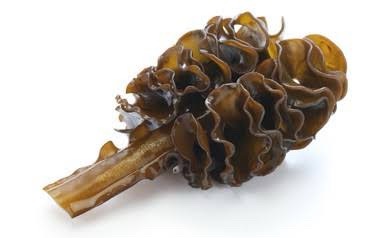
3. Multi-functional: Research has already shown that FX has a tremendous amount of health benefits because of its unusual molecular structure. The multi-functional benefits are namely, anti-oxidant, anti-microbial, anti-inflammatory, anti-allergic, anti-malarial and anti-helminthic. Apart from these activities, FX helps to correct the imbalance of lipid metabolism, which is created by a fatty, unhealthy diet. It has a positive impact on fatty acid oxidation, lipolysis, and bile acid synthesis and lowers the level of free fatty acids.
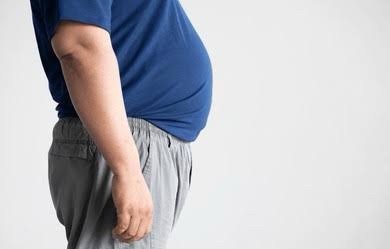
4. Anti-obesity effects: This brown pigment is a promising asset for lowering weight naturally. Obesity has been one of the main risk factors of many chronic and serious health issues like diabetes, heart diseases, high blood pressure, atherosclerosis, fatty liver, high cholesterol, infertility and many cancers. FX lowers the free fatty acids, inhibits lipogenesis, promotes beta-oxidation, bile synthesis, and influences enzymes which are essential for lipid metabolism. As a result, fat accumulation in the liver and adipose tissues is lowered, reducing cholesterol and triglyceride concentration.
5. Liver: Studies have shown that FX has hepato-protective effects. In case of fatty liver diseases, it can help in reducing the accumulation of lipid in liver cells, stimulate Beta-oxidation of hepatic fatty acids and lower the hepatic enzyme activity for fatty acid synthesis. Several animal studies have shown promising results of reducing lipid and triglyceride concentrations in the liver.
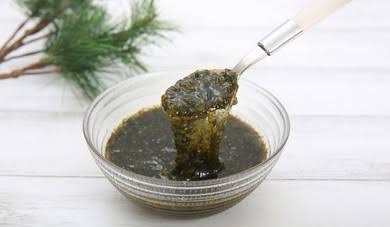
6. Inhibitory effect on cancers: Several studies on different cancers have shown that FX can scavenge free radicals and make it a potential modulator of carcinogenesis. FX has shown promising outcomes in different animal studies of inhibiting apoptosis and hindering the tumorigenesis in different types of cancers like lung cancer, colon cancer, breast cancer, liver cancer, gastric cancer, lymphoma and leukaemia. They behave as angio-modulators in cancer therapy.
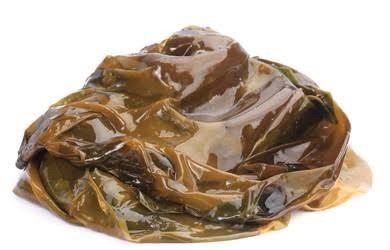
7. Metabolism of FX: Because of its wide range of health benefits and potential role in the prevention of chronic illnesses, it has been a promising compound in pharmacological uses both individually and in synergy with other compounds. FX is a carotenoid which is mainly absorbed in the small intestine, similar to fats and fat-soluble vitamins. Studies have shown that consumption of this brown pigment orally does not show abnormal changes in organ tissues; therefore, it is safe for human use.
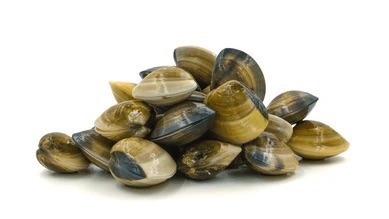
8. Food sources of FX are various species of seaweeds like Wakame, Arame, Kombu, Hizika and Laminaria digitata. Some other natural sources are microalgae like diatoms. Marine invertebrates like mussels, oysters, and clams also contain a small amount of FX. Predominantly, FX is present as a rich source in brown seaweed compared to other pigments like chlorophyll and xanthophylls.
9. As a supplement: Animal studies have shown the safe use of FX and that it has no adverse effect on the body. Therefore, it has been widely used as a supplement for its wide range of health benefits. It is used as tablets, capsules and soft gels usually labelled as Fucoxanthin or “brown seaweed pigment” While the bioavailability can be low in case of human consumption, its absorption can be increased when consumed with lipids and edible oils. Dosage can vary from 3-5 mg per day.
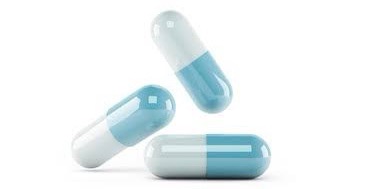
10. Side effects: FX has no adverse effects and no toxic accumulation in the vital organs of the body in case of animals when consumed in higher doses. Therefore, it is considered safe for human consumption. It is considered safe for vital organs like the liver, kidney, spleen and gonads when consumed moderately in humans. Further research on humans is still required for more clarification. It is always advisable to consult a Physician before introducing FX as a supplement when there is a pre-existing medical condition.
Thanks for reading.
Peace and love 🙏


1.The link between the gall bladder and right shoulder and the neck is through the Phrenic nerve. This type of pain is called referred pain as the source of the pain is different from where the pain is experienced.The phrenic nerve runs through the abdomen, goes through the chest and then the neck. So, whenever the gall bladder is swollen and inflamed due to various factors , there is referred pain in the right shoulder blade including the neck. This pain symptom has been a common sign of some chronic gall bladder issues which should not be neglected.
2. Like other abdominal organs, the gall bladder is supplied by the celiac plexus. The nerves from the gall bladder as well as diaphragm converges at the cervical vertebrae C3-C5 of the spinal cord. Therefore, if there is any issue in either the gallbladder or diaphragm can cause pain in the neck and right shoulder blade (scapula).
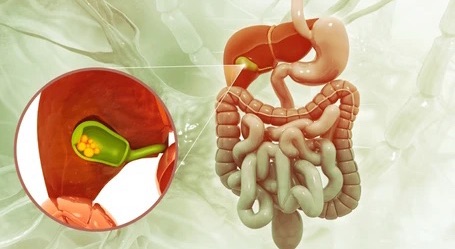
3. Inflammation in gallbladder, cholecystitis, biliary sludge, gallstones, cancer or tumour in the gallbladder can cause referred pain in the right shoulder region and neck due to the above mentioned shared nerve pathways. Other than the pain in these regions, there can be other symptoms to confirm like nausea, vomiting, fever and jaundice which can indicate problems in the gall bladder.
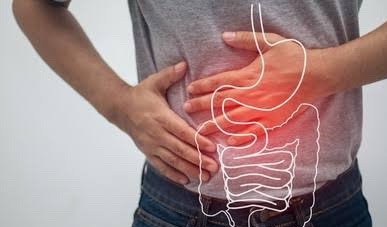
4. It is not always that neck and right shoulder pain is linked to liver and gall bladder issues. There are still many reasons for causing neck and right shoulder pain which may not be related to gallbladder. Some of the common causes can be:
• Inadequate sleeping posture like sleeping in the stomach or with a wrong pillow position.
• Wear and tear of nerves and vertebrae or discs.
• Poor sitting posture at work desk, in front of the computer.
• Whiplash.
• Cervical spondylosis or osteoarthritis.
• Carrying heavy objects causing strain and tension in the neck muscles.
• Stress and anxiety due to physical and mental strain.
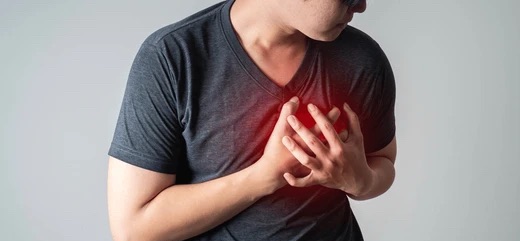
5. Cardiac issues like stable angina where the heart does not receive enough blood can cause neck and right shoulder pain. When the heart muscles remain hypoxic, it can send signals to the spinal cord, causing a dull aching pain in the neck and right shoulder. In such cases, there are other symptoms which can accompany like sweating, nausea and shortness of breath which can help to diagnose the condition.
6. Gall bladder is located on the right side of the abdomen and responsible for secretion of bile for fat digestion and connected to the liver by the hepatocystic duct. As mentioned already, gall bladder is inflamed due to cholecystitis, gall stones, bile sludge and cancer. The symptoms can be vague and indicate a referred pain in right shoulder blade which can change later to a steady pain in the right abdomen. Therefore, it is important to visit a surgeon to rule out the diagnosis and further complications.
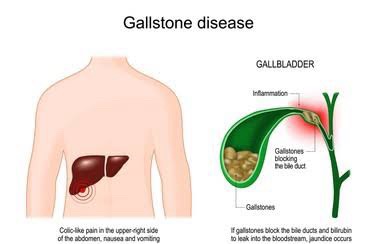
7. Gallstones are formed when bile is accumulated forming a mass which can be of varied sizes even upto a ping pong ball. When gall stones are formed, they can block the pessage of bile flow from the gall bladder which causes the organ to be inflamed and swollen. This in turn irritates the phrenic nerve which results in a dull aching pain on the neck and right shoulder blade as the nerve runs through these regions.
8. People who are risk of gall stones can be :
• Diabetic
• Obesity
• Woman are more prone
• Lost weight rapidly
• Fasting
• Aging , mostly over 60
• Cholesterol lowering drugs.

9. Diagnosis of neck and right shoulder pain is examined by performing the physical examination and medical history and tests:
• Medical history to rule out other associated symptoms, injuries.
• Physical examination of tenderness, rigidity, abnormality, movement of neck and shoulder including abdominal examination for causes like inflamed gallbladder.
• Imaging tests like ultrasound, X-ray, CT scan
• Blood tests for inflammation and infections
• ECG to rule out cardiac causes like angina or heart attack.

10. Management of right shoulder and neck pain depends on the underlying root cause:
• Neck and shoulder stretches to ease the stiffness when there is no underlying cause and sign of referred pain.
• Pain medication and chiropractic care.
• Cervical laminectomy or shoulder replacement.
• In case of underlying causes like inflammation or infection of gallbladder, cholecystitis, gall stones, depending upon the severity, either conservative methods or surgical option is required.
Thanks for reading.
Peace and love 🙏

1. The gut is known as the “second brain” as there is a 2 way connection between the brain and the gut via the vagus nerve. The gut microbiome produces neurotransmitters that can travel and send signals through the nervous system, affecting our mood, behaviour, emotions, and sleep. The gut and brain also send signals through hormonal pathways and the immune system.Therefore, the gut-brain axis plays a crucial role in overall well-being, and any disruption to this axis can lead to issues such as disturbances in gut health, neurological disorders, inflammation, and sleep disturbances.
2. Through the gut-brain axis, there is a mutual continuous communication between the brain and the gut. The gut microbiome produces a considerable amount of neurotransmitters and hormones like melatonin, which influence the circadian rhythm and mood. Both the sleep cycle and gut microbiota are influenced by factors like daylight, stress and diet. Hence, if there is unhealthy gut microbiome, there will be disruption in the sleep-wake cycle, while poor sleep will lead to disturbances in the gut microbiota.
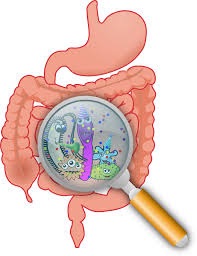
3. Inflammation: Poor sleep can cause disturbances in gut health, which will lead to a pro-inflammatory state in the body. The gut microbiome composition and diversity are disrupted, creating an imbalance. Gut health issues like irritable bowel disorders, leaky gut, and hormonal issues can worsen in the body. Lack of sleep can also affect gut permeability and lead to nutritional absorption interference. Not only gut health, but poor sleep can also affect the metabolic pathways, immune state and neural pathways.
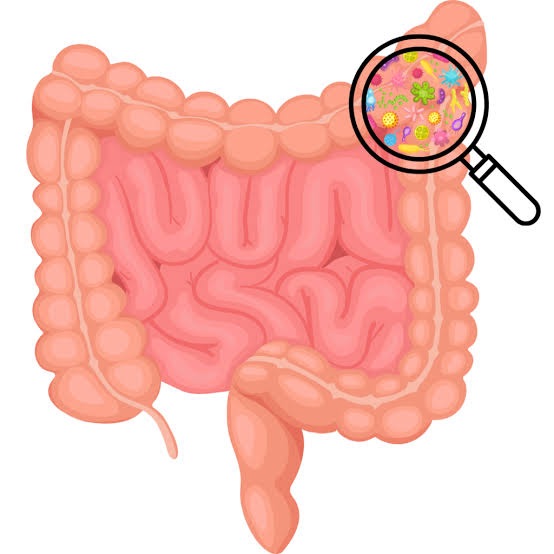
4. Research has shown that through the gut-brain axis, there is a bidirectional communication between the gut microbiota and the central nervous system. Beneficial bacteria like Lactobacillus and Bifidobacterium, which increase serotonin and gamma-aminobutyric acid production, help in the quality and lengthening of sleep. On the other hand, lack of sleep can lead to a reduction of beneficial bacterial flora, an imbalance in the microbiota, which includes probiotics, prebiotics, and postbiotics.
5. Studies have revealed that sleep, a natural physiological process, is important in maintaining a healthy gut microbiota and vice versa. Poor sleep patterns, insomnia, and sleep deprivation not only influence the emotional and cognitive well-being but also cause an imbalance in gut bacteria and gut flora. Therefore, there is a direct connection between sleep disorders and gut health, and resolving gut issues has a therapeutic effect.

6. The equilibrium of the sleep-wake cycle with the well-being of gut microbiota is very delicate and needs to be maintained by external factors. The balance can be easily disturbed by factors like stress, poor diet, lack of exercise, and poor sleep habits. Studies have shown that this reciprocal correlation shows sleep as the primary modulator between gut health issues and sleep length and quality.
7. Growing research has shown that the gut-brain axis plays a crucial role both directly and indirectly in the shift of composition of gut-microbiota with the development of sleep disorders like insomnia, sleep fragmentation, sleep deprivation and sleep apnea. Human studies have shown that 60-70% of the composition of gut microbiota depends on the oscillatory rhythm of the circadian rhythm.

8. Though Melatonin, a sleep hormone, is known to be produced by the pineal gland, it is actually the gut which is the primary source of it. This hormone is integral in modulating the sleep-wake cycle, immune-regulatory effect and antioxidant activity. The gut microbiota produces melatonin from tryptophan. This hormone has a favourable effect on microbial population and gut barrier functions. Therefore, any imbalance of gut microbiota directly influences melatonin production and disrupts the circadian rhythm.
9. Evidence from several studies has shown that a significant level of melatonin has been produced by bacteria in the intestinal flora, has a beneficial impact on intestinal barrier functions and a preventive effect in the human brain against neurodegenerative diseases like Multiple sclerosis, Alzheimer’s disease and Parkinson’s disease. Gut microbiota dysbiosis has been linked to the development of sleep disorders, autoimmune diseases, metabolic diseases like type 2 diabetes, pro inflammatory responses and neurological disorders.

10. Therefore, there is enough evidence to show that consequences in digestive health have a direct impact on the sleep-wake cycle and vice versa. Research has clearly shown that sleep deprivation can directly impact digestive disorders like gastric esophageal reflux, irritable bowel disorders and many gut health issues. Maintaining a consistent sleep schedule of 7-8 hours can help greatly in reducing the potential risk of many diseases as well as in maintaining a sound gut health. Not to forget that stress management is equally important for maintaining the equilibrium of gut health and sleep patterns. So, an early fiber rich dinner, less screen time, routine exercise, meditation and early sleep habits are essential components to maintain this balance.
Thanks for reading.
Peace and love 🙏
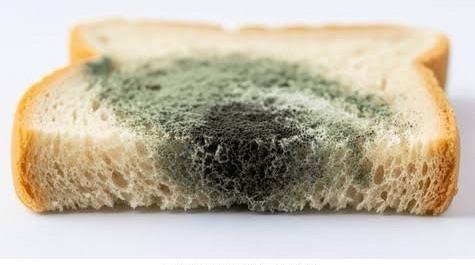
1. Moulds are microscopic fungi found in the natural environment, mostly living both indoors and outdoors. They play a crucial role in breaking down organic waste in the environment. Moulds multiply through spores and are carried from one place to another or indoors as air-borne particles. Once they land in a wet, damp spot, they start multiplying rapidly. In the process of growing and multiplying, they digest whatever food, plant, animal or organic material they have been growing.

2. Moulds are multicellular and can be seen with the naked eye, unlike bacteria. They have roots and thin branches and invade the food on which they live. It produces spores which can be transmitted by air and water. It’s the spores that give the distinctive colour we see when a food item is mould-contaminated. Not all moulds are harmful, but some can cause poisoning, allergic reactions, and stomach upsets when ingested.
3.Generally, moulds are of different types and colors. Moulds can grow on food, plants, animals, damaged, rotten wood, damp building walls, and furnishings. Potential effects of moulds can be problematic to people with weakened immune systems, chronic lung disease, allergic history and metabolic diseases. Not all moulds are toxic. Species like mould Stachybotrys chartarum, which produces mycotoxins, are known as toxigenic moulds.

4. Food moulds appear as fluffy, dusty growths in various colours and can develop on different food items. They thrive on nutrients and moisture content. Mouldy food often looks green, grey, or black due to the overgrowth of spores. Moulds can damage the food, making it softer and giving it a distinctive taste and smell. Some moulds can be harmful to human health as they may produce toxic substances. However, certain foods, such as cheeses, are intentionally kept in dark environments to promote the growth of harmless moulds, which contribute to their unique flavor and texture.
5.All types of food are vulnerable to mould. Food with high moisture content are more prone to mould growth than others. Moulds need oxygen and moisture to grow and thrive, so fresh food are more vulnerable. When food items are opened in an airtight container, there too, mould can grow as air has already entered. Some mould can grow even in a dry environment. More vulnerable food items are:
• Bread
• Vegetables
• Fruits
• Meat
• Milk, cheese
• Nuts.
• Chocolate.
• Processed food.
6.Mycotoxins: It’s a type of mould produced by fungi like Aspergillus and Penicillium, which contaminate grains like rice, wheat, barley, nuts like almonds, peanuts, grapes, coffee, and meat. Mycotoxins are a potential hazard to human health, causing acute poisoning to various diseases which can affect the liver, kidneys and even cancers. Some common mycotoxins are aflatoxins (commonly in corns, peanuts), ochratoxins and fumonisins. Research shows that aflatoxins are the most commonly infested moulds grown on both food items and feeds of livestock. It is a cancer-causing toxicogenic mould, which can cause various diseases in both human and domestic animals, and grows in peanuts and corn.

7.Mould can be harmless and useful. Some moulds have been used in the cheese-making process for centuries. Some cheeses, like Brie and Camembert, have white moulds on the surface which are safe for human consumption. Penicillium roqueforti spores are used in the cheese-making process of Stilton, Gorgonzola, and blue cheeses for their taste, texture and flavour. Mould play crucial role in the process of fermentation. Other than cheese, they are used in the process of making some food products, beer, wine and in some medicines. Most popular moulds are Penicillium, Aspergillus, Rhizomes, Lactobacillus.

8.Mould growth: Mould usually grows in warm and humid conditions. Mould can grow in fresh food items, salty, sugary items, and meat items like salami, ham, and bacon. Mould can also grow in refrigerated items like fresh vegetables, fruits, high-acid-containing items like jams, jelly, pickles, sweets, meat and bread. Mould growth can be controlled at home by maintaining:
• Humidity below 40%.
• Cleaning and mopping using surface disinfectants.
• Cleaning the refrigerator using baking soda, every month.
• Using clean kitchen towels, sponges and mop
• Minimising the growth of mould in food can be done by :
a.Perishable food items outside or inside the refrigerator should be thrown immediately.
b. Canned food items should be stored in clean storage containers and refrigerate immediately.
c.Any leftovers in the fridge should be used within 3-4 days.
d.Cooked food should be covered before serving to prevent air-borne spores and mould.

9. Dealing with mouldy food: Mouldy food should be thrown away, packed in a plastic bag in the trash can, out of the reach of children and even animals. Certain food items, like bell pepper and carrot, when infested with mould, should be thrown out. If a product is not completely spoiled by mould, the affected part can be cut off 1 inch below and above the part and re-wrapped with fresh storage bags. Any area or surface, or kitchen items affected by mould, should be cleaned promptly to prevent cross-contamination.
10. In general, mould contamination of food items is a common issue in every household. Mouldy food should always be discarded immediately. To minimise mould growth, food should be stored inside the refrigerator in clean storage bags, containers and on the outside too, in an air-tight and dry container, away from humidity. Not only in the food items, mould growth in houses or buildings is common on any damp, moist surfaces or walls, kitchens, bathrooms, basement, under carpet, furniture and also in potted plants. So, cleaning and mopping are required daily to minimise the growth of moulds. Any leakage of water seepage in walls, pipes, cabinets and beneath surfaces should be repaired and cleaned as soon as possible.
Thanks for reading.
Peace and love 🙏
 3H:health,happiness,healing