
10 facts: Gut-brain impact on sleep-wake cycle 😴

1. The gut is known as the “second brain” as there is a 2 way connection between the brain and the gut via the vagus nerve. The gut microbiome produces neurotransmitters that can travel and send signals through the nervous system, affecting our mood, behaviour, emotions, and sleep. The gut and brain also send signals through hormonal pathways and the immune system.Therefore, the gut-brain axis plays a crucial role in overall well-being, and any disruption to this axis can lead to issues such as disturbances in gut health, neurological disorders, inflammation, and sleep disturbances.

2. Through the gut-brain axis, there is a mutual continuous communication between the brain and the gut. The gut microbiome produces a considerable amount of neurotransmitters and hormones like melatonin, which influence the circadian rhythm and mood. Both the sleep cycle and gut microbiota are influenced by factors like daylight, stress and diet. Hence, if there is unhealthy gut microbiome, there will be disruption in the sleep-wake cycle, while poor sleep will lead to disturbances in the gut microbiota.

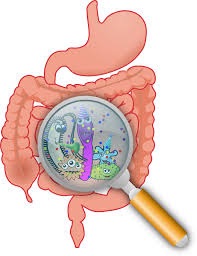
Gut microbes

3. Inflammation: Poor sleep can cause disturbances in gut health, which will lead to a pro-inflammatory state in the body. The gut microbiome composition and diversity are disrupted, creating an imbalance. Gut health issues like irritable bowel disorders, leaky gut, and hormonal issues can worsen in the body. Lack of sleep can also affect gut permeability and lead to nutritional absorption interference. Not only gut health, but poor sleep can also affect the metabolic pathways, immune state and neural pathways.

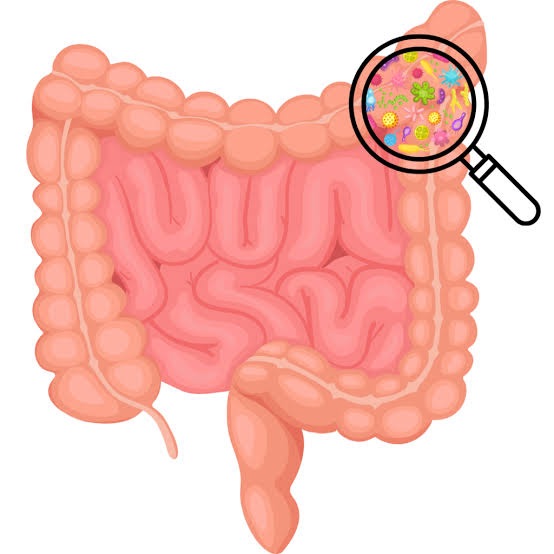
Gut microbiota

4. Research has shown that through the gut-brain axis, there is a bidirectional communication between the gut microbiota and the central nervous system. Beneficial bacteria like Lactobacillus and Bifidobacterium, which increase serotonin and gamma-aminobutyric acid production, help in the quality and lengthening of sleep. On the other hand, lack of sleep can lead to a reduction of beneficial bacterial flora, an imbalance in the microbiota, which includes probiotics, prebiotics, and postbiotics.

5. Studies have revealed that sleep, a natural physiological process, is important in maintaining a healthy gut microbiota and vice versa. Poor sleep patterns, insomnia, and sleep deprivation not only influence the emotional and cognitive well-being but also cause an imbalance in gut bacteria and gut flora. Therefore, there is a direct connection between sleep disorders and gut health, and resolving gut issues has a therapeutic effect.

6. The equilibrium of the sleep-wake cycle with the well-being of gut microbiota is very delicate and needs to be maintained by external factors. The balance can be easily disturbed by factors like stress, poor diet, lack of exercise, and poor sleep habits. Studies have shown that this reciprocal correlation shows sleep as the primary modulator between gut health issues and sleep length and quality.

7. Growing research has shown that the gut-brain axis plays a crucial role both directly and indirectly in the shift of composition of gut-microbiota with the development of sleep disorders like insomnia, sleep fragmentation, sleep deprivation and sleep apnea. Human studies have shown that 60-70% of the composition of gut microbiota depends on the oscillatory rhythm of the circadian rhythm.

8. Though Melatonin, a sleep hormone, is known to be produced by the pineal gland, it is actually the gut which is the primary source of it. This hormone is integral in modulating the sleep-wake cycle, immune-regulatory effect and antioxidant activity. The gut microbiota produces melatonin from tryptophan. This hormone has a favourable effect on microbial population and gut barrier functions. Therefore, any imbalance of gut microbiota directly influences melatonin production and disrupts the circadian rhythm.

9. Evidence from several studies has shown that a significant level of melatonin has been produced by bacteria in the intestinal flora, has a beneficial impact on intestinal barrier functions and a preventive effect in the human brain against neurodegenerative diseases like Multiple sclerosis, Alzheimer’s disease and Parkinson’s disease. Gut microbiota dysbiosis has been linked to the development of sleep disorders, autoimmune diseases, metabolic diseases like type 2 diabetes, pro inflammatory responses and neurological disorders.

10. Therefore, there is enough evidence to show that consequences in digestive health have a direct impact on the sleep-wake cycle and vice versa. Research has clearly shown that sleep deprivation can directly impact digestive disorders like gastric esophageal reflux, irritable bowel disorders and many gut health issues. Maintaining a consistent sleep schedule of 7-8 hours can help greatly in reducing the potential risk of many diseases as well as in maintaining a sound gut health. Not to forget that stress management is equally important for maintaining the equilibrium of gut health and sleep patterns. So, an early fiber rich dinner, less screen time, routine exercise, meditation and early sleep habits are essential components to maintain this balance.

Thanks for reading.

Peace and love 🙏

5 Simple rules of Life, based on Bhagavad Gita 🙏

Everyday reminder, what Life is all about :

1.Focus on certainties and not on uncertainties.

2. Stay fearless, because death is inevitable. What matters most, is our soul which is immortal.

3. Stay away from greed, anger, lust. All these roads lead to disaster.

4. Be tolerant, because both pain and pleasure are temporary. Everything is temporary in this Universe, including our body.

5. Be stable like the wide ocean. Don’t let emotions control you.

“Our mind is a friend if we can conquer it, otherwise it is the worst enemy if we failed to do so”

“Detachment from worldly attachments help us focus more on inner peace and spiritual healing”

Thanks for reading.

Blessings and Peace 🙏

Dealing with emotional thoughts: A perspective 🙌

Emotions are subjective yet universal among all humans. They significantly influence our daily lives, decision-making, behavior, relationships, psychological states, and physical health.

Our emotional thoughts arise from emotional reasoning in response to situations, people around us, events, and past experiences. Emotional responses trigger our thoughts, feelings, actions and behaviors in reaction to external events, situations, or circumstances. Thus, emotions play a crucial role in our everyday lives and the decisions, we make.

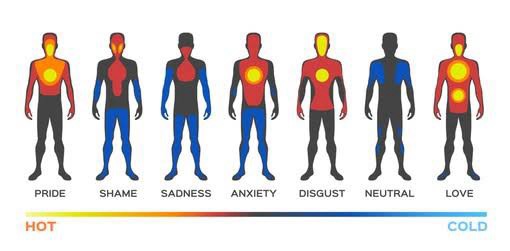
Research states that all things in the Universe are made of energy which has a vibrational frequency. Emotions too, have amplitude and frequencies. Positive emotions like peace, love, and joy are found to have higher frequencies as compared to negative emotions like anger, fear, guilt, and sadness. According to the frequency chart, emotions like guilt, and shame have as low a frequency of 30-20 Hz to emotions like love, peace have as high as 500-600 Hz. Studies often link low frequency to disease state, depression and stress. Negative thoughts and feelings can often create a low vibrational frequency state which can create anxiety, and stress and affect our physical health.

Studies have consistently shown that negative emotional thoughts and feelings can significantly affect our physical health and overall well-being. The importance of the mind-body connection and the gut-brain connection highlights how our physical body responds to our thoughts, feelings, and mental state.

While unwanted changes, negative experiences, and challenging situations are a part of life, learning to manage our emotional state and well-being is a significant challenge—but it is certainly not impossible. Events such as:

Death of a loved one

Suffering from an illness

Getting laid off from a job

Divorced

Getting married, having a baby

Financial issues

Dealing with a pandemic or war-like situations

Cheating partners

Domestic violence

Physical health often suffers when emotional health is struggling. During times of emotional crisis, many individuals may seek an escape through unhealthy coping mechanisms such as alcohol abuse, drug abuse, or binge eating, attempting to suppress their emotional turmoil. Unfortunately, this approach does not lead to healing and can result in disastrous consequences. The list of physical impacts and symptoms experienced in a state of emotional stress is extensive.

Physical symtoms frequently seen as:

Palpitation

Chest pain

Back pain, neck stiffness

Fatigue , tiredness

Poor sleep, insomnia

High blood pressure

weight loss / obesity

Stomach upset like bloating, acidity

Physical signs of our mental state can often be quite apparent. Additionally, there are mental symptoms that we or those around us may observe, even if we attempt to deny them. Here are several such signs:

*Resisting to acknowledge the thoughts instead of accepting

*Not self-realising and accepting the present situation

*Trying to control the situation or the people around

*Suppressing emotional thoughts and feelings instead of expressing

*Living in blame

*Focussing on lacks

*Forgetting gratitude

Dealing with emotional thoughts is not easy. It’s important to remember that while I cannot control external events or situations, I can influence my own mental state to cope and adapt positively. Here are five simple tools that can help bring about a positive shift in the mental state:

1.Self-Responsibility: Recognizing and taking responsibility for our mental state is crucial. Often, we create more pain and hurt from emotional thoughts and feelings by overthinking and getting caught in repetitive loops, rather than addressing the actual situation. It’s important to remember that 95 to 98 percent of our worries are self-created rather than based on reality. Only about 2 to 3 percent of our concerns are truly justified. Therefore, it’s essential to become aware of and take responsibility for our mental state, as this is the first step towards creating positive change.

2. Let go of control: We have to understand that we cannot control everything that happens in our lives. We have to let go and trust the Divine and timings of life. Letting go is important to heal and restore balance.

3.Journaling and practicing gratitude: Daily journaling can release deep thoughts that might otherwise feel heavy and hurtful. Practicing gratitude and maintaining a thankful mindset can elevate our vibrational frequency and promote healing.

4. Healing the Sacral Plexus Chakra: According to Yogic science, the sacral chakra is responsible for maintaining emotional balance, creativity, and a sense of vitality. To heal this chakra, engaging in yoga and physical activities such as dancing, swimming, and savoring life’s simple pleasures— like playing with a child, listening to birds chirping, or enjoying the sound of flowing water—can help release blockages.

5. Daily Affirmations: Choosing words and phrases that align with your life goals, such as mantras or sacred verses, can significantly enhance your positivity and resilience. Reciting these affirmations each morning can set a positive tone for the day. Some powerful examples include: “I trust the Universe,” “I am strong and powerful,” and “I let go” “My food nourishes my body and mind”.

Every day, we experience a wide range of emotions based on external events, past memories, current situations, and various circumstances. It is essential for us to recognize our emotional limitations and boundaries in order to protect our mental well-being. One of the most important things we can do is to let go and trust the Supreme, the Divine, as not everything is within our control.

Self-reflection is crucial for restoring our emotional balance. Engaging in daily activities such as meditation, yoga, chanting, and appreciating the small joys in life holds great significance in achieving mental equilibrium. Finally, staying grateful and expressing our thankfulness for this journey of life is truly fulfilling.

Thanks for reading.

Peace and love 🙏

Wordless Wednesday 🍃

Peace and love 🙏

Silent Sunday 💛

Happy Easter Sunday 🌞

Peace and love 🙏

Silent Sunday 🌻

Peace and love 🙏

10 compelling reasons to consume Flavanoids to combat oxidative stress 🙌

  1. Flavonoids are naturally occurring polyphenolic compounds in various deep-coloured fruits and vegetables. There are 6 different varieties of flavonoids, all of which have antioxidant properties and can help the human body to get rid of different toxins and stress. Therefore, including flavonoids in your routine diet can help to get rid of many chronic health conditions.
  2. Dietary Flavonoids are of 6 subtypes :
    Flavanols , Flavones, Flavan-3-ols, Flavanones, Isoflavones, Anthocyanins.
    Coloured fruits, vegetables, and plants are all rich in flavonoids. Naturally, they are found in apples,purple and red grapes, berries, peaches, oranges, cocoa, chocolate, green tea, black tea, chamomile tea, vegetables like broccoli, lettuce, tomatoes, scallions, red peppers and onions. Flavonoids are dark-coloured pigments so they act as natural pesticides and protect the plants from harmful UV rays, bacteria, viruses and harmful insects.

3. Main functions of flavonoids:
•Powerful antioxidants
•Fights inflammation
•Free radical damage and prevent oxidative stress.

•Anti-haemorrhagic and vasodilatory effects.
•Certain flavonoids, due to their anti-inflammatory and antioxidant properties prevent cancer cells from multiplying and decrease the risk of some cancers.

4.Research shows that oxidative stress can lead to cellular damage and disease development. So, oxidative stress can cause many disease conditions like cancers, diabetes, cardiovascular diseases like hypertension, atherosclerosis, chronic inflammatory diseases, and neurodegenerative diseases. Flavonoids play an important role in reducing this oxidative stress and free radical damage, thereby preventing cellular damage.

Cocoa (Dark Chocolate)

5.Numerous studies have shown that cancers develop due to oxidative stress, genetic mutations,hypoxia and reduced apoptotic function. Apoptosis, in simple terms, is a normal cellular activity whereby the body tries to eliminate unwanted cells. Flavonoids play an integral part in promoting apoptotic cellular pathways and preventing cancer cells from proliferating and multiplying.

6.Research shows that flavonoids protect the different organs including the liver and brain from free radical damage. Studies show that flavonoids have protective effects of various liver injuries caused by drug and alcohol usage. Since, they are anti-inflammatory, and antitumor, they protect the hepatocytes from inflammation and fibrosis.

7.Flavonoids are a polyphenol group of compounds that can improve and reduce the symptoms of depression and anxiety. Clinical studies in the past have shown that dietary intake of flavonoids can lower the risk of depression. However, further studies are still anticipated to make substantial proof.

8.Flavonoids are best when naturally consumed as all dark-coloured fruits, vegetables, and green tea contain abundant polyphenolic compounds. It should be included in the routine diet for overall
well-being. However, many flavonoid supplements are out in the market. The best supplements are Cucurmin (Tumeric), Green tea, grape seed extract, Resveratrol, Quercetin, hesperidin and Rutin.

9. Toxicity: Intake of natural flavonoids on a daily diet is usually enough. Sometimes, flavonoids supplements are clinically recommended. However, the risk of flavanoid toxicity exists, if someone takes a huge amount of highly potent supplements. It may affect anaemic and elderly patients as flavonoids may bind with non-heme iron. Flavanoid toxicity may cause liver failure, hemolytic anaemia and male reproductive issues. Recommended daily dose of consumption should be around 400-600mg/day.

10.A healthy routine diet rich in flavonoids will provide all the necessary support to the human body to maintain biological activity, provide anti-oxidant effects, reduce oxidative stress and prevent chronic diseases, maintain cardiovascular health and prevent infectious diseases. The key point is that the food readily available to us contains the most effective flavonoids and antioxidants that fortify our health and immune system, making expensive supplements unnecessary

Thanks for reading.

Peace and love 🙏
Silent Sunday 🍂

Peace and love 🙏

New Year wishes, 2025 🙌

‘ Let your hopes, not your hurts shape your future’ Martin Luther King, Jr

It’s time to letting go of whatever that give us pain, hurt, sadness, anger, regrets and guilt as the year comes to an end. 

Grateful that another 365 days are approaching to renew ourselves with positive energy, change, optimism and peace which may uplift us in this life’s journey. 

Wishing to all my lovely, fellow bloggers, may this New Year 2025 bring immense happiness, peace and favorableness to all of us.

Have a wonderful and blessed year ahead.

Peace and love 🙏
10 facts to know about blackheads 🙌

  1. Blackheads are a type of acne that is common regardless of age group. They are tiny bumps formed on the skin due to clogging of hair follicles, either due to dirt or excess oil deposition on pores. The sebaceous (oil) glands are located all over our body, and they release oil to keep the skin hydrated and prevent drying. Blackheads are formed when these glands are blocked due to excess oil, dirt, pollutants, or the buildup of dead cells.
  2. Blackheads appear as black or dark spots in the skin and can be easily identified. They can appear all over the body but are most commonly seen on the face, nose, cheek, chin, neck, and back. Studies show that blackheads can appear at any age but are found to appear commonly during adolescence, menstruation, stress, or a positive family history of acne.
  3. Studies show clearly that acne and blackheads appear when there is an overproduction of sebum or oil from the sebaceous glands. These sebaceous glands are on the surface of the skin, all over the body. When the pores of the skin surface are blocked due to deposits of dead cells, dirt and excess oil, the pores appear as comedones. When the comedones are opened and the clogged plug becomes oxidised, they appear black or grey in colour hence the name blackheads.

4.Research shows that there are various factors responsible for blackheads as such:

  • Hormonal changes during adolescent years, during menstruation, pregnancy, and taking birth
    control pills.
  • Certain drugs like corticosteroids, lithium, androgens.
  • Production of excess oil or sebum in the body.
  • Improper skin hygiene causes a build-up of bacteria and dirt on the skin.
  • Low levels of vitamin B and vitamin D can cause acne and blackheads.
  • Abnormal formation of keratin, the protein that is present in skin, hair and nails.
  • Genetic predisposition.

5.Blackheads and Sebaceous filaments might look similar on the skin but they are completely different. Sebaceous filaments are normal appendages on the surface of the skin through which sebum travels from the sebaceous glands to the skin surface. They keep the skin hydrated. Whereas blackheads look dark or grey spots on the skin which has plugs on the surface. They are open, dark bumps due to dirt and oil deposits.

6.Whenever blackheads or pimples appear, what people commonly do is that they squeeze them which is completely a wrong idea. This may have the risk of:

  • Infection.
  • Painful acne.
  • Redness and inflammation.
  • Leaving a permanent scar.

7.Blackheads can be effectively prevented, and you can achieve clear skin with the right approach Some of the common ways which can be done to prevent acne and blackheads are:

  • Double cleansing method: First, remove the dirt, oil, and makeup from the skin with an oil-based cleanser. Followed by washing the face with a water-based cleanser or mild facewash.
  • Use facial scrubs regularly to exfoliate the skin and remove the dead cells: A gentle brush, fruit scrubs, and sodium tetraborate decahydrate granules are some less abrasive scrubs which
    can be used.
  • Oatmeal scrubs are effective exfoliative and anti-inflammatory agents suitable for the skin.
  • Pore strips are adhesive strips that are put on the skin and pulled away removing the dirt and excess oil. But, they should be used once or twice a week.
Pore strips

8.Common treatments which can be applied to treat blackheads are:

  • Firstly, squeezing or using some self-removal methods should be completely avoided. These methods are more harmful and worsen the skin condition, leaving a permanent scar.
  • Over-the-counter topical lotion or cleanser can be used: Salicylic acid, Azelaic acid (wheat, barley, other grains naturally contain azelaic acid), Benzoyl peroxide and Retinoids.
  • Tea tree oil is an effective topical agent.

9.If blackheads are persistent or there is skin irritation and inflammation, Dermatologist treatments are necessary. Oral antibiotics, prescription-strength topical agents, chemical peels, microdermabrasion and laser therapy can be used depending on the skin condition.

10. Blackheads, as such are not a serious condition and usually go on their own with routine skin hygiene. Yes, some people suffer from blackheads throughout life. Routinely washing the face with mild face wash, cleansing and moisturizing are necessary. Daily removal of make-up and cosmetic agents at the end of each day is mandatory before following the routine skin cleansing methods. An important tip of the day is keeping your hands away from your face always.

Thanks for sharing.

Peace and love 🙏