


1. Fucoxanthin (FX), a brown pigment, is derived from various seaweeds and algae. It helps in algae photosynthesis and photo-protection in the aquatic environment. Several studies have shown that this phytochemical can be a potential source of nutritional and health benefits against various diseases like diabetes, obesity, cancer and many infectious diseases. Recent findings have shown that it has various properties like antimicrobial, antioxidant, anti-inflammatory, anti-obesity, anti-diabetic, and hepato-protective effects. Therefore, because of its highly potent effects of prevention of obesity related diseases, anti-cardiovascular, tumour inhibition and health benefits to bones, skin, eyes and liver, this pigment has been a promising pharmaceutical asset.

2.Molecular Structure: The unique molecular structure of FX is similar to that of Beta carotene and has the allenic bond. Out of 700 naturally occurring carotenoids, only 43 of them belong to the allelic group, and FX is one of them. Therefore, there is growing interest in the pharmacological activity of this carotenoid, which can be a great potential source towards the prevention of various physical illnesses. FX is mainly found in micro-algae rather than macro-algae. Among the three kinds of micro-algae, that is green, red and brown algae, FX is in higher concentration in brown algae.
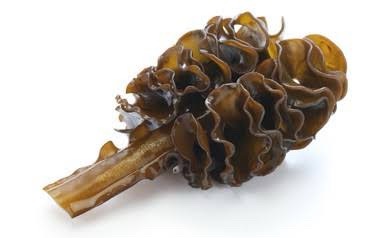
3. Multi-functional: Research has already shown that FX has a tremendous amount of health benefits because of its unusual molecular structure. The multi-functional benefits are namely, anti-oxidant, anti-microbial, anti-inflammatory, anti-allergic, anti-malarial and anti-helminthic. Apart from these activities, FX helps to correct the imbalance of lipid metabolism, which is created by a fatty, unhealthy diet. It has a positive impact on fatty acid oxidation, lipolysis, and bile acid synthesis and lowers the level of free fatty acids.

4. Anti-obesity effects: This brown pigment is a promising asset for lowering weight naturally. Obesity has been one of the main risk factors of many chronic and serious health issues like diabetes, heart diseases, high blood pressure, atherosclerosis, fatty liver, high cholesterol, infertility and many cancers. FX lowers the free fatty acids, inhibits lipogenesis, promotes beta-oxidation, bile synthesis, and influences enzymes which are essential for lipid metabolism. As a result, fat accumulation in the liver and adipose tissues is lowered, reducing cholesterol and triglyceride concentration.
5. Liver: Studies have shown that FX has hepato-protective effects. In case of fatty liver diseases, it can help in reducing the accumulation of lipid in liver cells, stimulate Beta-oxidation of hepatic fatty acids and lower the hepatic enzyme activity for fatty acid synthesis. Several animal studies have shown promising results of reducing lipid and triglyceride concentrations in the liver.
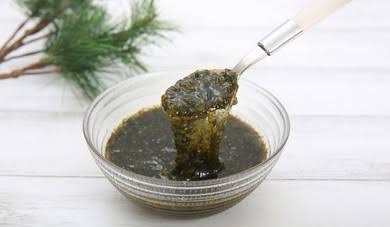
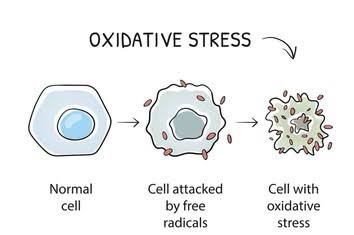
6. Inhibitory effect on cancers: Several studies on different cancers have shown that FX can scavenge free radicals and make it a potential modulator of carcinogenesis. FX has shown promising outcomes in different animal studies of inhibiting apoptosis and hindering the tumorigenesis in different types of cancers like lung cancer, colon cancer, breast cancer, liver cancer, gastric cancer, lymphoma and leukaemia. They behave as angio-modulators in cancer therapy.

7. Metabolism of FX: Because of its wide range of health benefits and potential role in the prevention of chronic illnesses, it has been a promising compound in pharmacological uses both individually and in synergy with other compounds. FX is a carotenoid which is mainly absorbed in the small intestine, similar to fats and fat-soluble vitamins. Studies have shown that consumption of this brown pigment orally does not show abnormal changes in organ tissues; therefore, it is safe for human use.
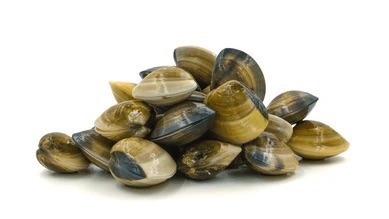
8. Food sources of FX are various species of seaweeds like Wakame, Arame, Kombu, Hizika and Laminaria digitata. Some other natural sources are microalgae like diatoms. Marine invertebrates like mussels, oysters, and clams also contain a small amount of FX. Predominantly, FX is present as a rich source in brown seaweed compared to other pigments like chlorophyll and xanthophylls.
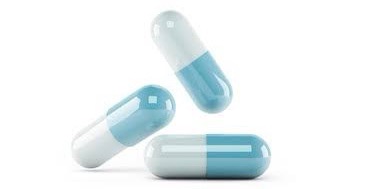
9. As a supplement: Animal studies have shown the safe use of FX and that it has no adverse effect on the body. Therefore, it has been widely used as a supplement for its wide range of health benefits. It is used as tablets, capsules and soft gels usually labelled as Fucoxanthin or “brown seaweed pigment” While the bioavailability can be low in case of human consumption, its absorption can be increased when consumed with lipids and edible oils. Dosage can vary from 3-5 mg per day.
10. Side effects: FX has no adverse effects and no toxic accumulation in the vital organs of the body in case of animals when consumed in higher doses. Therefore, it is considered safe for human consumption. It is considered safe for vital organs like the liver, kidney, spleen and gonads when consumed moderately in humans. Further research on humans is still required for more clarification. It is always advisable to consult a Physician before introducing FX as a supplement when there is a pre-existing medical condition.
Thanks for reading.
Peace and love 🙏








 3H:health,happiness,healing