Dopamine release 😇

Hello everyone ! Have a wonderful and safe day 🙋🏻
img_1381

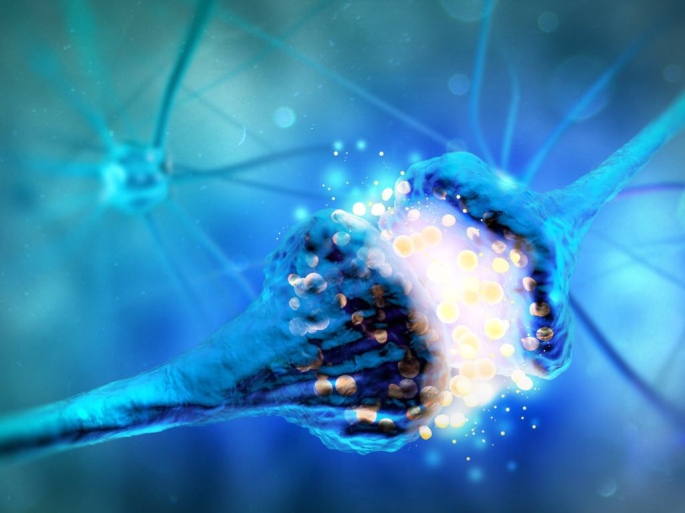
Dopamine is a neurotransmitter released between neurons in the brain. There is a brain reward pathway known as the mesolimbic dopamine system which gets triggered and releases dopamine when an unexpected reward is anticipated. Once the award or the outcome is achieved, the dopamine eases and comes back to its average level. So, dopamine is a chemical of motivation and desire, which is released in the brain whenever there is the anticipation of reward and pleasure.

img_1380

Psychologically, our brain is devised as a survival mechanism, since evolution. When we interact with resources we have, we conduct consummatory behaviour of pure feeling of satisfaction like while eating or drinking. When we interact with resources which we do not have but desire to have, we hold appetitive behaviour which are like motivation, drive, passion, hard work. The dopamine chemical is released and peaked when a reward or outcome is expected. Its primary purpose is to maximize future resources.
The rest of the time, the brain is more engaged with other chemicals like serotonin, endorphins and oxytocin, which gives the sense of satisfaction of the present moment of here and now. So, like all chemicals in the body, in the brain, too there is a need for chemical homeostasis. As long as the homeostasis is there, things are in harmony.

img_1379

But in today’s time, our life is filled with lots of things and means which greatly overstimulate this reward pathway. These stimulants greatly multiply the dopaminergic drive, and the tolerance level develops faster and easier. People chase for money, success, technology gadgets, cars, fame, drugs, sex, alcohol and a lot more. Our society is filled with compelling things all around. We look around for something that would give us dopamine hits in terms of pleasure and reward like chasing for a sugar rush, binging junk food, shopping, smartphones, video gaming, drinking alcohol or doing drugs.

img_1385

Developing addiction for TV shows, Netflix, video games, social media like facebook, Instagram, WhatsUp, internet surfing and the list goes on and on. Many of us are not even aware of the fact that it’s this dopamine drive of pleasure and reward that keep us chasing for these stimulants.

img_1377

As a result of this over-exhaustion of dopamine release, we fail to live life in the present moments; we fail to make one to one connections, spend time with family and loved ones and doing meditation, yoga or practising mindfulness. All these steps give us clarity of mind and also satisfaction and contentment. Psychologically, developing social connections, compassions, mindfulness helps the release of chemicals like serotonin, oxytocin and endorphins, which causes to restore the chemical haemostasis in the brain.

img_1383

Dopamine Detox or Dopamine Fasting has been doing so much around as a strategy to antidote this dopamine overexhaustion. It’s a strategy of completely withdrawing from all the pleasurable activities for a specific period, say a day in the week to reset the brain from this imbalance. But, scientific studies show that it is not possible to reset this dopaminergic pathway completely. There is no total solution in dopamine fasting.

img_1382

But yes, withdrawing for a while, or controlling and reducing the stimulants routinely can help our brain to balance and restore the chemical haemostasis. The critical solution is maintaining a balance in life.

img_1384

It’s essential to get motivated and thrive for success, money, fame, pleasure. Still, at the same time, it’s also crucial sometimes to slow down a while, relax, spend time with loved ones, meditate and be mindful to remain contentment.

Thanks for reading.

Blessings and much love to all 💐

https://9713bwro7r5r4w1bnlp3reun3c.hop.clickbank.net/?tid=140519

6 natural ways of Thyroid care 🙌

Hello everyone ! Have a wonderful and safe day 🙋🏻

img_1332

The thyroid gland is butterfly-shaped in the neck, which is responsible for metabolism and growth. This gland mainly secretes hormones, thyroxine and triiodothyronine. It is controlled by the pituitary gland which is called the master gland of the hormonal axis. Thyroid problems are widespread and experienced by millions, but about 60% of such cases remain undiagnosed. Thyroid problems are elevated these days because of high stress in day to day life, unhealthy food habits, sedentary lifestyle, and perhaps increase in top environmental toxins. Though thyroid problems can appear in both men and women, but women are most likely to be affected than men. Although there is no specific cause, the reason can be due to estrogen dominance, a state where the estrogen level is elevated than the progesterone level.

img_1336

Thyroid issues can be broad as
#dietary deficiency like iodine deficiency such as in case of goitre  

#autoimmune in origins like hypothyroidism called Hashimoto’s thyroiditis and hyperthyroidism called Graves disease.

#Thyroid nodules.

Symptoms depend on different conditions. Common symptoms for thyroid problems can be:
tiredness,
fast heartbeats,
fatigue,
weightloss (hyperthyroid) or weight gain (hypothyroid),
irritability,
anxiety,
heat intolerance and 
irregular menstrual cycle.
The association of thyroid issues with irregularity or imbalance in women reproductive hormones have been quite relevant. There is a significant association of thyroid issues with conditions like uterine fibroid, endometriosis, menstrual irregularities, premenstrual symptoms (PMS), polycystic ovarian syndrome (PCOS) and difficulty in menopause.

According to modern medicine, depending upon the thyroid hormone levels in the blood, physical examination, ultrasound and physical symptoms, the diagnosis is confirmed. Drugs are given as a substitute for thyroid hormones in case hypothyroidism.

img_1334

But in general, the thyroid gland can be maintained healthily by changing our food habits and lifestyle. 6 natural ways are: 
1.Food: Apple, coconut, yoghurt, beans, spinach, onions, pumpkin seeds, walnuts, mango, olive oil, garlic, mushroom, nuts, sea fishes like sardines and salmon, using natural rock salt in meals.

img_1333
2. Avoiding junk food and soya products.

img_1339

3. Daily yoga and meditation are beneficial;

img_1335
4. The message of the gland with pure cold-pressed walnut oil or red onion (antibacterial and anti-inflammatory properties) can help significantly to reduce inflammation around the organ.
5. Vitamin D, Selenium and magnesium supplementation are helpful.

img_1338
6. Detoxifying: our body is highly equipped with organs (liver, kidneys, skin, lungs) to eliminate toxins. We do not require expensive therapies or sessions or any special diet for detoxification. We, need to stick to a clean diet, plenty of fluids, proper sleep, no excess processed food, sugar and alcohol to enhance the natural detoxification process.

Thanks for reading.

Blessings and much love to all 💐

Silent Saturday 🙌

Hello everyone! Have a wonderful Saturday 🙋🏻‍♀️

Some random clicks of mine…

Thanks for reading.

Blessings and much love to all 💐

Adrenal fatigue: High Cortisol feel 🙄

Hello everyone ! Have a wonderful and safe day 🙏

img_1242

“Adrenal Fatigue” is a laymen term which we frequently come across or must have heard often these days. Stress is a common thing these days which we encounter in our everyday life, especially in today’s time. In every aspect, not just in personal and professional lives, but also financial, health-related and not to forget this pandemic time of COVID 19.

img_1243

Not a medical diagnosis, this term ‘adrenal fatigue’ was coined by a Naturopath named James Wilson. He referred it to a set of unspecified symptoms which arises due to the hypofunction of the adrenals.

img_1246

When adrenal glands, a small pair of organs which lies above each kidney doesn’t function at an optimal level, there is an imbalance. When the body is in a state of prolonged stress, the adrenals keep secreting hormones like adrenaline and cortisol. These hormones are meant to stimulate the sympathetic nervous system during fight or flight response. Without the presence of any potential threat, the person tends to remain in this fight or flight response state due to chronic stress.

img_1245

So specific symptoms appear like
anxiety,
high blood pressure,
elevated heart rate,
puffy face,
Sleep disturbances
weight gain and fatigue
As a result of the prolonged release of cortisol, the adrenals tend to get fatigued and burn out. Hence, the term adrenal fatigue aptly is referred to such a state.

img_1248

Cortisol, as such, is not a harmful hormone. This is a useful hormone which, since evolution has been with us, which helps us with our survival instinct to protect us from potential threat or danger. Typically, this hormone is produced at a necessary level to carry out its normal function of helping in the metabolic process in the body. Cortisol is always at a balance with the growth hormone, which is secreted by the pituitary. The growth hormone is an essential hormone for growth and regeneration. But as we age, the growth hormone release decreases. So, there is a somewhat an imbalance of the growth hormone and cortisol balance. That’s where the different troubling symptoms start appearing.

img_1249
Some ways when cortisol can be lowered in the body naturally:
1.Increase growth hormone release by sleep, exercise like walking.
2. Intake of Vitamine D3 of 10,000IU daily, Vitamin like B1 and B5, which also supports the adrenals. Sun exposure can be beneficial in this aspect.
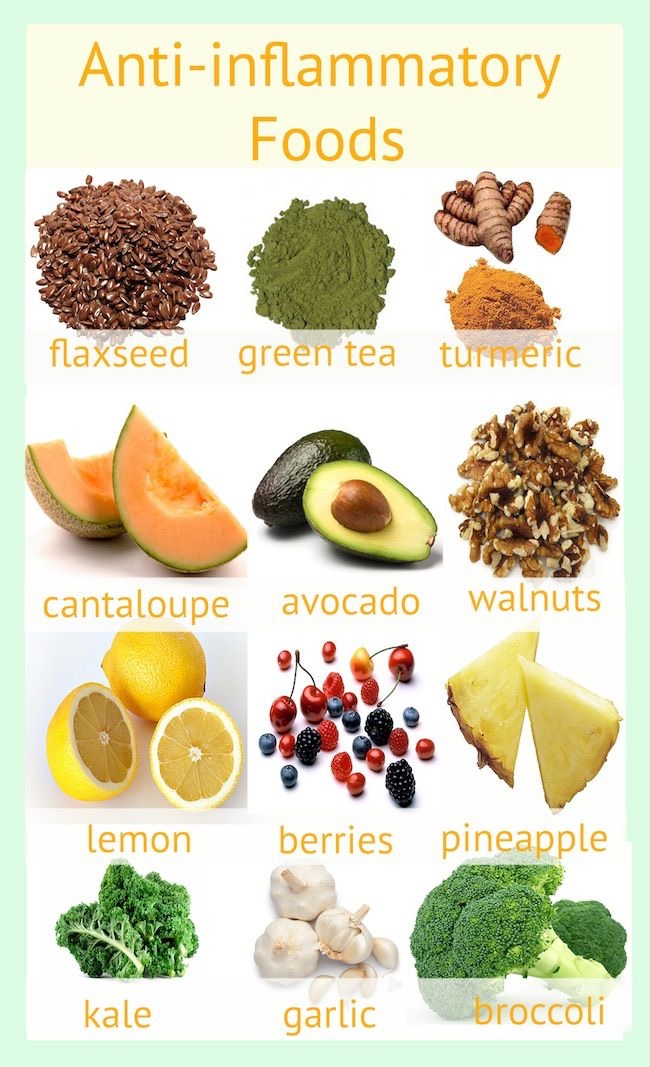
3. Omega 3 fatty acids are useful for the adrenals—wild fishes like salmon, codfishes, flax seeds, avocado are some sources.
4.Minerals like potassium, magnesium: Banana, soy products like tofu, edamame beans, walnuts, almonds.
5. Herbs like Ashwagandha, Ginseng, Rhodiola.
6. Relaxation methods like mindfulness, meditation, yoga

img_1251

img_1250
Specific hormone-like Oxytocin which is also called the love hormone, secreted by the posterior pituitary, helps to balance the cortisol level in the body. Some simple ways to increase or ensure the release of oxytocin in our daily life
1. Take a walk, spend time in nature, or with a pet.
2. Self-love and self-care
3. Laughter
4. Hugging and cuddling

Thanks for reading.

Blessings and much love to all💐

Anxiety: Understanding the fact 🙌

Hello everyone ! Have a wonderful and safe day 🙋🏻

img_1159

“The best use of imagination is creativity, the worst use of imagination is anxiety”. Deepak Chopra.

Humans are the only species since evolution, who have the most evolved mind. They can undoubtedly imagine both constructively and destructively. So, it’s our thoughts alone which can make or break us.
Being anxious is having an uninvited guest into your house, which you are trying to avoid, but still, he refuses to leave.

img_1165
Anxiety is a state of mind, not a disease. Every day, we generate about 70,000 thoughts, out of which majority of them are negative and repetitive thoughts which do not serve any purpose. Thoughts are the main stimulator of our state of wellbeing. Whether you are physically healthy or not, thoughts are only instrumental which determines our state of wellbeing. It’s the day to day thoughts that creates our perceptual reality which we believe our real world. Hence, this is the hard truth that needs to be acknowledged by us.
It’s essential to educate ourselves that thoughts typically creates our reality. So, if we modify our thinking pattern or start creating empowering thoughts and beliefs, we can easily change the world around us.
Therefore, thoughts are so powerful that they can push you to the peak of physical and mental wellbeing or dumped you in the pit of depression and anxiety.

hand presses the button on white background

So, how does anxiety builds up?
Out of 60,000 to 70,000 thoughts generated, every day, about 90% of them are just repetitive and negative thoughts. There is overthinking and rumination of the same type of thoughts. As the cycle continues, there is an alteration in the chemical makeup of the brain. Dopamine and serotonin, the mood regulators get depleted in the brain. The production of BDNF (brain-derived neurotrophic factor) gets consumed, and slowly there is shrinkage in the size of the brain. When the cycle becomes vicious, and anxiety state becomes chronic. It started to interfere with daily activities. Such a state is regarded as an Anxiety disorder. As chronic stress get elevated and reaches the threshold, there are significant changes taking place in the brain.

Dr Joseph LeDoux New York University neuroscience.16ef.indd
Some noticeable changes are :
1. The more the brain is engaged in anxious thoughts, the more the ‘anxious neural pathways’ are strengthened.
2. The brain is stuck in the state of ‘high alert’, becomes more reactive to the stress receptors for possible threats which are mostly imaginary.
3. The fear centre in the brain becomes more prominent and more significant.
4.Not just the chemistry, but changes start appearing up to the DNA level in the brain.
5. Brain ageing process also fastens.
6. The circadian rhythm is disturbed, and the sleep cycle gets disrupted.

img_1166

Simple ways to get rid of the anxiety state :
1. Firstly, it is better to face the anxiety. More avoidance will lead to more exaggeration. So, visit your fears, and start being an observer. Being an observer of your mental state, create a sense of indifference, feels like you are different from your state of mind. You understand that the mind and body have created a false association to any external object or stimulant as the triggering factor.

img_1163
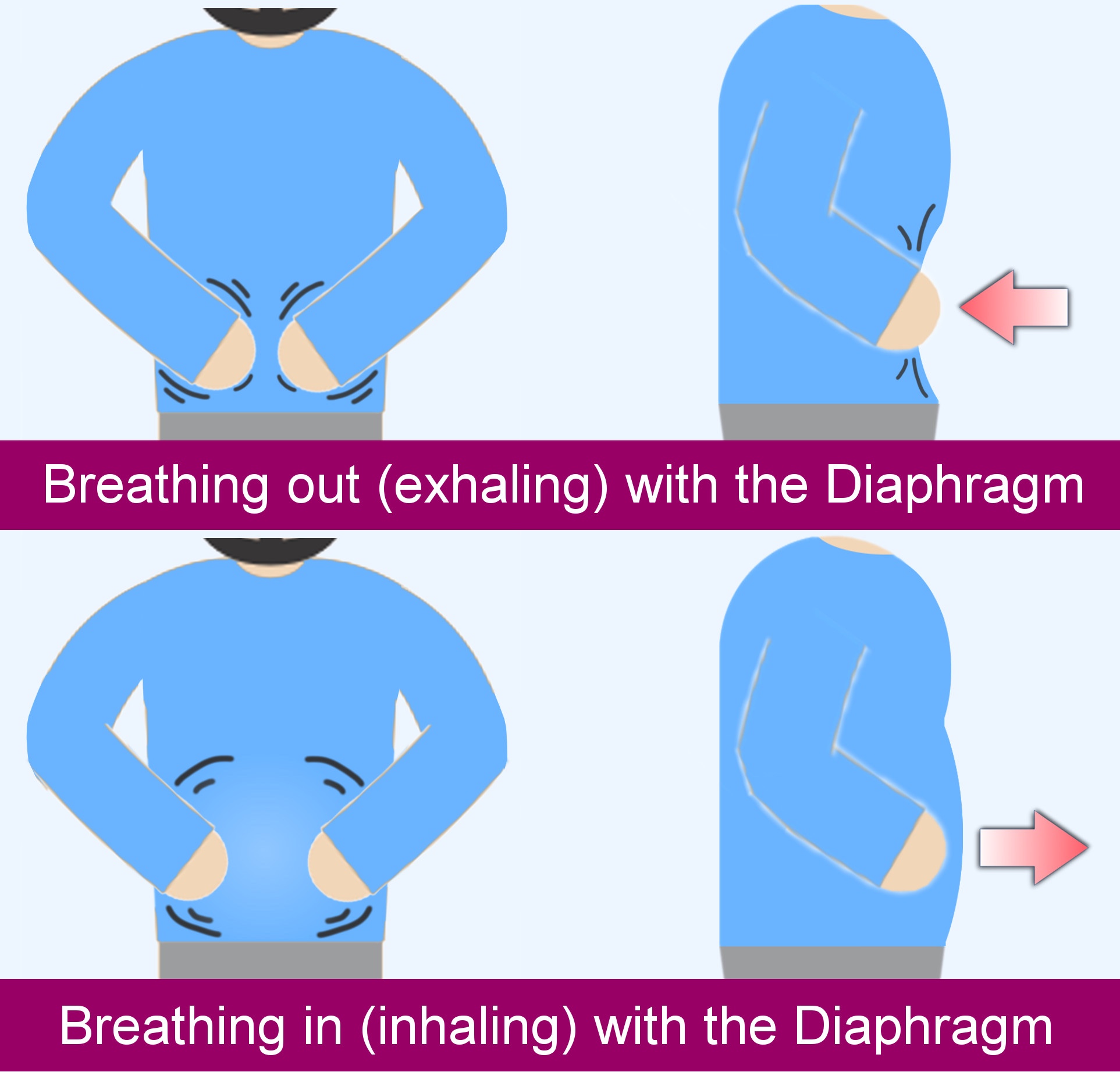
2. Diaphragmatic breathing: Long bouts of inhalations followed by long rounds of exhalation. The deep breathing technique: Like taking a prolonged deep breath of inhalation by counting 1-4, then, a pause of 1-4, followed by an exhalation of 1-4, then another break of 1-4, and the sequence continues. That is why this technique is known as four-square breathing. This slow and deep breathing causes the oxygen to reach your brain, and the parasympathetic nervous system gets activated. It can be an instant stress reliever.
3. Naming your anxiety is as expressing your state of mind to another person. Putting words, and explanation of your anxious thoughts will stimulate the frontal cortex. Your brain will be more attentive in the frontal cortex and deviated from the fear centre, which is responsible for the anxious state.

img_1164
4. Mindful and relaxation techniques like mindfulness, meditation, yoga, which all goes to help stimulate the parasympathetic system, which is for relaxation.

img_1167
5. Plant-based food is known to have a calming effect on the human mind.

Thanks for reading.

Blessings and much love to all 💐

Silent Sunday 🌞

Hello everyone ! Have a wonderful Sunday 🙋🏻‍♀️

Some random clicks of mine….

Thanks for reading.

Blessings and much love to all 💐

International Yoga Day , 21st June 🙌🧘🏻

Happy International Yoga Day !

Thanks for reading.

Blessings and much love to all 💐

Negative emotions: 6 ways to deal with…😇

Hello everyone ! Have a wonderful and safe day 🙋🏻

img_0843

Scientists are yet to give a proper standard definition of emotion. Enough researches are done in the past and are still going on. Yet, it is quite challenging to define this experience of mind called ’emotion’. Emotion is usually a state of mind which is neurophysiological. It can be linked to the person’s personality, thought process, feeling, mood or temperament. It’s a mental state where he/she may experience either pleasure or displeasure. So, every day and every moment, a person’s emotional state may vary.

img_0844

Researches have revealed that the left side of the brain is a logical and more analytical half while the right side is imaginative, creative and emotional. There is a total of at least 27 emotions which appear in the human mind. Everday, both positive and negative emotions surface in the human mind throughout the day. As the flickering mind keep reacting and responding to the different internal and external experiences, so does the emotion keep changing. I think emotion/feelings have a lot to do with our subconscious mind. The subconscious mind, with its conditioning and tendencies, ingrained through our life journey. Therefore, depending on these tendencies, the emotional state may vary from individual to individual for the same human experience.

Having an emotion, pleasant or unpleasant, we blame it to the external environment. But we fail to acknowledge that our internal environment has a greater role to play than any external environment when it comes to our emotions. Here, I would like to emphasize more on the negative emotions that are generated in our mind daily because they have a toxic effect both on our physical and mental health. We can at least try developing a habit and make behavioural changes to reduce or try getting rid of them as much as practically possible for the sake of our wellbeing.

img_0849

The sources of negative emotions evolve through a toxic and adverse thought process like anger, pride, ego, greed, jealousy, hatred, lust, infatuation and so on. So, how do we stop ourselves or at least try getting rid of them daily? It is an ever-evolving process and learning experience that grows with time.

Six ways, we can try getting rid of them are :

img_0846
1. Replacement techniques: Every time an unpleasant experience happens, the negative emotion of anger, pain, hurt, resentment appears. Further, the mental pattern of overthinking and ruminating makes it worst to bear. Being aware of our state of mind is an important step to initiate. And the slowly deliberate attempt of replacing the negative thinking pattern with a positive and a more constructive thought process. It is something that isn’t easy at all. But, it isn’t impossible either. It’s a habit that has to be grown and nurtured through time. Therefore, replacement with a better pattern is an efficient method.
2. Bring in the opposite action: Intentionally doing an act of service or showing good conduct even in a bitter experience. It can lead to a change in our mental state to a more positive environment and reduce the negativity. No matter what the other person’s reaction, you remain in a positive and gratitude state. It can help us get rid of negative emotion and maintain a balanced state of mind.

img_0848
3. The mind of service: Every individual is deep down selfish. We live, work, desire all the time for our own selfish needs. We feel we will be happier this way. But, we end up suffering because of our selfish desires and needs. We need to realise this sooner or later. The more, we grow towards an unselfish mind, a mind in service to others, the lesser is the negativity around.

4.A bigger picture: Whenever we breed a negative emotion towards a person or a situation, we tend to have a narrow perspective. We become selfish as our ego hurts, and our ‘sense of self’ is threatened. Realizing this fault of our’s is a great help. Being self aware of our narrow-mindedness is a crucial step. It will help us to view the person or the situation in a wide broader picture. Therefore, we become less judgemental towards the state or the person.

5. Nurturing positive emotions: We need deliberate efforts to boost positive feelings of compassion, kindness, love and gratitude. Nurturing these emotions can substitute negative emotions of anger, hatred and jealousy. Cultivating a habit of doing good to others can create good mental impressions and thereby bring good feelings of joy and happiness.

background-calm-clouds-747964
6.Meditation: The daily practices of meditation, nature walk, chanting, yoga, creative activities enhances self-awareness. Through self-awareness, we can gain better clarity of mind. We have better control of our mind, emotions and actions.

Thanks for reading.

Blessings and much love to all 💐

8 truths of Leaky gut syndrome 🙌

Hello everyone ! Have a wonderful and safe day 🙋🏻

img_0790

Time and again, it has been proved by extensive Medical researches that most of the chronic illnesses, including autoimmune disorders, type 1diabetes, irritable bowel disorders, migraine are all associated with gastrointestinal disorders. A patient who suffers from chronic symptoms’, the history should be thoroughly investigated for an underlying food or lifestyle habits that may be co-related.
Our body is not a single entity, nor each of its organs works independently of each other. Every structure, including the skin, tissues, mucosal lining, organ, system including a huge colony of microbiota are all interconnected and work together as a biological system. Not only this, the immune system, biochemical processes, endocrine and the autonomic nervous system, are all very much interdependent. Therefore, while considering any chronic disorder, the entire system has to be taken into account, including food habits and lifestyle in the process of management of such illnesses.

img_0791

1. The food, we eat reaches the intestines where they are bind to enzymes where filtration and absorption take place. Then, the nutrition of the food is absorbed in the bloodstream through the intestinal barrier. Without digestion, the food cannot escape directly through the intestinal/gut wall. The intestinal lining is typically intact and tight. It doesn’t let food, bacteria or toxins to escape directly to the bloodstream. Nutrients of food also absorbed through small villi on the intestinal wall. Usually, there are tiny holes of 1-7 microns in the gut lining through which the nutrition permeates into the bloodstream. When there is Leaky gut, the holes become bigger about 200-300 microns, and the intestinal villi are damaged too because of which the intestinal integrity is lost. That is the reason leaky gut is also called intestinal permeability. There is directly permeability on the gut lining through which the food material, bacteria, toxins escape into the bloodstream. The immune system comes into play and starts reacting. There is extensive inflammation of the intestinal lining and its structures. There is swelling and slowly scarring of the intestinal walls.

2. Evidence has proved that genetic predisposition is one of the leading causes of leaky gut. But, emerging researches have shown the not only DNA is to be blamed alone. Lifestyle conditions like high gluten diet, fat, sugar-rich diet, smoking, alcohol, stress, pain killers (non-steroidal anti-inflammatory drugs) and food intolerance are some of the common conditions predisposing leaky gut. Therefore, leaky gut commonly found in chronic conditions like Celiac disease, irritable bowel syndrome, Crohn’s disease, HIV/AIDS, cystic fibrosis, chemotherapy and radiotherapy patients. Leaky gut not only creates symptoms in bowel disorders but also linked to most conditions of autoimmune origin. It may be associated with autoimmune diseases like Lupus, Type 1diabetes, multiple sclerosis, rheumatoid arthritis, psoriasis, Chronic fatigue syndrome, asthma, allergies and mental illness. Autoimmune disorders are difficult to diagnose and treat. They can be managed and controlled but has no permanent cure.

3. Trigger factors of leaky gut are like a gluten-rich diet, dairy-rich, soy food or drugs like antibiotics or over the counter pain killers like aspirin, acetaminophen which may disturb the intestinal lining and cause leaky gut. Such triggers lead the immune system to be activated, causing an immune response in the body to produce antibodies against our own body’s intestinal tissue lining, causing inflammation. This inflammation can increase the intestinal permeability that is the escape of food and toxins directly into the bloodstream leading to symptoms like pain, diarrhoea, joint pain, fatigue, headache and depression. As Leaky gut is associated with a number of symptoms, so, it is called Leaky Gut syndrome. 

img_0795

4. Common symptoms are
Diarrhoea, Constipation
Pain abdomen, bloating
Skin rashes like acne, eczema, rosacea
Brain fog, memory loss
Depression
Chronic Fatigue
Joint pain.

5. Though strong evidence shows that many chronic conditions are associated with an underlying cause of leaky gut. Leaky gut is still not considered an official medical diagnosis, nor it has a standard protocol of treatment. A proper detailed history of the patient can detect the leaky gut condition. Therefore the management also differs from individual to individual depending on the full range of trigger factors.

img_0796

img_0792

6. Diet and lifestyle changes do help a great deal in such conditions. Drugs that suppress the immune response and also to control the inflammation are required in some cases. The most important message is that we know our body better than anybody else. Even if we go to the best of the specialist physician, we should do what works best for us. Never stop self investigating and self-analysing yourself about why and what may trigger or lead to such symptoms. Be your observer, and make changes accordingly, which may be very helpful.

7. Hold on to basics. As, from my own experience, the best thing is leading a simple life; more fundamental is food and lifestyle, less is the list of complications or symptoms of chronic illnesses. Stick to the essential food habits that you may have inherited from your ancestral lineage because that’s how your genetic makeup and your body is comfortable. Follow work, exercise and sleep balance. Always maintain calmness of mind by using techniques of meditation and mindfulness because a healthy mind has a high impact on the physical body.

img_0793

img_0794
Other measures that can be beneficial are:
To limit the amount of carbohydrate from the diet.
To eat more of fermented food (Kombucha, sauerkraut, kimchi, yoghurt)
Limiting dairy products and using more probiotics in the diet.
Eating more of soluble fibres in the diet.
Limiting the use of antibiotics and pain killers and using them only when necessary.

8. Vitamin deficiency of D, A, C, Zinc are related to increased intestinal permeability. So, dietary sources and vitamin supplements can be helpful to some extent. Vitamin D also suppresses inflammation in the gut. Certain supplements like Curcumin, L glutamine, collagen peptides, Zinc and probiotics are also helpful in some instances.

Thanks for reading.

Much love and blessings for all 💐


Greetings 🙏

Hello everyone ! Have a wonderful and safe day 🙋🏻

img_0769

Much love to all 💐