10 hard facts about Taurine 🙌

Hello everyone ,

1. Amino Acid :Taurine is found naturally in our body. Chemically, it’s an amino acid or more precisely amino sulphonic acid. Since it is naturally available in the body, it plays a significant part in different bodily functions like metabolism, immunity, nervous system, electrolyte balance, biliary system.

2. Nervous system :Taurine as an abundant amino acid support building up the nervous system, helps in storing memory. As ageing progresses, it’s bodily reserve reduces with age. Due to its decreased levels can be responsible for neurodegenerative diseases like Alzheimers’ or memory deficits.

3. Liver :The liver is supported by taurine mainly to break down cholesterol into bile salts. Bile salts play a crucial role in the digestion and metabolism of fat in the body.

4. Lifespan: Researches show that high taurine levels do have anti-aging effects. From its lower levels contribute to inflammation, diabetes, obesity, hypertension, so, with improved levels of taurine, these risk factors are significantly reduced. Food supplementation of taurine and exercise do contribute to the lifespan.

5. Cell protective agent: Taurine plays a vital role in regulating cell volume, calcium homeostasis, sweeping free radicals and stabilizing the cell membrane.

6. Heart : Studies show that taurine reduces the risk of heart failure by lowering the progression of atherosclerosis. It has a potential vasodilating effect. Taurine supplement in people who have a history of heart failure shows lower levels of cholesterol. Low Taurine levels may be a significant factor in the development of cardiomyopathy.

7. Eye :Studies have shown that taurine is abundant in the retina of the eye. Reduced levels of taurine is linked to eye disorders like glaucoma, retinal degeneration like diabetic retinopathy.

8. Muscle :Studies show that taurine helps to improve muscle power and strength. Taurine appears to help restore muscle injuries, damage, pain and reduce progress in people with muscular dystrophy.

9. Food : Taurine is found in dairy and high sources are mainly meat, chicken and fishes. As for plant based diet, seaweed is a good source of taurine.

10. Dosage : Taurine supplementation is not usually recommended as it is naturally available in the body and in our diet. If prescribed clinically, evidence shows that consumption of 3 gms per day works well without the risk of side effects. Taurine has also been an essential component in energy drinks in case of physical performance. Some infant formulas contain taurine because it is not naturally found in babies as it is in adults.

Thanks for reading.

Peace and love 🙏
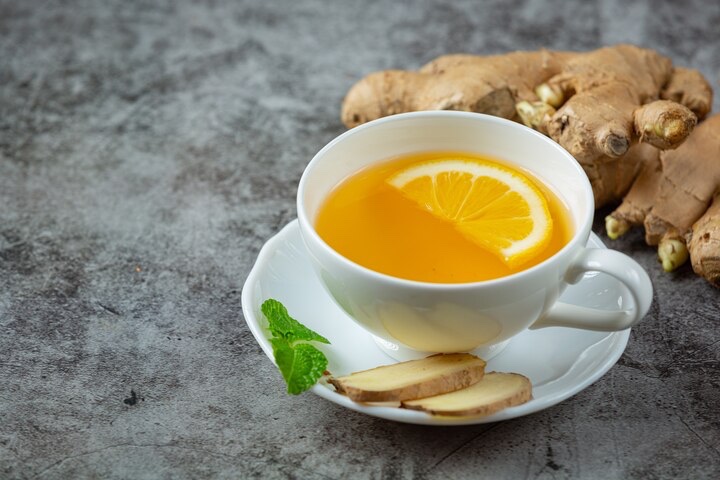
10 quick facts of ginger🫚

Ginger is an ingredient common to our cuisine for centuries. It is widely used in most of the culinary dishes. Besides adding the zing in our taste buds, it has immense medicinal and health benefits.

  1. Ginger contains gingerol that imparts its unique taste and flavour to cooking. This compound gingerol is a natural antioxidant and anti-inflammatory. Hence, ginger helps to cure common cold, flu, seasonal rhinitis and fungal infections.
  2. Previous studies have shown that ginger has played an important role in controlling blood sugar levels in people with type 2 diabetes. Researches also show that regular intake of ginger helps to reduce the levels of LDL cholesterol and triglycerides, thereby reducing the risk factors of cardiovascular diseases. It is also effective in weight loss.
  3. Ginger is highly effective against swelling, itchiness and minor skin allergies such as hives. Having ginger juice along with jaggary powder can be consumed to reduce skin allergies and itching.
  4. Ginger is an effective pain reliever. Consuming ginger slices or ginger juice can help to reduce joint pain, body ache and earache.
  5. Consuming ginger or raw ginger juice has helped in improving many digestive issues. Eating raw ginger slices before a meal will help to stimulate digestion and improves the appetite. A person having indigestion, belching, bloating will be relieved after having ginger juice along with lemon juice or ginger slices. Problems like nausea, vomiting, diarrhea can all be relieved after consuming ginger. So, it can be used during Morning sickness. People taking chemotherapy may use ginger to alleviate post-drug side effects.
  6. Ginger is very effective when used freshly, but also beneficial when consumed as a powder for juices or tea. A common spice used in various cuisines.
  7. Ginger is effective against degenerative diseases like multiple sclerosis, Parkinson’s disease, Alzheimer’s disease due to the presence of compounds like 6-gingerol and 6- shogoal.
  8. Ginger is grown especially in tropical areas. Ginger roots are mainly used for cooking and healing purpose. It can be stored in dried or powdered form for a long time. Ginger supplements are available in capsules or liquid extracts. Ginger oil as essential oil is used in beauty products.
  9. Ginger is rich in dietary fibre and in vitamins like B3, B6 and C. It is rich in folate, magnesium, phosphorus and zinc.
  10. Ginger is usually safe, but it must be used in moderation as part of a healthy diet. Too much consumption or concentrated higher doses may lead to heartburn, stomach upset or loose motion.

Thanks for reading.

Peace and love 🙏

10 interesting facts about Melatonin 😴

Hello everyone🖖

Melatonin, commonly known as the sleep hormone is responsible for our cicardian rythm. But, it has some fascinating facts to be known.

1. The pineal gland, located at the base of the brain, is known to produce 5% of the total quantity of melatonin. Surprisingly, in all of the cells throughout the entire body, the mitochondria generate the remaining 95% of melatonin.

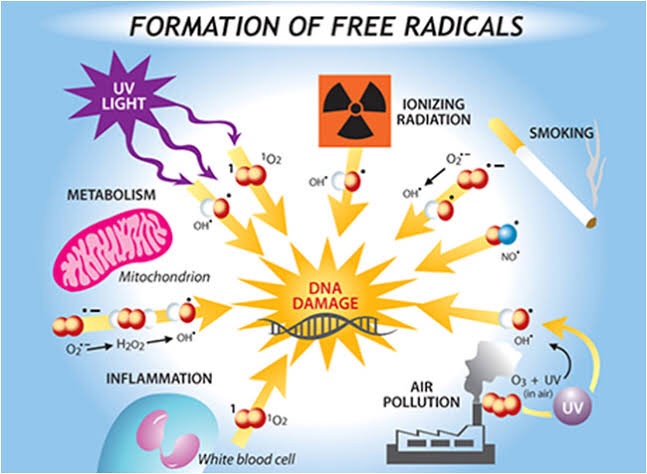
2. Our body cells’ mitochondria typically serve as the energy-generating organelles. They absorb glucose and oxygen to create water and ATP, which serve as the body’s power source. Free radicals are created during this procedure. However, the free radicals can be neutralised by our body’s defence systems. Melatonin acts as the potent anti-oxidant which causes free radical damage.

3. The melatonin which is produced in the body cells due to the sunlight, especially the infra red rays trigger the release of glutathione and other potent anti-oxidants. Melatonin also has anti -inflammatory properties and anti cancer properties too.

4. Since, melatonin is an effective anti-oxidant, it helps to prevent eye and ear damage. Research shows that it is effective in prevention of age related macular degeneration and retinopathy.

5. Melatonin protects the brain. Melatonin serves to promote the growth of new brain cells and improves memory, according to studies. Melatonin levels were discovered to be low in those with Alzeihmers disease. Thus, it is possible to prevent Parkinson’s and Alzheimer’s disease from becoming severely disabling by increasing melatonin levels.

6. Research shows that melatonin stimulate growth hormone production. Evidences showed that oral administration of melatonin increased the level of growth hormone, two fold times.

7.Melatonin production declines noticeably as we get older. Therefore, in order to maintain melatonin levels in our everyday lives, we must get enough sun exposure during the day and turn off lights at night so that darkness can help to stimulate melatonin production.

8. Sub-cellular melatonin which is produced in the body naturally is more effective than taking melatonin pills. Melatonin pills do work on short term basis and should be taken only if clinically recommended.

9. Aside from the infrared radiation that comes from sunlight, which is typically present in the early morning, other sources of infrared radiation that contribute to a sufficient amount of melatonin production include candlelight and being in front of a fire.

10. Incadescent light bulbs, spending time in greenery parks, outdoors all help to boost melatonin production.

Thanks for reading.

Peace and love 🙏
Self renewal: 10 hard facts 🙌

Hello everyone 🖖

1. The human body in which each of us lives is made up of around 37 trillion cells, to be precise. And every day, about 1-2 percent of the cells are renewing. So, exactly after 90–100 days, a new “me” appears. We remain so busy with our routine lives that we hardly acknowledge this fact, and many of us are not even aware of it. So, ‘change’ is the constant tune, not just within the universe but also within us.

2. Now that we understand that our bodies undergo transformation on a daily basis, So, the question is: how does this self-renewal occur? Let’s go back to our past a little bit. The human body develops from the human embryo, which is fertilized by an oocyte and a sperm cell. This embryo is made up of stem cells. The stem cells are the basic cells (undifferenciated cells) of the human body, which, through the process of mutation and transformation grow into different cells like nerve cells, bone cells, muscle cells, blood cells and so on. Throughout our lifespan, these stem cells undergo cell division and keep replicating; that’s how self-renewal happens.

3. Under normal physiological self-renewal processes, different cells in the body have differing rates of cell division. So, the replication process of various tissues, organs, and blood cells in the body has a different time frame, like the skin epidermal cells, which can take around 10–30 days, whereas a bone cell takes 3 months, or a hair grows about 1 cm in one month, and so on.

4. Though our body is constantly changing due to the continuous self-renewal process through different cell cycles like shedding the old skin cells, renewal of intestinal cell lining, and growing hair or nails on a routine basis, this isn’t a simpler process. The human body is still very complicated and has exceptions. Some cells, such as those in the brain (cerebral cortex), eyes (such as lenses), and heart, do not change from birth to death.

5. But then, why is self-renewal important and must be maintained? Under normal physiological conditions, stem cells have two functions: proliferation and differentiation. Though stem cells have a natural proliferative capacity throughout our lives, disease conditions can affect their physiological self-renewal ability and behavior due to factors such as damage or an unhealthy lifestyle (obesity, lack of physical activity, smoking, or a poor diet).

6. A lack of an appropriate environment within the body or poor maintenance of the human body might eventually lead to the exhaustion of the capacity of stem cell proliferation, which causes premature aging or tissue atrophy. With aging, stem cell activity, tissue regenerative and haemeostasis is significantly declined.

7. Sometime, due to the unhealthy environment within the body, mutations lead to aggressive stem cell division without going through the natural cell differentiation process. This can lead to abnormal tissue growth or cancer in the body. Therefore, the physiological process of stem cell division and the natural stem cell behavior can be affected by four disease conditions, like degenerative, metabolic, cardiovascular, and inflammatory conditions.

8. Regenerative medicine and therapies have arisen as a result of the discovery that defective self-renewal mechanisms in the body are the root cause of malignancies and abnormal cell proliferation. Many disorders are being treated with regenerative medicines based on stem cells. Recent years have seen a significant increase in the use of stem cell treatment to treat a variety of diseases like cancer and disorders including type 1 diabetes, heart disease, stroke, Parkinson’s, burns, osteoarthritis, by regenerating cells, repairing tissues, and transplanting organs.

9. The fact about regenerative medicine is that, though it has helped many patients around the world, the cost of treatment is quite high as the procedure is complicated and the failure rate is high. Human stem cell treatment requires culturing human stem cells in a laboratory setting for a longer period of time, which is quite difficult.

10. The market is flooded with products that promote cell regeneration, anti-aging, and longevity. The lofty claims made by these items are still quite dubious. But it is true that some supplements do work to improve health, lower inflammation, and increase immunity. But in the end, having a healthy diet, getting enough sleep, a calm mind, and exercising regularly is all that’s necessary for good health.

Thanks for reading.

Peace and love 🙏

10 top benefits of music on health 🎧 🎼

Hello everyone ! Have a wonderful and safe day. 🙋🏻

Whether on purpose or without purpose, music has become a part of our lives. The day starts with a busy schedule, yet we happen to listen to music, maybe while driving to work, a shop, cafe, gas station or wherever we happen to pass by. After a day’s long work, we may intentionally listen to music to calm and rejuvenate our mind. Music is of different genre and variety, loud, hard, soft, calming or with and without lyrics. It is all about individual choices and preferences.

Both in the past and in the present time, studies show the tremendous effect of music on all mental, emotional and overall health.

Ten effects of music influence on health:

1.Mood booster: Listening to music can stimulate the release of neurotransmitters like dopamine which gives a feeling of satisfaction and reward. It makes us repeat the behaviour, that is to continue listening to music. Therefore, it can elevate the mood to pleasure, motivation and enthusiasm. It can strengthen you emotionally by fine-tuning your emotional health.

2.Improves sleep efficiency: Listening to soothing music, stimulates the parasympathetic system, lowers the blood pressure and slows down the physiological functions. It relaxes the mind and body, making it ready to fall asleep. Music has been instrumental in treating sleep disorders.


3.Exercise performance : Studies show that music increases the level of performance, strength, endurance level while exercising. It delays fatigue by boosting the stamina level.

4.Focus: Listening to fine instrumental music helps to capture attention and to focus. So, some people prefer listening to music while on work which allows them to concentrate and increase productivity.

5.Divergent creativity: We all have the same cognitive capacity to think original thoughts and ideas; it’s the area on the right side of the brain, the creative brain. Research shows that listening to lively, happy music helps to stimulate this area of divergent creative thinking.


6.Reduce stress: Listening to calming music of about 60 beats/min can stimulate alpha brain waves which can make you feel calm and conscious. It reduces the cortisol level and releases endorphins which helps you relieve stress. It has been used successfully by many as a stress-reducing technique.


7.Memory: The frontal cortex and hippocampus of the brain are associated with memory. So, revoking memories are challenging in person with dementia and Alzheimer’s disease. Sometimes, music with a particular tune or lyrics can help significantly to relieve some of the memories in such individual.


8.Immunity: Music stimulate the parasympathetic response in the body which elevates the physiological coherence and promote the immune response. It boosts the release of antibodies and natural killer cells which helps to combat infections and chronic conditions like cancers and autoimmune issues.

9.Improves vascular health: Music helps to ease the anxiety and stress level by bringing the blood pressure and heart rate to the average baseline level. It relaxes the arterial wall and enhances the blood flow, thereby improving vascular health.

10.Weight loss: Music has a visceral effect too. Listening to music helps you to eat slowly, with relaxation. This effect improves our chewing ability and promotes metabolism. As you are eating slowly, you end up eating in a lesser quantity. Moreover, music also helps your exercise performance. So, in the process, you end up losing weight too.

Thanks for reading.

Blessings and much love to all 💐

Chronic Fatigue Syndrome 😔

Hello everyone! Have a wonderful and safe day 🙋🏻

Chronic Fatigue Syndrome: It is a disorder, relatively unknown to the public and even to the medical fraternity. It is a progressive, multi-system functional disorder involving the Neurological, Immune, Endocrine and digestive systems. As more and more cases are emerging, the diagnosis has now been established. This condition is also known as Myalgia Encephalomyelitis or systemic exertion intolerance disease (SEID). The syndrome slowly progresses to functional impairment. It can affect any age group, even in children. But mostly, common in women, more than men in the age group of 40-60 years.

Symptoms: Different individual is affected with different range of severity.
1.Extreme fatigue even after long hours of rest.
2.Progressive loss of stamina, both physically and mentally.
3.Loss of concentration
4.Loss of memory
5.Headache
6.Sensitivity to food, odours, chemicals
7.Unexplained joint pain.
8.Sleep disorders
9.Enlarged lymph nodes in the neck or the armpits.

Causes: The exact cause is yet unknown. But, in more and more case studies, certain contributing factors are being identified:

1.Viral infections: Like Rubella, Epstein Barr, Human herpes, Ross River viral infection can precipitate such a condition.
2.Bacterial infection like Chlamydia Pneumonia
3.Genetic Predisposition
4.Mental issues like childhood trauma, emotional trauma, stress
5.Hormonal imbalance.

Diagnosis: The diagnosis is difficult to confirm as the condition has symptoms similar to many other conditions. To make a diagnosis, doctors mainly rely on a thorough medical history, and different tests are being done to rule out other conditions. Some individual with this condition has been found to have an inadequate response to immune cells like T cells and have autoantibodies in the blood. Tests like laboratory tests, exercise tests, sleep study are done to exclude other conditions.

Management: There is as such no cure. The aim of managing such cases is to relief the individual from the symptoms.

1. Eliminate food sensitivity like common allergens nuts (peanuts, tree nuts), shellfish, gluten (wheat, rye, barley), dairy. Avoiding such food may sometimes work towards improving the symptoms.


2. Exercise and Yoga is recommended to improve physical mobility.
3. Mindfulness session to improve sleep issue.
4. Acupuncture to improve pain.


5. Improve diet and Supplementation with vitamin B complex, potassium, magnesium.

6. Bone Broth as a collagen booster


7. Meditation, nature walk to improve mental health, reduce stress and peace of mind.
8.Social support: Support from loved ones and friends is vital.

Thanks for reading.

Blessings and much love to all 💐


Boron: Benefits 🙌

Hello everyone ! Have a wonderful week ahead 🙋🏻

Boron is an underappreciated mineral which we have hardly known in the past. It is a trace mineral which is usually absorbed by our body from different dietary sources. As the soil is depleted from many trace minerals, including boron, we have started to realize it’s relevance. Its role is quite significant in our body as it takes part in many vital functions besides its essential health benefits.

The essential health benefits of boron:
1.Boron is necessary for the uptake of calcium, magnesium and phosphorus in the body, thereby improves the bone strength and health. It boosts the activity of the bone-building cells called the osteoblasts.
2.Boron is essential to increase the status of vitamin D3 in the body. Vitamin D3 is a steroid which is synthesized from cholesterol when exposed to sunlight. Vitamin D3 is necessary for bone mass and prevention of heart disease and depression.
3.Since it has a robust anti-inflammatory effect; it helps to lower the risk of cancer development. Research has shown that dietary boron intake is inversely correlated to the incidence of lung cancers, breast and cervical cancers and Prostate cancers too. Because of this anti-inflammatory property, boron supplementation, when recommended in the case of osteoarthritis, have shown drastic improvement.


4.It’s daily intake can improve the overall brain functions associated with attention, perception, memory, encoding and eye-hand coordination.
5.Boron helps to boost the sex hormones in the body. In the case of women, it helps to maintain the optimal level of estrogen in the body. In the case of men, it can help to increase the free testosterone level by lowering the level of sex hormone-binding globulin (SHBG).
6.It facilitate and improve the metabolism of iron in the body, thereby preventing and improving Anaemia.
7.It helps to increase energy production and supports the immune system.

The daily requirement of boron is about 1 mg which can be consumed from dietary sources of fruits and vegetables. Boron supplementation is required when clinically recommended, usually in case of elderly or in inflammatory conditions like osteoarthritis.

Sources are Fruits, tubers, legumes, Avocados, seeds, nuts, mushrooms, raisins, Shellfish.

Thanks for reading.

Blessings and much love to all 💐

https://1ebe8azgthl-ykqqpg-si0l4yb.hop.clickbank.net/

10 rules of clean eating 🙌

Hello everyone! Have a wonderful day 🙋🏻‍♀️

Courtesy: Prevention.com (Pinterest)

Thanks for reading.

Blessings and much love to all 💐

Is gluten bad ? 😇

Hello everyone ! Have a wonderful and safe day 🙋🏻

img_1413

What is Gluten? Wheat is a grain that contains carbohydrate, protein and lots of nutrients. The protein found in wheat is called gluten. Gluten is also found in rye and barley. Gluten is not only used in bread, cakes, pizzas, pasta but also ketchup, sauces, spreads and even in some cosmetic products like lipsticks.

img_1416

It is used widely in various products because it provides the structure and is an excellent stabilizing agent. Structurally, gluten contains a protein network of Glutenin and Gliadin. It also contains starch (carbohydrate) molecules and gas bubbles.

img_1414

How the body reacts to gluten?
Generally, having a carbohydrate-rich diet spike up blood sugar, leading to various weight issues and insulin resistance. Whenever gluten enters the body, the body’s immune system mistaken them for foreign bacteria, and start reacting against the intruders (gluten particles). This immune response provokes inflammations. Typically, inflammation is temporary and is supposed to stop when the bacteria or foreign body is expelled. But when the process of inflammation becomes chronic, every organ system is affected, and various diseases may occur over time.

img_1415
There is another effect of gluten concerning the body. Zonulin is a protein which is naturally present in our body which modulates the Intestinal barrier functions. It maintains the permeability of the tight junctions in the intestinal lining, preventing any particles from the gut to leak into the bloodstream. Gluten is found to interfere in the function of Zonulin. This phenomenon was first discovered by a great researcher Alessio Fasano. He has also found that the modern variety of wheat, which are hybrid types, affecting human health is on the rise. Therefore, the human body is not equipped to eat a massive amount of gluten every day. So, having more and more gluten is taking a toll on the health of many people.

Coeliac disease or celiac disease

Celiac disease: In Celiac disease, the body’s immune system reacts strongly to the gluten particles causing a damaging effect on the small intestine. The leaky gut syndrome is quite common in these cases. The symptoms are mainly chronic diarrhoea, abdominal distention and pain, brain fog, joint pain and weight loss. The incidence of Celiac disease is increasing day by day. Many of the cases remain undiagnosed, which may end up in other types of Autoimmune diseases, inflammatory diseases or even cancers. The condition can be screened by a blood test and small intestinal biopsy. Such people are strictly recommended for a gluten-free diet.

img_1418

Gluten sensitivity: Another condition emerging is Gluten sensitivity. Such condition is also called Non-Celiac disease gluten sensitivity because these people are negative of Celiac disease. When gluten is removed from their diet, most of the symptoms get resolved. Researches are still going on to confirm the actual cause of immune response in these people. If not gluten, maybe other triggers like fructans (starch) molecules called FODMAPs can be the reason. These cases are challenging to diagnose.

img_1420

Gluten-free diet: When we walk down the aisle of a Supermarket, we get to see plenty of products with gluten-free tags. Not all gluten-free products are healthy. Since gluten is removed, they use other binding agents or synthetic compounds to compensate for the structure and palatability of the product. Moreover, a gluten-free diet is found to have low micronutrients like folate and iron. So, a gluten-free diet should be adopted only if clinically advised.

Gluten-free for whom?
Celiac disease; People diagnosed with Celiac disease should ultimately adopt a gluten-free diet.
Gluten sensitivity: May benefit from a gluten-free diet but should make arrangements to compensate for nutritional deficiencies.

img_1419
People like rest of us who have no regular symptoms or never had prominent abdominal issues can have gluten in a fair amount in the form of whole-grain food as long as we have a balanced diet with plenty of vegetables and fruits.

Thanks for reading.

Blessings and much love to all 💐

https://9713bwro7r5r4w1bnlp3reun3c.hop.clickbank.net/?tid=140519


Gut Health 🙌

Hello everyone ! Have a wonderful and safe day 🙋🏻

img_1010

Why is gut health so relevant these days ? Because, in the majority of the diseases, researches have shown that the underlying cause is due to an unhealthy gut.

img_1011

Most of us are not aware of the fact that within the twist and turn of the internal coils, that is the intestines, there is often a war between the good and bad bacteria. This struggle results in gut imbalance and thereby cause several health issues like autoimmune diseases, hormonal imbalances, mental health issues, metabolic diseases and even skin problems like acne, depigmentation and psoriasis.

0912-AppleWatch

As we must have already known, the digestive tract carries millions of colonies of bacteria. The right bacterial flora within the coiling of the intestines is bestowed upon many functions to perform to maintain a healthy body. They are responsible for breaking down food into energy, eliminate waste and toxins, and most important is to support the immune system. So, our gut health is under immense pressure to perform well.

img_1012
The gut, when encountered with a burst of harmful bacteria from any food sources, there is a war between the good and the harmful bacteria, and a sudden state of imbalance arises. Therefore, this gut imbalance may lead to different health issues, as mentioned above.

Common symptoms and diseases of improper functioning of the gut are:

img_1019

1. Slowing of metabolism: This may result in decreased energy production, less absorption of nutrients and deposition of toxins in the different parts of the body. So, there is a lack of energy, tiredness and fatiguability. We may suffer from vitamin and mineral deficiencies as absorption of nutrients is poor.

img_1020

2. Digestive issues like gas bloating, diarrhoea as the good bacteria are continuously struggling to restore the balance. Irritable bowel syndrome, acid reflux, colitis are some symptoms of invasion of harmful bacteria.

Man having problems/ insomnia, laying in bed

3. Mental health issues like depression, anxiety, mood fluctuation may occur. As toxins get deposited in different parts of the body due to the harmful bacteria, they may interfere with the production of happy hormones like serotonin and other neurotransmitters that can elevate the mood.
4.Lack of sleep: The gut imbalance causes hormonal imbalance, and the serotonin cycle, which regulates the sleep cycle gets wholly disrupted. So, the person with gut issues may suffer from sleep disturbances.

img_1022
5. Autoimmune diseases like Lupus, Crohn’s diseases, rheumatoid arthritis appear where the underlying issue can be an unhealthy gut.
6.Skin issues: When gut inflammation start spreading to other areas of the body, including the skin, there are issues of acne, eczema, psoriasis, complexion disorders, especially on the face.
7. Metabolic problems like diabetes type 2, stubborn weight gain, and obesity are common with gut issues.

Some useful ways to keep a healthy gut:

img_1014

1. Eating less or no sugar at all as the sugar becomes the medium of growth of harmful bacteria.
2. Drinking lots of water dramatically helps to eliminate the toxins and also facilitate the digestive process.
3. Chewing food with each bite, about 30- 50 times. Though it may sound tedious, this mastication process may help the food to digest and absorb the nutrients properly.
4. Consuming more fibrous food help to form the stool bulk and help eliminate waste and toxins.

img_1017
5. Mono meals as preparing a single meal with combining many food ingredients which allows the body to digest food better.

img_1016
6. Consuming fermented food (pickled vegetables) and probiotics help to flourish and restore the good bacterial flora.

img_1018
7. Effective foods are bone broth (contain collagen which cleanses the gut), ginger, blueberries, peppermint oil, healthy fats like omega-three fatty acids, all benefit the gut.

img_1023

8. Low impact exercises: Low intensity exercises like rebounding, stretching, walking, yoga and low impact cardiac workout can be helpful for gut health.

Thanks for reading.

Blessings and much love 💐